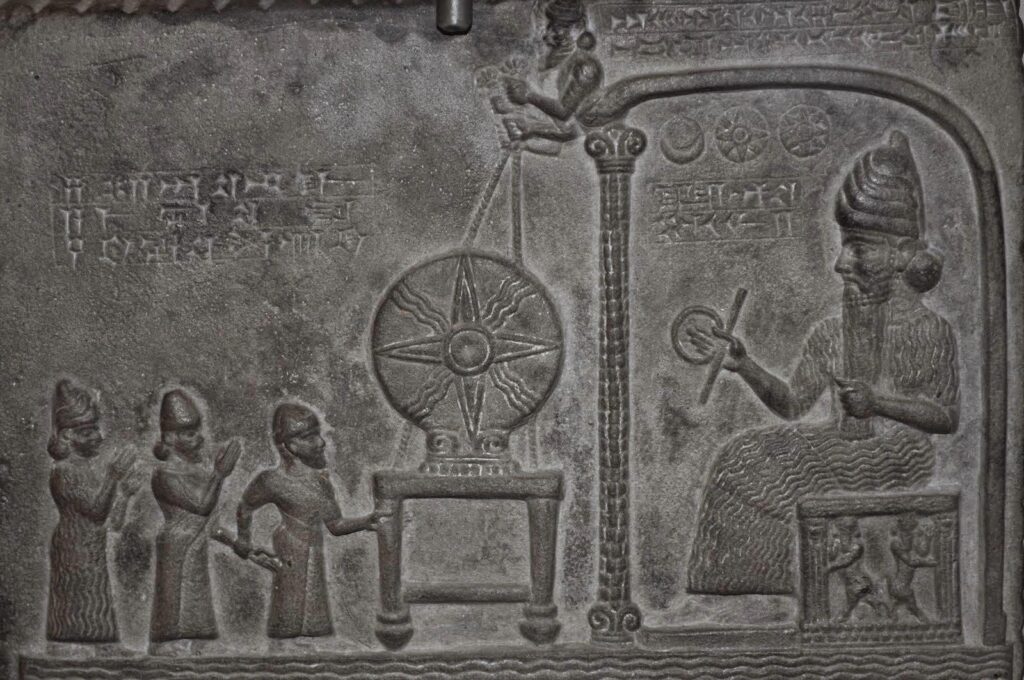

We knock on wood, avoid walking under ladders, and hesitate before saying something might finally be going well – little rituals that feel almost automatic, yet oddly powerful. For a supposedly rational, science-based society, we’re remarkably willing to behave as if invisible forces are paying attention. Psychologists argue that these habits give us a sense of control in a chaotic world, but their stories stretch much further back than modern anxiety. Many of today’s everyday superstitions are the surviving fossils of ancient religions, folk physics, and early attempts to make sense of a dangerous planet. Tracing them is like digging through civilization’s subconscious, where fear, hope, and trial-and-error coexist in one surprisingly persistent mythos.
The Hidden Logic Behind Crossing Your Fingers

Crossing your fingers before a job interview or big exam feels like a small, harmless way to tip the odds in your favor, but the gesture’s history is surprisingly tangled. Many historians link it to early Christian communities in Europe, where intersecting lines – whether in the shape of a cross or by joining fingers – were believed to invoke divine protection. Over time, the explicitly religious meaning faded, yet the underlying idea remained: by forming a tiny symbolic barrier, you shield yourself from bad luck. Today, the habit persists even among people who don’t identify as religious at all, which says a lot about how symbols can outlive the beliefs that created them.
Psychologists see finger-crossing as a classic example of “ritualized behavior” that reduces anxiety by making the intangible feel tangible. A few laboratory studies have even suggested that performing good-luck rituals can slightly improve performance by boosting confidence and focus, not by altering fate. In that sense, crossing your fingers is less about magic and more about hacking your own brain’s stress response. The superstition survives not because the universe responds, but because we do. That quiet, almost private motion becomes a way of telling ourselves we’re not entirely helpless.
Why Knocking on Wood Refuses to Die Out
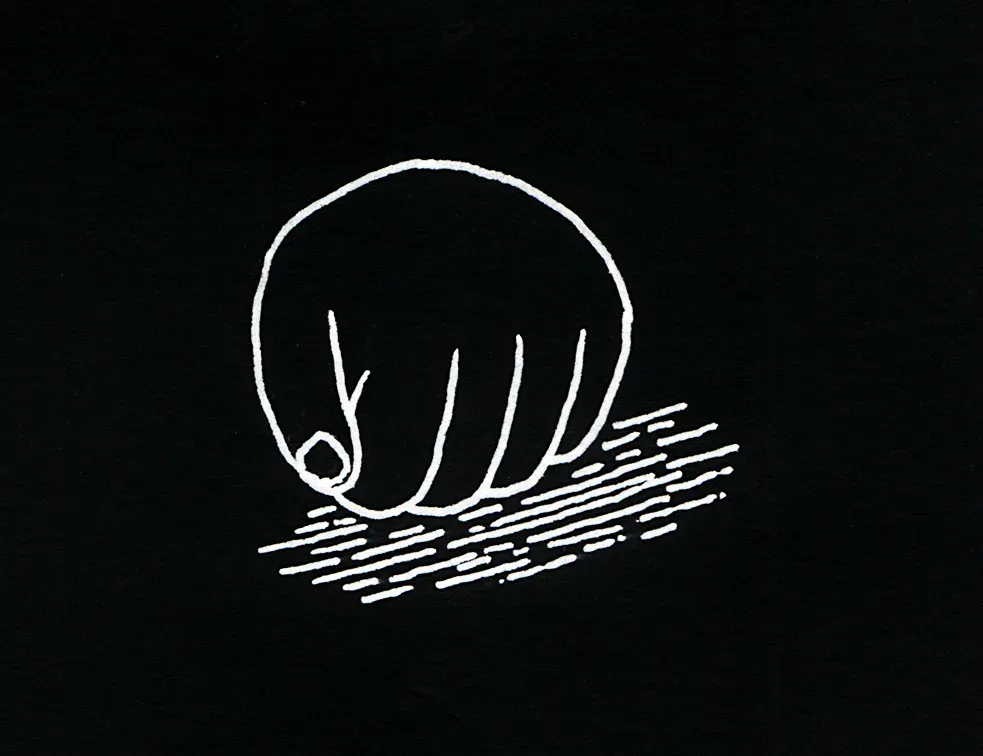
Knocking on wood is so ingrained in casual conversation that many people do it almost reflexively after saying something positive. The roots of this habit are debated, but one influential theory traces it back to ancient tree worship in Europe, where trees were thought to house protective spirits or deities. Touching or knocking on wood might have been a way to call on those spirits for protection or to avoid tempting fate. Later, Christian traditions layered on new meanings, associating “holy wood” with the wood of the cross, further reinforcing the idea that wood had protective power.
Modern cognitive science adds another layer: researchers studying superstition find that people often act to “undo” a tempting-fate moment, such as bragging that they never get sick. Knocking on wood functions as a physical reset button, a small act that symbolically cancels the hubris. One experiment even found that performing a “protective” action after tempting fate reduced people’s anxiety and made them feel less vulnerable to bad outcomes. The wood itself is irrelevant; what matters is the sense of reversal. In a world of vaccines and climate models, this simple thud on the nearest tabletop is a reminder that our ancient fear of attracting misfortune is still very much alive.
The Curious Case of Walking Under Ladders

Avoiding walking under ladders is often framed as simple common sense – you could get hit by a falling tool, after all. But the superstition predates modern construction sites and appears to have deeper symbolic roots. In medieval Europe, a ladder leaning against a wall creates a triangle, a shape associated by some Christian traditions with the Holy Trinity. Disrupting that triangle by walking through it was considered a kind of symbolic violation, and therefore bad luck or even blasphemous. Over centuries, the religious symbolism faded, but the association between ladders and misfortune stuck around.
At the same time, this superstition illustrates how early “risk assessment” blurred into the supernatural. Ladders really are dangerous: workers fall, tools drop, and unstable structures collapse. Ancient and early modern communities didn’t have safety regulations, so turning a practical warning into a forbidden act helped encode survival rules in a memorable way. Anthropologists note that many taboos serve this hybrid purpose, blending spiritual meaning with real-world hazards. Today we might justify stepping around a ladder as simple caution, yet the twinge of unease when we see someone walk straight under one hints at much older anxieties. Our brains quietly keep the myth running even when we claim we’re just being careful.
The Number 13 and the Fear That Won’t Go Away
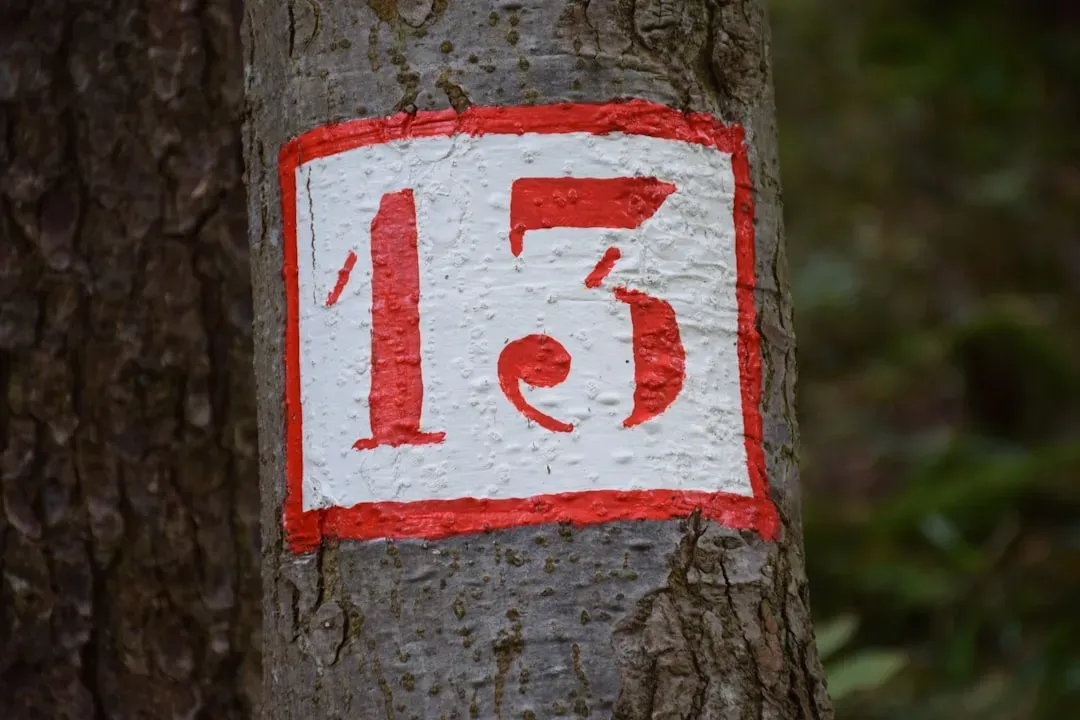
The fear of the number 13 is so widespread that many hotels still skip the thirteenth floor on elevator panels, and some airlines avoid labeling a row 13. This anxiety, known in clinical terms as a specific phobia of the number, draws on layers of historical storytelling rather than a single clear origin. Some historians point to Norse myths involving a thirteenth, disruptive guest at a divine banquet, while others highlight Christian traditions that frame a table of thirteen guests at the Last Supper as ominous. In both cases, the extra person becomes a symbol of imbalance, disruption, or impending tragedy. The idea that thirteen at a table brings misfortune persisted well into European social customs.
In modern data, the picture is more nuanced: accident statistics do not reliably show that Fridays falling on the thirteenth are more dangerous than other days, despite widespread belief. Yet economic studies have documented reduced consumer activity on those dates, suggesting that superstition can shape behavior in measurable ways. Some people postpone flights, delay major purchases, or reschedule medical procedures just to avoid the unlucky number. Psychologists see this as a form of confirmation bias – when something bad happens on a “cursed” day, we remember it and weave it into the story. The superstition persists because we selectively reinforce it, turning a simple integer into a cultural lightning rod.
Spilled Salt, Bad Luck, and the Strange Power of a Pinch
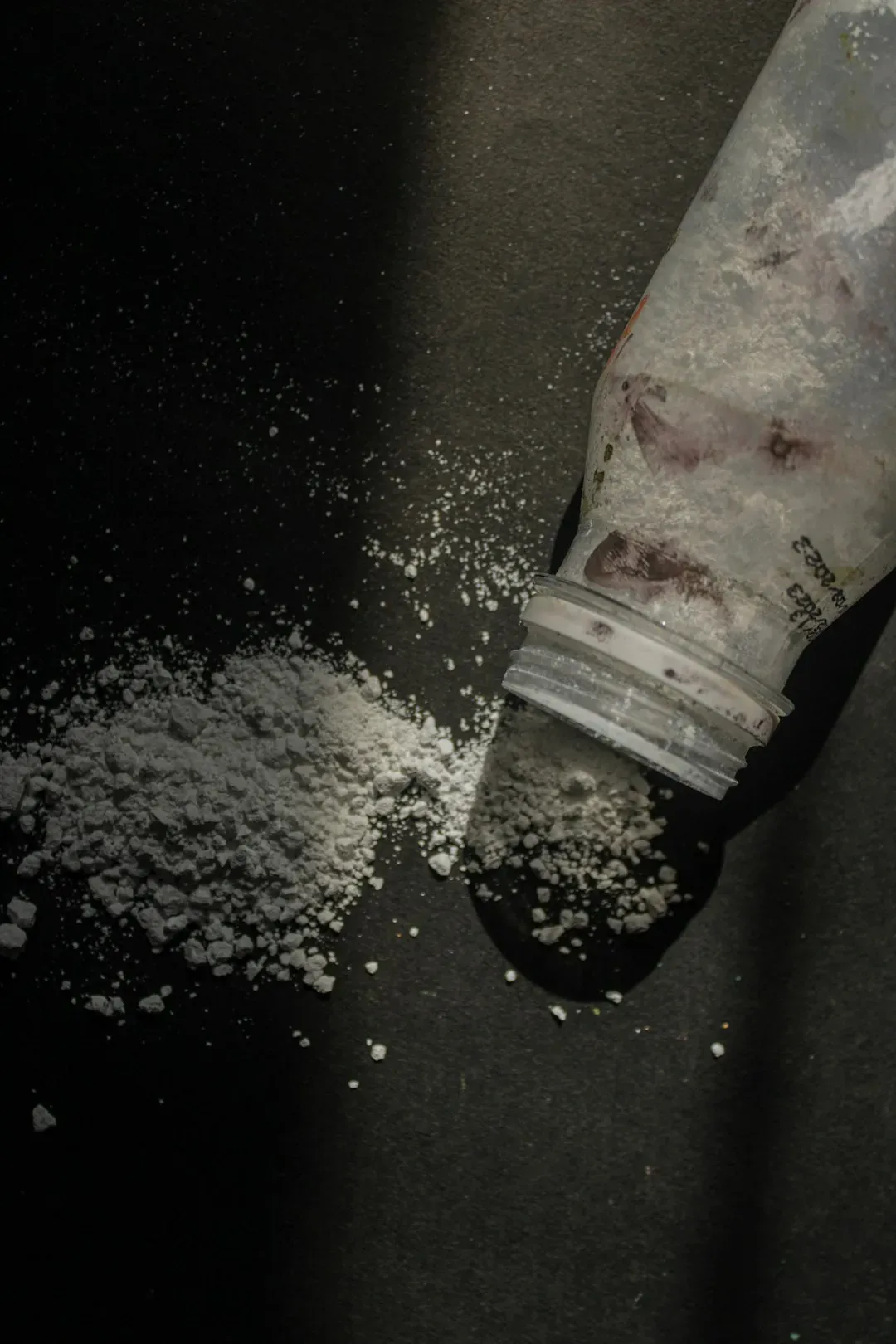
That quick move of tossing a pinch of spilled salt over your left shoulder looks quirky, but it carries a surprisingly heavy load of historical baggage. In many ancient societies, salt was extremely valuable; it preserved food, allowed long-distance trade, and in some regions was even used as a form of currency. Wasting it was not just clumsy, it was a serious economic loss, so it makes sense that spilling salt became associated with misfortune. Over time, folklore in Europe added another layer: the idea that an evil presence lurked just behind your left shoulder, waiting for an opportunity.
Throwing salt behind you became a way to ward off that lurking negativity, literally and symbolically blinding or repelling whatever might be waiting there. Some art historians point to famous Renaissance paintings where a spilled saltcellar appears as a visual shorthand for betrayal or looming disaster, reinforcing this link between salt and bad omens. From a psychological perspective, the small ritual of flicking salt can help a person feel they have “fixed” a mistake, even if only symbolically. It is a micro-drama of cause, error, and redemption, compressed into a second or two at the dining table. In a world where many outcomes feel beyond our control, that small narrative loop still feels satisfying.
Black Cats: From Sacred Guardians to Symbols of Misfortune
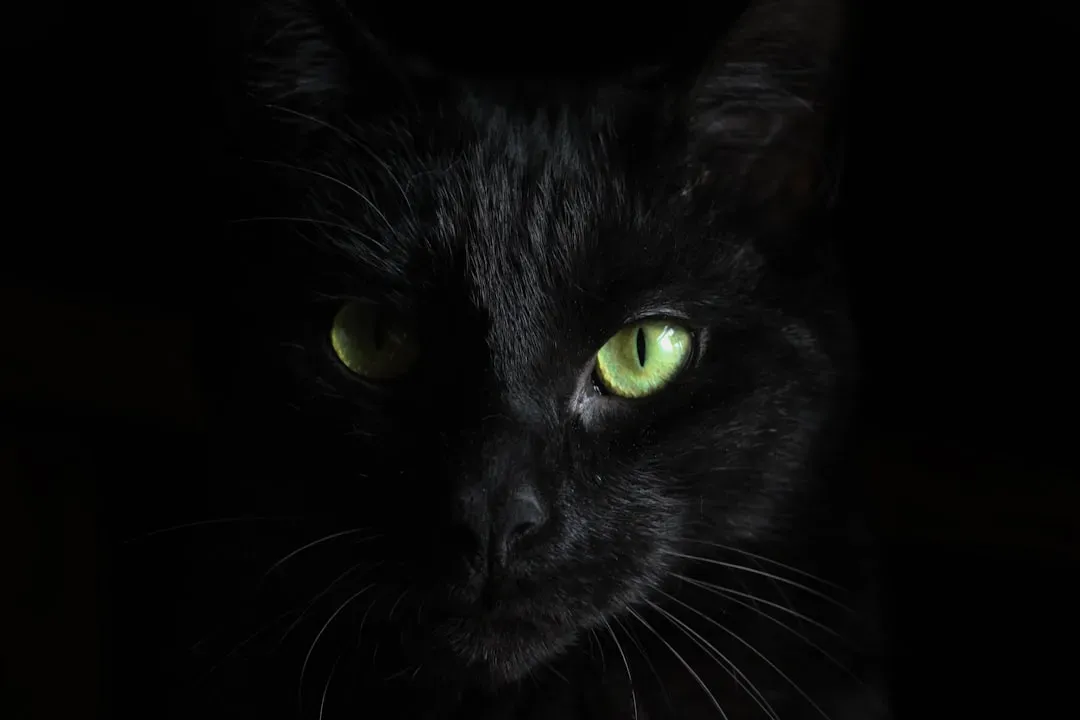
Black cats are perhaps the most visually striking superstition symbol, especially around Halloween in the United States and Europe. Today they’re often cast as unlucky or ominous, but their older story is far more complex. In ancient Egypt, cats – including dark-coated ones – were linked with protective deities and were treated with deep respect. Centuries later, in parts of medieval and early modern Europe, black cats became entangled with fears about witchcraft and the devil, in some regions being thought of as witch’s companions or even as witches transformed. This shift from sacred to sinister reflects major religious and cultural changes, not any change in the animals themselves.
Modern animal welfare groups have noted that dark-furred cats can be harder to adopt from shelters, suggesting that leftover bias still has real consequences. At the same time, in some cultures, especially parts of the United Kingdom and Japan, black cats are considered lucky or protective. This global split shows how the same animal can carry opposite meanings depending on the surrounding story. Scientists studying animal coloration have found no evidence that black cats are inherently more “mischievous” or dangerous than other cats; their only real difference is pigment. The superstition is a reminder that we read character into color and pattern, often with little more than history and fear guiding us.
Breaking Mirrors and the Myth of Seven Years’ Bad Luck
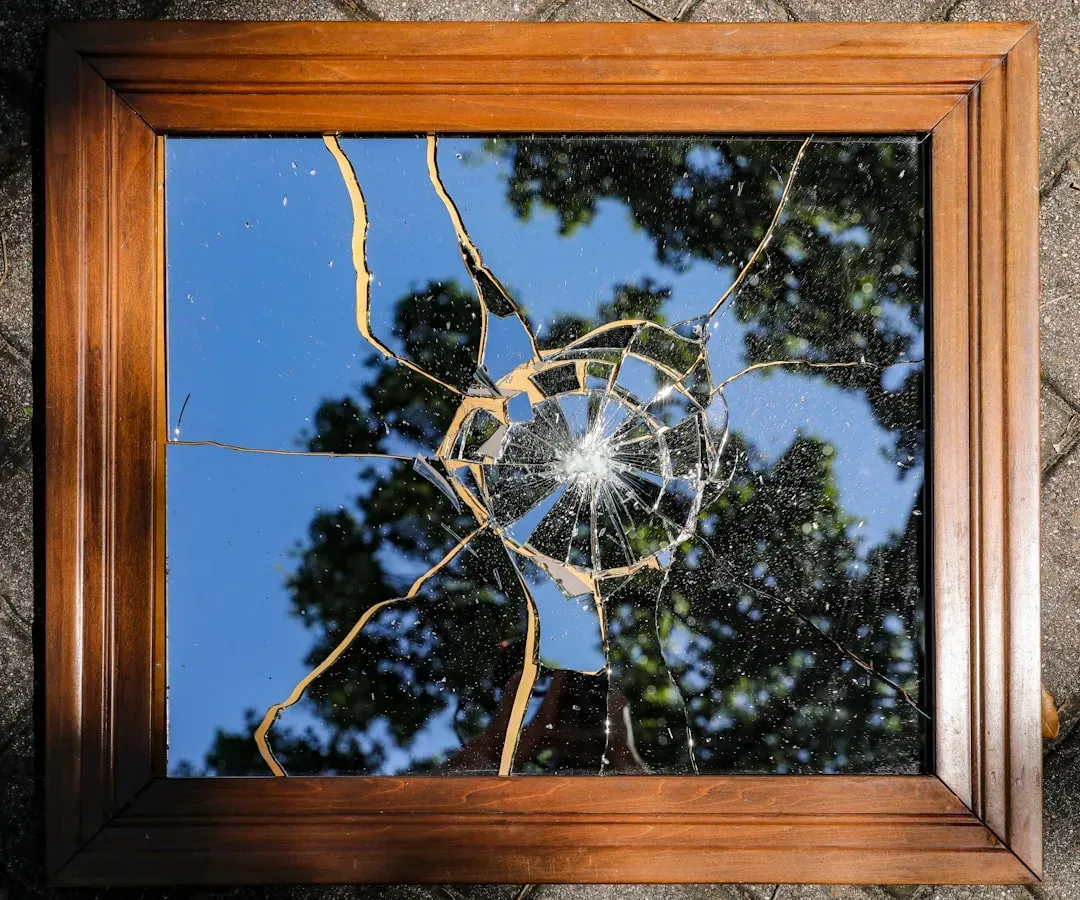
The idea that breaking a mirror brings seven years of bad luck sounds oddly precise, which is part of what makes it so compelling. Mirrors have been treated as portals to the soul or other realms in many cultures, from ancient Rome to early modern Europe. Roman sources suggest that a typical “life cycle” or significant personal turn was thought to last about seven years, so damaging a reflection could be seen as damaging the soul’s current phase. Combining these ideas may have produced the specific time frame: a broken reflection equals a disrupted fate until the next cycle resets.
Historically, mirrors were also rare and expensive objects, made by skilled craftspeople using fragile methods of glass and metal backing. Telling people they would suffer serious consequences if they broke one was a clever way to encourage careful handling. Today, we can buy cheap mirrors almost anywhere, yet the superstition lingers and still makes people wince when a frame falls. From a psychological angle, the shock of seeing your own image shattered creates a powerful emotional imprint, giving the superstition a visceral anchor. Science now treats mirrors as tools for studying perception and self-recognition, but at a gut level, many of us still half-believe they hold something more.
Opening Umbrellas Indoors: Physics, Folklore, and Domestic Danger

Being scolded for opening an umbrella indoors can feel like stepping into a time capsule of family rules, but the taboo has rational roots. Early umbrellas and parasols in Europe and the Middle East often used rigid metal spokes and stiff mechanisms; opening them in confined spaces risked scratching faces, breaking fragile objects, or knocking over oil lamps. Turning that practical warning into a superstition was a way to encode safety into memory: instead of a detailed explanation about leverage and sharp points, you simply tell a child it brings bad luck. Over generations, the original danger fades from awareness while the “don’t do it” rule remains.
Folklore scholars have also traced associations between umbrellas and protective deities or royal status in some cultures, where shading someone from the sun marked them as powerful or sacred. Bringing that outdoor symbol of protection indoors might have been seen as disruptive or disrespectful in certain historical contexts. Modern risk statistics do not highlight any unique curse linked to indoor umbrellas, of course, but the discomfort persists. It sits in the same mental category as walking under ladders: a convergence of real past danger and inherited myth. The superstition shows how household safety guidelines can fossilize into rituals long after the original threats have changed.
Why These Ancient Superstitions Still Matter Today
At first glance, everyday superstitions look like harmless quirks that science has long since outgrown, but they offer a rare window into how human minds handle uncertainty. Cognitive scientists point out that our brains are pattern-seeking machines, more likely to invent a connection than to accept that outcomes are random. From that standpoint, a superstition is an early, informal model of cause and effect: do this, avoid that, or risk unseen consequences. In societies without modern statistics or controlled experiments, such rules of thumb were often the best tools available for navigating danger. They carried both practical tips and exaggerated warnings in the same narrative package.
Even in the age of big data, research shows that belief in at least one superstition is common across many populations, including highly educated groups. These rituals can reduce stress by offering a sense of agency, acting almost like low-tech mental health tools during periods of uncertainty. Some studies suggest that performing a familiar lucky action can improve performance not through magic, but through increased confidence and reduced anxiety. Seen this way, superstitions are not mere relics but active parts of how people cope with pressure. They matter because they demonstrate that emotional logic and scientific logic often run in parallel rather than replacing one another.
From Omens to Algorithms: The Future of Superstition

As technology weaves itself into daily life, superstition is not disappearing; it is evolving. Social media platforms are filled with new ritual-like behaviors, from specific posting times believed to “please the algorithm” to viral challenges that promise good fortune if shared. These patterns echo older beliefs: an unseen system rewards particular actions, and missteps may lead to invisibility or failure. Instead of rain gods or household spirits, people now talk about recommendation engines and engagement metrics, but the emotional tone often feels similar. Our superstitions have migrated into digital space without losing their basic structure.
Researchers in behavioral science and digital anthropology are beginning to treat these tech-era myths as serious subjects of study. Future work may use large-scale data to map how quickly new superstitions spread, which groups adopt them, and what psychological needs they meet. There is also a growing concern that algorithmic “folk beliefs” can fuel misinformation or unhealthy online behaviors, especially when people overestimate cause-and-effect in opaque systems. On the other hand, understanding these patterns could help designers build tools that support healthier habits instead of exploiting anxieties. The likely future is not a superstition-free world, but a world where ancient urges to find hidden rules latch onto every new technology we create.
Small Ways to Stay Curious – and Skeptical

Engaging with superstition does not mean you have to either fully believe or flatly reject every old story; it can simply be an opportunity to notice how your own mind works. One easy step is to pay attention the next time you knock on wood or hesitate at the number 13 and ask yourself what feeling triggered it. Did it come from family tradition, a specific memory, or just a vague sense of unease you inherited without question. Keeping a mental (or literal) log of these moments can turn daily habits into small psychology experiments. That act of noticing is a quiet form of scientific thinking applied to your own life.
You can also support scientific literacy and folklore research by following projects that document traditional beliefs before they vanish, or by visiting museums and public lectures that explore how ancient cultures understood chance and risk. Sharing what you learn with friends or younger relatives helps frame superstitions as part of human history rather than as secret rules of the universe. Most importantly, practicing a habit of asking “What’s the evidence?” – even about rituals you find charming – builds a mindset that can carry over into decisions about health, technology, and politics. The goal is not to scrub your life of every quirky habit, but to see them clearly. Next time you catch yourself crossing your fingers, will you feel just a little more like both participant and investigator?
Suhail Ahmed is a passionate digital professional and nature enthusiast with over 8 years of experience in content strategy, SEO, web development, and digital operations. Alongside his freelance journey, Suhail actively contributes to nature and wildlife platforms like Discover Wildlife, where he channels his curiosity for the planet into engaging, educational storytelling.
With a strong background in managing digital ecosystems — from ecommerce stores and WordPress websites to social media and automation — Suhail merges technical precision with creative insight. His content reflects a rare balance: SEO-friendly yet deeply human, data-informed yet emotionally resonant.
Driven by a love for discovery and storytelling, Suhail believes in using digital platforms to amplify causes that matter — especially those protecting Earth’s biodiversity and inspiring sustainable living. Whether he’s managing online projects or crafting wildlife content, his goal remains the same: to inform, inspire, and leave a positive digital footprint.