

For stories that were supposedly “just for children,” classic fairy tales carry a shocking amount of darkness, danger, and desire. Generations have passed them down without footnotes, yet they quietly shaped how people saw love, fear, gender, and power. Now psychologists, anthropologists, and data scientists are treating these tales less like bedtime fluff and more like archaeological layers of the human mind. What if Cinderella is really about economic anxiety, Little Red Riding Hood about emerging sexuality, and Beauty and the Beast about negotiating with threat? As researchers decode these narratives with modern tools, the familiar tales of our childhood are starting to look like x‑rays of our deepest cultural and psychological drives.
The Hidden Clues: What Fairy Tales Reveal About the Human Mind

One of the most surprising findings from modern psychology is how closely the logic of fairy tales mirrors the logic of dreams. Both operate in a symbolic language: a forest becomes uncertainty, a wolf becomes predatory danger, a castle becomes social status or safety. When analysts look at tales like Little Red Riding Hood or Hansel and Gretel, they see recurring patterns of separation, threat, and reunion that map onto core developmental fears in childhood. Children listen to these story patterns long before they can name emotions like anxiety, jealousy, or shame, so the tales act as rehearsal spaces for those feelings. In that sense, the “once upon a time” worlds function like emotional flight simulators, letting young minds rehearse crisis and recovery without real‑world consequences.
Researchers in developmental psychology have found that children who regularly hear and discuss stories may be better at recognizing and labeling emotions, both in themselves and others. The fairy tale, in this view, is less a moral lecture and more a coded feelings manual, wrapped in witches and dragons so it feels safe enough to approach. The monsters are exaggerated partly so kids can look at fear from a distance, like staring at a storm from behind a window. Adults often underestimate how seriously kids take these tales, but in lab settings, children can skillfully explain why a character should be afraid, proud, or angry. The hidden clue is that fairy tales are not merely entertainment; they are emotional literacy training disguised as fantasy.
From Oral Campfires to Printed Pages: How Stories Mutated Over Time
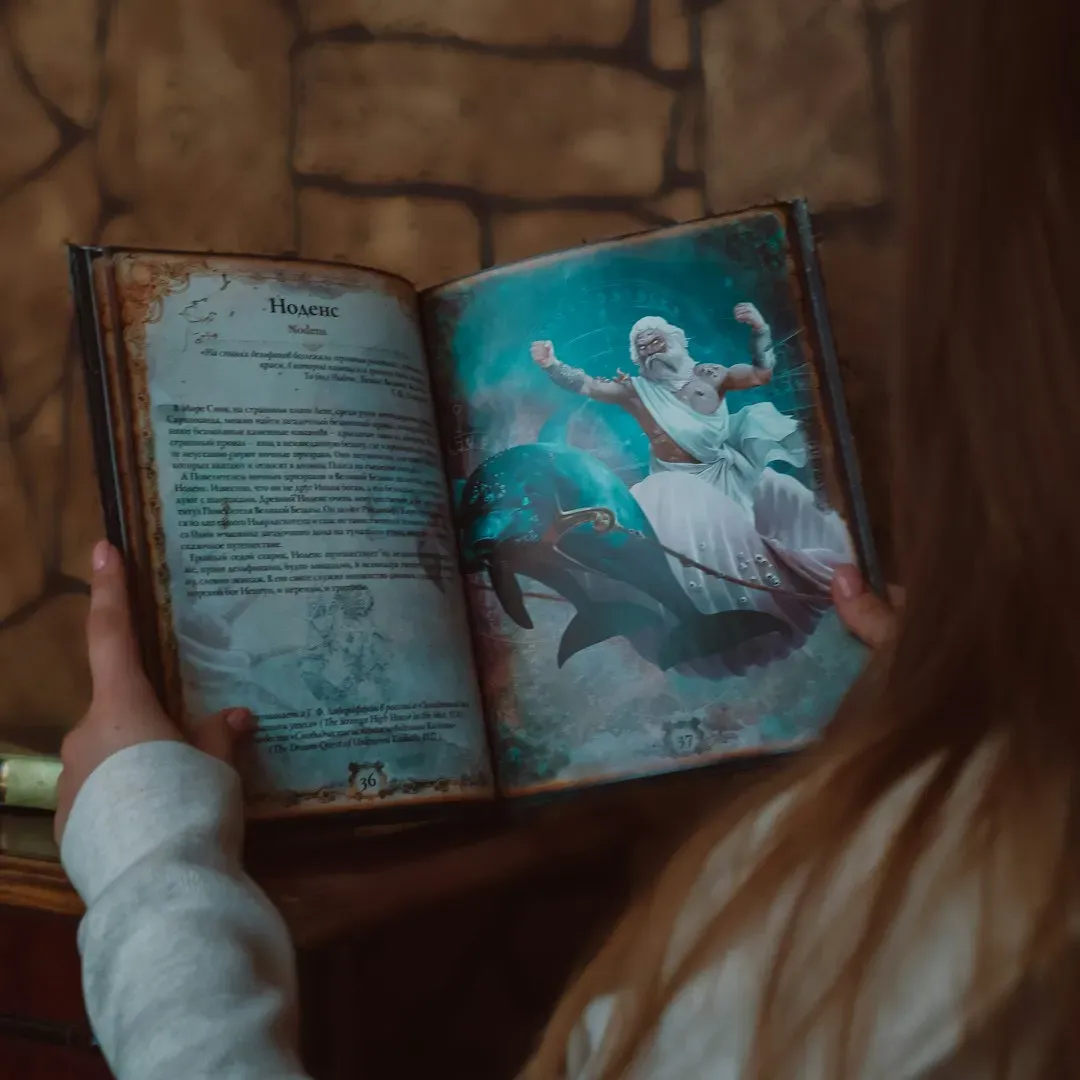
The fairy tales we think we know are often much softer than their original versions, and that evolution tells a revealing cultural story. Early oral folktales passed around medieval villages could be brutal, full of dismemberment, cannibalism, and revenge that mirrored the precariousness of real life. When collectors like the Brothers Grimm started writing them down in the nineteenth century, they gradually edited stories to be more palatable to middle‑class families, smoothing out sexual references and reshaping punishments. Over multiple editions, heroines became more obedient, mothers turned into stepmothers so as not to tarnish the ideal of motherhood, and moral lessons were sharpened. The result was not just a change in tone, but a subtle rewriting of what “good” and “bad” looked like in that society.
Scholars who compare different manuscript versions can watch the priorities of a culture shift in real time. In one period, the threat might be starvation and wild animals; in another, it becomes social disgrace or disobedient children. Folklorists have even mapped how a single tale type, like Cinderella, appears in hundreds of versions across continents, each remixing the same bones of the story to fit local fears and hopes. The glass slipper might become a golden shoe or a lost ring, but the core tension around status, injustice, and recognition remains. These mutations show that fairy tales are not frozen artifacts; they are living documents that adapt as societies renegotiate what they fear, desire, and forbid.
Gender, Power, and Desire: The Politics Inside the Stories

Fairy tales have long been accused of teaching regressive gender roles, and in many cases, that criticism is deserved. Early print versions often rewarded passive, beautiful heroines who waited for rescue while punishing ambitious or outspoken women as witches and villains. Psychologically, these narratives signaled to young listeners which behaviors would be admired and which would be dangerous, functioning as unofficial rulebooks for gender performance. Yet researchers argue that focusing only on the princesses misses the more subversive currents running under the surface. In some stories from older traditions, clever girls outwit demons, negotiate with kings, or save their brothers, hinting at alternative scripts that survived beneath later edits.
Modern feminist scholars read tales like Beauty and the Beast or Bluebeard as uneasy negotiations with male authority and female survival strategies. Is the heroine in love, or is she learning how to stay alive within a threatening system? The same story can look like a romance from one angle and a manual on coercive control from another. When children are exposed to a diverse mix of tales – including ones with active, resourceful heroines – they absorb a more flexible picture of what girls and boys can be. The politics in these stories are not static; as new retellings emerge, they slowly push the boundaries of who gets to be brave, flawed, or powerful.
Monsters, Forests, and Transformations: A Psychological Field Guide
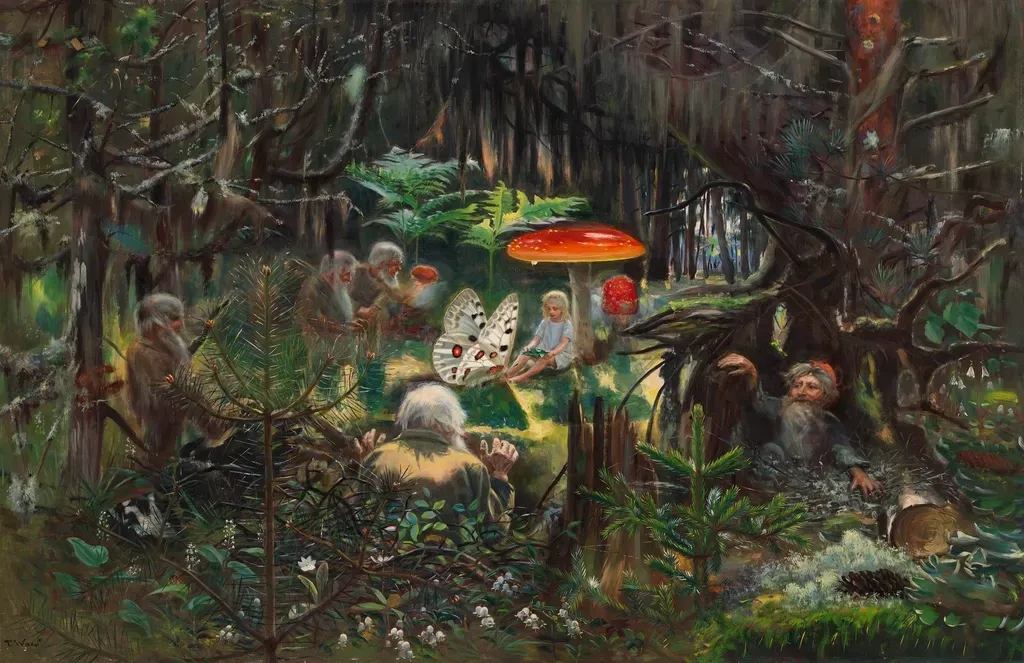
If you think of fairy tales as a kind of symbolic ecosystem, their recurring images start to look like a shared psychological field guide. Forests tend to represent the unknown or the unconscious, places where normal social rules dissolve and characters confront what they fear most. Wolves, ogres, and witches stand in for predators, abusers, or simply the chaotic forces of life that children cannot yet name. Castles and cottages hint at class divides and ideas of safety, with some scholars arguing that being inside or outside the walls mirrors who belongs and who is excluded. Transformation – frogs into princes, beasts into lovers, rags into gowns – often signals a deeper shift in identity or status.
Psychologists working in the tradition of depth psychology have long used these symbols when helping patients make sense of dreams and personal myths. When someone feels “lost in the woods” or “trapped in a tower,” they are unconsciously drawing on this shared narrative language. Interestingly, experimental studies suggest that people remember stories with strong symbolic imagery more easily than purely realistic vignettes. That means the wolf or the enchanted forest is not just decorative; it is a memory hook that makes the underlying emotional lesson more durable. Viewed this way, classic symbols are like an ancient user interface for the human mind, refined over centuries until they were almost impossible to forget.
Global Perspectives: The Same Story Wearing Different Faces
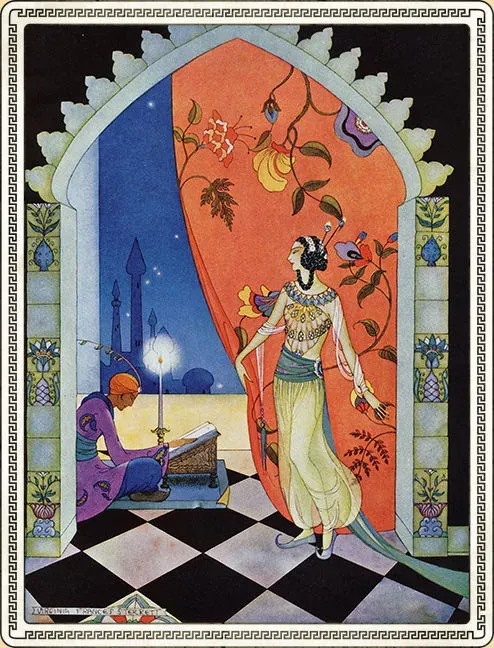
One of the most striking discoveries in folklore research is how similar story skeletons appear in cultures that never historically met. Variants of the Cinderella tale, for example, appear in Europe, Asia, Africa, and Indigenous American traditions, each swapping out cultural details but keeping a core arc of oppression, hidden worth, and sudden reversal. Anthropologists have used computational tools to trace these story lineages much like biologists track genetic evolution, suggesting some tales may be thousands of years old. When you hear a familiar pattern in an unfamiliar setting – a lost child, a trickster helper, a perilous bargain – you are glimpsing a shared human storyline that crossed geography and time. This suggests that fairy tales are not just Western exports; they are part of a global narrative commons.
At the same time, local details matter enormously, and they reveal what each culture finds most threatening or sacred. In some regions, the trickster is a fox; in others, a spider or a coyote, each carrying different associations about intelligence and danger. Where one tradition warns against disobeying elders, another targets greed, hospitality, or violating taboos about nature. Comparative studies show that while the emotional architecture of tales is widely shared, the “costumes” are tailored to local histories, landscapes, and moral codes. That blend of universality and specificity makes folklore an unusually rich lens for understanding how humans everywhere make sense of injustice, luck, and fate.
Why It Matters: Fairy Tales as Unofficial Brain and Culture Experiments
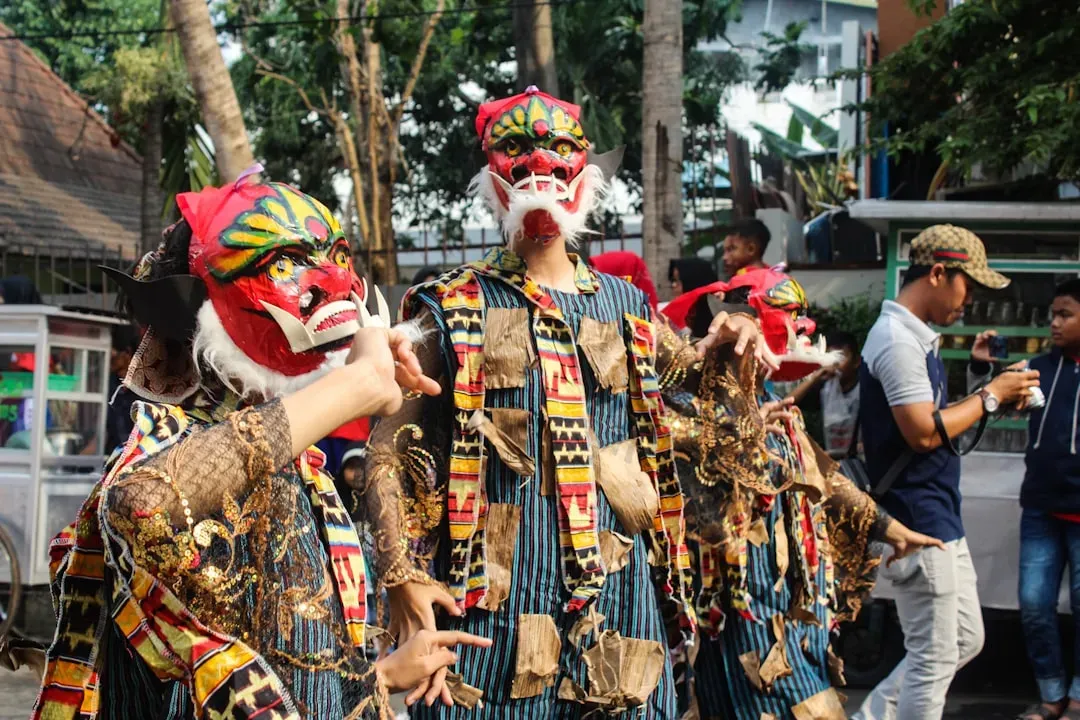
It might be tempting to file fairy tales under nostalgia and move on, but that would miss their scientific value. For psychologists, these stories are natural experiments that have run for centuries, testing which themes and plots resonate deeply enough to survive. Unlike controlled lab studies, they come with enormous sample sizes: countless tellers and listeners across many generations. When a story endures – despite changing technology, politics, and everyday life – it suggests that it is tapping into something stubbornly human. Tales that vanish, by contrast, may have failed that hidden selection pressure, dropping out of circulation because they no longer fit our psychological or cultural needs.
For social scientists, fairy tales also offer a way to track shifting norms and anxieties without having survey data from the distant past. Changes in how stepfamilies, poverty, or authority figures are portrayed can be read as rough indicators of how societies were renegotiating power and identity. In that sense, folklore archives become a kind of time‑lapse film of human values. They show when obedience was prized above curiosity, or when clever rule‑breaking started to be celebrated instead of condemned. Paying attention to these narrative undercurrents gives us a cheap, powerful tool for understanding how minds and cultures co‑evolve.
From Ancient Tales to Modern Labs: How Science Studies Our Stories
Over the past decade, researchers have started using tools once reserved for genetics or linguistics to study fairy tales at scale. By coding plots into discrete elements – hero leaves home, helper appears, task is set, reward is given – scientists can map how different story types spread and mutate across regions. Some teams build massive databases of folktales, then run network analyses to see which motifs travel together and which act as “hubs” for entire narrative families. Others use experiments with volunteers, testing how people remember or retell a story after being exposed to slightly different versions. In those experiments, emotionally charged details and clear moral stakes tend to survive, while neutral background elements quietly drop away.
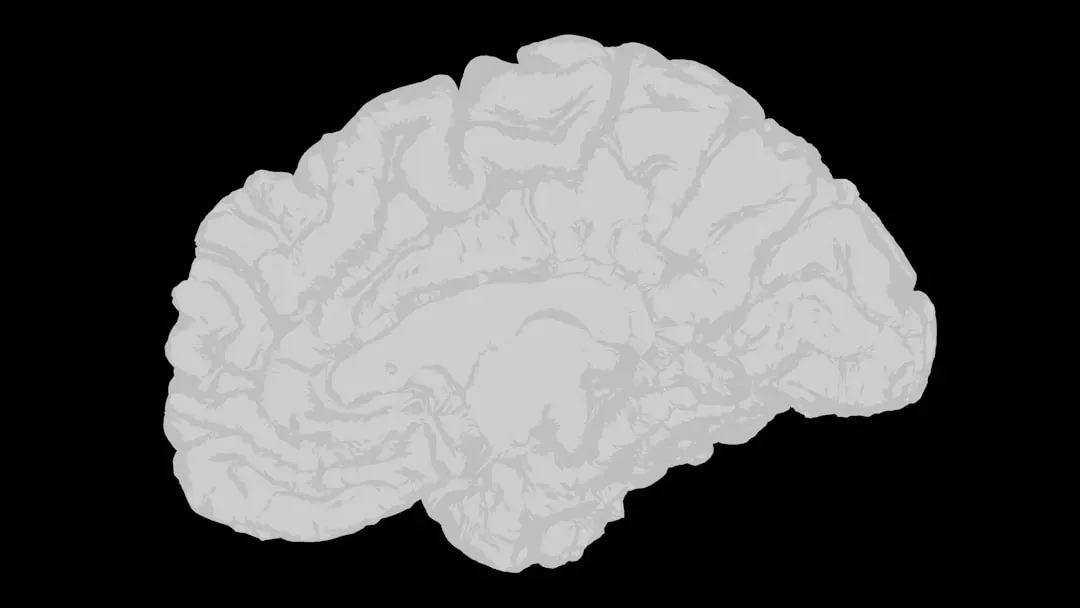
At the same time, cognitive neuroscientists are starting to look at what happens in the brain when we hear familiar story structures. Early imaging studies suggest that predictable narrative arcs – like the rise‑fall‑resolution of many fairy tales – can trigger reward circuits, giving us a subtle pleasure when a pattern resolves as expected. This might explain why retellings and adaptations can be so satisfying even when we already know the ending. We are not just chasing novelty; we are also drawn to the comfort of a pattern playing itself out. When those patterns are as old and deeply embedded as classic folklore, they can feel almost like a shared mental home that we return to again and again.
The Future Landscape: AI, Global Streaming, and the Next Generation of Myths

As streaming platforms, online fandoms, and AI‑generated stories reshape what people watch and read, some researchers are asking whether we are witnessing the birth of new global fairy tales. Contemporary franchises with recurring quests, chosen heroes, and magical systems often reuse the same narrative scaffolding as older folklore, just dressed in space suits or superhero costumes. Algorithms that recommend content based on what billions of people click and rewatch may be unintentionally amplifying certain story structures over others. If a particular kind of underdog‑triumph arc keeps people engaged, it will be promoted more, further cementing that pattern as a modern myth template. In this sense, our devices are becoming new campfires, deciding which tales get told and retold.
At the same time, there are real concerns about homogenization and cultural loss. When a handful of global platforms dominate attention, quieter local stories risk being drowned out before they can adapt or travel. Some projects are racing to digitize and preserve traditional folktales in endangered languages, hoping to keep those narrative genes in circulation for future remixing. Others are experimenting with interactive storytelling and virtual reality, letting users step inside classic tales and make different choices, which could reveal how flexible our mythic preferences really are. Whether these technologies broaden our narrative diet or narrow it will shape not just entertainment, but the kinds of psychological models children inherit about danger, love, and justice.
How You Can Engage: Listening Differently to the Stories Around You

One of the simplest ways to engage with the hidden meanings of fairy tales is to start asking different questions when you encounter them. Instead of focusing only on whether a character is “good” or “bad,” you might ask what fear they represent, what rule they are enforcing, or what desire they secretly embody. When you share stories with children, pausing to ask how a character feels or what other choices they could have made can turn passive listening into active emotional practice. For adults, revisiting a childhood tale and noticing what now feels uncomfortable or fascinating can be its own quiet form of self‑study. The story has not changed, but you have, and that contrast can be revealing.
Beyond personal reflection, there are practical ways to support the science and preservation of storytelling. Public folklore archives, literacy nonprofits, and cultural heritage projects often rely on donations and volunteers to record and translate oral tales before they disappear. Educators and parents can seek out story collections from many cultures, giving kids a broader mythic vocabulary than the narrow roster of commercial princesses and heroes. Even simple choices – like choosing a bedtime story where the clever one is not who you expect – can gently expand what feels possible. Paying attention to which stories you amplify, and which you let fade, is a small but real act of shaping the narrative ecosystem future minds will grow up in.
Suhail Ahmed is a passionate digital professional and nature enthusiast with over 8 years of experience in content strategy, SEO, web development, and digital operations. Alongside his freelance journey, Suhail actively contributes to nature and wildlife platforms like Discover Wildlife, where he channels his curiosity for the planet into engaging, educational storytelling.
With a strong background in managing digital ecosystems — from ecommerce stores and WordPress websites to social media and automation — Suhail merges technical precision with creative insight. His content reflects a rare balance: SEO-friendly yet deeply human, data-informed yet emotionally resonant.
Driven by a love for discovery and storytelling, Suhail believes in using digital platforms to amplify causes that matter — especially those protecting Earth’s biodiversity and inspiring sustainable living. Whether he’s managing online projects or crafting wildlife content, his goal remains the same: to inform, inspire, and leave a positive digital footprint.