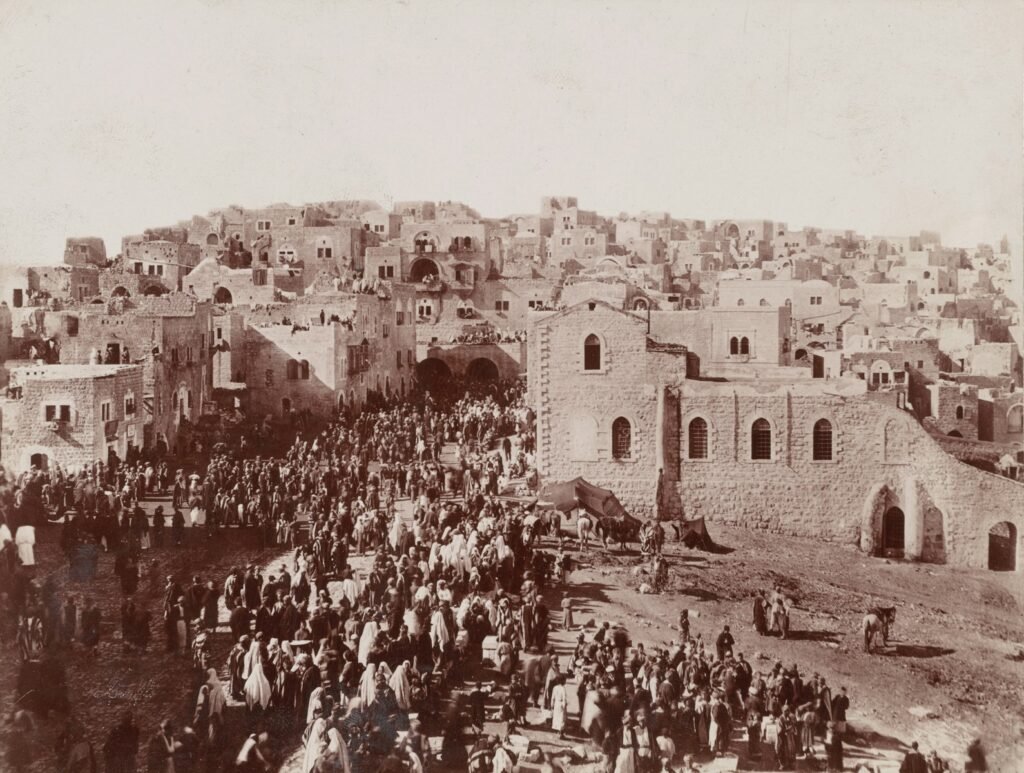

You probably know the pictures by heart: a sailor kissing a nurse in Times Square, a man standing in front of a tank, a child fleeing down a road in Vietnam. They hang in textbooks and museum halls like visual punctuation marks in the story of the modern world. But what most of us never see are the messy drafts behind those polished symbols: cropped edges, unseen bystanders, altered captions, and the complicated lives of the people inside the frame. Today, historians and scientists are peeling back those layers using tools that range from forensic imaging to AI pattern analysis, revealing that some of our most trusted visual memories are far less simple than they seem. The real story is not just what the camera captured in a split second, but how we have been reading, misreading, and sometimes weaponizing those images for decades.
The Hidden Clues
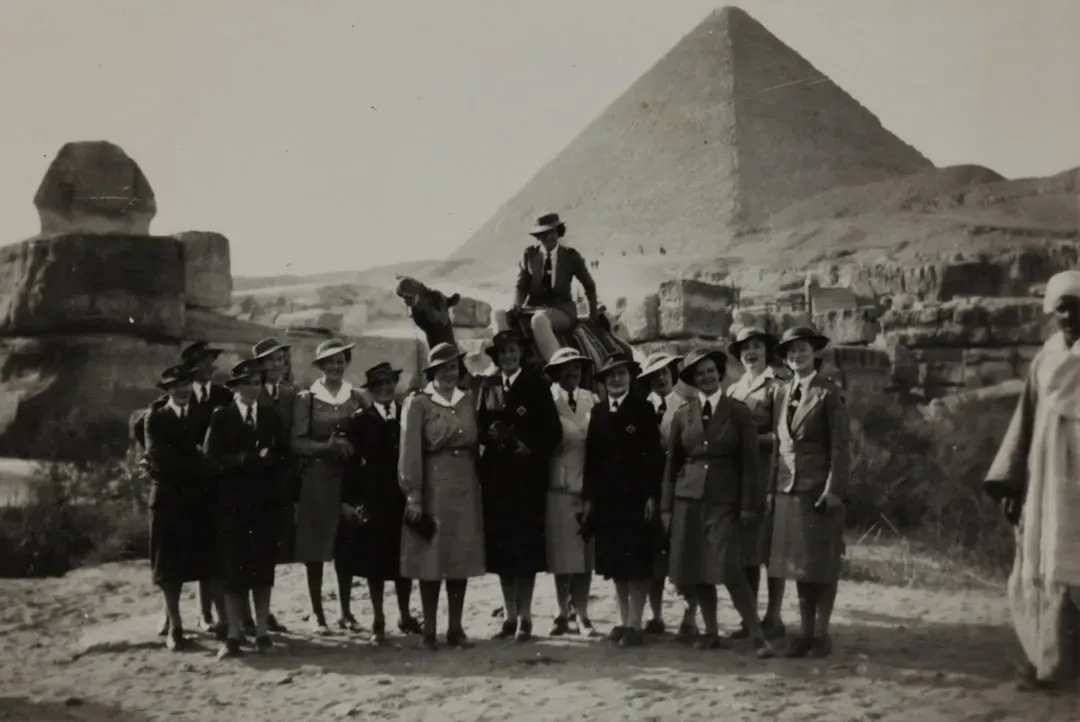
The first surprise about many iconic photographs is how much information they quietly smuggle in at the edges. A tiny street sign in the corner, the angle of a shadow, or the texture of film grain can tell you the time of day, the season, and even whether a photo was staged or spontaneous. Modern image forensics treats these pictures almost like crime scenes, where every pixel is potential evidence. Researchers study the direction of light to check if shadows match up, and they analyze slight distortions caused by older lenses to confirm authenticity. Details that once seemed like background noise now become crucial clues to reconstructing what really happened just outside the frame.
One striking example is how experts have re-examined wartime photographs long used as propaganda, finding small inconsistencies that suggest rearranged bodies or repeated takes of an emotional scene. Rather than dismissing the photos entirely, historians treat them as layered documents: part truth, part performance, and part political messaging. The science here is surprisingly meticulous, involving geometric analysis, chemical tests on paper and ink, and even weather records to verify conditions on specific days. These methods have overturned long-held assumptions about some classic images and strengthened confidence in others. What emerges is a more honest, if less comforting, relationship with the photographs we thought we already knew.
From Glass Plates to Gigapixels: How Technology Rewrites the Frame
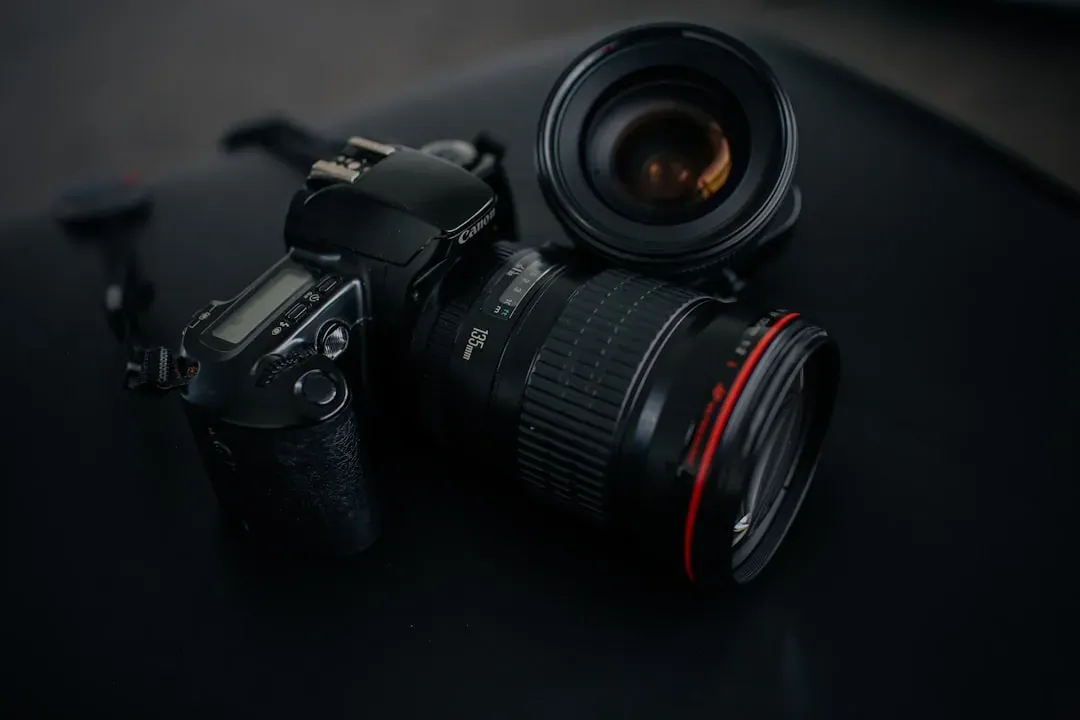
Many of the photographs we call iconic never existed in their current form when they were first taken. Early photojournalists worked with glass plates and fragile negatives that degraded over time, and editors routinely retouched or cropped images for print. Today, high-resolution scanners and digital restoration techniques are pulling hidden data out of those originals, exposing details that no one in the past could easily see. Scratches, stains, and folds are being digitally removed, but so are older edits that once sliced people and objects out of the story. In some cases, entire figures erased from history for political or aesthetic reasons have reappeared in the margins of newly restored files.
Scientists can now zoom into these images at gigapixel scale, examining fibers of uniforms, expressions in a crowd, or reflections in a window that were never visible before. These tiny discoveries sometimes overturn long-standing assumptions, like who actually took a famous shot or exactly where it was composed. Infrared and ultraviolet imaging can reveal underdrawings, retouching marks, and composited sections where separate negatives were merged. Compared with traditional darkroom work, this digital archaeology lets researchers reverse-engineer the decisions made by photographers and editors decades ago. It is as if we suddenly gained the ability to read between the lines of our visual history.
Beyond the Frame: Lives Changed by a Single Image
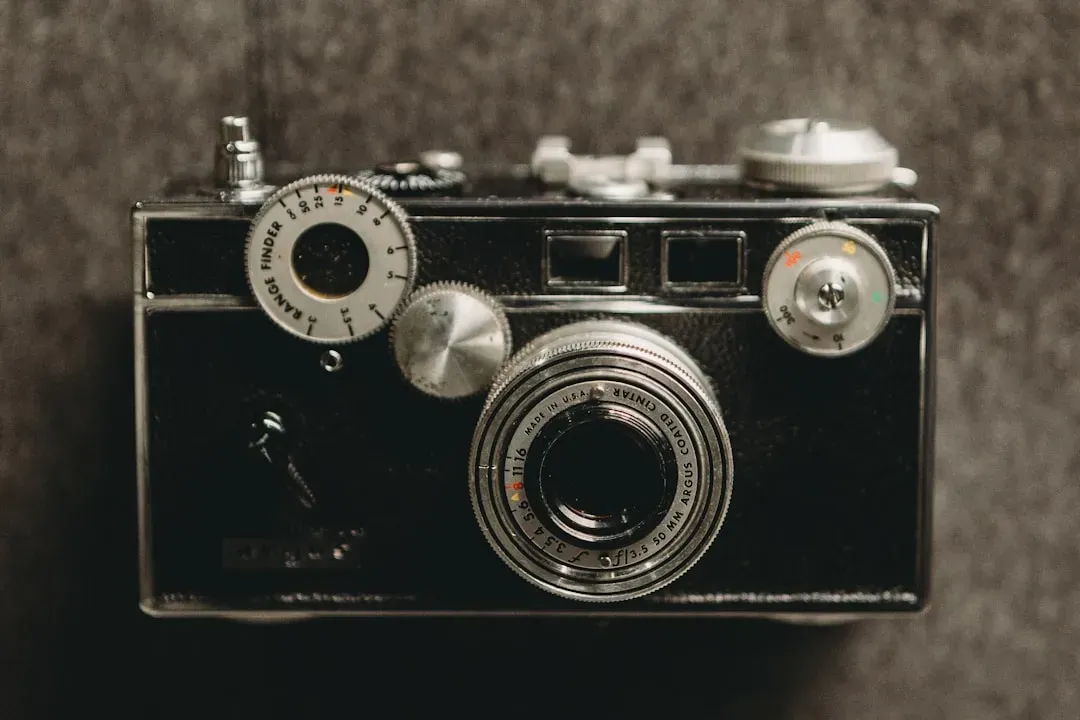
For the people immortalized in iconic photographs, the story is rarely as neat as a caption under a museum print. Many were thrust unexpectedly into the global spotlight, their faces becoming shorthand for entire wars, disasters, or political struggles. Some found modest forms of recognition or compensation, while others lived for decades with trauma, stigma, or unwanted celebrity. Follow-up reporting has revealed that several subjects of famous conflict photographs struggled with mental health, displacement, and complicated relationships to the very image that made them famous. The photograph freezes one instant, but their real lives kept moving, sometimes in directions completely at odds with the narratives imposed on them.
Journalists and historians now try to reconnect these images with the people behind them, treating iconic photos less as symbols and more as starting points for long-form human stories. That shift matters because it pushes us to ask who gets photographed, who gets credited, and who gets left unnamed. It also raises ethical questions about consent and dignity, particularly when images show suffering, poverty, or death. When you discover that a child in a famous war photograph later spent years trying to escape that visual identity, it changes how you look at the picture forever. The science of documentation – records, interviews, and longitudinal studies – helps restore these missing biographies to our collective memory.
Scientific Eyes on Historic Images
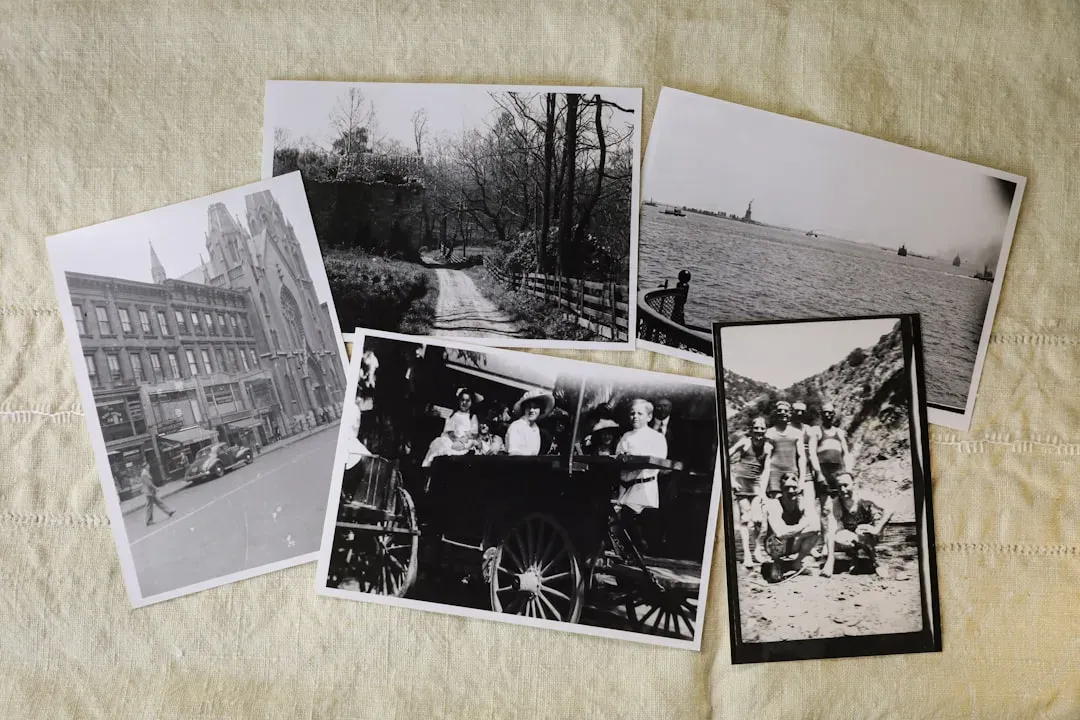
The effort to decode iconic photographs has moved well beyond art history seminars and into the lab. Physicists and computer scientists are building algorithms that can detect manipulation by analyzing noise patterns, compression artifacts, and inconsistencies in lighting that are invisible to the naked eye. Historians collaborate with climate scientists to match cloud formations or snow cover in old images to meteorological archives, narrowing down dates that were once only approximations. Anthropologists, meanwhile, use high-resolution scans to study clothing, tools, and gestures that reveal cultural practices frozen in time. The result is a cross-disciplinary approach that treats a single historic image as a dense data set waiting to be parsed.
These tools are especially powerful for photographs captured before rigorous captioning or metadata were common. Instead of relying solely on incomplete notes, researchers can infer location from geological features or track changes in coastlines and city skylines across multiple images. Artificial intelligence systems trained on large image libraries can flag visual patterns – such as specific military insignia or architectural styles – that help to verify or correct historical claims. In effect, modern science turns old photographs into time machines with upgraded dashboards. They still show the same moment, but now we can read their instrument panels far more precisely.
Why It Matters: Trust, Memory, and Visual Power
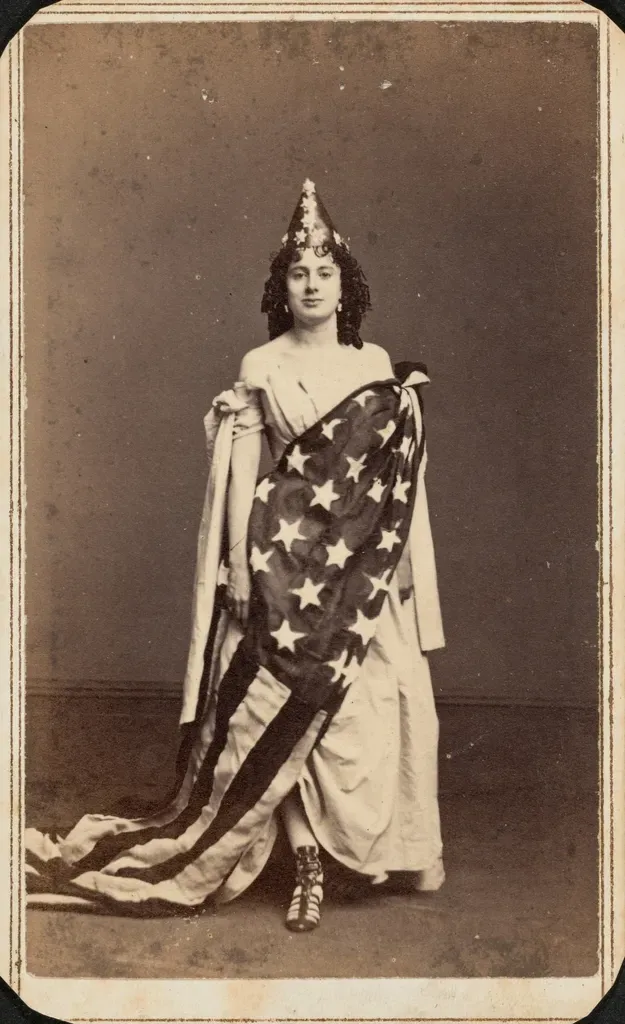
All this forensic attention might sound obsessive until you realize how profoundly photographs shape what we think the past looked like. For generations, a small set of images has stood in for entire wars, social movements, and national myths. When those pictures carry hidden distortions – or when we misunderstand their context – we inherit a skewed sense of what actually happened. Digging into the untold stories behind them is not just an academic exercise; it is a way of recalibrating our collective memory. In a world already worried about deepfakes and misinformation, understanding the vulnerabilities of even analog images becomes urgently relevant.
Compared with traditional text-based archives, photographs feel immediate and persuasive, which makes them powerful but also dangerous when misused. Written records can hedge and qualify, but a photograph hits the brain like a blunt instrument, often bypassing skepticism. By exposing how cropping, staging, and selective publication have long influenced which images become iconic, researchers highlight that photographic truth has always been negotiated rather than absolute. That does not mean we should distrust every picture we see, but it does argue for a more critical, scientifically informed kind of looking. In that sense, re-examining famous photographs becomes practice for navigating today’s visual information storms.
Global Perspectives: One Image, Many Stories
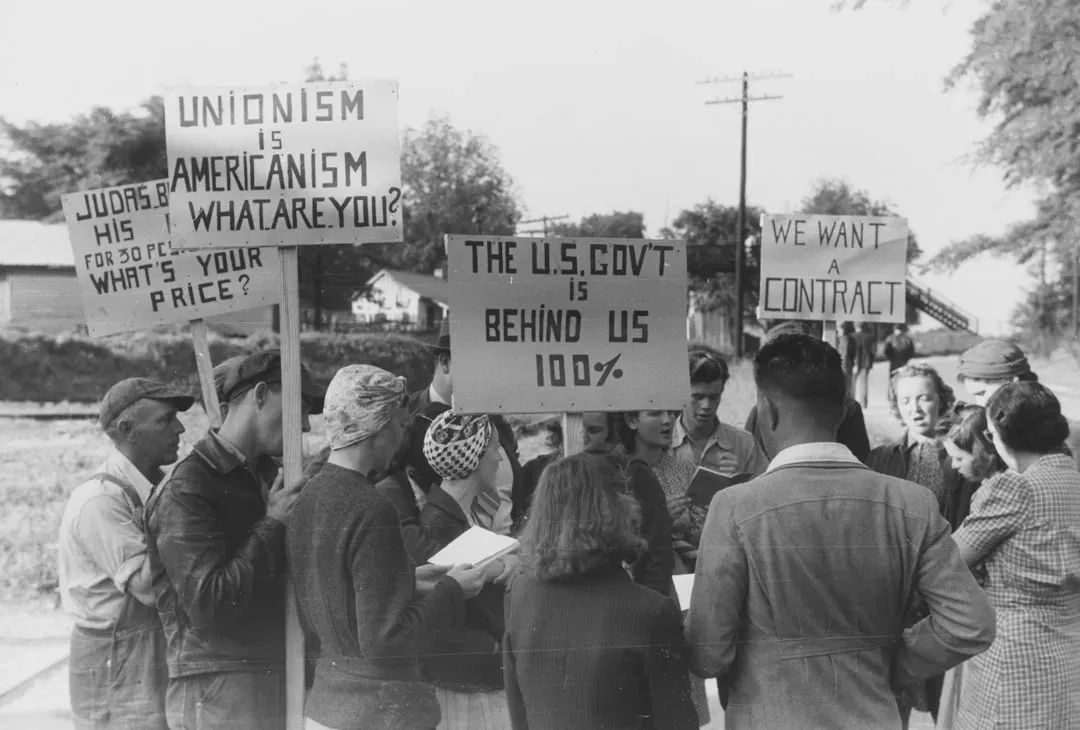
Another revelation from recent work is how differently the same photograph can be understood around the world. A protest image celebrated in one country as a symbol of bravery might be framed elsewhere as evidence of chaos or criminality. Social scientists and media historians track how newspapers, textbooks, and online platforms in different regions caption and contextualize the same visual moment. Their findings show that an iconic photograph is less a fixed object than a kind of visual Rorschach test for societies’ hopes, fears, and ideologies. Over time, as political winds shift, the same image can be rebranded from heroic to problematic or quietly dropped from public circulation.
Digital tools make it easier to map these divergent readings by scanning huge archives of headlines, captions, and social media posts linked to particular images. Patterns emerge: some photos become almost universally associated with resistance, while others fracture along national or partisan lines. Roughly about one third of widely circulated historical images, in some analyses, show major differences in narrative framing between regions. That gap matters because it hints at why global debates about justice, memory, and responsibility so often feel like people are arguing about different realities. In truth, they really are looking at the same picture through very different lenses.
Looking Ahead: AI, Deepfakes, and the Next Generation of Iconic Images
The irony of studying old photographs in such depth is that we are doing it just as the nature of images is changing at high speed. Artificial intelligence can now generate photorealistic scenes of events that never happened, blurring the line between documentation and fabrication. At the same time, the same technologies are being repurposed as defense tools that can flag suspicious anomalies, trace image origins, and verify whether a photo has been altered. Future iconic images may arrive pre-tagged with cryptographic watermarks and detailed metadata, creating a chain of custody that is much harder to fake. That could make it easier for historians of tomorrow to trust what they see – or at least to know where it came from.
Still, these advances raise difficult questions about whose images get preserved and authenticated. If only photographs created by powerful institutions are well documented, the visual history of marginalized communities risks being lost or challenged as inauthentic. Researchers are already warning that the next few decades will be a tug-of-war between increasingly convincing forgeries and increasingly sophisticated forensic methods. Some describe this as an arms race for our visual reality, in which the stakes are nothing less than public trust. How we respond – through policy, education, and technology design – will determine whether future generations inherit a usable photographic record or a fractured one.
How You Can Look Differently at Iconic Photos
You do not need a lab or advanced software to start engaging more thoughtfully with the famous images you encounter. The next time you see an iconic photograph, pause for a moment and ask a few basic questions: Who took this? Who picked it for publication? What might be just outside the frame? That simple habit shifts you from passive viewer to active investigator, which is exactly what this new wave of research is encouraging. You can also seek out long-form reporting or documentary projects that revisit historic images and track down the people involved. Their stories often complicate the neat narratives you grew up with, but that complexity is where real understanding lives.
If you want to go further, you can support organizations and archives working to preserve and digitize , especially those from underrepresented communities. Small donations, volunteer transcription, or even sharing verified context on social platforms can help counteract misleading or decontextualized uses of iconic images. Educators can bring side-by-side comparisons of original and edited versions of famous photos into classrooms to teach visual literacy. Individually, these actions may seem minor, like adjusting a lens by a fraction of a turn. Collectively, they help bring the long, tangled story behind each photograph into slightly sharper focus.
Suhail Ahmed is a passionate digital professional and nature enthusiast with over 8 years of experience in content strategy, SEO, web development, and digital operations. Alongside his freelance journey, Suhail actively contributes to nature and wildlife platforms like Discover Wildlife, where he channels his curiosity for the planet into engaging, educational storytelling.
With a strong background in managing digital ecosystems — from ecommerce stores and WordPress websites to social media and automation — Suhail merges technical precision with creative insight. His content reflects a rare balance: SEO-friendly yet deeply human, data-informed yet emotionally resonant.
Driven by a love for discovery and storytelling, Suhail believes in using digital platforms to amplify causes that matter — especially those protecting Earth’s biodiversity and inspiring sustainable living. Whether he’s managing online projects or crafting wildlife content, his goal remains the same: to inform, inspire, and leave a positive digital footprint.