Open your phone, cross a city street, or glance at a world map, and you’re already in conversation with people who lived thousands of years ago. So much of what feels effortlessly modern – from democracy to timekeeping to the way we build our homes – rests on ancient foundations that rarely get credit. Historians and archaeologists are now using tools like satellite imaging, DNA analysis, and chemical tracing to show just how deep those roots go. The picture that’s emerging is less about vanished worlds and more about a continuous experiment called human civilization. Understanding that experiment is not nostalgia; it’s a way to make sense of our present, and maybe avoid repeating some of our worst mistakes.
The Hidden Clues Beneath Our Feet
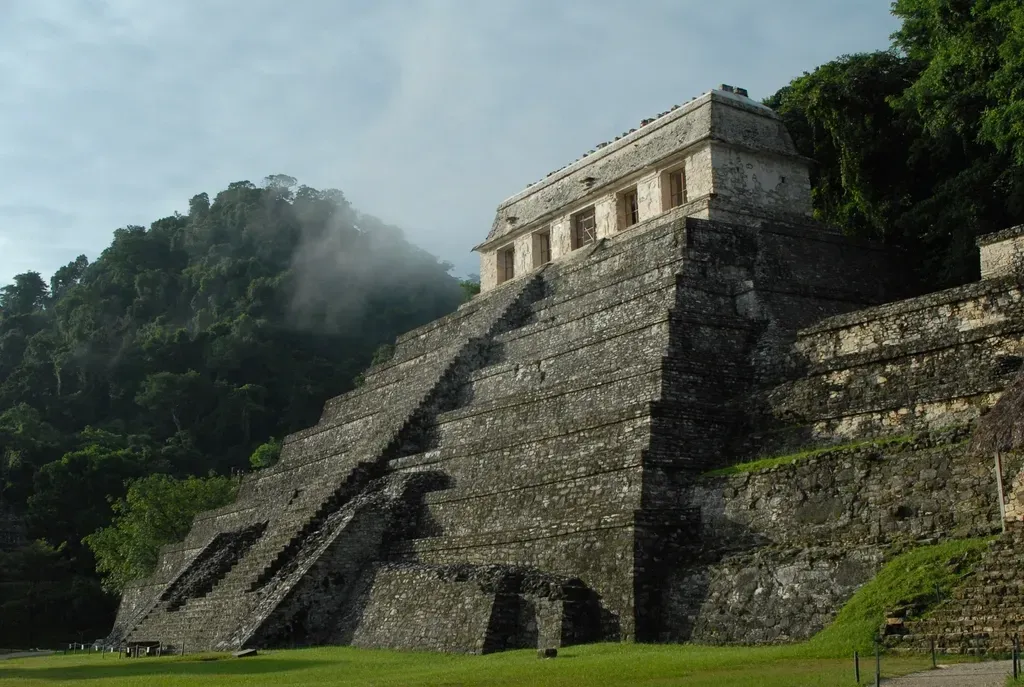
One of the most surprising revelations of recent decades is just how much of the ancient world is still physically with us, buried under farms, suburbs, and even major cities. Archaeologists now use techniques like ground-penetrating radar and lidar to peel back the earth’s surface without lifting a shovel, revealing buried roads, canals, and building foundations that shaped how people moved and lived. In Central America, lidar has uncovered sprawling Maya urban networks hidden beneath dense jungle, showing that what we once thought were isolated temple sites were parts of massive, interconnected cities. Similar technologies in the Middle East have mapped long-vanished irrigation systems and field layouts that guided ancient agriculture. These ghostly patterns often align with modern property lines, roads, and even political boundaries, reminding us that present-day maps are built on very old decisions.
There’s a quiet irony in the fact that the newest tools in science are being used to rediscover some of humanity’s oldest choices. When researchers overlay ancient and modern settlement maps, they see that many “new” cities are simply the latest layers in a much older urban experiment. In flood-prone regions, for example, ancient builders favored slightly raised terraces or natural levees, and those subtle choices still influence where houses stand today. Even when cities were abandoned, their ruins changed water flow, soil quality, and vegetation, influencing how later communities farmed or settled. The past, it turns out, does not vanish – it becomes the underflooring of the world we walk on.
From Ancient Tools to Modern Science

Walk into any laboratory, and you’ll find the descendants of ancient tools hiding in plain sight. The earliest standardized weights and measures, developed in Mesopotamia and the Indus Valley, laid the foundation for the idea that the world can be quantified and compared. Early Egyptian and Babylonian astronomers tracked the movements of the stars and planets to time harvests and rituals, unknowingly sowing the seeds of modern astronomy and physics. Even something as familiar as the decimal system, refined in ancient India and later spread through the Arab world, underpins everything from your bank account to computer code. These are not just quaint relics; they’re the operating system of modern science.
The same story holds for medicine and engineering. Ancient Greek physicians experimented with systematic observation and diagnosis, influencing the way modern doctors take patient histories and look for patterns. Roman engineers who built aqueducts, roads, and concrete harbors solved problems of materials, load-bearing, and water pressure that civil engineers still study today. You can trace a line from an Assyrian clay tablet listing medicinal plants to a twenty-first-century pharmaceutical lab synthesizing new drugs. The methods are more precise, the tools are more powerful, but the core impulse – to observe, record, test, and refine – has been remarkably consistent over millennia.
Time, Cities, and the Architecture of Everyday Life
If you want to feel the presence of ancient civilizations, look at how your day is chopped into neat, invisible units. The twenty-four-hour day comes from ancient Egyptian and Mesopotamian divisions of time, influenced by their sexagesimal, or base-sixty, mathematics. The seven-day week has roots in Mesopotamian and later religious traditions that associated days with celestial bodies. Even the idea of keeping a strict calendar to align agriculture, taxation, and religious observances emerged from ancient bureaucracies trying to tame the chaos of weather and human behavior. When you complain about Mondays, you’re taking part in a rhythm set in motion thousands of years ago.
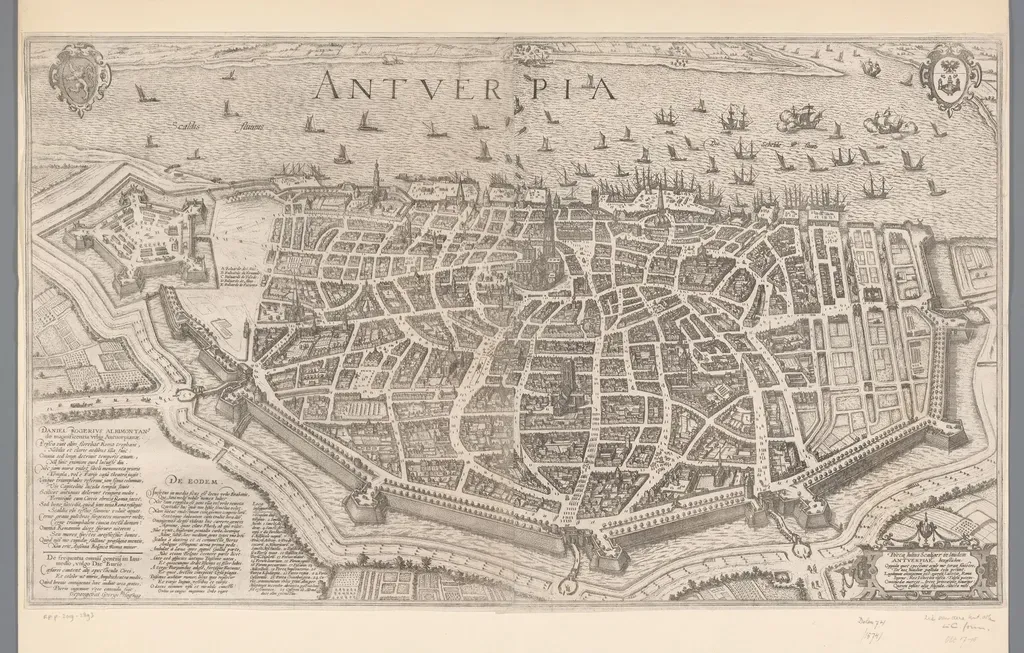
Our built environments are equally haunted by antiquity. The grid layout of many modern cities echoes patterns seen in ancient Greek and Roman planning, where right-angled streets were used to bring order and control to growing populations. Public squares, marketplaces, and civic buildings still follow spatial ideas that were tested in places like Athens, Rome, and Teotihuacan. Features such as central forums, amphitheater-like spaces for gathering, and monumental gateways have modern equivalents in plazas, stadiums, and government complexes. The way we navigate a city – moving between work, worship, commerce, and leisure – is not a purely modern invention but an updated version of very old scripts.
Law, Writing, and the Invisible Infrastructure of Trust
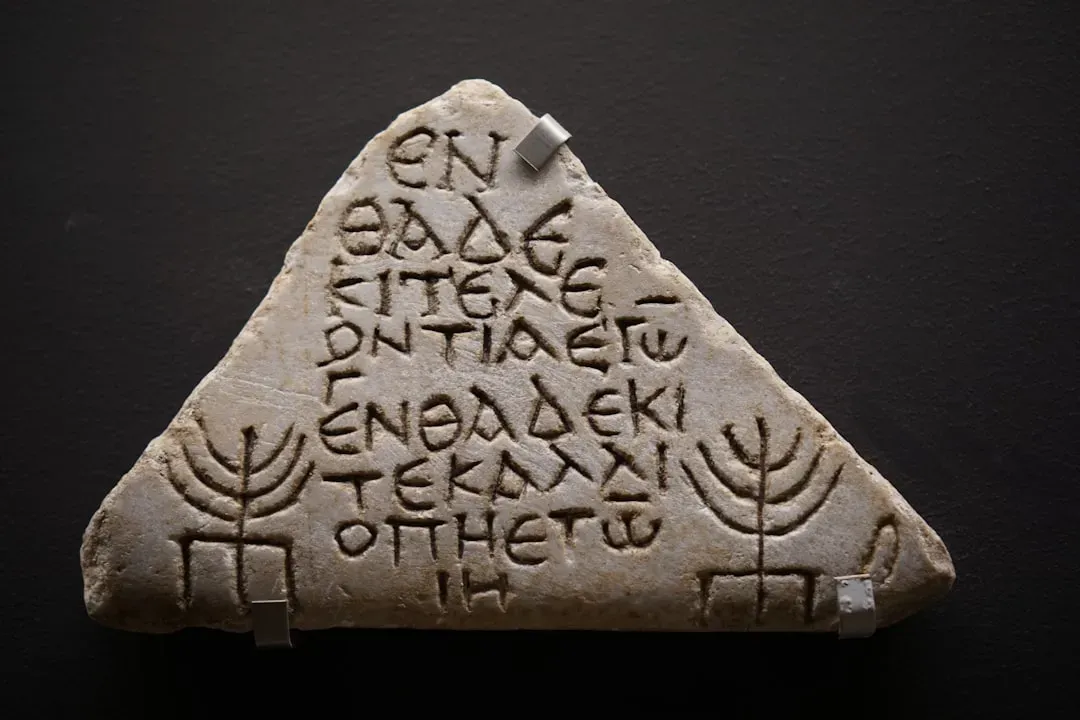
It’s easy to think of laws and contracts as abstract concepts, but they grew out of very tangible problems ancient societies had to solve. Early legal codes, such as those from Mesopotamian city-states, attempted to standardize justice in communities where disputes over land, trade, and family were constant. Written contracts, receipts, and property records made it possible for strangers to do business without knowing each other personally, building a wider network of trust. That same basic mechanism – codified rules backed by written proof – is what allows modern economies and legal systems to function. When you sign a lease or tap to pay for groceries, you’re using a social technology with ancient roots.
Writing itself may be the most transformative ancient invention still shaping our lives. From the first wedge-shaped marks on clay tablets, writing expanded human memory beyond the limits of biology, allowing knowledge to accumulate and spread. Early scribes recorded everything from grain deliveries and taxes to myths and medical recipes, blurring the line between bureaucracy and culture. Today’s digital documents and cloud storage are descendants of those early archives, amplifying the same drive to record, organize, and retrieve information. The vast majority of what we consider civilization – laws, literature, science, history – depends on that original leap from spoken word to durable mark.
Why It Matters: Reading the Past to Navigate the Future
Understanding how deeply our lives are entangled with ancient civilizations is more than a fun historical trivia game; it changes how we see ourselves. When you realize that modern democracies drew inspiration from experiments in Athens and republican Rome, it becomes easier to see both the strengths and vulnerabilities of our political systems. Ancient societies struggled with inequality, environmental strain, migration, and technological disruption in ways that feel uncomfortably familiar. Some adapted and evolved; others collapsed or fragmented, leaving behind powerful warnings in the archaeological record. Ignoring those patterns would be like deleting the first chapters of a manual and assuming the machine will run fine.
There’s also a humility that comes from acknowledging how much we owe to people who lived without electricity, antibiotics, or satellites. Many of the problems we treat as unprecedented – such as managing scarce water, balancing urban growth, or absorbing cultural diversity – were wrestled with by earlier civilizations using the tools they had. Their successes offer tested strategies; their failures highlight blind spots we might share. Seeing ourselves as part of a very long continuity makes it harder to cling to the idea that any one era, including our own, has all the answers. In a world facing climate change and rapid technological shifts, that perspective is not just intellectually satisfying; it’s a survival skill.
Global Perspectives: More Than Just Greece and Rome
Popular storytelling about ancient influence often gets stuck in a narrow loop of Greece, Rome, and maybe Egypt, but the real picture is far more global. The sophisticated urban planning and drainage systems of the Indus Valley cities prefigure modern sanitation and flood management. Chinese dynasties standardized currency, weights, writing, and road networks at a scale that prefigures the modern state, while also advancing technologies like paper and compasses that reshaped communication and navigation. In West Africa, trading empires built complex systems of taxation, record keeping, and long-distance commerce that echo in today’s globalized supply chains. These stories remind us that innovation did not arise from a single cultural cradle.
Indigenous knowledge systems are another crucial, often overlooked thread in this tapestry. Agricultural practices developed by ancient communities in the Americas, such as terraced farming and multi-crop systems, are now studied for their resilience in a warming climate. Polynesian wayfinding techniques, using stars, swells, and wildlife as guides, speak to a deep, empirical understanding of the natural world that rivals modern oceanography in subtlety. When scientists and local communities work together, these legacies are not just honored but actively integrated into new solutions. The enduring influence of ancient civilizations is clearest when we zoom out and see humanity’s story as genuinely global, rather than filtered through a handful of famous ruins.
Science Looks Back: New Tools, Old Questions
The science of the past has itself become a cutting-edge field, with archaeologists, geneticists, climatologists, and data scientists teaming up to reexamine ancient civilizations. Ancient DNA extracted from bones and teeth reveals migrations, population mixing, and even disease outbreaks that shaped who we are today. Isotopic analysis of human and animal remains sheds light on diet and trade routes, showing how far goods and ideas traveled. Ice cores and lake sediments preserve traces of ancient pollution, deforestation, and agriculture, giving researchers a long-term view of human impact on the environment. In many cases, these scientific findings overturn long-held assumptions about who was “advanced” and who was not.
What makes this especially powerful is the feedback loop between past and present. By reconstructing how ancient societies responded to droughts, floods, or resource shortages, scientists gain real-world data on human resilience and fragility. The evidence suggests that societies which diversified their food sources, maintained flexible trade networks, and invested in shared infrastructure were more likely to endure crises. Others that overexploited land, concentrated power too narrowly, or ignored warning signs were more prone to abrupt decline. These are not abstract lessons; they read like case studies for policymakers, urban planners, and climate strategists working today.
The Future Landscape: Ancient Ideas in Tomorrow’s Technologies
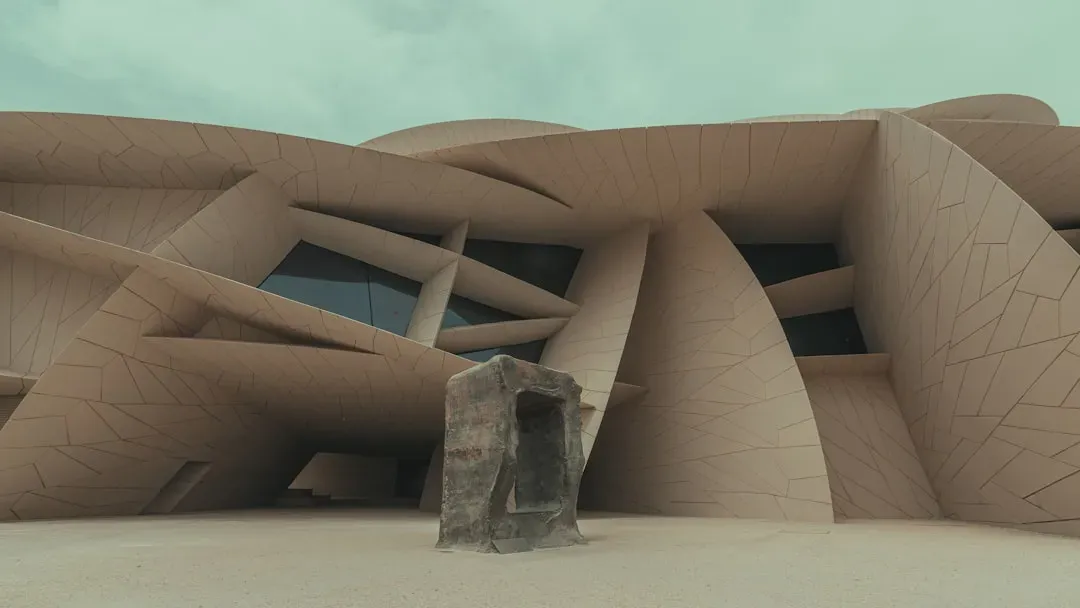
It might seem odd to connect ancient civilizations with the future, but researchers and innovators are doing exactly that. Architects are revisiting vernacular building techniques from ancient desert cities – like thick walls, courtyards, and wind catchers – to design energy-efficient structures that keep cool without heavy reliance on air conditioning. Urban planners look at ancient mixed-use neighborhoods and dense, walkable layouts as alternatives to car-dependent sprawl. Agricultural scientists are rediscovering drought-tolerant crops and soil-building practices used by early farmers to design systems better suited to a hotter, more unpredictable climate. In each case, the future is not a rejection of the past but a remix.
There are also harder questions looming. As rising seas and extreme weather threaten modern coastal cities, experts study how ancient communities relocated, fortified, or redesigned their settlements in response to environmental stress. Digital technologies like virtual reconstruction and immersive mapping are making it easier for people worldwide to explore ancient sites without physically visiting or damaging them, but they also raise debates about ownership and access. The global implications are clear: whether we are talking about water management, migration policy, or cultural heritage, the choices we make now will become someone else’s “ancient legacy.” If we pay attention, the long arc of earlier civilizations can help us shape that legacy with more intention.
How You Can Engage with the Ancient Present
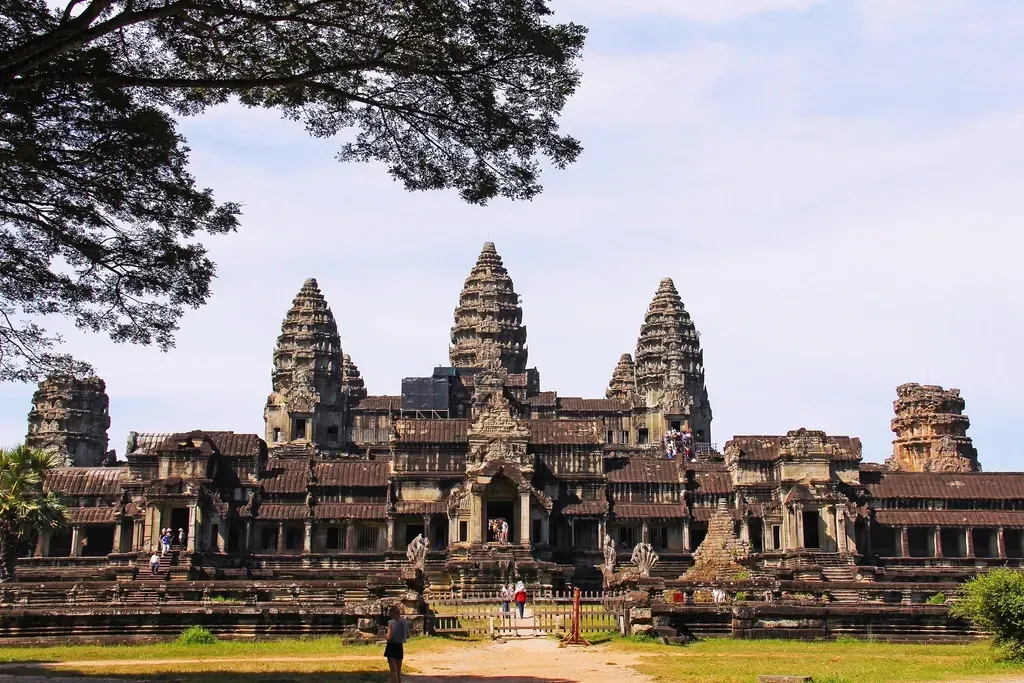
Connecting with the legacy of ancient civilizations does not require a plane ticket to a famous ruin; it starts with noticing how much of your daily life is shaped by people long gone. You can explore museum collections, digital archives, or reputable documentaries that highlight not just the big empires but also lesser-known cultures and indigenous knowledge systems. Supporting the protection of archaeological sites and cultural landscapes – whether through donations, advocacy, or simply respecting site guidelines when you visit – helps ensure that fragile evidence of the past is not lost. Paying attention to news about heritage preservation, illicit antiquities trade, and threatened sites turns distant history into an active concern. Even small acts of curiosity, like learning the origin of a calendar system or a city’s street plan, deepen the connection.
You can also bring ancient perspectives into conversations about the future. When debates arise over how to build more sustainable cities, manage water, or design fairer institutions, remembering that other civilizations have grappled with similar issues changes the tone. It shifts questions from “Has this been done before?” to “What worked, what failed, and why?” Engaging with projects that blend science, history, and community knowledge – such as citizen science initiatives at archaeological sites or collaborative heritage projects – offers a way to be part of that ongoing story. In a world that often feels obsessed with the next upgrade, there’s something grounding about asking how very old ideas still shape the ground beneath our feet.