
Across the United States, there are places where the map feels incomplete – where history leaves gaps, instruments capture odd data, and eyewitnesses still argue over what they saw. These spots attract ghost-hunters and thrill-seekers, but increasingly, they’re also drawing geologists, atmospheric physicists, ecologists, and psychologists armed with sensors and drones instead of talismans. Some of the most unsettling locations now function as open-air laboratories for studying everything from weird lights in the sky to how human memory reshapes mystery over time. The tension between folklore and data is sharp: a swamp may be both a biodiversity hotspot and a supposed portal, a ranch both a cattle operation and a UAP study site. Taken together, these creepy American locations show how much we still don’t understand about our own backyards – and how science is slowly, cautiously, stepping into the dark.
The Marfa Lights, Texas: Desert Orbs That Dodge Easy Explanations
On clear West Texas nights near the town of Marfa, floating balls of light sometimes appear on the horizon, drifting, splitting, and merging in eerie silence. Drivers pull off Highway 90 to a dedicated viewing area, scanning the desert like they’re watching for distant ships on a black ocean. For decades, locals and visitors have described the lights as basketball-sized glowing orbs that bob and weave in ways that don’t quite match car headlights or campfires. To many, the scene feels uncomfortably alive, as if the landscape itself were blinking back. That emotional punch is part of why this phenomenon refuses to fade into a simple roadside curiosity.
Physicists and engineers have tried to tame the mystery with measurements: traffic counters, telescopes, spectrometers, and night-vision cameras. Several studies have linked most observed lights to the predictable flow of cars on distant roads, their beams bent and blurred by layers of warm and cool air in the high desert. Spectra from some events line up neatly with halogen headlights or small fires, suggesting no exotic energy source at all. Yet even research teams admit that a tiny fraction of sightings, observed under carefully controlled conditions, are harder to pin down, appearing where no road or known light source exists. That sliver of uncertainty keeps the Marfa lights on the scientific radar, a reminder that even a relatively well-studied mystery can resist a clean, one-sentence explanation.
Brown Mountain, North Carolina: Ghost Lights Over an Appalachian Lab
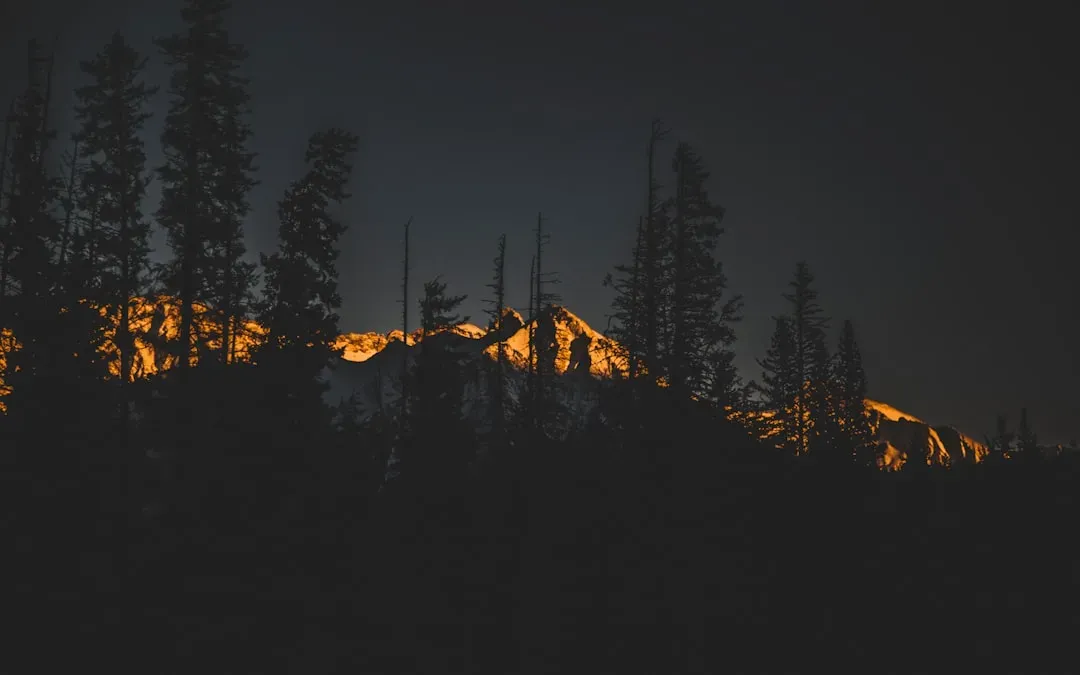
In North Carolina’s Pisgah National Forest, Brown Mountain rises like a shadowed spine above dense forest, and with it comes a century of stories about strange lights wandering the slopes. Early twentieth-century newspaper reports describe red or white glows hovering just above the ridgeline, returning night after night as if summoned by an invisible schedule. Today, visitors crowd scenic overlooks at dusk, staring into the darkness for moving pinpricks that seem to float free of any obvious source. The combination of rugged topography, humid air, and deep human history turns each flicker into an emotional Rorschach test. To some, a light is proof of restless spirits; to others, a challenge to figure out which mundane source is playing tricks on the eye.
Government geologists were dispatched here as early as the 1910s and 1920s, armed with telescopes and maps rather than EMF meters or seance tools. By triangulating angles and correlating them with train schedules, investigators concluded that many of the “ghost lights” lined up with locomotive lamps and, later, car headlights and brush fires. More recently, researchers have installed long-term low-light cameras aimed at the mountain, amassing thousands of hours of data. So far, nothing unambiguously beyond known light sources has emerged. Yet the lights’ legend has grown anyway, boosted by music, television, festivals, and tourism. Brown Mountain has effectively become a case study in how folklore can outpace evidence, and how even rigorous null results do not erase a mystery from public imagination.
Skinwalker Ranch, Utah: A Paranormal Hotspot Turned Research Testbed

Skinwalker Ranch in Utah’s Uintah Basin might be the most notorious patch of private land in American paranormal lore. Stories from the 1990s onward describe glowing orbs that melt fences, hulking animals immune to bullets, mutilated cattle, and strange craft zipping silently across the sky. The region already had a long history of UFO reports when these tales surfaced, amplifying its reputation as a place where the normal rules of physics seem to loosen. Walking the property at night, with its wide skies and near-silence, it’s easy to see how any unusual light or noise could feel menacing. That atmosphere alone has fueled a feedback loop of fear, rumor, and attention.
What sets Skinwalker Ranch apart is the level of formal investigation it has attracted. In the late 1990s and 2000s, the property became the focus of privately funded research, with teams setting up cameras, radiation detectors, and other instruments in hopes of catching hard data on whatever was happening there. Later, elements of this work intersected with U.S. government interest in unidentified aerial phenomena, funneling millions of dollars into related studies. Despite that investment, public, peer-reviewed results are sparse, leaving a mix of anecdotal reports, proprietary data, and televised experiments. For skeptics, it’s an example of how secrecy and commercial interests can cloud serious inquiry. For believers, the very fact that high-level institutions took the site seriously is evidence that something extraordinary lurks in the basin. For science, it’s a messy but revealing natural laboratory for studying not only the sky, but also how human belief and expectation shape what people say they see.
The Bridgewater Triangle, Massachusetts: A Web of Weird in the Northeast
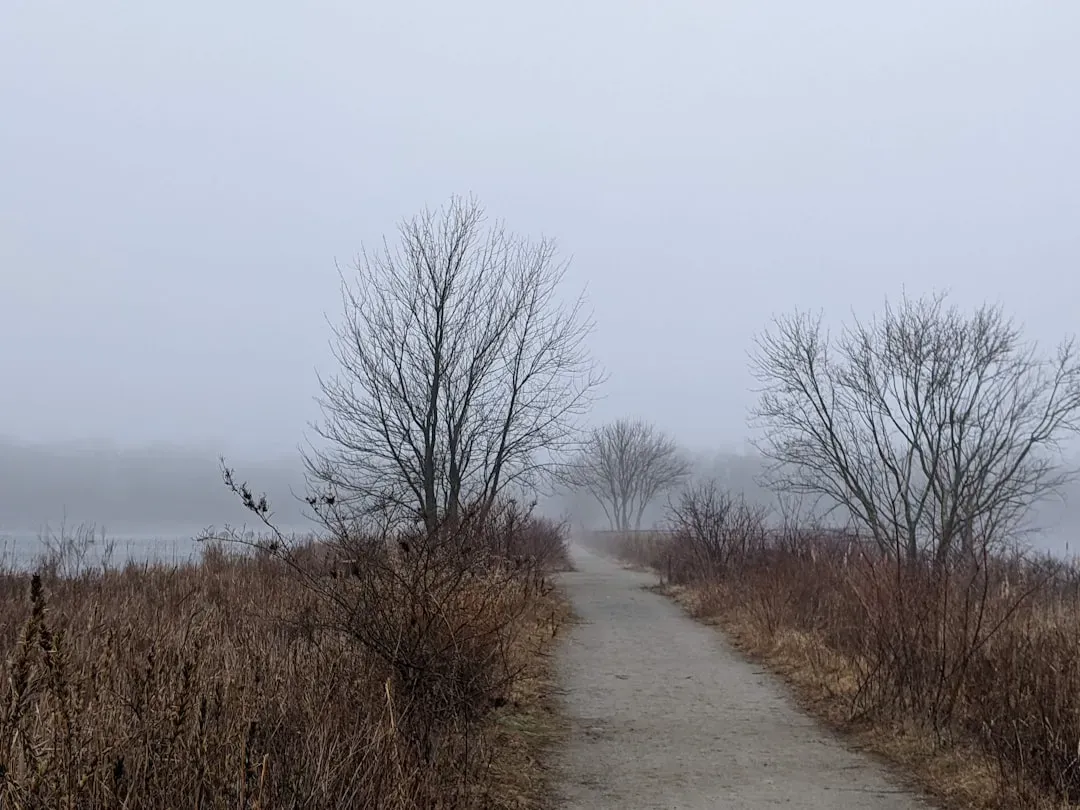
In southeastern Massachusetts, an informal region dubbed the Bridgewater Triangle has become a catch-all basket for strange reports: phantom lights, giant birds, bigfoot-like creatures, spectral figures, and occult activity. At the heart of the area lies Hockomock Swamp, a biologically rich wetland that Indigenous Wampanoag peoples have long regarded as spiritually significant and, at times, dangerous. European colonizers once nicknamed it “Devil’s Swamp,” reflecting their own fears of untamed wetlands and the cultures they didn’t understand. Modern visitors bring infrared cameras and digital recorders, convinced they’ll capture something anomalous in the dense fog and tangled roots. The result is a kind of living collage of overlapping belief systems, from Native cosmology to modern cryptid hunting.
From a scientific perspective, the Bridgewater Triangle is less a single mystery than an ecosystem of stories attached to a complex landscape. Wetlands generate swamp gases, temperature inversions, and dense mists that can refract light in unsettling ways. They are also loud, with frogs, birds, and mammals producing calls that can echo or distort across water and trees, especially at night. Cognitive scientists note that in such ambiguous environments, human brains are primed to find patterns – faces in shadows, figures in the fog, monstrous silhouettes in the rustling of tall reeds. That doesn’t make every report a misfire of perception, but it suggests that the Triangle is a prime stage for our pattern-hungry minds. In that sense, the region is as much about how humans process fear and uncertainty as it is about any external phenomenon.
Flatwoods, West Virginia: A Monster, A Meteor, and the Anatomy of Panic
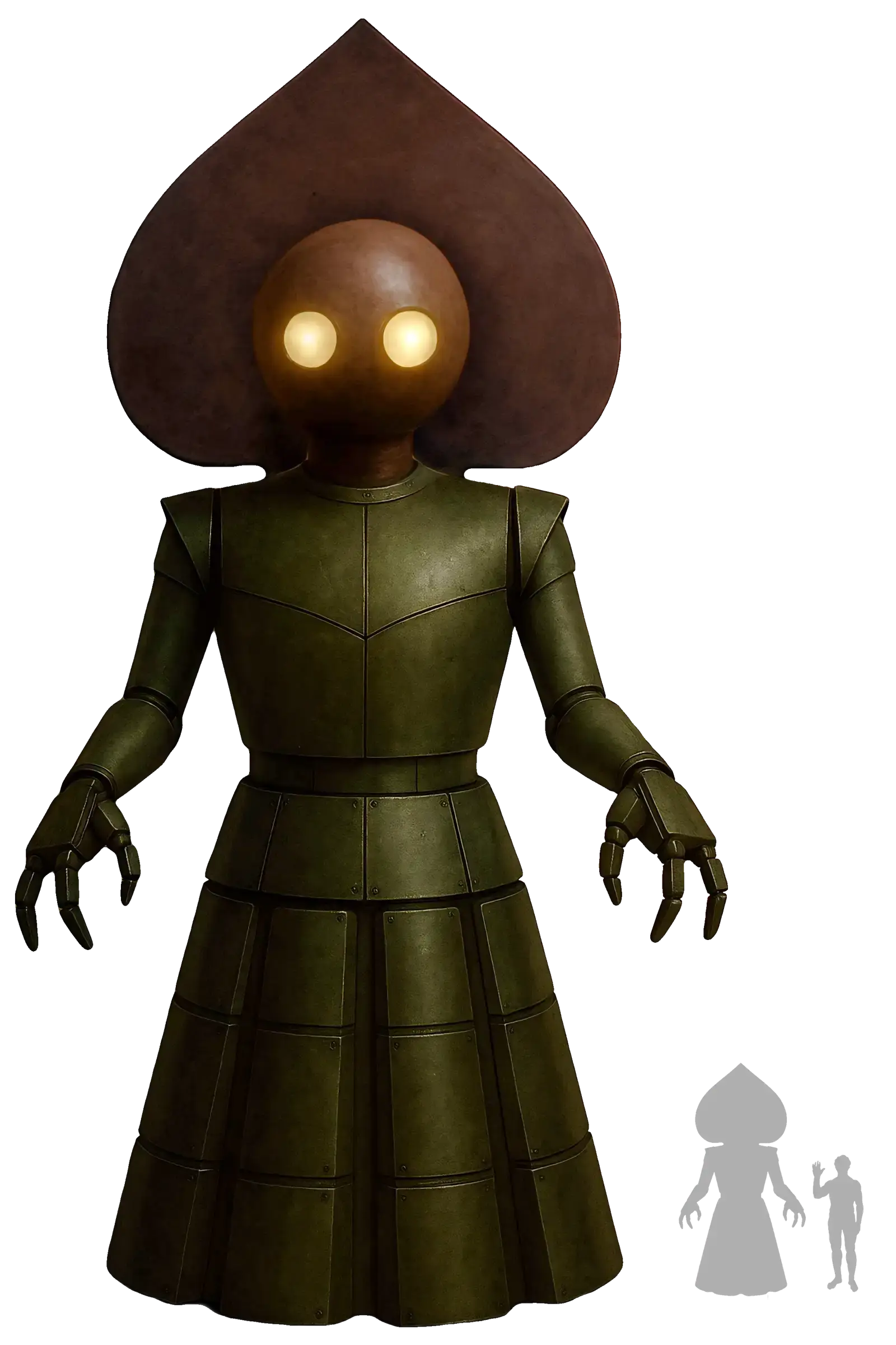
On a September evening in 1952, residents of Flatwoods, West Virginia, watched a bright object streak across the sky and apparently crash on a nearby farm. A small group hiked up a hill to investigate and later reported seeing a towering, humanoid figure with a glowing face and a spade-shaped hood, floating toward them through a choking mist. Their terror – some said they felt sick afterward – launched a wave of headlines about a monstrous visitor from the sky. Local law enforcement found little of note when they inspected the scene later, but the story had already taken flight. Within days, national papers were publishing lurid illustrations of the so-called Flatwoods Monster.
Decades later, investigators took a closer look at the environmental and astronomical context of that night. The fiery object in the sky, they argued, was almost certainly a meteor burning up in the atmosphere, a relatively common event that can appear shockingly close when seen from the ground. The “creature” itself likely combined a barn owl perched on a branch, backlit and partially obscured by vegetation, with the intense stress of stumbling around at night after a supposed crash. That pungent mist? Possibly a mix of plant odors, soil, and the lingering smell of burning from the meteor’s path, amplified by adrenaline and suggestion. Flatwoods has since embraced the monster as a mascot, complete with a museum and annual events, turning a moment of fear into a lasting cultural phenomenon. For scientists and historians, the case is an almost textbook illustration of how a single night’s confusion can harden into enduring legend.
Bennington and the “Vermont Triangle”: Vanishings in the Green Mountains
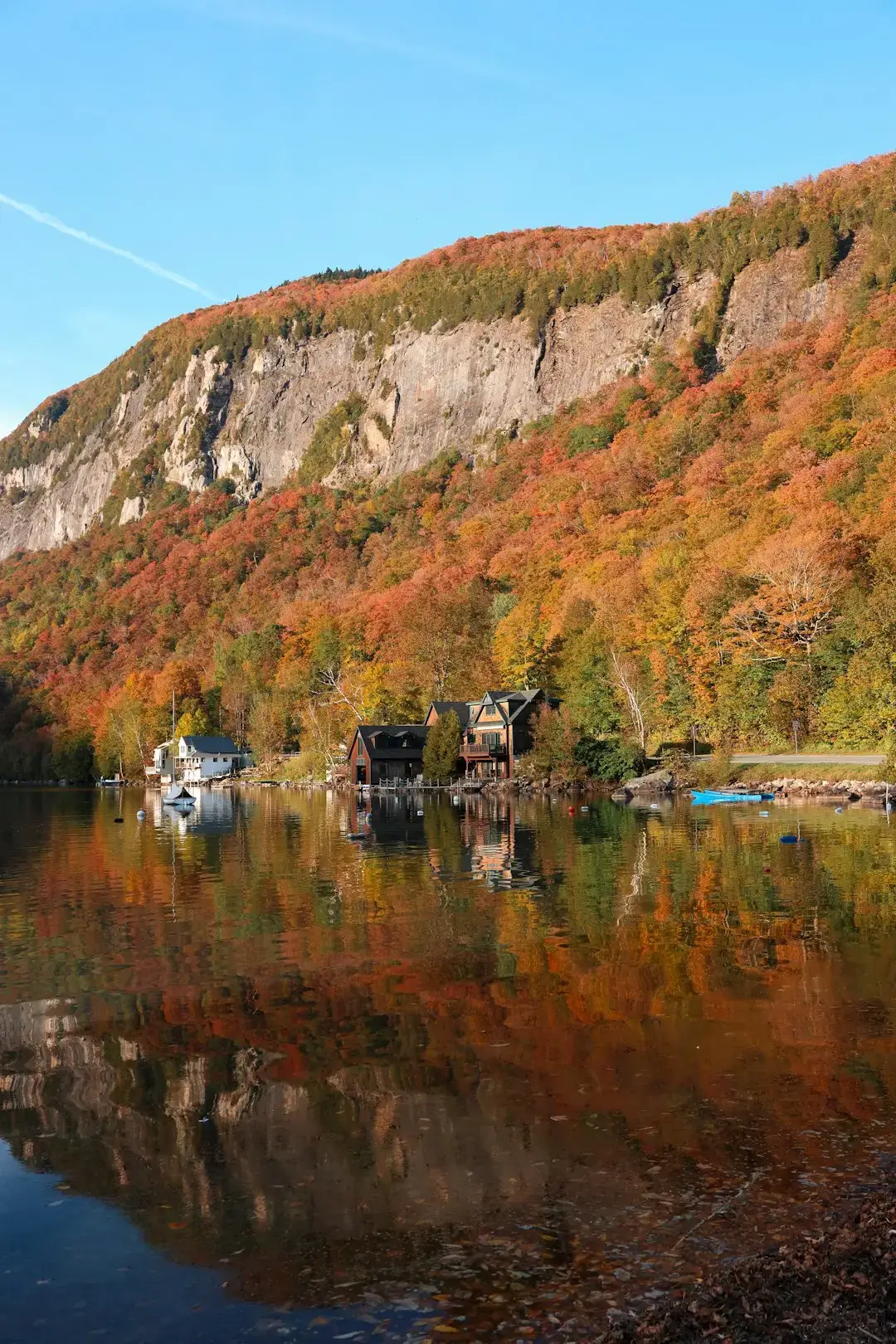
In the mid-twentieth century, a cluster of disappearances around Vermont’s Green Mountains – especially near Glastenbury Mountain and the town of Bennington – sparked talk of a “Vermont Triangle.” Between the 1940s and early 1950s, several people vanished under unsettling circumstances while hiking or traveling through the area, sometimes only minutes after being seen by companions. The dense forests and rapidly changing mountain weather created an ideal backdrop for speculation. When a person steps off a trail here, they may as well step off the edge of the known; sightlines vanish, sound is muffled, and paths twist back on themselves. In such environments, the idea of the land “swallowing” people can feel disturbingly literal.
Search-and-rescue experts and wilderness ecologists offer more grounded explanations. The region’s terrain features steep slopes, hidden ravines, and thick underbrush that can quickly conceal an injured or disoriented person from both ground and aerial searchers. Hypothermia remains a serious risk, especially when people are unprepared for sudden weather shifts that can drop temperatures dramatically. Historically, search coordination and communications technology were far less sophisticated than they are now, meaning that some cases likely suffered from disorganized initial efforts. Still, the concentration of missing-person stories in one relatively small region has turned the Vermont Triangle into a kind of cautionary tale. It highlights how, even in a mapped and seemingly tame corner of New England, nature can still outmatch human expectations – and occasionally, tragically, erase someone without leaving an obvious trace.
The Role of Science: Why These Places Matter Beyond the Goosebumps
It’s tempting to file all of these locations under entertainment – fun for ghost tours and horror podcasts, but not serious science. Yet many researchers take them seriously precisely because they’re where public fascination is already focused. When physicists deploy spectrometers at Marfa or Brown Mountain, they’re not only testing hypotheses about light refraction; they’re also demonstrating how to study a mystery without stripping away its wonder. Psychologists examining historical cases like Flatwoods, or patterns of sightings in the Bridgewater Triangle, are probing how fear, expectation, and group dynamics shape collective memory. Each site becomes a natural experiment in how humans interact with ambiguous phenomena.
Compared with traditional laboratory work, investigations in these creepy landscapes are messy. There are tourist headlights, hikers with flashlights, hoaxes, and incomplete historical records. But that mess mirrors the real world, where events rarely unfold under perfect control. By engaging with these locations, science can confront the full tangle of physical, biological, and social variables at once. This is different from past approaches that either dismissed all such stories as nonsense or swallowed them whole as proof of the paranormal. The emerging middle path treats them as data points worth sifting – where environmental physics, ecology, history, and cognitive science intersect. In that sense, America’s “haunted” sites are less about ghosts and more about testing the limits of our tools and our own minds.
Looking Ahead: Sensors, Satellites, and the Next Generation of Ghost Stories
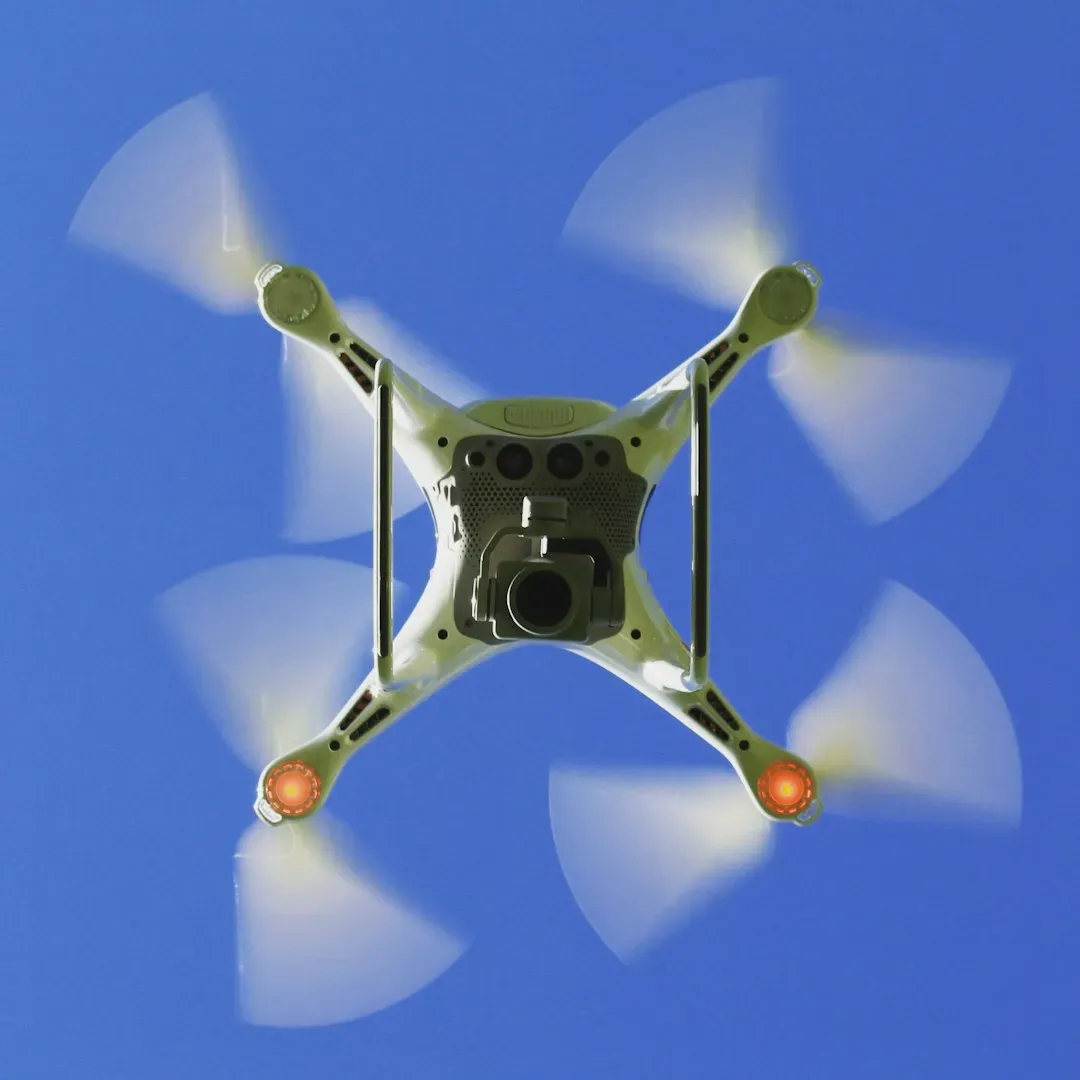
The next decade will quietly wire many of these infamous places with technology their original storytellers couldn’t have imagined. Cheap, networked sensors can already measure light spectra, temperature, humidity, infrasound, and electromagnetic fields continuously, rather than just when a research team happens to be on-site. Small drones are beginning to map swamps and canyons in fine detail, tracking how fog forms or how light scatters in layered air. Satellite constellations now monitor atmospheric conditions, night-time light emissions, and land changes at scales that once required dedicated expeditions. Put together, these tools promise to separate rare, genuinely unusual events from the constant background of everyday noise.
There are challenges, of course. Funding for long-term, open, peer-reviewed studies of fringe phenomena is limited, and commercially driven “mystery” content can reward spectacle over careful measurement. Locals may worry about privacy or cultural appropriation when their sacred or historic sites are framed purely as paranormal attractions. Scientists must also navigate their own reputations; working on a topic associated with ghosts or monsters can still raise eyebrows in formal academia. Even so, the potential payoff is broader than solving any one case. By refining methods in these tricky, emotionally charged environments, researchers sharpen tools that can be applied to disaster early-warning systems, navigation in difficult terrain, and the study of human perception under stress. Tomorrow’s ghost story might start with a viral video – but it could end in a better sensor network or a new insight into how we see the world.
How You Can Engage With These Mysteries Responsibly
For curious travelers, the pull of these places is hard to resist – you read about a desert light or a haunted swamp and suddenly you’re checking flight prices. Visiting can be rewarding, but how you engage matters. Respecting local communities and Indigenous histories is as important as snapping that eerie nighttime photo. That might mean staying on designated trails, following posted rules, and listening to local guides who know the land’s hazards and stories far better than any app. When you share your own experiences online, being honest about conditions and uncertainties helps keep the conversation grounded instead of spiraling into pure speculation.
There are also simple ways to support more rigorous exploration of the unknown. You can back citizen-science projects that collect standardized observations of unusual lights or sounds, or donate to conservation groups protecting the ecosystems where many of these legends live. If you do go out to watch for mystery lights, consider bringing a notebook or using an app to log times, directions, weather conditions, and any nearby human activity – exactly the kind of detail scientists rely on. And maybe most importantly, cultivate a mindset that holds two ideas at once: that a natural explanation can be every bit as fascinating as a supernatural one, and that not knowing, for now, is an invitation to keep looking rather than to stop thinking.
Suhail Ahmed is a passionate digital professional and nature enthusiast with over 8 years of experience in content strategy, SEO, web development, and digital operations. Alongside his freelance journey, Suhail actively contributes to nature and wildlife platforms like Discover Wildlife, where he channels his curiosity for the planet into engaging, educational storytelling.
With a strong background in managing digital ecosystems — from ecommerce stores and WordPress websites to social media and automation — Suhail merges technical precision with creative insight. His content reflects a rare balance: SEO-friendly yet deeply human, data-informed yet emotionally resonant.
Driven by a love for discovery and storytelling, Suhail believes in using digital platforms to amplify causes that matter — especially those protecting Earth’s biodiversity and inspiring sustainable living. Whether he’s managing online projects or crafting wildlife content, his goal remains the same: to inform, inspire, and leave a positive digital footprint.