You never experience the world directly. You never feel the chair, see the sky, or hear a friend’s voice in any raw, untouched way. Instead, everything you know flows through an invisible filter: your own mind, turning electrical spikes and chemical signals into colors, sounds, memories, and a sense of “me” behind it all. Why should a three-pound lump of tissue inside your skull produce a private inner world, rather than just robot-like reactions? Scientists in 2025 are still wrestling with this puzzle, but they are no longer treating consciousness as a philosophical side quest. Increasingly, they see it as a central scientific mystery whose solution could transform medicine, artificial intelligence, and even how we think about what it means to be alive.
The Hidden Clues: Your Brain Is Guessing, Not Just Seeing
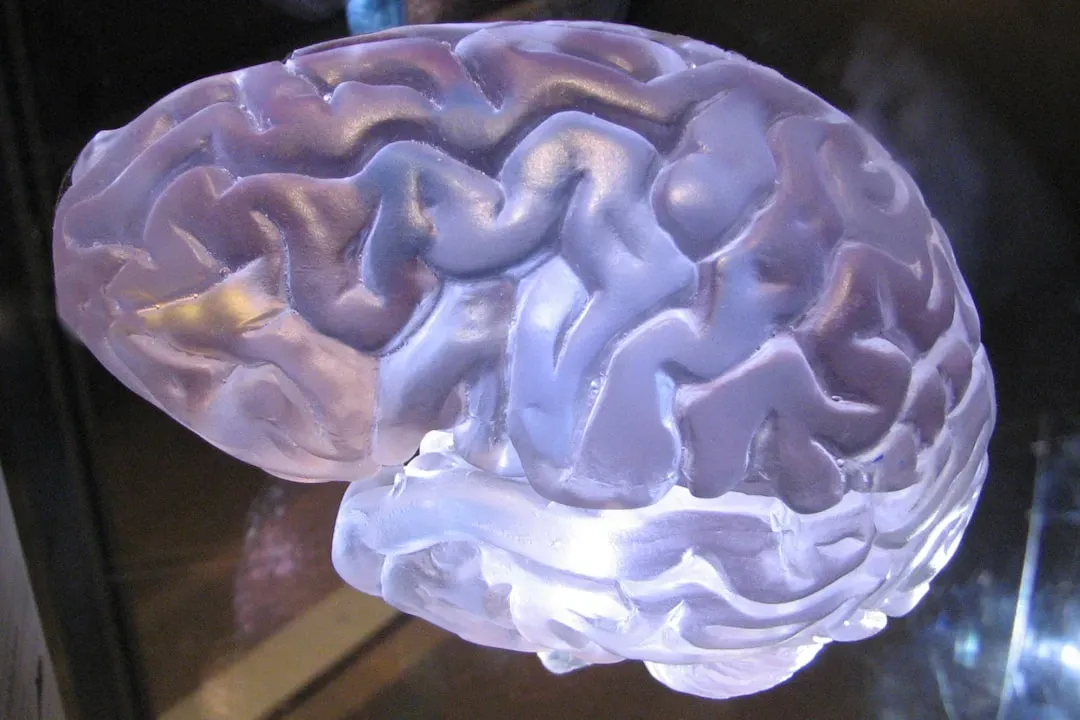
One of the most surprising ideas from modern neuroscience is that you don’t passively receive reality; your brain actively guesses it. Instead of being a camera that records the outside world, the brain behaves more like a prediction machine, constantly anticipating what will happen next and correcting its own errors. This framework, sometimes called predictive processing, suggests that what you experience is the brain’s best ongoing bet about the causes of its sensory inputs. In everyday life, this is why you can read messy handwriting, recognize a friend in poor lighting, or understand a heavily accented voice. Your brain is filling in the gaps, often so smoothly that you never notice.
Seen this way, consciousness becomes less like a simple “light” that turns on and more like the running summary your brain generates of its own predictions. Hallucinations, illusions, and dreams fit neatly into this view: they are moments when the brain’s predictions decouple from incoming signals and still feel real from the inside. Even pain can be understood as a type of prediction: the nervous system weighing evidence that something is wrong and broadcasting an urgent message to the conscious “you.” The eerie part is that these predictions are not optional add-ons; they are the very fabric of your experienced world, the secret scaffolding you never see directly but live inside every moment.
From Ancient Questions to Modern Brain Scanners
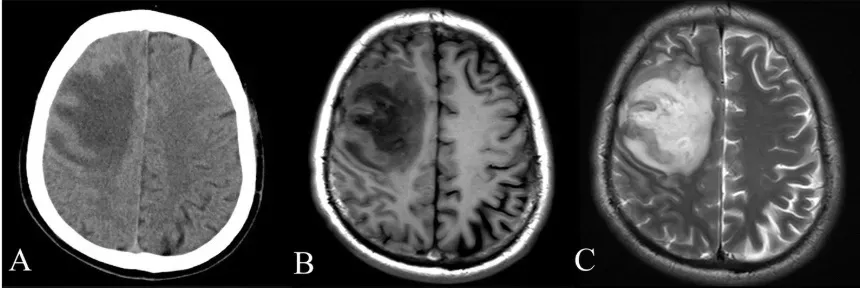
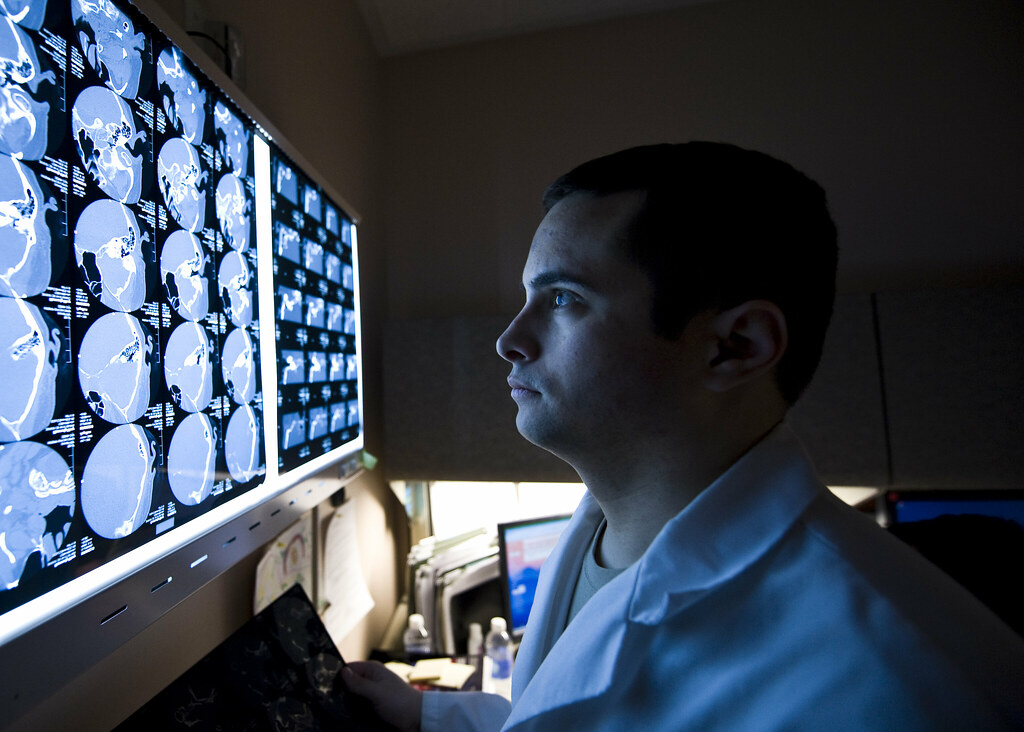
Humans have been asking why there is a felt inner world for as long as they have written anything down, but only in the last few decades have we been able to watch the living brain in real time. Early thinkers framed consciousness in terms of souls, spirits, or vital essences, because there were no tools to peek inside a working skull. The turning point came with technologies like functional MRI and high-density EEG, which let scientists observe chains of brain activity unfolding as people make decisions, recall memories, or become aware of a sound. Suddenly, questions that once lived only in philosophy seminars moved into the lab, with testable predictions and data.
Researchers have since mapped distinct patterns linked to different states of consciousness: wakefulness, deep sleep, anesthesia, coma, and psychedelic states. In wakeful awareness, brain regions in the frontal and parietal lobes often form tightly connected networks, allowing information to be flexibly shared and integrated. Under deep anesthesia or in some coma patients, that rich integration collapses into more isolated, repetitive activity. This shift from dynamic, globally coordinated activity to local, rigid patterns is now a central clue in many scientific theories of consciousness. The brain, it seems, must strike a delicate balance between order and chaos to sustain the feeling of being a self in a world.
Inside the Theories: What Could Make Experience “Light Up”?
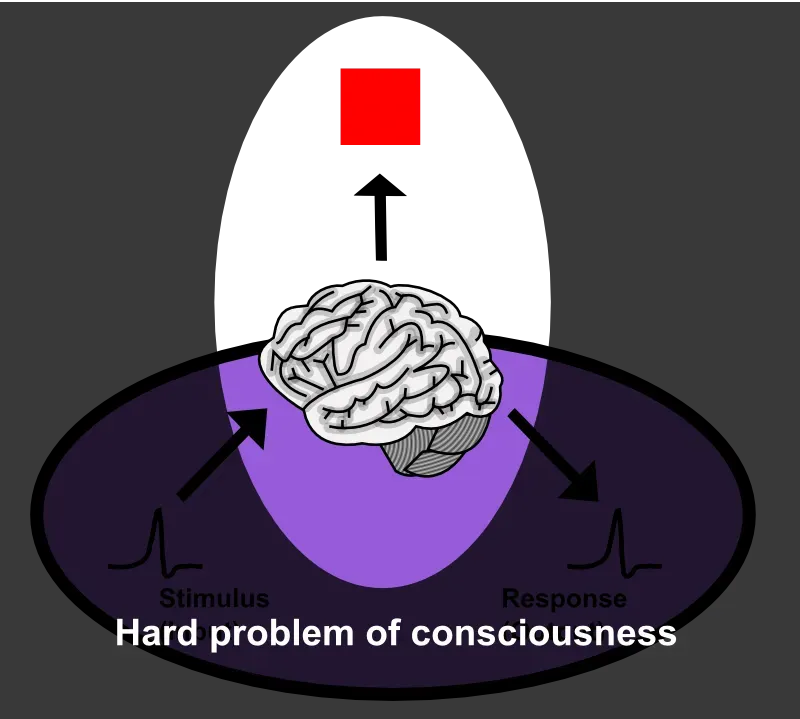
Several leading theories now compete to explain why certain patterns of brain activity feel like something from the inside. One major contender argues that conscious experience arises when information in the brain is maximally integrated and cannot be reduced to separate parts without losing something essential. In this view, a conscious system is more than the sum of its regions; it is the specific way information is woven together across the network. Another influential approach focuses on workspace-style architectures, where different brain modules compete for access to a kind of global stage. When a pattern wins that competition and gets broadcast widely, it enters awareness.
More recently, predictive processing and so-called active inference models have reframed consciousness as the brain’s way of organizing and updating its best story about the body and the world. Your sense of self, in this picture, is a special kind of model tracking the organism’s own states and needs, constantly negotiating survival in a noisy environment. None of these theories has fully cracked the mystery of why any of this should feel like anything at all. But they do offer powerful working principles that can be measured, simulated, and even manipulated in clinical settings. The race now is less about coming up with a single perfect theory and more about seeing which framework best predicts what happens when consciousness changes.
Why You Experience Reality as “You” and Not Someone Else
Of all the puzzles around consciousness, one stands out as uniquely personal: why are you locked into this particular point of view? Your entire reality is anchored around a center that feels like “me,” a perspective that owns your thoughts and sensations but not anyone else’s. Neuroscientists are starting to link this sense of ownership to specific processes that build a body-centered map in the brain. These maps integrate signals from vision, touch, balance, and internal organs to keep track of where “you” end and the rest of the world begins. When those maps are disrupted, people can experience out-of-body illusions, feel limbs as missing or alien, or even misidentify who they are.
This suggests that the self is not a single place in the brain but an ongoing construction, a delicate alignment of bodily signals, memory, and prediction. The fact that it feels so stable is almost a psychological magic trick: a constantly updating model presented as a seamless, continuous owner of experience. Conditions such as depersonalization, certain types of epilepsy, or psychedelic states can briefly pull back the curtain, making people feel detached from themselves or oddly located outside their own bodies. For most of us, these edges are invisible, so the mystery of “why this viewpoint, and not another?” feels almost untouchable. Yet by studying how the brain assigns this point of view, science edges closer to understanding why consciousness feels indexed to a single, private perspective.
The Hidden Costs and Benefits of Having an Inner World
At first glance, consciousness might seem like a fancy extra, a sort of mental decoration sitting on top of raw neural machinery. But there is growing evidence that having an inner model of the world and of yourself confers real survival advantages. Being aware allows you to imagine different futures, weigh trade-offs, and override automatic habits in favor of long-term goals. You can simulate conversations, replay past mistakes, and mentally test out plans before acting. This ability to “live” through possibilities in your head might be one of the key reasons a conscious mind evolved at all.
There is also a cost: a conscious brain can suffer in ways a purely reactive machine never could. Anxiety, existential dread, rumination, and the fear of death are all side effects of a system that can model itself and its future too well. Mental health disorders often involve malfunctioning self-models, distorted predictions, or misfiring networks tied to conscious thought and emotion. Yet the same machinery underpins art, ethics, empathy, and culture, all flowing from minds that can reflect on their own experiences. Consciousness, in this sense, is not a free upgrade; it is a risky, powerful strategy life has taken, with both extraordinary benefits and profound vulnerabilities.
Why It Matters: From Coma Wards to Conscious Machines
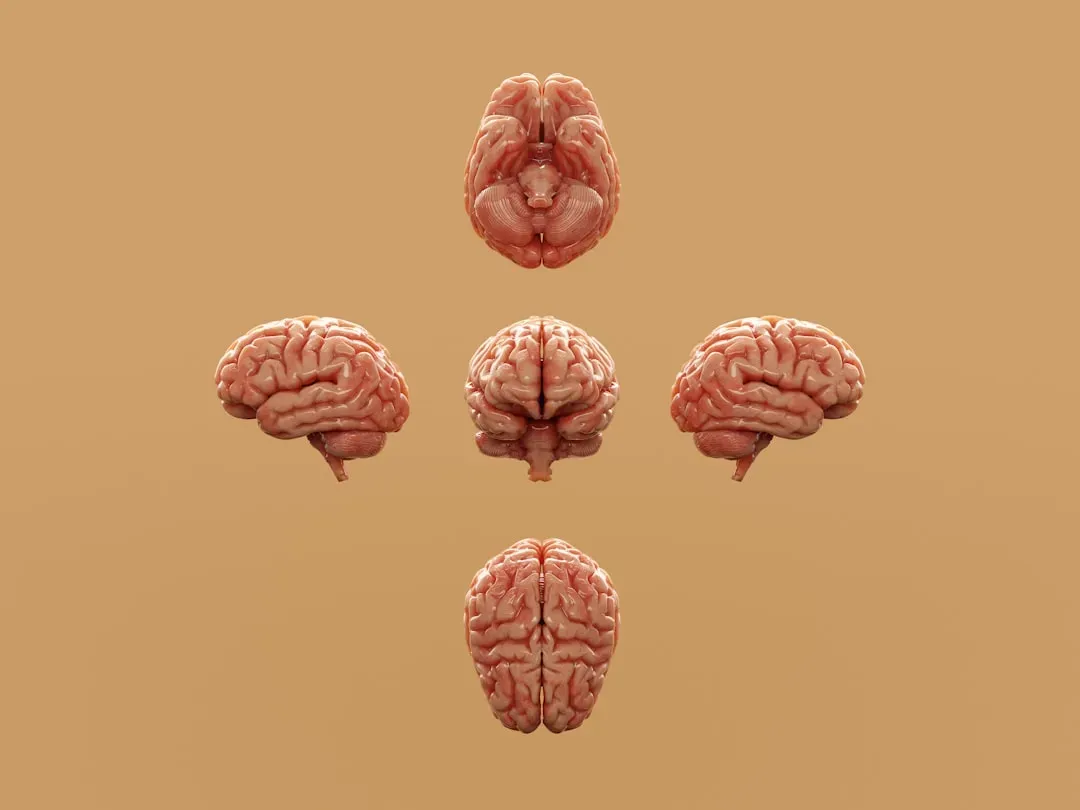
The stakes of understanding consciousness are not just philosophical; they show up in hospital rooms, courtrooms, and engineering labs. In intensive care units, doctors must decide whether patients who cannot speak or move have any residual awareness. Brain imaging studies have revealed that some people diagnosed as vegetative can still follow commands in their mind, activating different brain areas when asked to imagine playing tennis or walking through their house. Recognizing this hidden consciousness can dramatically change how families and clinicians approach care, pain management, and the ethics of life support decisions. A better science of consciousness could reduce the risk of quietly misclassifying aware people as irreversibly gone.
On another front, rapid advances in artificial intelligence are forcing a new version of an old question: could a machine ever truly be conscious or have a subjective point of view? Today’s systems, even very capable ones, are built to process patterns and generate useful outputs, not to feel or experience anything in the human sense. But as AI architectures grow more complex and brain-inspired, the line between simulation and possible sentience becomes harder to draw with confidence. Society will eventually need criteria, grounded in neuroscience and philosophy, for when we might attribute moral status or rights to non-biological systems. The more precisely we understand why your brain produces a “you,” the better equipped we’ll be to judge where that boundary might lie for other entities.
The Future Landscape: Probing, Enhancing, and Maybe Engineering Consciousness
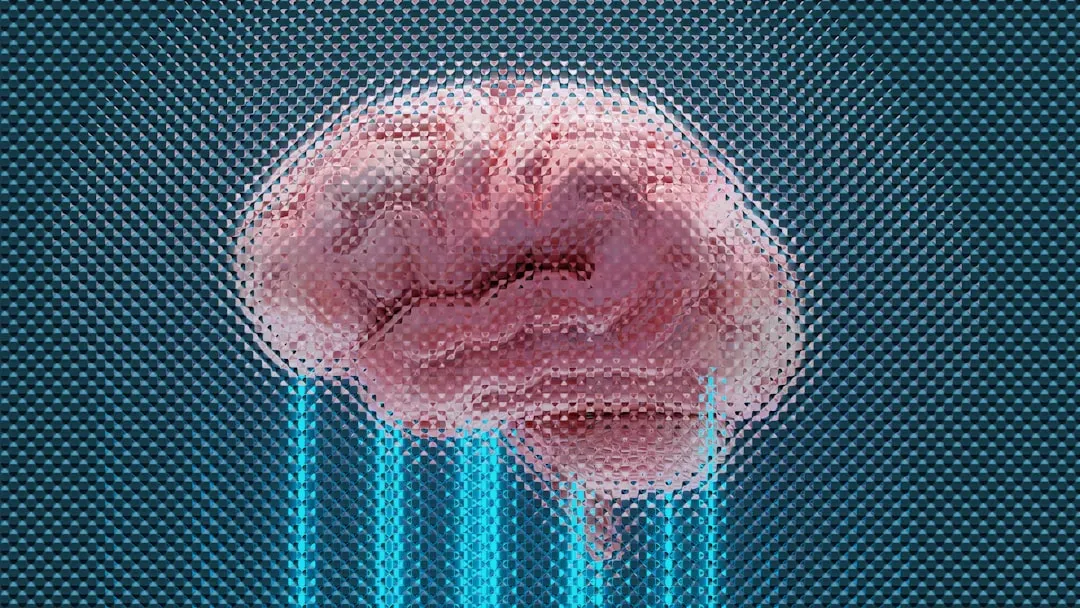
Looking ahead, the science of consciousness is poised to collide with powerful new technologies. Noninvasive brain stimulation techniques are becoming more precise, allowing researchers to nudge specific networks and observe real-time shifts in awareness, mood, or perception. Brain-computer interfaces aim to translate neural signals into control over external devices, and in some cases, give paralyzed individuals a new way to communicate their inner worlds. These tools could one day help restore consciousness after injury, fine-tune anesthesia, or even modulate distressing experiences in mental illness. They also raise sobering questions about how far we should go in altering the very substrate of subjective life.
Parallel efforts in computational neuroscience are trying to build detailed simulations of neural circuits that exhibit the hallmarks of conscious processing. If a virtual network shows the same integration, global broadcasting, or predictive dynamics observed in human brains, does that indicate a glimmer of experience, or just a convincing imitation? On a more speculative edge, some researchers wonder whether engineered systems could achieve forms of consciousness different from our own, without bodies like ours or senses like ours. As these possibilities move from science fiction into experimental reality, the mystery of why we experience reality from the inside stops being a purely abstract puzzle and becomes a matter of policy, rights, and global governance.
How You Can Engage With the Mystery of Your Own Mind

Even without a lab or a brain scanner, you can participate in this unfolding story simply by paying closer attention to your own experience. Practices like mindfulness, reflective journaling, or even carefully noting how your perception changes when you are tired, stressed, or in awe reveal just how fluid consciousness really is. You can support organizations and research groups that study disorders of consciousness, brain injury, and mental health, helping to translate abstract theory into better care. Following reputable science journalism, podcasts, or public lectures keeps you updated as new studies refine our understanding of awareness. Each of these small actions builds a bridge between cutting-edge labs and everyday life.
On a more personal level, recognizing that your sense of self is a constructed, ongoing model can be oddly liberating. It encourages humility about your own perspective and empathy for others whose brains build different inner worlds. You might find yourself more curious the next time you wake from a vivid dream, lose track of time in a task, or feel briefly detached in a moment of shock, wondering what just shifted in your neural predictions. Supporting neuroscience education in schools, advocating for mental health resources, or simply sharing thoughtful conversations about these topics helps keep consciousness on the public agenda. After all, this is not an abstract riddle about distant galaxies; it is the riddle of the space you inhabit every waking second – your own mind.