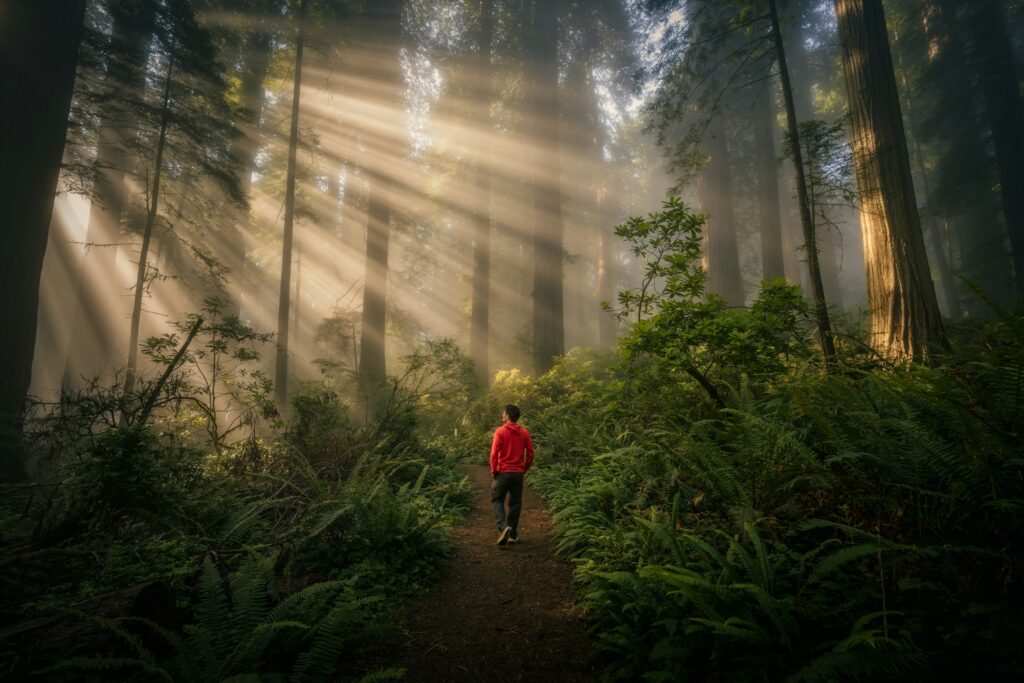

Step outside on an ordinary morning, and you’re already surrounded by quiet mysteries: the way your phone’s map seems to “know” where you’re heading, the silver trail a snail left overnight, the eerie feeling of déjà vu in a place you swear you have never been. For most of us, these moments register as fleeting curiosities, quickly buried under emails and errands. Yet scientists see them as clues, tiny openings into bigger questions about memory, matter, and life itself. The real story of everyday science is not just about explaining oddities, but about how each explanation reshapes our understanding of ourselves. When you start to decode these small puzzles, the world stops being merely familiar and becomes, once again, astonishing.
The Hidden Clues: Why Streetlights Seem to Flicker Just for You
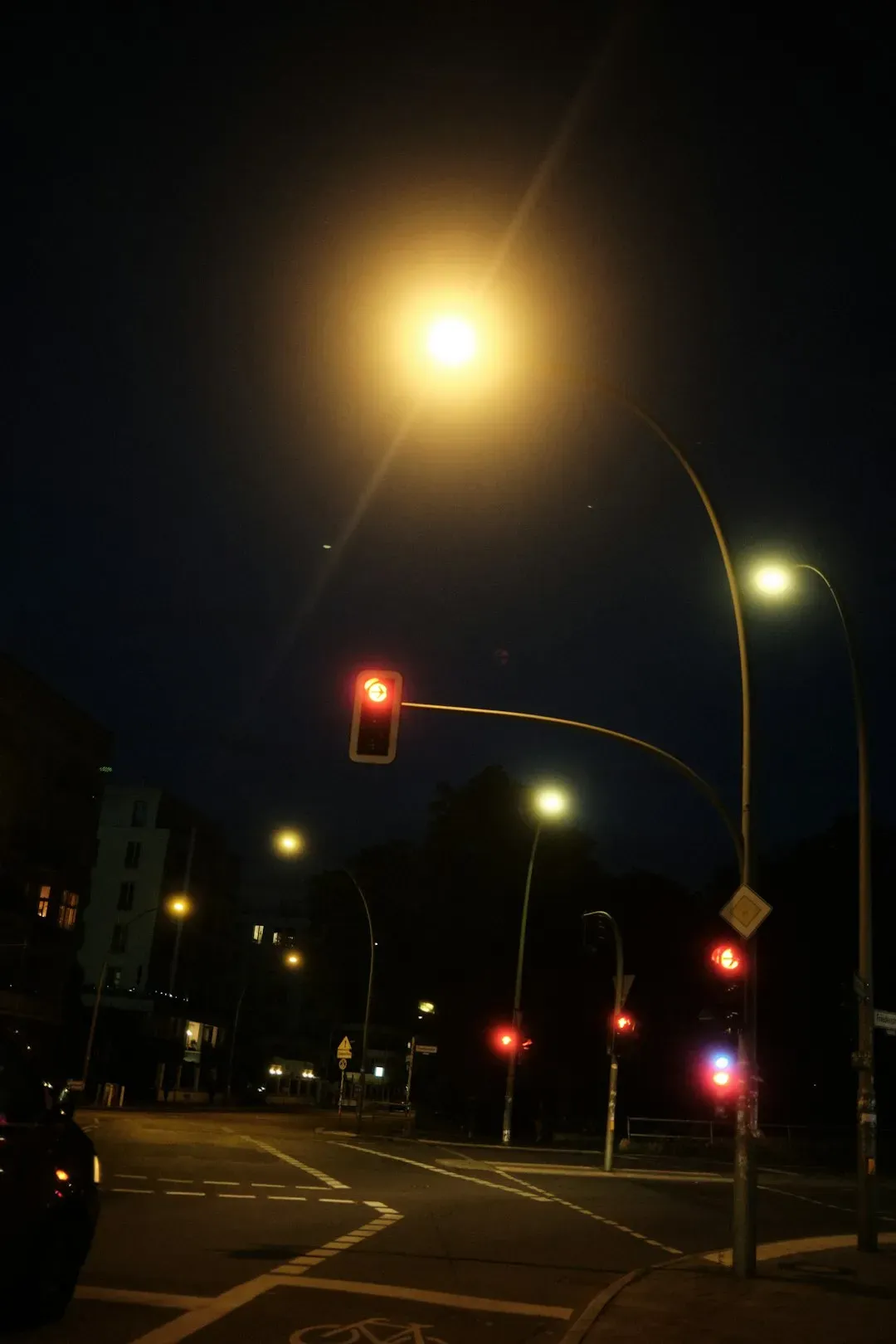
Many people quietly suspect that streetlights respond to them, because they notice the same lamp flicker or shut off when they walk or drive by at night. It feels unnerving, like the city is winking, and it has fueled countless anecdotes about psychic powers or hidden surveillance. In reality, the effect often comes from how high-pressure sodium or older metal-halide lamps age: their electrodes and ballasts become unstable, causing intermittent flickering or shutdown as they overheat, cool, and restart. If you happen to pass during that unstable phase a few nights in a row, your brain stitches those coincidences into a pattern that feels deeply personal. The hidden clue here is not supernatural control, but the combination of failing hardware and a human brain wired to notice eerie timing.
Psychologists sometimes call this pattern-seeking “apophenia,” and it’s the same tendency that makes us see faces in clouds or hear meaning in static. Streetlights turn into a kind of urban Rorschach test, reflecting our desire to feel noticed in a largely indifferent environment. Engineers who maintain city lighting grids often track failure rates and replacement cycles, and they’ll tell you that a small fraction of lamps are almost always in some transition state at any given time. That means somewhere, someone is having their own “the lamp responded to me” moment right now. The wonder is not ruined by this explanation; if anything, it reveals how our minds and our infrastructure constantly interact in ways we rarely question.
Whispers in the Walls: Explaining Mysterious Nighttime Creaks

Those late-night pops and creaks in the house can feel almost alive, especially when you’re the only one awake and every sound seems louder than it should be. Many cultures have wrapped such noises in ghost stories or superstitions, but modern building science paints a different, equally fascinating picture. Materials like wood, drywall, metal beams, and even concrete expand and contract as temperatures shift between day and night. When a cooling front rolls in or the heating system kicks off, these materials move by tiny amounts, releasing tension at joints and fasteners and turning that microscopic movement into audible cracks and groans.
Humidity plays its own sneaky role, as moisture seeps into porous materials during damp weather and then evaporates when the air dries, causing subtle warping and straightening. In older homes, decades of settling create uneven stresses that only find relief under particular temperature or moisture combinations, which is why some houses are “noisy” only in certain seasons. Add in the small scurrying of mice, squirrels, or insects in attics and cavities, and the night soundscape becomes a complex symphony of physics and biology. Those unsettling whispers in the walls are not signs you’re being haunted, but signals that your home is constantly shifting, breathing, and responding to the environment just like you are.
From Ancient Tools to Modern Science: Why the Sky Changes Color

Watching a sunset, it’s easy to slip into poetic explanations, and for much of human history people did exactly that, linking sky colors to gods, omens, or distant fires. Today, we know that the blazing reds and soft pinks that bookend our days are the work of a process called Rayleigh scattering, in which tiny molecules and particles in the atmosphere scatter shorter-wavelength blue light more strongly than longer-wavelength red light. During midday, when the sun is high, this scattering sends blue light toward our eyes from all directions, painting the sky its familiar hue. As the sun sinks lower, its light passes through a thicker slice of atmosphere, losing much of its blue and green along the way and leaving the longer reds and oranges to dominate.
Dust, pollution, and even volcanic ash can enhance or mute these colors, sometimes giving sunsets an almost surreal intensity that can be measured and tracked by satellites. Ancient sailors intuitively read these colors as weather predictors, building rough rules of thumb that modern meteorology later refined with data and atmospheric models. In a sense, we’ve moved from treating sky colors as divine messages to recognizing them as real-time reports on the contents and structure of the air around us. Yet even with all that knowledge, a particularly vivid twilight still stops us in our tracks, reminding us how a simple scattering of light can transform the familiar dome above into a daily art installation.
Everyday Time Travel: The Strange Science of Déjà Vu
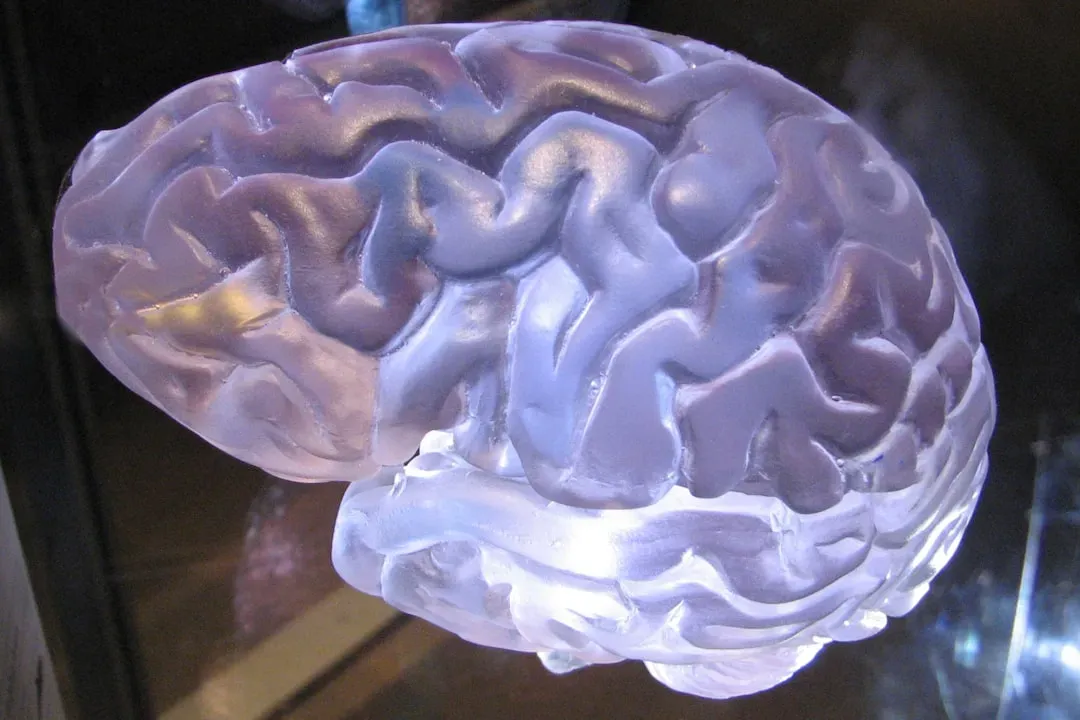
That sudden feeling that you’ve lived a moment before can be almost destabilizing, especially when you cannot tie it to any clear memory. For a long time, déjà vu sat awkwardly between psychology and the paranormal in popular imagination, feeding ideas about reincarnation, parallel universes, or prophetic dreams. Neuroscientists, however, have been teasing apart more grounded explanations by studying brain activity, especially in regions linked to memory such as the medial temporal lobe. One leading idea suggests that déjà vu happens when the brain’s familiarity system fires briefly without a matching recollection, like a false alarm in the security system of your mind. The scene feels known, but when you search for the actual memory, nothing solid appears.
Studies using virtual reality and clever lab setups have shown that when people are exposed to similar layouts or patterns that echo earlier experiences, they are more likely to report déjà vu. A few clinical observations, especially in people with certain types of epilepsy, point to short-lived misfires in temporal lobe circuits that heighten this odd familiarity. It’s as if the brain is constantly compressing and comparing incoming experiences to stored templates, and occasionally, the matching algorithm glitches just enough to make you feel like you’re looping in time. Far from trivial, these episodes offer researchers rare windows into how memories are tagged, retrieved, and trusted – or mistrusted – by our nervous system.
Why It Matters: The Power of Naming Everyday Mysteries

It might be tempting to dismiss these explanations as trivia, the scientific equivalent of cocktail party facts, but that undersells their impact. When you understand why a house creaks or a lamp flickers, you are doing something fundamental: replacing vague unease with tested, shared knowledge. That shift has real consequences, from easing anxiety to countering misinformation that feeds on the unexplained. Historically, phenomena we could not explain – comets, eclipses, disease, strange lights – often sparked fear, discrimination, or harmful rituals because people reached for whatever narrative felt most available or emotionally satisfying.
By contrast, a culture used to asking “what’s really going on here?” and then seeking evidence is better equipped to handle larger, more consequential mysteries, from pandemics to climate change. The same habits of mind that demystify déjà vu or sunset colors – curiosity, skepticism, careful observation – are the ones we need when evaluating a viral health claim or a too-good-to-be-true technological promise. In day-to-day life, this might show up as teaching kids to test their hunches, or as adults being willing to say “I don’t know yet” instead of jumping to supernatural or conspiratorial conclusions. Understanding small, everyday wonders trains us for the bigger unknowns waiting just over the horizon.
Global Perspectives: How Culture Shapes the Unexplained

Walk through different cultures, and the same unexplained event can carry strikingly different meanings. A strange sound at night might be blamed on spirits in one community, on ancestors in another, and on faulty plumbing in a modern apartment block. Folklore researchers have long documented how stories around mysterious lights, odd animal behavior, or strange weather reflect local history, religion, and power structures. For example, atmospheric phenomena like ball lightning or halos around the moon have inspired everything from cautionary legends to hopeful signs of change, depending on who is doing the interpreting.
As scientific communication becomes more global, people increasingly juggle both traditional and scientific explanations, sometimes happily layering them rather than choosing one. A person might enjoy a ghost story about their creaky attic while also knowing the thermal expansion coefficients of wood, experiencing both narratives as meaningful in different ways. This blending can be a strength, making science more approachable when it acknowledges and respects older stories instead of mocking them. When journalists and educators connect new findings to existing cultural frames, they often reach audiences who might otherwise tune out. In that sense, everyday mysteries become bridges – not just between ignorance and understanding, but between different ways of making sense of the world.
The Future Landscape: Sensors, Simulations, and the Vanishing “Unexplained”

We are entering an age where far more of our everyday environment is being recorded, measured, and modeled than ever before. Tiny sensors in phones, smart thermostats, cars, and wearables generate continuous streams of data on temperature, motion, sound, and location. That means many of the small mysteries that once went undocumented – a sudden pressure change, a weird vibration, a strange animal pattern – can now be logged, compared, and analyzed at scale. Atmospheric scientists are using dense sensor networks to refine models of localized weather quirks, while neuroscientists deploy advanced brain imaging and computational tools to probe phenomena like déjà vu with unprecedented detail.
At the same time, sophisticated simulations can recreate conditions that were once impossible to test, from the precise acoustics of old buildings to the light-scattering properties of a polluted sunset. This doesn’t mean the sense of mystery will disappear; instead, the frontier will keep moving, as each answer raises more intricate questions. There are ethical challenges too, because turning every quirk of daily life into data raises issues of privacy, consent, and who benefits from the knowledge gained. The future of everyday wonders will be shaped not only by what we can measure, but by what we choose to question and share.
Everyday Experiments: How You Can Engage With the Hidden Science Around You
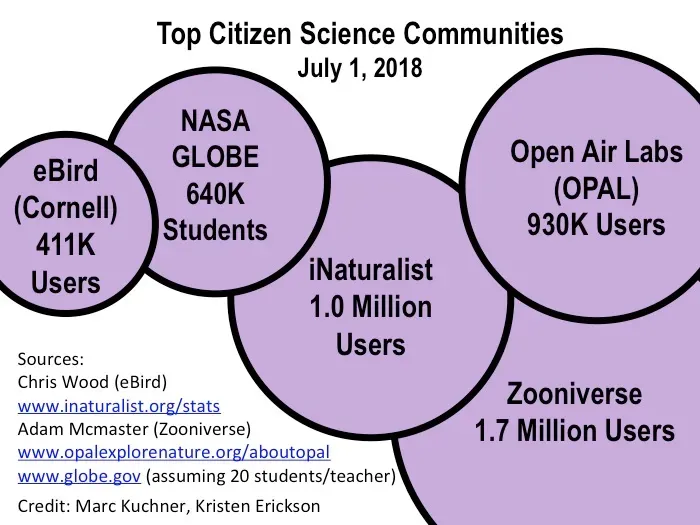
You don’t need a lab coat or grant funding to start exploring the science threaded through your daily routine. You can keep a simple notebook or phone log where you jot down odd observations – recurring creaks, peculiar lights in the sky, patterns in your own memories – and then look for correlations with weather, time of day, or your own stress levels. Basic tools like smartphone sensors, free sky-mapping apps, or open access weather and seismic data sets can turn curiosity into small citizen science projects. If something feels eerie, you can treat that feeling as a prompt to investigate rather than a cue to back away.
Supporting local science museums, planetariums, or community labs is another way to feed that curiosity, especially for kids who might otherwise grow up thinking science is only about distant galaxies or abstract equations. Many research projects actively welcome public participation, from reporting unusual animal sightings to contributing environmental measurements from your own backyard. Even simple habits – asking for sources when someone tells a wild story, looking up terms you don’t know, or sharing clear explanations with friends – help build a culture that treats everyday mysteries as invitations to learn. The world is already offering experiments; all that’s left is for us to start noticing.
Suhail Ahmed is a passionate digital professional and nature enthusiast with over 8 years of experience in content strategy, SEO, web development, and digital operations. Alongside his freelance journey, Suhail actively contributes to nature and wildlife platforms like Discover Wildlife, where he channels his curiosity for the planet into engaging, educational storytelling.
With a strong background in managing digital ecosystems — from ecommerce stores and WordPress websites to social media and automation — Suhail merges technical precision with creative insight. His content reflects a rare balance: SEO-friendly yet deeply human, data-informed yet emotionally resonant.
Driven by a love for discovery and storytelling, Suhail believes in using digital platforms to amplify causes that matter — especially those protecting Earth’s biodiversity and inspiring sustainable living. Whether he’s managing online projects or crafting wildlife content, his goal remains the same: to inform, inspire, and leave a positive digital footprint.