They slip through our fingers, drift on air currents, and swim in every drop of water, yet most of us never think about them at all. Microbes are often framed as invisible enemies, but a growing wave of research is revealing them as quiet architects of Earth’s stability, evolution, and even our own moods. From the deepest ocean trenches to the dust on solar panels, scientists are uncovering microbial communities that don’t just survive at the edges of possibility – they define what’s possible. As climate change accelerates and ecosystems falter, these microscopic players are suddenly at the center of some very big questions. What happens when the planet’s tiniest engineers are pushed too far, and what can they still teach us about resilience, adaptation, and the true boundaries of life?
The Hidden Clues
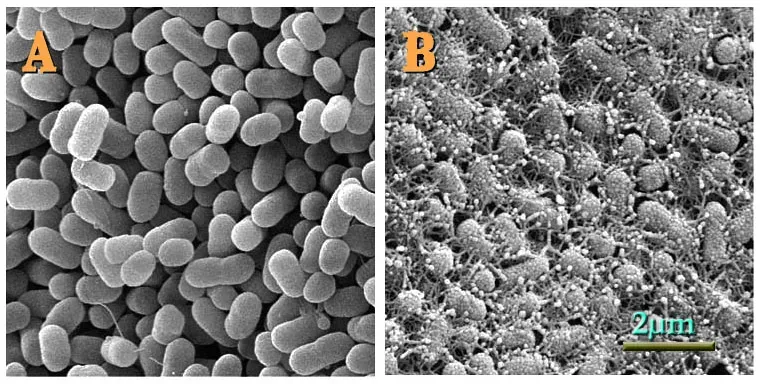
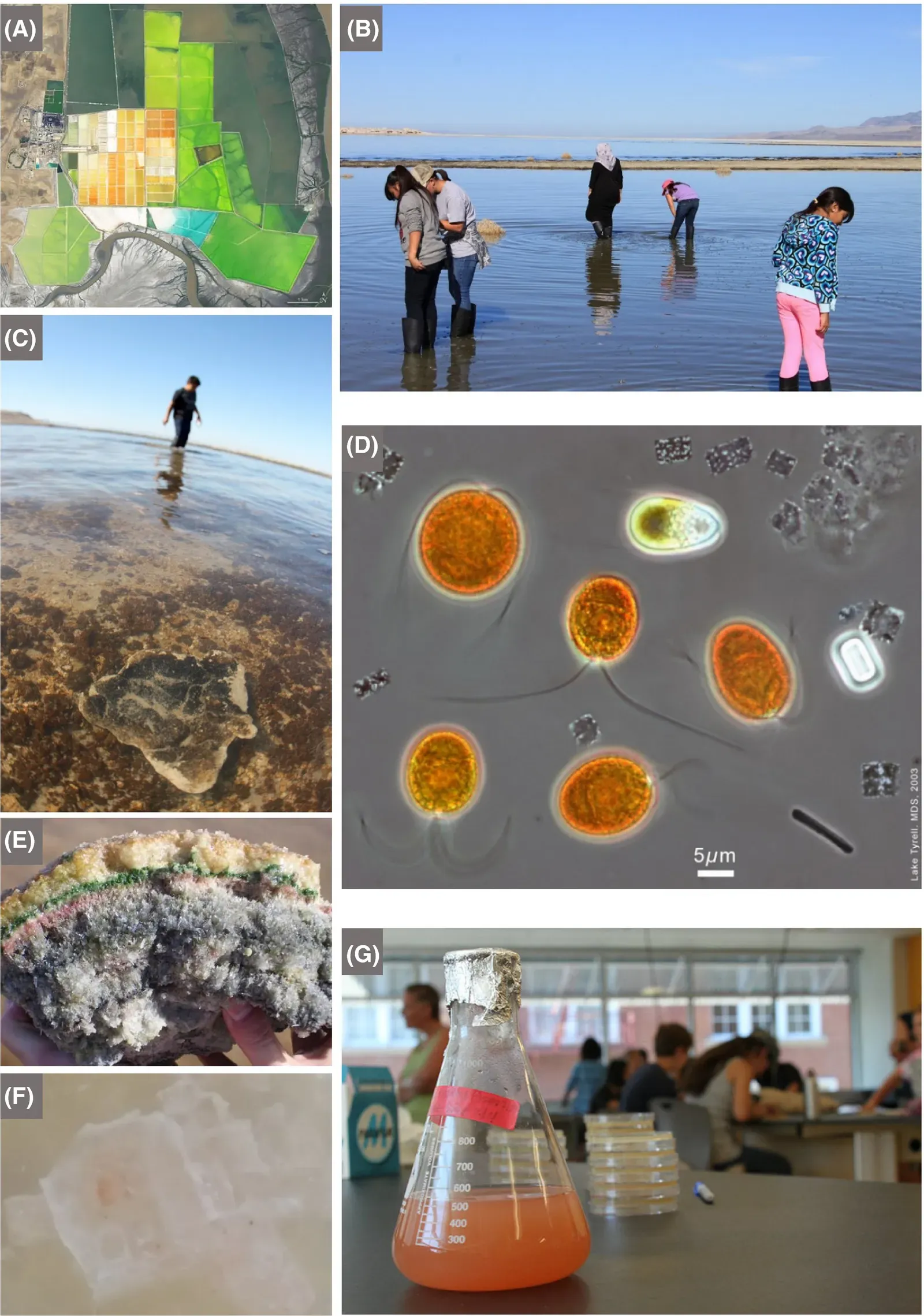
Imagine walking across a salt flat that looks utterly lifeless – just cracked earth and a harsh white glare – while, a few millimeters down, dense layers of microbes are quietly fixing carbon and storing nitrogen like a subterranean factory. These microbial mats, whether in deserts, tidal flats, or hot springs, are early warning systems that respond long before larger plants and animals show visible stress. Researchers have watched certain microbial communities shift within days when temperatures spike, salinity changes, or pollutants seep into soil and water. In this sense, microbes act like the planet’s smoke detectors, signaling danger long before flames appear. Paying attention to those clues can mean the difference between managing an emerging crisis and reacting after an ecosystem tips over the edge.
Microbes also leave behind molecular fingerprints that act like time capsules, preserving the history of climate swings, mass extinctions, and even human industrial activity. In polar ice cores and deep-sea sediments, scientists read changing microbial signatures to reconstruct past temperatures, ocean acidity, and nutrient cycles. It’s a bit like learning to read a new script where each shift in bacterial species or viral abundance hints at events that unfolded thousands or even millions of years ago. These hidden clues are quietly rewriting our understanding of when and how Earth systems have flipped in the past, offering a sobering mirror for the future we are building now.
From Ancient Tools to Modern Science
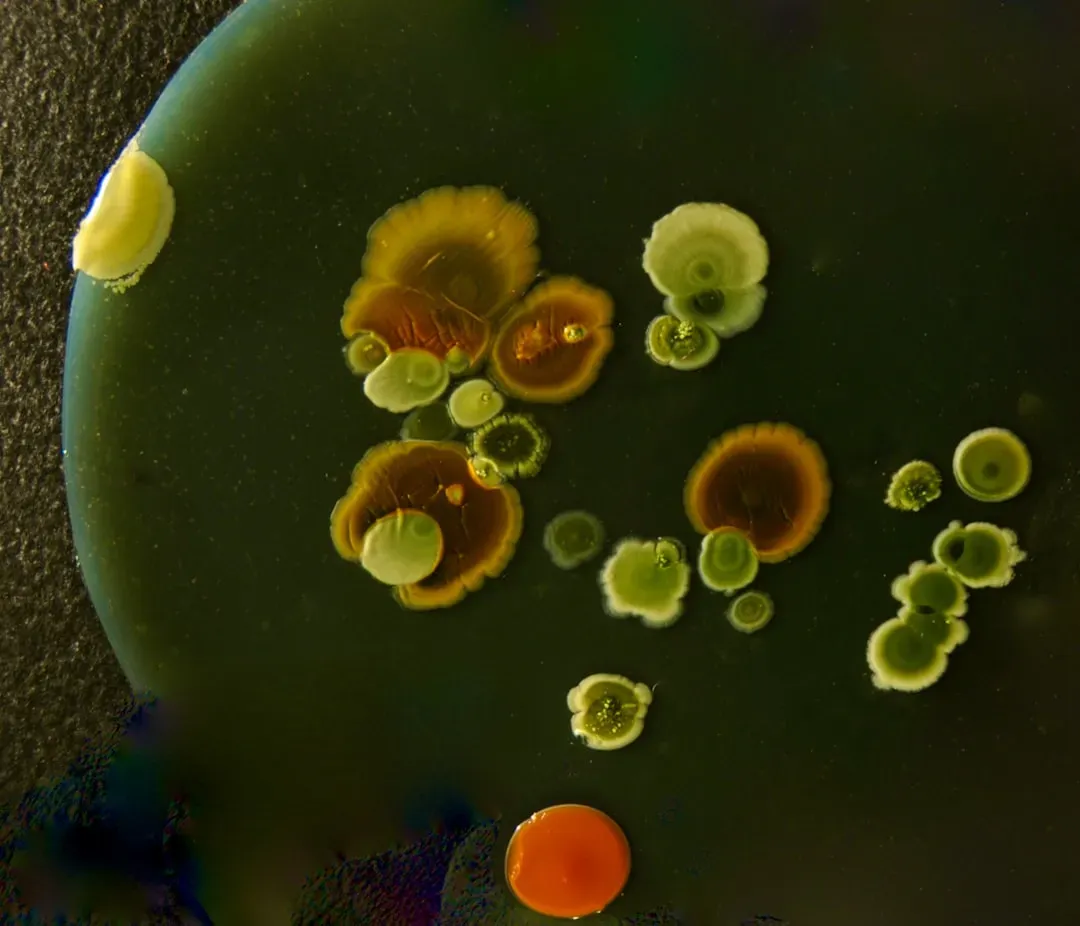
Long before we had the concept of a microbiome, humans were unknowingly recruiting microbes as allies, from fermenting grains into beer to preserving vegetables in brine. These early experiments were crude but incredibly effective ways of steering microbial communities toward useful outcomes. Over time, microscopes, staining techniques, and culture methods turned this trial-and-error into a true science, even if it was still heavily biased toward microbes that behaved nicely in glass dishes. The organisms that refused to grow under lab lights remained ghosts, suspected but poorly understood. For decades, our picture of the microbial world was like a city map that only shows the main streets and ignores the back alleys where most of the life actually happens.
The real turning point came with DNA sequencing, which let scientists identify microbes directly from soil, water, or gut samples without needing to grow them first. Suddenly, researchers realized that the overwhelming majority of microbial species on Earth had never been cultured or named. These discoveries exposed entire “dark microbiomes” in places like cloud droplets, deep aquifers, and Antarctic rocks that we had written off as barren. In just a few decades, microbiology has shifted from a discipline focused on a handful of lab pets to a sprawling, data-rich field wrestling with staggering diversity. The tools keep advancing, from single-cell genomics to tiny sensors that can monitor microbial metabolisms in real time, and each new technique reveals yet another layer of hidden life.
Microbes as Planet Engineers
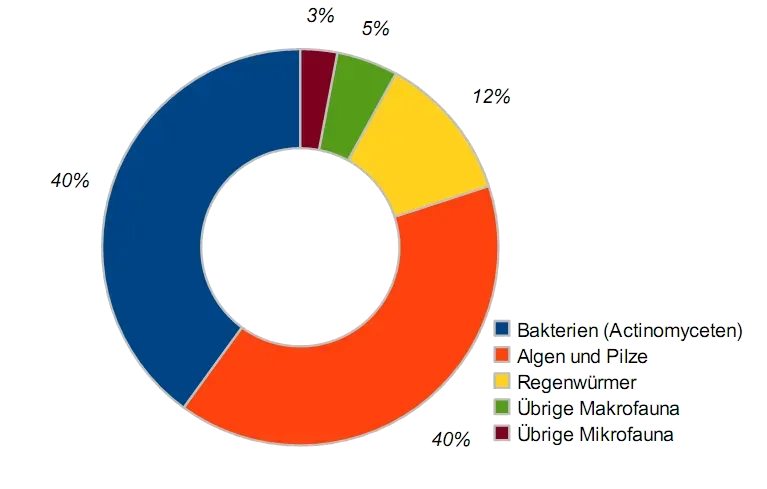
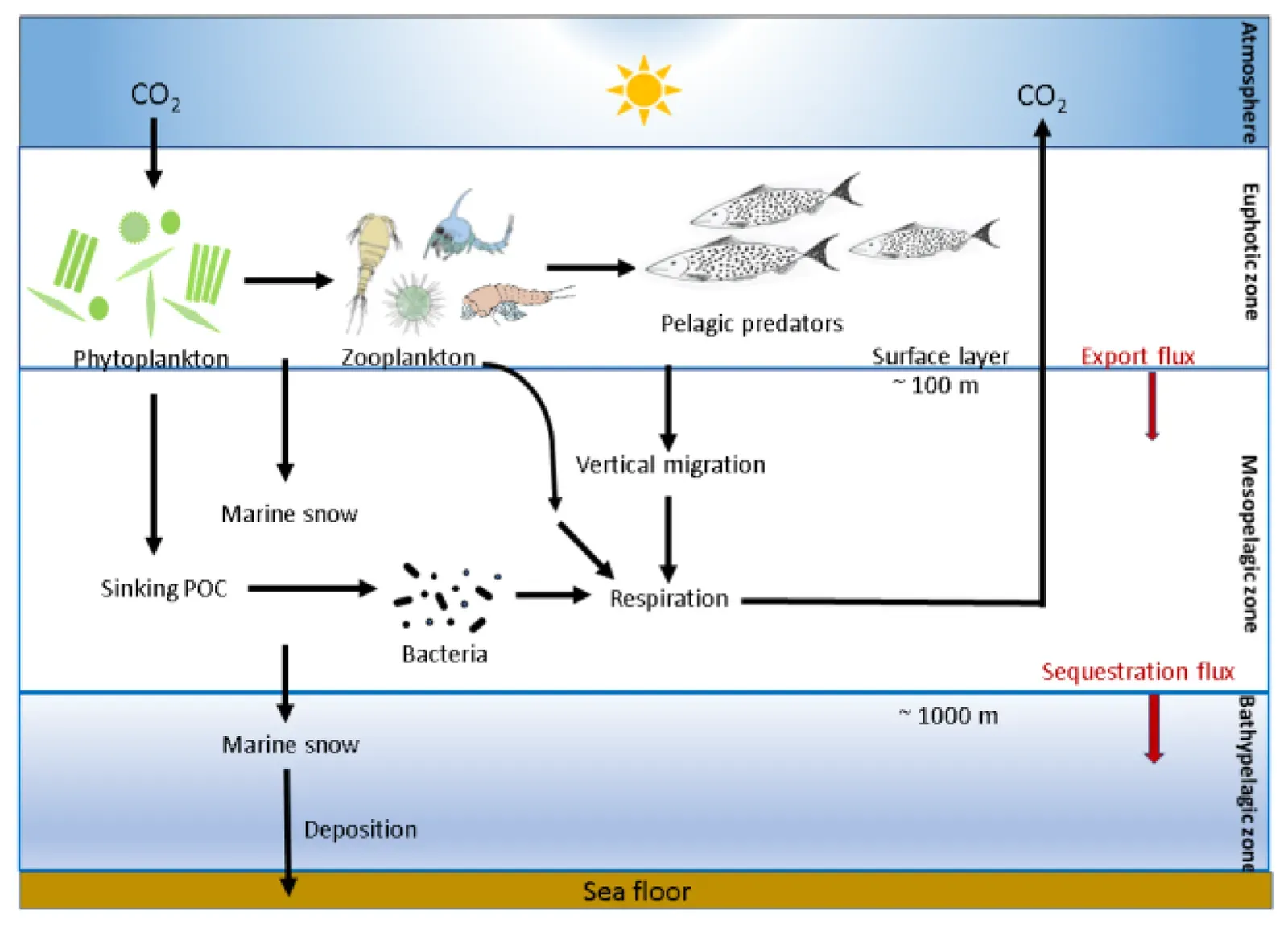
It can be hard to wrap your head around the fact that microbes helped sculpt the very conditions that make complex life on Earth possible. Ancient cyanobacteria, for example, pumped oxygen into an atmosphere that once contained hardly any, setting off one of the most profound environmental transformations in planetary history. Today, countless bacteria and archaea still drive the carbon, nitrogen, and sulfur cycles that regulate climate and nutrient availability. In the ocean, microscopic phytoplankton – many of them microbial – are responsible for roughly about half of global photosynthesis, quietly drawing carbon dioxide out of the atmosphere. Think of them as a diffuse, planetary-scale forest that just happens to float.
These invisible engineers also stabilize ecosystems closer to home. In soils, microbial communities help build structure, store carbon, and release nutrients in pulses that plants have evolved to expect. In wetlands, microbial processes can detoxify pollutants or, under some conditions, generate potent greenhouse gases, turning these ecosystems into climate heroes or villains depending on subtle shifts. Even coral reefs, often symbolized by their colorful animals, depend on complex networks of algae, bacteria, and viruses that cycle nutrients and defend against disease. When those microbial networks break down, the larger structures we notice – trees, corals, fisheries – start to wobble and fall.
Life at the Edge: Extreme Microbial Worlds
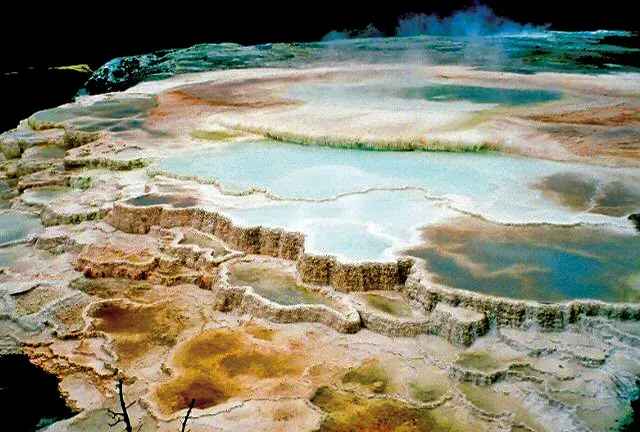
One of the most thrilling threads in modern biology is the discovery of extremophiles, microbes that push the known limits of life. These organisms thrive in boiling hot springs, highly acidic rivers, subglacial lakes, and deep-sea vents that would tear apart most familiar cells. Some can withstand radiation doses that would be lethal to humans many times over, while others barely stir at frigid temperatures that flirt with the freezing point of their own internal fluids. They are like biological test pilots, exploring what life can endure when pushed into seemingly impossible corners. Their existence forces scientists to rethink earlier assumptions about where life can exist, both on Earth and beyond.
Many of our most radical ideas about life on other planets now lean heavily on what we’ve learned from extremophiles. If microbes can metabolize in the dark, crushing pressures of the deep ocean using chemical energy from rocks, why not beneath the icy crust of a moon like Europa? If certain bacteria can tolerate long periods of desiccation and radiation, perhaps frozen soils on Mars are less dead than we assumed. These organisms also have practical uses closer to home: extremophile enzymes power high-temperature laundry detergents, DNA amplification in labs, and potentially new green industrial processes. Every time an expedition drills a new borehole or samples a new vent field, there’s a real chance of expanding our definition of what life can be.
Invisible Partners in Health and Ecosystems
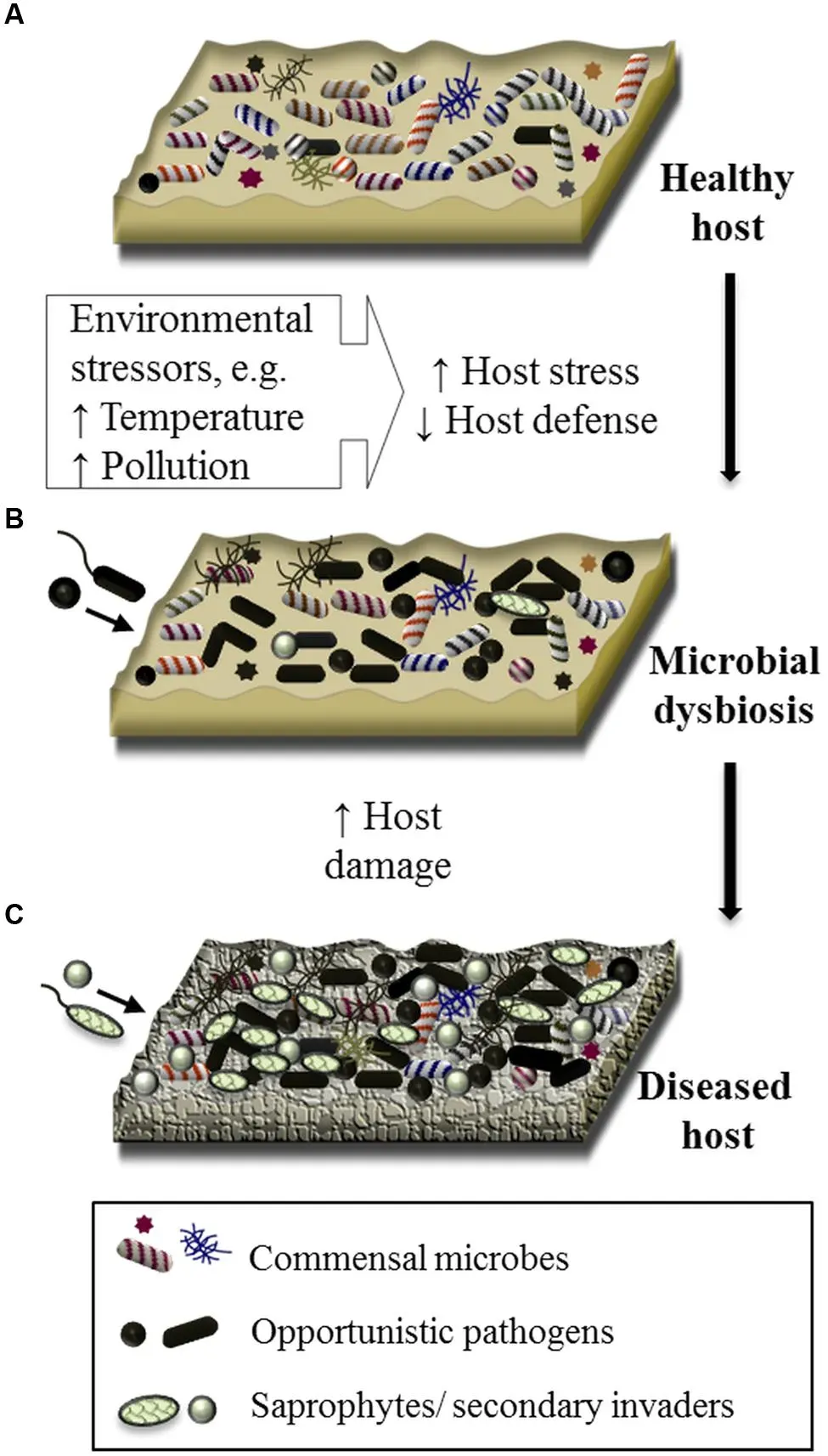
Most people now know a little about the gut microbiome, but our relationship with microbes runs far deeper than digestion and immunity. Microbial communities live on our skin, in our lungs, and even in the placenta during pregnancy, influencing everything from allergy risks to how we respond to infections. Many animals harbor similarly intimate microbial partners: cows rely on gut microbes to break down tough plant fibers, corals host algae that feed them sugars, and certain beetles depend on bacteria to produce toxins that deter predators. Strip away these microbial symbionts and the host organisms suddenly look fragile, less capable, and sometimes non-viable. In this light, every animal and plant is more like a living consortium, a superorganism rather than a single being.
Zooming out to the scale of ecosystems, these partnerships scale up into vast networks of cooperation and competition. In forests, fungi entwined with roots act as nutrient brokers, connecting trees to each other through so-called underground webs that also involve bacteria and other microbes. In agricultural fields, whether farmers encourage or suppress soil microbiomes can make the difference between a resilient crop and one vulnerable to drought or disease. Recent studies show that restoring native microbial communities in degraded lands can accelerate plant recovery in ways that traditional fertilizers alone cannot match. Realizing that invisible partners are doing so much of the heavy lifting reshapes how we think about conservation and land management.
Why It Matters: Rethinking Biology from the Ground Up
We used to tell the story of biology as if plants and animals were the main characters and microbes were mostly supporting cast, stepping in as pathogens or handy lab tools. That story no longer holds up. Once you see microbes as key architects of climate, shapers of evolution, and core components of health, the hierarchy flips. It becomes clear that conservation strategies focused only on charismatic megafauna are missing the substrate that actually keeps ecosystems running. Saving a forest without understanding or protecting its microbial foundation is like renovating a house while ignoring rot in the beams.
Microbes also complicate the way we think about individuality and species. When antibiotic use, diet, or pollution reshapes our microbiomes, it can change our disease risks, mental health, and even responses to medications. In this sense, public health, environmental policy, and climate strategy are all entangled with microbial dynamics in ways that are only now being fully appreciated. Compared with traditional approaches that treat microbes as simple enemies to be eradicated, a more nuanced view recognizes them as levers for healing ecosystems, stabilizing climate feedbacks, and supporting human well-being. Understanding this unseen world is not a niche scientific hobby; it is an essential lens for navigating the twenty-first century.
The Future Landscape: Microbial Solutions and New Risks
Researchers and companies are racing to turn microbial insights into tools for a warming, crowded planet, and the ideas range from elegant to unsettling. Engineered bacteria are being tested to pull carbon dioxide out of the air and lock it into stable minerals or long-lived biomass, potentially complementing reforestation and other nature-based solutions. Other projects aim to use microbes to clean up oil spills, degrade plastics, or recover metals from electronic waste without the environmental cost of traditional mining. The promise is that, by working with microbial metabolisms instead of against them, we can build technologies that are more compatible with natural cycles. There is genuine excitement here, but it comes with a need for careful guardrails.
At the same time, manipulating microbial communities at scale carries serious risks and ethical questions. Releasing engineered organisms into open environments could have unintended consequences, from disrupting existing food webs to transferring genetic material in unpredictable ways. There is also the geopolitical dimension: for example, advanced microbiome-based agriculture could widen gaps between countries able to invest in such systems and those left behind. Scientists are increasingly calling for robust monitoring, transparent governance, and global cooperation as these technologies move from lab benches to field trials. The future landscape of the microbial world will be shaped not just by discovery, but by the choices societies make about how far and how fast to intervene.
What You Can Do: Seeing and Supporting the Unseen
Most of us will never sequence DNA from a deep-sea vent microbe, but that doesn’t mean we’re bystanders in this story. Everyday choices – from how often we reach for antimicrobial cleaners to what kinds of food systems we support – ripple through microbial communities in our homes, soils, and waterways. Simple steps, like avoiding unnecessary antibiotics, backing farms that build soil health, or choosing products that do not rely on harsh biocides, help tilt the balance toward diverse, functional microbiomes. Paying attention to local conservation projects that restore wetlands, prairies, or reefs is another way to support the microbial foundations that keep larger species afloat. Even just cultivating curiosity, reading about new discoveries, and talking about microbes as more than germs can shift public attitudes.
On a more personal level, it can be oddly grounding to remember that you yourself are a thriving ecosystem, carried around on two legs. The microbes that live with you, on you, and around you connect you to soils, plants, animals, and even distant oceans through invisible exchanges of genes and molecules. Supporting science funding, citizen-science efforts that track environmental microbes, and education programs that highlight this hidden dimension of life helps ensure that the next generation sees the world through a more microbial lens. The unseen world is not really separate from us at all; it is the fabric we’re woven into. Once you start noticing that, it is hard to walk through a forest, cross a city, or even sit at your kitchen table in quite the same way again.