The ocean is already on the move, and it is rising far faster than coastal maps, mortgage contracts, and seaside dreams were built to handle. For most of the twentieth century, sea level crept upward almost politely; now it is accelerating in ways that rattle even veteran climate scientists. What once sounded like a distant, abstract risk for future generations is turning into a set of deadlines unfolding within a single human lifetime. From Miami’s “sunny day” floods to Alaska’s collapsing coastlines, the story is no longer about if the seas will rise, but how fast, how high, and how unevenly around the globe. The answer is written in melting ice sheets, warming oceans, and the physics of water itself – and it is more surprising, and more urgent, than many people still assume.
The Hidden Clues in a Quietly Rising Ocean
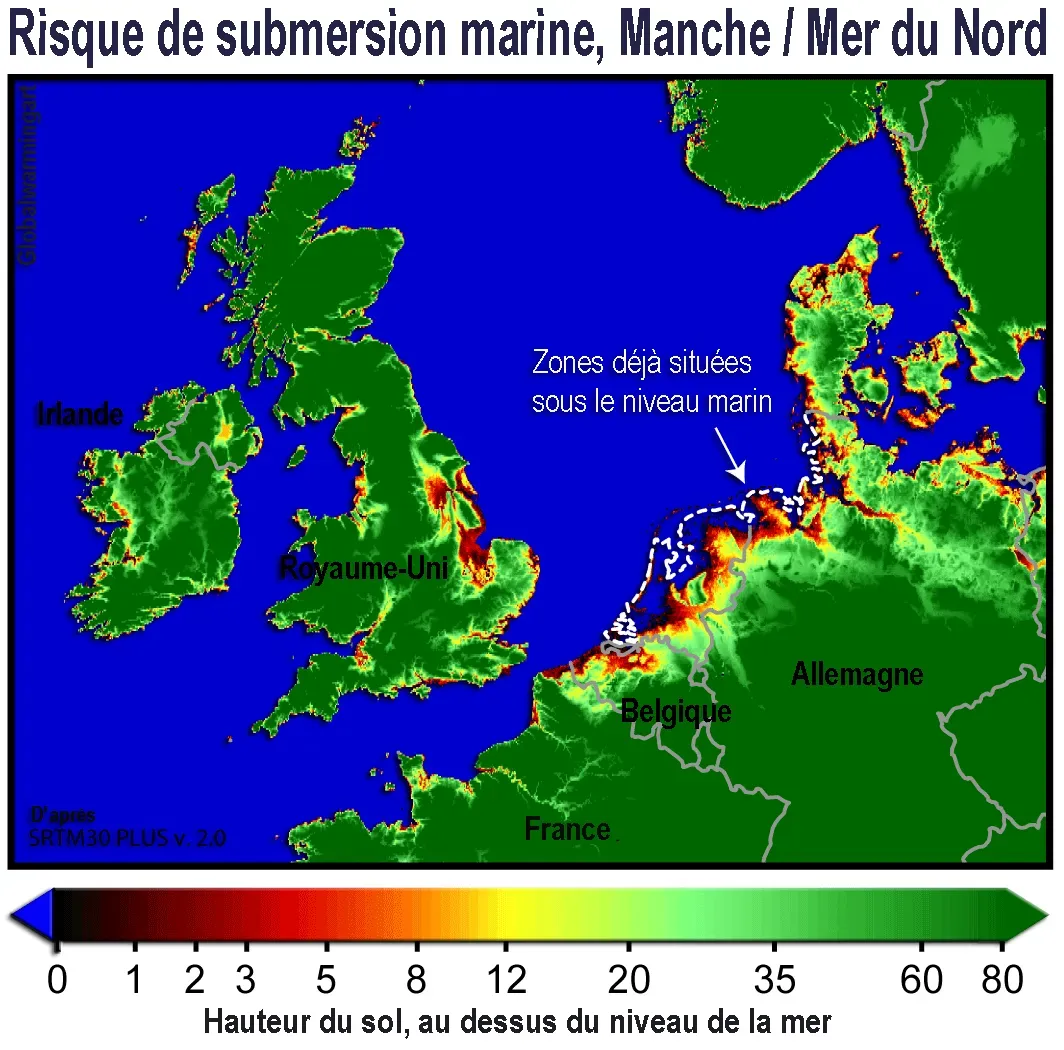
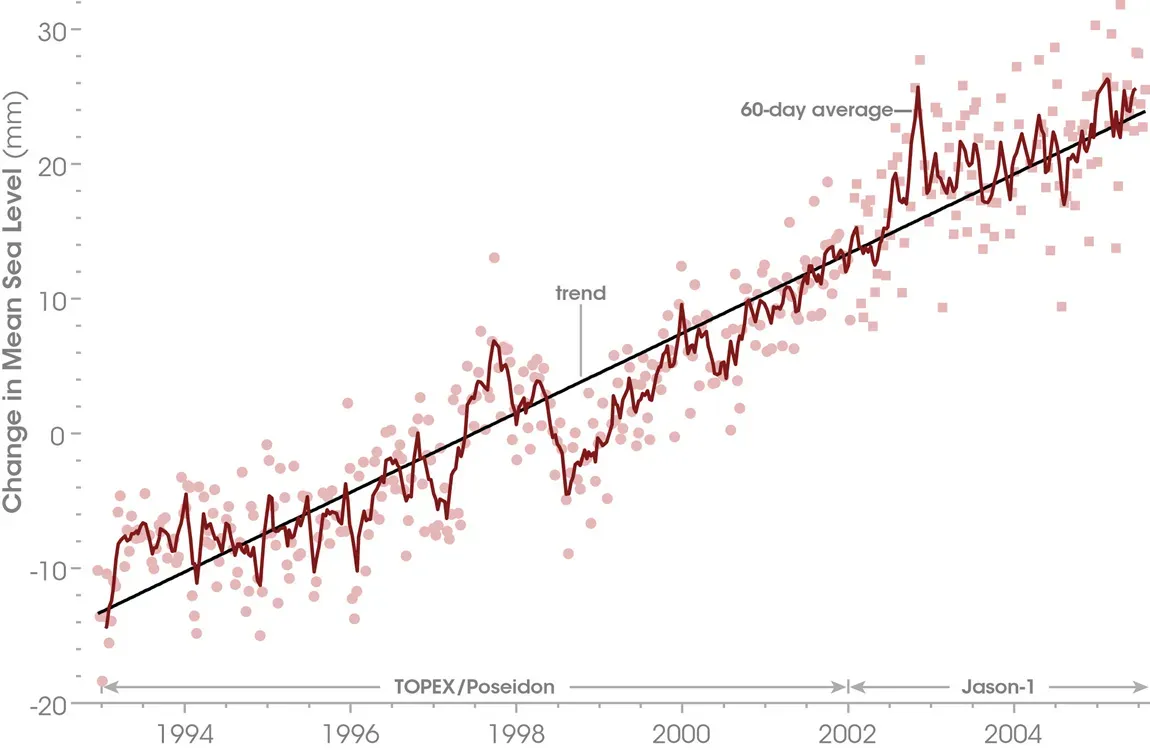
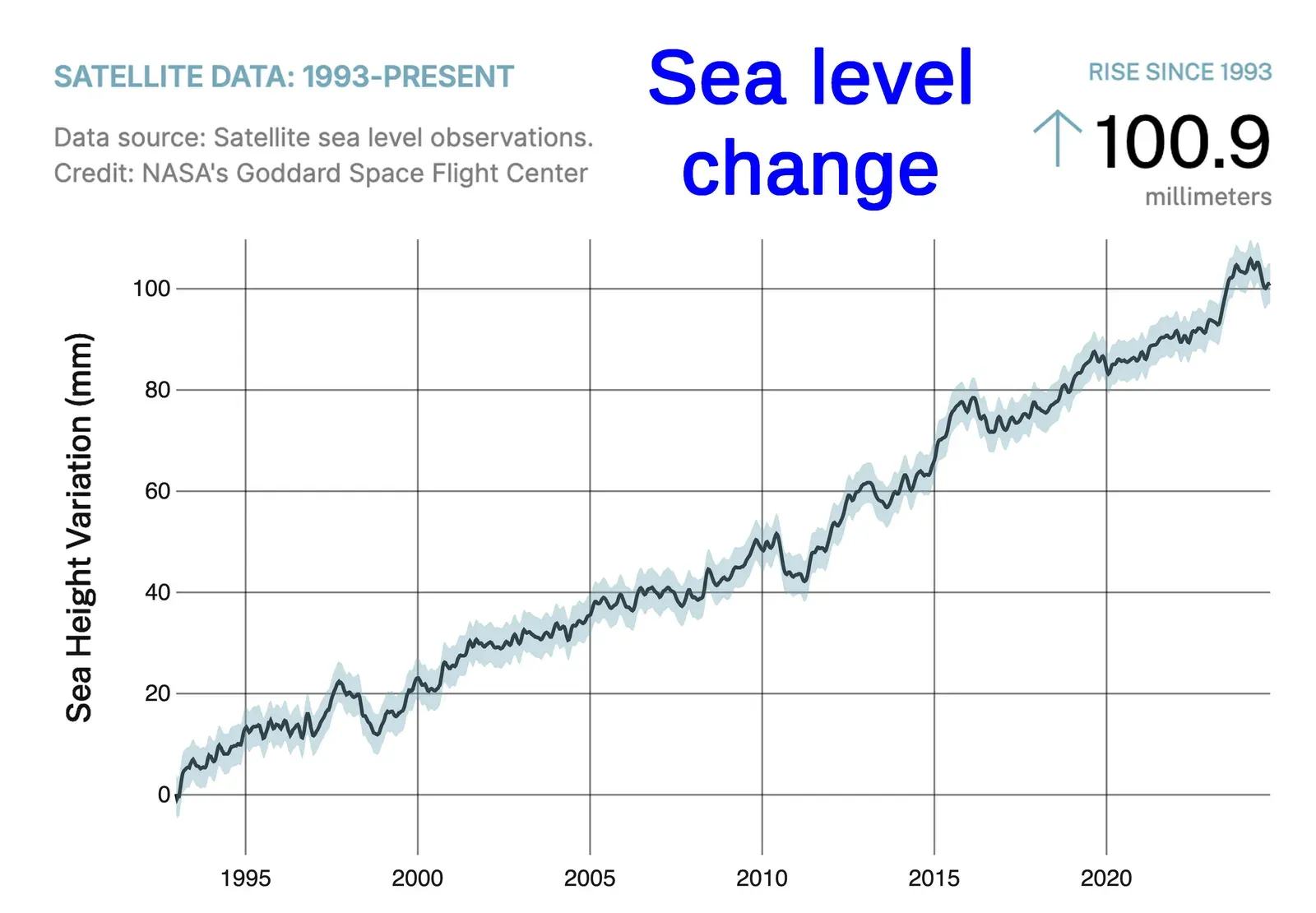
The first shock is that the sea is not rising at the same rate everywhere, nor is it doing so in a simple straight line over time. Satellite altimeters, which have been precisely tracking global sea level since the early 1990s, show that the average rate has increased from roughly a few millimeters per year in the late twentieth century to noticeably faster in the past decade. Tide gauges, some of them quietly recording water heights for more than a century, reveal a patchwork pattern: dramatic changes in places like the U.S. East Coast, and subtler shifts in other regions. Together, these records act like a medical chart for the planet, with each jagged line hinting at deeper processes unfolding underneath the surface. The hidden story is not just about more water, but also about what that extra water tells us regarding the health of ice sheets, oceans, and climate systems.
A big part of the mystery lies in how many separate forces push the sea upward at once. Warmer water expands, adding volume even without a single extra drop being poured in, much like air in a hot balloon. Melting mountain glaciers, from the Rockies to the Himalayas, contribute fresh water like slow, steady drips from a thousand distant taps. The major ice sheets on Greenland and Antarctica are the real wild cards, capable of releasing enough water to redraw global coastlines if their melt accelerates. Subtle changes in currents and winds can even pile water up in some regions while drawing it away from others. When you look at all of this together, the quiet rise in sea level starts to feel less like a simple trend line and more like a complex heartbeat signal of a changing planet.
From Ancient Shorelines to Modern Science
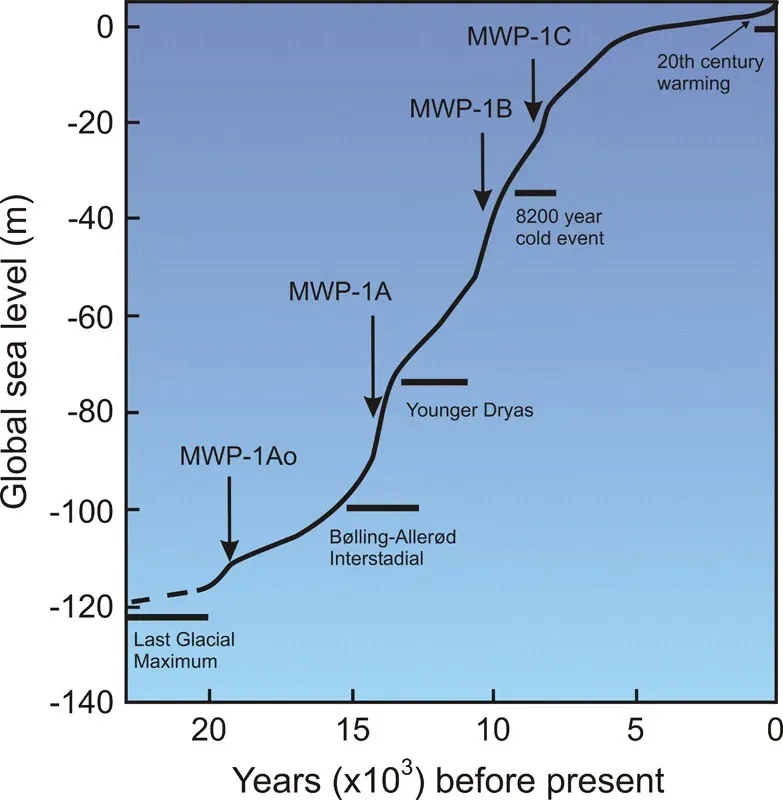
Human cultures have always lived with shifting shores, but the speed of change today looks very different from what is recorded in ancient coastlines. After the last ice age, global sea levels rose dramatically as massive ice sheets melted, but that surge played out over thousands of years rather than a single century. Now, sediment cores, coral reefs, and fossilized shorelines are being scrutinized to understand how quickly seas have risen in the distant past and how ecosystems responded. These natural archives show that when ice sheets destabilize, they can sometimes collapse in rapid pulses rather than in slow, gentle melts. That history matters, because it suggests that seemingly gradual trends can tilt into much more abrupt changes if certain thresholds are crossed.
Modern tools add sharp focus to these ancient lessons. Satellites measure tiny changes in Earth’s gravity field to detect ice loss in Greenland and Antarctica, while GPS instruments track land that is slowly sinking or rebounding as old ice loads disappear. Ocean buoys and robotic floats map temperature and salinity from the surface to the deep, tracing how heat penetrates and spreads through the seas. Together, these systems paint a picture of a planet where ice loss and ocean warming are accelerating, not slowing down. Researchers sometimes use a phrase that stuck with me: the coastline we see now is like a photograph of a wave already in motion, with most of its energy still hidden beneath the surface. That idea is unsettling, but it is also what makes this moment so scientifically revealing.
What the Numbers Really Say About the Next 30 Years

When people ask how soon the seas will rise, they often imagine the end of the century; scientists, increasingly, talk about the next three decades. By around mid‑century, many projections now point toward roughly a few additional inches to perhaps around a foot of global average sea-level rise compared with the late twentieth century baseline, depending on future emissions. That might sound modest at first glance, but it is stacked on top of tides and storms that already push some coastal systems close to their limits. Importantly, this range is not spread evenly: some regions, including parts of the U.S. Gulf Coast and mid‑Atlantic, are expected to see rises near or above the global average, partly because the land itself is subsiding. In practical terms, that means neighborhoods that flood only in severe storms today may start seeing regular tidal flooding within the span of a typical mortgage.
Scientists stress that the near‑term numbers are among the most confident pieces of the puzzle. The oceans have already absorbed enormous amounts of heat, and the ice currently committed to melting essentially “locks in” a certain amount of rise for the coming decades. Key details that matter for everyday life include how often floods will occur and how high storm surges will ride on top of the elevated baseline. For example, an event that used to be called a once‑in‑a‑generation flood can, under higher sea levels, shift toward something that happens every few years. The uncomfortable reality is that by the time the average global numbers feel undeniable to everyone, some coastal communities will already have been dealing with the consequences for years.
The Long Game: Ice Sheets, Tipping Points, and Deep Time
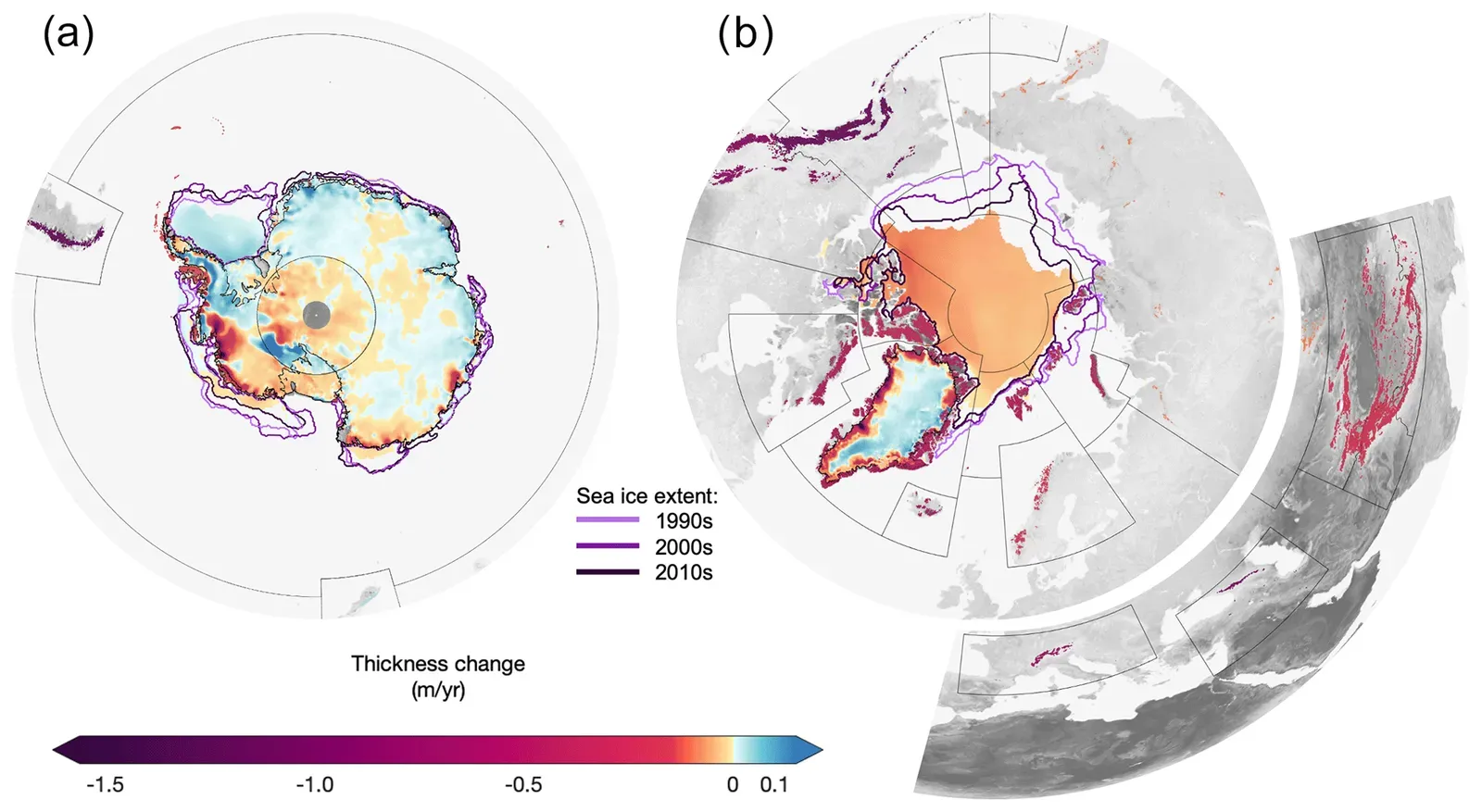
Beyond mid‑century, the range of possible futures expands, and the answer to how soon the seas will rise becomes more conditional and, frankly, more sobering. On a planet that keeps burning large amounts of fossil fuels, some projections suggest that sea level by the year 2100 could plausibly reach roughly about two or more feet above late twentieth century levels, with higher-end possibilities if ice-sheet behavior turns out to be more unstable. The major uncertainty is not whether seas will continue to rise – they will – but how fast the big ice sheets respond to sustained warming. Processes such as marine ice-cliff failure and the retreat of grounding lines on Antarctica are being intensely studied because they may represent tipping points, where melting shifts from gradual to much more rapid. If such thresholds are crossed, the changes playing out over centuries become not just large, but transformational.
Stretch the timeline out further, and sea-level rise becomes even more staggering. Over the course of several centuries to a few thousand years, continued warming could eventually commit the planet to many meters of higher seas, enough to reshape the outlines of continents as we know them. That long view can feel abstract compared with today’s headlines, but it highlights a key point: carbon dioxide lingers in the atmosphere, so the choices made in the coming decades echo far beyond our immediate lives. The ocean, with its immense capacity for storing heat, responds slowly but relentlessly, much like a giant flywheel that is hard to stop once it is spinning. When scientists talk about “locking in” sea-level rise, they are speaking this language of deep time. It is one of the reasons many of them argue that what happens this century will be remembered as a hinge moment in the history of coastlines.
Why It Matters: From Insurance Maps to Cultural Memory
It might be tempting to treat sea-level rise as just another environmental statistic, but its consequences splice directly into economies, identities, and personal histories. Coastal property represents trillions of dollars of value globally, and a large share of the world’s population lives near the ocean, from megacities to fishing villages. When higher seas combine with storms, they do not just wet streets; they can knock out power grids, contaminate drinking water, and push entire neighborhoods into permanent risk zones. I remember visiting a coastal town where residents had started quietly raising electrical outlets higher on their walls, an everyday adaptation that said more than any dramatic headline. Those small, practical choices are the front line of why this issue matters so deeply.
Beyond infrastructure, there is a softer but equally important layer: cultural memory. Sacred sites, historic districts, and family homes that have anchored stories for generations sit in the path of slow, encroaching saltwater. Fishing grounds may shift as estuaries change, reshaping local cuisines and livelihoods in subtle but profound ways. Insurance maps and zoning codes, once treated as stable, are being rewritten to incorporate maps of future floods rather than just past ones. In that sense, sea-level rise acts like a stress test for how societies value long-term stability versus short-term convenience. The higher the seas climb, the more that trade‑off moves from spreadsheet debates into the everyday choices of where people live, invest, and plant roots.
Global Perspectives: Uneven Seas on an Unequal Planet
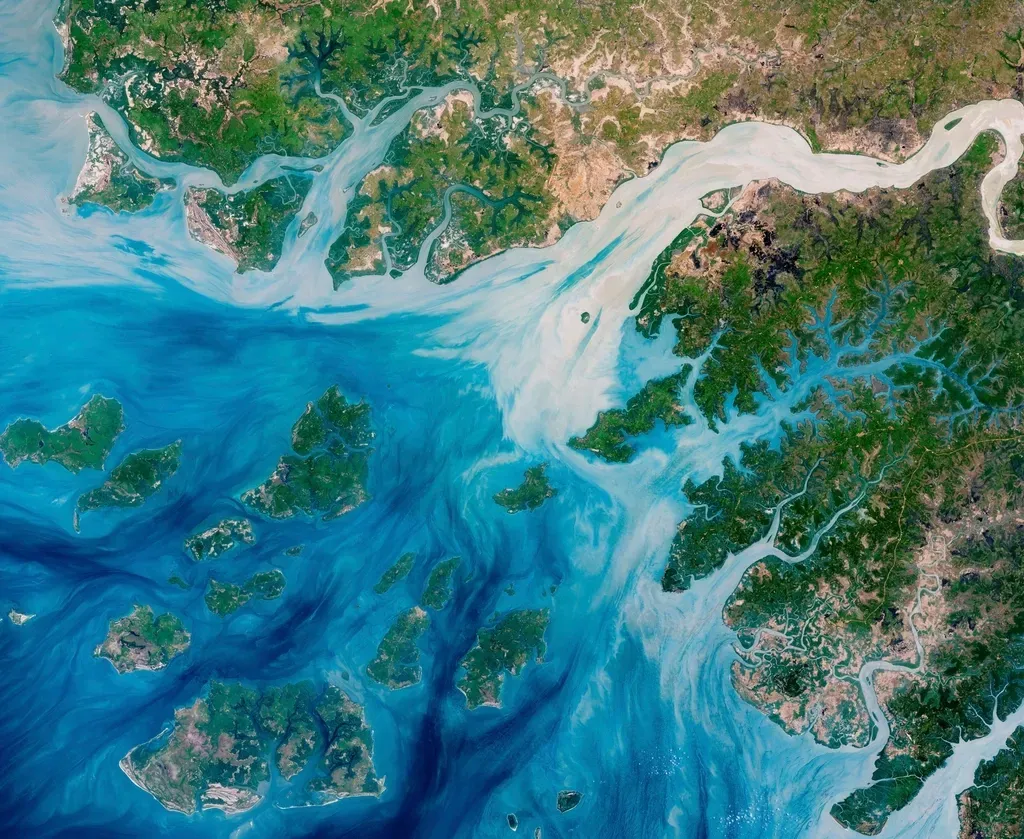
One of the more surprising realities is that sea-level rise is not a single global story but many local ones that blend together. Some low‑lying island nations and delta regions face existential questions as even modest rises translate into severe land loss and saltwater intrusion into freshwater supplies. In contrast, parts of the world where land is still rebounding upward from ancient ice loads may experience slower apparent rise, at least for now. The physics driving these patterns are intricate: when an ice sheet melts, the gravity field it once exerted on surrounding oceans changes, shifting where water preferentially pools. That means melting in Greenland and Antarctica affects coastlines at different distances in subtly different ways.
Layered on top of the physical differences are stark social and economic contrasts. Wealthier cities can invest in sea walls, surge barriers, and elevated infrastructure, while many communities in low‑income countries have far fewer options. International climate negotiations increasingly include the issue of “loss and damage,” a recognition that some harms, including land lost to the sea, cannot simply be adapted away. Coastal ecosystems like mangroves, coral reefs, and salt marshes that naturally buffer storms are also under pressure from pollution and development. When they are damaged or removed, vulnerable areas lose a crucial layer of protection just as the baseline risk is rising. In effect, the seas are amplifying inequalities that already existed, forcing tough questions about responsibility and shared obligations.
The Future Landscape: Defend, Accommodate, or Retreat?
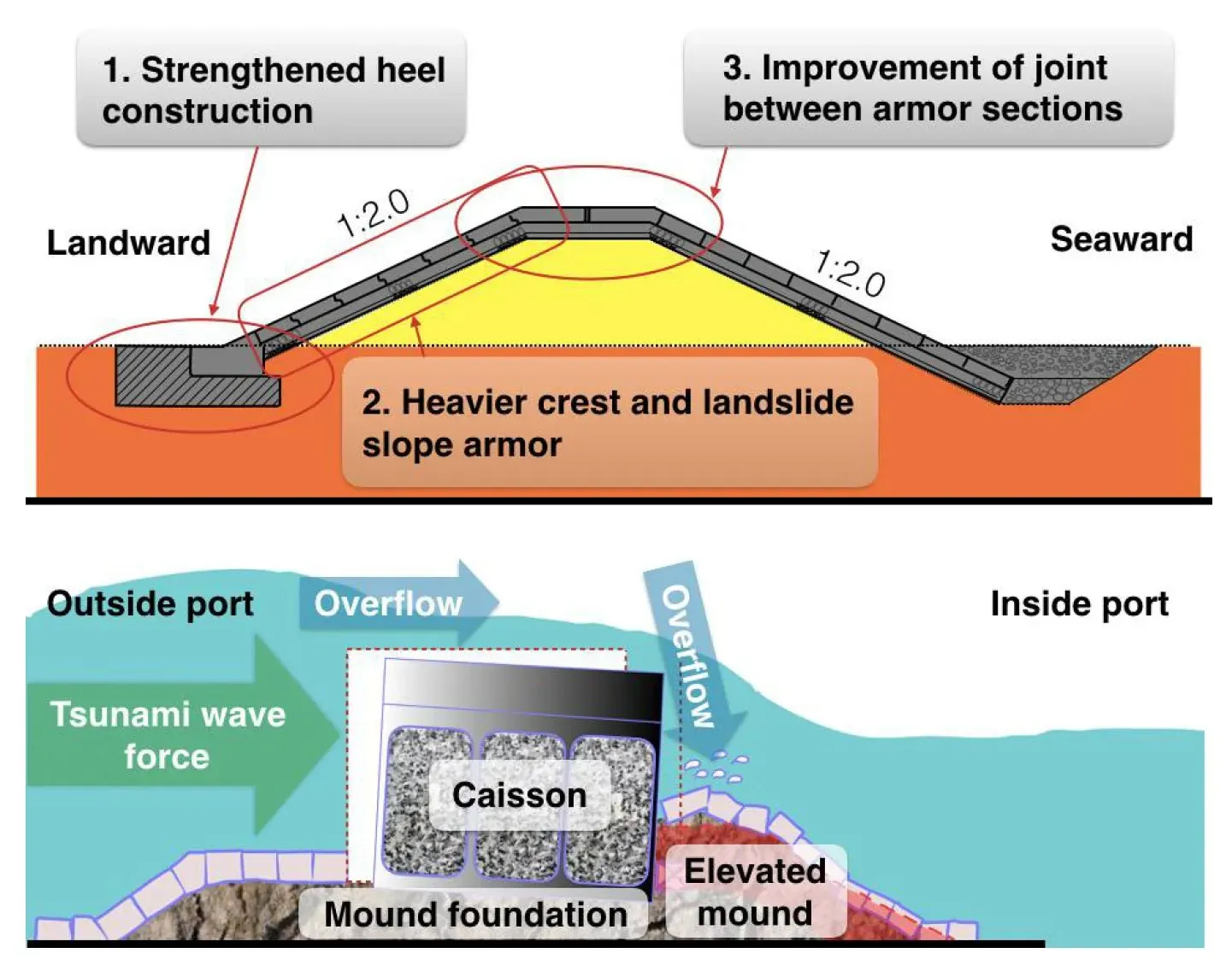
Looking ahead, the question is not whether societies will respond to rising seas, but how – and how fairly. Many coastal regions are exploring a mix of three broad strategies often described as defend, accommodate, and retreat. Defending can mean building or upgrading hard structures like levees, sea walls, and storm gates, or restoring natural buffers like dunes and wetlands that absorb wave energy. Accommodation focuses on living with more water, through measures like elevating homes, redesigning drainage systems, or allowing streets and parks to flood safely during high tides. Retreat, the most emotionally and politically charged option, means moving people and infrastructure away from zones that cannot reasonably be protected in the long run.
Engineers and planners talk increasingly about “adaptive pathways,” essentially roadmaps that keep future uncertainties in mind rather than betting everything on a single forecast. These approaches might, for example, design a sea wall that can be raised later if seas rise faster than expected, or reserve land for future floodplain expansion. Legal systems are also being tested as governments grapple with who pays for defenses and how to handle properties that become chronically flood‑prone. In some places, voluntary buyout programs are beginning to reshape neighborhoods in a slow, managed way instead of waiting for catastrophic storms to force abrupt displacement. The future coastline will likely be a patchwork of these strategies, reflecting local values as much as tide charts.
What You Can Do in a Rising-Sea World
For a challenge as vast as sea-level rise, it is easy to feel small, but individual choices and community actions still matter in concrete ways. On the emissions side, supporting policies and technologies that cut greenhouse gases helps slow the long‑term rise by limiting how much heat the oceans ultimately absorb. At a local level, getting involved in coastal planning meetings or resilience projects can influence how your community prepares, from protecting wetlands to updating building codes. Checking flood maps, considering elevation risks, and asking hard questions about long-term safety when buying or renovating property are practical steps that can prevent future heartache. Even simple acts like supporting science education and local journalism help keep the public conversation grounded in evidence rather than wishful thinking.
There is also a quieter form of engagement: paying attention to the places you love and noticing how they change. Walking a familiar shoreline year after year, you start to see the small shifts in dunes, marshes, and high‑tide marks that statistics alone can never fully convey. Sharing those observations with neighbors, schools, or citizen‑science projects connects personal experience with broader data and models. Sea-level rise is ultimately not just a story about physics and projections; it is about how humans decide to live with a planet whose boundaries are moving. The seas are rising, yes – but so, too, can our capacity to plan ahead with honesty and care.
Suhail Ahmed is a passionate digital professional and nature enthusiast with over 8 years of experience in content strategy, SEO, web development, and digital operations. Alongside his freelance journey, Suhail actively contributes to nature and wildlife platforms like Discover Wildlife, where he channels his curiosity for the planet into engaging, educational storytelling.
With a strong background in managing digital ecosystems — from ecommerce stores and WordPress websites to social media and automation — Suhail merges technical precision with creative insight. His content reflects a rare balance: SEO-friendly yet deeply human, data-informed yet emotionally resonant.
Driven by a love for discovery and storytelling, Suhail believes in using digital platforms to amplify causes that matter — especially those protecting Earth’s biodiversity and inspiring sustainable living. Whether he’s managing online projects or crafting wildlife content, his goal remains the same: to inform, inspire, and leave a positive digital footprint.