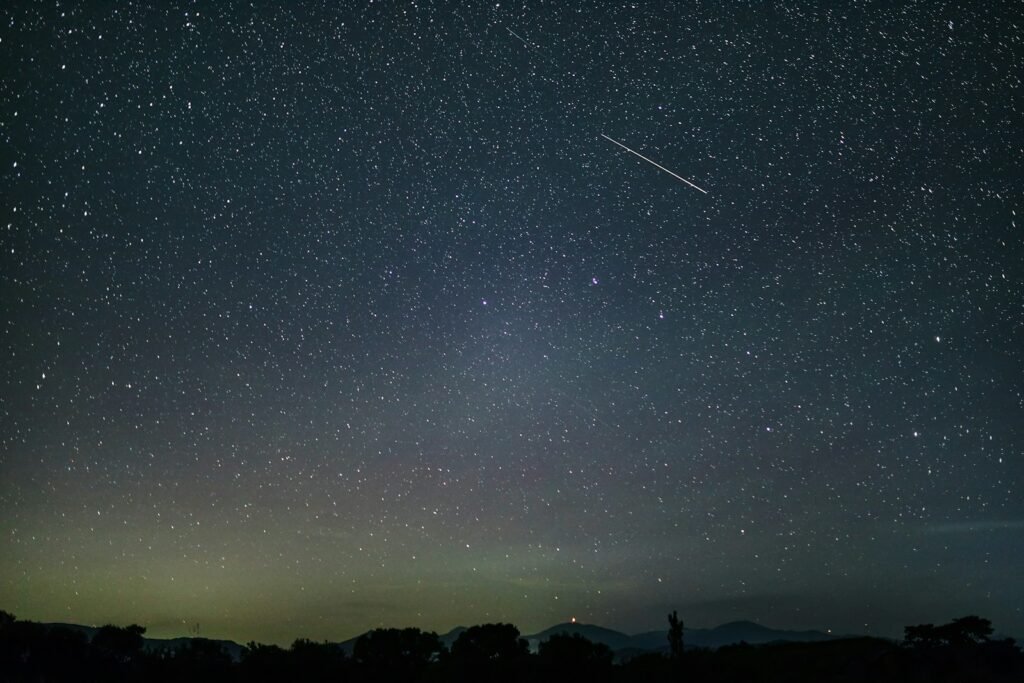
Every culture on Earth has stared up at the night sky, heard something strange, and filled in the gaps with stories. Before telescopes, satellites, and radio arrays, unexplained lights and eerie sounds from above were not data points but omens, monsters, and gods demanding attention. Today, astronomers are starting to decode some of those sky-born mysteries, and the old legends suddenly look less like pure fantasy and more like early field notes written in myth. What if dragons, thunderbirds, and sky serpents were humanity’s first attempts to describe real celestial events they could not yet measure? This is where folklore and astrophysics collide, and the result is far stranger – and more beautiful – than either side alone.
The Hidden Clues in Thunderous Sky Beasts
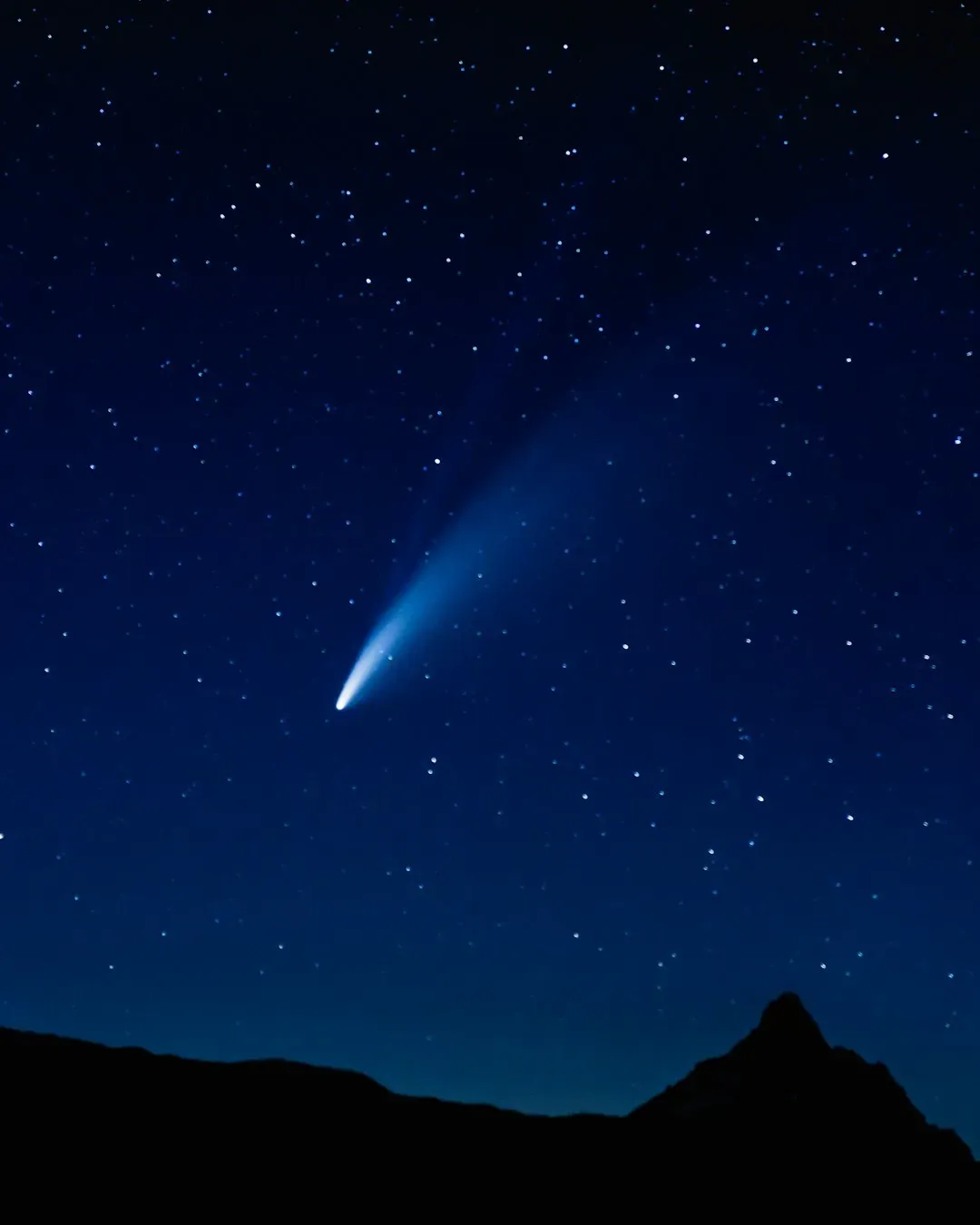
One of the oldest myth types across continents is the roaring sky beast: dragons wrapped around the heavens in China, thunderbirds in North America, and winged lions or serpents in the Near East. These creatures were often described as bellowing or roaring so loudly the ground seemed to shake, a detail that sounds fantastical until you remember that powerful meteors and bolides can generate sonic booms that rattle windows and echo for miles. To someone in the distant past with no concept of atmospheric shock waves, the booming aftermath of a fireball streaking overhead could easily be heard as a living thing roaring across the sky. Even today, eyewitness accounts of large meteors often mention a strange delay: first the brilliant streak, then minutes later a rolling, growling sound like distant thunder. That sensory mismatch – light first, sound long after – would have seemed supernatural, and mythmakers did what humans always do with fear and confusion: they gave it a face, claws, and a name.
Archaeologists and historians have found that many of these roaring sky beasts are associated with fire, metal, or stone falling from the heavens, which lines up almost too neatly with what we now call meteorites. In some traditions, legendary weapons are said to be forged from “star iron,” an echo of the fact that early cultures used iron-rich meteorites before they mastered smelting ore from the ground. When you put the pieces together – the roar, the fire, the heavenly metal – the dragon or thunderbird starts to look like a poetic composite of real astronomical phenomena. Instead of dismissing these tales as superstition, scientists are beginning to read them as encoded observational records, passed down in the only language people had at the time: story.
Fire Serpents and Falling Stars
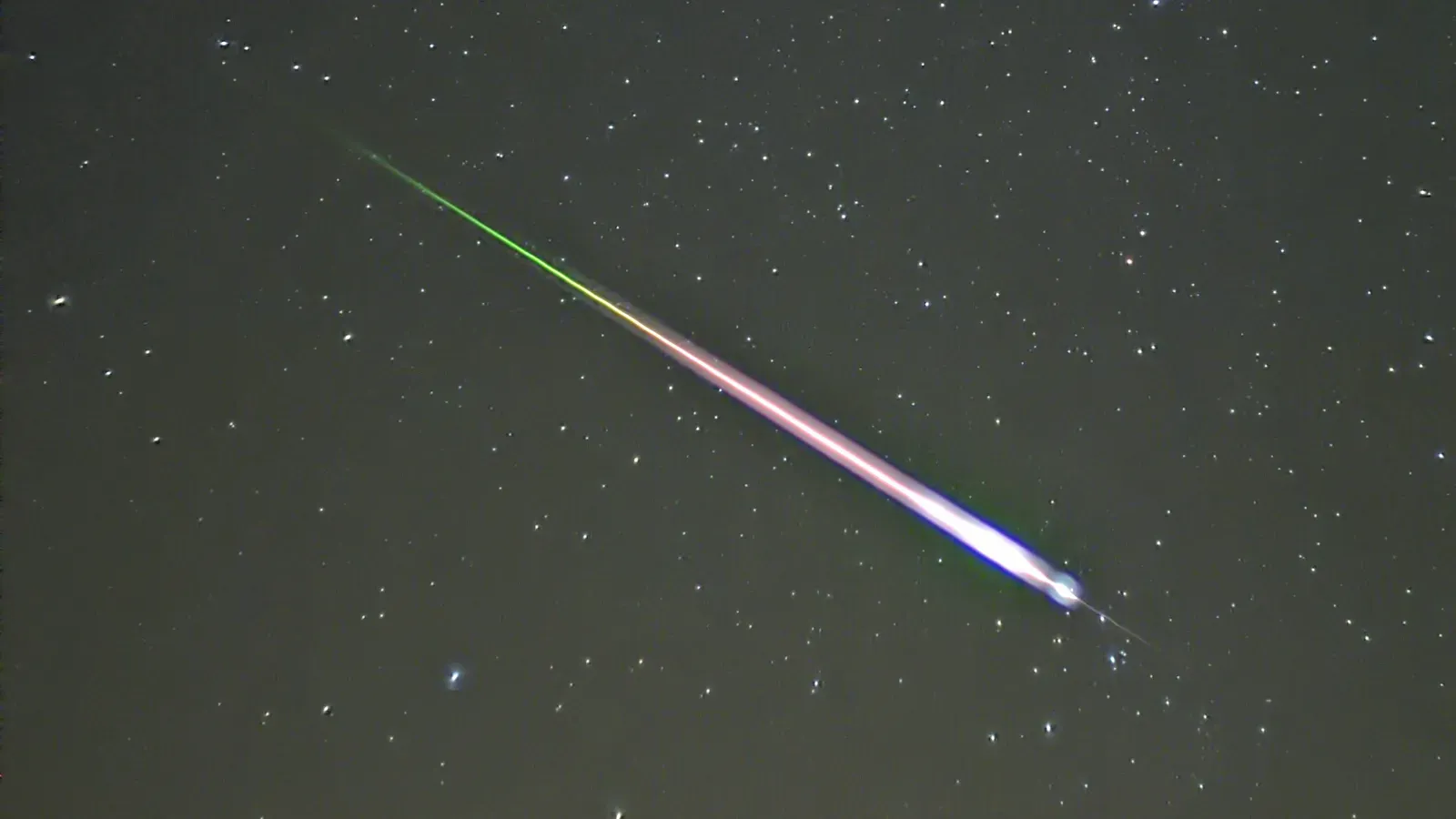
Serpents made of fire writhing across the sky show up in myths from Central America to the Mediterranean, often interpreted as gods fighting or cosmic rivers of flame. It is hard not to think of meteor showers when you read those descriptions, especially the more intense ones that occur when Earth passes through particularly dense debris streams. During strong showers, like the Leonids in some historic years, observers reported so many meteors that it looked as if the sky itself were falling in burning streaks, an image tailor-made for a story about celestial snakes shedding sparks. Many of these serpent myths come bundled with language about “annual” or “seasonal” visitations, hinting that people noticed these fiery displays returned around the same time each year. That kind of pattern recognition is exactly what modern astronomers do – only now with orbital mechanics instead of oral tradition.
There may even be a faint auditory link hiding in the background of some of these legends. A few historical accounts describe faint crackling or hissing sounds heard at the same moment as a very bright meteor, something physics once insisted was impossible because sound should arrive much later. Recent research suggests that very intense meteors could generate electromagnetic pulses that make nearby objects – like thin hair, dry leaves, or even eyeglass frames – vibrate and produce subtle sounds. Imagine standing in a dark field centuries ago, seeing a sky serpent of fire whip overhead and hearing an inexplicable hiss all around you. The easiest explanation would not be “VLF-induced transduction on local materials.” It would be “The serpent spoke.”
Winged Horses and the Thunder of Meteors
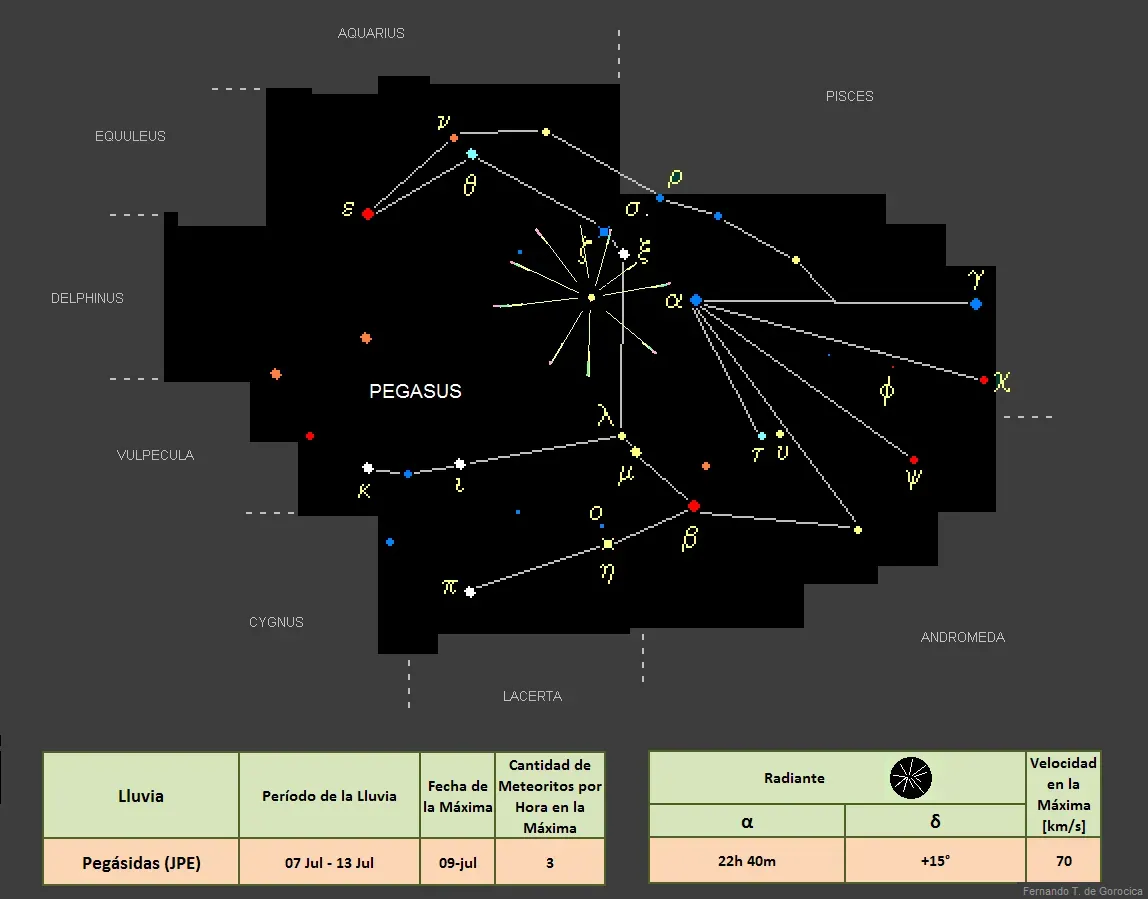
Winged horses like Pegasus are usually treated as pure fantasy, but the way they are depicted – leaping between sky and ground, moving faster than any natural animal, and sometimes bringing storms in their wake – sounds a lot like cultures trying to describe something that crosses both realms in a heartbeat. Think of a bright meteor that begins high overhead, flashes dazzlingly bright, and ends with a delayed boom that you feel in your chest. To an ancient observer, it might seem as if some impossibly powerful creature had galloped across the firmament, leaving only the sound of its passage. Some Greek and Near Eastern stories even link such beings to specific star patterns, which we now recognize as constellations tied to seasonal markers used for timing harvests and voyages.
Horses are also associated with chariots of the gods in many traditions, dragging the sun, moon, or stars across the sky in noisy, fiery splendor. The clatter of divine wheels and hooves mirrors the auditory chaos of storms and meteor-induced sonic booms, which would have seemed inseparable from the visual spectacle. It is easy to imagine a community hearing an explosive sky event, watching their animals panic, and later telling children that the gods’ horses thundered above to enforce some moral lesson. Over generations, those tales crystallized into named mythical creatures tied to recognizable star patterns, a kind of ancient user interface for the night sky. Our planet was already moving through dust streams and asteroid fragments; humans just translated the physics into horses and wheels.
Sky Wolves, Eclipses, and the Silence Before the Roar
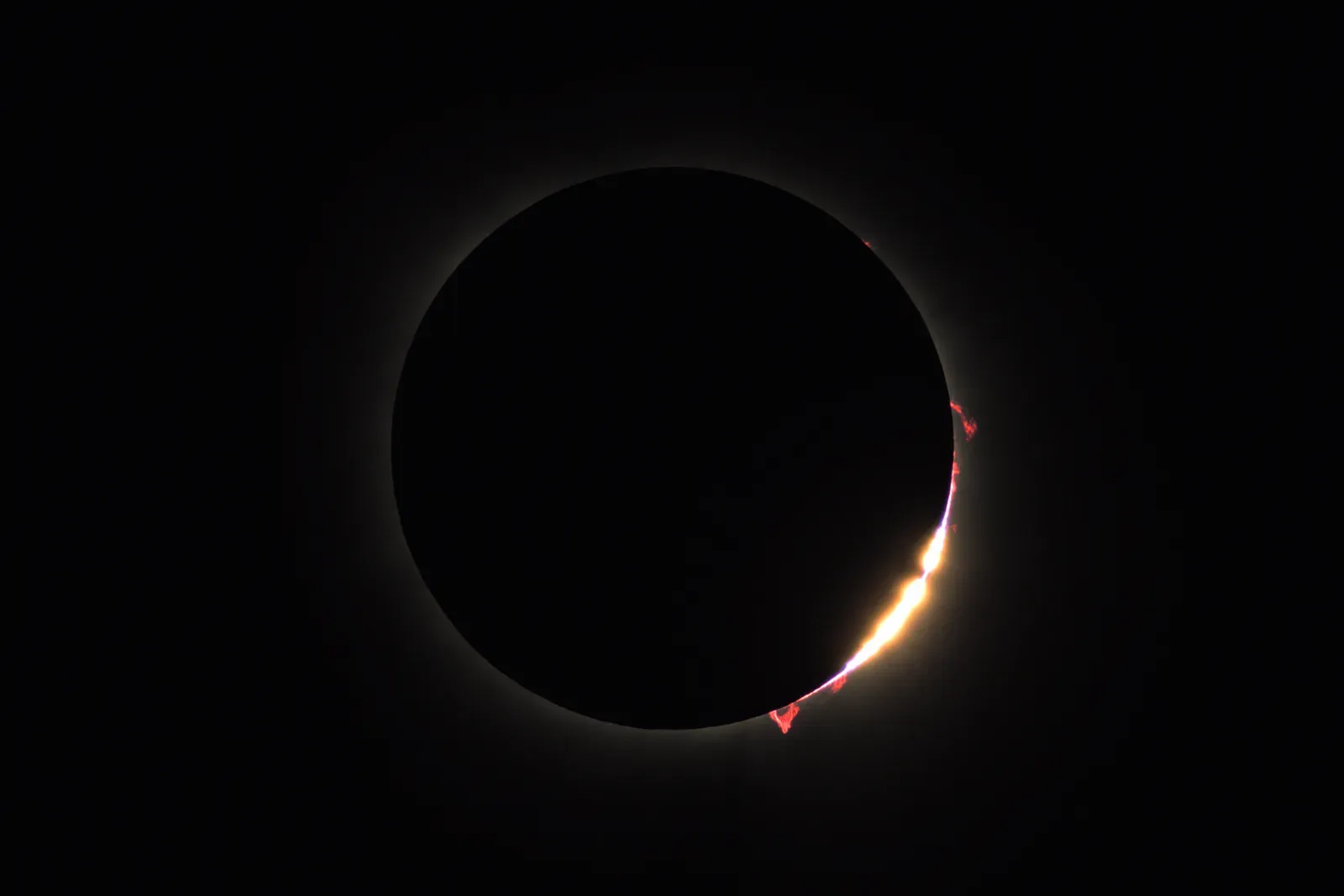
Stories of giant wolves or dogs eating the sun or moon during eclipses are nearly universal, and at first glance they seem entirely disconnected from beyond the timing. But many of those tales emphasize another unnerving sensation that modern observers still notice: an eerie quiet that settles over the landscape during a deep solar eclipse. Animals fall silent or behave strangely, birds roost midday, and humans report a drop in temperature and a prickling, almost electric tension in the air. If you have no concept of the moon’s orbital path, it is not unreasonable to imagine that some cosmic predator is stalking the light itself. The “wolf” is the fear, given fur and teeth.
In some traditions, that silence is broken afterward by drumming, shouting, or clangor meant to scare the sky beast away, rituals that could also serve to mask any strange booming or rumbling that might follow a coincidental atmospheric event. Volcanic activity, distant thunder, or even a fortuitous meteor could easily be folded into the same narrative of a hungry sky wolf being driven off. Eclipses are predictable now, and we can map their paths to the second, but that does not erase the raw animal feeling they evoke. When future historians read our social media posts about the “weird quiet” and “sudden applause of birds” during modern eclipses, they may see in us the same instinct to mythologize the sky that our ancestors had – just with more cameras and fewer sacrificial rituals.
Celestial Whales and the Deep-Space Hum
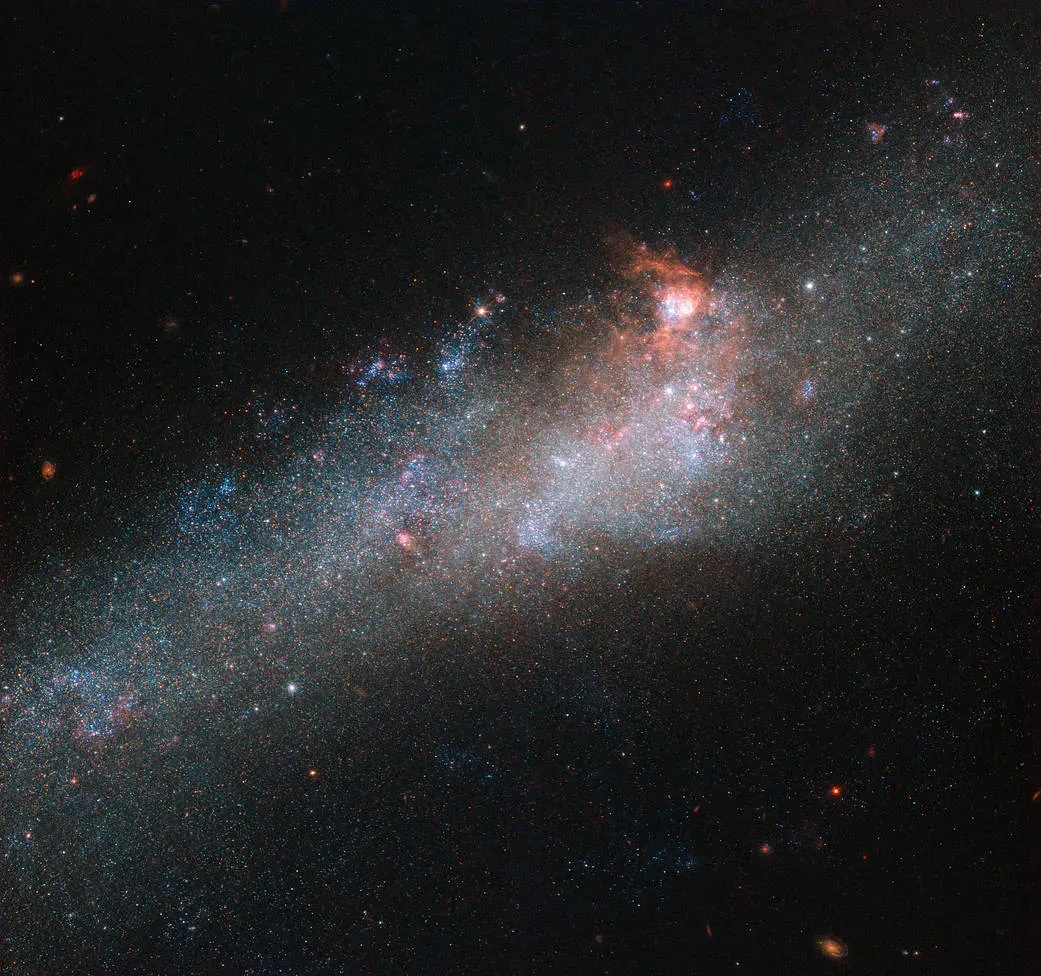
While most myths focus on visible sky creatures, some cultures speak of enormous whales or fish swimming through the heavens, creating low, continuous sounds that echo under everything else. We usually interpret those as metaphors for earthquakes or distant ocean storms, but they map uncannily well onto the modern discovery of persistent low-frequency waves washing through the cosmos. Astronomers have detected gravitational waves from merging black holes and neutron stars, ripples in spacetime itself that are effectively “hums” too low for human ears but measurable with sensitive instruments. If there were any natural way those deep-space events could have modulated Earth’s atmosphere or magnetic field even slightly, they might have produced subtle phenomena that ancient people folded into stories of cosmic sea beasts singing beneath the stars.
Closer to home, sky-spanning auroras and geomagnetic storms driven by the sun can produce faint crackling sounds in rare conditions, especially in very quiet, high-latitude environments. Combine that with shimmering curtains of light overhead and you get a sensory package that almost demands a myth about giant creatures swimming through the night. Celestial whales make emotional sense in a world where the sky was an ocean and stars were its islands. Today we translate those same impressions into plots on spectrograms and datasets from radio telescopes, but the human reaction – awed curiosity mixed with unease – has not changed much. The universe still hums; we have just traded bone flutes and fireside tales for interferometers and signal processing software.
Why These Cosmic Creatures Still Matter
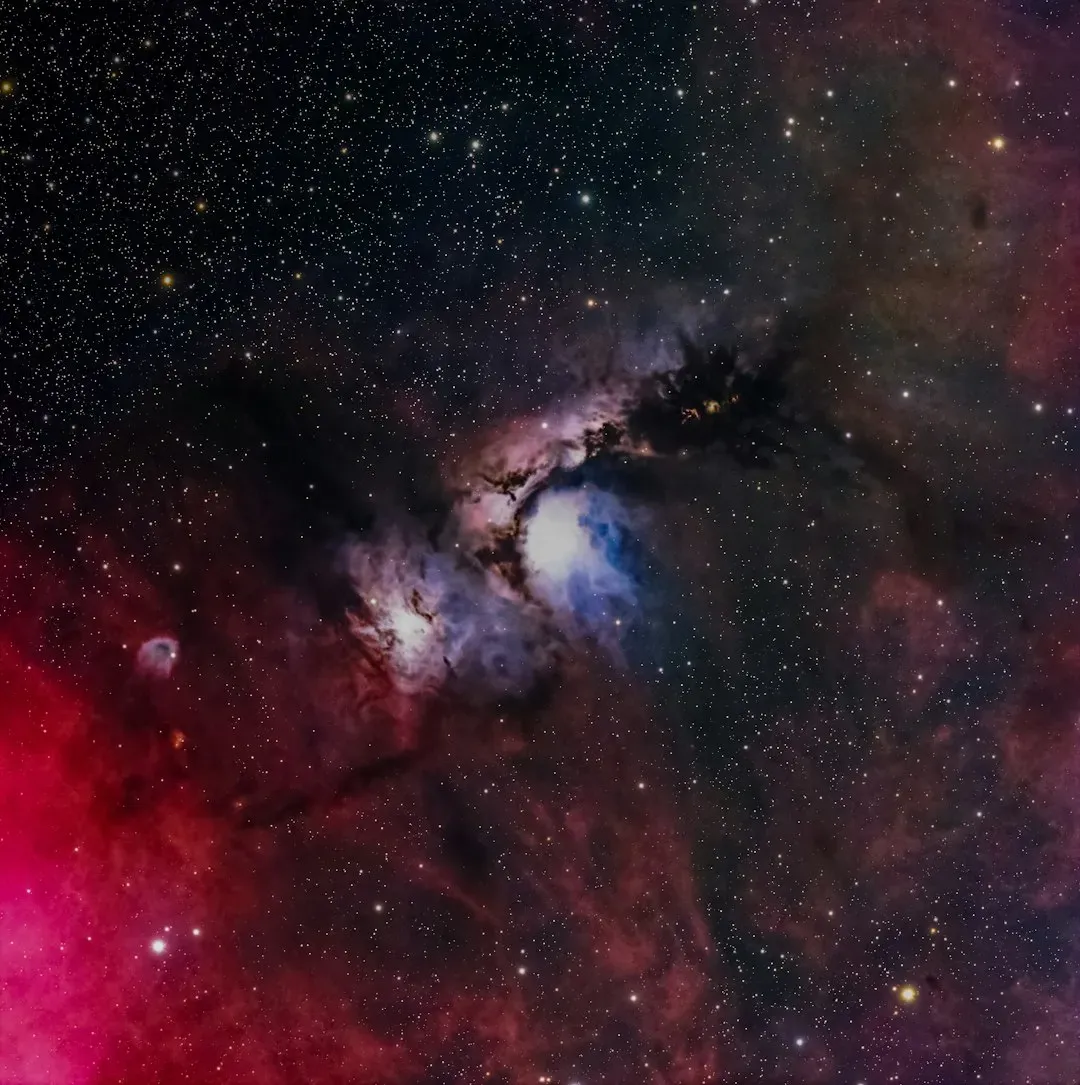
It might be tempting to dismiss all of this as a historical curiosity, but these myth-inspired reconstructions have become real tools for modern science. When researchers line up ancient stories with known astronomical cycles – like meteor showers, eclipses, or comets – they sometimes uncover evidence of events that were never written down in any formal chronicle. Oral traditions, especially in Indigenous communities, can encode observational data about the sky that are hundreds or even thousands of years old. Compared with short modern instrument records, those stories expand our timeline, helping us estimate how often rare events like bright comets or major meteor storms actually happen. In a way, mythology becomes a long-baseline observing campaign, with culture as the detector.
There is also a deeper reason these cosmic creatures matter: they remind us that science and story have never been completely separate. Our ancestors used narrative, metaphor, and emotion to process unexplained sky sounds and lights long before they had equations and models. Today, astronomers publishing papers on meteors, planetary impacts, or gamma-ray bursts are still telling stories – just in a stricter language. Recognizing the continuity between mythical beasts and modern data helps make science feel less like a cold replacement and more like the latest chapter in an ongoing human attempt to listen to the universe. For me, that connection makes every bright meteor and strange sky noise feel like part of a conversation we have been having for a very long time.
From Ancient Sky Lore to Modern Observatories
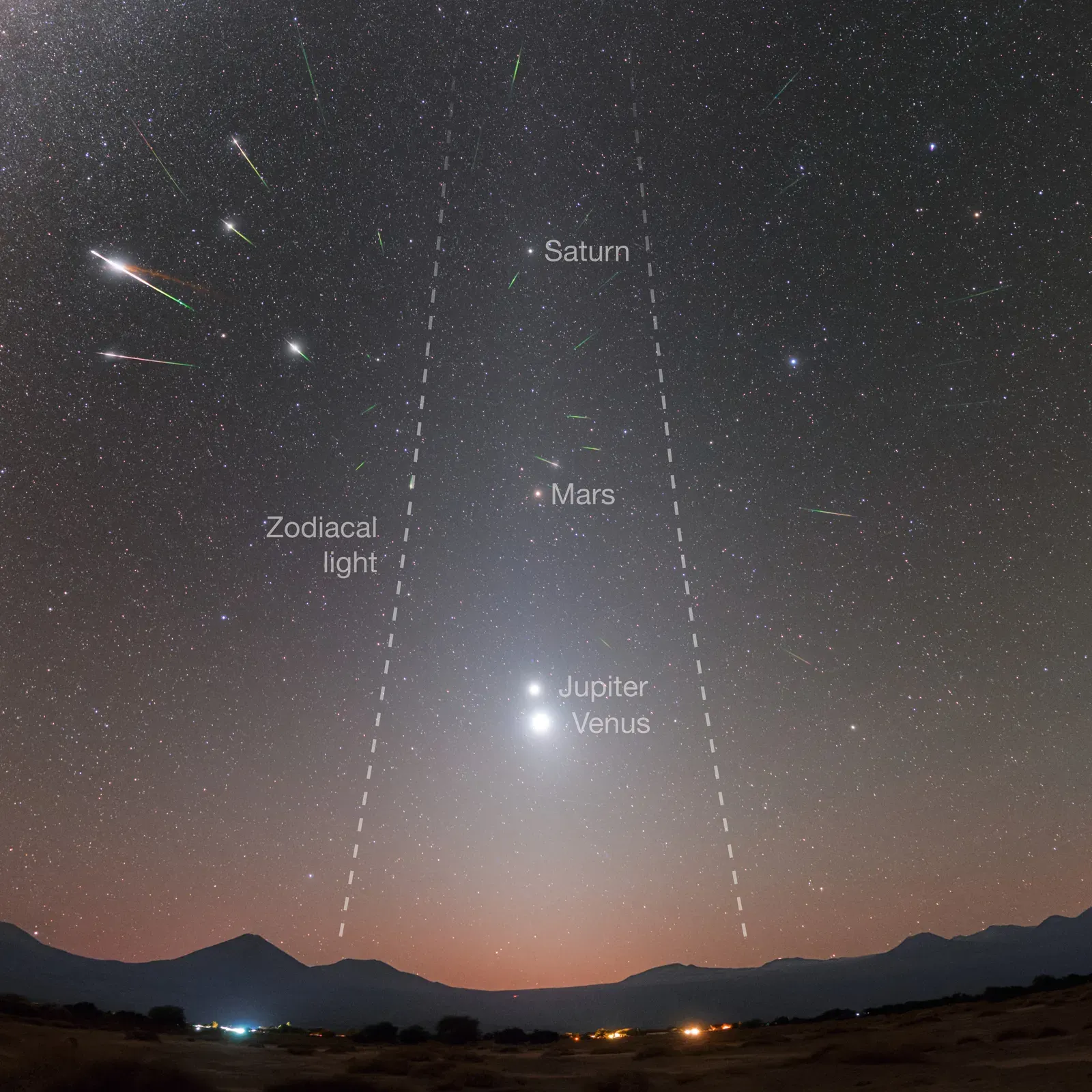
One striking shift from past to present is how we collect and interpret sky events. Early humans had only their senses and memories, so an unusually loud meteor or a particularly eerie eclipse became a communal reference point, retold with variations that emphasized meaning over measurement. Today, networks of all-sky cameras, infrasound microphones, and radar stations quietly log those same events, turning every fireball into a timestamped data entry instead of a dragon. Instruments do not care whether a streak of light is terrifying, but people still do, and that emotion often drives us to investigate harder, fund bigger telescopes, and keep looking up. In this sense, the old myths did not mislead; they motivated.
Modern observatories give us something our ancestors never had: the ability to link weird sounds and lights in the sky across continents and altitudes. When a meteor explosion like the Chelyabinsk event lit up Russia’s skies in 2013, sensors around the world captured its pressure waves circling the globe. If that same event had happened two thousand years ago, it might have spawned a dozen different monsters in regional lore. Instead, it fed into atmospheric models, safety guidelines, and new questions about how often such events occur. The basic raw material – the shock, the awe, the booming sky – is the same; the framework we drop it into has changed from oral epics to conference talks.
The Future Landscape of Myth and Astronomy
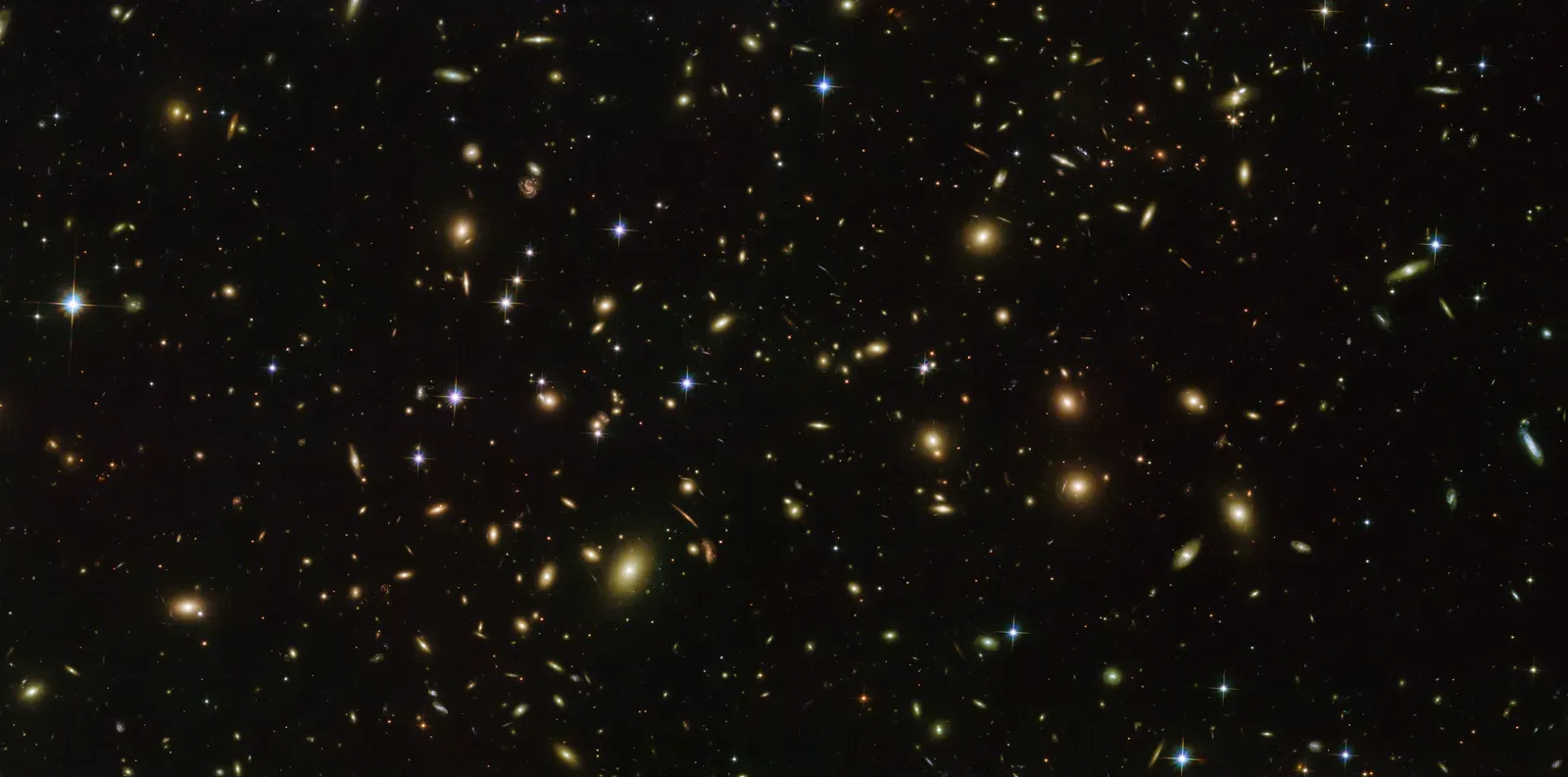
Looking ahead, it is hard not to wonder what future myths might grow out of the astronomical events we are only now learning how to detect. Fast radio bursts, for example, are millisecond flashes of radio energy from deep space whose origins are still debated, and some of them repeat in ways that feel tantalizingly close to a patterned signal. We are far too cautious to call them anything like messages, but you can almost hear the seeds of tomorrow’s folklore in the way people talk about “cosmic pings” and “ghost signals.” As gravitational-wave observatories become more sensitive, we will “hear” more mergers, more distant collisions, more deep-space booms rippling through our detectors. Each one is a real event, but also a potential story seed for anyone who prefers creatures to curves on a graph.
There is also the very practical possibility that a truly spectacular near-Earth event – a bright comet, an unusual aurora at mid-latitudes, or a significant meteor airburst – will imprint itself on global culture the way Halley’s Comet once did. In an age of streaming video and social media, that imprint might look like memes, films, and novels instead of carved stones and temple songs, but the narrative function would be similar. People will still reach for characters, motives, and metaphors to explain why the sky suddenly did something unexpected and loud. Astronomers can either ignore that and retreat into the lab, or they can embrace it and help shape stories that are emotionally satisfying and scientifically honest. Personally, I hope we choose the latter path, so tomorrow’s sky creatures are rooted in the wonders we are uncovering now.
How You Can Join the Hunt for Real Creatures in the Sky
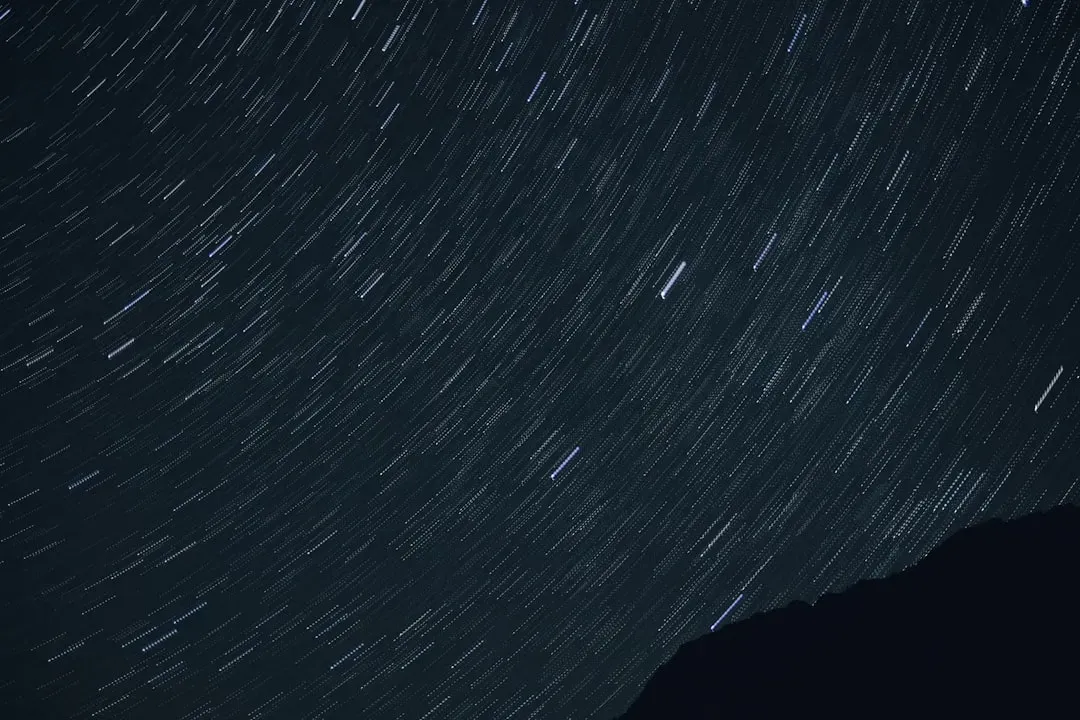
You do not need a PhD or access to a giant telescope to take part in this modern decoding of mythical creatures and . Amateur skywatchers contribute thousands of reports of meteors, fireballs, and strange sky sounds to global databases every year, giving scientists far more coverage than professional observatories alone could ever manage. Community science platforms invite people to upload videos, audio recordings, and eyewitness accounts of unusual events, which researchers can then cross-check against satellite data and instrument readings. Even simply learning to recognize things like Iridium flares, satellite trains, and common meteor showers can help you separate the ordinary from the truly unusual. That, in turn, sharpens the signal for scientists trying to catch the most mysterious phenomena.
On a more personal level, sharing stories with older relatives or community elders about what they remember of strange things in the sky can preserve valuable anecdotal data that might otherwise vanish. Some of those tales might trace back to real historical events that never made it into official records, especially in regions where written documentation was rare or disrupted. Supporting planetariums, local astronomy clubs, and cultural institutions that bridge science and folklore helps keep both sides of this conversation alive. The next time you hear a weird boom with no obvious source or see a streak of light that feels a little too dramatic, resist the urge to shrug it off. Instead, make a note, tell someone, and add your piece to the long, very human tradition of listening for creatures in the stars.