

Every night, your world quietly collapses and rebuilds itself inside your skull. One moment you’re doomscrolling, replaying an awkward conversation from work; the next, your body is paralyzed while your brain conjures impossible landscapes that feel more vivid than reality. For decades, scientists could describe sleep stages on a chart, but not the secret choreography that lets the brain move smoothly between them without plunging us into chaos. Now, thanks to recordings from single neurons, powerful imaging, and some frankly wild animal experiments, a new picture is emerging. Sleep, it turns out, is less like flipping an off switch and more like watching a city dim one neighborhood at a time. And in that twilight zone between waking and dreaming, the brain reveals some of its strangest, most extraordinary survival tricks.
The Hidden Clues: When a “Wide-Awake” Brain Is Already Slipping Into Sleep
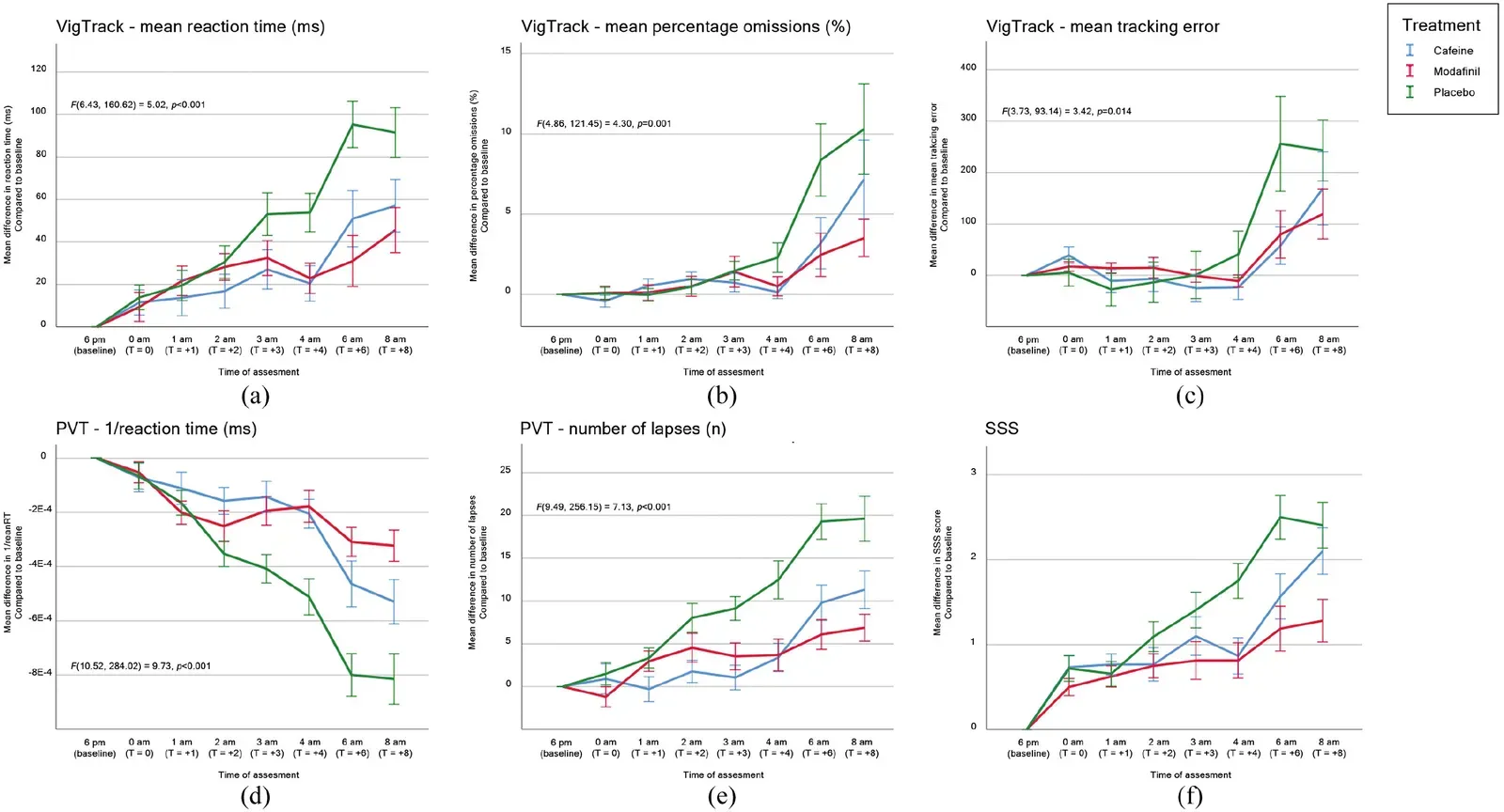
Here’s a slightly unsettling fact: parts of your brain can fall asleep while you insist you’re still awake. Researchers studying rats and humans have found that small clusters of neurons in the cortex sometimes go offline briefly, like streetlights flickering out, even before a person reports feeling drowsy. These so-called local sleep events can make you miss details, react more slowly, or make impulsive mistakes, such as drifting out of your lane while driving. It feels like you’re awake, but tiny islands of your brain are already shutting down, as if testing the waters before the full plunge into sleep. The transition to sleep is not a clean edge; it’s a messy overlap of waking and sleeping processes fighting for control.
Scientists track these hidden clues using brainwaves, especially the build-up of slow waves that signal drowsiness. After many hours awake, pressure to sleep increases, and more neurons begin to fire in synchronized bursts followed by brief silences. In several sleep-deprived animal experiments, roughly about one third of cortical neurons showed these micro-naps before the animals actually fell asleep. The result is a brain in limbo, neither fully on nor fully off, and that unstable state explains why late-night decisions and reaction times are notoriously bad. If you’ve ever sent a regrettable text at 2 a.m., chances are it was written by a patchwork brain already half-asleep.
Gatekeepers of Consciousness: How the Brain Flips the Switch
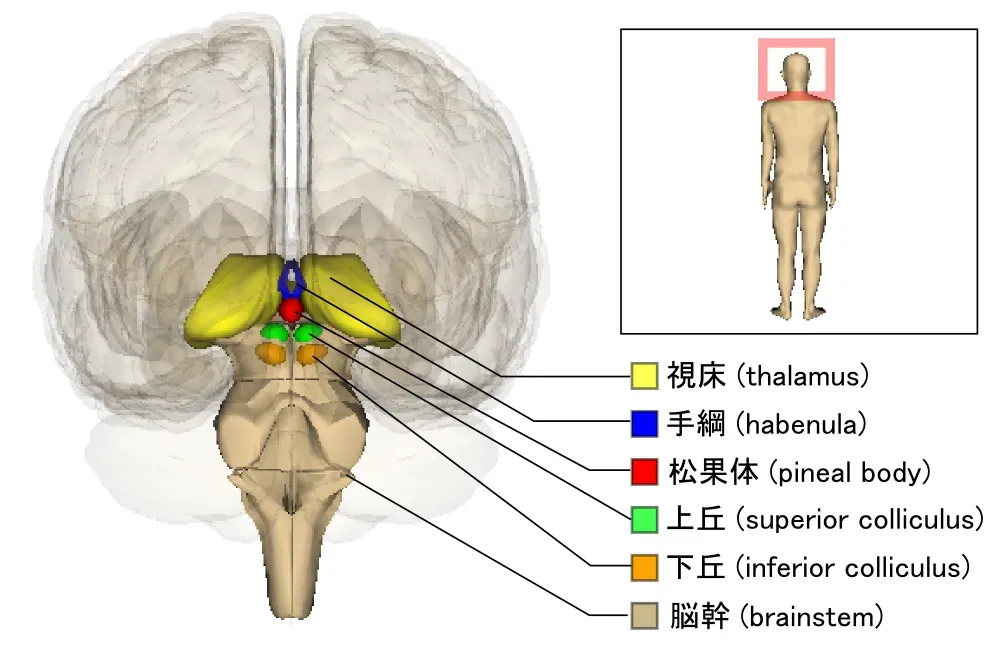
Deep in the center of the brain sits the thalamus, a kind of relay hub that decides which sensory signals make it to conscious awareness. During wakefulness, the thalamus is wide open, bombarded with signals from eyes, ears, skin, and more, broadcasting a rich feed to the cortex. As you drift toward sleep, specialized sleep-promoting neurons in nearby regions like the hypothalamus start to inhibit this traffic. At the same time, wake-promoting systems that rely on chemicals such as norepinephrine and acetylcholine lower their activity. The combined effect is like closing lanes on a busy highway until only a trickle of sensory information reaches consciousness.
Animal studies have shown that stimulating specific wake neurons in the hypothalamus can snap a sleeping mouse into instant alertness, underscoring how powerful these circuits are. Conversely, when these neurons are damaged, as in the human sleep disorder narcolepsy, the brain struggles to maintain stable wakefulness and slips suddenly into sleep-like states. That instability highlights an important point: wake and sleep are not just opposites; they are active, competing networks that must constantly balance each other. Rather than a passive drift, the shift from waking to sleep is a negotiated handover, and when it fails, consciousness fractures in dramatic ways. The fact that a pinhead-sized cluster of cells can decide whether you’re awake or out cold is both astonishing and slightly terrifying.
From Slow Waves to Dream Storms: Inside the Nighttime Brain
Once sleep takes hold, the brain does not simply idle; it cycles through dramatic shifts, from slow-wave sleep to rapid eye movement (REM) sleep and back again. Slow-wave sleep is dominated by big, rolling brainwaves and synchronized firing across large networks, like a stadium crowd chanting in unison. This stage is linked with physical restoration, immune regulation, and the consolidation of factual memories. Later in the night, REM sleep arrives with fast, low-amplitude waves that look almost like waking brain activity on an EEG, but with the body largely paralyzed. In this stage, the emotional and visual centers of the brain light up, while regions responsible for rational planning go relatively quiet.
Many researchers now think these alternating stages are not random but serve complementary roles in reshaping neural circuits. Slow-wave sleep seems to prune and stabilize connections, making room for new learning, while REM may help integrate emotional and social memories into a coherent story of the self. Recordings from rodents show that patterns of neural activity from waking experiences replay in compressed form during sleep, as if the brain is fast-forwarding through the day’s highlights. That replay can be so specific that scientists can predict which maze a rat ran based solely on its sleep activity. In a way, each night the brain runs an internal documentary of your day, then edits, scores, and archives it while you lie unaware.
Wild Sleep: Extraordinary Animal Strategies That Rewrite the Rules

Humans are surprisingly boring sleepers compared to some other species. Migrating birds like the great frigatebird can sleep on the wing, taking tiny naps that last only seconds while still gliding over the ocean. Marine mammals such as dolphins and some seals can keep one half of the brain awake while the other half sleeps, a pattern known as unihemispheric slow-wave sleep. This allows them to surface for air, keep an eye out for predators, and continue swimming while still getting some of the restorative benefits of sleep. It is a living example of the brain splitting the difference between survival and recovery, literally.
These strange strategies reveal just how flexible the boundary between wake and sleep can be. In some fish and amphibians, sleep-like states show up as changes in posture and responsiveness rather than clear brainwave shifts, hinting that sleep may have evolved long before complex cortexes did. Insects like fruit flies also show rest periods with reduced responsiveness and rebound after deprivation, suggesting a deep evolutionary drive for something like sleep across the animal kingdom. When scientists compare these patterns, they see recurring themes: local brain shutdowns, protective behaviors, and careful trade-offs between vulnerability and restoration. The more we look, the more it appears that the rules governing your midnight dreams are part of an ancient survival toolkit shared, in modified form, with creatures you would never expect.
Why It Matters: Sleep as Survival Technology, Not a Luxury
It is tempting to treat sleep as optional, a negotiable part of a busy schedule squeezed in around work, family, and screens. Yet from the brain’s point of view, sleep is closer to a mandatory maintenance shutdown, like grounding an aircraft for critical repairs. Studies in humans and animals show that chronic sleep loss weakens memory, blunts attention, and erodes emotional control, making people more impulsive and anxious. Over longer timescales, poor sleep is linked with higher risks of metabolic disorders, cardiovascular disease, and neurodegenerative conditions. The nightly journey from waking to sleep and back again is not just a rhythm; it is a constant recalibration that allows the brain to function at all.
Compared with older views that saw sleep as a passive, low-energy state, modern neuroscience paints a much more dynamic picture. During sleep, the brain clears metabolic waste products, rebalances neurotransmitter systems, and recalibrates how strongly neurons respond to each other. In waking life, those same networks must flexibly shift between focused attention and mind-wandering, relying on the same circuits that govern sleep transitions. When people shortchange their sleep, they are essentially skipping scheduled tune-ups on a very complicated machine. That is why public health experts now frame sleep not as a private lifestyle choice, but as a key pillar of cognitive performance and safety, as fundamental as clean water or stable food supplies.
Beyond the EEG: From Ancient Tools to Modern Brain Mapping
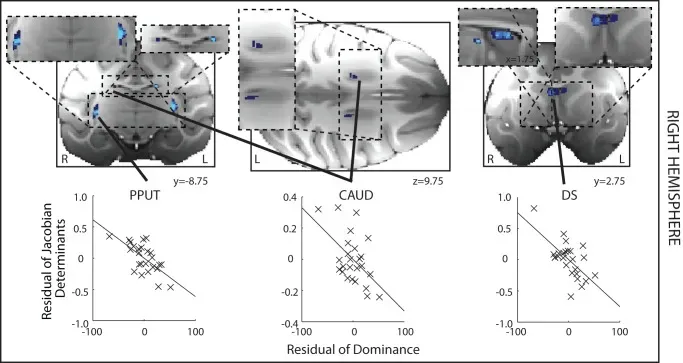
For much of the twentieth century, sleep was measured mainly through scalp electrodes and simple behavioral observations. Electroencephalography, or EEG, gave a coarse-grained view of global brain states, showing the now-familiar progression of stages from light sleep to deep sleep to REM. That was enough to sketch out the broad architecture of a night’s rest, but not to see how local circuits handled the transition between waking and sleep in detail. Over the last two decades, new tools have changed that picture. Functional MRI, multi-electrode arrays, optical imaging, and genetic tools in animals have allowed scientists to track specific neuron populations as they switch states.
These technologies have revealed that sleep and wakefulness depend on distributed networks rather than a single master switch. They also show that some cells, such as certain inhibitory neurons, act as delicate regulators, damping or amplifying activity to stabilize transitions. In rodents and other model animals, researchers can now selectively turn on or off tiny populations of sleep-related neurons with light or designer drugs. That level of precision lets them test causal relationships: if you silence this set of cells, does the animal stop entering REM, or wake up too soon? Each experiment peels back another layer of what used to be a black box, turning vague concepts like drowsiness into something you can literally watch unfold in real time on a screen.
On the Edge of Consciousness: What the Transitions Reveal About the Self
The moments when the brain moves between waking and sleep are catnip for scientists interested in consciousness. As you fall asleep, your sense of self does not simply fade; it fractures. You might experience hypnagogic imagery, those brief flashes of dreamlike scenes or sounds that feel real but lack a coherent story. Brain recordings suggest that during these moments, sensory regions and memory circuits fire in unusual combinations while higher-order control regions disengage. This creates a state in which vivid experiences arise without the usual oversight that keeps reality in check.
On the way back up from sleep, especially from REM dreams, the process reverses and can misfire, leading to sleep paralysis or bizarre false awakenings. In these states, the motor system remains locked down while parts of the cortex that generate awareness and imagery come online, creating terrifyingly real hallucinations. Taken together, these edge cases hint that consciousness may be less like a light and more like a fragile coalition of brain systems that must align just so. When that coalition dissolves, we sleep; when it reassembles, we wake and call it “me.” The transitions between the two expose the seams in that illusion more clearly than almost any other natural phenomenon.
The Future Landscape: Hacking Sleep for Health, Performance, and Repair
Understanding how the brain moves between waking and sleep is not just a curiosity; it is becoming a blueprint for new technologies and therapies. Researchers are testing closed-loop devices that monitor brainwaves in real time and deliver gentle sounds or electrical pulses to enhance slow-wave sleep and memory consolidation. Others are exploring precisely timed light exposure, temperature shifts, and pharmacological tools to nudge the timing and structure of sleep without fully sedating the brain. There is intense interest from the military, space agencies, and high-risk professions in stabilizing alertness and recovery cycles, especially during extreme schedules.
At the same time, there are serious ethical and practical questions about how far to go in engineering these transitions. If we can selectively deepen certain stages of sleep while shrinking others, what unintended consequences might emerge over years or decades? Could pushing the brain to stay awake longer, even with fewer apparent side effects, quietly degrade long-term resilience? Some scientists imagine future clinical tools where a neurologist could gently guide a damaged brain through sleep-like states to promote repair after injury. In that sense, the nightly passage from waking to sleep and back again could become a template for medical regeneration strategies, turning an ancient survival rhythm into a modern therapeutic tool.
How You Can Engage: Respecting the Nightly Reset

Most of us do not have access to brain scanners or cutting-edge lab gear, but we do have a front-row seat to our own sleep transitions. Paying closer attention to the half hour before bed and the first minutes after waking can reveal just how fragile and fluid those states really are. Simple habits – like dimming screens, keeping a regular sleep schedule, and watching for signs of local “micro-sleeps” during the day – are ways of cooperating with the brain’s built-in timing rather than fighting it. Supporting policies that reduce extreme shift work, encourage later school start times for teenagers, or recognize sleep as a public health issue is another concrete step.
Readers who are curious can also support basic sleep research, whether by participating in local studies, donating to foundations that fund brain science, or simply following and sharing new findings. The more we understand about how the brain travels between waking life and sleep, the better equipped we are to protect that journey in ourselves and others. Tonight, when you feel your thoughts start to blur and your sense of self loosen its grip, that is not weakness or laziness; it is an ancient, precisely tuned survival system doing its work. Letting it run, rather than constantly overriding it, might be one of the simplest, most powerful choices you can make for your brain. What might change in your life if you treated that nightly crossing as sacred instead of optional?
Suhail Ahmed is a passionate digital professional and nature enthusiast with over 8 years of experience in content strategy, SEO, web development, and digital operations. Alongside his freelance journey, Suhail actively contributes to nature and wildlife platforms like Discover Wildlife, where he channels his curiosity for the planet into engaging, educational storytelling.
With a strong background in managing digital ecosystems — from ecommerce stores and WordPress websites to social media and automation — Suhail merges technical precision with creative insight. His content reflects a rare balance: SEO-friendly yet deeply human, data-informed yet emotionally resonant.
Driven by a love for discovery and storytelling, Suhail believes in using digital platforms to amplify causes that matter — especially those protecting Earth’s biodiversity and inspiring sustainable living. Whether he’s managing online projects or crafting wildlife content, his goal remains the same: to inform, inspire, and leave a positive digital footprint.