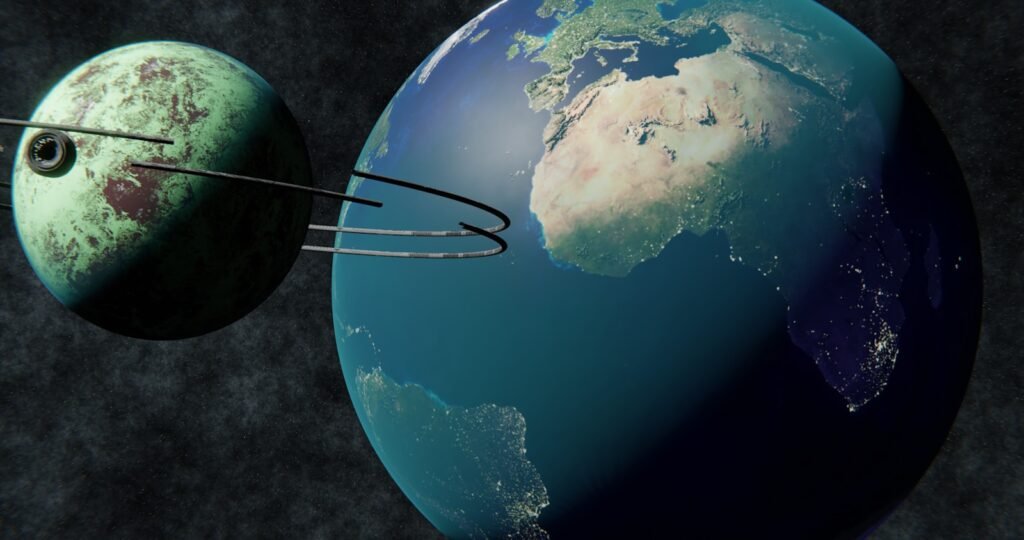
For more than a century, the idea that extraterrestrials might have visited Earth in deep antiquity has hovered at the edge of mainstream science, dismissed by many researchers yet stubbornly persistent in popular imagination. From colossal stone blocks at Giza to enigmatic Nazca lines scored into Peruvian desert, people keep asking the same unsettling question: could humans really have done all this alone, with primitive tools and no advanced machines? Modern archaeology says yes, almost certainly – but new technologies are forcing experts to revisit old assumptions and look again at the physical record with sharper eyes. High-resolution satellite imagery, precise radiocarbon dating, and experimental engineering are revealing where the “alien” label collapses – and where genuine mysteries remain. The story is less about little green visitors and more about how we decide what counts as evidence, and how willing we are to let the past surprise us.
The Hidden Clues: What People Think Looks “Too Advanced”
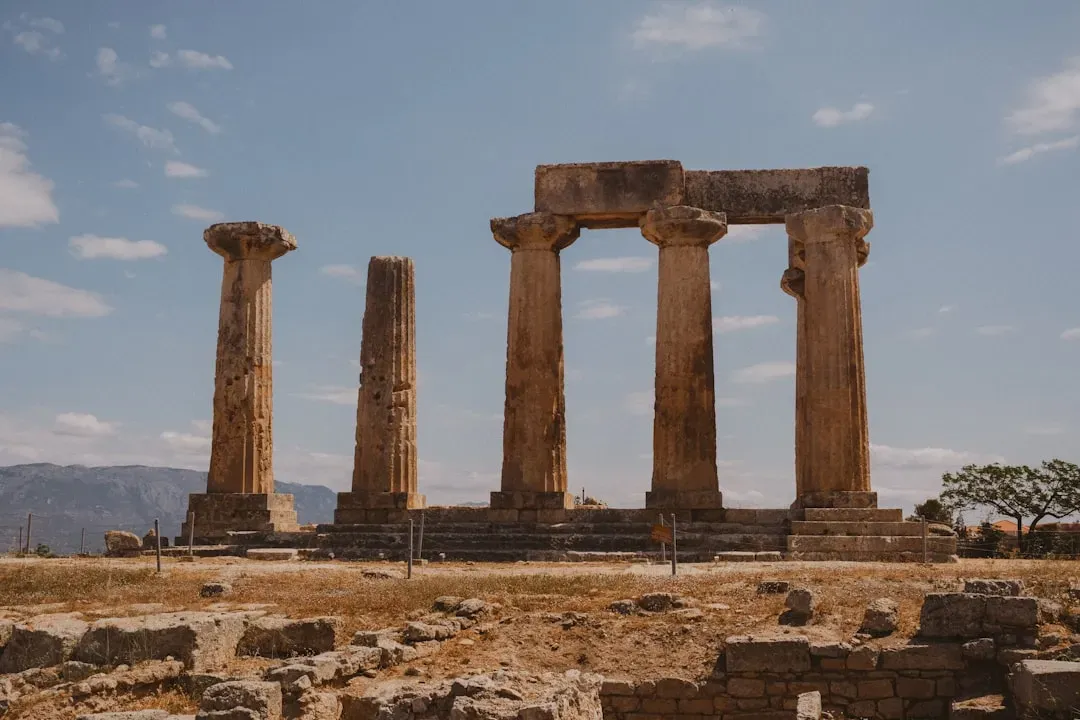
Walk through the ruins of an ancient temple or stand beneath a megalith, and it’s easy to feel that human hands alone could never have shaped such massive stones. This gut sense of awe is where many ancient-alien claims begin: in the emotional shock of seeing something that feels out of scale with our mental picture of “primitive” ancestors. Advocates often point to razor-thin stone joints at Machu Picchu, the towering trilithons at Baalbek, or the perfectly aligned pyramids of Giza as visual “proof” that some non-human intelligence must have helped. To a visitor without background in engineering or archaeology, the leap to extraterrestrial builders can feel oddly reasonable, like assuming a magician must be using real magic. That emotional reaction is powerful, and it shapes how people remember these sites long after they leave.
Scientists, though, tend to see a different set of clues in the same stones. Tool marks on limestone blocks, remnants of quarries, experimental reconstructions with wooden sledges and ramps, and detailed studies of workforce logistics all point to human ingenuity rather than alien technology. Archaeologists have literally carved, moved, and stacked replica blocks using period-appropriate tools to show how “impossible” feats can be broken down into many small, clever steps. This does not erase every puzzle, but it reframes the conversation from “could ancient people do this?” to “how exactly did they do it, and what are we still missing?” That shift – from shock to evidence – is where the alien hypothesis starts to wobble, even if the sense of wonder remains.
From Ancient Texts to Cosmic Misreadings
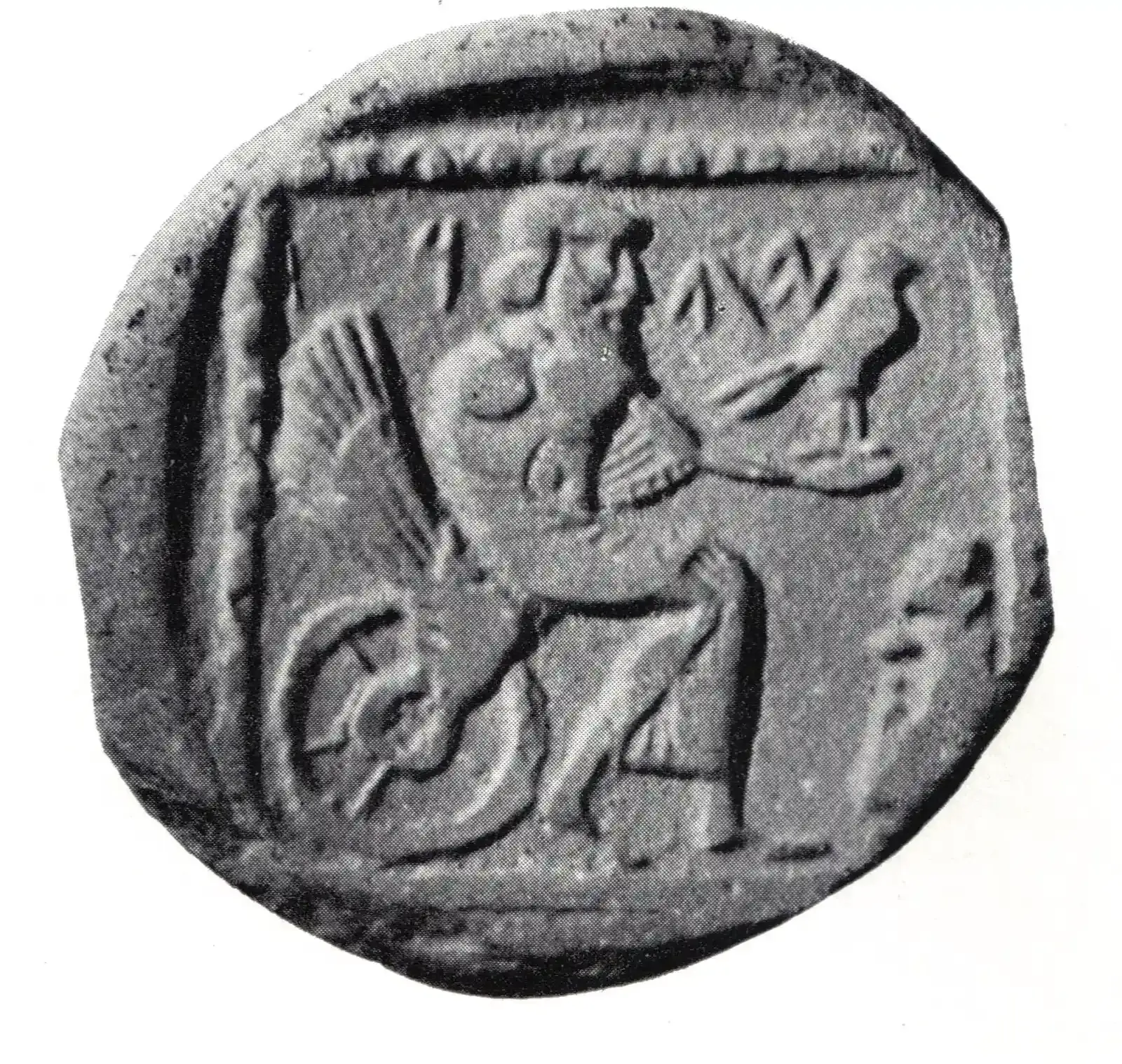
Much of the ancient-aliens narrative leans hard on myths, scriptures, and epic poems that describe fiery chariots in the sky, shining beings descending from above, or gods teaching humans advanced knowledge. Modern readers, steeped in spaceflight and science fiction, instinctively map these descriptions onto rockets, spacecraft, and visitors from other planets. It feels almost obvious to interpret a “chariot of fire” as a shuttle launch or a “ship of the heavens” as some kind of alien craft. I remember reading such passages as a teenager and feeling genuinely electrified, convinced I was seeing a coded record of ancient contact.
But when linguists, historians, and comparative religion scholars examine the same texts, a less dramatic picture tends to emerge. Many of these stories use the language of their time to describe storms, comets, solar halos, and other atmospheric events that would have been terrifying without modern meteorology. Gods arriving in blazing glory often symbolize power or social upheaval rather than literal beings stepping out of metal vehicles. Just as we might say someone “lit up the room” without meaning they emit photons, ancient metaphors can sound technical to us when they were meant as poetry or theology. The gap between those readings – literal spaceship versus symbolic story – is where speculation takes root.
From Ancient Tools to Modern Science
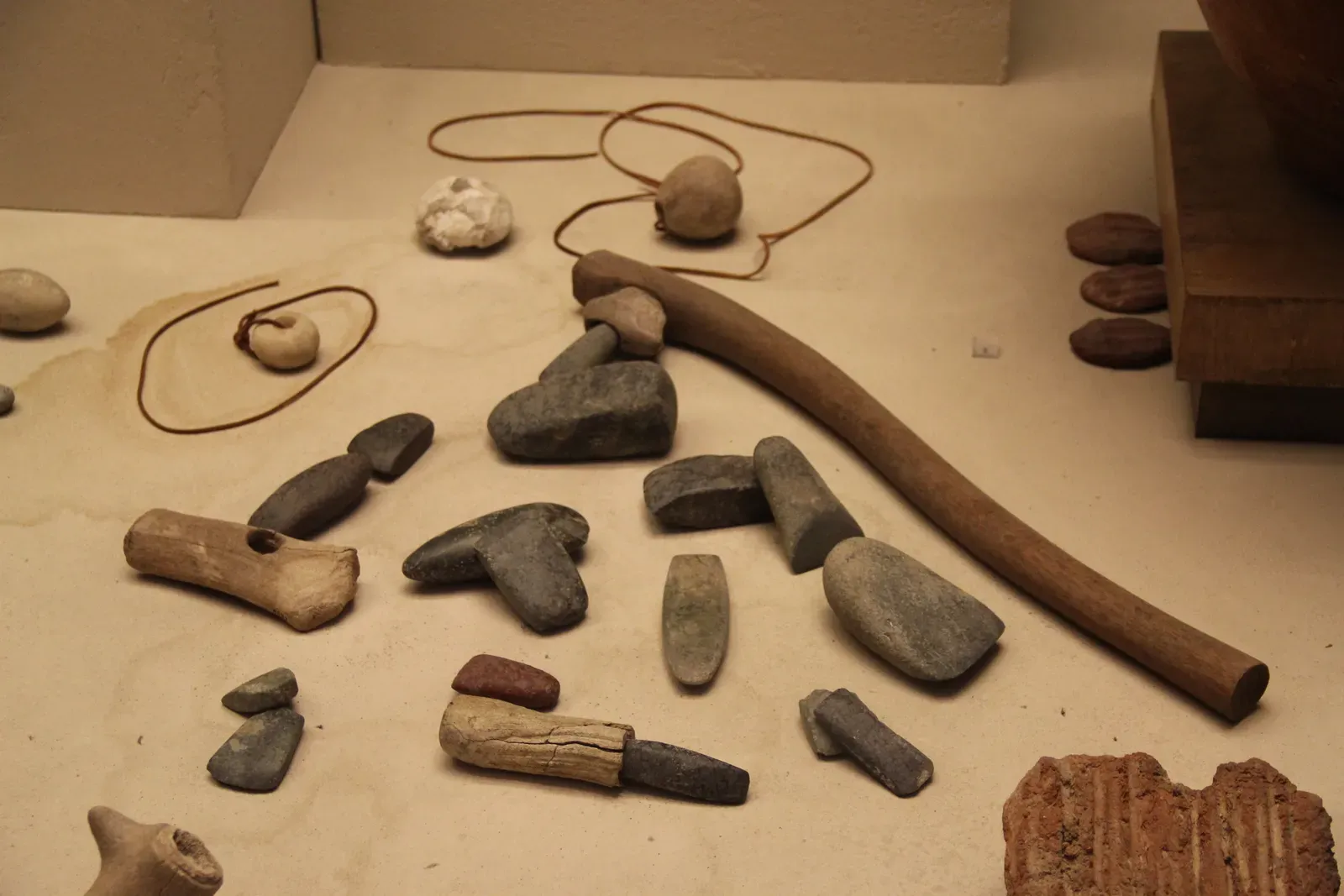
The strongest challenge to ancient-alien theories comes not from opinion but from new tools that let scientists reconstruct the past with remarkable precision. Ground-penetrating radar, LIDAR surveys, and 3D laser scanning are revealing hidden structures beneath jungles and deserts, mapping out entire ancient cities that were previously invisible. These discoveries consistently show gradual development: roads, drainage systems, astronomical alignments, and building techniques improving over centuries, not appearing overnight as if gifted by a superior off-world civilization. Instead of a sudden “technology drop,” we see slow, messy, trial-and-error innovation that looks very human.
Experimental archaeology further undercuts the idea that certain feats were impossible without advanced machinery. Teams have successfully raised replica Stonehenge-style stones using ropes, wooden frames, and large coordinated groups of volunteers, demonstrating how leverage and patience can replace cranes. Stone-carving experiments on granite and basalt have reproduced surprisingly smooth finishes with simple copper tools and abrasives, given enough time and labor. When you model workforce sizes, seasonal labor availability, and food supply, huge projects start to look like ambitious public works rather than miracles. The more data we gather, the more the alien explanation feels like an underestimation of our own species.
The Puzzling Outliers: Where the Questions Won’t Go Away
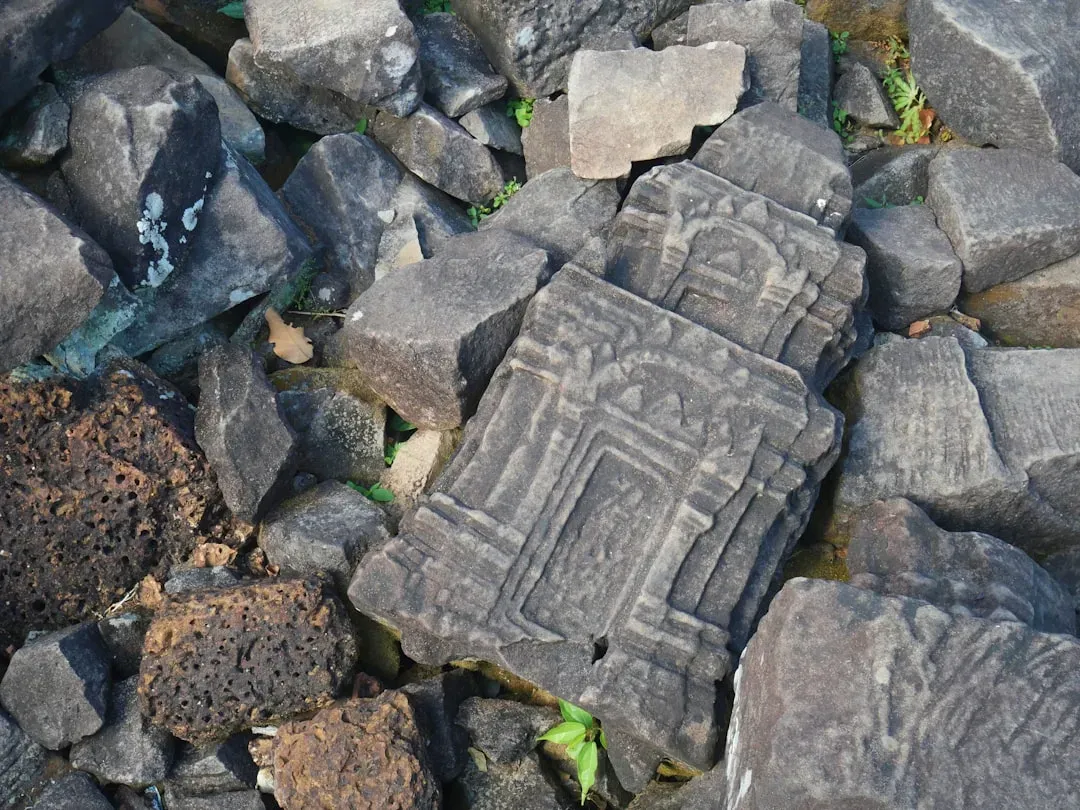
None of this means every mystery is neatly solved. Some artifacts and structures still resist easy explanation, and it’s here that ancient-alien ideas keep gaining oxygen. Massive stone blocks at locations like Baalbek, weighing hundreds of tons, appear only partially moved or left in quarries, raising questions about construction plans, abandoned projects, and techniques that might have been lost. Certain alignments with celestial events are so precise that people wonder whether our ancestors really had the observational accuracy required without telescopes or modern instruments. There are also scattered artifacts whose dating, origin, or purpose remain genuinely debated.
Researchers caution, however, that “we don’t fully know yet” is not the same as “therefore aliens did it.” In science, gaps are invitations to investigate, not blank checks for any favored explanation. Our understanding of ancient engineering is still evolving; for many cultures, organic tools, wooden machines, and perishable records have simply not survived the millennia. The history of archaeology is full of examples where once-baffling practices turned out to have clear, earthly solutions once more evidence came to light. If anything, the real lesson from these outliers is that human ingenuity can exceed our expectations in ways that feel almost alien until we finally catch up.
Why It Matters: Ancient Aliens vs Human Ingenuity
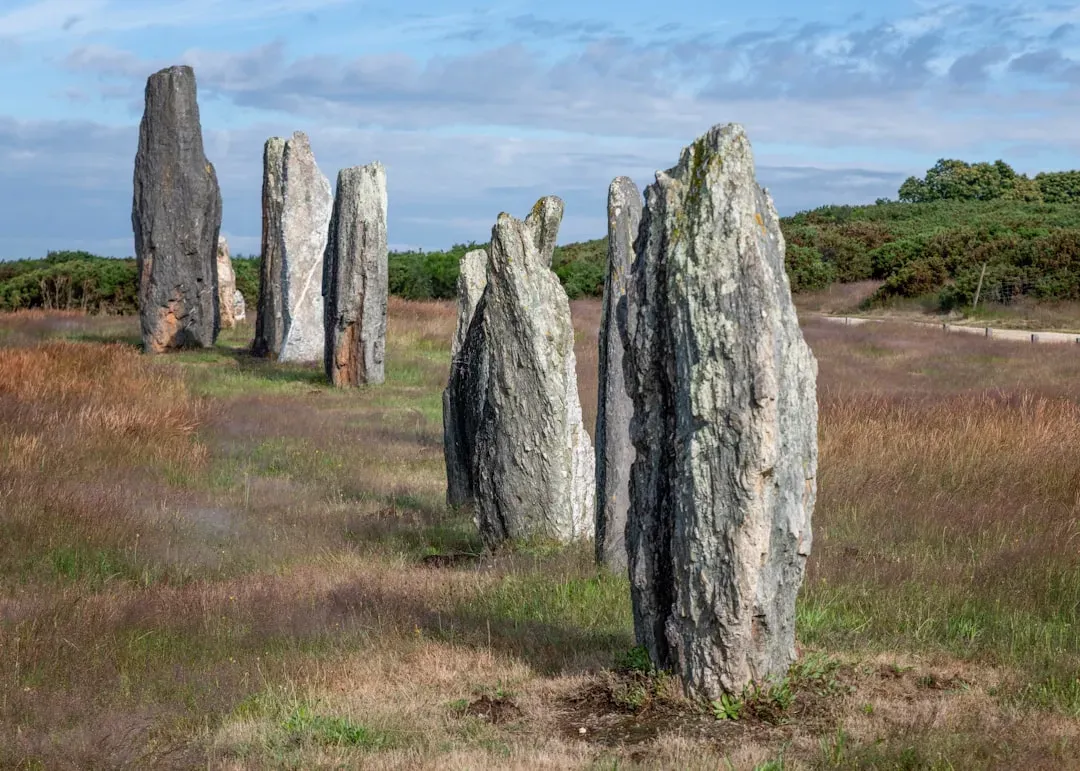
On the surface, the question of whether aliens visited in the distant past can seem like harmless fun, a thought experiment for late-night documentaries and online debates. But the implications run deeper, especially when it comes to how we value ancient cultures. When we say the Maya, Egyptians, or builders of Göbekli Tepe could not possibly have designed their monuments without extraterrestrial help, we risk robbing those societies of credit for their achievements. It subtly frames non-modern, non-Western people as incapable of complex thought and engineering, which echoes some uncomfortable historical attitudes.
From a scientific perspective, relying on aliens as a catch-all explanation can also discourage serious inquiry. If you decide a megalith exists because advanced beings simply put it there, you might feel less motivated to test transport hypotheses, analyze tool marks, or explore local geology. By contrast, treating these sites as fully human creations pushes us to ask better questions about labor organization, social hierarchies, and technological innovation. In that sense, insisting on earthly answers is not about closing minds to the possibility of extraterrestrial life; it is about respecting our ancestors enough to assume they were clever, determined, and sometimes as obsessive as we are today.
Global Perspectives: Why Some Cultures Embrace the Theory
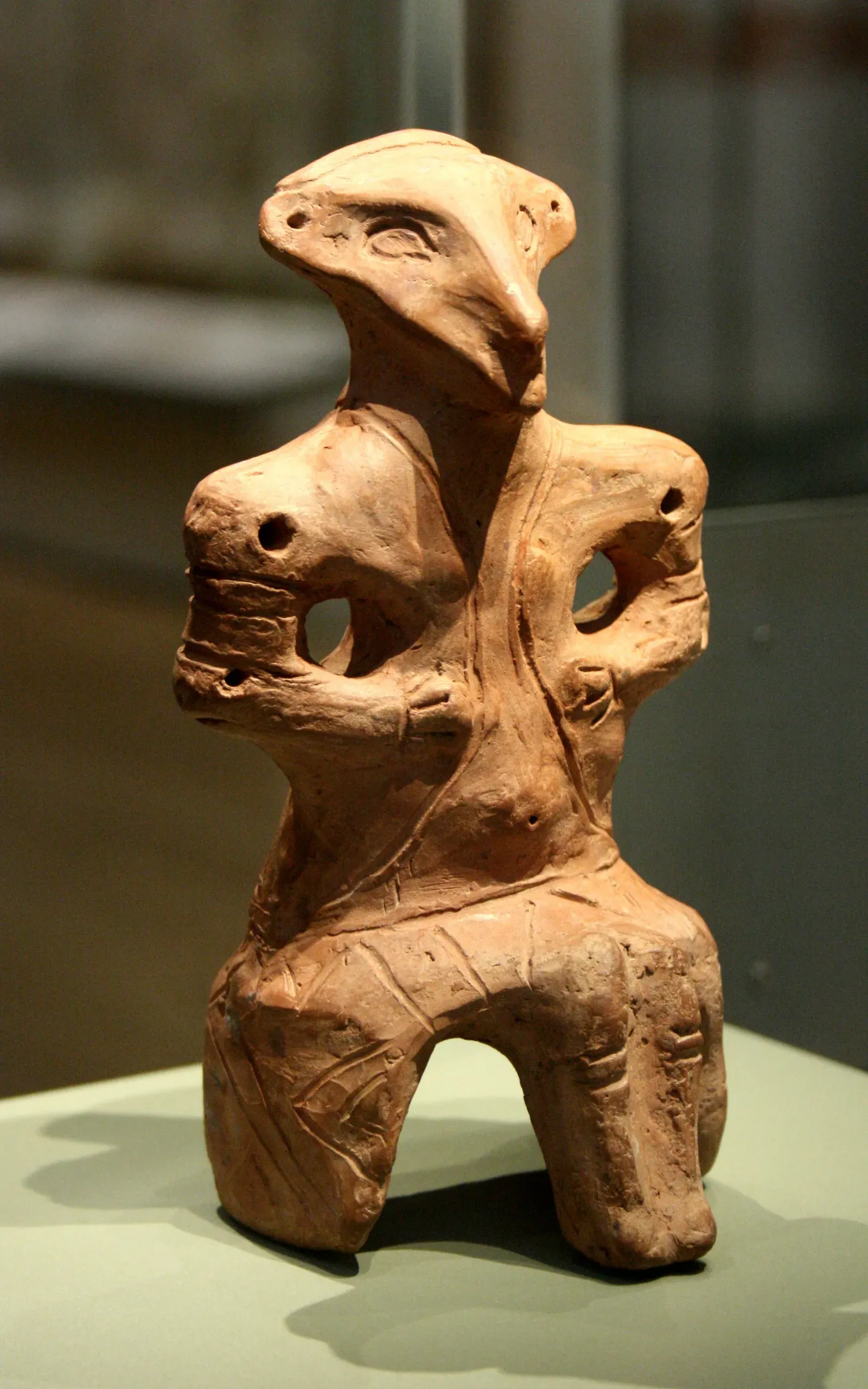
Belief in ancient alien visitors is not evenly spread around the globe, and that pattern tells an intriguing social story of its own. In some countries, the idea serves as a kind of modern mythology, blending national pride with cosmic significance: if aliens came, perhaps they chose this land, these ancestors, these temples. In other places, the theory becomes a way to challenge official narratives or express skepticism toward institutional science, especially where trust in authorities has been eroded. Online communities knit these perspectives together, creating a shared sense that mainstream experts are missing something big or refusing to talk about it.
At the same time, many archaeologists and anthropologists from the very regions in question are some of the most outspoken critics of the ancient-alien narrative. They argue that crediting extraterrestrials with monumental achievements can reinforce stereotypes that indigenous or non-Western peoples were too “primitive” to accomplish greatness alone. This tension between global fascination and local frustration is rarely highlighted in popular media. Understanding it helps explain why a theory that looks like playful speculation from one angle can feel like erasure or disrespect from another. In that way, the debate is about culture and power as much as it is about stones and stars.
The Search for Real Extraterrestrials: What Science Actually Does

Ironically, while ancient-alien shows comb old myths for rocket ships, mainstream science is running its own, very different search for extraterrestrial life. Astronomers use powerful telescopes to scan exoplanet atmospheres for hints of water vapor, methane, or other potential biosignatures, trying to spot worlds where life could arise. Radio telescopes listen for narrow-band signals that might betray a technologically active civilization, while planetary missions explore Mars, icy moons, and comets for chemical traces of microbial life. None of this work assumes prior visits; instead, it focuses on building a statistical picture of how common life might be in the universe.
What is striking is that many researchers find the possibility of ancient alien visitation extremely unlikely not because the universe is empty, but because interstellar travel is hard and we see no robust physical evidence left behind. If an advanced civilization had repeatedly built or engineered on Earth, skeptics argue, we would expect to find unmistakable materials, isotopic anomalies, or artifacts far beyond ancient human tech, preserved in ways stone carvings and myths are not. Instead, the trail is quiet. That silence is not proof of absence, but it nudges the balance of probability toward human authorship of our ancient monuments, while leaving the cosmic search focused outward, not backward.
The Future Landscape: New Technologies, New Tests

In the coming decades, the alien-in-antiquity question is likely to face more rigorous tests, thanks to tools that were science fiction only a generation ago. Ultra-precise dating methods could narrow construction timelines for enigmatic sites, clarifying whether development was gradual or shockingly abrupt. Advanced materials analysis might detect unusual alloys, synthetic compounds, or isotopic patterns that would be hard to explain with known ancient technologies. Large-scale LIDAR mapping will continue to reveal hidden cities and forgotten structures, adding context and complexity to what we already know.
There is also a possibility that upcoming space telescopes and interstellar probes will reshape how we think about contact scenarios altogether. If we detect clear signs of life on other worlds, or even evidence of distant mega-structures around faraway stars, our imagination about what is possible will expand dramatically. That might make ancient alien hypotheses feel less outlandish – or, paradoxically, even less necessary if we can finally point to thriving civilizations elsewhere. Either way, the real revolution will come from better data, not more dramatic storytelling. Technology will not just add new layers to old mysteries; it may rewrite the questions we are asking in the first place.
How You Can Engage: Thinking Critically Without Losing Wonder
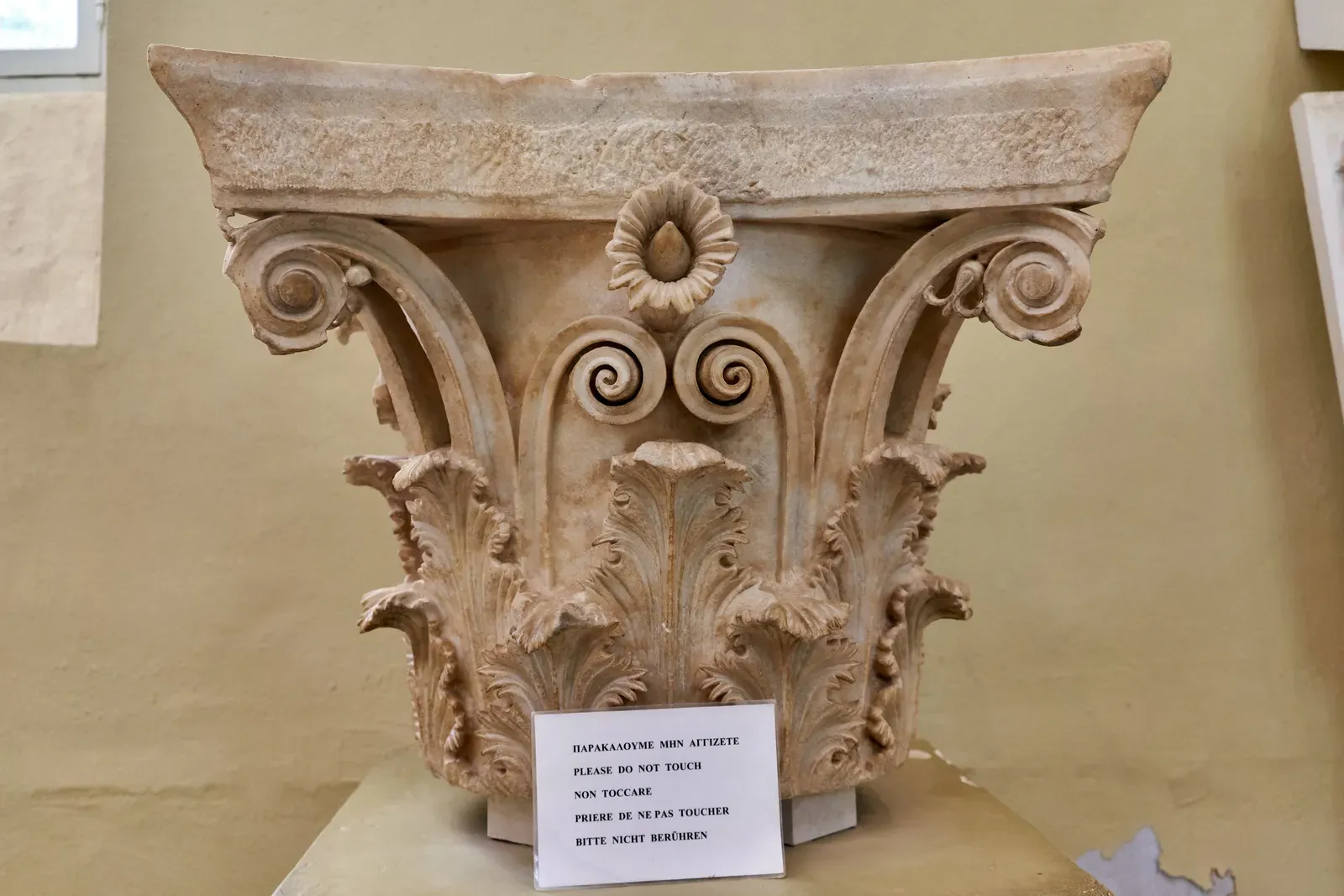
You do not need a lab coat or a research grant to participate meaningfully in this conversation. Simply visiting museums, reading up on current archaeological discoveries, or supporting public science institutions helps shift attention from speculative thrills to evidence-based stories that are often even more astonishing. The next time you see a documentary or social media post claiming that a monument “could not have been built” by its own culture, you can pause and ask what archaeologists on the ground actually say, and whether alternative explanations have been fairly represented. That small habit of skepticism is a quiet but powerful form of engagement.
If you want to go further, there are citizen-science projects cataloging artifacts, crowdsourced efforts to analyze satellite imagery of potential ancient sites, and volunteer programs at local digs or heritage organizations. You can also support the preservation of archaeological sites threatened by development, looting, or climate change, ensuring that the physical evidence – whatever story it ultimately tells – remains intact. Curiosity about ancient aliens can be a gateway into a deeper appreciation for human history, as long as it does not stop at the first sensational explanation. The most constructive path is to keep your sense of wonder fully alive while letting evidence, not wishful thinking, set the boundaries of what we accept as real.