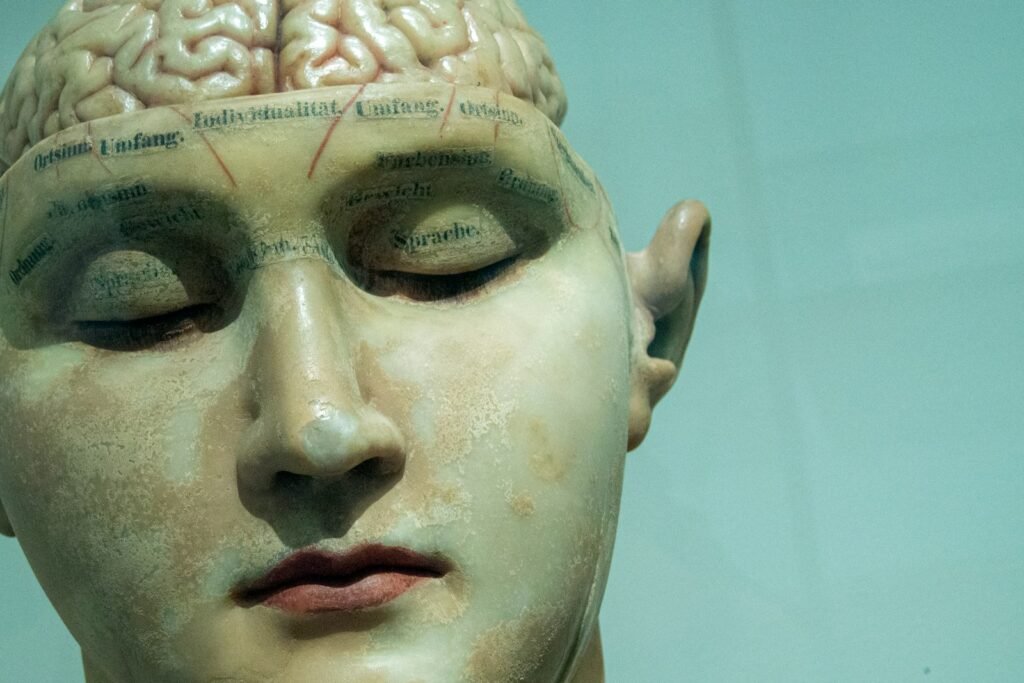

For as long as humans have been able to whisper around fires or carve into stone, one question has refused to sit quietly in the corner: what actually happens to our consciousness Religions have wrapped it in stories of afterlives and rebirth, philosophers have argued over the mind–body problem, and now neuroscientists are walking into the same old mystery with brain scanners and defibrillators. Yet, just when it looks like science is close to an answer, the data throws up something deeply unsettling: moments when awareness seems to linger, spike, or even awaken after the body should be beyond rescue. In hospital wards, on battlefields, and in icy rivers, people have mysteriously disappeared from the edge of life and then come back with strikingly similar accounts. The hunt to understand this fleeting, vanishing act of human consciousness at the moment of death is starting to look less like quiet lab work and more like a global detective story.
The Last Flicker: When the Brain Refuses to Go Quiet
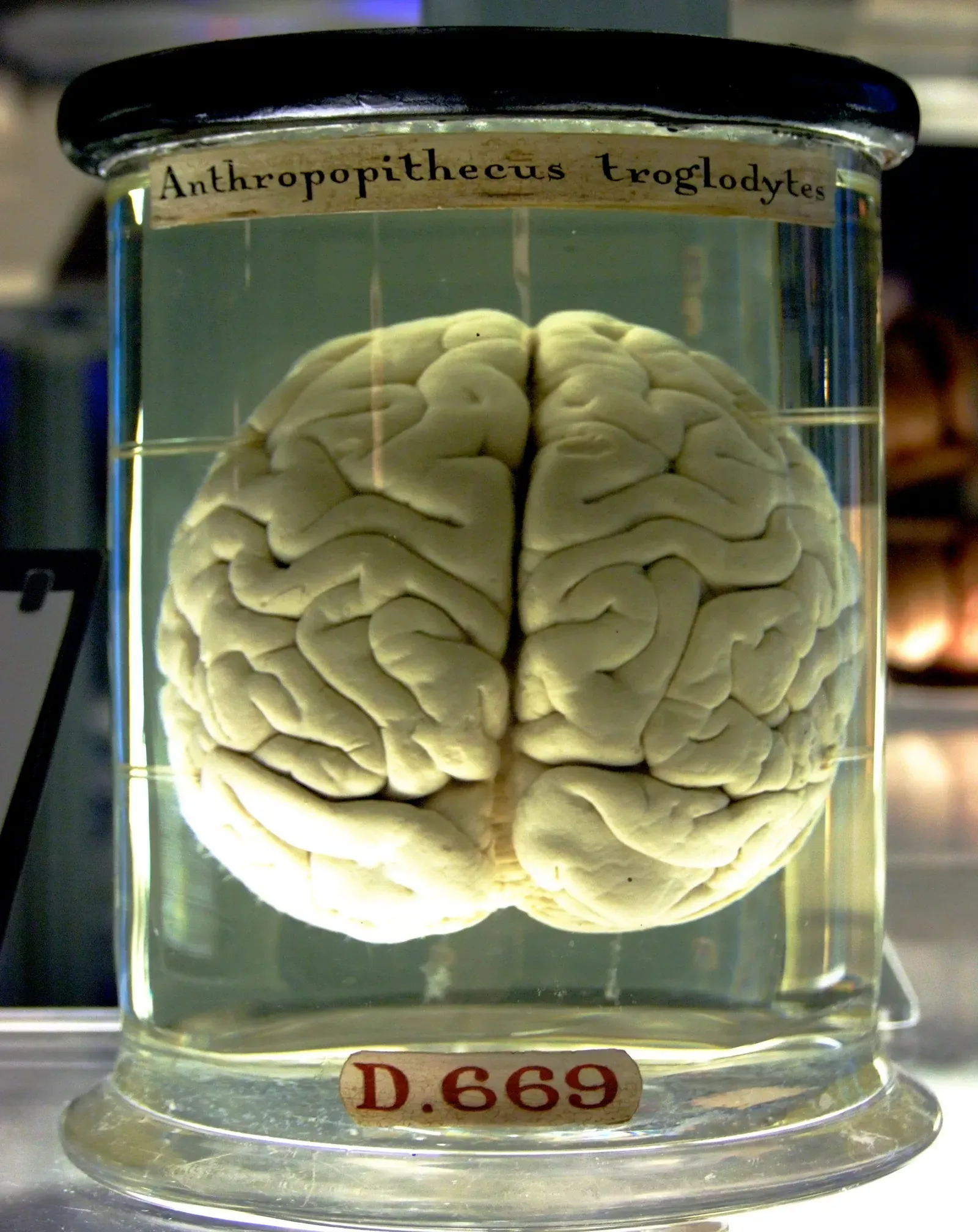
Imagine a heart monitor flatlining, doctors calling the time of death, and yet, somewhere deep in the skull, the brain launching into one final storm of activity. That sounds like the opening of a science fiction movie, but it is increasingly what real clinical data suggest in the first minutes after the heart stops. In several intensive care units, researchers have recorded sudden, powerful bursts of organized brain waves in dying patients, the kind more often seen when people are awake and processing reality. It is as if the mind, confronted with the collapse of its own power supply, rallies for one last, astonishing stand.
Those spikes in activity do not last long, sometimes only tens of seconds, and then they mysteriously disappear into the quieter, scattered pattern we associate with irreversible brain death. Still, their timing unsettles our assumptions, because they show up after blood flow has already dropped to levels where normal consciousness should be impossible. Some neuroscientists argue that these final surges might be the raw material behind so-called near-death experiences, turning a failing brain into a brief, fast-burning projector of intense perceptions. Others see them as nothing more than electrical noise, a biological echo that has more to do with circuitry than with the self. Either way, they force us to ask whether the moment of death is really a cliff edge or more like a blur.
Near-Death Narratives: The Strange Consistency of Vanished Moments

When people are pulled back from cardiac arrest or catastrophic injury, what they describe often has eerie similarities, even across cultures and belief systems. Many report a sudden sense of leaving the body, seeing their own medical crisis from above with a strange, detached clarity. Others speak of moving rapidly through darkness toward a point of light, or of a profound feeling of peace that seems completely at odds with the violence their body just endured. Some recall hearing doctors and nurses talking or being aware of specific details in the room that they had no normal way of perceiving.
For skeptics, these accounts are evidence of how easily a stressed brain can invent coherent stories out of chaos, patching memories and expectations together after the fact. Yet a growing number of carefully designed studies have tried to catch these experiences in the act by testing awareness in patients whose hearts have stopped and who are clinically dead for short periods. On rare occasions, people later describe scenes or sounds that match what actually occurred while their brains should have been offline, and those individual cases are hard to wave away. The result is a kind of investigative tug-of-war, where subjective stories and objective measurements keep colliding. Consciousness, it seems, has a talent for slipping between the lines of what our instruments can reliably capture.
The Hidden Clues: What Dying Brains Reveal in Real Time
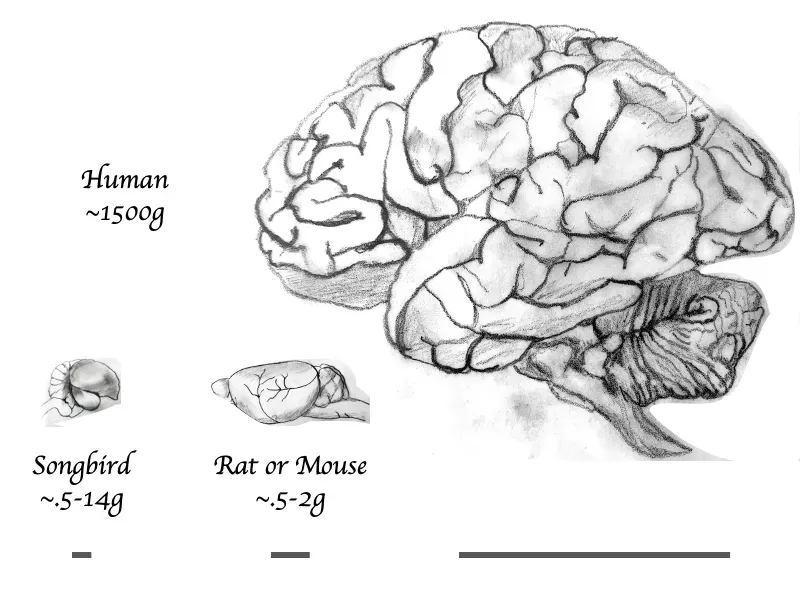
Over the last decade, a handful of ambitious research projects have wired up critically ill patients to continuous brain monitoring, hoping to catch the exact instant when consciousness vanishes. Instead of a tidy shutdown, they keep finding complicated patterns that refuse to fit simple on–off models. In some cases, particular regions involved in vision, memory, and self-awareness stay active longer than expected, even as the body’s vital signs fall away. This asymmetry suggests that different parts of the mind may disappear at different speeds, like city lights going out one neighborhood at a time rather than the whole grid failing at once.
Scientists have also begun using tools from information theory and network science to measure the complexity of brain signals at the end of life. They track how different regions talk to each other, how flexible the communication networks are, and whether those patterns resemble waking, dreaming, or anesthesia. The emerging picture is messy but compelling: in many patients, there is a brief window where the dying brain still shows surprisingly rich, coordinated activity. That window might last less than a minute, or in some cases a bit longer, before the networks fragment and meaningful complexity disappears. Those hidden clues suggest that consciousness does not quietly fade away; it unravels in stages, leaving scientists to wonder exactly which stage we should call the real end.
From Ancient Myths to Modern Code: How Explanations Have Shifted
Long before anyone could measure a neuron firing, people tried to explain the strange sense that something leaves the body at death. Ancient cultures described souls departing swiftly, spirits crossing rivers or stepping through gates, as if consciousness were a traveler that simply changed locations. These stories were not random; they were a way to make sense of the very real experience of watching a person’s personality and presence vanish in an instant. When someone’s eyes lose that unmistakable spark, it feels less like a slow dimming and more like a sudden disappearance.
Modern neuroscience has replaced souls and spirits with electrical patterns and synaptic connections, reframing consciousness as something the brain computes rather than something it contains like a separate object. The comparison some researchers favor is that of a running program: pull the power, and the software does not go anywhere, it just stops executing. Yet even in that more technical picture, the question of timing remains strangely elusive, because the shutdown is not instantaneous across the entire system. Glitches, afterimages, and stalled processes may briefly linger, just as echoes hang in the air after shouting in a canyon. In that gap between mythic journeys and computational crashes, our uncertainty about what really happens has simply taken on new language rather than fully resolving.
Why It Matters: Medicine, Meaning, and the Moment of No Return
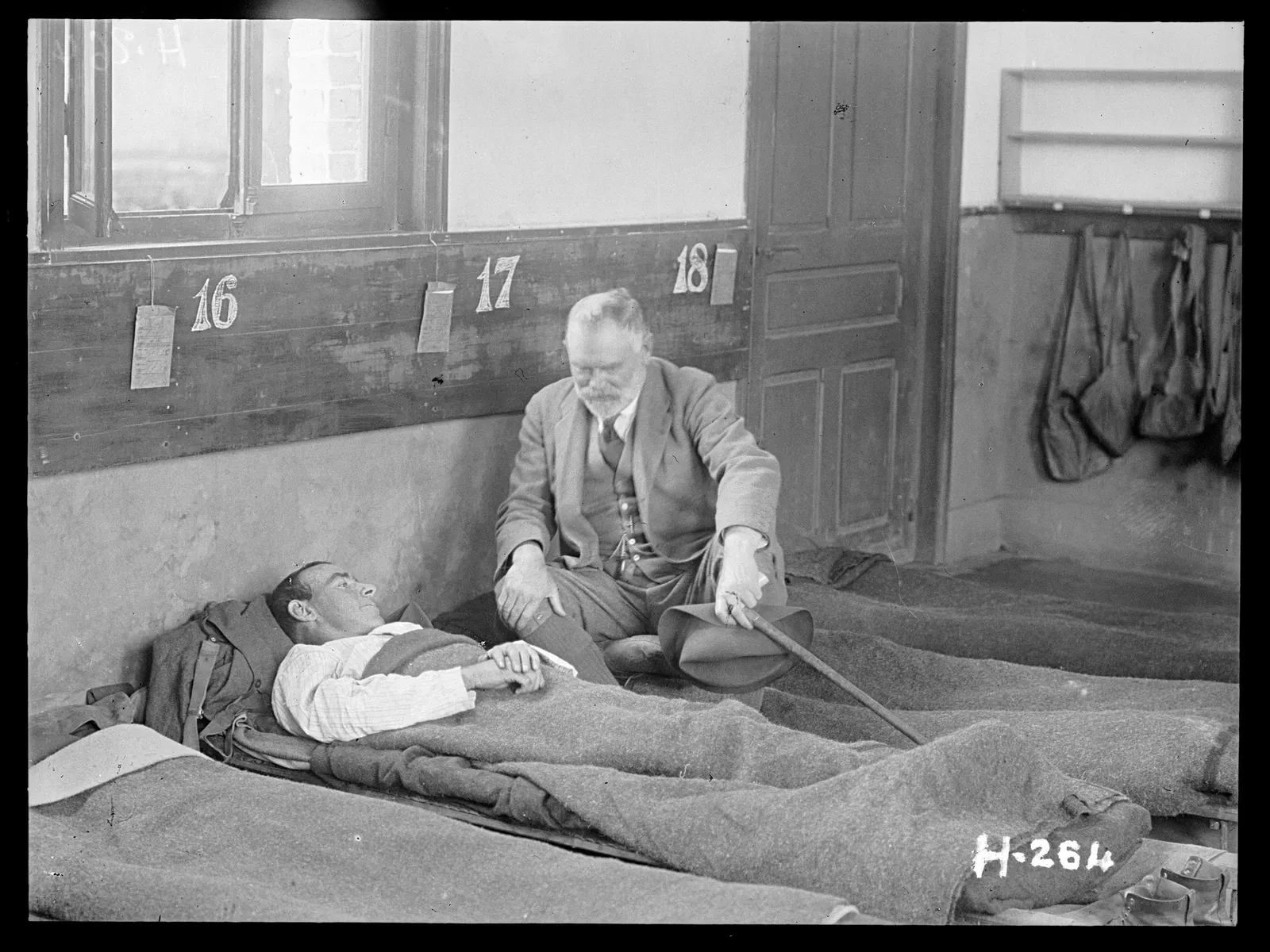
It might be tempting to treat all this as a philosophical parlor game, but for medicine and ethics, the details of how consciousness disappears have real-world consequences. Doctors making decisions about when to stop resuscitation, when to withdraw life support, or when to declare brain death rely on definitions that aim to be both humane and scientifically grounded. If awareness lingers for seconds or even minutes after the heart stops, that challenges how we think about the experience of dying itself, including whether patients might still be sensing pain or comfort. Families sitting at the bedside often want to know not just whether their loved one is alive, but whether they are still there in any meaningful sense.
On a more personal level, how we understand the end of consciousness shapes how we live the time we have. People who have survived near-death episodes sometimes describe deep shifts in their priorities, claiming they fear death less and value relationships more after confronting that edge. Even if some of those changes can be explained in psychological or neurochemical terms, the effect on their behavior is undeniable. For society, these stories, combined with hard data from hospitals, push us to refine palliative care, rethink how we talk about organ donation, and reconsider the rituals we build around dying. The stakes are not abstract; they reach straight into how we define dignity, identity, and the boundaries of a life.
Speed, Survival, and the Vanishing Point: When Consciousness Disappears and Returns
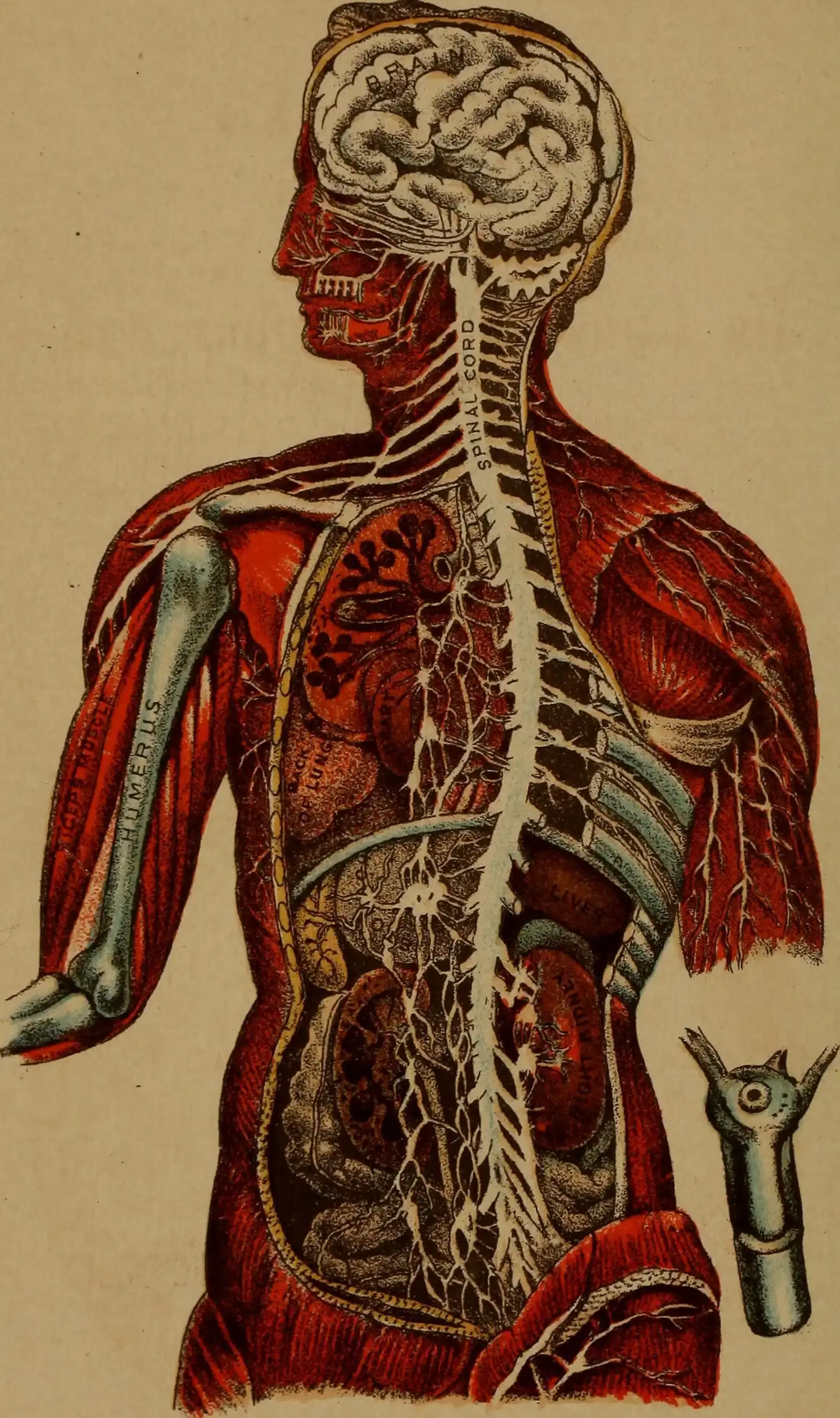
One of the most striking lessons from resuscitation science is just how fast the brain can both vanish and reappear under the right conditions. People whose hearts have stopped for several minutes, or in rare, extreme cases even longer, sometimes return with intact personalities and memories if cooling or rapid intervention slows the damage. Cold water drownings, avalanche entrapments, and surgical accidents have all produced stories where consciousness seemed to disappear into nothing and then snap back, as if someone had paused and unpaused a movie. These cases are not common, but they redraw the map of what we consider a point of no return.
The key factor is how quickly oxygen and blood flow can be restored before the brain’s delicate networks undergo irreversible breakdown. Once certain thresholds are crossed, consciousness appears not just to be offline but to have lost its organizing structure, like a book whose pages are burned rather than merely closed. That difference matters for emergency medicine, because it drives new protocols emphasizing faster chest compressions, better monitoring, and even experimental drugs to protect neurons in the critical early minutes. It also fuels a quieter, more unsettling realization: under the right conditions, the line between being gone and coming back is far blurrier than most of us were taught. In that blur, the mystery of where consciousness “was” during those missing minutes still hangs unanswered.
The Future Landscape: Brain Preservation, Simulation, and Digital Ghosts
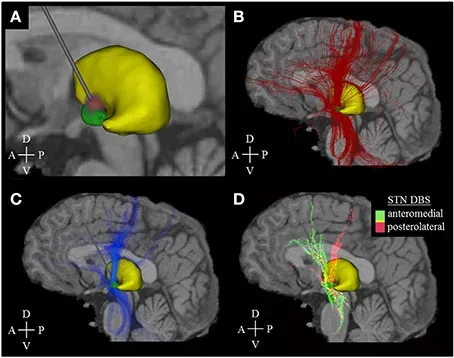
Looking ahead, the question of what happens to consciousness at death is colliding with technologies that would have sounded like fantasy a generation ago. Researchers are exploring advanced cooling techniques, targeted brain perfusion, and new imaging tools that might one day allow us to track, second by second, the collapse of awareness in unprecedented detail. Some groups are even studying whether memories and personality traits can be mapped so thoroughly that, in theory, a digital reconstruction could mimic aspects of a person’s inner life after their biological brain fails. That idea remains deeply speculative, but it pushes the conversation into uncomfortable territory about what, exactly, we think we are preserving.
At the same time, rapidly improving artificial intelligence systems are starting to imitate human language, preferences, and decision patterns in ways that feel eerily lifelike. Grief services that offer chatbots trained on a deceased person’s messages and social media are already on the market, creating a new kind of digital echo that persists long after the body is gone. These developments do not solve the mystery of where consciousness goes; if anything, they multiply the number of possible answers and illusions. Future debates will likely revolve around whether extending function or resemblance is the same as extending the self, or whether true awareness is forever tied to living, biological brains. As science inches closer to the moment consciousness disappears, it may also be building new, ghostly mirrors that make the mystery harder, not easier, to escape.
How You Can Engage: Staying Curious, Compassionate, and Involved

For most of us, the frontier between life and death will not be explored in a lab but in hospital rooms, hospice centers, and late-night conversations we would rather not have. One simple way to engage with this science is to learn about resuscitation and end-of-life care in your own community, from CPR training to understanding advance directives and brain death guidelines. Supporting organizations that fund research into cardiac arrest, neurodegenerative disease, and palliative care helps push the data beyond anecdotes and into clearer understanding. Talking openly with family and friends about your own wishes around medical intervention can also transform a frightening unknown into a shared, thoughtful plan.
On a broader scale, staying curious about new findings, rather than clinging to comforting stories or dismissing unusual data outright, keeps the conversation honest. You can follow reputable medical centers, neuroscience labs, and ethics groups that publish accessible updates on what they are discovering about the dying brain. When sensational headlines appear about consciousness surviving death or being uploaded to the cloud, taking the time to read beyond the first claim is a quiet act of scientific citizenship. No one can answer the deepest parts of the question yet, but an informed, compassionate public can shape how we respond to the edge of life as the evidence evolves.
Suhail Ahmed is a passionate digital professional and nature enthusiast with over 8 years of experience in content strategy, SEO, web development, and digital operations. Alongside his freelance journey, Suhail actively contributes to nature and wildlife platforms like Discover Wildlife, where he channels his curiosity for the planet into engaging, educational storytelling.
With a strong background in managing digital ecosystems — from ecommerce stores and WordPress websites to social media and automation — Suhail merges technical precision with creative insight. His content reflects a rare balance: SEO-friendly yet deeply human, data-informed yet emotionally resonant.
Driven by a love for discovery and storytelling, Suhail believes in using digital platforms to amplify causes that matter — especially those protecting Earth’s biodiversity and inspiring sustainable living. Whether he’s managing online projects or crafting wildlife content, his goal remains the same: to inform, inspire, and leave a positive digital footprint.