The United States Space Force has introduced a distinctive naming convention for its satellites and space weaponry, blending elements of ancient myths and oceanic mysteries to foster a stronger sense of identity among its ranks.
A Shift Toward Symbolic Identity in Space Operations
Long overshadowed by alphanumeric designations, the Space Force’s assets now carry evocative names that echo the drama of legends and the stealth of deep-sea creatures. This change, announced in late 2025, marks a deliberate effort to humanize complex technologies and build camaraderie among guardians, as the service’s leaders described it. By drawing from diverse cultural and natural sources, the initiative aims to make the force’s capabilities more relatable and memorable. Officials emphasized that these names will apply to operational systems across various domains, from orbital platforms to cyber defenses. The move aligns the Space Force with traditions in other military branches, where iconic labels have long boosted morale and recognition.
At a recent conference, the Chief of Space Operations highlighted how this naming scheme emerged from a year-long collaboration among units to define thematic identities. The process sought to reflect the unique character of each mission area while providing a cultural anchor for personnel. This evolution comes as the Space Force expands its role in an increasingly contested space environment. Early adopters within the service have welcomed the approach, noting its potential to enhance operational cohesion. Overall, the strategy underscores a maturing organization eager to carve out its own legacy.
Exploring the Thematic Inspirations
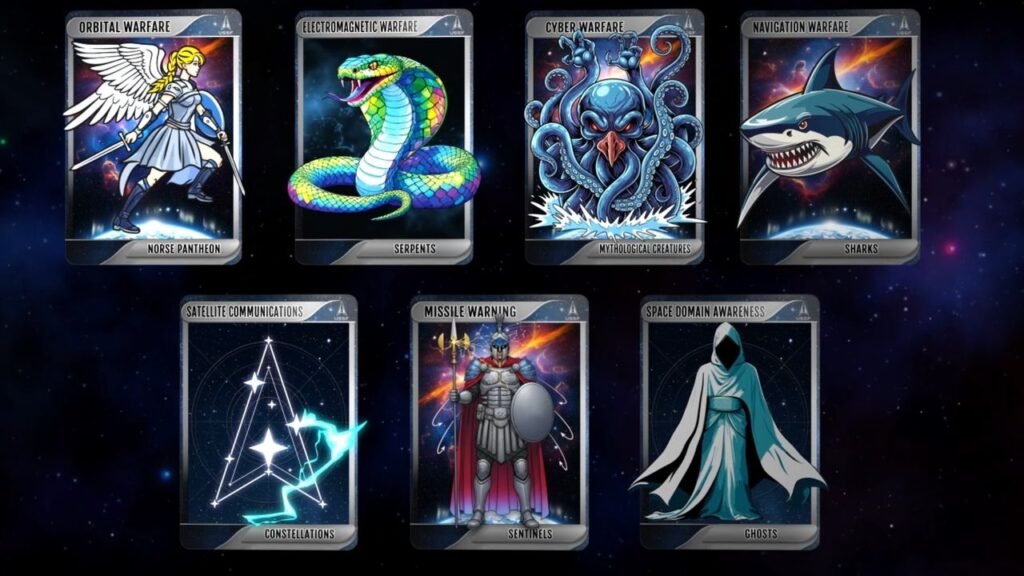
Orbital warfare systems now draw names from the Norse pantheon, evoking the thunderous might of gods like Thor and Odin to symbolize dominance in the cosmos. Cyber warfare tools take cues from mythological creatures, such as griffins or phoenixes, representing resilience and cunning in digital battlespaces. Electromagnetic warfare platforms adopt serpentine motifs, inspired by coiling vipers that disrupt and entangle adversaries. Navigation warfare systems pull from ghosts and phantoms, capturing the elusive nature of positioning and timing in space. Meanwhile, space domain awareness assets honor marine predators like sharks, highlighting their relentless pursuit and sensory prowess.
These choices were not arbitrary but carefully selected to mirror the essence of each function. For instance, the ghostly themes for navigation underscore the invisible threats that can mislead or disorient foes. Shark-inspired names for awareness systems emphasize vigilance and adaptability in vast, unpredictable domains. Norse mythology lends an epic scale to orbital efforts, fitting for high-stakes confrontations. Together, these inspirations create a cohesive yet varied lexicon that sparks imagination without compromising security.
The Strategic Implications of Rebranding Assets
Beyond aesthetics, this naming overhaul serves practical purposes in a branch still defining its culture. It simplifies communication during missions, where quick recognition of systems can prove vital. The Space Force, established just six years prior, has faced challenges in establishing a distinct identity separate from its Air Force roots. By assigning these thematic names, leaders aim to instill pride and clarity in an era of rapid technological advancement. Analysts suggest this could also aid in public outreach, making the force’s work more accessible to civilians.
Implementation will roll out gradually, starting with key operational units. Training programs will incorporate the new nomenclature to ensure seamless adoption. While some traditionalists might prefer the old designations, the overall reception points to enthusiasm for the change. This initiative reflects broader trends in military innovation, where symbolism plays a role in readiness. Ultimately, it positions the Space Force as a forward-thinking entity ready for future challenges.
Key Takeaways
- The new names draw from Norse mythology for orbital systems, mythological creatures for cyber tools, and marine life for awareness platforms.
- This scheme aims to boost morale, simplify operations, and distinguish the Space Force’s identity.
- Announced in December 2025, the change stems from a year of internal development to align with mission-specific themes.
As the Space Force continues to evolve, these mythical and natural-inspired names offer a powerful reminder of how storytelling can strengthen modern warfare. What aspects of this naming strategy intrigue you most?