Most days, the weather feels comfortingly familiar: clouds roll in, rain falls, the forecast more or less behaves. But every so often, the sky does something so strange it feels like a glitch in reality, as if the laws of physics briefly forgot how they’re supposed to work. Around the world, scientists have been racing to understand these ultra-rare phenomena, because they’re not just curiosities; they’re windows into how our atmosphere, our planet, and even our universe really operate. Beneath the shock value lies a deeper story about invisible forces and unlikely coincidences. If you’ve ever wondered whether reality might be stranger than it looks from your window, these events offer a pretty compelling hint.
The Hidden Clues: When the Sky Glows with “Sprites” and “Elves”
Imagine a thunderstorm flickering on the horizon – and then, for a split second, blood-red tendrils of light burst upward above the clouds, stretching toward space like ghostly roots. These are sprites, enormous electrical discharges that form high in the upper atmosphere, too faint and too fast for the naked eye to catch easily. Even rarer are their cousins with equally whimsical names: elves, which look like expanding halos of light, and blue jets, which spear upward from storm tops like plasma lances. For most of human history, pilots who reported seeing such things were dismissed as mistaken or stressed. Only in the last few decades have high-speed cameras and satellite instruments confirmed that the upper atmosphere is alive with these exotic flashes.
What makes sprites and elves so mind-bending is that they are triggered not above storms, but by lightning far below them, sometimes dozens of miles away. They show us that a bolt of lightning is not a closed event; it sends ripples of energy through the atmosphere like a stone dropped in a pond, setting off chain reactions at different layers of air and charged particles. Researchers now use these transient luminous events, as they’re formally called, to probe how electrical energy moves between the lower atmosphere and near-space. In a way, they’re like CT scans of the sky, revealing structures and behaviors we never knew existed. The fact that they went largely unnoticed until recently is a humbling reminder of how much can be hiding in plain sight above our heads.
Raining Animals: When Tornadoes Turn Nature Upside Down

Stories of fish or frogs falling from a clear sky sound like pure myth, the kind of tale you’d expect in a fantasy novel rather than a weather report. Yet scattered historical accounts – from Europe, the United States, and Asia – describe exactly that: showers of small animals appearing far from any lake or river. Meteorologists think the most plausible explanation involves strong updrafts or waterspouts – tornado-like vortices that form over water – sucking lightweight creatures into the air, transporting them, and then dropping them when the winds weaken. Because these events require a perfect alignment of geography, timing, and storm structure, they are extraordinarily rare and brief. That scarcity only adds to their eerie, almost scripted feeling.
Modern scientists tread carefully with such claims, since hoaxes, exaggerations, and misremembered details are common when something so bizarre occurs. Still, the underlying physics of powerful rotating storms easily support the idea that small animals, leaves, or debris can be lofted miles away from their origin. The unsettling part is the way these events blur the line between predictable natural processes and moments that feel almost supernatural. Standing under a sky that suddenly rains fish would force anyone to question how stable their mental model of the world really is. In that sense, these events are less about the animals and more about our own expectations of what nature is “allowed” to do.
Ball Lightning: Orbs of Fire that Defy Explanation
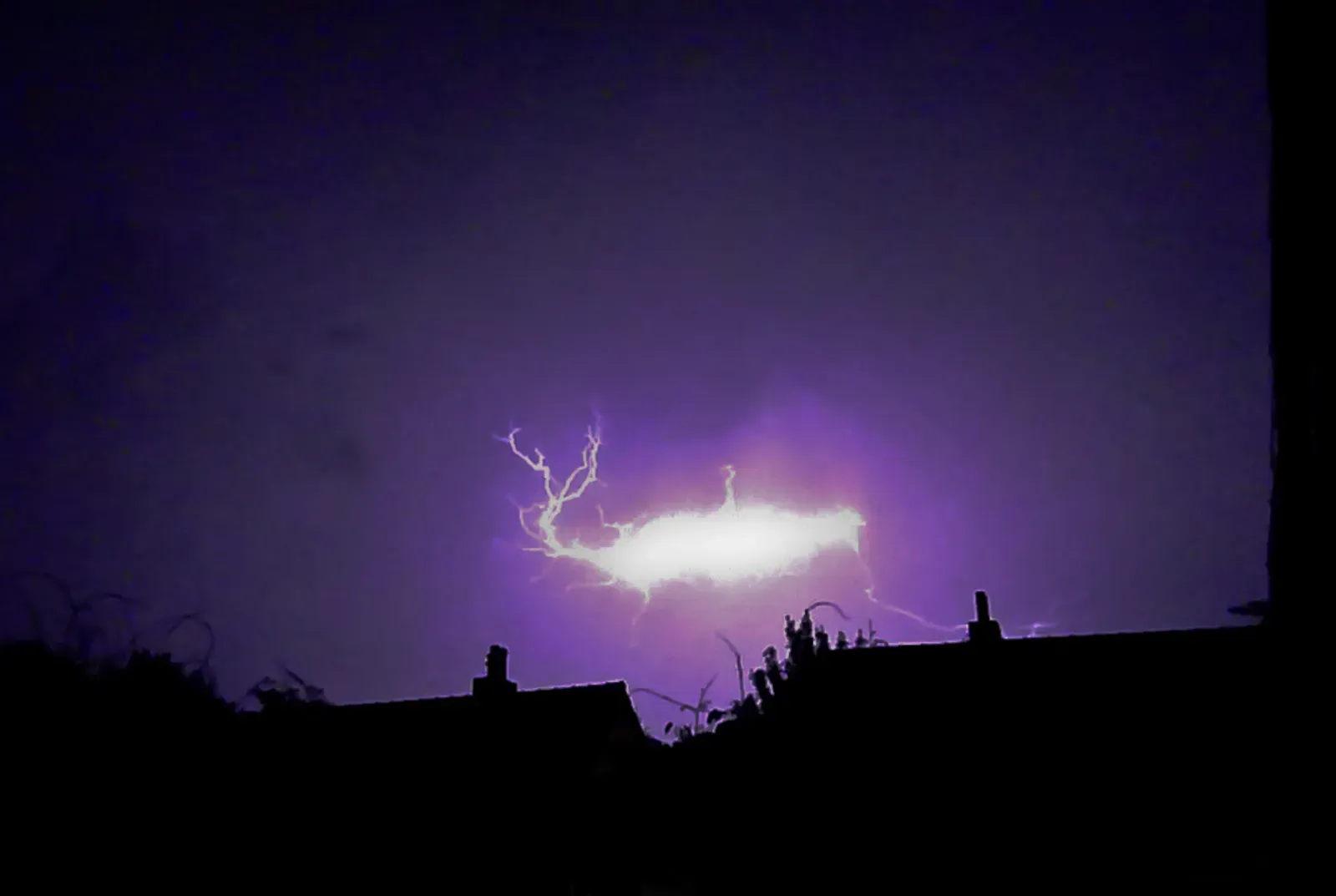
Few weather mysteries have frustrated scientists as much as ball lightning – glowing spheres of light that drift, hover, or even pass through windows before vanishing with a bang. For centuries, reports were dismissed as hallucinations or exaggerations, mostly because the phenomenon is so fleeting and unpredictable that it is almost impossible to study directly. More recently, though, a combination of video evidence, eyewitness consistency, and some rare instrumental measurements have convinced researchers that something very real is happening. The problem is that there is still no single, widely accepted explanation for how these luminous balls form and persist. Several models invoke plasma, vaporized silicon from soil, or exotic electromagnetic resonances, but none fully match all observations.
Ball lightning sits at the uncomfortable edge of mainstream science, where credible data is scarce and theoretical models feel more like educated guesses. Each well-documented sighting is a precious data point, hinting at new physics in how high-energy discharges interact with matter and electromagnetic fields. In a way, it is like having a recurring glitch in an otherwise stable computer program: it suggests that hidden lines of code – underlying rules of nature – are still missing from our understanding. The fact that ball lightning often appears inside homes or aircraft, seemingly unbound by obvious pathways, only deepens the sense that we are peeking at a corner of reality that does not want to sit neatly in a textbook diagram. Until someone captures it in a fully instrumented experiment, it will remain one of the most science-fiction-like features of real-world weather.
Ice Circles, Ghost Rainbows, and Other Optical Illusions of Reality

On a frigid river in the northern winter, a near-perfect disk of ice can slowly rotate, as if an invisible hand were turning a planetary gear. These ice circles form when a gentle current and swirling eddies grind away chunks of ice into a smooth, rotating platter, sometimes as wide as a city street. From above, they look like portals or cosmic diagrams, so geometrically neat that they almost feel staged. Higher in the sky, other rare alignments of ice and sunlight produce halos, sun dogs, and even full circular rainbows called glories. To an unprepared observer, these phenomena can feel less like simple light refraction and more like a brief glimpse of another layer of reality.
What ties these oddities together is that they arise from extremely specific combinations of temperature, moisture, particle shape, and viewing angle. A small change in wind or sunlight can erase them in seconds, like a mirage vanishing when you blink. Scientists use them as natural laboratories to understand how ice crystals form and orient themselves, which in turn affects how energy moves through the atmosphere. But on a more human level, they remind us that ordinary ingredients – water, light, cold – can assemble themselves into scenes that look cosmic in scale and precision. It is as if the planet occasionally leaves cryptic sketches in the sky and on the water, daring us to decode the geometry hidden inside everyday physics.
Red Rain and Colored Skies: When the Atmosphere Borrows Pigments
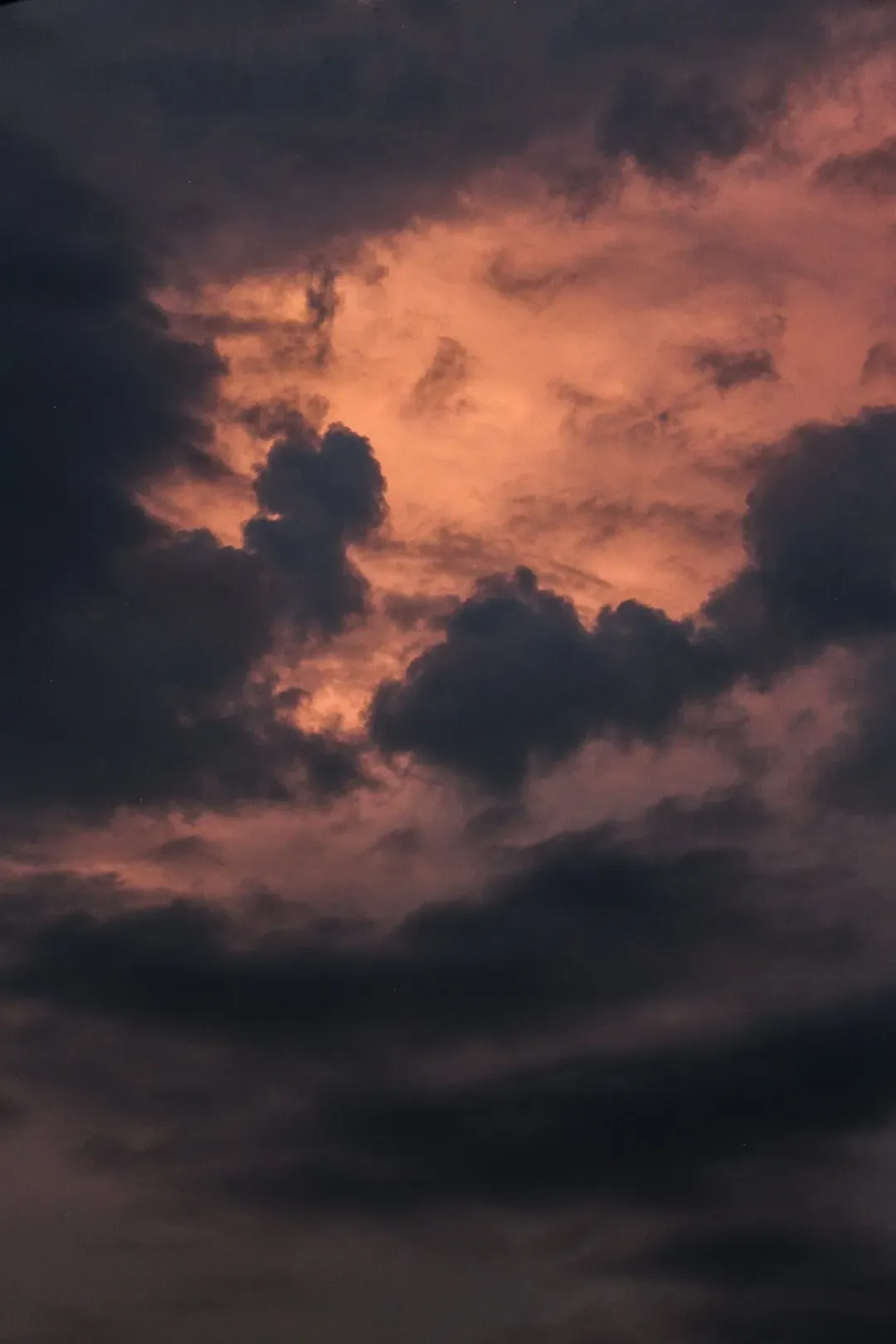
Every so often, rain does not fall clear, but tinted – reddish, brown, even yellowish – staining cars, buildings, and the minds of those who see it. In many cases, scientists have traced these events to fine dust or sand lifted from deserts and carried across continents, then washed out of the air by passing storms. Microscopic analysis often reveals mineral grains, pollen, or even traces of soot, which act like natural dyes in the falling water. The result is unsettling because rain is one of the most iconic symbols of purity and consistency in our experience. When that expectation is broken, it feels like the rules of the sky have shifted.
Even more familiar, though still quietly astonishing, are the deep red and violet sunsets that can follow volcanic eruptions or giant wildfires. Tiny particles high in the atmosphere scatter sunlight in a way that boosts reds and purples, turning the world briefly into something that looks like a science fiction planet. These dramatic colors can linger for months, subtly reminding us of distant eruptions or smoke plumes that most people never directly see. In both colored rain and unusual skies, our atmosphere acts like a painter’s medium, mixing distant events and local weather into unexpected palettes. The world we inhabit is literally tinted by processes happening thousands of miles away, a visual hint that our local reality is stitched into a global system.
Why It Matters: Rare Weather as a Test of Our Reality Models
It is tempting to treat these rare weather events as curiosities – fun to share on social media, easy to forget once the sky looks ordinary again. But to atmospheric scientists and physicists, they are stress tests for our understanding of reality. A good scientific model should not only explain the common and everyday; it should also be able to account for the edge cases, the weird outliers, and the apparent glitches. When ball lightning refuses to fit our formulas, or sprites hint at electrical structures linking storms to near-space, they are effectively telling us that some part of our mental wiring for how the world works is incomplete. Ignoring them would be like a mechanic ignoring a strange noise in an otherwise functioning engine.
By chasing these phenomena, researchers refine everything from thunderstorm models to climate simulations and satellite sensor designs. They also uncover links between Earth’s weather and broader topics in space physics, such as how charged particles flow around our planet or how the upper atmosphere responds to solar storms. More philosophically, rare weather highlights how much of reality is filtered by our senses and our technology. For most of history, people lacked the cameras, sensors, and global networks needed to even confirm that some of these things existed. Now that we can record and analyze them, they serve as a reminder that our picture of the universe is always provisional, always under revision, especially in its strangest corners.
The Future Landscape: Satellites, Supercomputers, and Citizen Spotters
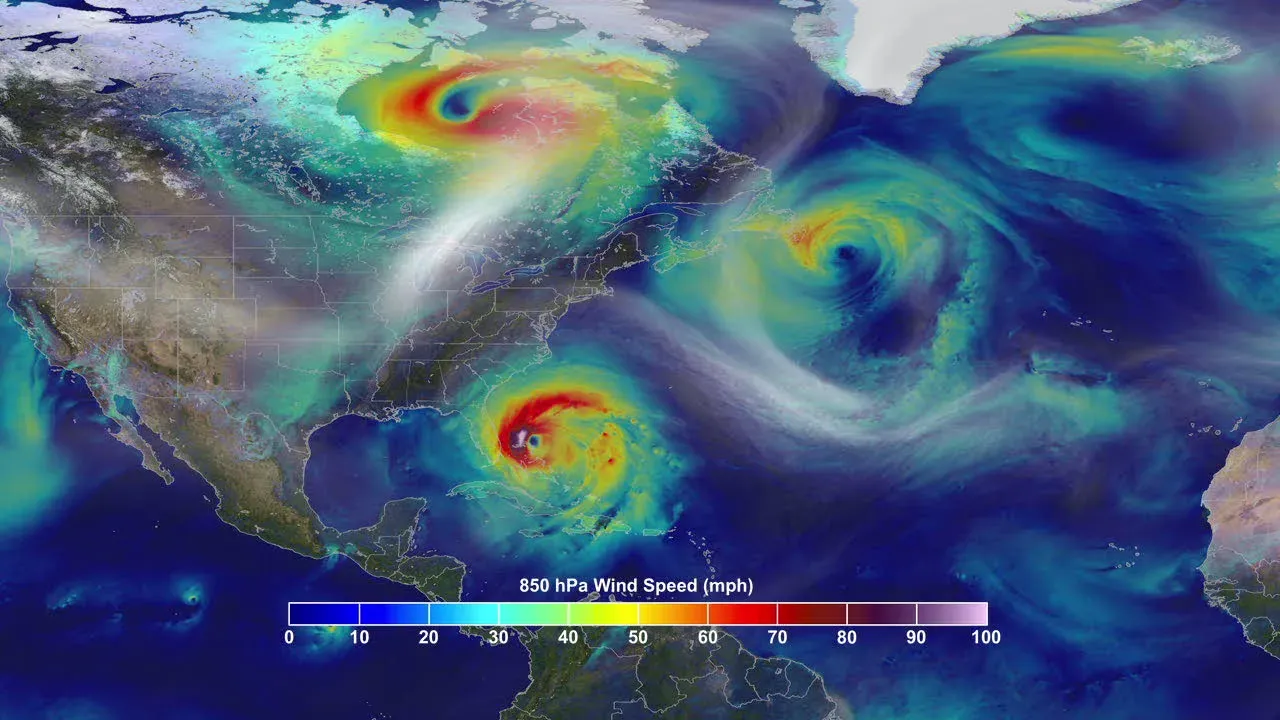
Looking ahead, the study of ultra-rare weather is moving from scattered anecdotes to systematic observation, thanks to new tools on the ground and in orbit. High-speed cameras, lightning mapping arrays, and more sensitive satellite instruments are capturing sprites, jets, and other transient phenomena in unprecedented detail. Supercomputer models can now simulate the microphysics of ice crystals, electrical discharges, and turbulent eddies in storms, letting scientists test hypotheses that would be impossible to verify in real time. Even machine learning is entering the field, combing through vast archives of images and sensor data to flag events that might otherwise be missed. All of this turns the atmosphere into a kind of living laboratory that we can monitor almost continuously.
At the same time, ordinary people are becoming crucial partners in spotting the truly unexpected. Smartphone cameras, social media, and dedicated reporting apps allow witnesses to document strange lights, unusual clouds, or colored rain as they happen, often providing the first clues that something rare is underway. For researchers, a handful of well-timed photos or videos can be worth more than years of waiting with instruments pointed at the sky. The long-term hope is that by combining professional networks with global public participation, we will catch enough of these one-in-a-million events to finally crack their secrets. As that happens, what once seemed like atmospheric magic could become a routine, if still awe-inspiring, part of our scientific understanding.
Global Perspectives: One Planet, Many Flavors of the Impossible
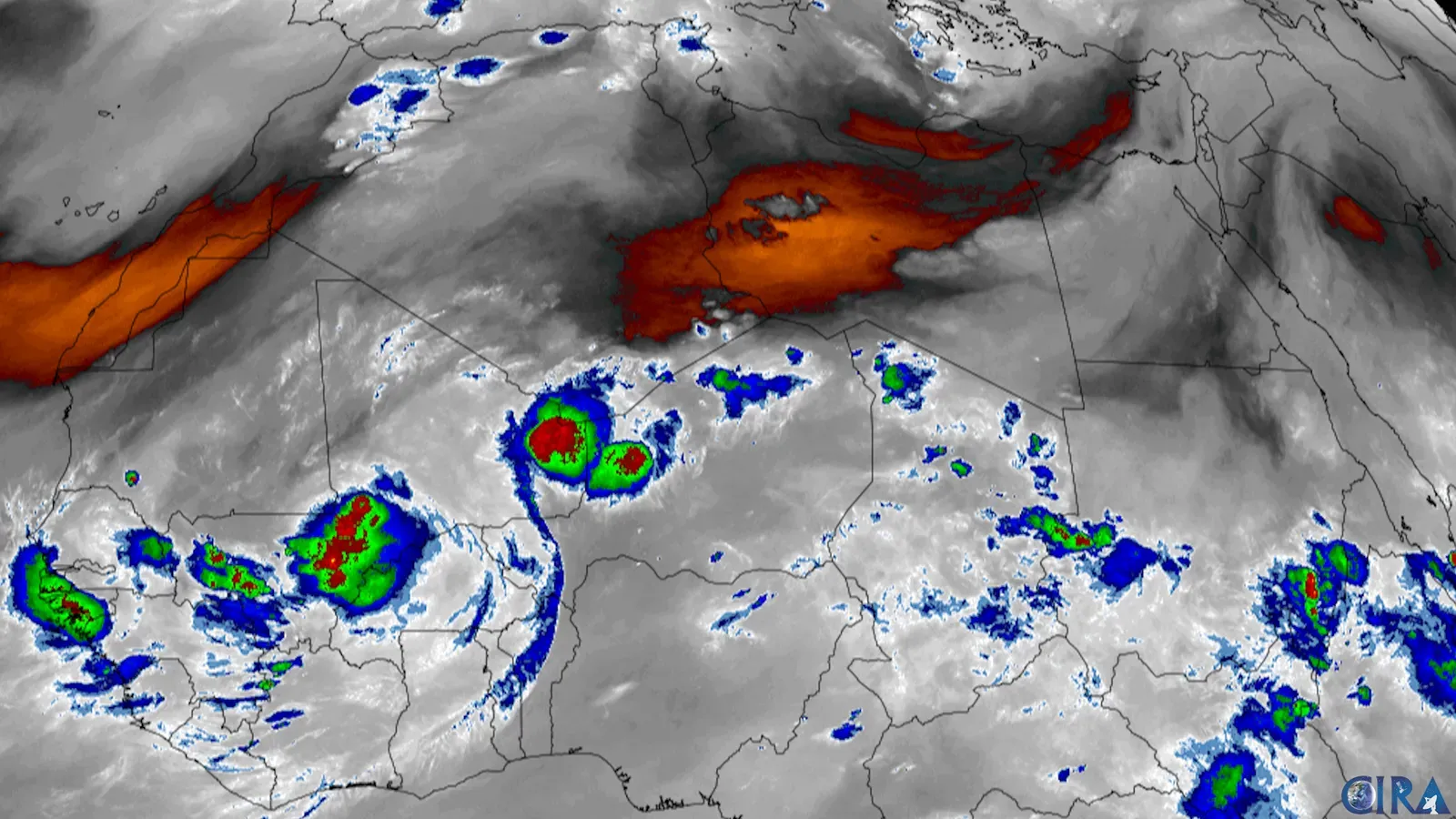
One of the most striking things about rare weather is how it reflects the diversity of Earth itself. Polar regions host their own oddities, like diamond dust – floating ice crystals that sparkle in the air – and unusual halos produced by low Sun angles and extremely cold temperatures. Tropical oceans, by contrast, can spawn massive thunderstorms that reach the edge of space, seeding the upper atmosphere with sprites and jets on a scale hard to imagine from temperate latitudes. Desert winds can loft dust that tints rain half a world away, while mountain valleys can trap cold air in ways that lead to strange fog formations or freezing rain. Each region offers a slightly different recipe for weirdness.
From a global science standpoint, these localized oddities feed into a shared puzzle about how Earth’s systems couple together. Rarer events often reveal connections between land, ocean, air, and even human activity that would otherwise stay hidden. When a volcanic eruption in one hemisphere changes sunsets everywhere, or industrial aerosols alter cloud optics in subtle ways, it underscores how porous our notion of “here” really is. In that sense, these weather events are like messages passed around a planetary network, sometimes legible, sometimes cryptic. Understanding them is not just about decoding the sky above one town, but about seeing Earth as an interconnected engine of improbable but explainable phenomena.
From Wonder to Action: How You Can Engage with Extreme Skies
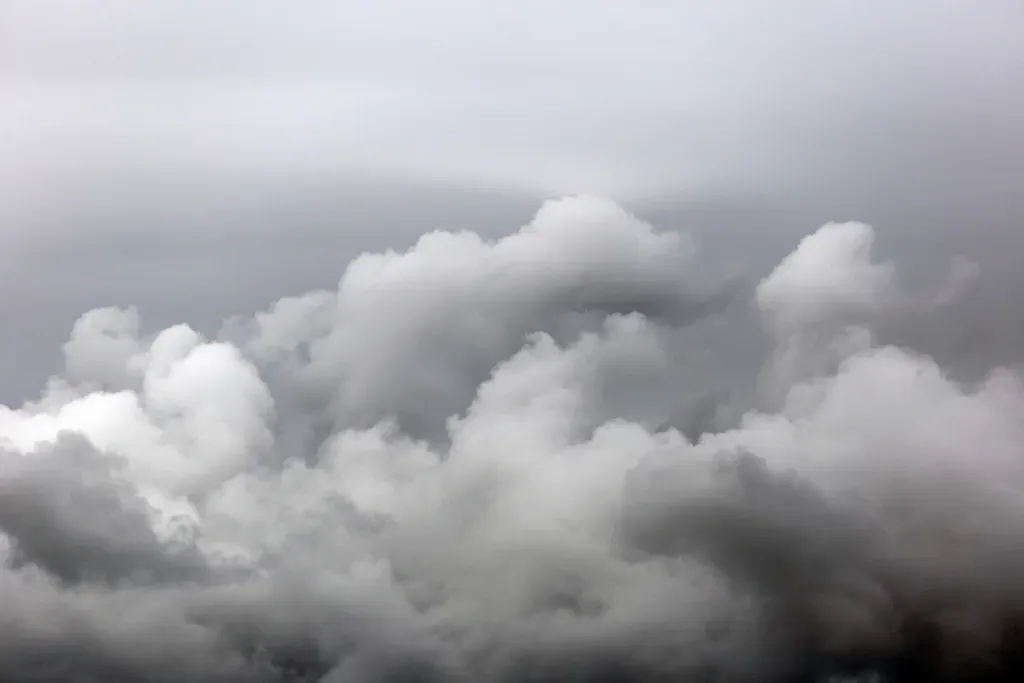
Even if you never see ball lightning in your lifetime, you are not just a passive spectator in this story. One simple step is to pay more deliberate attention to the sky, noticing unusual cloud shapes, halos around the Sun or Moon, or sudden changes in color before and after storms. When you do spot something strange, documenting it with photos or short videos and noting the time and location can turn your moment of surprise into useful scientific data. Many meteorological agencies and research groups welcome public reports of uncommon events, and some run citizen science projects designed to capture rare optical phenomena or lightning structures. Participating can be as easy as submitting an image through a website or app.
Supporting robust climate and atmospheric research – through policy choices, education, or donations to science-focused organizations – also helps build the tools that make these discoveries possible. Better sensors, better models, and better data archives not only improve forecasts but also increase the odds that the next odd flash or colored rainstorm gets recorded and understood, rather than dismissed as a tall tale. On a more personal level, treating these rare events as invitations to learn rather than things to fear can shift how you relate to your environment. The next time the sky does something that looks like a scene from a science fiction film, you might find yourself not just staring, but quietly asking: what hidden rule of reality is this moment trying to reveal?