Every city sells a story: opportunity, culture, reinvention. But behind the postcards and skylines, some American cities quietly push the human body and mind to their breaking point. From blistering heat that warps power lines to winter air so cold it can freeze exposed skin in minutes, these places raise a stark question: how much can we adapt before we simply shouldn’t be there at all? Scientists are now mapping “inhospitability” with hard numbers – heat indices, air quality, flood risk, mental-health data – while residents describe something more visceral: exhaustion, dread, and a strange sense of being unwelcome in the place they call home. In this list, we explore ten U.S. cities where climate, infrastructure, and social pressures collide to create environments that feel, in very different ways, deeply inhospitable.
The Hidden Clues: Phoenix, Arizona and the City That No Longer Cools Down
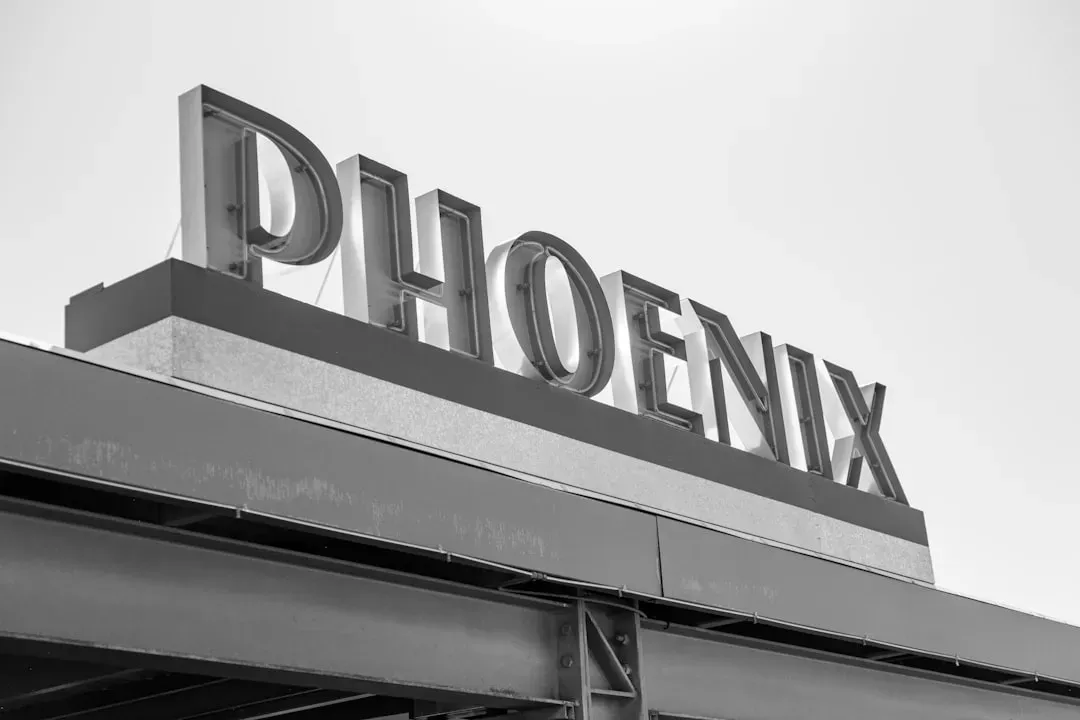
Walk across a Phoenix parking lot in late July and you can literally feel your shoes soften against asphalt that can reach temperatures hot enough to cause burns on bare skin. Phoenix has become a global symbol of extreme urban heat, with long strings of days where high temperatures soar well above one hundred degrees and nights no longer cool off enough for bodies, buildings, or power grids to recover. Scientists describe this as a “compounding heat hazard,” where relentless high overnight lows increase the risk of heat stroke, kidney stress, and cardiovascular events, especially for people without reliable air conditioning. For residents, the emotional toll is just as heavy: outdoor life shrinks, isolation grows, and something as simple as walking a dog becomes a carefully timed operation against the sun. The city has become a live experiment in how far an urban population can push adaptation – more shade canopies, reflective streets, and cooling centers – before biology and infrastructure say no.
Researchers studying Phoenix’s heat island have linked higher temperatures to rising utility bills, increased emergency room visits, and sharply higher mortality during extended heat waves. The most vulnerable are people living in older, poorly insulated housing, outdoor workers, and those who cannot afford the steep cost of running air conditioning continuously through ever-longer hot seasons. This creates a cruel emotional paradox: the city that promised sunshine and freedom in retirement is now, for some, a place of simmering fear about the next heat wave or power failure. Phoenix’s story is less about a single disaster than a slow, grinding pressure that turns the basic act of being outdoors into a calculated risk.
From Desert Dreams to Dust and Deluge: Las Vegas, Nevada
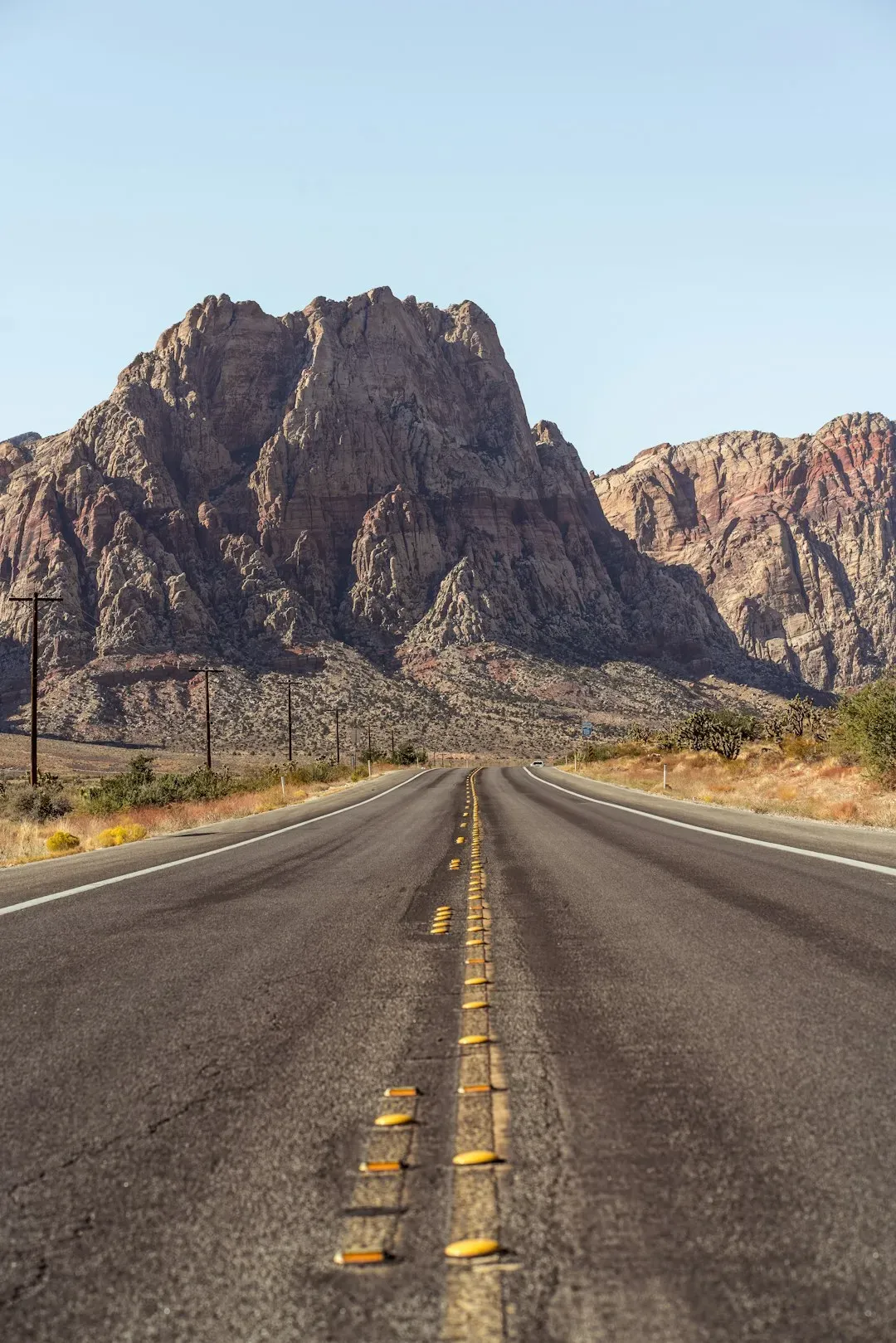
Las Vegas sells fantasy: endless lights, cool casinos, and desert sunsets, but the reality outside the Strip is increasingly harsh. Summer days regularly climb well above one hundred degrees, and like Phoenix, the nights often stay oppressively hot, offering little relief to residents in tightly packed neighborhoods. At the same time, the city’s dependence on dwindling Colorado River water brings an undercurrent of unease that locals feel even if they never read a single hydrology report. Lake Mead’s bathtub rings are a visible scar, a reminder that the city’s promise is balanced on a shrinking resource.
Paradoxically, when it does rain, this desert city can quickly become dangerous due to flash flooding across hard, paved surfaces that shed water instead of absorbing it. Stormwater racing through intersections and into low-lying areas has trapped cars and inundated casino basements, images that feel almost surreal against the usual backdrop of neon and dry air. Emotionally, residents describe a sense of being “boxed in” by extremes: heat that keeps them inside for months and sudden storms that briefly turn streets into rivers. The science paints Las Vegas as a place where hydrology, climate, and rapid growth collide, and where the glamour of the Strip masks a deepening feeling that the very land is pushing back.
Salt, Sun, and Sinking Ground: Miami, Florida
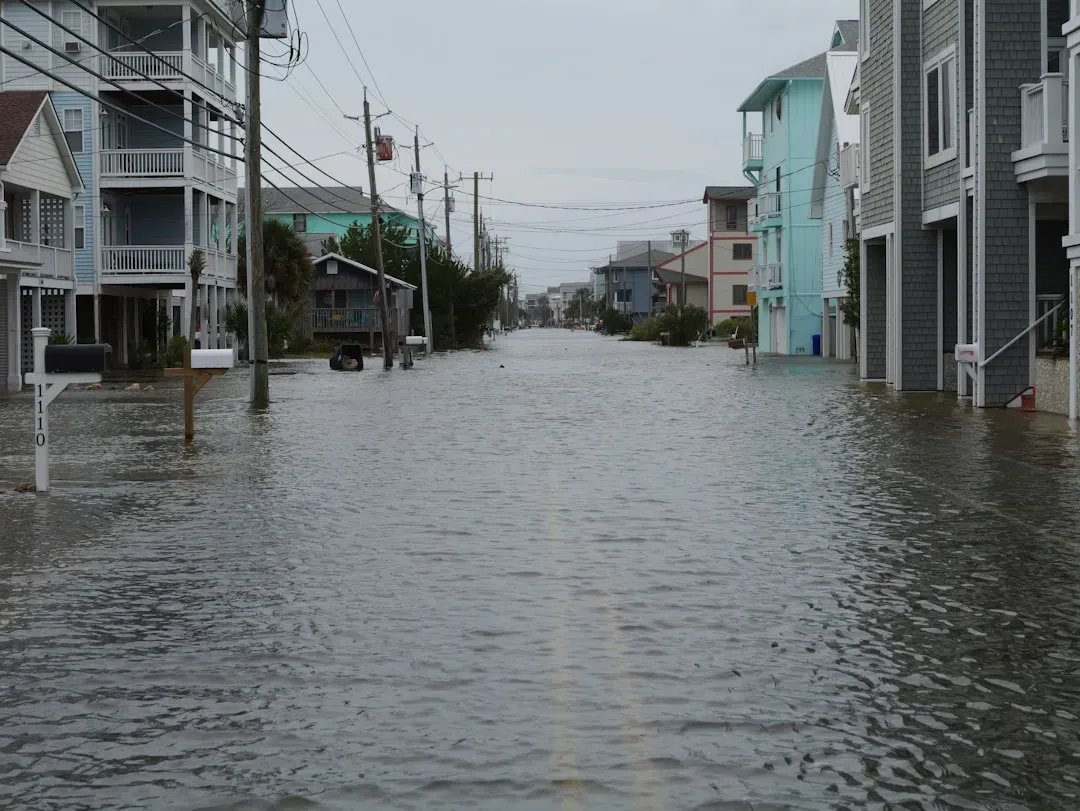
In Miami, the threat does not always arrive as a dramatic hurricane; sometimes it seeps quietly up through storm drains on clear, blue-sky days. The combination of sea-level rise, porous limestone beneath the city, and king tides has created regular “sunny day flooding” that turns streets into shallow canals and corrodes infrastructure from below. Add to this a humid, oppressive heat season that stretches longer each year, and Miami becomes a textbook case of compound coastal stress. Public health researchers warn that heat and humidity together place an especially heavy strain on the cardiovascular system, while frequent flooding increases mold, mosquito habitat, and contamination risks in vulnerable neighborhoods.
For many residents, the emotional landscape is one of beautiful sunsets paired with creeping dread. Homeowners in low-lying neighborhoods worry about the long-term value of the only wealth they may ever own, while renters in inland, slightly higher areas face rising costs as climate-aware migration pushes prices up. On the ground, this translates into subtle, everyday stressors: blocked commutes from flooded streets, the smell of stagnant water, the knowledge that another hurricane season is always around the corner. Miami’s inhospitability is thus not just meteorological but psychological, a place where people are increasingly aware that they may be living on borrowed time.
Smoke, Snow, and Silent Anxiety: Fairbanks, Alaska
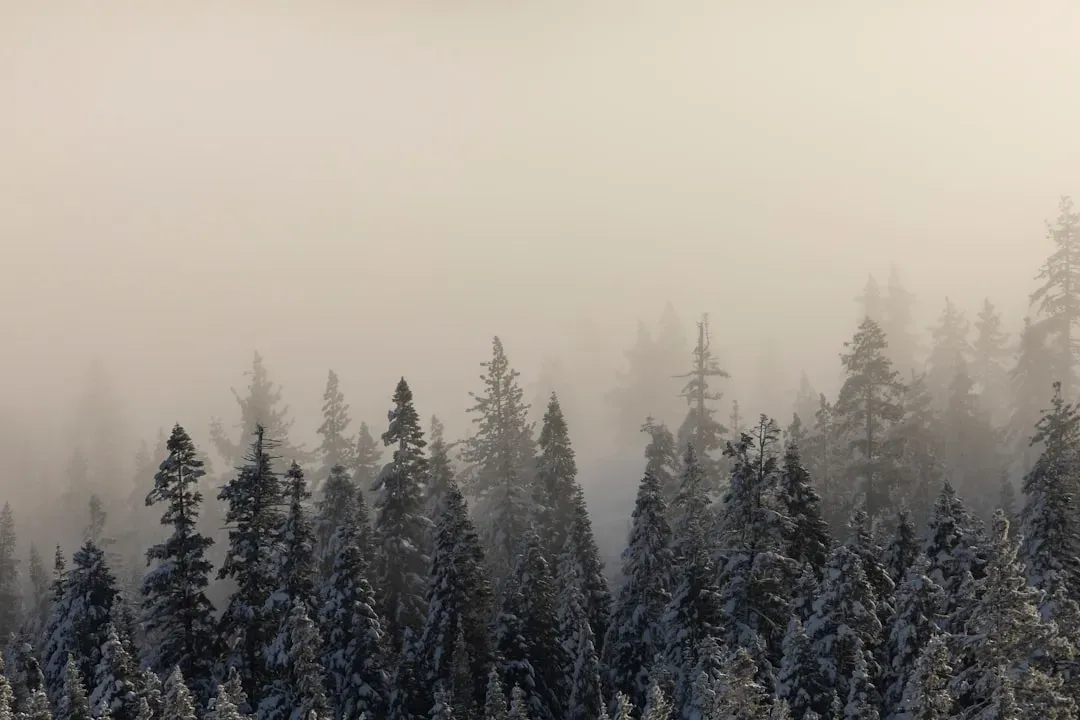
Fairbanks might seem like an unlikely entry compared with the deserts and coasts, but scientists consider it one of the most rapidly changing urban environments in the United States. Winter temperatures can plunge far below zero, with stretches where exposed skin can freeze in minutes and car batteries die repeatedly in the bitter cold. For months, the sun barely crests the horizon, shrinking daylight to a handful of dim hours and contributing to seasonal affective disorder for a large portion of the population. This long, interior darkness alone can make the city feel emotionally inhospitable, as social life contracts and daily tasks become slow-motion challenges in layered clothing.
On the flip side, summers in recent years have brought record-breaking heat and severe wildfire seasons, filling the air with smoke that can linger for days or weeks. Studies in Alaska have linked wildfire smoke and temperature swings to respiratory problems, mental distress, and disrupted traditional lifestyles, especially for Indigenous communities. Fairbanks residents now navigate the bizarre reality of both dangerous cold in winter and choking smoke and heat in summer, with climate change amplifying both extremes. The city’s inhospitability lies in this growing instability: it feels like a place no longer playing by the climatic rules people once trusted.
Why It Matters: When Cities Turn Against Their Residents
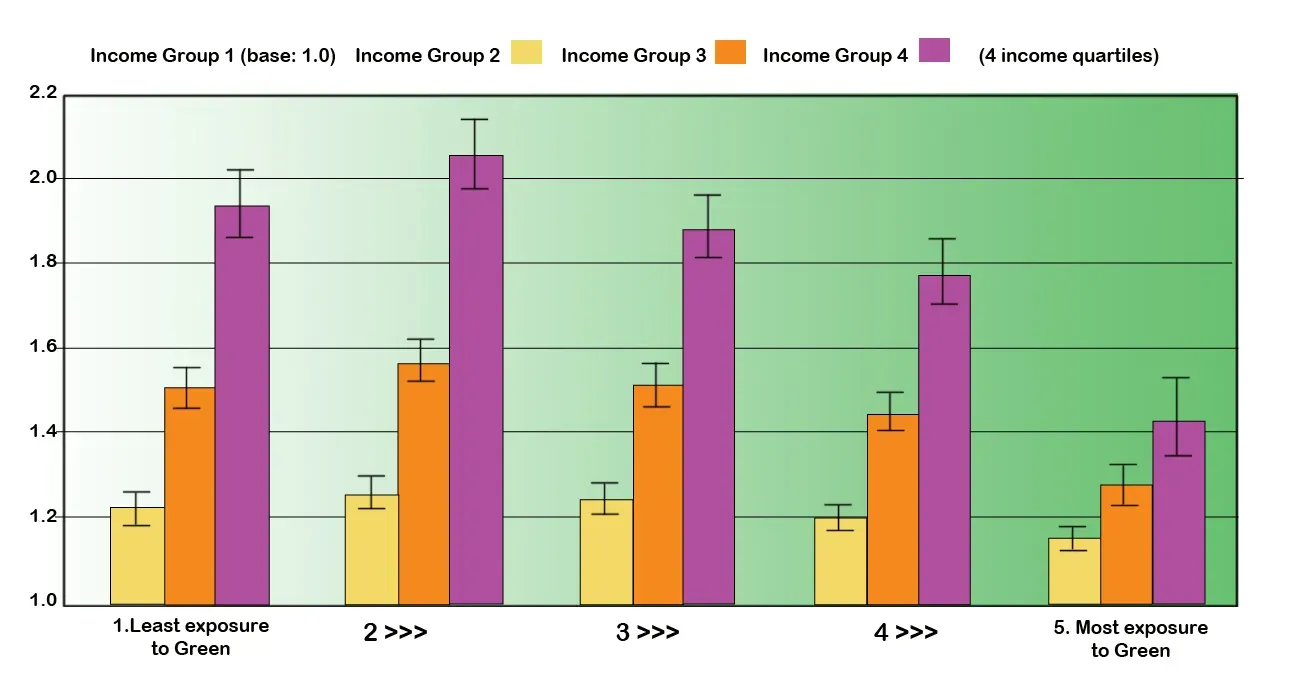
Labeling a city “inhospitable” is not about shaming the people who live there; it is about confronting a scientific and moral turning point. Urban planners, climatologists, and public health experts are increasingly mapping “human thermal comfort,” flood risk, and pollution exposure, then overlaying those maps with data on income, race, and mental health. What they often see is grimly consistent: the harshest conditions fall on the people with the fewest resources to escape or adapt. In many of these cities, low-income neighborhoods have fewer trees, more pavement, and worse building insulation, turning them into literal hot zones during extreme weather. This spatial inequality turns climate stress into a form of slow structural violence.
Compared with past generations, who often saw weather as a background inconvenience, today’s residents experience a kind of constant atmospheric pressure that shapes daily choices, health outcomes, and long-term plans. Traditional measures of livability – jobs, housing prices, cultural amenities – are now being challenged by questions like: Can my child play outside safely in summer? Will my home survive the next flood or fire season? When cities become places where stepping outdoors feels like entering a biological hazard zone for months at a time, the social contract of urban life itself starts to fray. That is why scientists argue that “inhospitable” is not just about climate – it is about justice, mental health, and the right to exist safely in the place you call home.
The Flooded Future: New Orleans, Louisiana and Houston, Texas
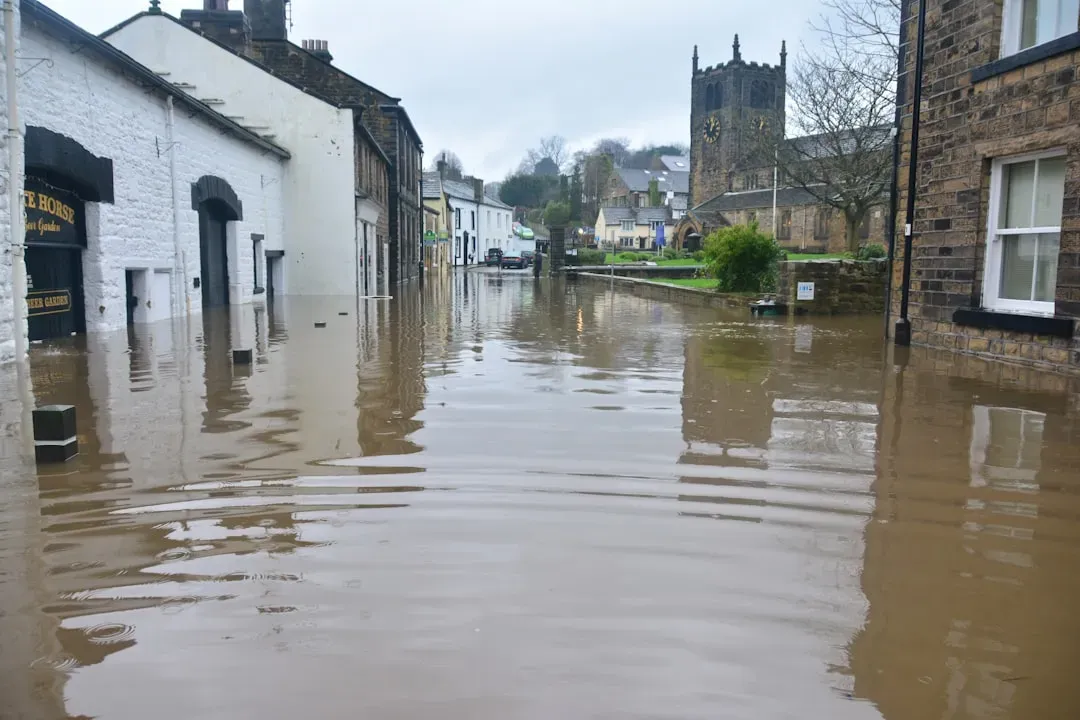
Few American cities carry the emotional weight of New Orleans when it comes to climate disaster. Built in a low-lying delta, protected by levees, and increasingly exposed to stronger, wetter storms, New Orleans lives with a constant awareness of its precarious geography. Residents can point to water lines on buildings, tell stories of evacuations, and describe the eerie quiet when a hurricane approaches and the streets empty. That ever-present risk shapes community identity but also wears on mental health, as each new storm forecast stirs memories and fear. In between disasters, the city deals with chronic flooding from heavy rains and subsidence that slowly lowers the land.
Houston, meanwhile, represents a different but equally troubling kind of inhospitability. Rapid, sprawling development over paved surfaces, combined with intense Gulf storms, has created a city where heavy rain can transform freeways into rivers in a matter of hours. Residents across large swaths of the metro area have seen so-called “once in a lifetime” floods arrive multiple times within just a few years. The emotional effect is a grinding uncertainty: Will this rain be ordinary, or will it be the one that fills my living room again? Scientists tracking these events warn that as the atmosphere warms and holds more moisture, the odds are tilting toward more frequent and severe deluges, raising questions about how many times a community can be asked to rebuild.
Choking on Progress: Bakersfield, California and the Air You Cannot See
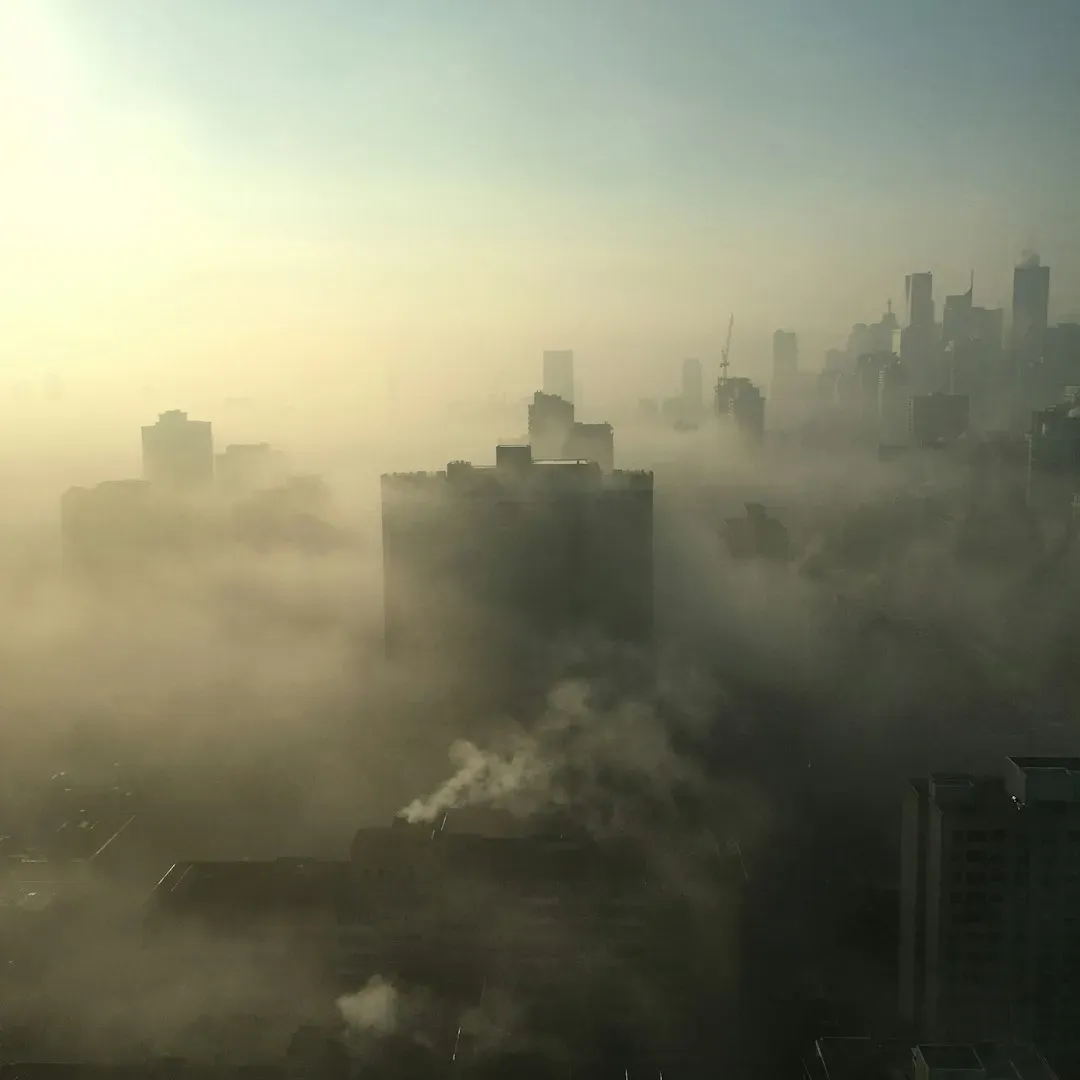
In the southern end of California’s Central Valley, Bakersfield often tops lists for the worst air quality in the nation. Encircled by mountains that trap pollution, the city sits in a basin where vehicle emissions, agricultural dust, and industrial pollutants accumulate under stagnant weather patterns. Many days each year are flagged as unhealthy for sensitive groups, and during wildfire seasons, smoke from distant blazes can drift in and mix with local smog. Breathing here is not always an obvious struggle, but over time, the fine particles and ozone exposure increase the risk of asthma, heart disease, and premature death for thousands of residents.
The emotional experience of living in a chronically polluted city is quieter but no less real than surviving a hurricane or heat wave. Parents worry when their children cough during sports, or when school officials cancel outdoor activities due to poor air quality alerts. People talk about the brownish haze on the horizon and the way sunsets glow unnaturally vivid because light scatters through particles that also lodge deep in lungs. Researchers have documented how living under such conditions can increase anxiety and depression, as people internalize a feeling that the very air around them is unsafe. Bakersfield thus becomes emblematic of a different kind of inhospitable city, one where the threat is invisible but always entering the body with every breath.
The Future Landscape: Can We Make Hostile Cities Habitable Again?
Looking ahead, scientists and urban planners are quick to stress that inhospitable does not have to mean unlivable – if we move fast and think differently. Some cities are experimenting with reflective roofing materials, urban forests, and redesigned streets that channel floodwater away from homes instead of toward them. Others are installing early-warning systems for heat waves and smoke events, and creating neighborhood cooling centers or “resilience hubs” where people can find shelter, power, and information during crises. Emerging technologies, from advanced climate modeling to new building materials that store less heat, offer promising tools, but they require political will and funding.
Globally, the lessons from America’s most inhospitable cities will echo far beyond national borders. As megacities in hotter, more humid regions grow, the same questions about heat stress, flood exposure, and air pollution will define who thrives and who suffers. The risk is that adaptation becomes a luxury commodity, available to those who can afford higher ground, private generators, or cutting-edge air filtration, while everyone else is left to endure worsening conditions. The scientific consensus is clear that reducing greenhouse gas emissions is essential, but the emotional and ethical challenge is more immediate: deciding which communities we will invest in making safer, and which we quietly allow to become too hostile for human life.
What You Can Do: From Noticing the Heat to Demanding Better Cities
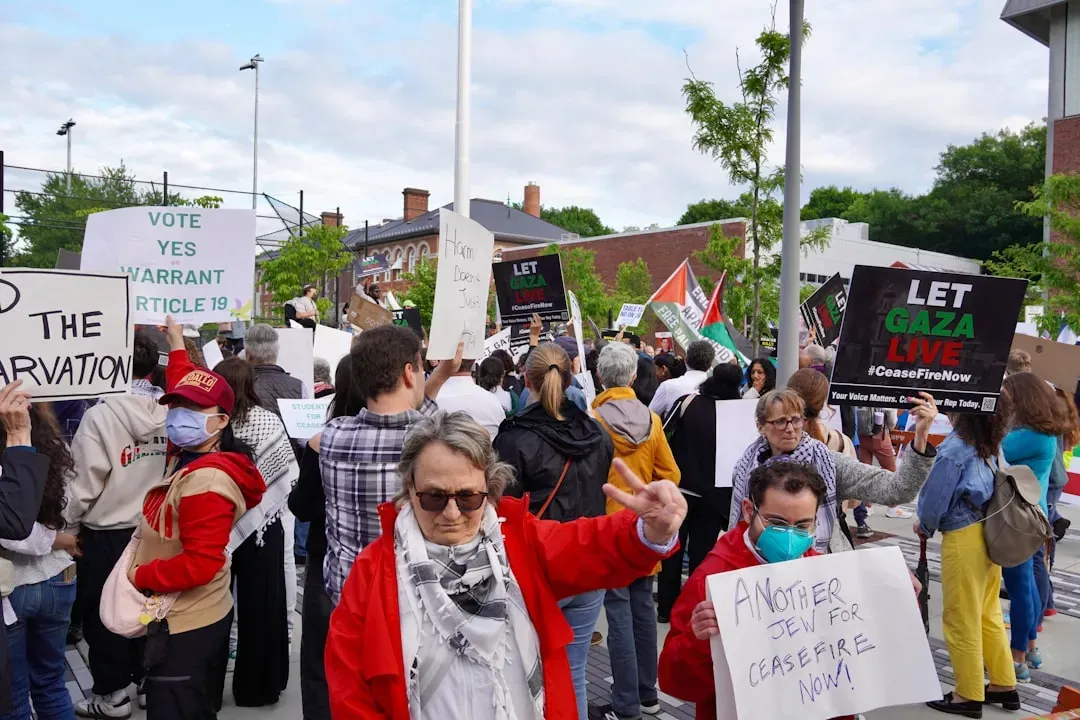
Individual actions will not cool Phoenix overnight or stop Miami’s streets from flooding, but they are far from meaningless. Paying attention to local air quality alerts, heat advisories, and flood forecasts can help you protect your own health and that of your neighbors, especially older adults, children, and outdoor workers. Simple steps – checking on someone during a heat wave, offering a ride in heavy rain, supporting cooling centers or community shelters – can literally save lives during extreme events. At the same time, how you vote, where you donate, and which projects you support at the neighborhood level can shift the political calculus toward more trees, better transit, and safer housing.
If you live in or near one of these cities, you can attend public meetings on zoning, flood control, and climate plans, or join local groups pushing for clean air rules, urban greening, or disaster preparedness. Even if you live far away, you can support organizations that advocate for climate justice and disaster relief in frontline communities. Perhaps the most powerful step is simply refusing to treat inhospitable conditions as normal – talking openly about how the heat, smoke, or floods make you feel and what you fear for the future. Cities are human creations, after all, and what we have built, we can also rebuild. The real question is how long we will wait before we decide that no one should have to feel unwelcome in their own hometown.