
Some places on Earth behave so strangely that even in 2025, with satellites overhead and robots in volcanoes, scientists are still in detective mode. These landscapes twist our expectations of life, time, and even gravity, turning the planet into a live laboratory of unanswered questions. From caves sealed off for millions of years to lakes that eat away at human flesh, the world’s most enigmatic locations are now being probed with drones, DNA sequencers, and ultra-sensitive sensors. Yet, with every new expedition, what seemed like an open-and-shut mystery usually fractures into ten new puzzles. These seven sites show how much we still do not know about our own world – and why teams keep going back, season after season, to push a little deeper into the unknown.
The Cave That Evolved Its Own World: Movile Cave, Romania
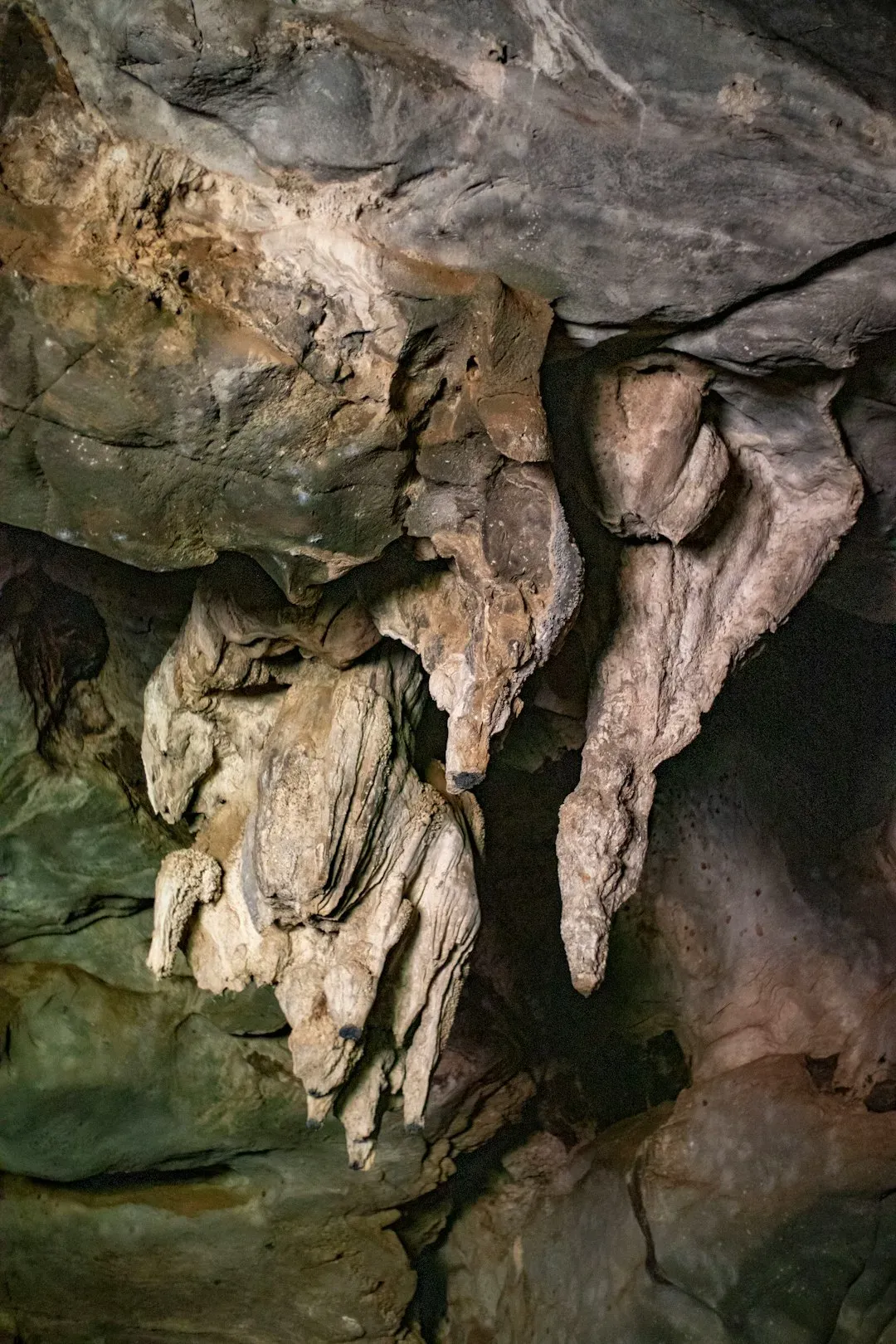
Buried beneath a scrubby field near the Black Sea, Movile Cave looks utterly ordinary from the surface, yet it hides one of the strangest ecosystems on Earth. Sealed off from sunlight and the outside air for roughly several million years, the cave runs on chemical energy rather than photosynthesis, with microbes feeding on hydrogen sulfide and methane instead of sunlight. That upside‑down energy pyramid supports spiders, insects, worms, and crustaceans that exist nowhere else on the planet, many of them blind, pale, and wildly adapted to toxic air. Because the cave atmosphere is low in oxygen and laced with carbon dioxide, ammonia, and hydrogen sulfide, access is limited to small, carefully controlled scientific teams. When researchers descend, they’re entering something closer to another planet than a typical limestone cave.
Over the last few years, microbiologists have been mapping Movile’s microbial mat in astonishing detail, using DNA sequencing to untangle which bacteria and archaea are doing what in this self‑contained food web. Recent studies show distinct microbial communities occupying different niches, from floating biofilms to sulfidic pools, suggesting a tight choreography of cooperation and competition for energy and nutrients. New metabarcoding work has also revealed a hidden universe of protists – single‑celled eukaryotes – thriving alongside the better‑known bacteria and cave invertebrates. Each expedition seems to uncover another layer of complexity, strengthening Movile’s role as a testbed for understanding how life can arise and stabilize in isolated, chemically driven environments. It is no surprise that astrobiologists are watching closely, seeing in this Romanian cave a practical rehearsal for hunting life in the dark oceans of icy moons.
The Lake That Kills and Preserves: Lake Natron, Tanzania
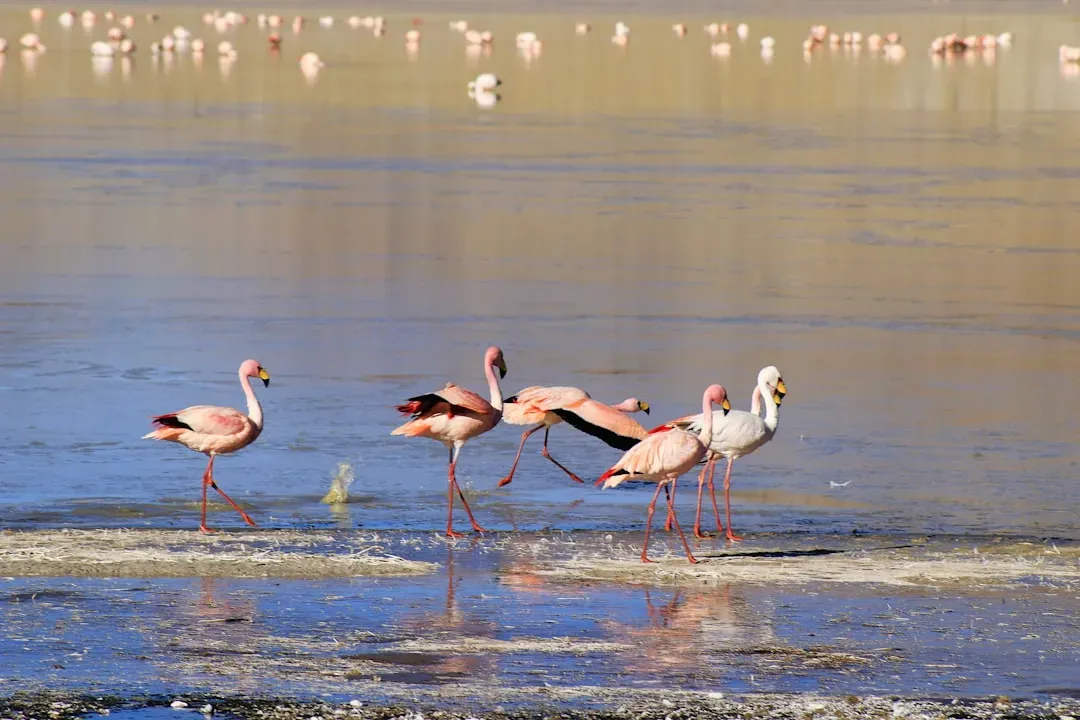
At first glance, Lake Natron in northern Tanzania looks like a mirage – a shimmering red‑orange sheet at the foot of a volcano, streaked with white crust. But get closer and the illusion shatters: this is one of the most caustic lakes on Earth, where water temperatures soar and the chemistry can strip flesh and calcify carcasses. High levels of sodium carbonate and other salts, fed by volcanic activity, push the water’s alkalinity to extremes that would kill most fish, amphibians, and mammals in short order. Yet this inhospitable soup is crowded with life of a very particular kind, including salt‑loving microbes that paint the water in shades of crimson. Huge colonies of flamingos descend here to breed, depending on the lake’s toxic isolation as a shield from many predators.
Current research teams are treating Natron almost like a natural chemical reactor, probing how extremophile microbes manage to keep their cell structures intact in such brutal conditions. They are using satellite imagery and drone surveys to track seasonal changes in water level and color, tying them to microbial blooms and flamingo nesting success. At the same time, geochemists are sampling the sediments to reconstruct how the lake chemistry has shifted through past climate swings, hoping to understand how stable this bizarre ecosystem really is. There is a human dimension too, as changing rainfall patterns and regional development could reshape the inflow that gives Natron its lethal edge. For scientists, the lake is both a living laboratory for extreme life and a fragile system that could be tipped out of balance surprisingly fast.
The Ocean’s Alien Laboratory: The Mariana Trench
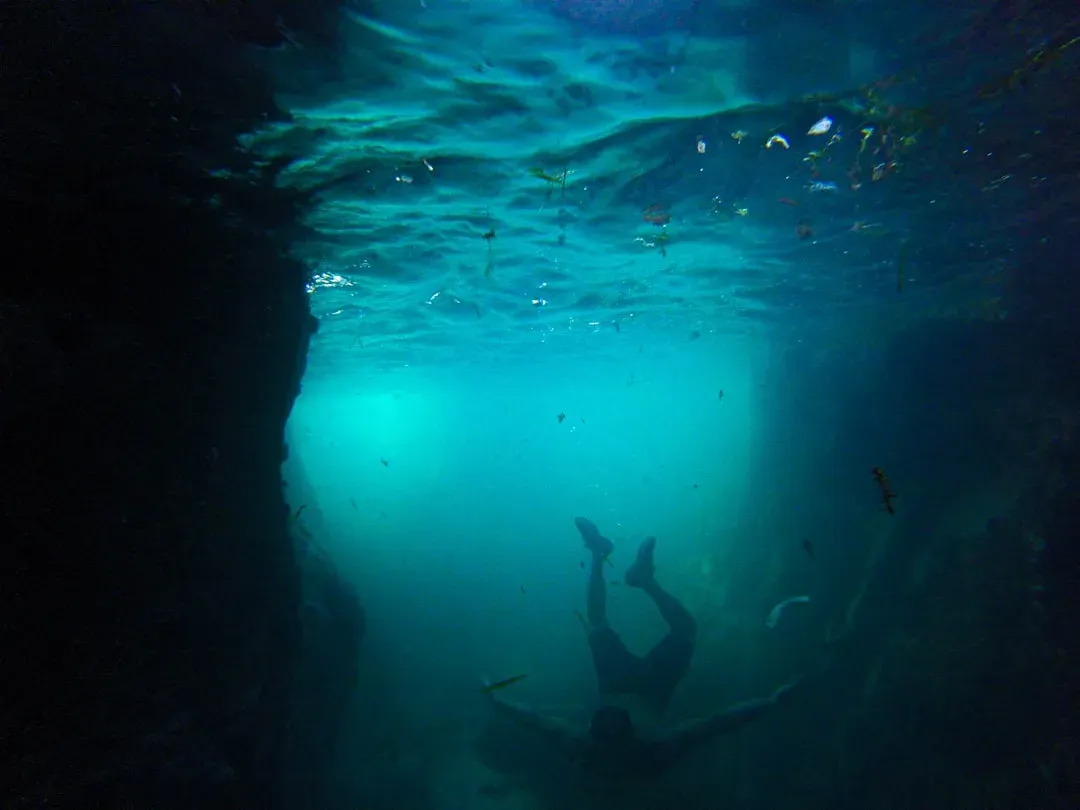
The Mariana Trench has long been shorthand for “bottom of the Earth,” but the reality is more unsettling and far less understood. Nearly eleven kilometers down in places, the trench is a crushing, pitch‑black chasm where pressures exceed a thousand times those at the surface. For decades, it existed mostly as a map label and a few grainy photos from rare submersible dives. That has started to change as new generation landers, remote vehicles, and even autonomous “landers” equipped with baited cameras have been dropped into the abyss again and again. Each mission brings back images of gelatinous creatures, strange snailfish, and microbial mats clinging to rocks dusted with metallic compounds.
Biologists are now sequencing DNA from these deep residents, discovering enzymes and cell membranes tuned to pressure and cold in ways we barely comprehend. Geochemists are sampling sediments to trace how carbon from the surface rains down and is partly trapped, partly transformed, in this trench. Another layer of mystery has emerged from the realization that human activity has already reached these depths: microplastics and industrial chemicals have been detected in trench organisms and sediments. That means the Mariana is not just an alien‑feeling lab for basic science, but also a mirror showing how far our pollution has spread. Every expedition has to balance curiosity with a sense of responsibility, knowing that even this near‑mythical place is now entangled with our species’ footprint.
The Glacier That Won’t Give Up Its Secrets: Antarctica’s Subglacial Lake Whillans
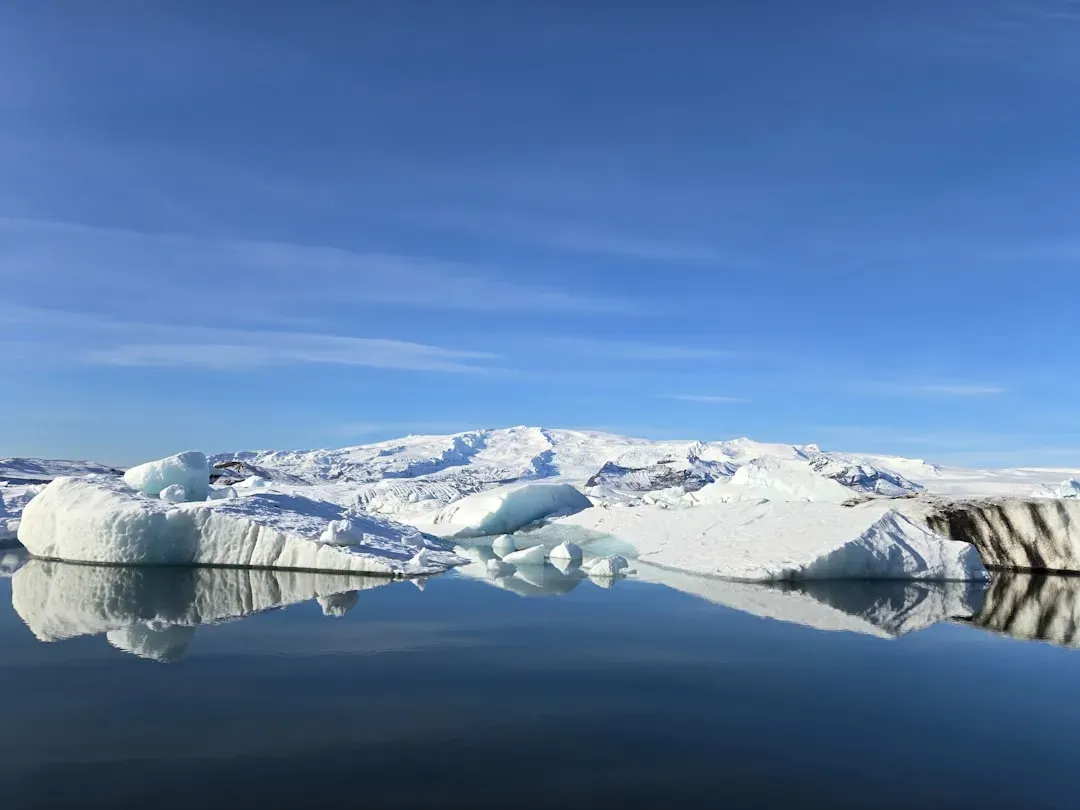
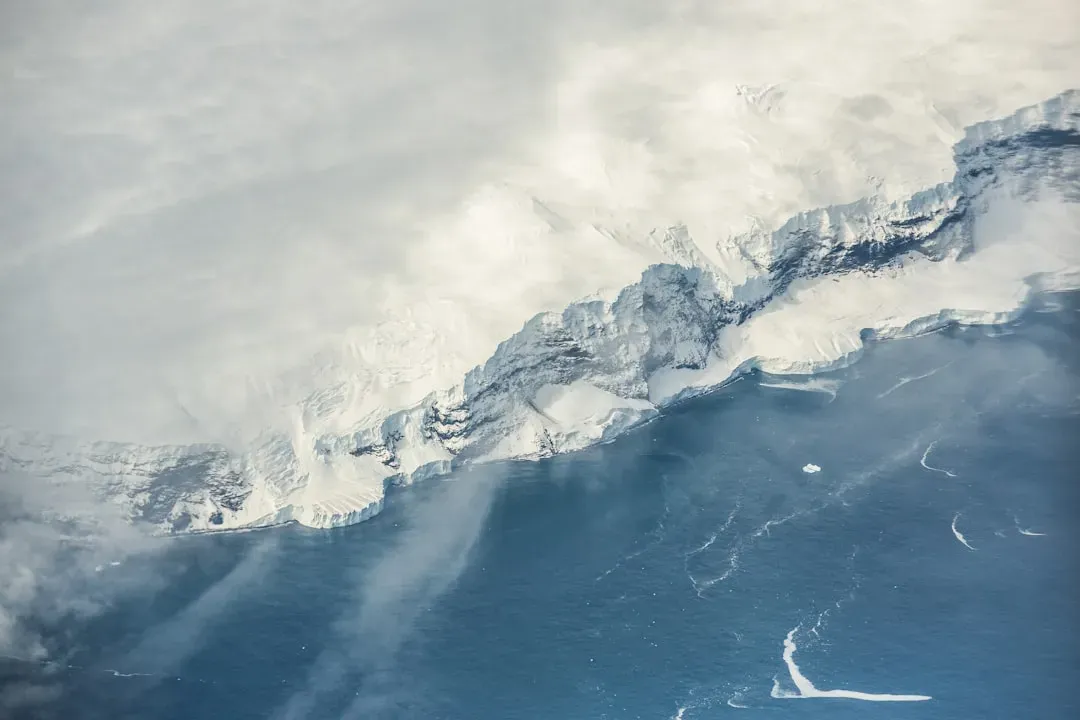
Hidden beneath roughly 800 meters of Antarctic ice, Lake Whillans is a dark, pressurized pocket of water that never sees the sun yet refuses to be dead. For years, scientists suspected something lurked under the West Antarctic Ice Sheet, based on subtle satellite measurements that showed ice rising and falling as if floating on liquid. In 2013, a hot‑water drill finally punched through, and the samples that came back stunned everyone: microbial communities were alive and active, feeding on minerals and dissolved organic matter in the frigid depths. Since then, Whillans has become a focal point for glaciologists, microbiologists, and climate scientists trying to understand how water moves under the ice and what lives there. The logistics are brutal – field seasons are short, temperatures merciless, and every drilled hole has to avoid contaminating a world that has been sealed off for millennia.
Recent campaigns have installed sensors to track how water flows in and out of the lake, revealing a pulsing hydrological system that might help lubricate the overlying ice sheet as it slides toward the ocean. That, in turn, feeds directly into questions about future sea‑level rise as the climate warms. On the biological side, researchers are increasingly interested in how these dark ecosystems fix carbon and what that says about the adaptability of life in harsh environments. Subglacial lakes like Whillans are now being compared with ice‑covered oceans on Jupiter’s moon Europa or Saturn’s moon Enceladus, making every new data point relevant beyond Earth. The irony is striking: the same place that may help predict coastal flooding in the coming centuries is also shaping our search strategies for life far out in the solar system.
The Cave That Rewrites Human Origins: Denisova Cave, Siberia
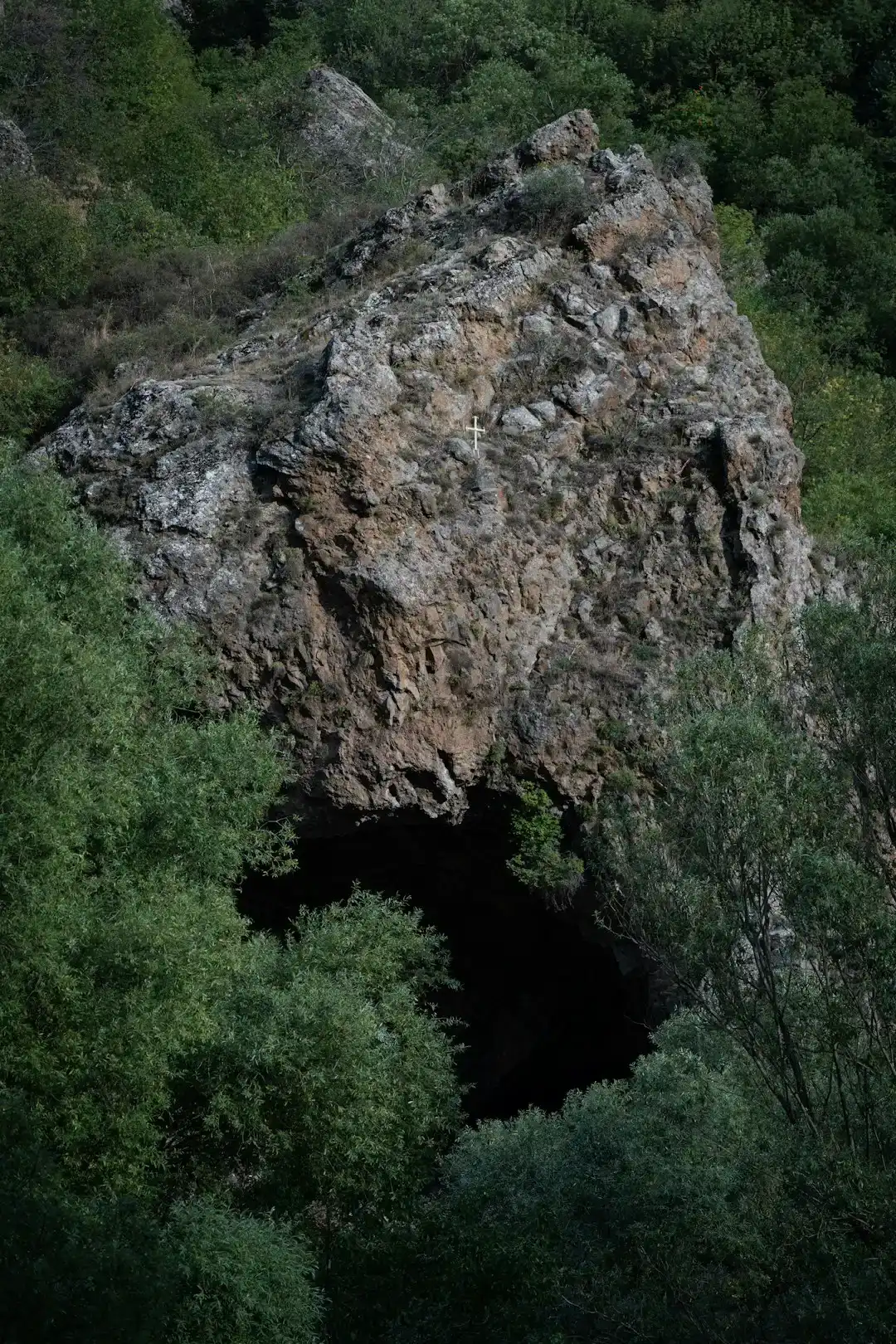
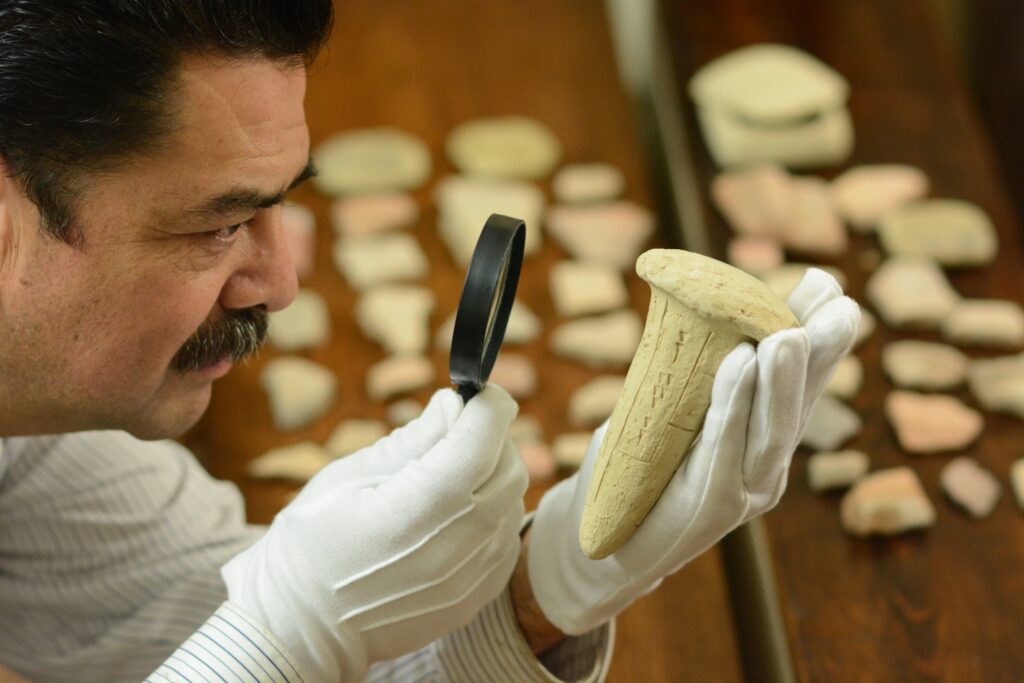
Perched on a cliff in the Russian Altai, Denisova Cave does not look particularly mysterious – until you start sifting its sediment. What began as a standard Paleolithic dig turned into a revolution in human evolution when ancient DNA extracted from a fingertip bone revealed an entirely unknown group of archaic humans, now called Denisovans. Subsequent work has shown that this cave was used by Neanderthals, Denisovans, and early modern humans at different times, making it a rare crossroads of hominin history. Today, ongoing excavations and lab analyses are less about spectacular artifacts and more about microscopic evidence: fragments of bone, dust, and sediments loaded with genetic material. Excavation infrastructure has recently been upgraded to better support both researchers and careful tourism, but the scientific work remains slow and meticulous.
Geneticists are now teasing out how often Denisovans and other hominins interbred, and what traces those encounters left in present‑day populations in Asia and Oceania. Sediment DNA is being used to build a timeline of who was in the cave, and when, even if no recognizable bones survive from certain layers. Meanwhile, climate proxies in the cave deposits are giving context, showing how temperature and vegetation outside shifted over tens of thousands of years. Denisova has become a kind of time‑compressing archive, letting scientists link genetic changes to environmental stress and migration pulses. With each new season’s material, our picture of human origins gets more tangled, suggesting that our species’ story is less a clean replacement of earlier hominins and more a braided river of contacts and exchanges.
The Mine That Bleeds Fire and Microbes: Dallol and the Danakil Depression, Ethiopia
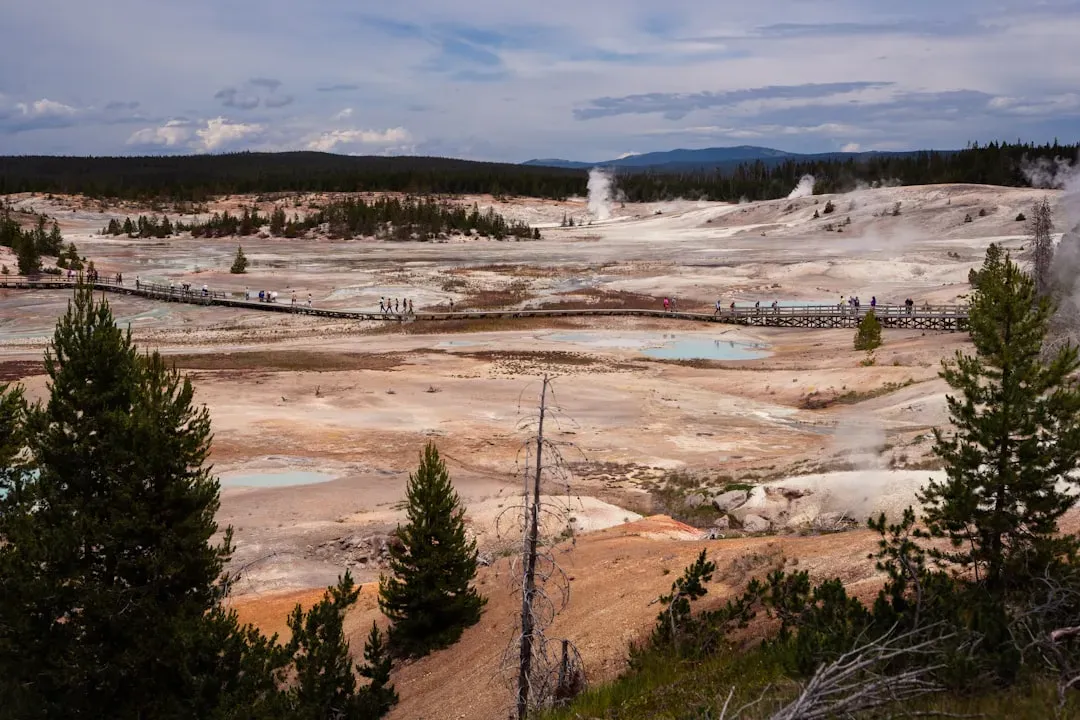
In Ethiopia’s Danakil Depression, the landscape looks like it was designed by a fever dream – pools of neon green and yellow acid, towers of salt, and plumes of noxious gas rising from the ground. The Dallol hydrothermal field sits in one of the hottest, lowest places on Earth, where air temperatures can stay brutal day and night. Here, ultra‑salty, metal‑rich, and acidic fluids bubble up through fractures, depositing bizarre mineral crusts that crackle underfoot. For a long time, the assumption was that almost nothing could live in such a chemically hostile place. Over the past decade, however, scientific expeditions have set out to test that assumption with high‑resolution chemical sensors and modern DNA tools.
The results have been controversial and fascinating: some teams report finding highly specialized microbial communities clinging to specific niches, while others argue that many apparent cells might be mineral mimics. That debate has turned Dallol into a live arena for redefining the limits of habitability and for sharpening our sampling and contamination‑control techniques. Researchers are examining how different extremes – heat, salinity, acidity – intersect, and where the real line for active life actually falls. It is not just a local curiosity; the chemistry and mineralogy here are often compared to those on Mars, making Dallol an analog for past hydrothermal environments on the Red Planet. Every season, expeditions return with new data that either strengthen or challenge previous conclusions, which is exactly what makes this site scientifically thrilling and stubbornly mysterious.
Why These Places Matter: Beyond Curiosity and Postcard Weirdness
It is easy to treat places like Movile Cave or Lake Natron as exotic curios – strange postcards from the fringes of Earth. But when you talk to the teams who haul gear through Antarctic storms or sleep in desert heat to study a toxic lake, a different picture emerges. These sites pressure‑test our ideas about where life can exist and what it needs to survive, something traditional lab experiments and temperate field sites cannot fully provide. They push biology beyond the garden and the forest, forcing researchers to confront chemical extremes, crushing pressures, and million‑year timescales. Compared with the classic textbook examples of ecosystems – rainforests, coral reefs, grasslands – these places operate according to rules that look alien at first glance.
That contrast is exactly why they are so valuable. Chemosynthetic caves challenge the long‑held picture of sunlight as the ultimate energy source for complex ecosystems. Subglacial lakes and the Mariana Trench refine our models of global carbon cycling and climate feedbacks, revealing hidden pathways by which carbon is stored or transformed. Sites like Denisova Cave complicate simple family trees of human evolution built mostly from skull shapes and stone tools, adding a genetic and environmental dimension. Collectively, these locations form a stress test for Earth science itself: if our theories hold up in Natron’s caustic water or Dallol’s acid pools, they are likely to be robust elsewhere.
The Future of Exploring Earth’s Strangest Frontiers
What happens next at these mysterious places will depend heavily on technology and international cooperation. Already, autonomous underwater vehicles and free‑falling landers are extending our reach in the Mariana Trench, collecting samples and video that no human‑occupied sub could gather regularly. In Antarctica and under remote deserts, fiber‑optic sensors, miniature seismometers, and low‑power data loggers are being left in place to monitor conditions year‑round, even when researchers are thousands of kilometers away. At sites like Denisova Cave, advances in ancient DNA extraction and sequencing are squeezing more information out of ever smaller and more degraded samples, turning what used to be “noise” into usable signals. Similar step changes are happening in environmental genomics, allowing scientists to survey entire microbial communities from a few drops of water or grains of sediment.
These tools will not magically solve every mystery; they will generate new ones just as fast. There are ethical and logistical hurdles too, from protecting fragile ecosystems from contamination to navigating political tensions in polar and deep‑sea regions. Climate change is another wild card, making access easier in some places while destabilizing the very conditions that made them so unique. Still, there is a quiet optimism among many field researchers that we are entering a golden era of exploration – one where deep Earth, deep time, and deep ocean studies finally talk to each other. The next decade will likely bring not just incremental progress, but a few genuine shocks to our understanding of what Earth can be.
How You Can Be Part of the Exploration
Most of us will never rappel into Movile Cave or ride an icebreaker to Antarctica, but that does not mean these mysteries are someone else’s business. The same funding systems that support more familiar conservation projects also underpin the logistics and lab work behind extreme‑environment science. Supporting organizations that invest in basic research, polar science, and ocean exploration – whether through donations, membership, or simply voting for science‑friendly policies – has a direct effect on whether expeditions get off the ground. Even something as simple as paying attention to where your seafood comes from or how much plastic you use connects back to deep‑sea sites already showing the fingerprints of pollution.
If you want to go a bit deeper, many research programs now share open data, field diaries, and live streams from ships and remote stations, making it possible to follow along in near real time. Universities, museums, and science centers frequently host talks and exhibitions about these locations, and showing up – physically or online – sends a clear signal that the public cares. Teachers and parents can fold these stories into classrooms and conversations, so the next generation grows up seeing Earth not as a finished map, but as an ongoing investigation. The planet still has places that feel as puzzling as science fiction worlds; whether we learn from them in time is partly up to how curious and engaged we decide to be.
Suhail Ahmed is a passionate digital professional and nature enthusiast with over 8 years of experience in content strategy, SEO, web development, and digital operations. Alongside his freelance journey, Suhail actively contributes to nature and wildlife platforms like Discover Wildlife, where he channels his curiosity for the planet into engaging, educational storytelling.
With a strong background in managing digital ecosystems — from ecommerce stores and WordPress websites to social media and automation — Suhail merges technical precision with creative insight. His content reflects a rare balance: SEO-friendly yet deeply human, data-informed yet emotionally resonant.
Driven by a love for discovery and storytelling, Suhail believes in using digital platforms to amplify causes that matter — especially those protecting Earth’s biodiversity and inspiring sustainable living. Whether he’s managing online projects or crafting wildlife content, his goal remains the same: to inform, inspire, and leave a positive digital footprint.