
We like to think humans sit comfortably at the top of the food chain, but there are predators we barely ever see, even with satellites, camera traps, and DNA tools on our side. The world’s most elusive wild cats live mostly as rumors and shadows, leaving behind claw marks, paw prints, and the occasional blurry trail-cam image. Yet these same animals are now at the center of a surprising scientific revolution that is changing how we understand not just ecosystems, but our own biology. By tracking the lives of hidden felines, researchers are uncovering how stress, hormones, immunity, and even resilience work in large mammals – offering eerie parallels with human health. In the process, they are turning ghost cats into powerful messengers about the future of both wildlife and people.
The Hidden Clues: What Ghost Cats Reveal About Our Own Bodies
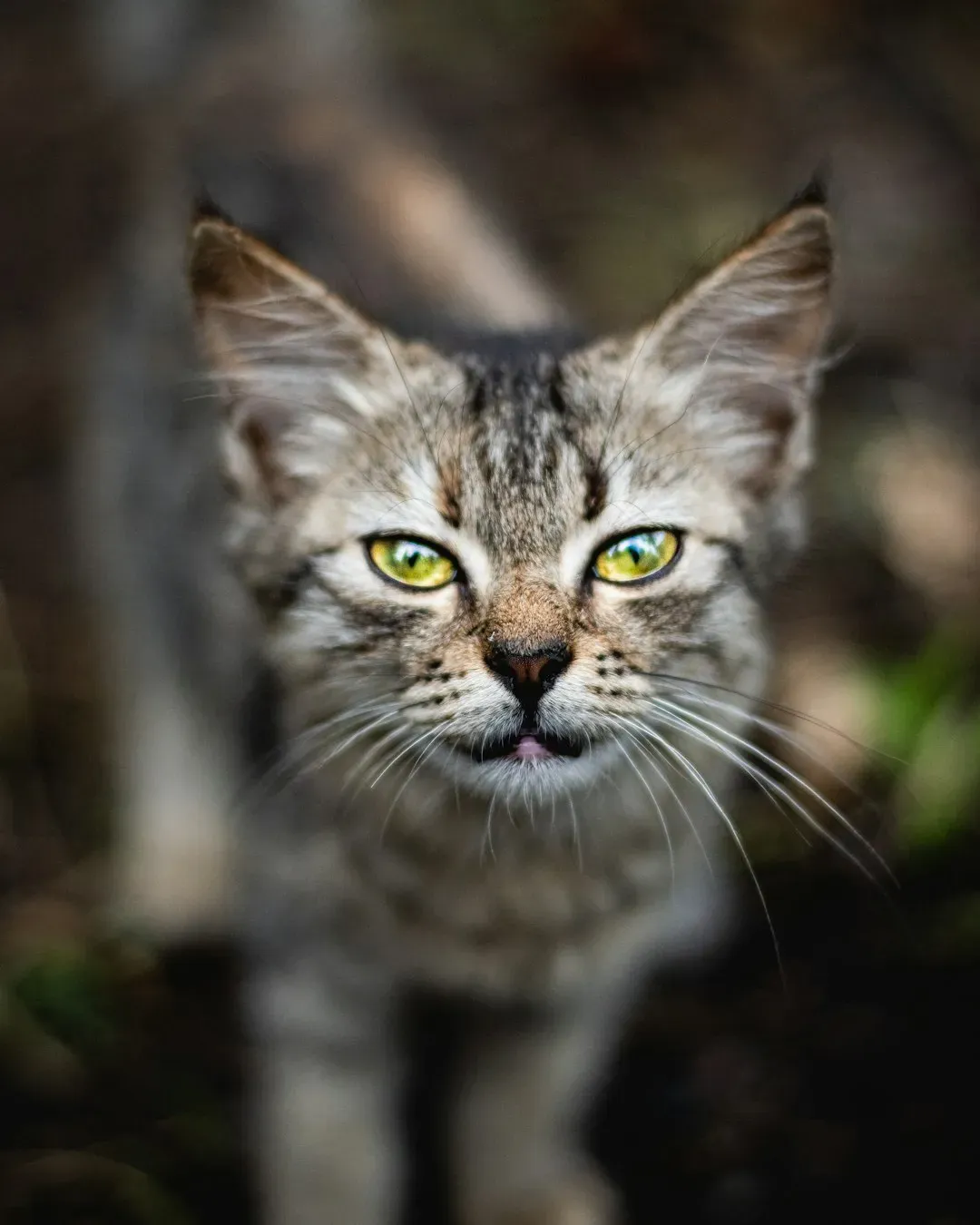
It sounds almost mythical: scientists learning about human biology from animals they almost never see. But that is exactly what is happening with the world’s shyest wild cats, from snow leopards high in the Himalaya to clouded leopards in Southeast Asian forests. Instead of relying on blood draws or direct observation, biologists are learning to read the “biological graffiti” these cats leave behind – scat, shed hair, saliva on kill sites, and even tiny bits of skin cells rubbed off on plants. Inside those traces are hormones, immune markers, and fragments of DNA that tell intricate stories about stress, reproduction, aging, and disease. The same molecular pathways that govern how a snow leopard handles chronic stress on a freezing cliff, for example, overlap with those shaping how our own bodies respond to pressure and hardship.
Researchers now treat these elusive cats like living, breathing experiments in extreme physiology that we could never ethically replicate in humans. How does a Pallas’s cat survive brutal cold and oxygen-thin plateaus without its heart failing? What does a bay cat’s immune system look like when it persists in fragmented Bornean forests overrun by human activity? These questions are not just about wildlife trivia; they are quietly informing how we think about human resilience, cardiovascular stress, and the biology of trauma. The mystery of these cats is no longer just about where they hide, but about what their bodies are quietly demonstrating that ours can, or cannot, do.
From Ancient Tracks to Molecular Forensics
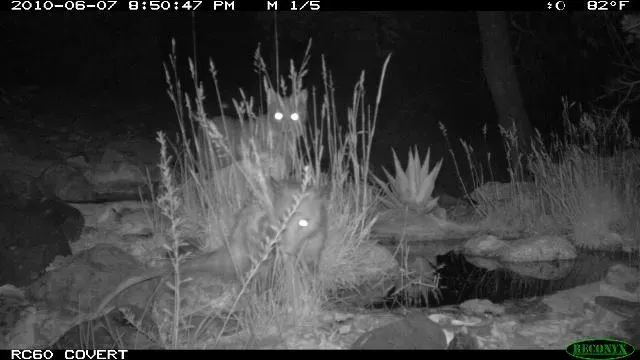
For most of human history, wild cats were studied the way our ancestors tracked them: by footprints in mud, scratch marks on trees, and occasional sightings in the corner of a campfire’s light. Field biologists inherited that old-school approach, logging tracks, scat piles, and livestock kills to guess which species moved through a valley. It was slow, biased toward the boldest animals, and often wrong. A leopard and a clouded leopard track can be confusingly similar, especially in slippery soil or on leaf litter. Many of the most elusive cats simply “didn’t exist” in the scientific record for years because nobody happened to be in the right place at the right time.
Over the last two decades, that has changed dramatically with the rise of molecular forensics. Non-invasive DNA testing of scat and hair can now confirm which species passed through, how many individuals are there, and sometimes even whether they are related. Hormone analysis from feces can reveal whether females are pregnant, males are stressed, or a population is under physiological strain from human disturbance. Camera traps and acoustic sensors add another layer, allowing automated pattern recognition to match spot patterns or even identify individuals. What once felt like reading a mystery novel with most of the pages ripped out now feels more like piecing together a densely annotated case file.
The 10 Elusive Cats and the Human Stories Hidden in Their Cells
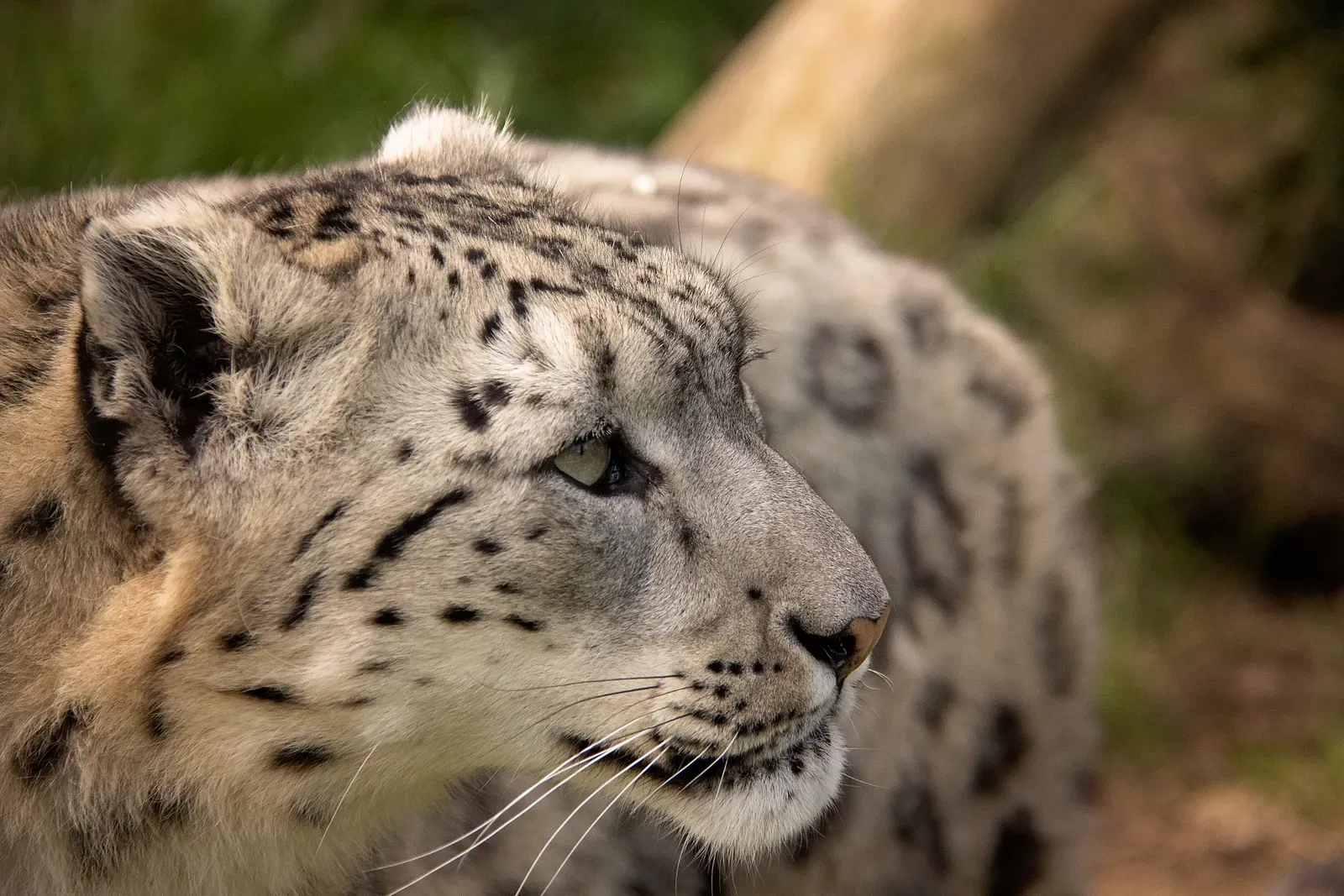
Line up the most elusive , and you get a cast of biological outliers: snow leopards, clouded leopards, Sunda clouded leopards, Andean cats, bay cats, Pallas’s cats, African golden cats, Bornean marbled cats, Asiatic golden cats, and the Iberian lynx. Each species has carved out a niche where human eyes rarely linger – places that push bodies to their limits in altitude, stealth, or scarcity. Snow leopards prowl terrain where even experienced mountaineers struggle to catch their breath, while Andean cats haunt rocky deserts that most people will never visit. Bay cats, golden cats, and marbled cats slip silently through dense rainforest where visibility can drop to just a few meters. Their survival strategies are like nature’s stress tests, running biological systems at the edge of what seems possible.
When scientists study these animals’ physiology, they are effectively running comparative experiments on how large mammals handle extremes that echo our own struggles with harsh environments and chronic stress. Some of the most intriguing findings come from stress hormone patterns, which appear to differ between cats living under constant human disturbance and those truly isolated in remote wilderness. In some cases, stress markers remain surprisingly low even in harsh conditions, hinting at biological mechanisms that buffer against mental and physical overload. By understanding how these felines avoid burning out under constant threats – cold, hunger, predators, and us – researchers hope to better grasp why human stress systems sometimes spiral into cardiovascular disease, depression, or immune failure. The cats are not just conservation stories; they are case studies in how bodies cope, adapt, and sometimes break.
Why It Matters: From Vanishing Predators to Human Health
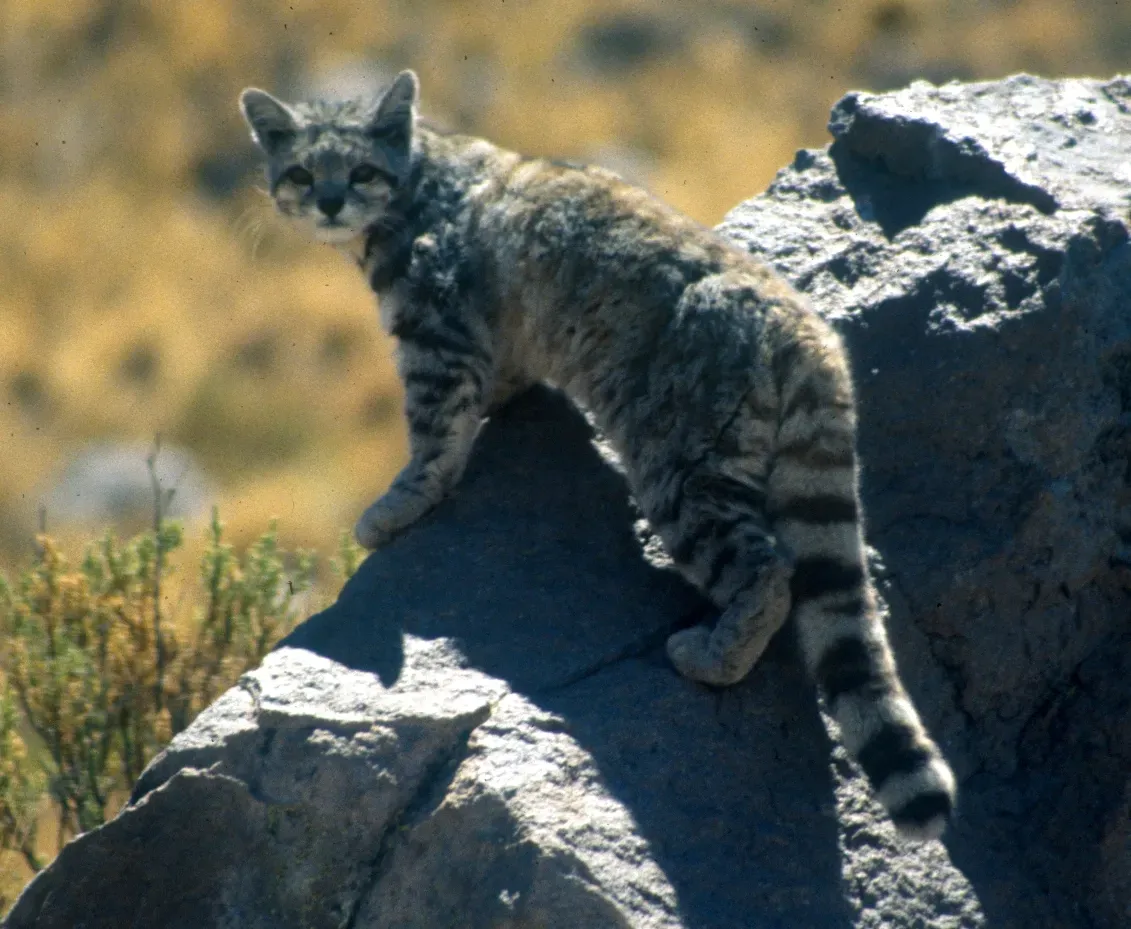
At first glance, the disappearance of an Andean cat might seem worlds away from the air we breathe in a crowded city or the way our heartbeat changes under stress. But apex and near-apex predators shape ecosystems in ways that directly and indirectly feed back into human biology. When elusive wild cats vanish from mountain slopes or forests, prey species often explode in number, vegetation patterns shift, and disease-carrying rodents can surge. Those shifts affect water quality, crop stability, and the pathogens that leap from wildlife to people. In that sense, every ghost cat is part of a safety net holding up our own health.
There is also a quieter, more intimate link: many of the hormones, neurotransmitters, and immune pathways studied in these cats are the same ones monitored in human clinics. When biologists map how chronic disturbance changes stress hormones in snow leopards, they are exploring the same stress axes involved in human burnout and cardiovascular disease. When they track genetic diversity in tiny populations of Iberian lynx, they are grappling with issues of inbreeding, fertility, and rare disease risk that echo in human genetics. By treating elusive felines as sentinels of ecosystem and physiological health, scientists get an early warning system – with insights that can shape everything from mental health research to pandemic preparedness. Ignoring these animals is, in a sense, ignoring field data from living, breathing analogues of ourselves.
Global Perspectives: Shared Landscapes, Shared Physiology
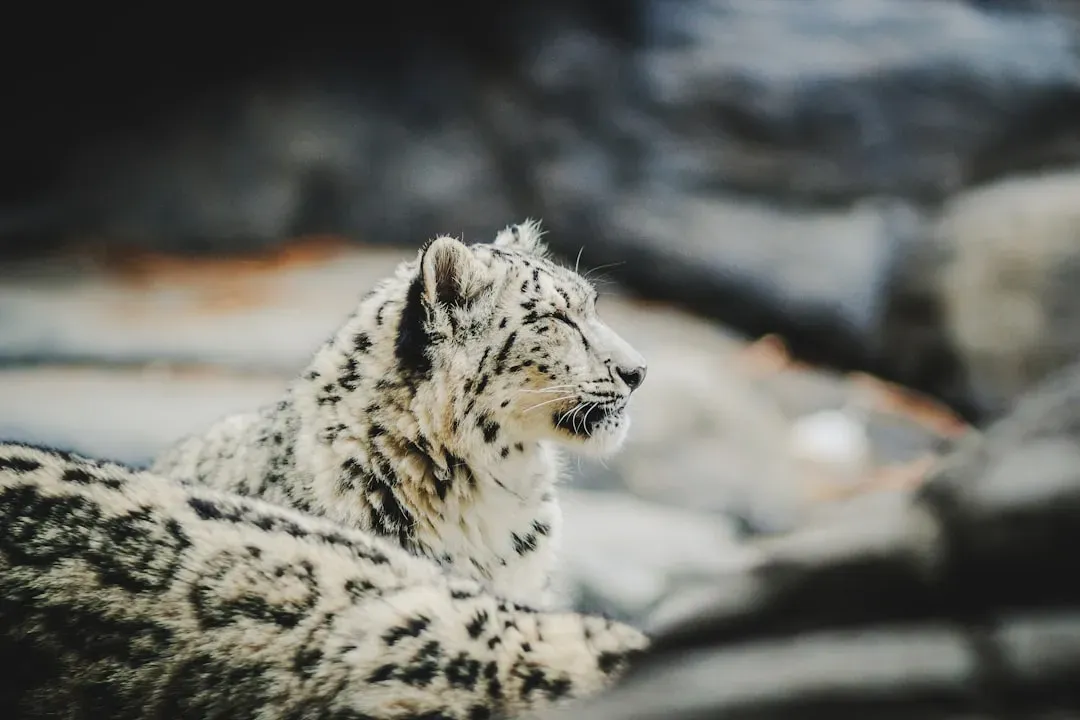
One of the striking things about the world’s most elusive cats is how closely their fates mirror those of remote human communities. In the Himalaya, for example, snow leopards, herders, and high-altitude villagers all live under the same thin air, harsh cold, and increasingly unpredictable climate. Research on oxygen use, blood chemistry, and heart function in these cats feeds into a broader understanding of how human bodies adapt – or fail to adapt – to similar conditions. In the Andes, the ghosts of the rock slopes, the Andean cats, face water scarcity and shrinking habitat that look eerily similar to problems for nearby communities. Studying these animals becomes a way of studying how all large mammals, humans very much included, navigate rapid environmental change.
In tropical forests, the parallels are more about fragmentation and chronic pressure than altitude and cold. Small, shy cats like bay cats, marbled cats, and golden cats persist in forests sliced by roads, plantations, and settlements, dealing with noise, pollution, and constant disturbance. Nearby, human bodies wrestle with many of the same stressors, from sleep disruption to exposure to new pathogens. Scientists increasingly see these shared landscapes as natural experiments where multiple species are forced to adapt together. When wild cats fail to adapt and disappear, it is often a preview of what happens when human biology hits its own limits under sustained environmental pressure.
The Hidden Physiology: Stress, Immunity, and Survival Strategies
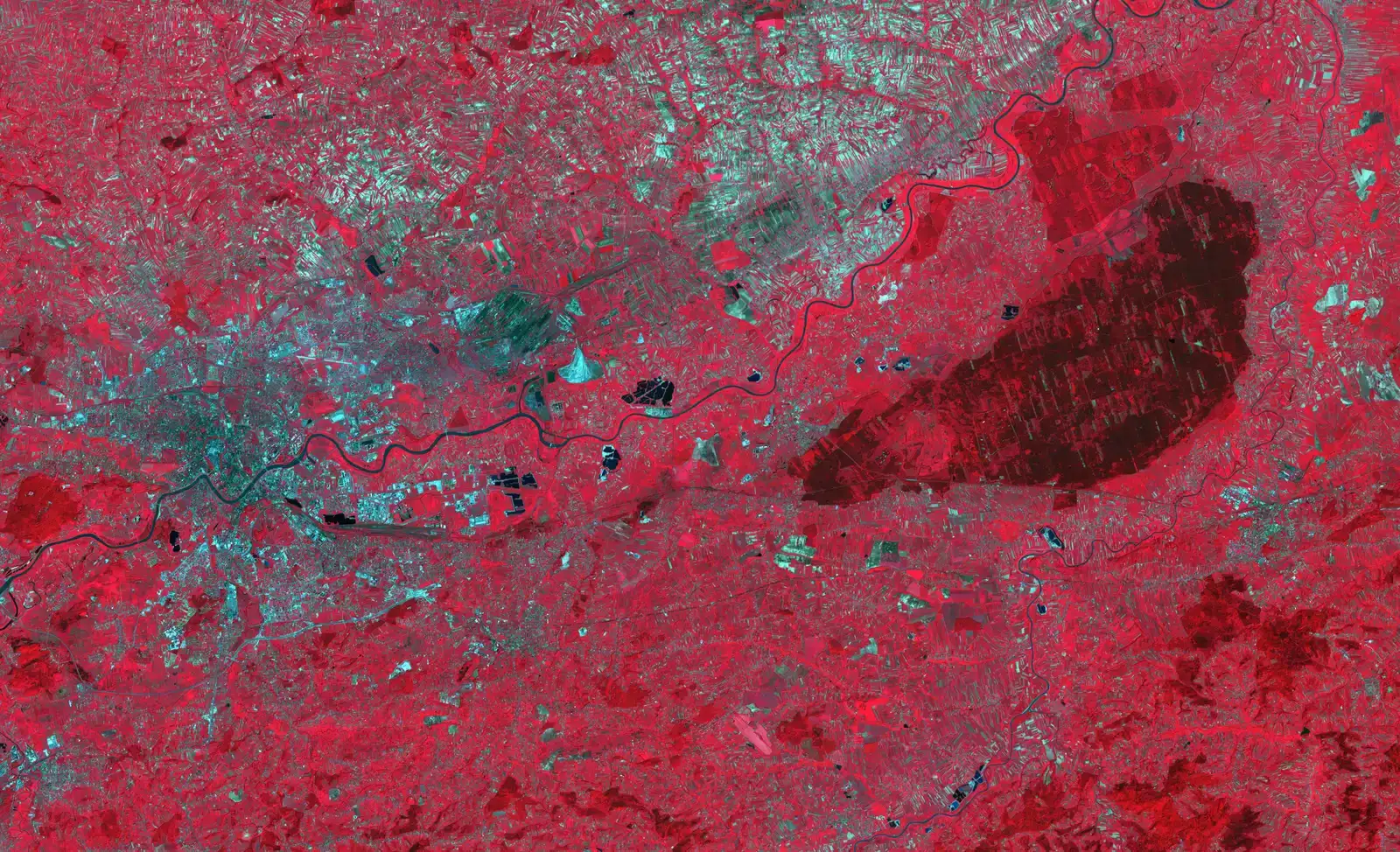
Peering into the internal lives of elusive cats has become a surprisingly powerful way to test biological ideas about stress and resilience. Fecal hormone analysis, for instance, has revealed that cats living near roads, mining areas, or heavy tourism often have elevated stress hormones compared with those in more isolated regions. Yet some species show a remarkable capacity to damp down those signals over time, suggesting built-in mechanisms to prevent chronic stress from wrecking their immune systems. This has immediate echoes in human medicine, where long-term stress is linked to cardiovascular disease, metabolic disorders, and depression. Watching which cat populations tip from resilience into collapse helps scientists probe where those thresholds lie.
Immune profiles, teased out from blood samples taken from sedated individuals or inferred from genetic markers in scat, are providing another layer of insight. Certain elusive cats maintain surprisingly robust immune diversity despite tiny population sizes, while others show worrying signals of inbreeding and vulnerability to disease. This variation offers a natural testbed for theories about immune system “plasticity” and how much genetic diversity is truly needed to stay healthy. For humans, understanding how these wild systems balance risk and resilience under relentless pressure could inform everything from vaccine strategies to how we monitor chronic inflammation. In each case, a barely glimpsed predator becomes a kind of living model organism, running experiments in the wild that our own ethics would never allow in the lab.
The Future Landscape: New Technologies and New Ethical Questions
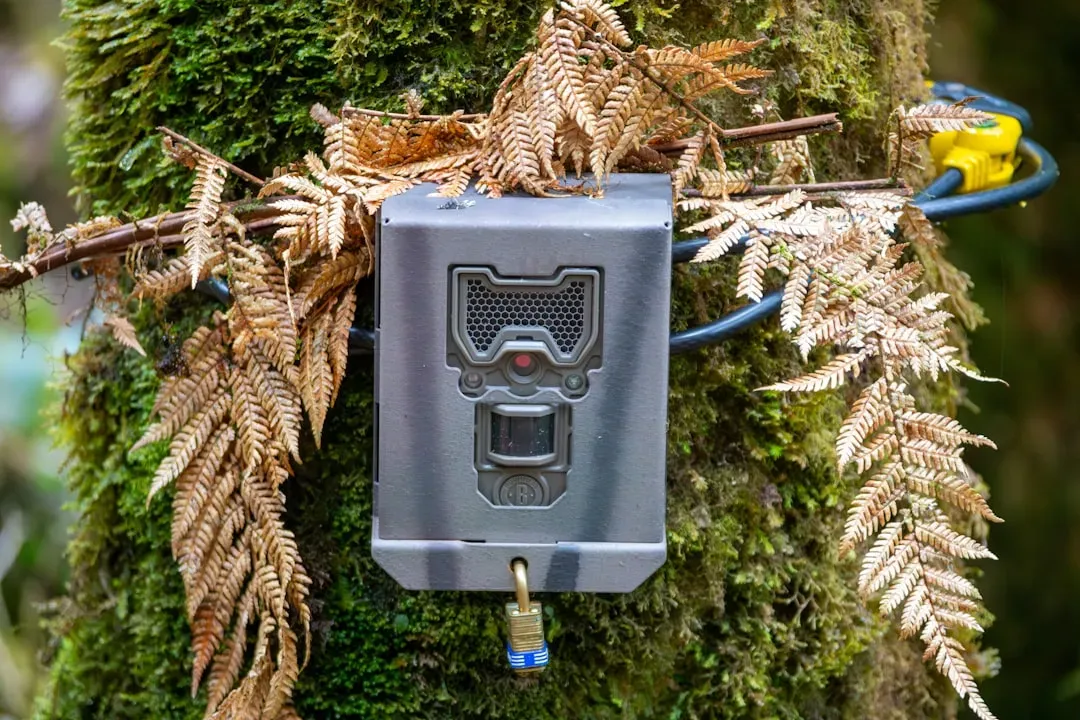
The next decade of ghost-cat science will likely be defined as much by technology as by field boots and binoculars. Environmental DNA, or eDNA, now allows researchers to detect elusive cats from traces of skin, saliva, or scat washed into streams and puddles, turning entire river systems into surveillance networks. Machine learning models already comb through millions of camera trap images to spot the faint outline of a clouded leopard or a Pallas’s cat against rocks. Portable field labs can analyze hormone levels or DNA within hours instead of months, making it possible to adjust conservation plans almost in real time. As these methods mature, scientists will be able to track the health, stress, and movement of elusive cats with a level of detail that once seemed like science fiction.
But with that power come tricky ethical questions that resonate with debates in human health research. How much monitoring is too much, even if the subject is a wild animal and not a patient? When does genetic rescue – moving individuals or altering genes to save a species – start to look uncomfortably like genetic engineering? Around the world, conservationists, local communities, and policymakers are beginning to debate where the lines should be drawn. In many ways, these conversations mirror discussions about data privacy, genetic editing, and surveillance in human populations. The way we choose to watch, manipulate, or protect elusive cats will say a lot about how we think human biology should or should not be controlled in the decades ahead.
How You Can Be Part of the Story
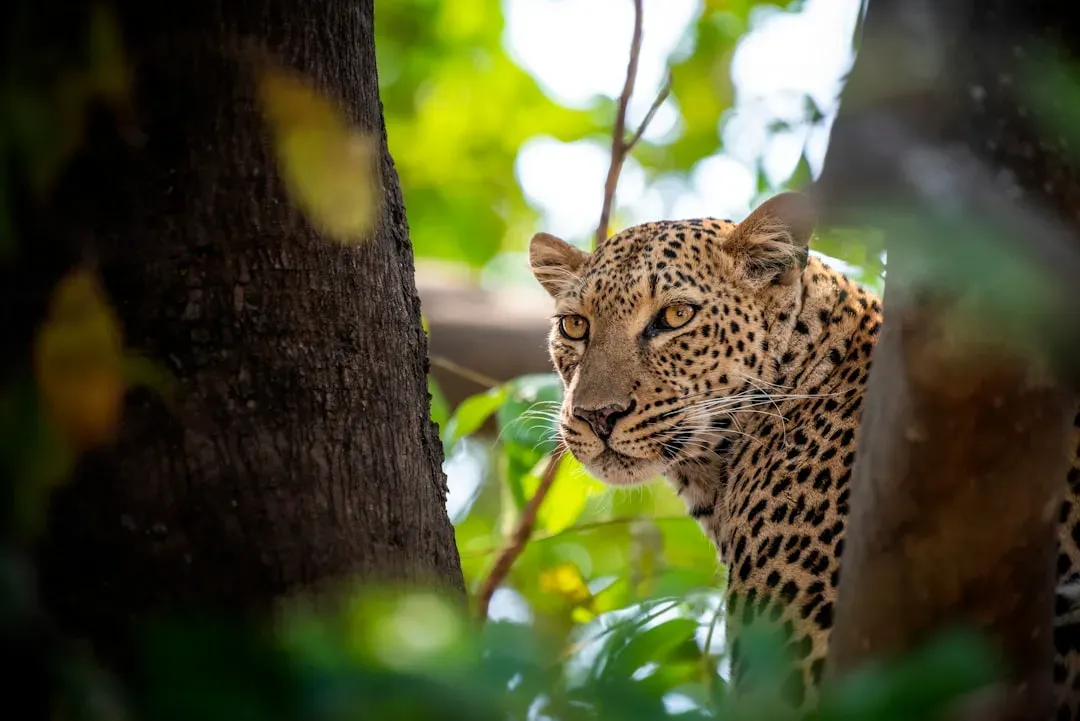
It is easy to assume that the fate of a snow leopard on a distant ridge or a bay cat in a Bornean forest has nothing to do with your daily life. But the research that depends on these animals is fueled by choices people make far from their habitats. Citizen science platforms increasingly allow volunteers to help sift camera trap images, flagging potential cat sightings that algorithms might miss. Donations to vetted conservation groups support field teams that collect the data underpinning both wildlife management and broader biomedical insights. Even simple actions like reducing unnecessary consumption of products linked to deforestation, or supporting policies that limit greenhouse gas emissions, ripple outward into the landscapes these cats need.
On a more personal level, paying attention to stories about elusive wildlife can reshape how we think about our own bodies. The same stress systems that surge when a golden cat hears a chainsaw at the forest edge are at work when we doomscroll the news late at night. The same fragile balance between resilience and collapse plays out in our immune systems when we burn the candle at both ends. By following the science of these hidden predators, we end up reflecting on our own limits and possibilities. For a creature you may never see in your lifetime, that is a surprisingly intimate connection.
Suhail Ahmed is a passionate digital professional and nature enthusiast with over 8 years of experience in content strategy, SEO, web development, and digital operations. Alongside his freelance journey, Suhail actively contributes to nature and wildlife platforms like Discover Wildlife, where he channels his curiosity for the planet into engaging, educational storytelling.
With a strong background in managing digital ecosystems — from ecommerce stores and WordPress websites to social media and automation — Suhail merges technical precision with creative insight. His content reflects a rare balance: SEO-friendly yet deeply human, data-informed yet emotionally resonant.
Driven by a love for discovery and storytelling, Suhail believes in using digital platforms to amplify causes that matter — especially those protecting Earth’s biodiversity and inspiring sustainable living. Whether he’s managing online projects or crafting wildlife content, his goal remains the same: to inform, inspire, and leave a positive digital footprint.