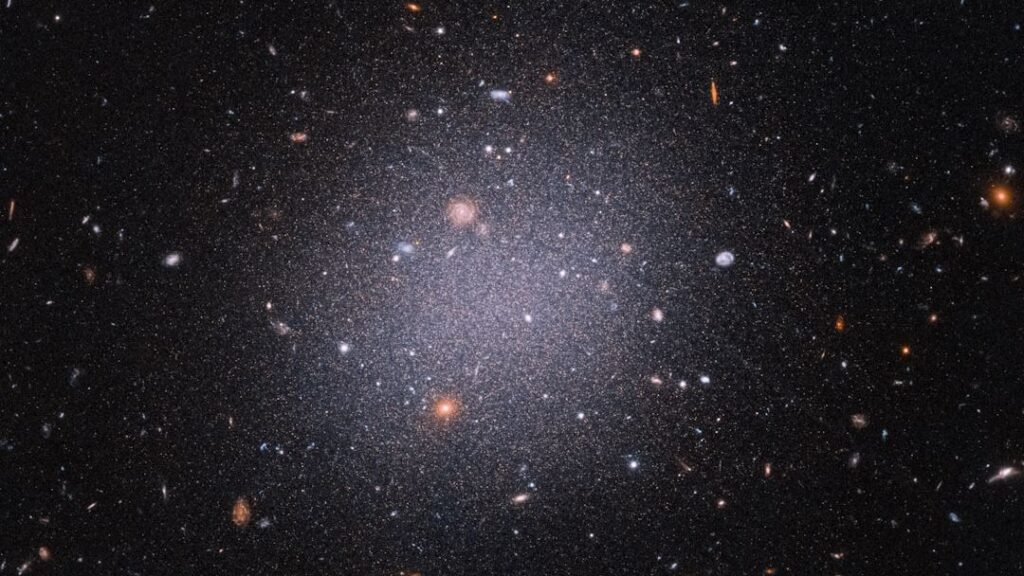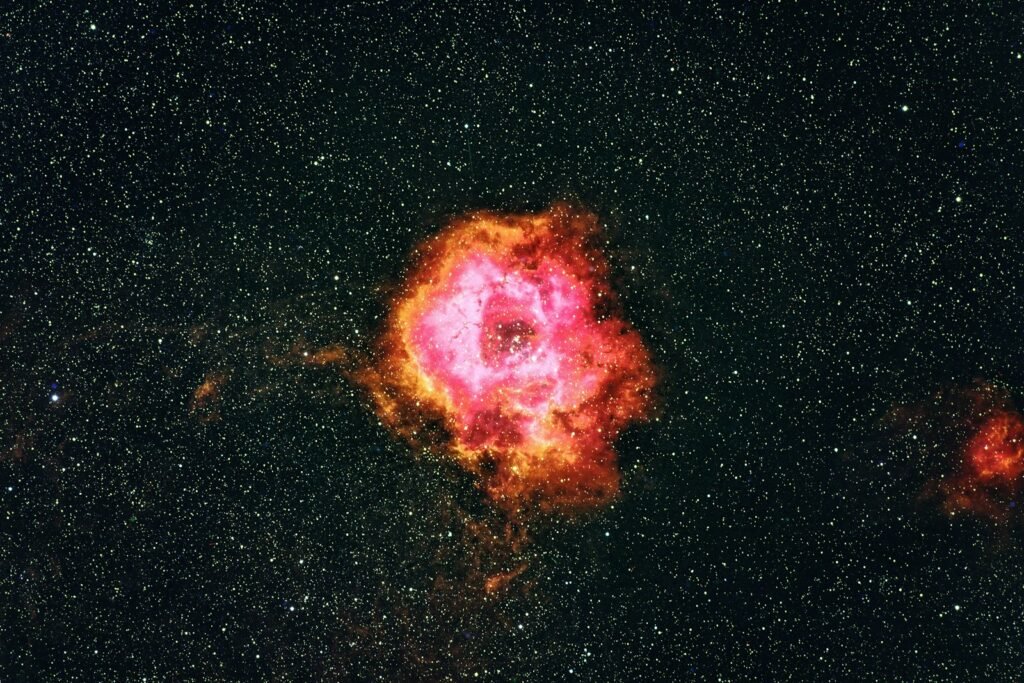

For decades, astronomers thought the earliest stars were little more than distant pinpricks, silent witnesses to a universe still finding its shape. Now, those same ancient suns are turning into loud storytellers, upending long-held theories about how galaxies, black holes, and even the elements in our blood first formed. Using a new generation of telescopes and ultra-precise instruments, researchers are catching these stellar relics in the act of revealing what really happened in the universe’s chaotic youth. The emerging picture is stranger and more dramatic than most textbooks suggested, full of cosmic fossils, missing metals, and giant stars that lived fast and died explosively. As the data piles up, one thing is clear: the universe’s oldest stars are not just background objects – they are time machines, and they’re forcing us to rewrite the first chapters of cosmic history.
The Hidden Clues in Ancient Starlight
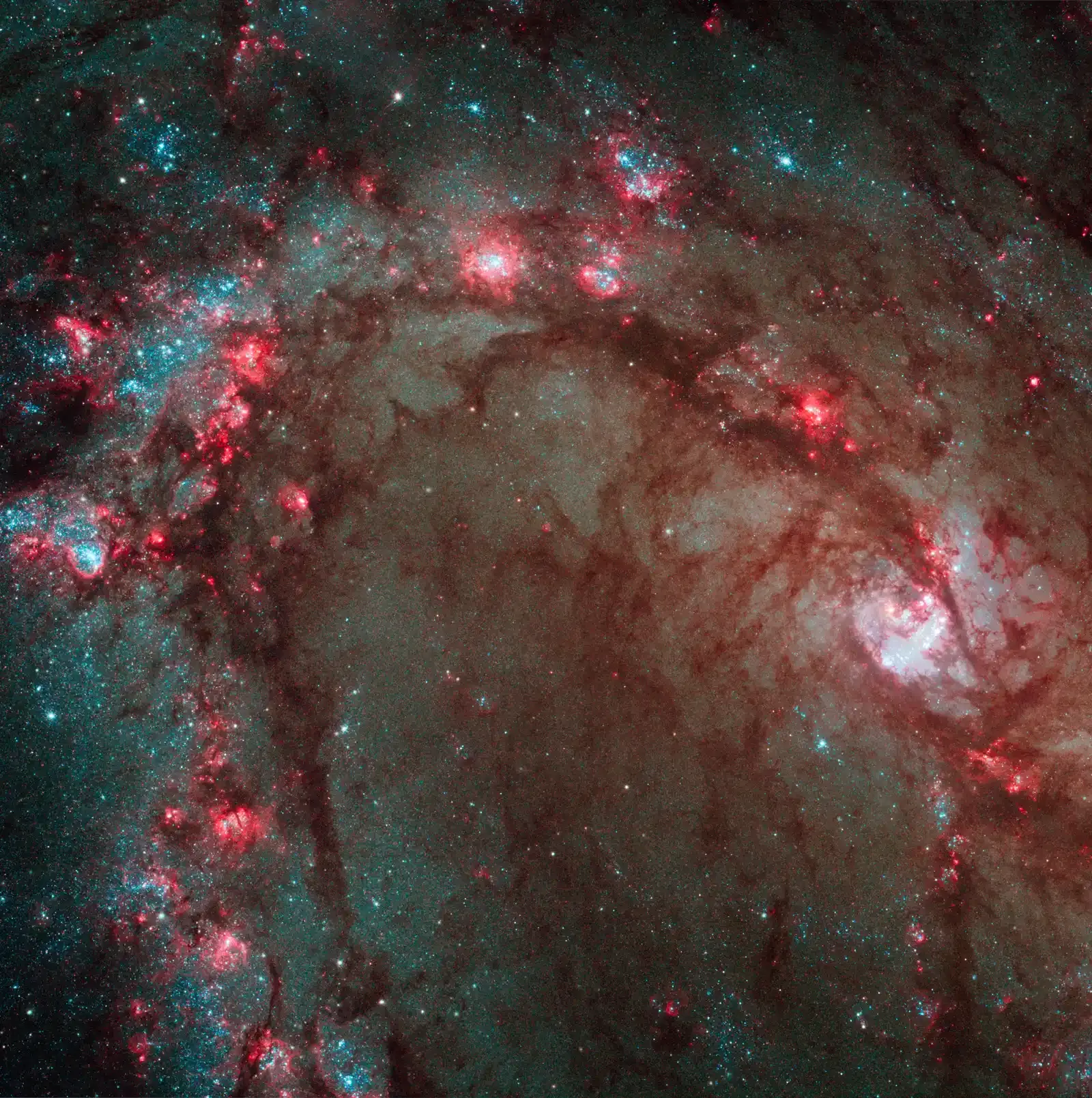
Look at a very old star through a modern telescope, and you’re not just staring across space – you’re peering backward through more than twelve billion years of time. Some of the oldest known stars, found in the halo of our own Milky Way, are so chemically primitive that they seem almost untouched by the processes that shaped all later generations. Astronomers call many of them “metal-poor,” meaning they contain far lower amounts of elements heavier than hydrogen and helium than typical stars like our Sun. That extreme scarcity acts like a fingerprint, hinting that these stars formed not long after the very first explosions of massive primordial stars. In effect, their light carries a fossil record of the universe’s earliest chemical experiments.
To decode that record, scientists split starlight into its component colors using high-resolution spectrographs, searching for tiny dips and spikes that betray the presence of individual elements. Odd patterns show up: a star might be rich in carbon yet nearly empty of iron, or it might carry a distinctive blend of heavy elements associated with rare cosmic events such as neutron star mergers. Each strange combination suggests a different kind of ancestor star or explosion that seeded the gas from which these survivors formed. Taken together, these hidden clues reveal a universe that was wildly diverse and disorderly from its earliest moments, rather than smoothly arranged and predictable.
From First Stars to Galactic Cities
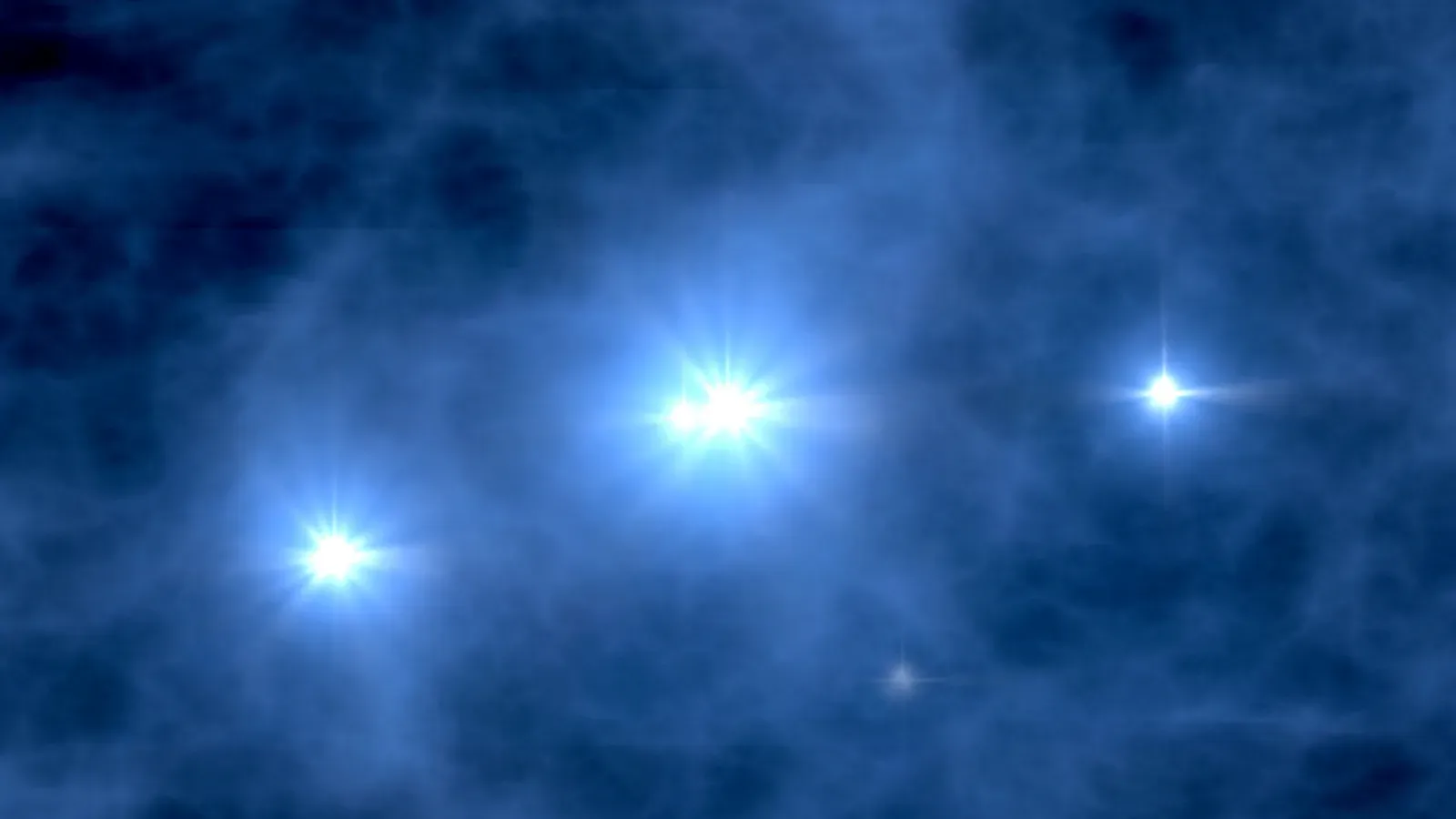
For years, theory textbooks treated the first stars – often called Population III stars – as mythical giants, huge, hot, and short-lived, but frustratingly invisible. Recent observations are starting to trace their fingerprints indirectly, showing how their violent deaths paved the way for the first galaxies. When these massive early stars exploded as supernovae, they scattered newly forged elements – carbon, oxygen, silicon, and more – into the surrounding space, enriching what had previously been almost pure hydrogen and helium. That enrichment allowed later clouds of gas to cool more efficiently, collapse faster, and give birth to new generations of smaller, longer-lived stars.
By mapping extremely old, faint galaxies in deep images from modern space telescopes, astronomers now see that galaxy-building was already well underway less than a billion years after the Big Bang. Some of these early galactic “cities” appear surprisingly massive and organized, suggesting that the first stars did their construction work far more rapidly than models had predicted. The oldest stars we can study up close in the Milky Way and nearby dwarf galaxies provide a local laboratory for understanding how that progression unfolded. Their ages and compositions help anchor timelines for when the first star clusters formed, when the first black holes ignited, and how quickly the cosmic web of galaxies spun itself into existence.
Elemental Anomalies: When the Numbers Don’t Add Up
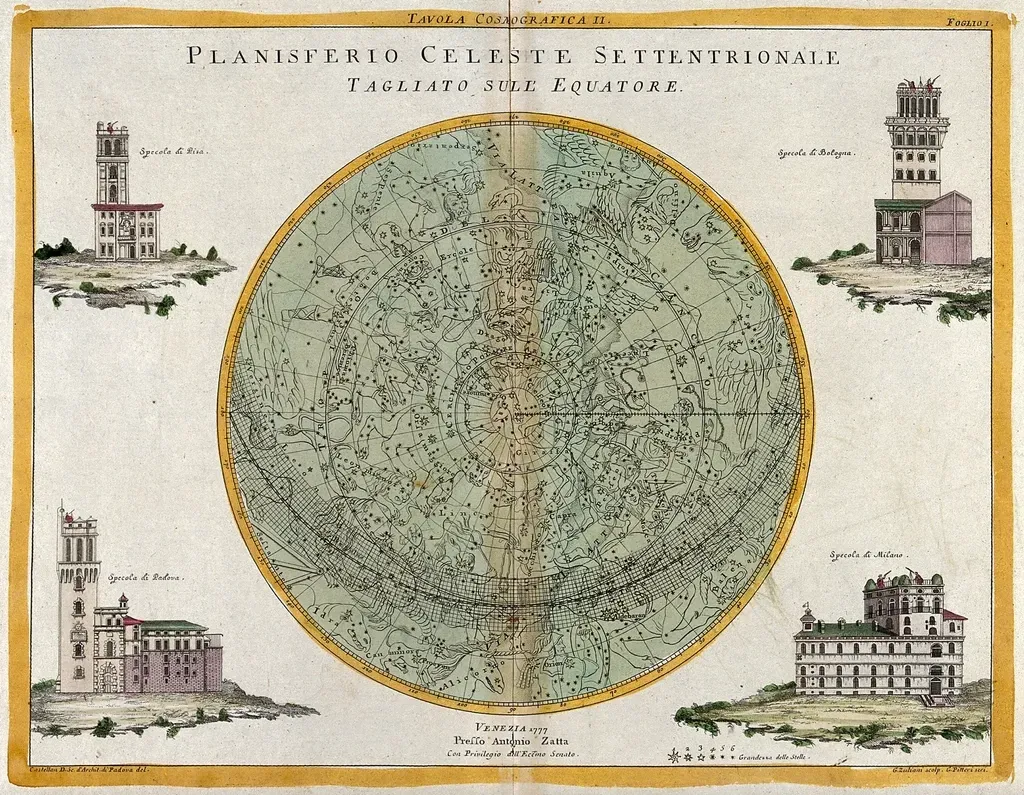
If the early universe followed neat rules, the chemistry of ancient stars should line up cleanly with theoretical predictions. Instead, astronomers are finding stars whose elemental recipes make little sense under standard models. A small but intriguing group of extremely metal-poor stars shows unusually high amounts of carbon relative to iron, as if they were sprinkled with the ashes of a very particular type of stellar explosion. Others exhibit bumps in elements produced in what physicists call the rapid neutron-capture process, signaling that some rare and extreme events took place early on. The result is more like a patchwork quilt than a tidy gradient of enrichment.
These anomalies are not statistical noise; they show up repeatedly in surveys that scrutinize tens of thousands of stars. In some halo stars, the levels of certain heavy elements suggest that one or a few exotic supernovae may have dominated the local environment where those stars formed. In others, the patterns hint at contributions from early neutron star mergers, challenging previous assumptions that such mergers happened only much later. Each outlier forces researchers to revisit the physics of stellar explosions, mixing processes in gas clouds, and the way matter recycled in the first small galaxies. Instead of breaking the story, the mismatched numbers are giving us sharper clues about missing chapters.
The Oldest Star Witnesses in Our Cosmic Backyard
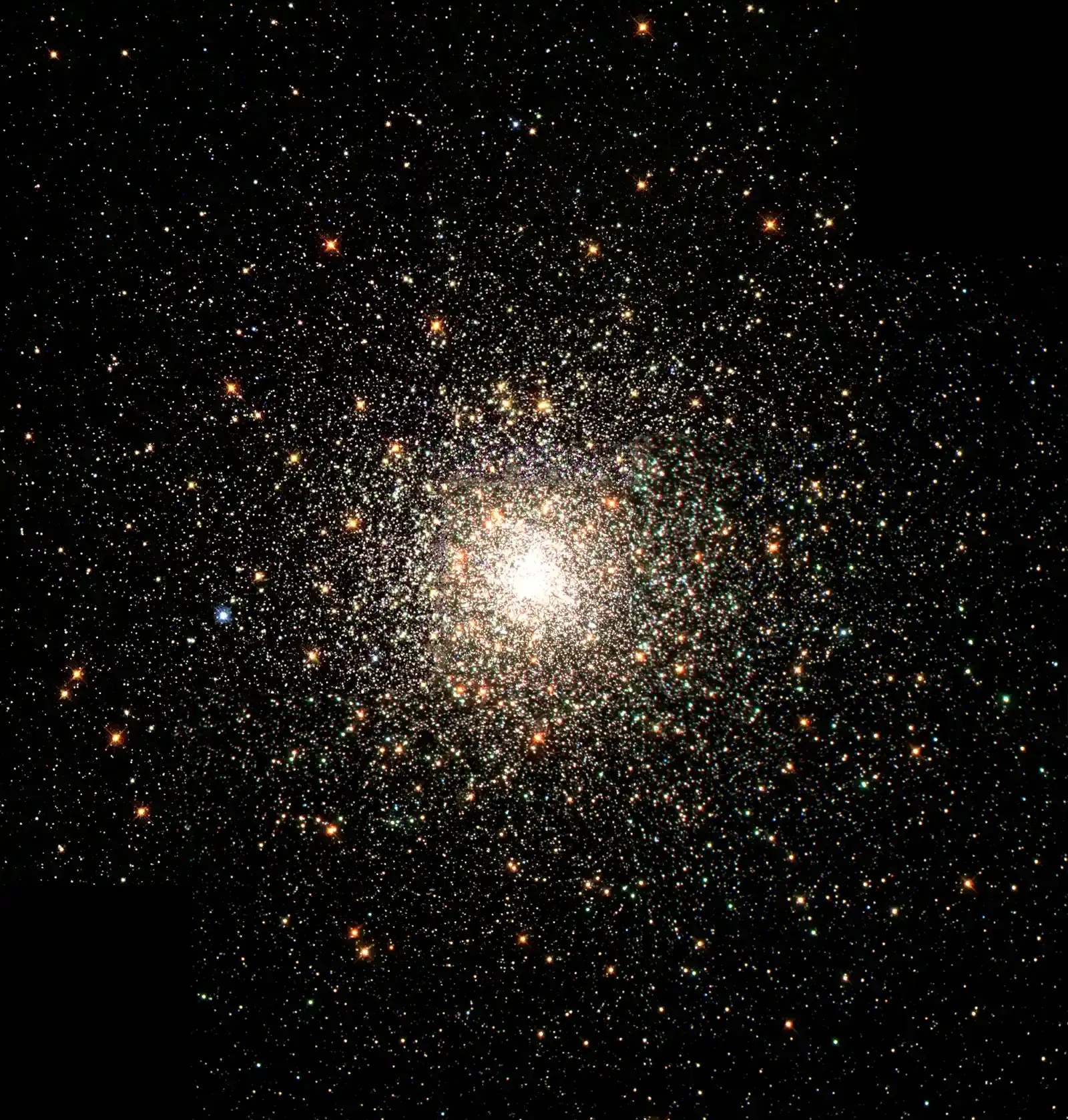
Perhaps the most surprising twist is that some of the universe’s oldest known stars are not lurking at unimaginable distances – they’re orbiting within our own galaxy. Astronomers have identified stars in the Milky Way’s halo and bulge that likely formed when the universe was less than a billion years old. These stellar elders drift on elongated, tilted orbits, marking them as immigrants from small galaxies that merged with the Milky Way long ago. Their motions and compositions together create a kind of archaeological map of past galactic collisions and accretion events. This means that our galaxy’s outskirts act like a graveyard and a museum at the same time.
Even ultra-faint dwarf galaxies that orbit the Milky Way host stars that appear chemically frozen in a very early state. Some of these tiny galaxies contain only a few thousand stars, but their members display element patterns reminiscent of the earliest enrichment events. By studying these systems, scientists can see how star formation proceeded in miniature environments, where a single explosion could transform the whole galaxy. Taken as a whole, the Milky Way’s backyard – with its halo streams, dwarf companions, and ancient bulge stars – has become a prime hunting ground for understanding the young universe. We no longer need to rely solely on distant, blurry objects to reconstruct what happened; the evidence is flying right through our neighborhood.
Rethinking Cosmic Dawn: What the New Telescopes Are Showing
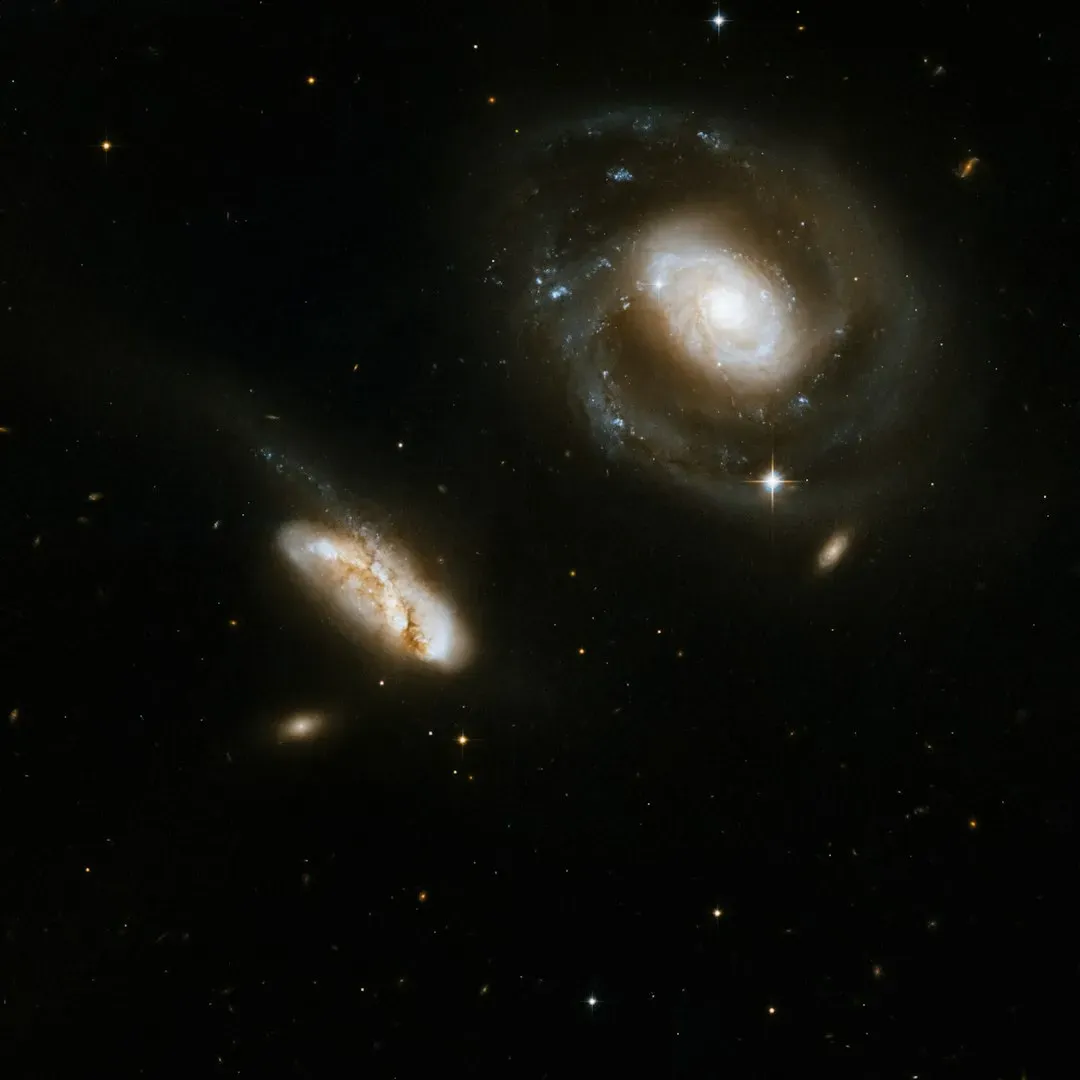
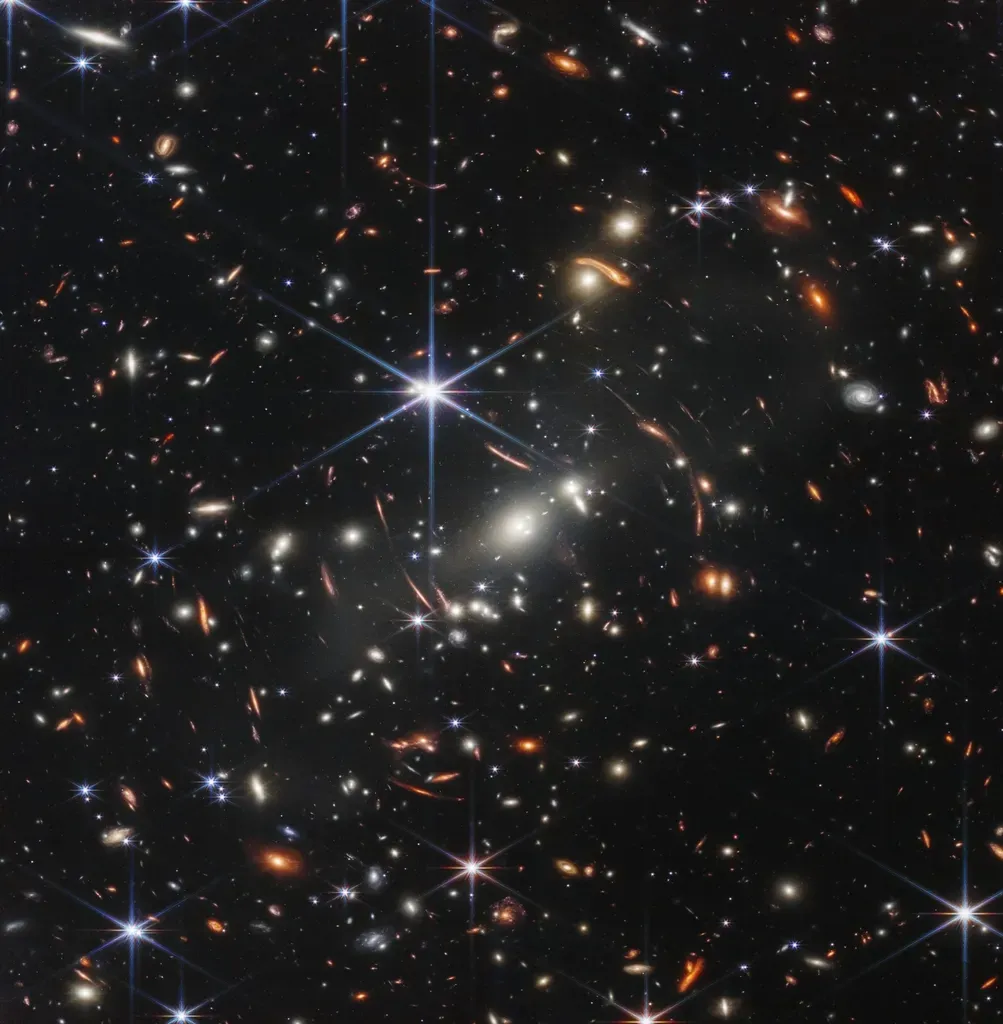
The latest generation of space- and ground-based telescopes has turned the study of early stars from speculation into a data-driven revolution. Deep infrared observations now reveal galaxies shining when the universe was just a few hundred million years old, earlier than many models had expected such organized structures to appear. These galaxies are already populated by bright, massive stars and, in some cases, surprisingly hefty black holes at their centers. Their existence hints that star formation and black hole growth raced ahead in the early universe, perhaps driven by mechanisms that are not yet fully understood. The light from these galaxies carries the imprints of their stellar populations, offering a complementary view to the ancient stars we study locally.
Spectroscopic measurements of these distant systems show strong signatures of ionizing radiation, suggesting that early stars played a leading role in transforming the universe from opaque to transparent. Researchers now suspect that a mix of ordinary massive stars and more exotic, metal-poor giants drove this so-called epoch of reionization. At the same time, some early galaxies appear dustier and more chemically evolved than theory had predicted for such young ages. This pushes scientists to tweak models of how quickly stars forge elements and how efficiently galaxies trap or expel those materials. Each new dataset seems to erase the neat boundary between hypothesis and surprise, and that tension is exactly what makes this field so alive.
Why It Matters: Our Origins Written in Ancient Fire
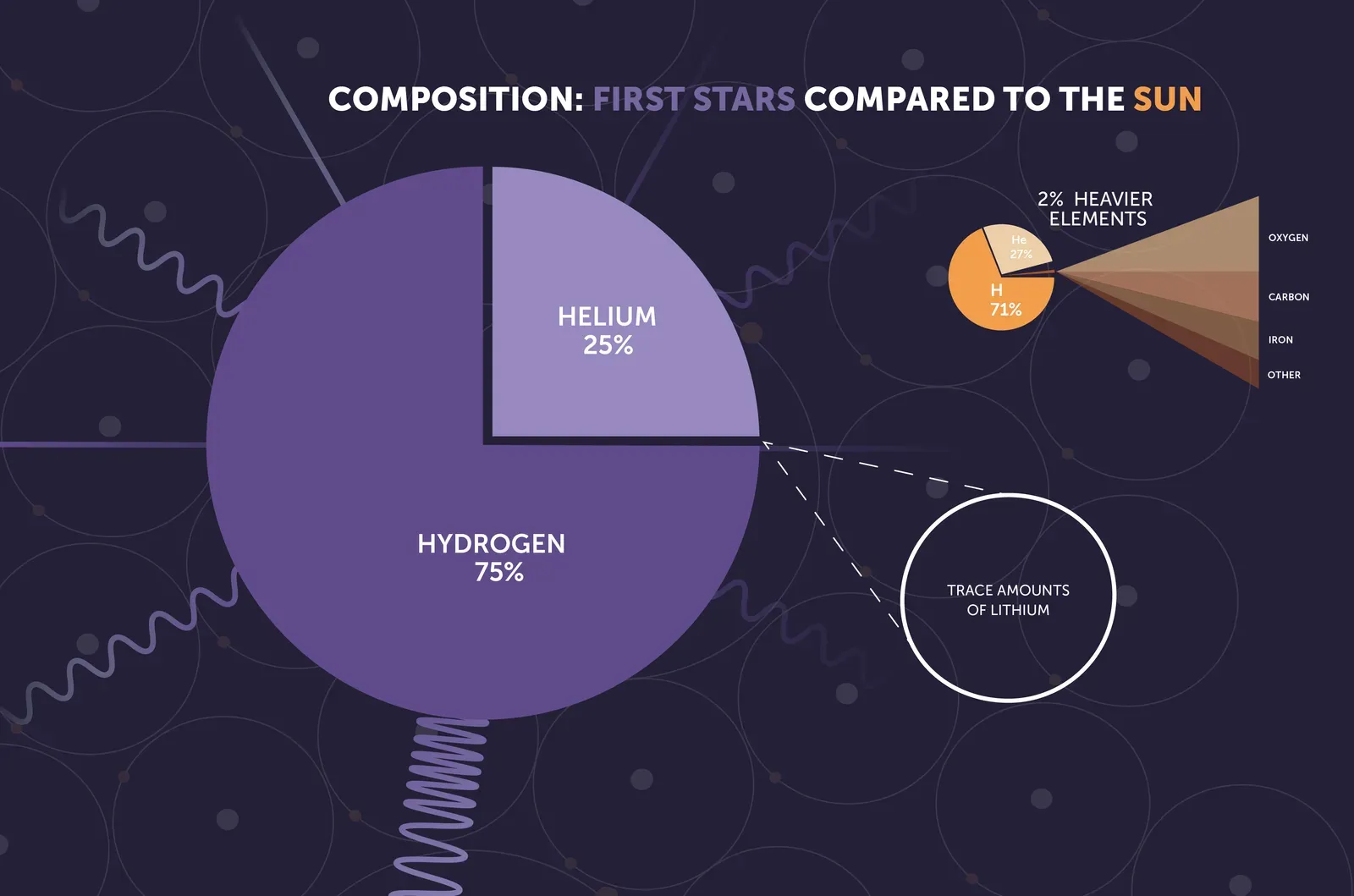
It might be tempting to file all this under “interesting but distant,” yet the story of the universe’s oldest stars is, in a real sense, the story of us. The calcium in our bones, the iron in our blood, and the oxygen we breathe were all forged in stars that lived and died long before the Sun existed. By understanding how the first generations of stars formed, burned, and exploded, we’re uncovering the production line that made the raw ingredients for planets and life. Traditional models painted this process as gradual and simple, but the new findings show bursty, uneven enrichment, with local regions racing ahead while others lagged. That patchiness may have influenced where and when habitable worlds could first arise.
Compared with the older view of a slowly evolving cosmos, the emerging picture is of a universe that was restless, fast-moving, and surprisingly capable of complexity at very young ages. This matters not just for cosmology, but for neighboring fields such as planetary science and astrobiology. If heavy elements appeared earlier and in more places than once assumed, then rocky planets and perhaps prebiotic chemistry might have had a head start. Conversely, the violent radiation from early massive stars and black holes may have made some regions deeply hostile for a long time. The balance between those forces – enrichment versus destruction – ties directly into the timeless question of how common life might be across the cosmos.
The Future Landscape: New Eyes on the First Light
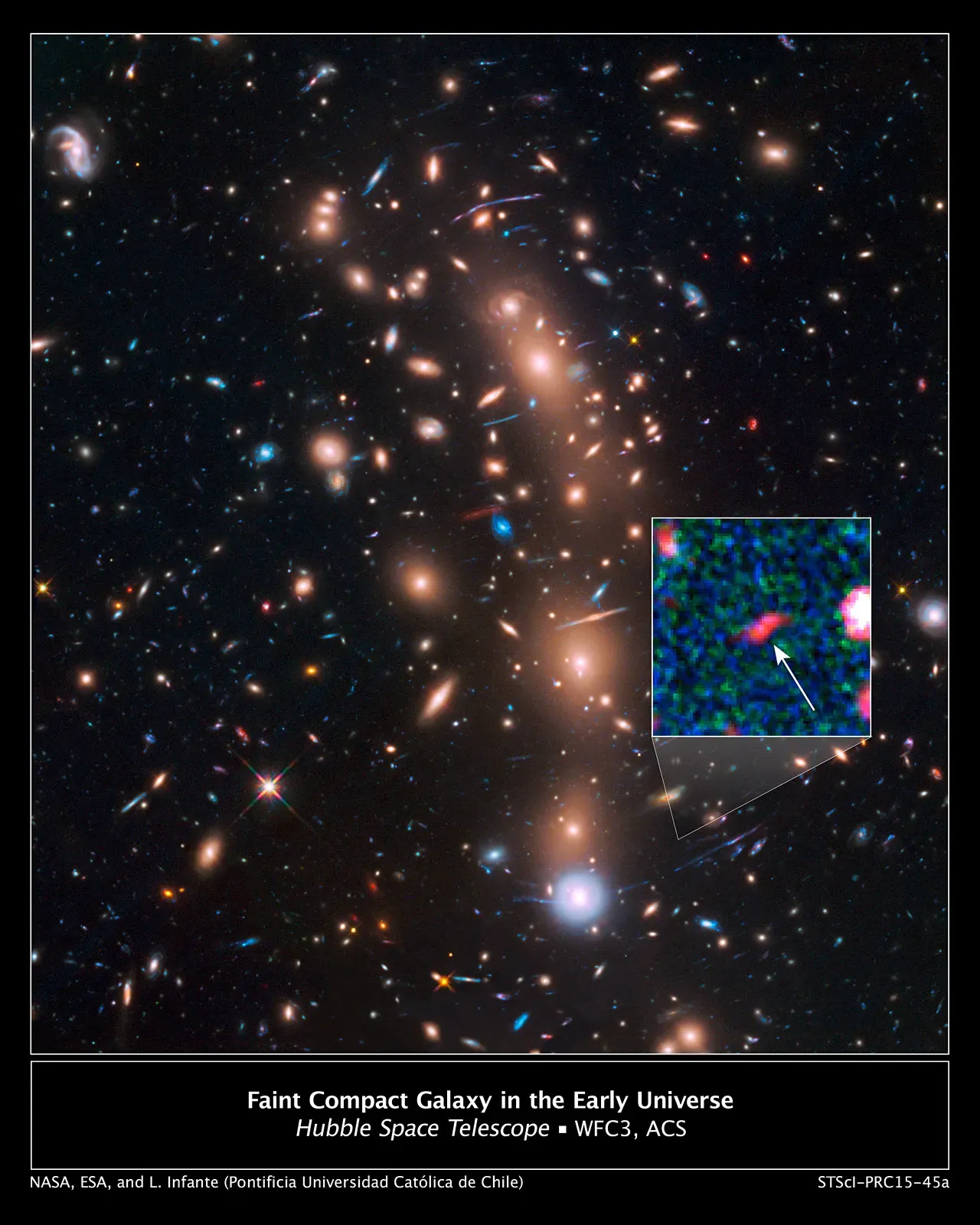
The next decade promises to be a golden age for studying ancient stars and early galaxies, as new instruments sharpen our view of the universe’s first light. Astronomers are already drawing up ambitious surveys with powerful spectrographs that can measure elemental abundances for millions of stars in the Milky Way and beyond. These vast catalogs will help scientists reconstruct the merger history of our galaxy and identify even rarer stellar fossils that push age estimates closer to the cosmic beginning. On the extragalactic front, deeper and wider sky surveys aim to capture ever-fainter galaxies from the first few hundred million years, turning single, surprising discoveries into robust statistics. Together, these efforts should clarify whether the unusual systems we see now are exceptions or the rule.
At the same time, advances in computing are allowing cosmologists to simulate the formation of stars and galaxies with unprecedented detail. These simulations can track how gas cools, collapses, forms stars, and gets blown apart again, all while comparing directly with observations. Still, major challenges remain: modeling the lives of metal-free stars, capturing the chaotic physics of early supernovae, and explaining the rapid appearance of enormous black holes. On a global scale, international collaborations and shared data archives are becoming essential, since no single observatory or team can tackle the entire problem alone. The future landscape is one of high precision, high volume, and high complexity – but also of potentially transformative breakthroughs.
How You Can Engage With the New Cosmic Story
Even if you never look through a telescope, there are simple ways to connect with this unfolding story of the universe’s oldest stars. Public observing nights at local planetariums or astronomy clubs often include talks that translate cutting-edge research into accessible narratives, complete with live views of the night sky. Many research teams now share interactive visualizations and explainer articles online, turning dense data into stories you can explore from your couch. Supporting science journalism, citizen science projects, and educational outreach helps ensure that discoveries about cosmic dawn do not stay locked behind institutional walls. In a very real sense, curiosity and attention from the broader public help keep funding and momentum flowing.
If you want to go a step further, there are citizen science platforms where volunteers help classify galaxies, spot unusual stellar systems, or sift through telescope images for rare objects. Simple actions like advocating for science education in local schools or libraries can also ripple outward, inspiring the next generation of astronomers who will interpret the data we are only beginning to collect. You can follow major observatories and missions through their official channels to stay updated on new findings, rather than only catching sensationalized headlines. Engaging with the cosmos this way is less about memorizing facts and more about adopting a habit of wonder. After all, when ancient stars tell their stories, the real question is whether we choose to listen.
Suhail Ahmed is a passionate digital professional and nature enthusiast with over 8 years of experience in content strategy, SEO, web development, and digital operations. Alongside his freelance journey, Suhail actively contributes to nature and wildlife platforms like Discover Wildlife, where he channels his curiosity for the planet into engaging, educational storytelling.
With a strong background in managing digital ecosystems — from ecommerce stores and WordPress websites to social media and automation — Suhail merges technical precision with creative insight. His content reflects a rare balance: SEO-friendly yet deeply human, data-informed yet emotionally resonant.
Driven by a love for discovery and storytelling, Suhail believes in using digital platforms to amplify causes that matter — especially those protecting Earth’s biodiversity and inspiring sustainable living. Whether he’s managing online projects or crafting wildlife content, his goal remains the same: to inform, inspire, and leave a positive digital footprint.