They arrive as a blur at the edge of your vision, hang in the air as if someone has paused time, then vanish before your brain catches up. For more than a century, scientists struggled to explain how something so small could move with such explosive power and precision. Were hummingbirds just tiny birds with fast wings, or did they represent a fundamentally different way of flying? In the past two decades, high-speed cameras, micro-sensors, and even wind tunnels scaled down for creatures lighter than a coin have offered an astonishing answer. Hummingbirds, it turns out, are less like feathery ornaments and more like biological , engineered by evolution for performance that borders on the impossible.
The Hidden Physics in a Blur of Wings
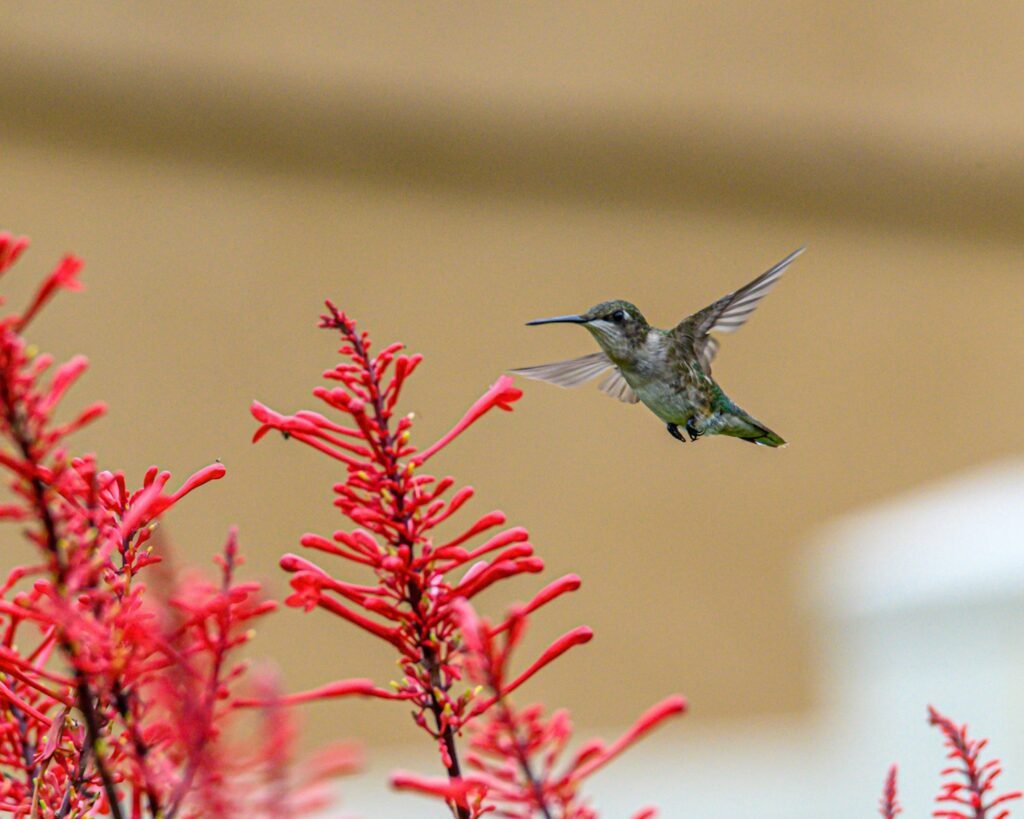
Watch a hummingbird at a feeder and your eyes are basically useless; the wingbeats happen faster than your brain can consciously process. Many North American species flap their wings fifty to sixty times a second, with some tropical species pushing that even higher. For years, researchers assumed their flight was simply an extreme version of what other birds do, just sped up. High-speed video and particle-tracking in airflow told a very different story. Instead of just pushing air down like a pigeon or goose, hummingbirds flip their wings in a tight figure-eight that generates lift on both the downstroke and the upstroke.
This move is far closer to the way insects fly than the way most birds do. By continuously shedding tiny spinning vortices of air at the wingtips, they create pockets of low pressure that literally pull them upward. In engineering language, they are running a high-frequency, unsteady lift-generating system, the kind that aeronautical designers still struggle to model precisely. The result is that a hummingbird hovering in front of a flower is operating at aerodynamic limits we more often associate with drone prototypes than backyard wildlife. The blur you see is not chaos; it’s micromanaged physics.
Inside the Engine: Muscles, Metabolism, and Micro-Scale Power

If the wings are the propellers, the real jet engine sits inside the chest. Roughly one quarter to one third of a hummingbird’s body mass is made of pectoral muscles, an almost absurd investment in flight power for a creature that might weigh less than a sheet of paper. These muscles are packed with mitochondria, the cellular powerhouses that burn fuel at breakneck speed. Under peak demand, a hummingbird’s heart can beat well over a thousand times a minute, pushing oxygen-rich blood to keep those muscles firing. From a metabolic perspective, they are running a marathon every hour, every single day.
To keep that engine from stalling, hummingbirds fuel up with a mix that sports nutrition companies would probably try to brand if they could. They can consume nectar equal to more than their own body weight in a day, converting simple sugars into usable energy in minutes rather than hours. In controlled studies, scientists have shown that hummingbirds can switch almost directly from drinking sugar water to burning that sugar in their flight muscles with startling speed. It’s the biological equivalent of refueling midair and instantly dumping the fuel into the engine. No commercial jet on Earth can match that kind of metabolic response time.
From Ancient Curiosity to Modern Wind Tunnels

Humans have been transfixed by hummingbirds for centuries, long before anyone could see what their wings were actually doing. Early naturalists described them in almost mystical language, unable to reconcile their size with their power. But it was not until the twentieth century, with the rise of high-speed photography, that scientists started to disentangle the mechanics. The real breakthroughs came in the last two decades as researchers began placing hummingbirds in specialized wind tunnels, seeding the air with microscopic particles, and filming the air currents with ultra-fast cameras. Those experiments turned poetic admiration into hard data.
From these studies, patterns emerged that engineers immediately recognized. The vortices peeling off a hovering hummingbird’s wings looked strikingly similar to those generated by experimental micro-air vehicles in defense labs. Engineers noticed that hummingbirds routinely operated at angles of attack that would stall a conventional airplane wing. Yet somehow, they stayed aloft and in control. That kind of unexpected overlap between animal behavior and cutting-edge flight research has sparked a new generation of bio-inspired design efforts, with hummingbirds as reluctant but perfect test pilots.
Mind-Bending Maneuvers: Why Hummers Redefine Flight

Calling hummingbirds “good fliers” is like calling a Formula 1 car “pretty fast” – technically true, but laughably understated. These birds do not just hover; they can accelerate, brake, and pivot in ways that shred our everyday intuition about flight. They can fly upside down for short bursts, reverse direction almost instantaneously, and track a moving flower with the kind of precision a guided missile would envy. Put simply, they operate in three-dimensional space with a freedom most birds never approach. Their nervous systems are wired to make micro-adjustments hundreds of times a second, turning muscle and wing into one continuous feedback loop.
To appreciate how extreme this is, imagine a helicopter that could completely reverse direction in the space of its own length while keeping a laser locked on a tiny target. That is roughly what a hummingbird does when it swings out from a feeder and snaps back again to defend it. These maneuvers are not just impressive tricks; they are survival tactics, honed by competition for nectar and constant threats from predators. Evolution has effectively run a multi-million-year experiment in agility, and hummingbirds are the winning design. For engineers studying agile drones and rescue robots, they are walking – or rather, hovering – blueprints.
Why It Matters: Tiny Birds, Big Scientific Leverage

It might be tempting to relegate hummingbirds to the “cute nature trivia” category, but doing that misses their scientific weight. These birds sit at a kind of crossroads between biology, physics, and engineering, offering a living test case for how to push performance under extreme constraints. Their wing motions challenge the traditional aerodynamics we teach for aircraft, highlighting where our equations break down at small scales and unsteady flows. Their metabolic tricks expose limits and possibilities in animal physiology that could inform human medicine, from heart health to energy metabolism. And their nervous system control of rapid motion has sparked comparisons with autonomous navigation systems in robotics.
In practical terms, research on hummingbirds feeds directly into global efforts to build more efficient and maneuverable flying robots. Designers working on disaster-response drones, precision pollination systems, and even surveillance craft look to hummingbirds for solutions to the problems of hovering, stability, and rapid direction change. At the same time, ecologists rely on them as sensitive indicators of climate shifts and habitat disruption, since their high-energy lifestyles give them little margin for environmental error. These are not decorative extras in the ecosystem; they are both pollinators and warning systems, fusing aesthetic appeal with hard scientific value.
Global Perspectives: Hummingbirds, Habitats, and Human Choices
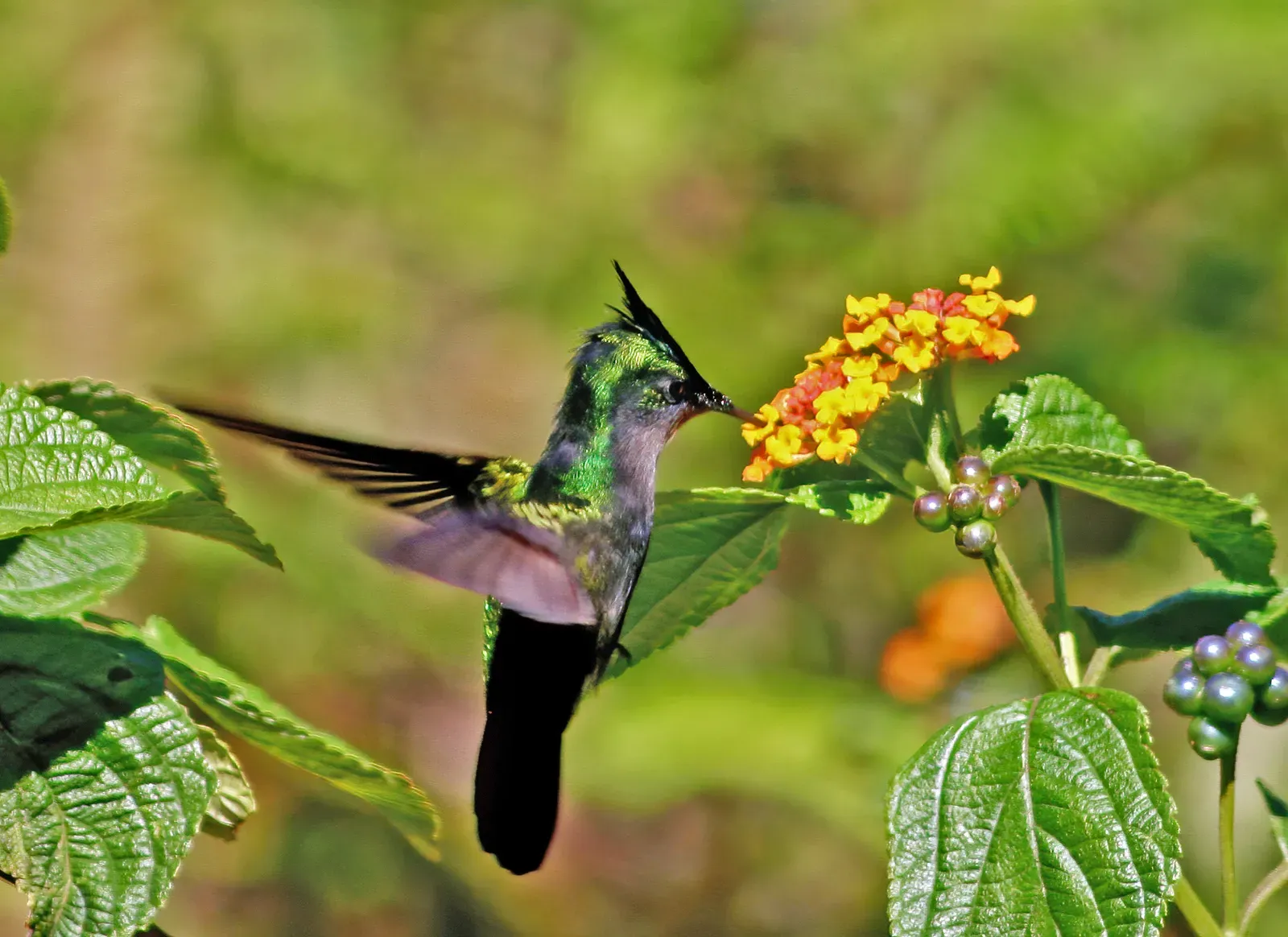
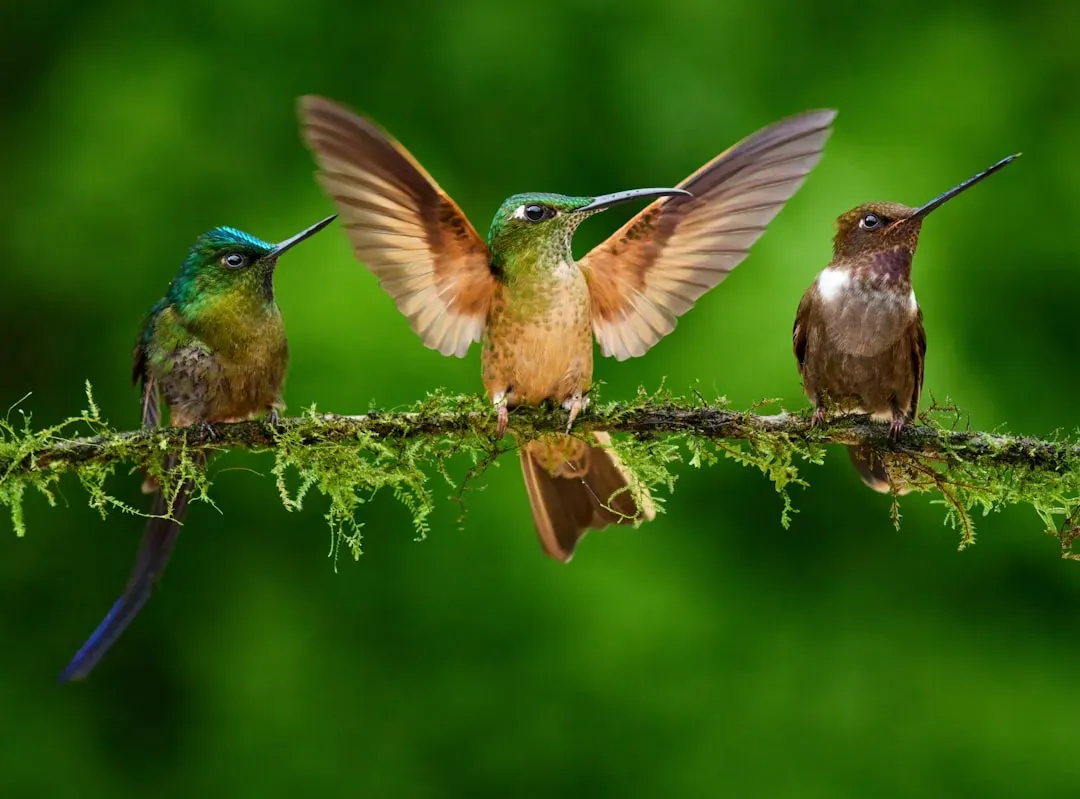
Although many readers in North America associate hummingbirds with backyard feeders and summer afternoons, their story stretches across entire continents. Hummingbirds are found only in the Americas, from Alaska to Tierra del Fuego, and diversity explodes in the tropical Andes. There, different species specialize in different altitudes, flower shapes, and microclimates, turning mountain slopes into vertical laboratories of evolution. Some high-elevation species have adapted to cold, thin air that would ground many other birds, adjusting wing beats and oxygen use like tiny mountaineers with built-in life support. The global picture is one of stunning variety layered on top of a shared set of jet-engine-like traits.
Human choices are now reshaping that picture, for better and for worse. Habitat loss, shifting flowering times driven by climate change, and the spread of pesticides all act like sand in the gears of their high-performance lifestyle. On the other hand, urban gardens and protected reserves can offer pockets of refuge and new foraging opportunities. As cities warm and green spaces expand, some hummingbird species have started overwintering farther north than they used to, exploiting human-reshaped landscapes. Whether that flexibility becomes a lifeline or a trap will depend on how quickly ecosystems and human policies can adjust. In that sense, hummingbirds are quietly mapping how our decisions ripple through the living world.
The Future Landscape: Bio-Inspired Flight and New Frontiers
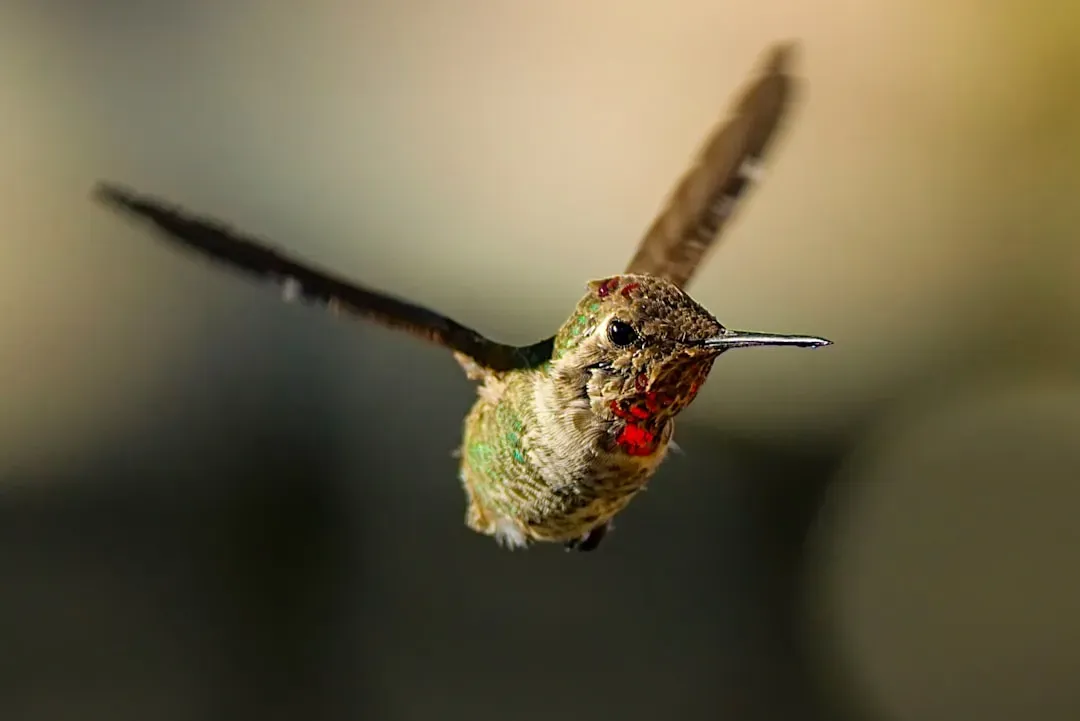
Engineers chasing the next generation of flying machines are increasingly looking not toward jumbo jets, but toward creatures that weigh less than a nickel. Hummingbird-inspired drones are already past the science-fiction stage, with prototypes that can hover, dart, and pivot, all while carrying cameras or sensors. The challenges are still formidable: recreating the precise muscle control, energy density, and real-time decision-making of a living bird in metal and silicon is no small task. Yet every new dataset on hummingbird wing kinematics, airflow patterns, or neuromuscular control feeds into better algorithms and smarter designs. What once seemed like a poetic comparison – birds as jet engines – is turning into a concrete engineering roadmap.
On the biological side, scientists are racing to understand how hummingbirds cope with such extreme energy demands without constant breakdown. Their ability to enter short-term torpor, a kind of overnight energy-saving mode, hints at mechanisms that could inform human health research on metabolism and organ protection. Advances in genomics, miniature sensors, and AI-guided video analysis are opening windows into their lives that were sealed shut even twenty years ago. At the same time, there is a growing awareness that these insights come with responsibility: if our cities, farms, and energy systems destabilize the very habitats that support hummingbirds, we risk losing the teachers before fully understanding the lessons. The future of technology and conservation may be more intertwined here than many people realize.
Everyday Actions: How You Can Support Nature’s Jet Engines
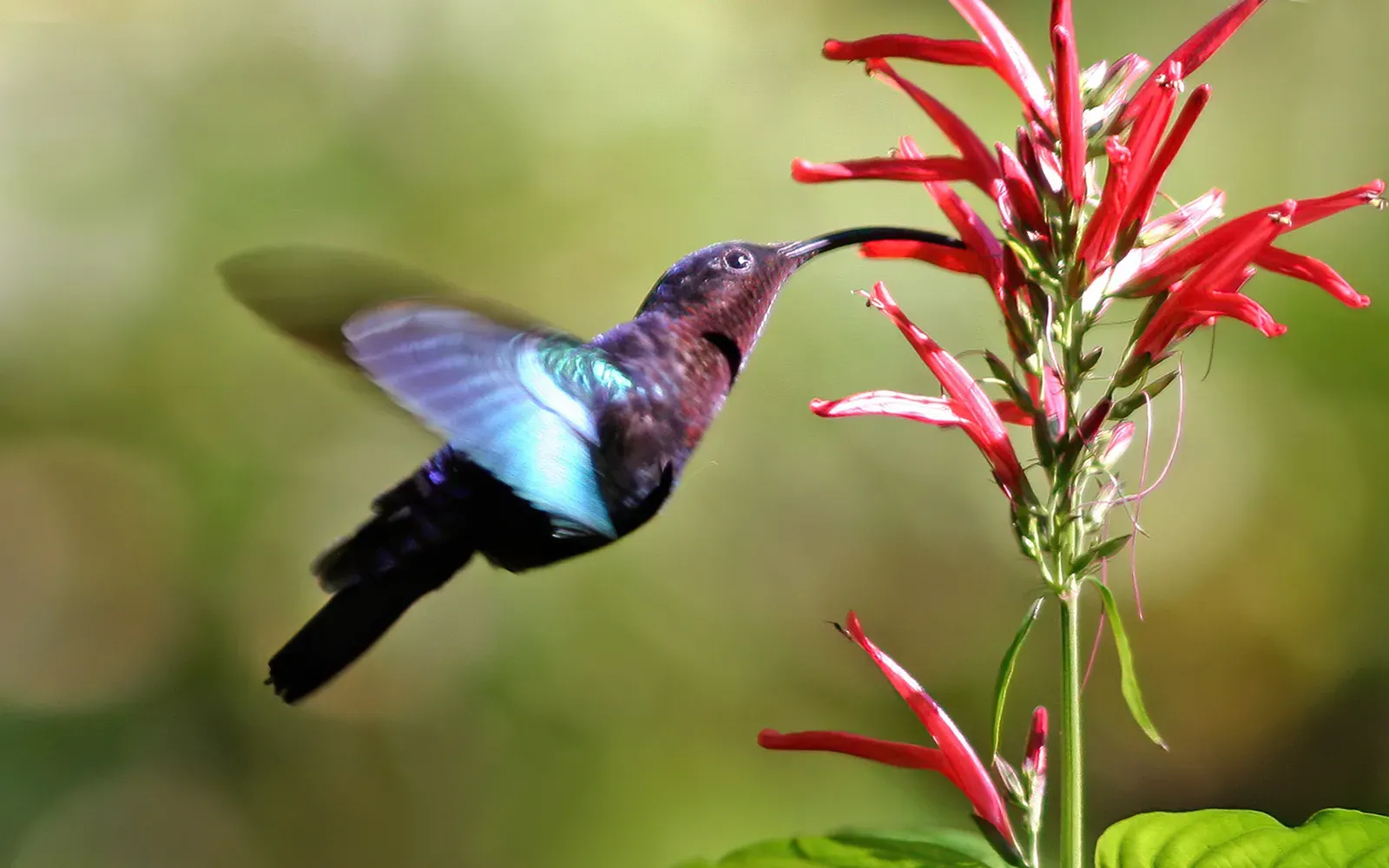
For all their high-tech relevance, hummingbirds still depend on very down-to-earth things: flowers, clean water, safe nesting spots, and predictable seasons. Individuals can make a tangible difference by planting native flowering plants that bloom across the growing season, offering a steady fuel supply rather than a brief floral boom. Feeders, if you choose to use them, work best when kept scrupulously clean and filled with simple sugar water, without dyes or unnecessary additives. Reducing pesticide use in gardens helps preserve the small insects that hummingbirds also eat for protein, rounding out their sugar-heavy diet. Small choices in one yard, replicated across a neighborhood, can create meaningful corridors for these high-performance fliers.
Beyond the backyard, supporting organizations that protect habitats, fund field research, or monitor migratory routes helps ensure that hummingbirds have somewhere to go when they vanish from view. Staying curious also matters: paying attention to arrival times, species diversity, and behavior turns casual sightings into data points in a larger pattern. Even talking about hummingbirds as more than decorative visitors – as that embody extreme physics and fragile ecology – shifts how people value them. The next time one hangs in front of you, suspended on invisible vortices of air, it is worth asking: what kind of future do we want for a world that can build something this astonishing?