If someone told you that trillions of tiny organisms inside your gut were quietly shaping your mood, weight, immunity, and even your response to medications, you might assume it was science fiction. Yet over the past decade, the gut microbiome has gone from scientific footnote to one of the hottest frontiers in biology and medicine. Researchers now talk about this inner ecosystem almost like a new organ we never learned to see. At the same time, our modern lifestyle – from ultra-processed food to overused antibiotics – is disrupting it in profound ways. Caught between extraordinary scientific promise and very real everyday risks, the gut has become a kind of living laboratory inside each of us, rewriting what we thought we knew about health and disease.
The Hidden Clues in Your Inner Ecosystem
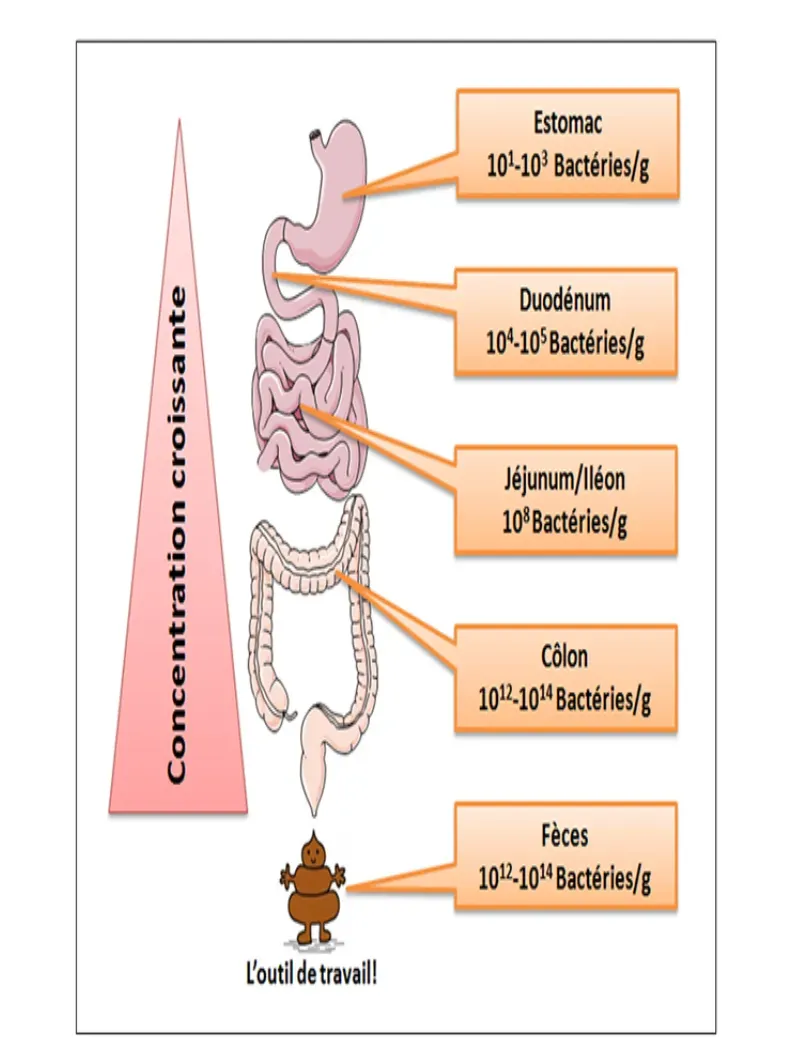
Walk into any busy lab studying the microbiome today and you’ll see row after row of freezers packed not with exotic animal samples, but ordinary human stool. It’s not glamorous, but it holds clues that are transforming how we understand the body. Inside those samples are communities of bacteria, viruses, fungi, and other microbes – often compared to rainforests – whose balance or imbalance seems linked to conditions as varied as depression, diabetes, asthma, and inflammatory bowel disease. When researchers sequence the DNA of these microbes, they can map which species are present and what they’re doing, from producing vitamins to breaking down fiber into useful compounds. What emerges is a picture of the gut not as a simple digestive tube, but as a buzzing city of microscopic life, trading resources and sending chemical signals in every direction.
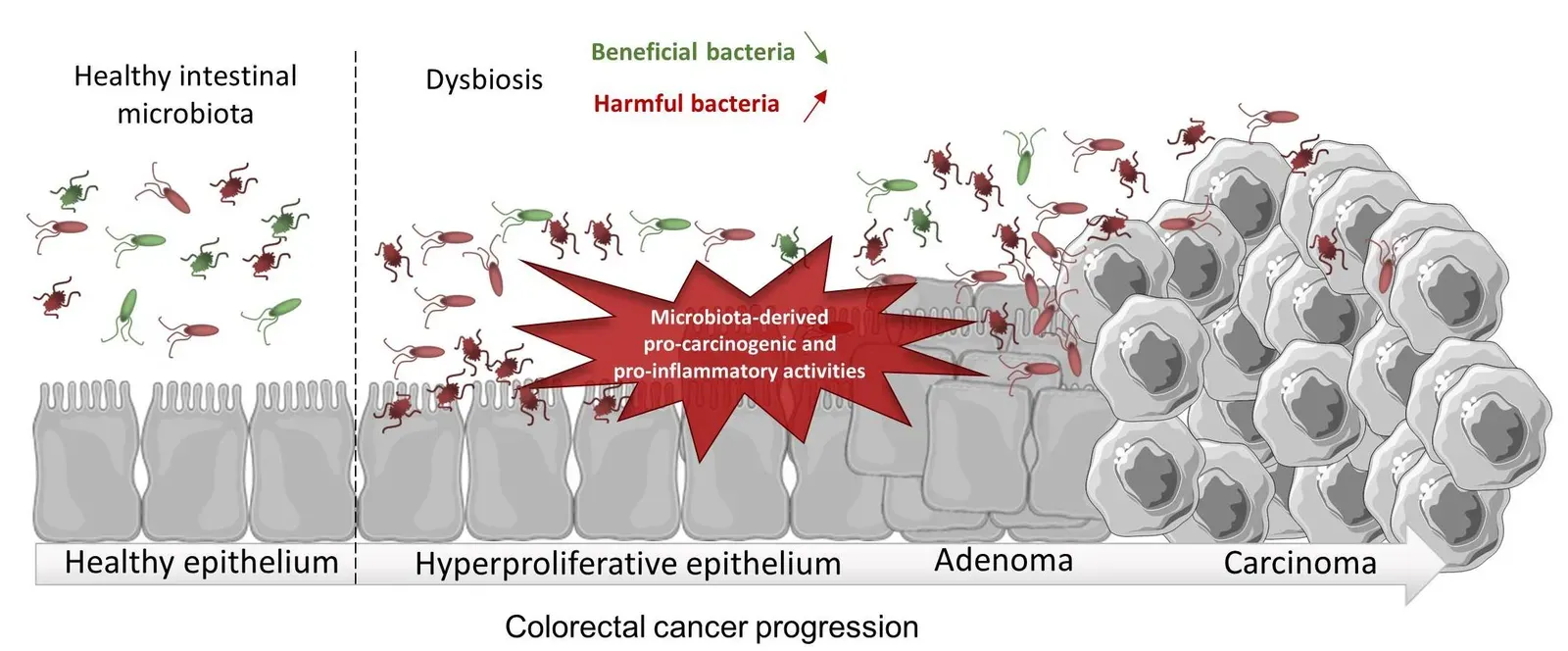
Some of the most surprising clues come from people whose microbiomes have been severely disrupted, often by multiple rounds of antibiotics or long hospital stays. In those cases, dangerous pathogens like Clostridioides difficile can take over, causing life-threatening infections that are stubbornly resistant to standard treatments. Yet when doctors transplant stool from a healthy donor into these patients – a procedure called fecal microbiota transplantation – many recover dramatically, sometimes within days. That kind of clinical turnaround is a stark reminder that the composition of our gut communities is not a mild side note to health, but a powerful driver of how the whole system behaves. It also hints that, one day, tuning the microbiome could become as routine as adjusting a medication dose.
From Ancient Intuitions to Modern Microbiome Science
Humans have long suspected that the gut mattered for health, even if they had no way to see the microbes involved. Traditional medical systems in many cultures emphasized digestion and diet as central to vitality, and fermented foods like yogurt, kimchi, and sauerkraut have been part of human meals for centuries. People noticed, often through trial and error, that certain foods made them feel better, calmer, or more resilient, even if they could not explain why. In a sense, early healers were reading the faint outlines of microbiome science without knowing the script. They saw patterns, but lacked the tools to connect those patterns to a hidden universe of microbes.
The turning point came with advances in DNA sequencing in the early twenty-first century, which suddenly allowed scientists to catalogue microbes without needing to grow them in a dish. Projects like the Human Microbiome Project set out to map these communities across the body, and the gut quickly emerged as a hub of breathtaking diversity. Instead of a handful of helpful bacteria, researchers found thousands of species, many still unnamed, interacting in networks more complex than many ecosystems on Earth. What used to be dismissed as “gut flora” became a serious object of study, attracting microbiologists, immunologists, neurologists, and computational scientists. In a remarkably short time, the gut microbiome went from obscure footnote to a central character in modern biology’s story about what makes us who we are.
How This Hidden Universe Shapes Your Everyday Life
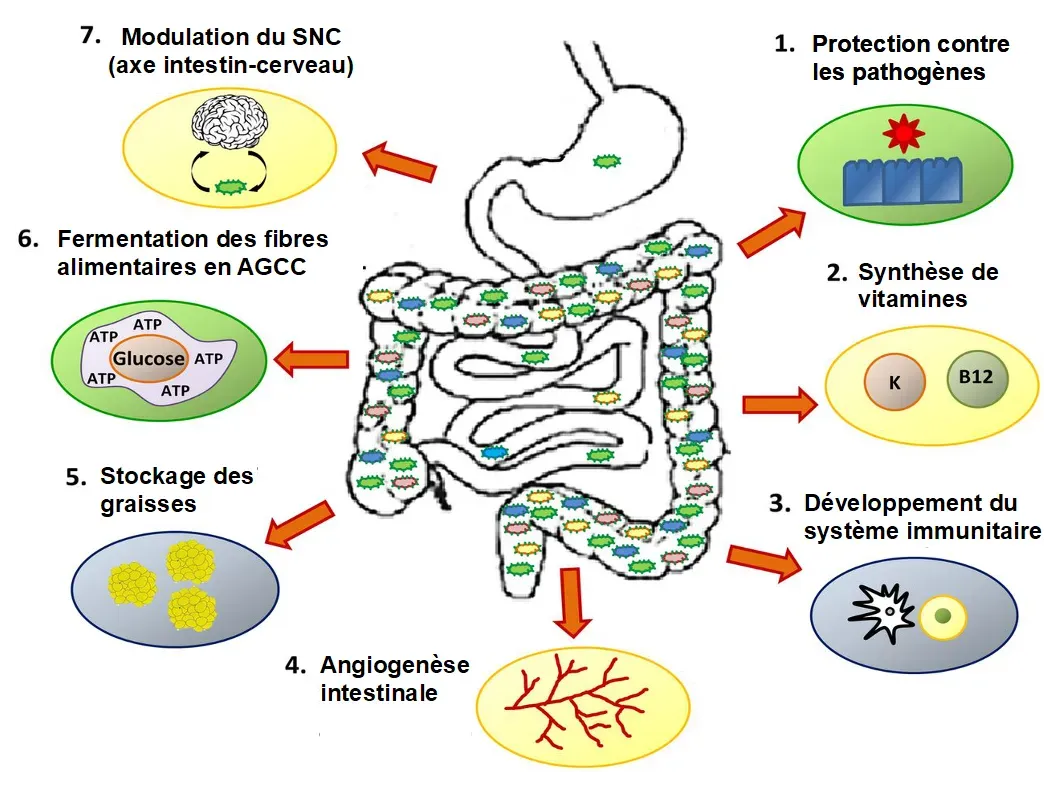
One of the most striking discoveries about the microbiome is just how many aspects of daily life it appears to touch. Microbes in the gut help break down fibers we cannot digest on our own, converting them into short-chain fatty acids that nourish the cells lining the intestine and seem to dampen inflammation. They synthesize certain vitamins, influence how we store fat, and can even tweak how we metabolize common drugs, which helps explain why two people can react so differently to the same medication. Researchers have also uncovered a web of communication along the so-called gut–brain axis, where microbial metabolites and nerve signals appear to influence mood, stress responses, and possibly conditions like anxiety and depression. In other words, the microbes in your intestines are quietly participating in conversations between your belly and your brain.
Daily choices feed into this system in ways that can be either protective or harmful. Diets rich in diverse plant fibers tend to encourage more varied and resilient microbial communities, while patterns dominated by ultra-processed foods, added sugars, and low fiber appear to trim down microbial diversity. Repeated courses of broad-spectrum antibiotics can further erode this internal ecosystem, sometimes for months or longer. Sleep, stress, physical activity, and even where you live – urban or rural, polluted or clean – can nudge your microbiome in different directions. It becomes harder to see your body as just “you” when you realize that your routines are also shaping the prospects of trillions of microscopic partners.
Why It Matters: A New Lens on Health and Disease
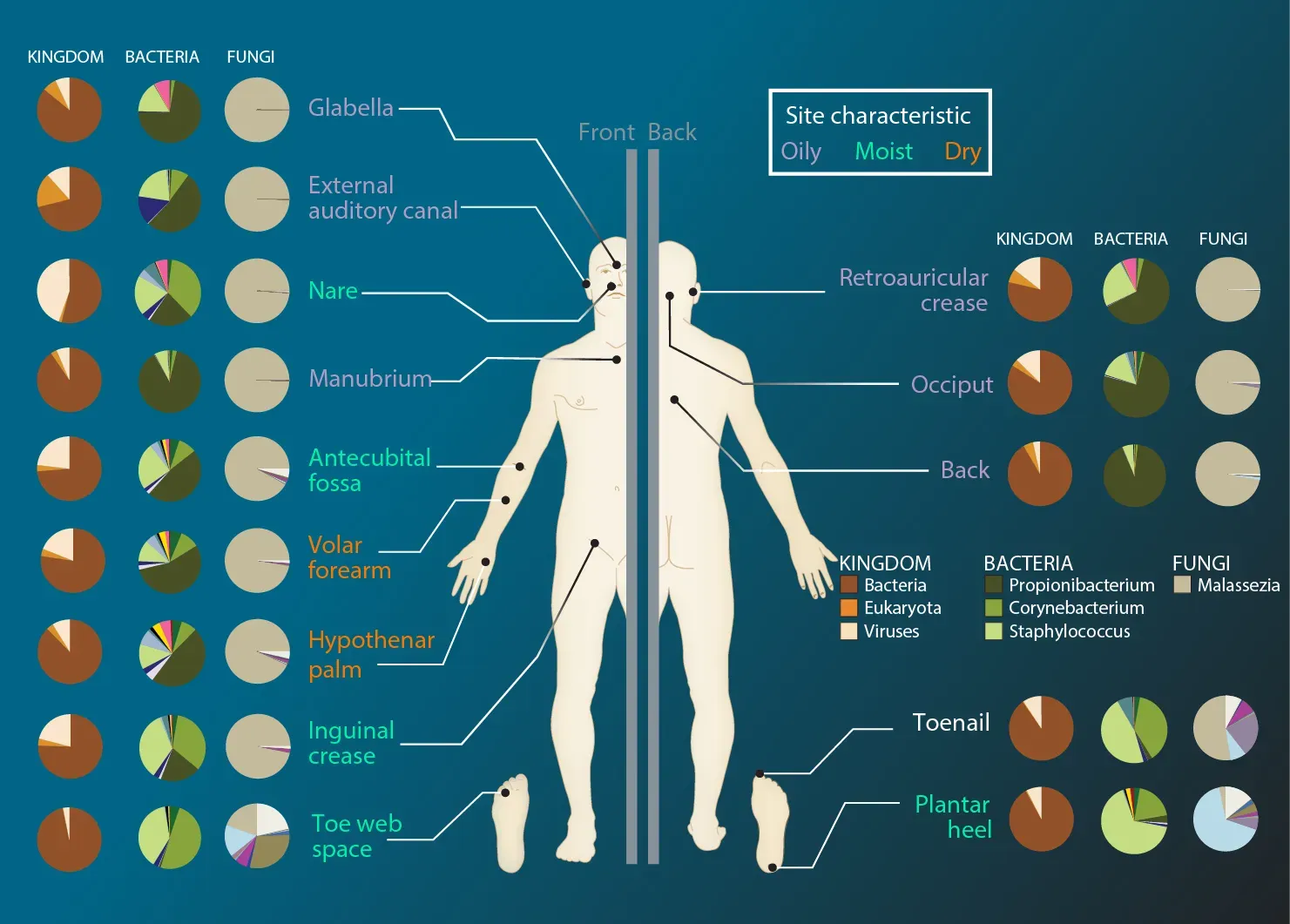
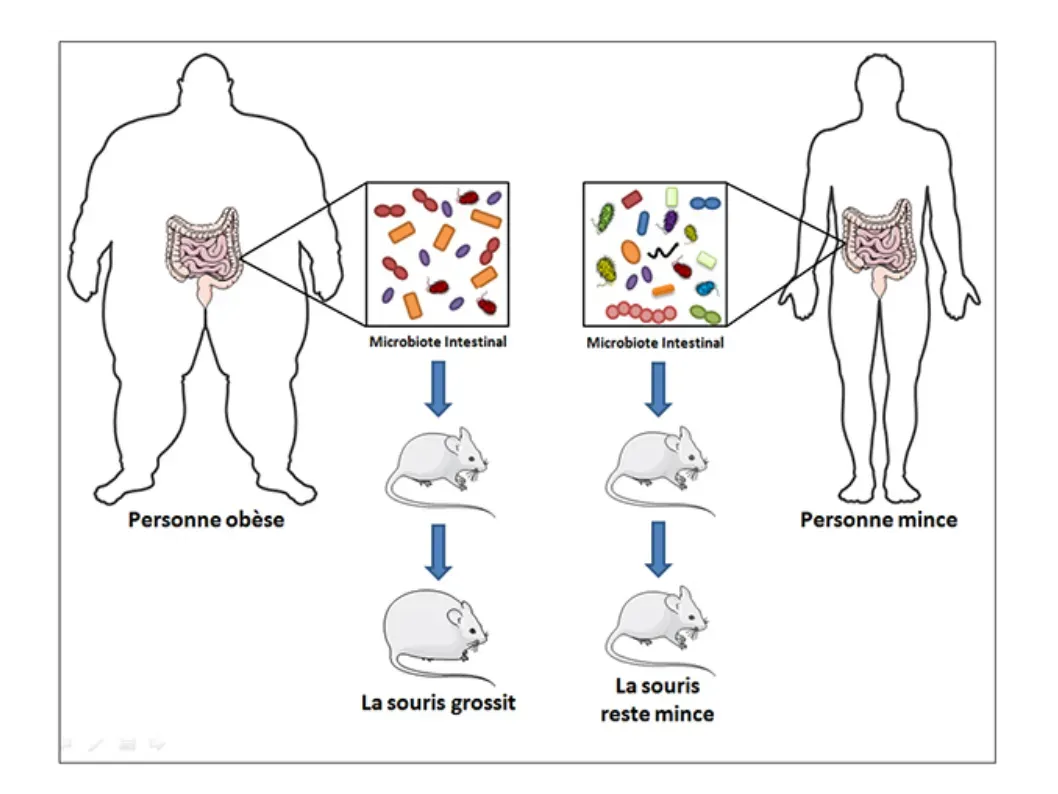
Understanding why the microbiome matters means confronting how limited our old models often were. Traditional approaches to health tended to focus on individual organs or single pathogens: a blocked artery here, a rogue bacterium there, a misfiring immune cell somewhere else. The microbiome forces a more ecological view, where disease can emerge not only from one bad actor, but from shifts in whole communities. For example, in metabolic disorders like obesity and type 2 diabetes, studies have repeatedly found distinct patterns in gut microbes compared with those in metabolically healthy people. That does not mean microbes cause every case, but it suggests they help set the stage for how the body handles energy, inflammation, and insulin.
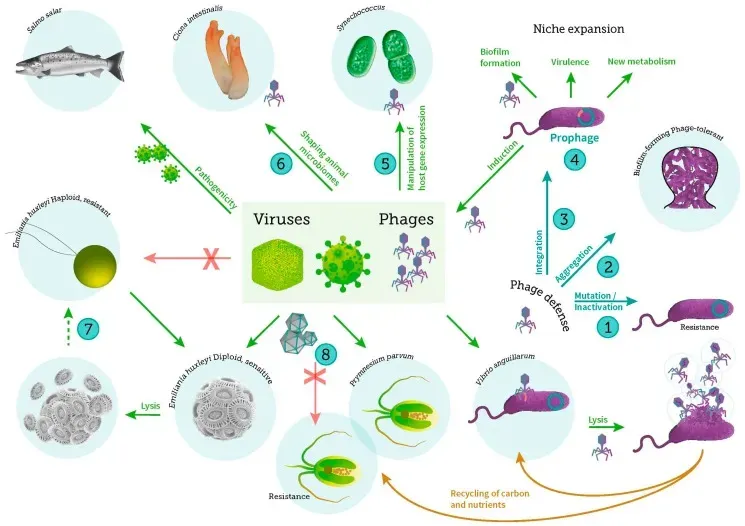
Compare this to the way we once thought about the gut purely as a passive digestive pipe. That old picture left little room for the idea that changing your microbial tenants could alter immune training, allergy risk, or even response to cancer immunotherapy. Today, oncologists are starting to explore how microbiome profiles might predict which patients will respond better to certain cutting-edge treatments. In autoimmune conditions like inflammatory bowel disease, researchers are probing whether targeted microbial therapies could calm chronic flare-ups where traditional drugs fall short. By treating the microbiome as a key player rather than background noise, medicine gains a powerful new dimension for understanding why similar people can have such different health trajectories.
The Human Stories Behind the Science
The microbiome revolution is not playing out only in labs and journals; it is unfolding in clinics and kitchens, too. Patients with stubborn gut disorders, debilitating fatigue, or unexplained food intolerances are increasingly hearing about their microbiome during medical visits. Some people find real relief as part of structured care, for example by working with dietitians to increase fiber diversity or by using carefully tested probiotics under medical guidance. Others, frustrated by slow progress or limited access, turn to the internet, where they encounter a wild mix of genuine science, oversimplified promises, and outright misinformation. The gap between what scientists can say with confidence and what desperate patients hope for can be emotionally charged and difficult to navigate.
On a more personal level, the microbiome conversation invites people to rethink their relationship with their bodies. It can be oddly comforting to realize that some weight struggles or mood shifts might not be simple failures of willpower, but partly rooted in the behavior of microscopic partners influenced by diet, antibiotics, and early-life exposures. At the same time, it can be unsettling to discover that decades of routine antimicrobial use and highly processed foods may have nudged our inner ecosystems into fragile, less resilient states. I still remember looking at my own diet after reading early microbiome studies and feeling a bit like a careless landlord who had neglected a lively but invisible neighborhood. That kind of shift in perspective is subtle but profound: suddenly, every meal and medication feels like a vote in a quiet election inside your gut.
Global Perspectives on a Shared Inner World
Although every person’s microbiome is unique, there are broad patterns that reflect geography, culture, and lifestyle. Studies comparing people in industrialized countries with those in more traditional, rural communities often find that the latter host more diverse gut microbes, particularly species that specialize in breaking down complex plant fibers. As societies urbanize and diets converge around processed foods, that diversity tends to shrink, suggesting a global loss of microbial heritage that some researchers compare to deforestation. Children growing up in highly sanitized environments may have fewer early encounters with microbes that help train the immune system, potentially contributing to rising rates of allergies and autoimmune diseases. The modern world, in other words, is reshaping our inner ecosystems in ways that may not be easy to reverse.
At the same time, microbiome research is expanding beyond wealthy nations, which historically dominated biomedical studies. Scientists are building more inclusive datasets that reflect different regions, diets, and environments, from high-altitude villages to coastal fishing communities. This global view matters, because what counts as a “healthy” microbiome in one context may look very different in another. It also raises ethical questions about data ownership, benefit-sharing, and the commercialization of microbial strains discovered in marginalized or Indigenous populations. As companies race to develop microbiome-based therapies and products, there is growing pressure to ensure that the communities whose microbial diversity informs these innovations also share in the benefits.
The Future Landscape: Precision Microbiome Medicine and Its Risks
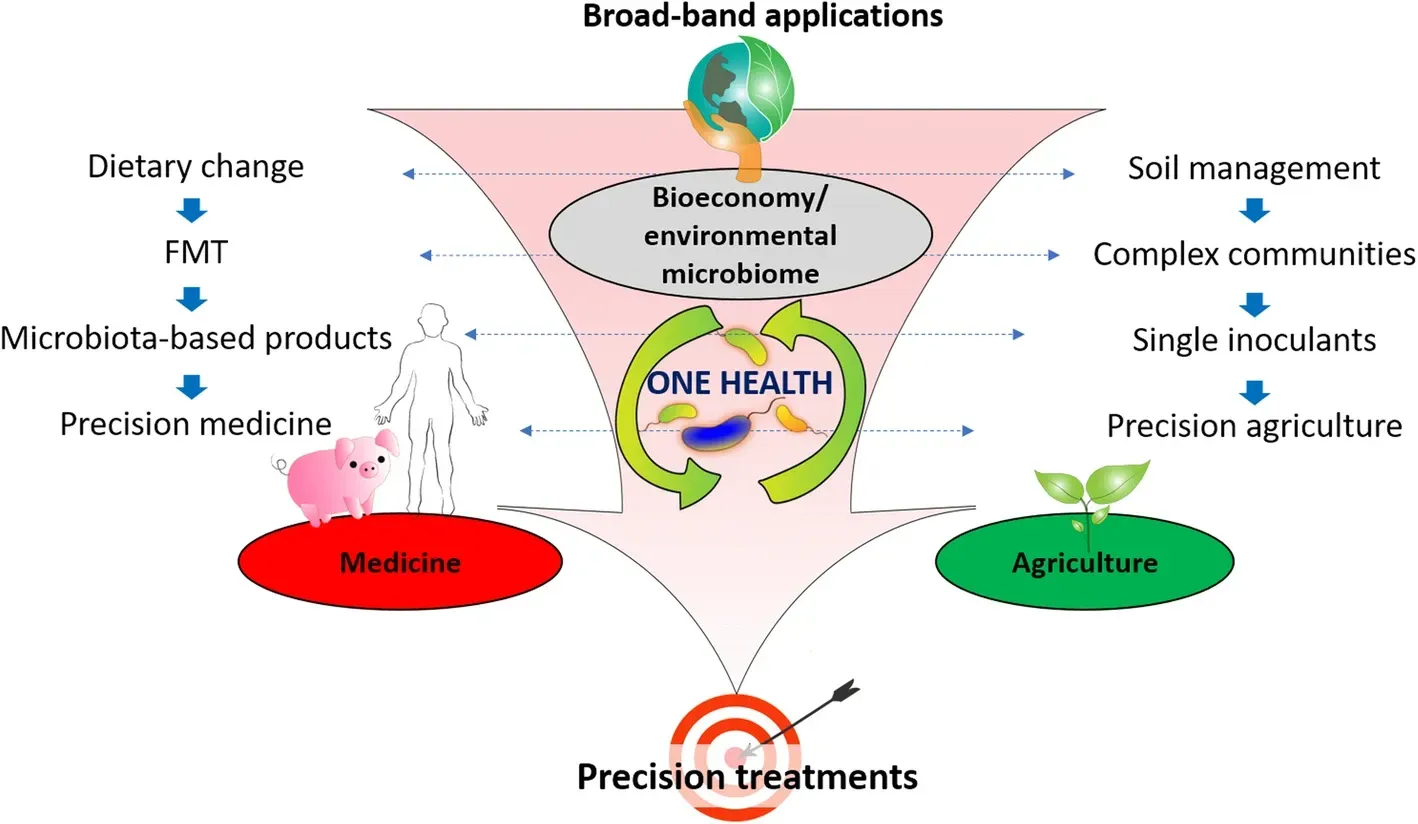
Looking ahead, the microbiome field is moving from description to intervention – from asking what lives in the gut to asking how we can deliberately change it. Researchers are testing next-generation probiotics that go far beyond the generic mixtures in supermarket yogurt drinks, using carefully selected bacterial strains designed to perform specific functions, like reducing inflammation or improving insulin sensitivity. Personalized nutrition companies are experimenting with algorithms that tailor dietary advice based on an individual’s microbial profile and blood-sugar responses. There is intense interest in engineering microbes to deliver drugs, modulate immune responses, or outcompete harmful strains in the gut. In theory, this could usher in a form of precision medicine where your treatment plan includes a customized microbial prescription.
But the excitement comes with real challenges and risks. Microbial ecosystems are complex, dynamic, and context-dependent, which means a microbe that behaves helpfully in one person could cause trouble in another. Many early microbiome studies were small or observational, making it hard to distinguish cause from effect, and some promising leads have stumbled in larger clinical trials. There are also safety concerns around casual or do-it-yourself fecal transplants, which can transmit infections or unwanted traits if not rigorously screened and controlled. Regulators are still figuring out how to classify and oversee these new therapies, which do not fit neatly into standard drug categories. The future of microbiome medicine is bright but will require caution, patience, and a willingness to accept that some simple narratives will not survive deeper testing.
Simple Ways to Support Your Inner Universe
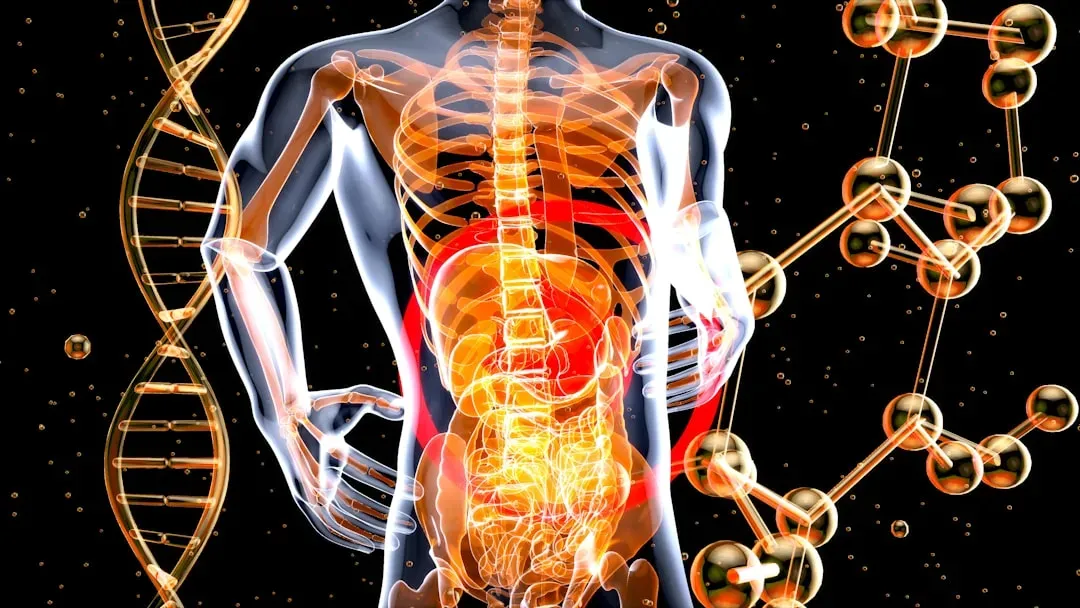
For all the high-tech tools and clinical trials, some of the most reliable ways to support a healthy microbiome remain surprisingly down to earth. Diet stands at the top of that list: eating a wide range of fiber-rich plant foods – vegetables, fruits, legumes, nuts, seeds, and whole grains – tends to nourish a more diverse gut community. Fermented foods like yogurt with live cultures, kefir, kimchi, tempeh, and certain traditional pickles can introduce beneficial microbes and their byproducts, though they are not magic bullets. Being thoughtful about antibiotic use, taking them only when clearly needed and under medical guidance, helps protect microbial diversity from unnecessary collateral damage. Regular movement, good sleep, and stress management practices appear to support healthier microbiome patterns as well, even if the exact mechanisms are still being mapped.
For readers who want to go a step further, there are constructive ways to engage with the science itself. Supporting large, transparent microbiome studies – whether by participating in research projects, donating to non-profit initiatives, or following open-science efforts – helps build the evidence base needed to move beyond hype. Asking critical questions about microbiome-related products, such as whether they have been tested in rigorous, peer-reviewed trials and in diverse populations, can nudge the market toward more responsible offerings. Educators and parents can help the next generation grow up with a more nuanced view of microbes, one that recognizes both the dangers of pathogens and the importance of microbial allies. In the end, treating your gut microbiome as a hidden universe is not about fear or obsession; it is about curiosity, stewardship, and a new respect for the unseen life that helps make you who you are.