Across the United States, there are places where history refuses to stay politely in the past. Old hotels, crumbling hospitals, and remote stretches of road have become stages for eerie encounters that raise a very modern question: what, exactly, are we sensing when we say a place feels haunted? For scientists, these locations are more than campfire fodder – they’re accidental laboratories for studying perception, memory, and the way environments shape our emotions. In recent years, physicists, psychologists, and even architects have started paying closer attention to supposedly haunted sites, using instruments and controlled experiments instead of Ouija boards. What they’re finding does not prove ghosts, but it does reveal how sound, light, architecture, geology, and expectation can work together to create some very convincing chills.
Whispers in the Corridors: Why Haunted Places Fascinate Us
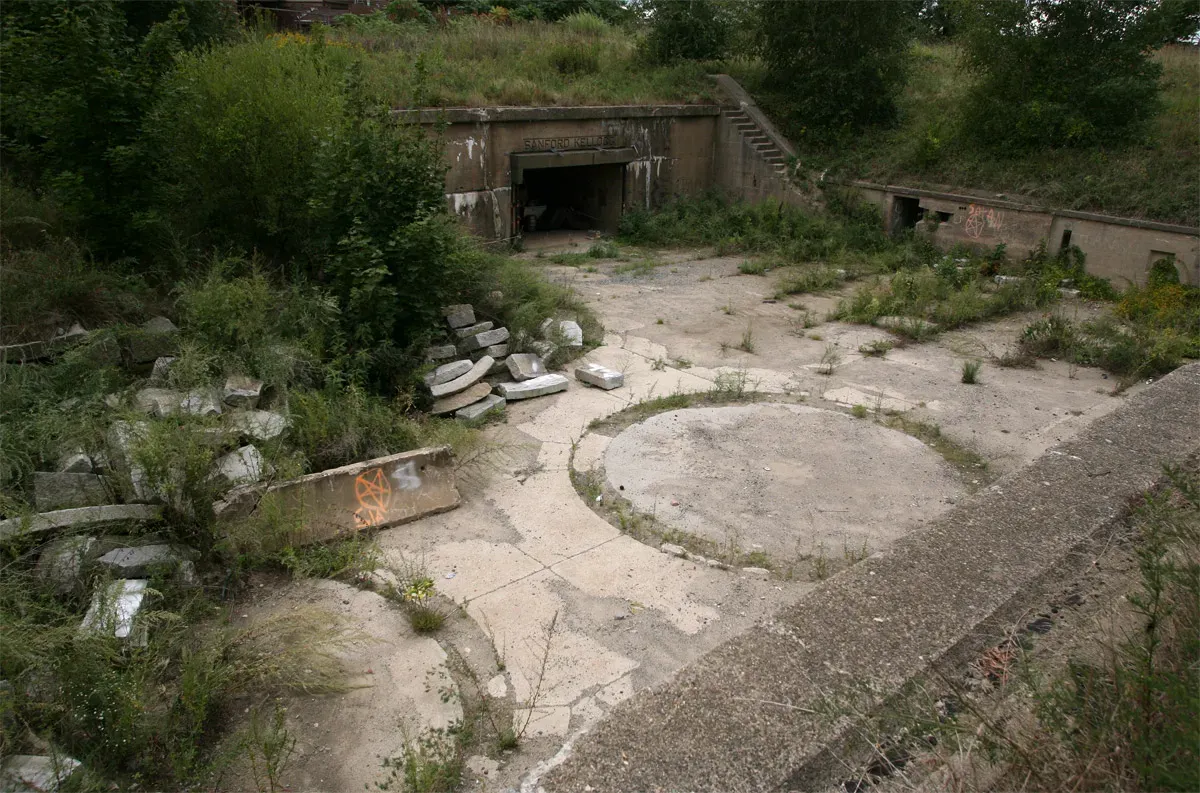
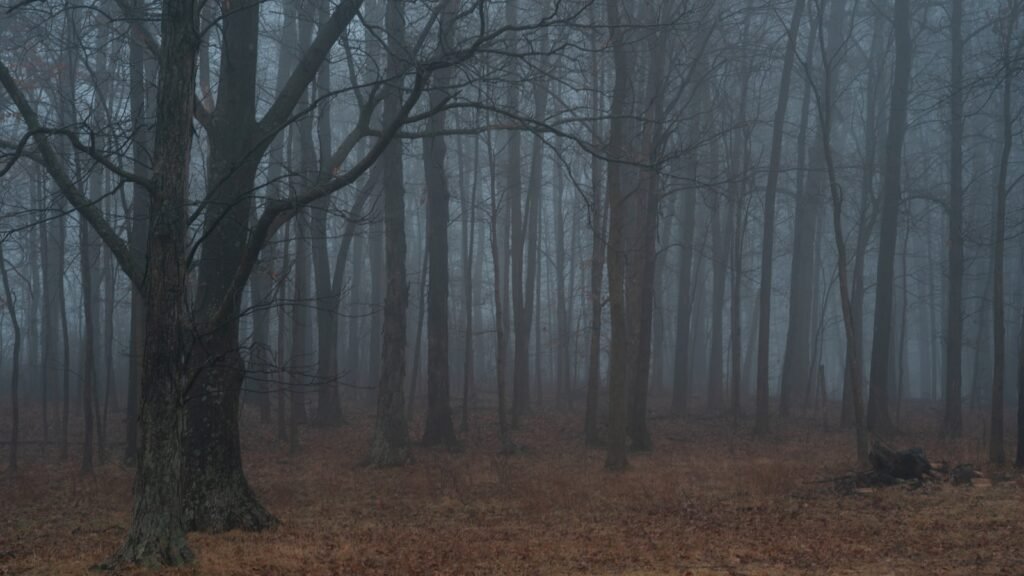
Walk into an abandoned building at dusk, and your heart rate jumps before anything actually happens – no footsteps, no voices, just thick silence and peeling paint. That instant jolt is your brain doing exactly what it evolved to do: scan for danger in uncertain environments. Haunted places exploit this beautifully, wrapping normal sensory input in an atmosphere of ambiguity, and our minds rush to fill in the blanks with stories, faces, and sometimes entire narratives of tragedy. Psychologists call this tendency pareidolia when it involves seeing patterns that are not really there, like faces in shadows or figures in mist. Once someone tells you a hallway is haunted, almost every creak and flicker is quietly rerouted through that expectation.
But there’s something deeper going on than just the power of suggestion. Many famously haunted sites share common physical traits – low light, odd acoustics, drafts, or infrasound – that subtly push our nervous systems into high alert. In that sense, they’re like unintentional experiments in human cognition and emotion, showing how past events, architecture, and atmosphere combine to bend our perception. That’s part of why scientists have started to take these locations seriously, not as proof of the supernatural, but as real-world case studies in how the brain constructs reality. The creepiness we feel is not random; it is the output of a highly tuned survival machine trying to make sense of the unknown.
The Hidden Clues: Sound, Light, and Architecture Behind the Chills
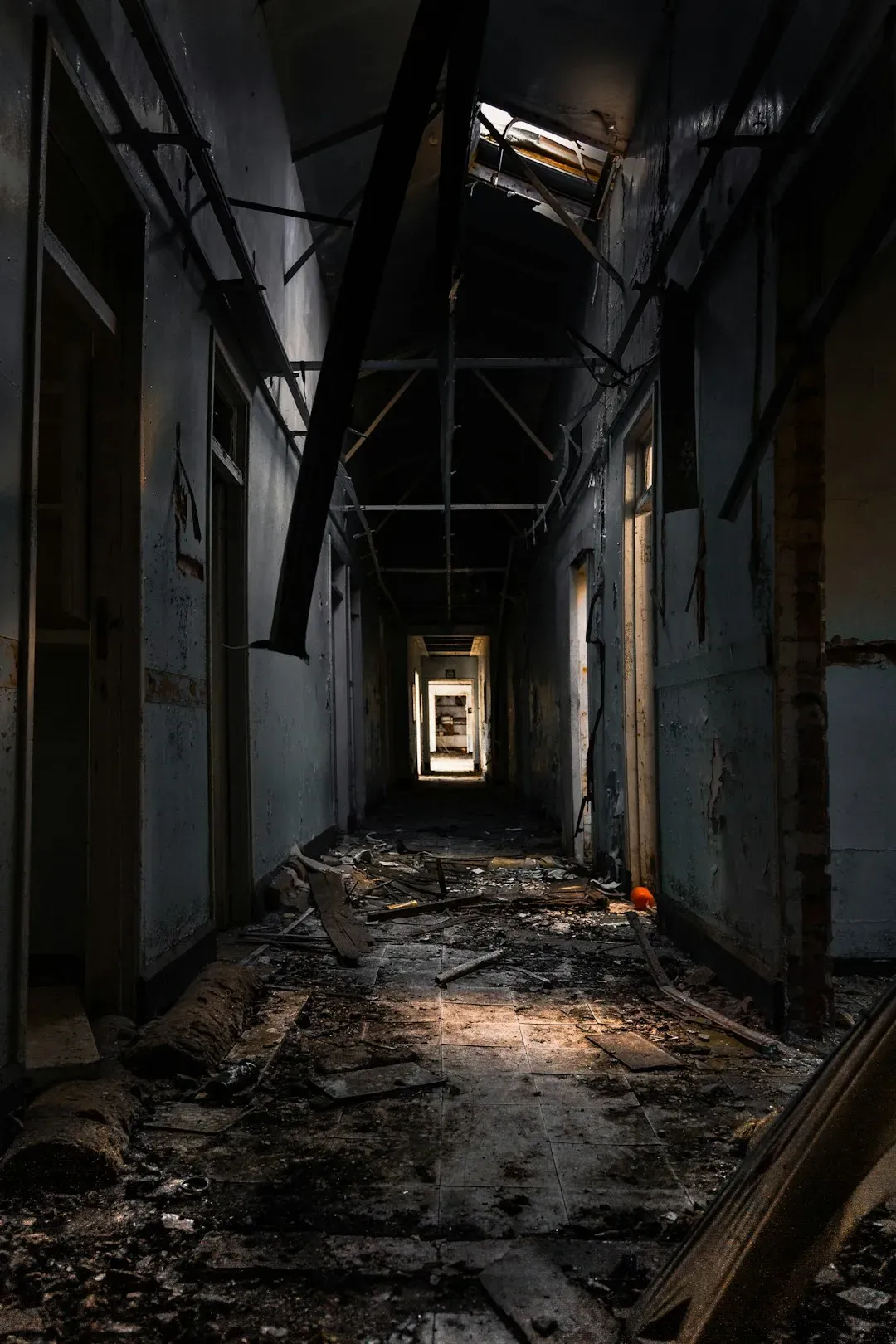
One of the most surprising scientific threads in haunted-house research involves sound we cannot consciously hear. Very low-frequency vibrations, known as infrasound, can be generated by wind in long corridors, old ventilation systems, or nearby machinery. These vibrations have been linked in some studies to feelings of unease, pressure in the chest, and the sense that something is “there” just out of sight. Add in dim, uneven lighting, and your visual system starts struggling to interpret shapes and movement, which is when shadowy “figures” often appear in eyewitness accounts. The result is a perfect storm of physical triggers that feel, to a visitor, intensely personal and otherworldly.
Architecture plays its own quiet role. Long, symmetrical hallways that vanish into darkness, narrow staircases, and high ceilings that produce strange echoes all change how we interpret space and sound. Old buildings that have settled or warped over time can creak and flex with temperature changes, producing irregular noises that our brains instinctively treat as intentional movement. When researchers map these environments with microphones and cameras, they often find rational sources for many “haunting” phenomena, yet the eerie feeling lingers even after the data is in. That hangover of dread is a reminder that our emotional responses do not instantly update just because we know the physics.
From Ghost Stories to Field Studies: How Scientists Investigate Haunted Sites

Despite the pop-culture divide between ghost hunters and lab-coated scientists, the most interesting work often happens where the two worlds meet. A growing number of researchers treat haunted locations as natural experiments, bringing along electromagnetic sensors, thermal cameras, and audio equipment instead of relying on anecdotes alone. The goal is not to chase apparitions, but to record environmental conditions precisely when people report something strange. Over multiple visits, they can look for patterns in temperature, noise levels, electromagnetic fields, and even carbon dioxide concentrations in stale, unventilated rooms. Those variables can all influence how alert, anxious, or confused we feel.
In some cases, controlled experiments are set up inside reputedly haunted buildings. Volunteers might be led through a site with no prior explanation, while their heart rate, skin conductance, and self-reported feelings are recorded. Later, a second group is told detailed stories of hauntings before walking the same route. Comparing the two sets of results helps tease apart what’s driven by suggestibility and what might be triggered more directly by the environment. When the lights, sounds, and air quality are carefully logged alongside people’s experiences, the “haunting” starts to look less like a mystery and more like an intricate interaction between brain and building.
Why It Matters: Haunted Places as Windows Into the Human Brain
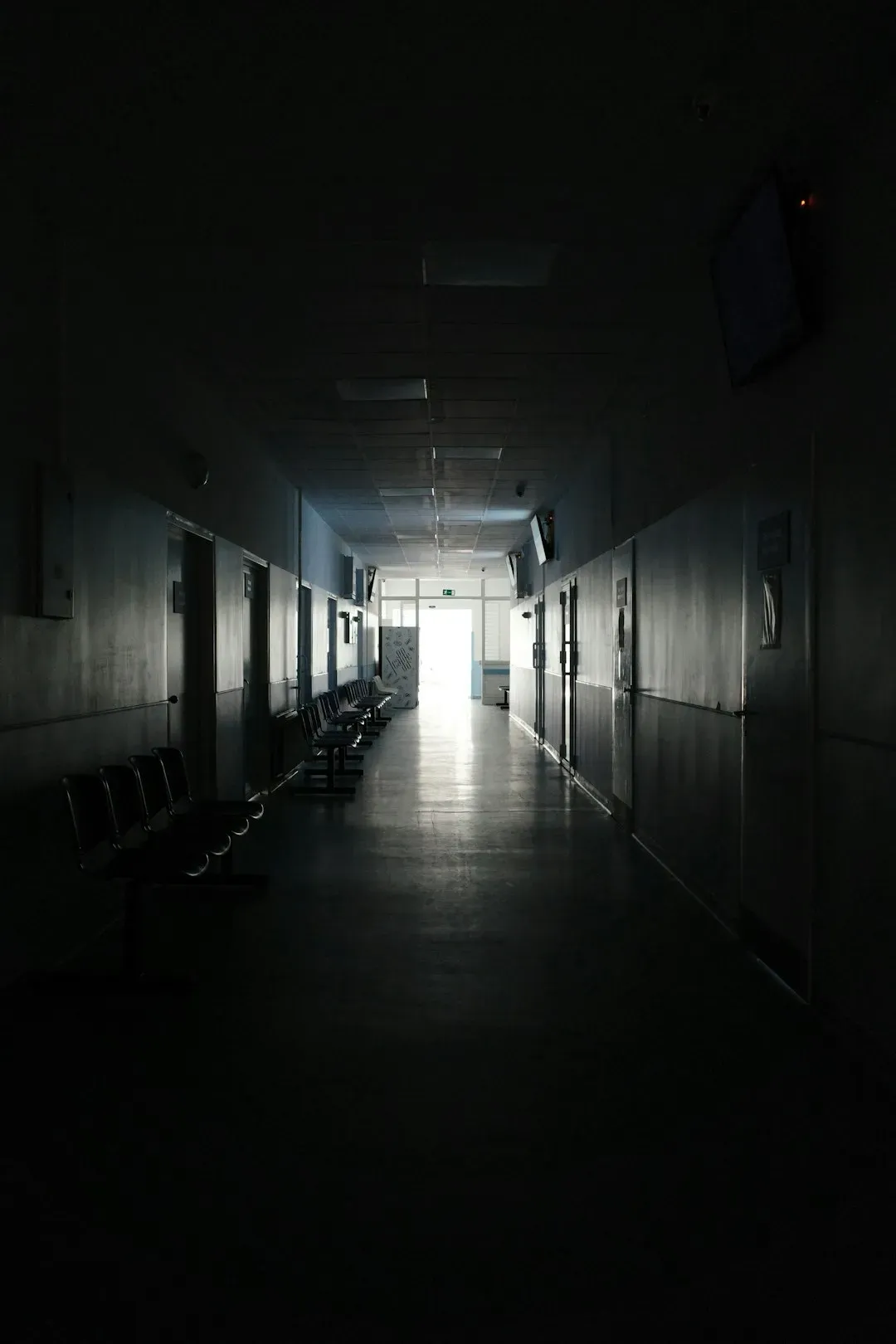
It might be tempting to dismiss haunted-house research as a quirky side project, but it actually cuts straight to some of the biggest questions in neuroscience and psychology. When you stand in a darkened hallway convinced there is someone behind you, even though the corridor is empty, you are watching your brain prioritize survival over accuracy. Understanding when and why that happens can shed light on phenomena ranging from anxiety disorders and phobias to mass hysteria and the spread of urban legends. The stakes are higher than a spooky thrill; the same mechanisms can shape how communities remember disasters, wars, or epidemics.
Haunted locations are also powerful teaching tools. They give scientists and educators a vivid way to explain concepts like sensory bias, expectation effects, and the construction of memory. Visitors often come for the ghost story and leave having experienced an impromptu lesson in critical thinking and perception. In a world drowning in misinformation, demystifying how easily our senses can be tricked is not just interesting – it is vital. The more we understand those eerie feelings in abandoned hospitals and lonely highways, the better we can recognize similar mental shortcuts in everyday life, from misread social cues to conspiracy theories that feed on fear.
Tools of the Trade: From EMF Meters to Brain Scans
On television, ghost hunters often brandish electromagnetic field (EMF) meters and infrared cameras as if they were direct detectors of spirits. In scientific hands, the same tools serve a very different purpose: they help map the invisible physical environment that people are moving through. Fluctuations in EMF strength might come from old wiring, appliances, or nearby power lines, yet they can also subtly influence sensitive electronics and, according to some studies, even human perception in borderline cases. Thermal cameras reveal drafts, cold spots, and heat leaks that can feel, to an unsuspecting visitor, like a sudden freezing presence brushing past. When those maps are compared to reported experiences, patterns begin to emerge.
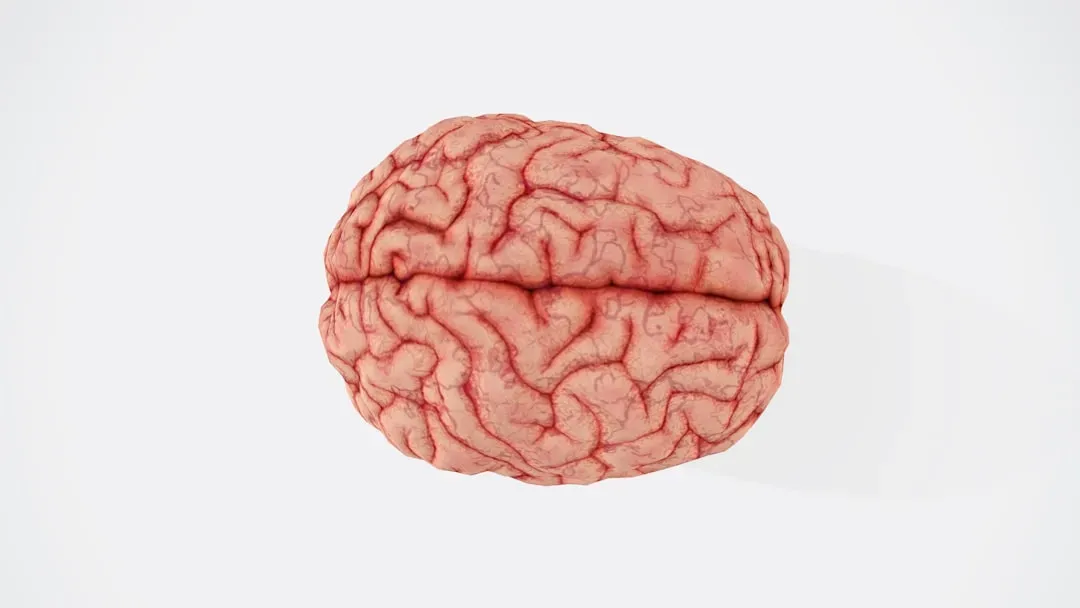
Laboratory tools are starting to follow researchers out into the field as well. Portable EEG devices, for example, can record basic patterns of brain activity as participants walk through allegedly haunted areas. Combined with heart-rate monitors and motion sensors, they create a synchronized picture of how body and brain react second by second to certain rooms, sounds, or visual cues. Data like this helps shift the conversation away from arguments about belief and toward measurable responses. Even if two people share the same story of a haunted staircase, their physiological reactions might tell very different tales about what was really going on in their heads.
Global Perspectives: Haunted Landscapes Across Cultures
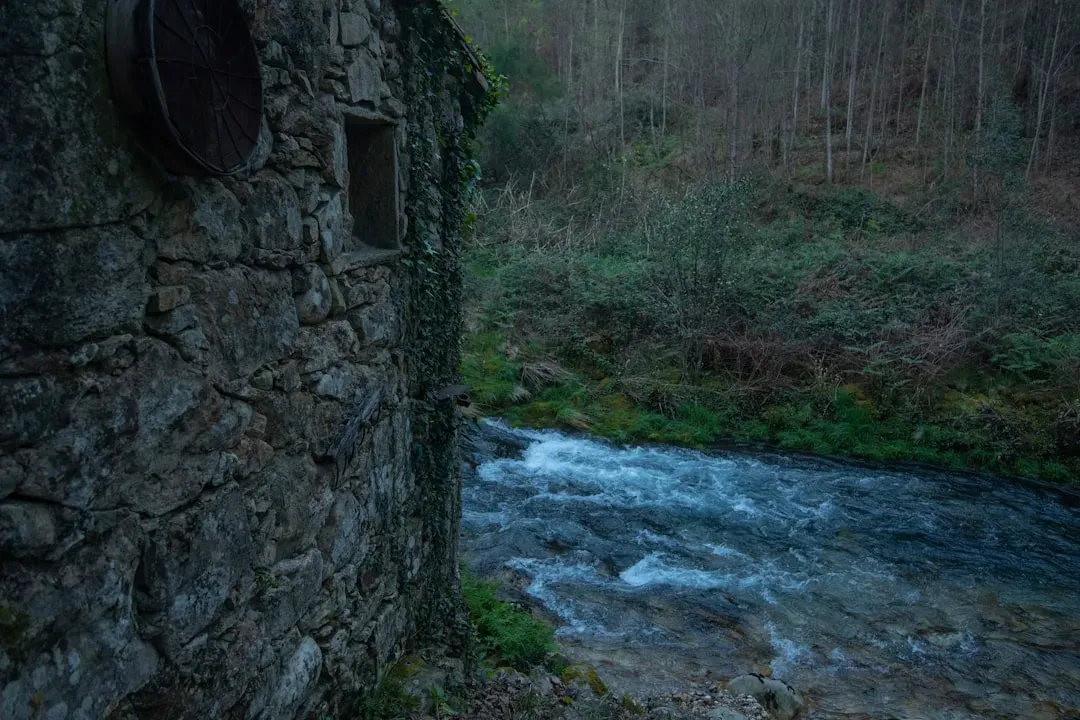
Although this article focuses on creepy locations in the United States, the underlying phenomenon is global. Nearly every culture has its own haunted castles, cursed forests, or perilous crossroads, often tied to local histories of violence, injustice, or sudden death. What changes from country to country are the stories people tell about those places, the rituals they perform there, and the kinds of “entities” they expect to encounter. In one region the fear might center on restless ancestors, while in another it revolves around malevolent strangers or wronged lovers. Yet the emotional core – unease in liminal spaces where human life and loss are palpable – shows a striking similarity.
Anthropologists who study haunted sites treat them as living archives of cultural memory. A ruined fort, for example, may preserve ghost stories that keep past wars or atrocities from fading completely. Even when details are distorted over time, the persistence of a haunting tale can point to unresolved social wounds. Comparing these stories with physical archaeology and historical records sometimes reveals a surprising amount of accuracy about real events. In this way, haunted places become bridges between folklore, science, and history, reminding us that fear can be both a burden and a form of remembrance.
The Future Landscape: Smart Buildings, Virtual Hauntings, and New Questions
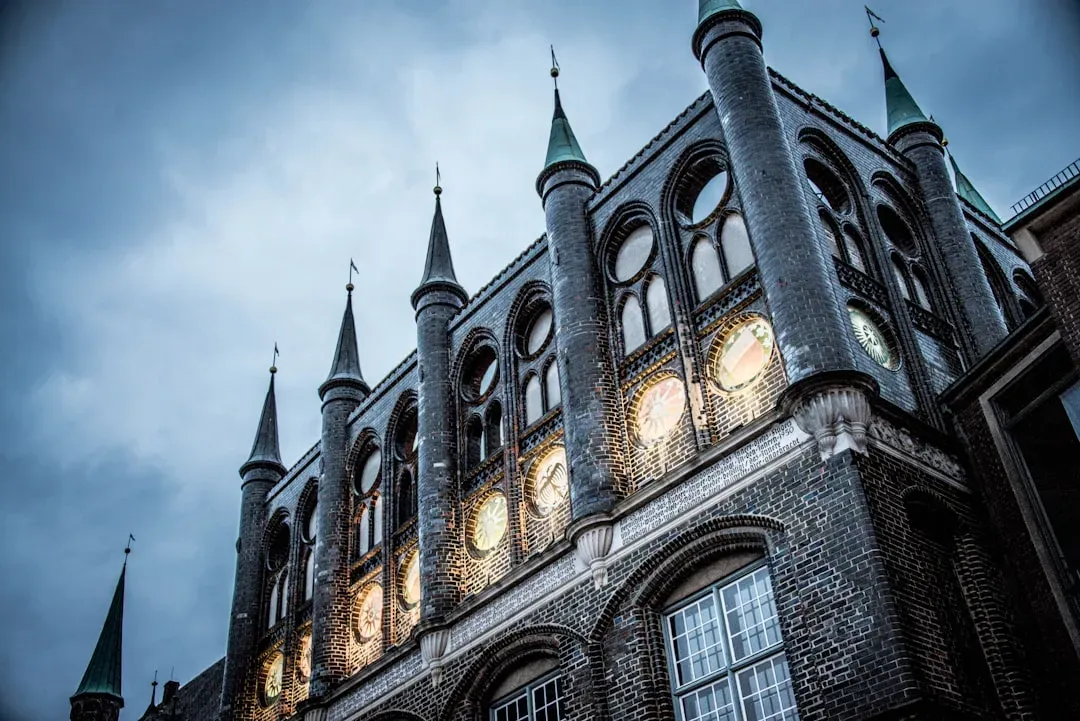
As buildings get smarter – with sensors tracking everything from occupancy to air quality – future haunted houses may come with data logs as long as their legends. Architects and engineers are already interested in how lighting schemes, acoustic damping, and spatial layout affect people’s comfort and stress levels. Those same design choices could, intentionally or not, amplify or dampen feelings of eeriness in certain environments. Virtual reality adds another twist, allowing researchers to construct digital “haunted” spaces where every variable can be controlled and altered at will. Participants can walk the same corridor under different lighting, sound, or narrative conditions while their responses are carefully measured.
On the flip side, advances in neuroscience and machine learning may someday turn haunting claims into training data. Algorithms could analyze thousands of eyewitness accounts and environmental readings to identify recurring patterns, perhaps predicting which types of spaces are most likely to be labeled haunted. That raises its own philosophical questions: if a building triggers a haunting feeling in nearly everyone who enters, does it matter whether there is anything supernatural involved? As our tools for probing perception become more refined, the line between ghost story and environmental psychology may blur even further. The mystery will not vanish, but it may shift from the corridors of old mansions to the networks of the human brain.
How to Engage: Visiting, Questioning, and Supporting the Science
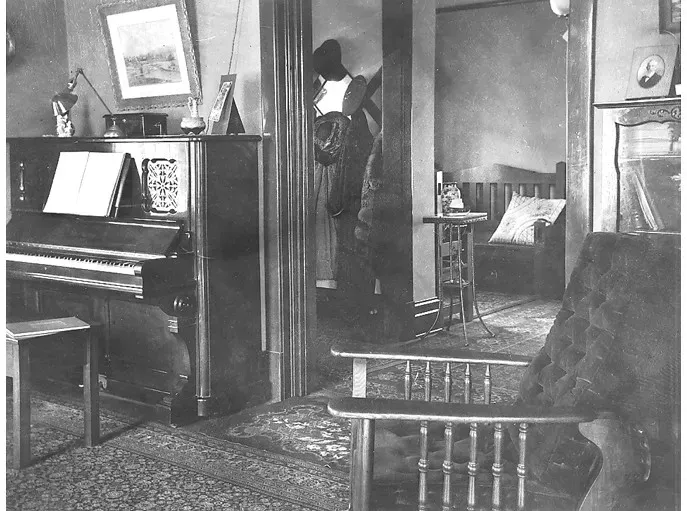
If you are tempted to visit one of the USA’s famously creepy spots, you do not have to choose between wide-eyed belief and smug dismissal. You can walk those dark hallways as a curious observer, paying attention to how your own body responds – the quickened pulse, the prickle on your neck, the way your eyes strain in low light. Try noting what changes when you know the local ghost stories compared with when you walk in cold. Treat the experience like an informal experiment rather than a test of faith. That mindset keeps the wonder intact while grounding it in observation.
There are also simple ways to support the more rigorous side of haunted-place research. Many historic sites rely on tourism to fund conservation and educational programs, including collaborations with universities that study architecture, history, and human perception. You can look for tours that highlight both legend and evidence, acknowledging local stories while explaining what scientists have found in similar settings. Sharing critical, nuanced articles about hauntings – rather than sensational or mocking takes – also helps shift the conversation toward curiosity instead of ridicule or blind belief. The next time a friend tells you about a creepy experience in an old building, you might listen with both empathy and a scientist’s questions: what did you feel, what did you hear, and what might the place itself have been saying?