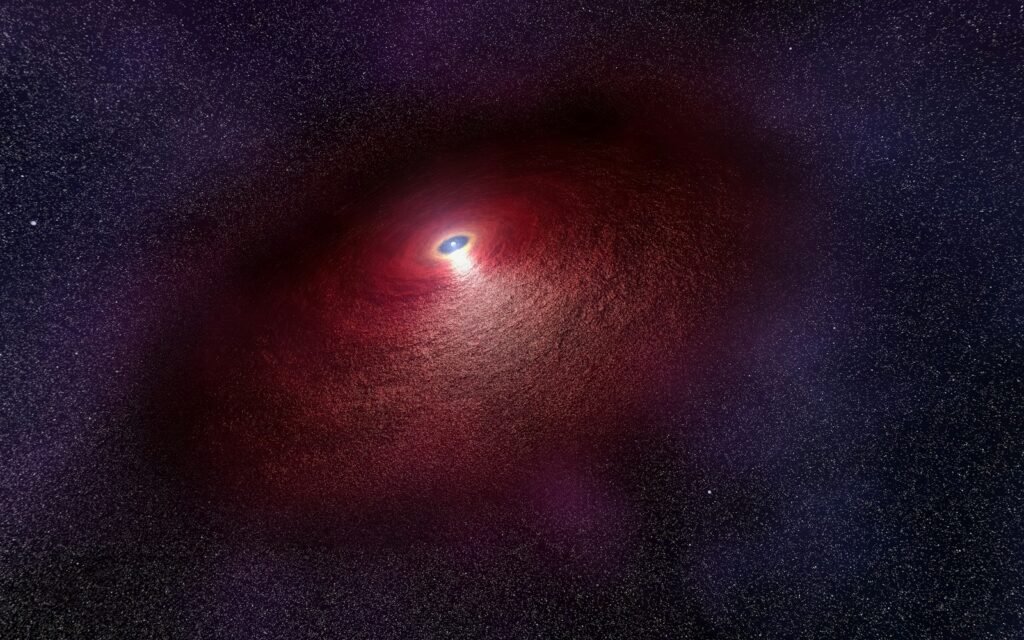

We tend to picture the Milky Way as a static postcard in space: a serene spiral of stars quietly wheeling through the dark. The reality, revealed by new telescopes, sky surveys, and precision measurements, is far stranger and far more alive than that peaceful image suggests. Our galaxy ripples, collides, grows, sheds stars, and may even hide a turbulent heart far more active than we once dared to imagine. In the last few years, astronomers have gone from treating the Milky Way as a backdrop to realizing it is an evolving character in the universe’s story. Here are twelve of the most surprising, sometimes unsettling truths about our galactic home – and why they may change how you think about the night sky forever.
A Supermassive Black Hole Lurks Quietly In Our Backyard
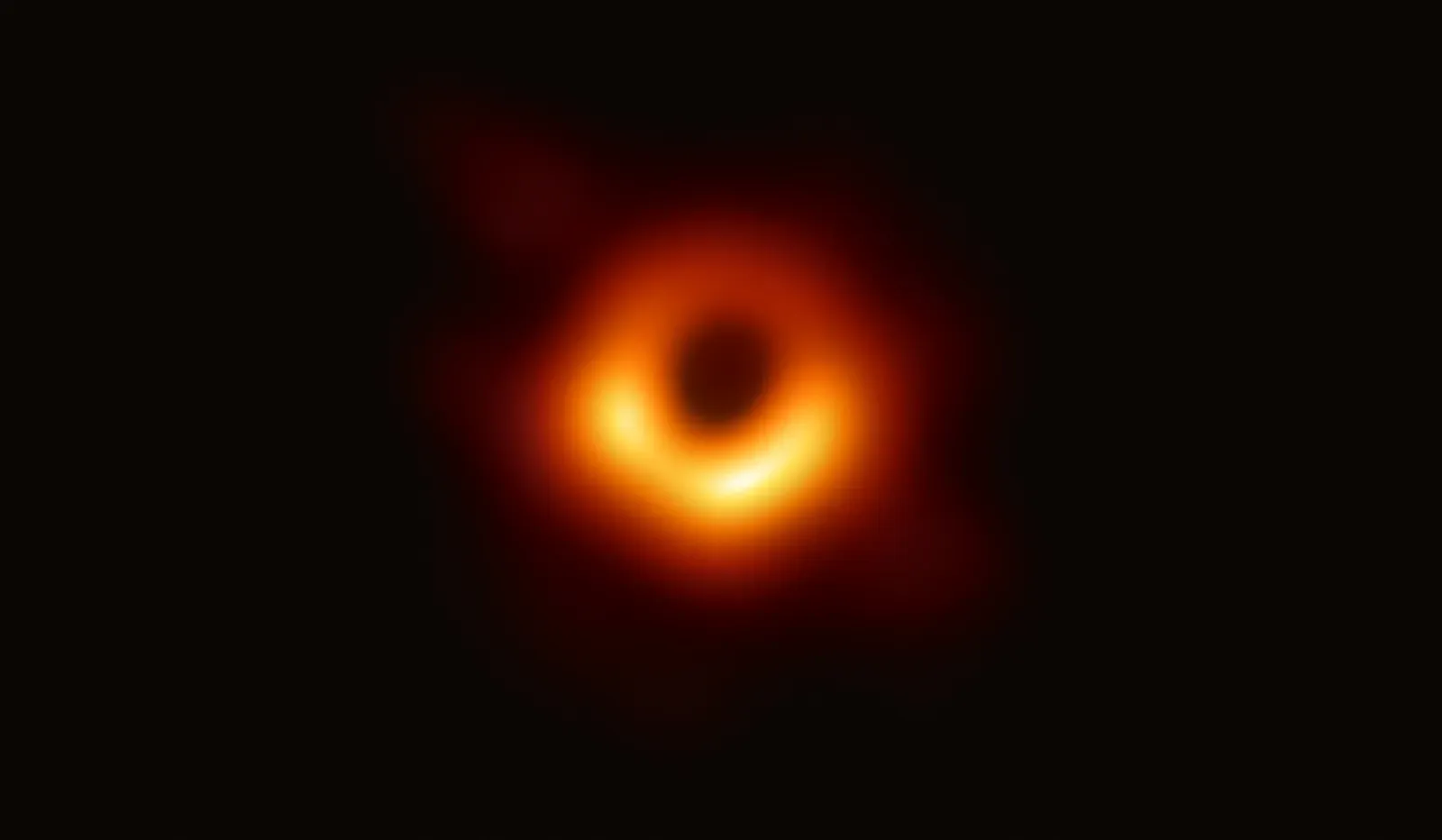
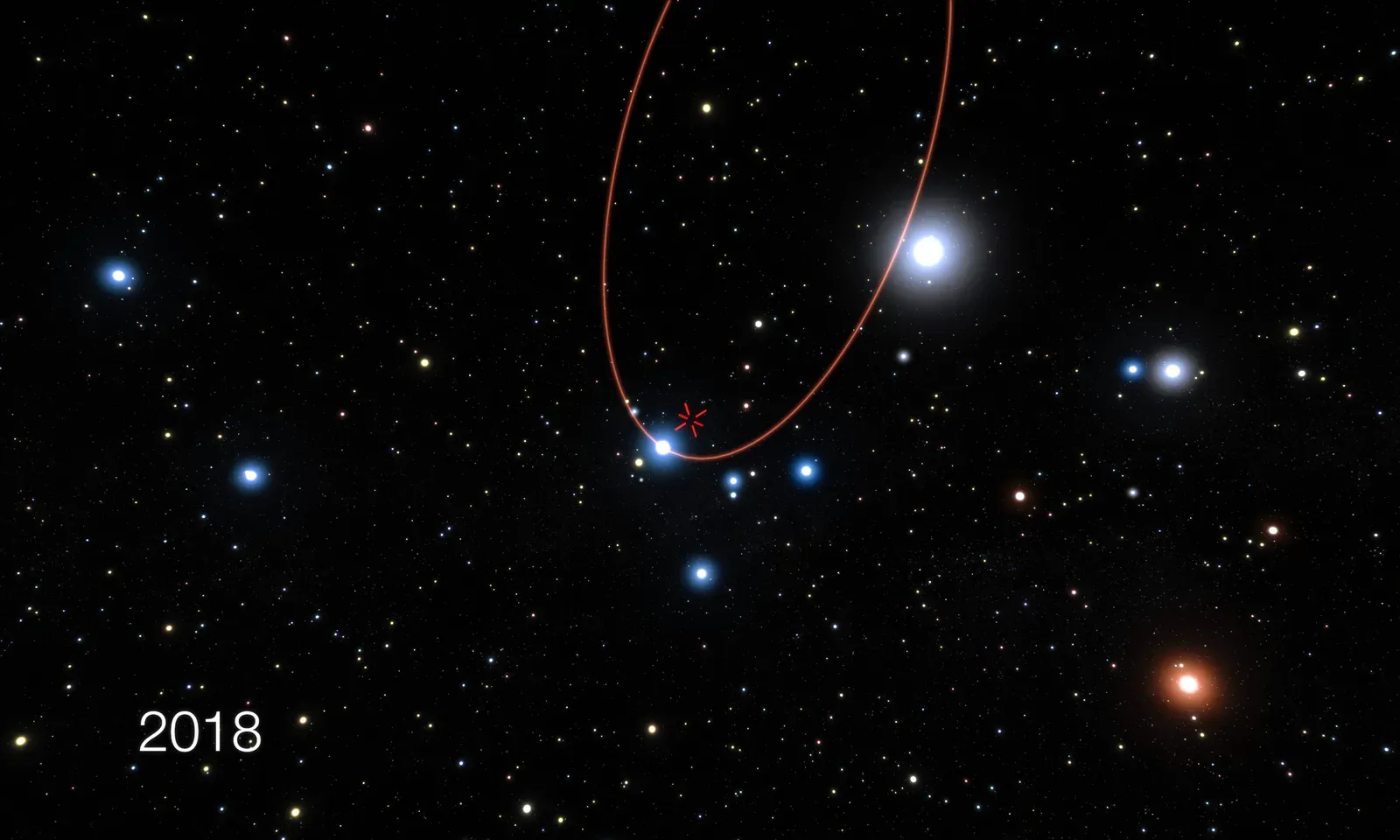
At the very center of the Milky Way, about twenty-six thousand light-years away, sits a supermassive black hole called Sagittarius A*, with a mass roughly four million times that of the Sun. For decades it was just a suspicious dark region, but careful tracking of nearby stars, whipping around at breakneck speeds, confirmed that something incredibly dense and invisible was anchoring our galaxy. In 2022, astronomers released the first-ever image of the glowing ring of gas around this black hole, finally turning a theoretical monster into an observable object. What shocks many people is how calm it seems compared to ravenous black holes in distant galaxies that blaze as bright quasars. Ours is relatively quiet right now, like a sleeping volcano that occasionally burps X-ray flares when it snacks on stray gas or unlucky dust clouds.
That calmness may not last forever, at least on cosmic timescales. New research suggests that millions of years ago, the Milky Way’s center may have been far more active, blasting huge bubbles of high-energy particles above and below the galactic plane. Today those relics, enormous structures of radiation stretching tens of thousands of light-years, are still faintly visible in gamma rays and X-rays. The unsettling implication is that our galaxy’s core has moods: it cycles between nap and storm. If you look toward the constellation Sagittarius on a dark night, you are staring toward a place where gravity is strong enough to trap light itself – and yet, for now, it is letting our corner of the galaxy live in relative peace.
The Milky Way Is Not A Flat Disc – It’s Surprisingly Warped And Wobbly
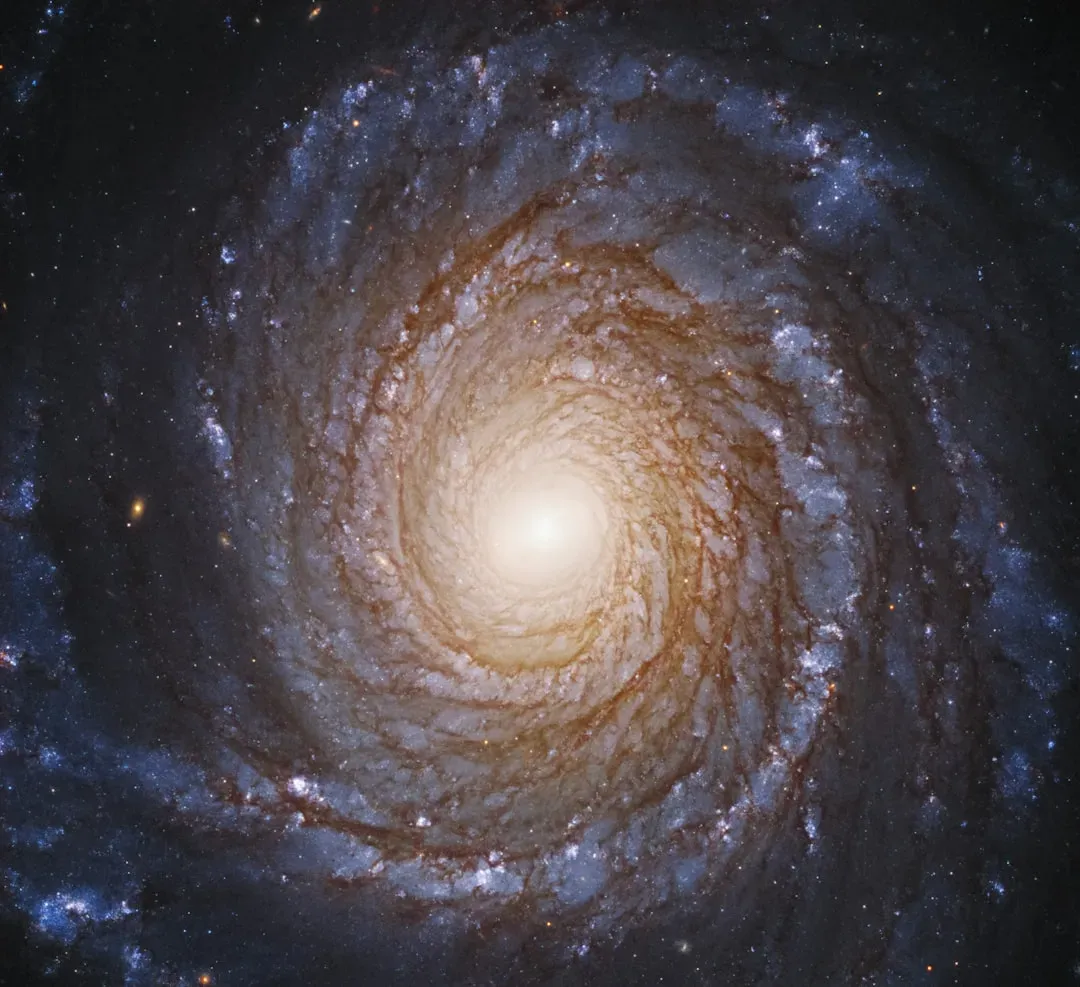
Most space art shows the Milky Way as a perfectly flat, elegant spiral, but real measurements reveal something a bit more crooked. Using vast catalogs of stars mapped by the European Gaia mission, astronomers have found that the edges of our galaxy’s disk are bent and twisted, like a vinyl record left too long in the sun. One side of the disk curves upward, while the opposite side droops downward, creating a gentle S-shaped warp that extends tens of thousands of light-years. The galaxy also ripples with vertical waves, where groups of stars bob above and below the main plane as if they were riding swells on a cosmic ocean. This makes our home galaxy feel less like a rigid machine and more like a living, flexing structure influenced by outside forces.
What could bend something containing hundreds of billions of stars? The leading suspects are past and ongoing encounters with smaller satellite galaxies and huge clumps of dark matter, whose invisible gravity can tug at the Milky Way’s disk. One likely culprit is the Sagittarius dwarf galaxy, a small neighbor being slowly shredded and absorbed, leaving behind trails of stars and gravitational scars. Every time one of these companions plunges through the Milky Way’s plane, it sends ripples through the stars, a bit like a stone tossed into a pond. So when you hear that we live in a spiral galaxy, picture less a perfect pinwheel and more a slightly dented, constantly jostled carousel of stars, responding to collisions that we can only reconstruct from the shapes they leave behind.
Stellar Traffic Is So Dense Near The Center It Redefines “Crowded”
From Earth, the night sky can feel empty, with stars scattered like occasional pinpricks in a vast dark dome. But if you could stand near the Milky Way’s central bulge, that mental picture would shatter. There, stars can be packed so closely that the average distance between them shrinks to a tiny fraction of what we experience in our local neighborhood. Instead of a mostly black sky with a few bright jewels, you’d see a dazzling, almost continuous glow of starlight in every direction, thousands of times brighter than what we see from Earth’s surface. This intense crowding fuels complex gravitational interactions, star clusters forming and dissolving, and gas clouds being squeezed and torn in ways our calmer region almost never experiences.
Our own Sun lives in what astronomers jokingly call the cosmic suburbs, about two-thirds of the way out from the galactic center. Here, space between stars is comparatively vast and tranquil, which is probably fortunate for the development of life on planets like Earth. Closer in, frequent supernova explosions and intense radiation would make long-term biological stability far more difficult. That contrast – quiet outskirts, chaotic downtown – gives the Milky Way a personality that’s oddly familiar. It has a bustling city core that never sleeps, surrounded by calmer neighborhoods where stars like the Sun can age in relative safety, far from the violent nightlife at the center.
Our Galaxy Is Cannibalistic – And We’re Currently Devouring Neighbors
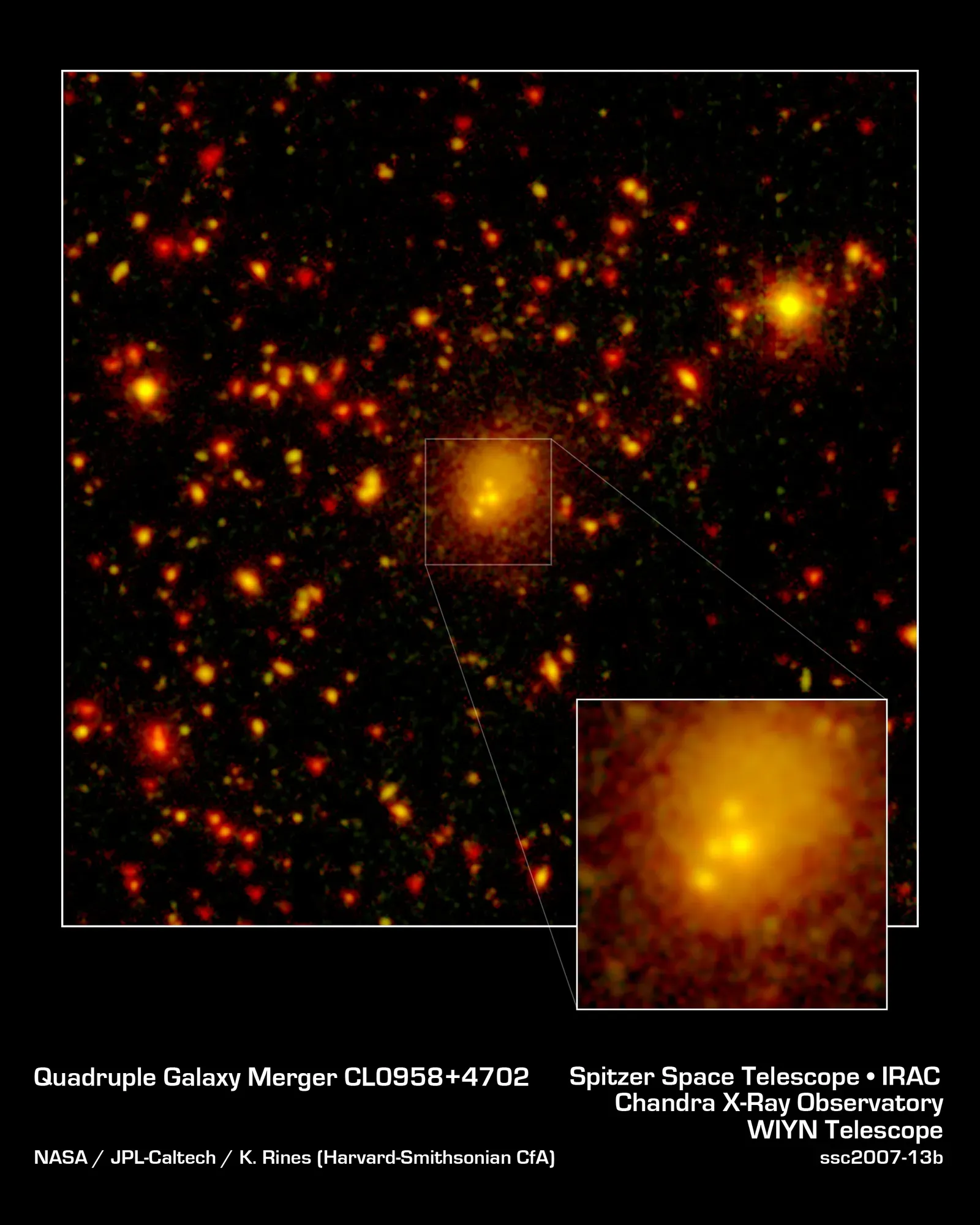
It’s tempting to think of galaxies as solitary islands in space, each minding its own business, but the Milky Way has a more ruthless history. Evidence from stellar motions and chemical fingerprints shows that our galaxy has grown, in part, by tearing apart and absorbing smaller galaxies over billions of years. Some of the stars you see in the night sky were not originally “born” in the Milky Way at all – they’re immigrants, captured during ancient mergers. Astronomers have identified streams of stars arcing through the halo, the faint spherical envelope around the disk, which are the stretched-out remains of devoured dwarf galaxies. These stellar streams are like crime-scene tape, marking where the Milky Way’s gravity ripped apart former companions.
This cannibalism is still happening today. The Sagittarius dwarf galaxy is being slowly dismantled, leaving a ring-like trail of stars wrapping around the Milky Way. Our galaxy is also tugging on the Magellanic Clouds, two bright dwarf galaxies visible from the Southern Hemisphere, stripping gas from them and likely setting up future mergers. On cosmic timescales, survival as an independent galaxy near the Milky Way is a losing battle. The idea that our serene-looking galaxy has built part of its mass through repeated acts of cosmic theft is one of the most unsettling and fascinating revelations of modern galactic astronomy.
The Milky Way And Andromeda Are On A Collision Course
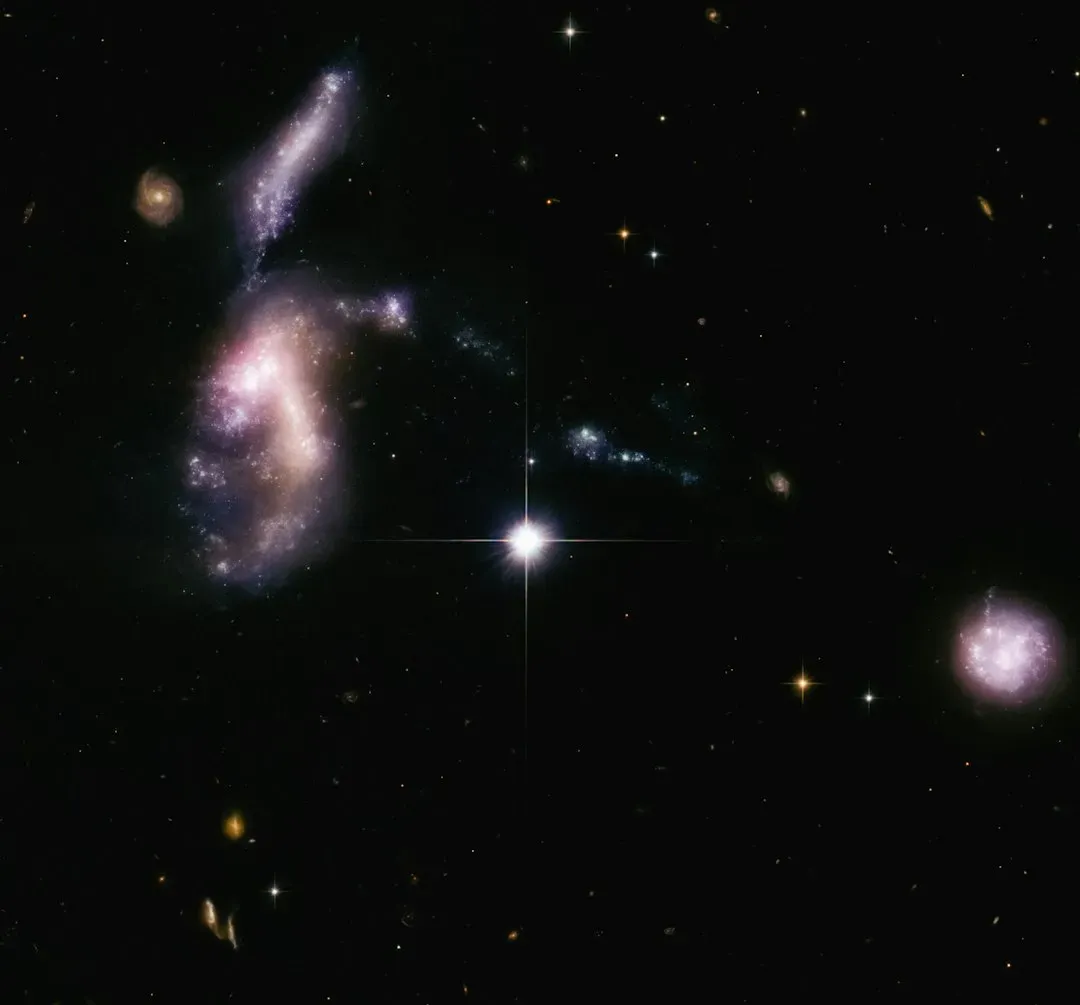
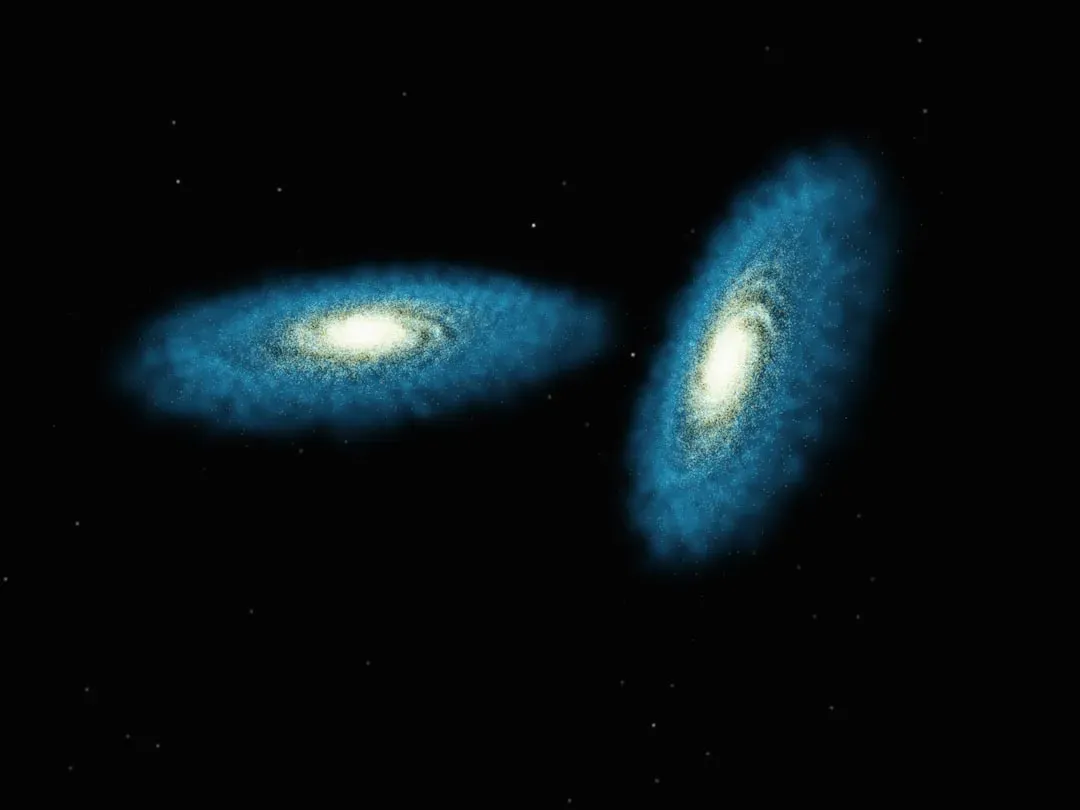
One of the most jaw-dropping facts about our galaxy is that it’s not just eating small neighbors; it’s also rushing toward a head-on encounter with another giant. The Andromeda galaxy, currently a faint smudge in the northern sky, is on a slow-motion collision course with the Milky Way. Precise measurements of Andromeda’s motion show that, instead of simply drifting sideways, it is moving toward us at hundreds of kilometers per second. The best estimates suggest that in about four to five billion years, the two galaxies will begin to merge, transforming the night sky into a swirling panorama of tidal tails, starbursts, and overlapping spiral arms. For any observers around at that time, the view will be both terrifying and breathtaking.
Surprisingly, a galactic collision does not mean stars are doomed to smash into one another like cars on a freeway. Even in dense regions, the distances between individual stars are so enormous that direct collisions remain rare. Instead, gravity will reshuffle stellar orbits, fling some stars into intergalactic space, and trigger waves of new star formation as gas clouds compress. Over a few billion years, the Milky Way and Andromeda are expected to settle into a new, more rounded shape – likely an enormous elliptical galaxy sometimes nicknamed “Milkdromeda.” While that timescale is far beyond humanity’s planning horizon, it drives home an astonishing truth: our galaxy’s current shape is temporary, part of an ongoing, dramatic cosmic dance.
Invisible Dark Matter Dominates Our Galaxy’s Mass
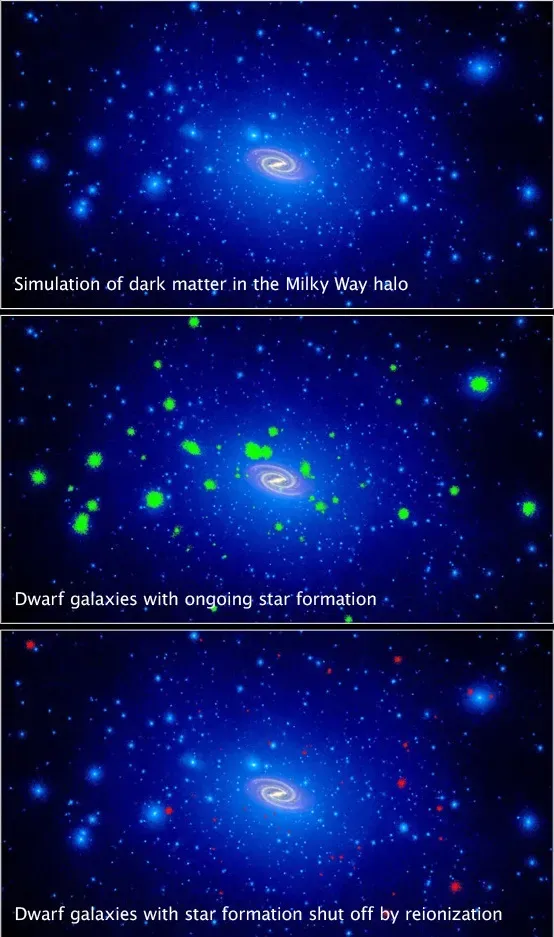
Here’s a fact that feels almost like a cosmic prank: most of the Milky Way is made of something we can’t see and don’t yet understand. When astronomers carefully map how fast stars orbit the galactic center at different distances, they find that the visible mass – stars, gas, dust – simply isn’t enough to hold the galaxy together. Instead, the outer stars are moving so quickly that, without extra mass, they should fly off into space. The only explanation that fits a huge range of observations is that the Milky Way is embedded in a vast, roughly spherical halo of dark matter, a mysterious substance that exerts gravity but doesn’t emit or absorb light. Estimates suggest that this unseen component accounts for the majority of our galaxy’s mass.
The presence of dark matter radically changes how we imagine our place in the universe. Every star you can see, including the Sun, swims through this invisible medium, like fish moving through a perfectly transparent ocean. Physicists around the world are trying to detect dark matter particles in underground experiments, in cosmic rays, and with powerful accelerators, but so far they’ve only pinned down its gravitational fingerprints. In everyday life, it has no obvious effect on our bodies or technologies, yet it controls the architecture of galaxies and clusters on the largest scales. The unsettling irony is that we know more about distant exoplanets’ atmospheres than we do about the substance that makes up most of the Milky Way’s mass.
Star Birth In The Milky Way Is Slower Than You Think – But Still Spectacular
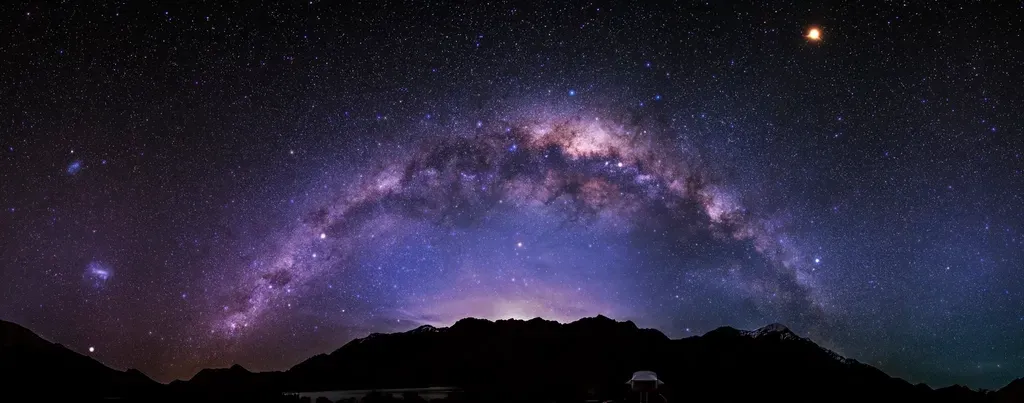
If you’ve ever seen images of glowing nebulae, you might imagine the Milky Way churning out new stars at a furious pace. In reality, the current star-formation rate is surprisingly modest for a galaxy of its size. Estimates suggest that, on average, the Milky Way forms only a few new stars per year, spread across its vast disk. That is still impressive compared with our local neighborhood, but far from the intense “starburst” galaxies that can form thousands of stars per year in short, violent episodes. Most of our galaxy’s gas has already been used up or heated and spread out, making it harder for gravity to squeeze it into new suns.
Yet where star formation does happen, it’s spectacular. Giant molecular clouds, cold and dense, serve as stellar nurseries where clusters of stars ignite in tangled webs of gas and dust. You can think of these regions as cosmic maternity wards, glowing in infrared and radio waves that modern telescopes can pierce. Over millions of years, radiation and stellar winds from newborn massive stars blow away the remaining gas, carving out cavities and triggering new rounds of star birth in neighboring clumps. So while the Milky Way might be past its youthful, hyperactive phase, it still carries the echo of that youth in the glowing pockets of creation scattered through its spiral arms.
Why These Galactic Truths Matter More Than You Might Think
It’s tempting to treat these Milky Way facts as trivia – fun to know, but distant from daily life. But understanding our galaxy reshapes how we think about everything from the origin of the elements in our bodies to the long-term fate of our cosmic environment. Knowing that our galaxy collides, feeds, and evolves tells us that the conditions that gave rise to Earth and life were not inevitable; they emerged from a specific, sometimes violent galactic history. The Sun’s calm orbit in a relatively quiet region, far from the chaos of the center, may have been a crucial stroke of luck. If we had formed closer to the core, repeated blasts of radiation and gravitational disruptions might have derailed the slow experiment of biological evolution.
These insights also feed directly into broader questions in physics and cosmology. Dark matter in the Milky Way provides one of the most accessible laboratories for testing ideas about the fundamental nature of matter and gravity. The galaxy’s cannibalistic past helps calibrate models of how structure grows across the universe, linking local observations to the large-scale cosmic web. Even the future Andromeda collision matters for how we think about the long-term survival of planetary systems and the ultimate visibility of the universe from within a merged galaxy. In other words, the Milky Way is not just our address; it’s a dynamic experiment whose results set the stage for everything we care about.
The Future Landscape: New Telescopes Are About To Rewrite The Story Again
As wild as these facts already sound, they may soon feel like the first draft. Over the next decade, new observatories are poised to transform our understanding of the Milky Way yet again. The Vera C. Rubin Observatory in Chile, for example, will repeatedly scan the entire southern sky, capturing the motions of billions of stars and revealing faint streams of debris from past galactic mergers. Radio arrays and gravitational-wave detectors will open fresh windows on how black holes and neutron stars are distributed in our galaxy, adding hidden characters to the cast. Meanwhile, continued data releases from the Gaia satellite are refining our three-dimensional map of the Milky Way to an accuracy that would have seemed impossible just a generation ago.
These tools will not only sharpen existing mysteries; they will almost certainly uncover new ones. We may find that the dark matter halo is clumpier than expected, hinting at new physics, or that our galaxy’s history of cannibalism is even more violent than current models suggest. We might discover entire populations of faint, failed stars or rogue planets drifting between stellar neighborhoods. Each new dataset is like turning up the resolution on a familiar picture and suddenly noticing details that were always there but just out of focus. The most honest prediction is that any list of “astonishing facts” about the Milky Way written today will look tame compared with what we know twenty years from now.
How You Can Stay Connected To Our Restless Galactic Home
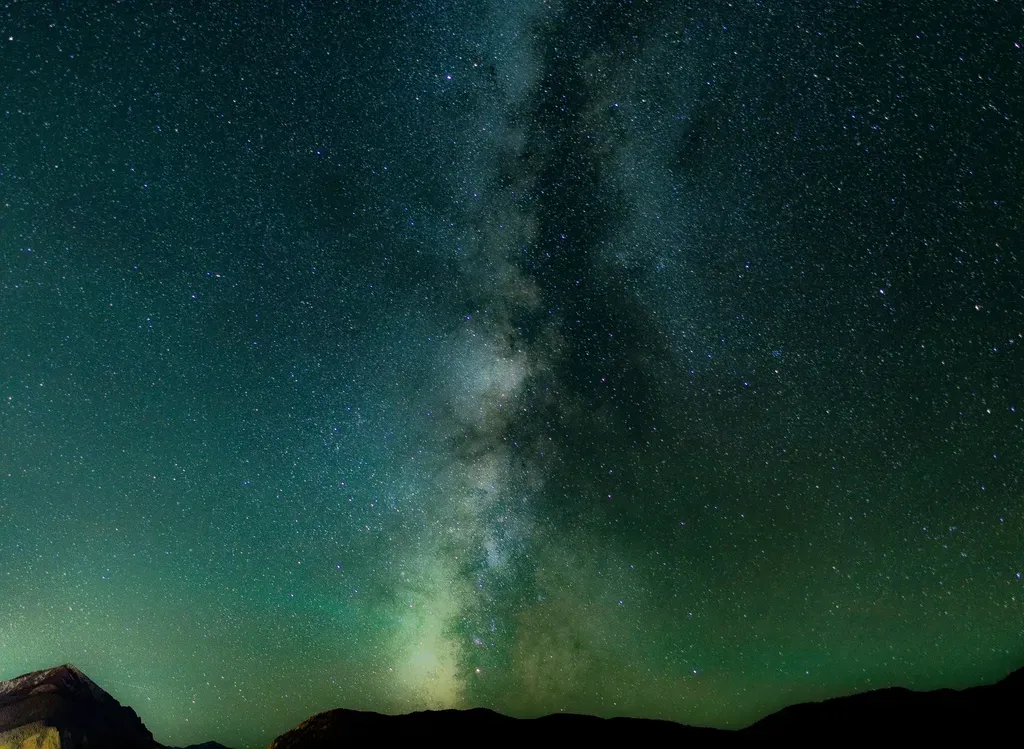
You don’t need a PhD or a personal telescope to engage with the Milky Way’s unfolding story. Simple choices, like seeking out a dark-sky location a few times a year, can reconnect you with the galaxy as a real, visible structure arching overhead. Supporting local planetariums, science museums, and dark-sky initiatives helps ensure that future generations can still see the Milky Way rather than just reading about it. Many major sky surveys and space missions also release their data publicly, and citizen-science projects invite volunteers to help classify stars, track variable objects, or spot unusual features in galactic images. With a bit of curiosity, anyone can turn a passing interest in space facts into a deeper relationship with our cosmic home.
Even small actions add up. Paying attention to light pollution policies in your community preserves not just pretty views but scientific access to the faint structures that reveal the Milky Way’s past. Sharing accurate, wonder-filled stories about our galaxy – whether in a classroom, a social feed, or a backyard gathering – helps push back against the idea that space is irrelevant or too abstract. You are, quite literally, made of material forged in earlier generations of Milky Way stars that lived and died long before Earth existed. Engaging with the galaxy’s story is, in a very real sense, engaging with your own deep history. The next time you step outside on a clear night, what will you see: a random scatter of lights, or a living, evolving galaxy whose secrets you now know run far deeper than they first appear?
Suhail Ahmed is a passionate digital professional and nature enthusiast with over 8 years of experience in content strategy, SEO, web development, and digital operations. Alongside his freelance journey, Suhail actively contributes to nature and wildlife platforms like Discover Wildlife, where he channels his curiosity for the planet into engaging, educational storytelling.
With a strong background in managing digital ecosystems — from ecommerce stores and WordPress websites to social media and automation — Suhail merges technical precision with creative insight. His content reflects a rare balance: SEO-friendly yet deeply human, data-informed yet emotionally resonant.
Driven by a love for discovery and storytelling, Suhail believes in using digital platforms to amplify causes that matter — especially those protecting Earth’s biodiversity and inspiring sustainable living. Whether he’s managing online projects or crafting wildlife content, his goal remains the same: to inform, inspire, and leave a positive digital footprint.