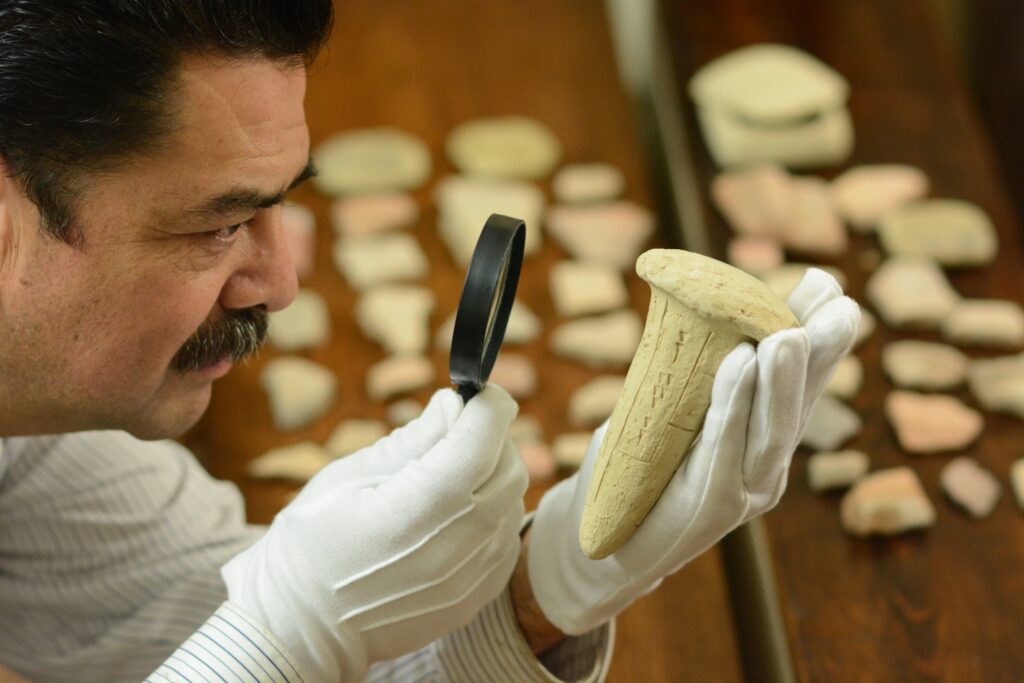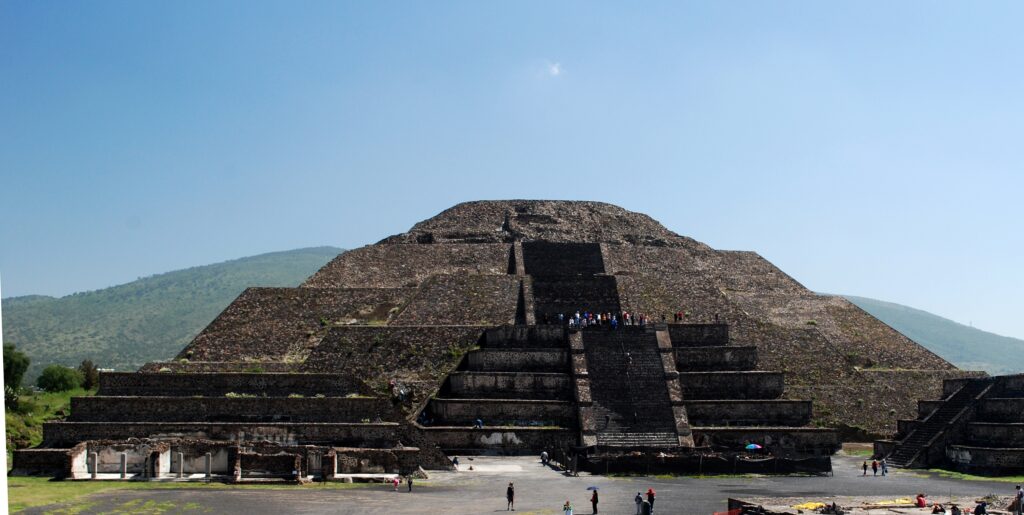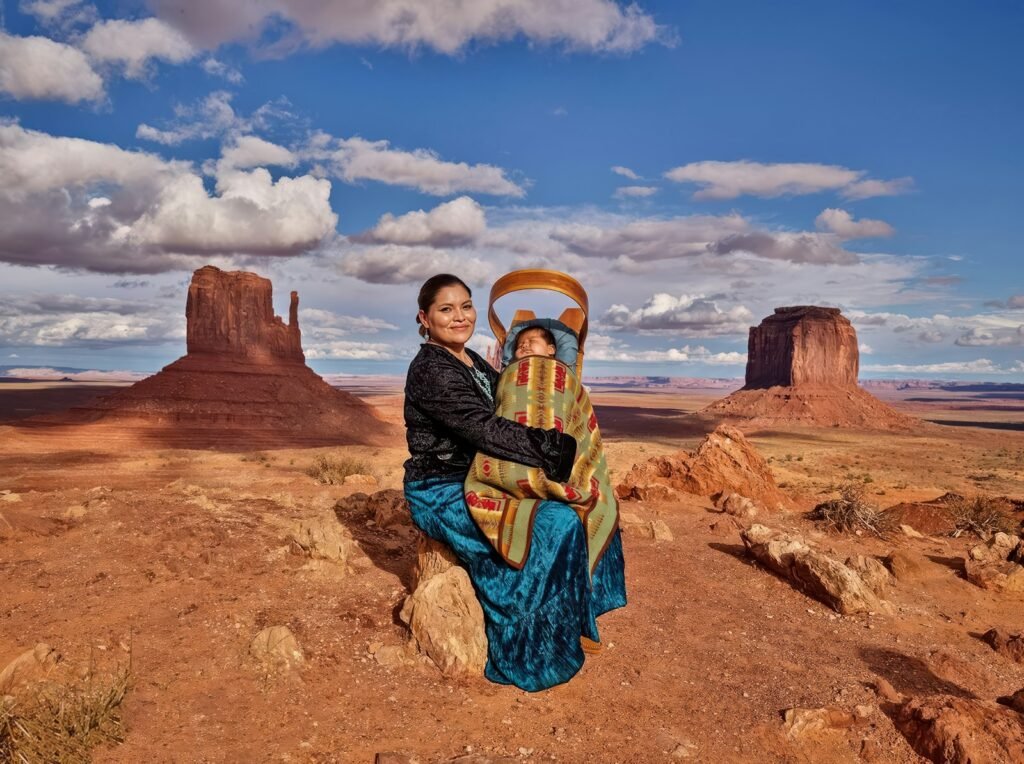

Across the Americas, long before steel, written blueprints, or modern surveying tools, Indigenous engineers were quietly reshaping landscapes on a continental scale. Their cities lined up with the stars, their earthen pyramids rivaled Old World monuments, and their roads cut straighter than many modern highways. Yet for generations, textbooks either skipped these achievements or dismissed them as “primitive.” Now a wave of new research – from lidar mapping to soil chemistry – has begun to reveal just how advanced these societies really were. The story that emerges is not one of isolated tribes in untouched wilderness, but of master planners, astronomers, and environmental engineers building wonders centuries ahead of their time.
The Hidden Clues Beneath Our Feet
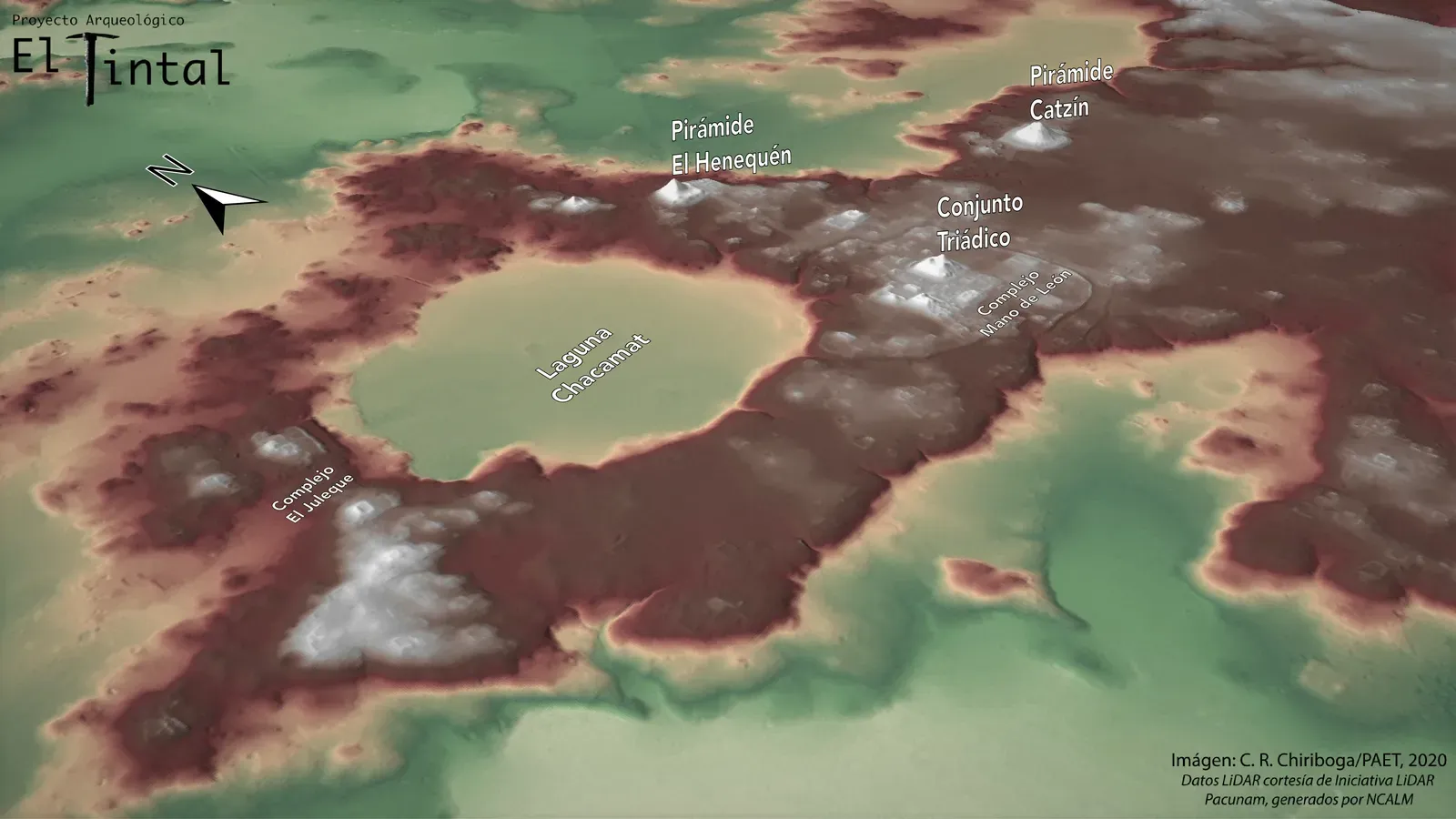
Walk across an unassuming field in the Mississippi River Valley, and you may be stepping over the ghost outline of a vanished city. For a long time, archaeologists had to guess what lay under the plow lines and suburbs, limited by what a shovel could reach. In the last decade, airborne lidar – laser scanning that peels back vegetation digitally – has changed everything, revealing sprawling earthwork complexes, road grids, and platform mounds invisible from the ground. Patterns are emerging that show deliberate alignments to solstices, cardinal directions, and nearby water systems, suggesting planning on a civic and cosmological scale. What once looked like random mounds are now reading more like carefully choreographed urban design.
In the Amazon, lidar and satellite imagery have overturned the old myth of a purely “untouched” jungle. Researchers are uncovering networks of geometric earthworks, causeways, and raised fields that point to dense, engineered landscapes rather than scattered villages. Dark, human-made soils known as terra preta appear like fingerprints of intensive, long-term cultivation, often clustered near these built features. Similar re-evaluations are happening from the southeastern United States to the Andes, where “natural” terraces, wetlands, or ridges are being reclassified as intentional Indigenous infrastructure. The clues were always there; science is only now calibrated finely enough to read them.
Earthwork Cities: When Soil Became Architecture
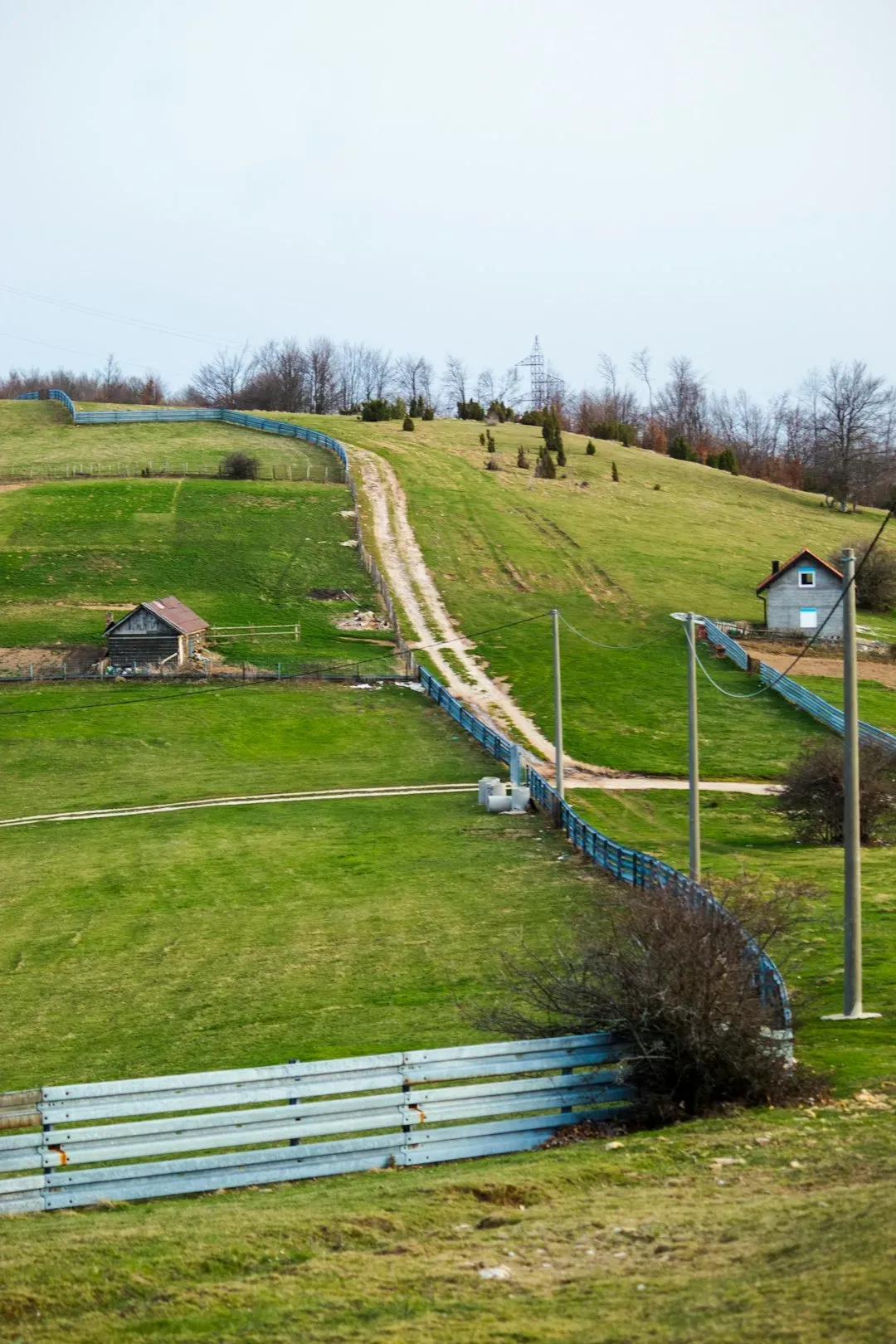
Perhaps the clearest expression of Indigenous engineering brilliance is found in the great earthen cities that rose across North America. At places like Cahokia near present-day St. Louis, builders moved millions of baskets of soil by hand to raise flat-topped pyramids as high as ten-story buildings. These were not random piles; each mound type had specific forms, functions, and orientations, often aligned to solar events or key sightlines on the landscape. When you stand on a surviving platform mound today, it feels less like a hill and more like a deliberately constructed stage from which a whole social world was organized. The city’s grid, plazas, and causeways suggest sophisticated logistical planning and shared labor systems.
Further south, in what is now Louisiana, the circular and oval earthwork complexes at Poverty Point and similar sites show an even earlier wave of monumental construction. There, ridges and mounds trace out enormous geometric designs that would have been nearly impossible to appreciate from ground level alone. Engineers had to maintain consistent curvature, slope, and spacing over long distances, using only simple tools and careful observation. In practical terms, that meant controlling erosion, stabilizing soils, and sequencing construction in phases so the structures would endure heavy rains and floods. Many of these earthworks have survived for over a thousand years, outlasting plenty of modern infrastructure built with far more technology.
Stone, Stars, and Precision Alignments
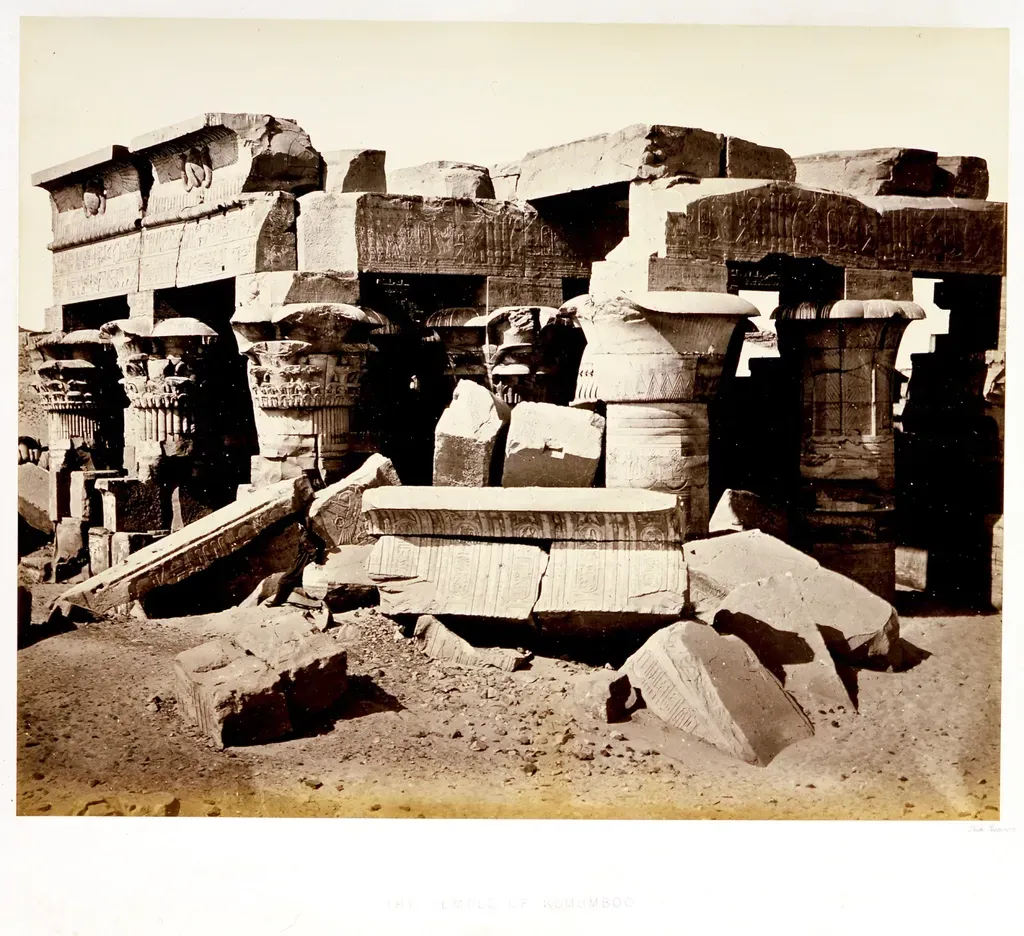
When people think of stone architecture in the Americas, their minds often jump straight to the Maya or Inca, but that only scratches the surface of Indigenous innovation. Across the Southwest, for example, the Ancestral Puebloan city of Chaco Canyon was knit together by massive masonry great houses, roads, and astronomical sightlines. Walls up to several stories high were laid with thin sandstone slabs in patterns that distributed weight efficiently and minimized cracking. Scholars have documented alignments in some structures that track solstices and lunar standstills, implying that builders were not just stacking rock but encoding sky knowledge into stone. The city effectively functioned as both an urban center and a monumental observatory.
In the Andes, the Inca and their predecessors pushed stone engineering into even more demanding territory. At sites like Sacsayhuamán and Machu Picchu, blocks weighing many tons interlock with such precision that you can barely slide a knife blade between them, even after centuries of earthquakes and rain. Rather than relying on mortar, builders shaped and matched stones through repeated trial, abrasion, and clever levering, turning the mountainsides themselves into structural partners. Terraces cascading down steep slopes prevented landslides while creating microclimates for crops at different elevations. These terrace systems are sometimes described as agricultural skyscrapers, stacking environments vertically rather than horizontally to make the most of rugged terrain.
Water Masters: Canals, Raised Fields, and Flood Control
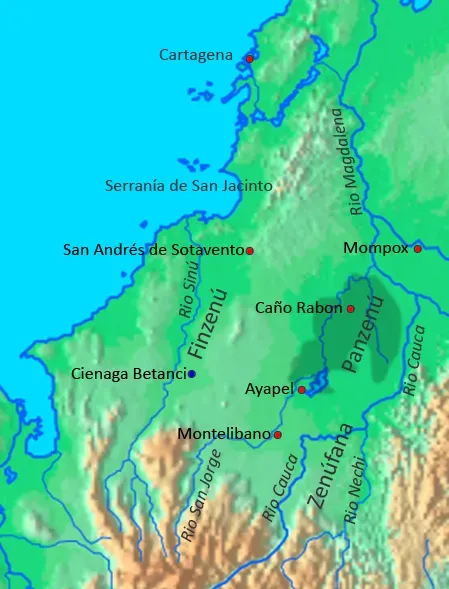
While grand monuments draw the eye, some of the most advanced Indigenous engineering was essentially invisible: the management of water in difficult landscapes. In the arid Southwest, Hohokam engineers near present-day Phoenix carved hundreds of miles of irrigation canals to divert river water onto desert fields. These channels required precise gradients; too steep, and water rushed away, too shallow, and it stagnated before reaching crops. Archaeological studies show evidence of regular canal cleaning, maintenance, and redesign over centuries, a sign of long-term, adaptive management rather than one-off construction. The fact that modern Phoenix partly overlies this system is a stark reminder that the city’s water story did not begin with contemporary dams and pumps.
Farther south in the Andean highlands and Amazonian lowlands, Indigenous communities built raised fields, sunken gardens, and artificial islands to dance with seasonal floods instead of fighting them. In what is now Bolivia, pre-Inca cultures created raised planting platforms surrounded by water-filled canals that moderated temperature and reduced frost risk. Similar strategies appeared in the chinampas – floating or semi-floating gardens – around the Aztec capital of Tenochtitlan, which turned a shallow lake into a patchwork of hyper-productive farming plots. These systems were essentially living machines, calibrated to local climate, hydrology, and plant needs. Today, with climate change bringing more erratic rainfall and flooding, scientists are increasingly looking back to these approaches for lessons in resilience.
Invisible Sciences: Soils, Forests, and Ecological Engineering
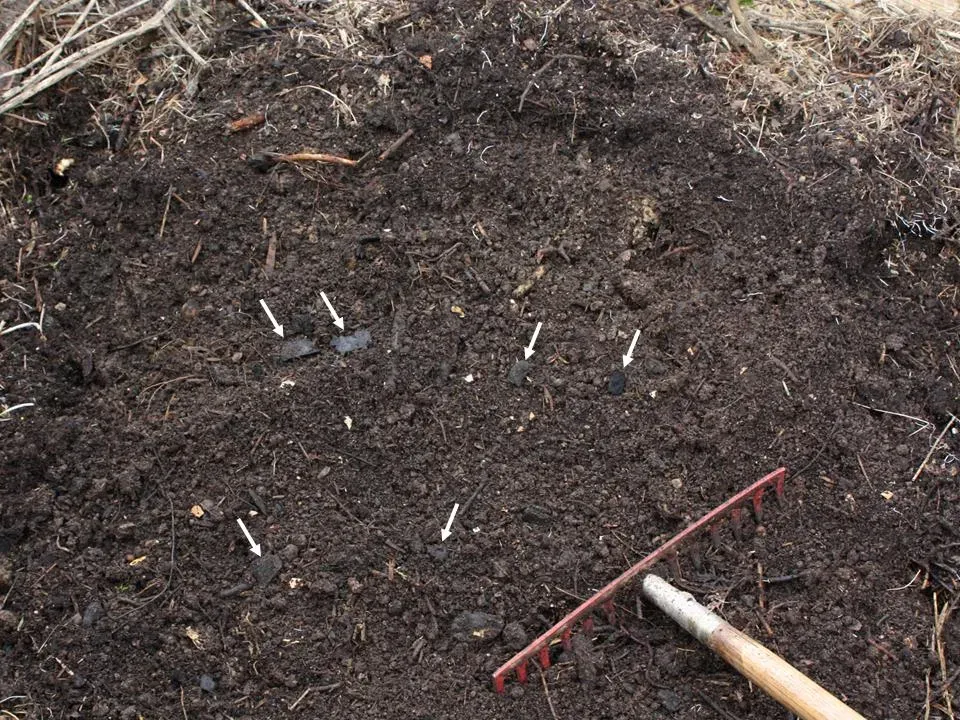
One of the most surprising threads in recent research is the extent to which Indigenous Americans were not just using nature, but actively engineering it. In Amazonia, dark, nutrient-rich terra preta soils appear in patches that often correlate with ancient settlement sites. These soils were formed over centuries by mixing charcoal, organic waste, bones, and other materials into otherwise poor tropical earth, creating self-renewing fertility that can persist for generations. Rather than slash-and-burn, this was closer to slash-and-enrich, turning the forest into a kind of long-term ecological archive of human care. Soil scientists today study terra preta as a model for sustainable carbon storage and low-input agriculture.
Fire management is another realm where Indigenous intelligence has been consistently underestimated. Many Native nations across North America used controlled burns to shape forests and grasslands, reducing fuel loads, encouraging useful plant species, and improving wildlife habitat. To outside observers, these landscapes looked like untouched wilderness, when in fact they were more like open-air gardens maintained by regular, carefully timed fires. Modern fire ecologists now recognize that the widespread suppression of these practices contributed to the intense megafires we see in the West today. Reintroducing Indigenous burning knowledge is increasingly seen as a crucial part of restoring healthier, more fire-resilient ecosystems.
Why It Matters: Rethinking “Advanced” Civilizations
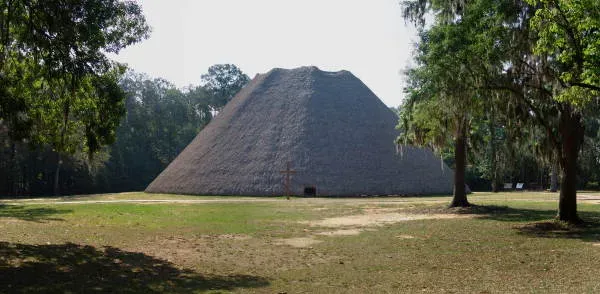
All of this raises a bigger question: what do we mean when we call a society advanced? For a long time, the answer was filtered through a narrow lens that equated advancement with things like iron tools, written alphabets, or towering stone cathedrals. Because many Indigenous cultures of the Americas prioritized perishable materials, oral knowledge, and ecological balance, their achievements were either ignored or misread as “simple.” Yet when you measure by other metrics – urban planning tuned to climate, food systems that build soil instead of depleting it, architecture that survives earthquakes without steel – an entirely different hierarchy emerges. These societies were not failed versions of European development; they followed their own sophisticated trajectories.
There is also a stark educational impact to how we tell this story. When students, especially Indigenous students, only see their ancestors portrayed as passive or primitive, it quietly narrows their sense of what they are capable of today. Reframing Cahokia, Chaco, or the Amazon as centers of scientific and engineering innovation sends a very different message about who “owns” STEM fields. It also broadens all students’ understanding of where good ideas come from, making room for multiple knowledge systems instead of just one dominant narrative. In a time when we urgently need new approaches to climate, infrastructure, and food, dismissing half the world’s historical experiments is not just unfair; it is self-defeating.
From Ancient Tools to Modern Science
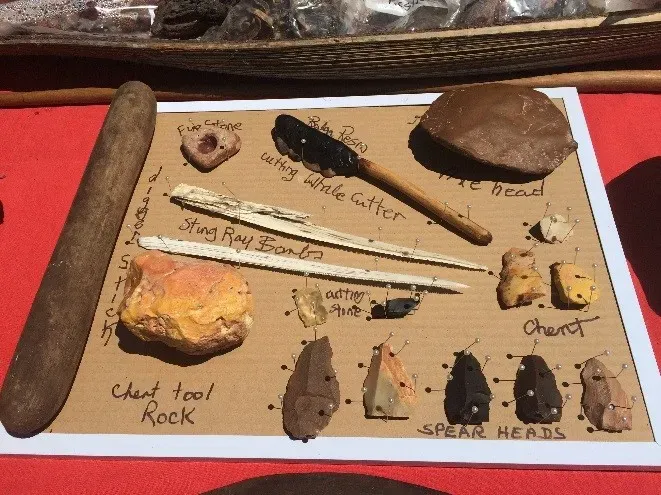
The technologies Indigenous Americans used might look simple by today’s standards – wooden stakes, stone tools, woven baskets – but the thinking behind them was anything but. Surveying without metal instruments meant using shadows, horizon markers, and repeated field checks to ensure alignments stayed true over long distances. Terracing and canal building demanded intimate knowledge of local soils, rainfall patterns, and seasonal water flow, gathered through generations of trial and error. In many cases, designs evolved incrementally as communities observed what worked, what failed, and how ecosystems responded over decades. That kind of long-view experimentation is something modern research teams, constrained by grant cycles and election years, often struggle to sustain.
Today, archaeologists, ecologists, and engineers are collaborating more directly with Indigenous knowledge holders to understand how these systems actually functioned. Instead of treating oral histories and traditional ecological knowledge as anecdotal, researchers are increasingly testing them against field data, remote sensing, and modeling. This has led to a shift from studying sites as dead ruins to seeing them as blueprints for living systems. For example, pilot projects are reviving raised-field agriculture in the Andes and chinampa-style wetlands in Mexico City’s outskirts, measuring yields, biodiversity, and resilience compared to conventional approaches. In effect, science is circling back to old solutions and finding them strikingly contemporary.
The Future Landscape: Adapting Indigenous Engineering for a Warming World
As climate change accelerates, interest in Indigenous engineering is no longer just historical curiosity – it is increasingly practical. Cities facing rising seas, severe droughts, and extreme storms are searching for infrastructure that can flex and adapt rather than simply resist and fail. Techniques like raised fields, terracing, and controlled burning are surfacing in policy discussions, sometimes under new labels like nature-based solutions or regenerative design. At their core, however, many of these ideas echo what Indigenous communities have been doing for centuries: working with natural processes instead of against them. The challenge is how to scale and adapt these systems without stripping them of cultural context or turning them into quick-fix technologies.
There are also deeper questions about ownership and benefit that hang over this renewed attention. When researchers and companies draw on Indigenous knowledge to develop climate tools or agricultural products, who gets credit and who profits? Some communities are already setting up protocols, agreements, and legal frameworks to safeguard their intellectual and cultural property. Collaborative projects that share decision-making power and economic returns offer one promising path forward. If done thoughtfully, the future could see city planners, climate scientists, and Indigenous leaders sitting at the same table, co-designing landscapes that blend ancient insight with modern tools. If done poorly, it risks replaying an old story of extraction in new, greener packaging.
How You Can Engage With This Living Legacy
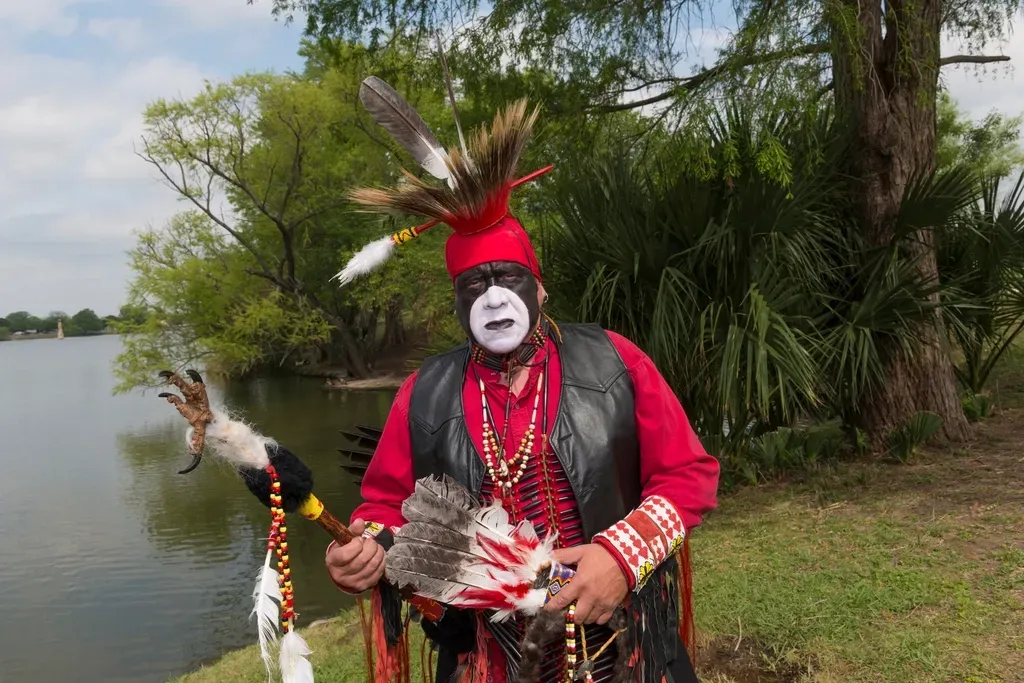
Connecting with this story does not require a degree in archaeology or a plane ticket to a famous ruin. It can start with something as simple as paying attention to the Indigenous histories and present-day nations connected to the place where you live. Many museums, cultural centers, and tribal organizations now offer exhibits, online talks, and field programs that highlight engineering and ecological knowledge, not just arts and artifacts. Choosing to seek out these narratives helps shift demand toward more accurate, respectful storytelling. When you do visit historical sites, reading interpretive signs closely, supporting local guides, and asking informed questions can reinforce that visitors care about this deeper dimension.
There are also concrete ways to support the scientific and environmental work tied to Indigenous engineering. You can back community-led restoration projects that revive traditional fire, water, or farming practices, whether through donations, volunteering, or simply amplifying their stories. Educators can incorporate case studies of Cahokia, Chaco, terra preta, or chinampas into science and history lessons, framing them explicitly as examples of innovation and problem-solving. Voters and advocates can push for policies that respect Indigenous land rights and consultation, which are often prerequisites for bringing traditional knowledge into climate and infrastructure planning. In the end, recognizing these is not just about correcting the past; it is about choosing whose wisdom we carry forward into an uncertain future.
Suhail Ahmed is a passionate digital professional and nature enthusiast with over 8 years of experience in content strategy, SEO, web development, and digital operations. Alongside his freelance journey, Suhail actively contributes to nature and wildlife platforms like Discover Wildlife, where he channels his curiosity for the planet into engaging, educational storytelling.
With a strong background in managing digital ecosystems — from ecommerce stores and WordPress websites to social media and automation — Suhail merges technical precision with creative insight. His content reflects a rare balance: SEO-friendly yet deeply human, data-informed yet emotionally resonant.
Driven by a love for discovery and storytelling, Suhail believes in using digital platforms to amplify causes that matter — especially those protecting Earth’s biodiversity and inspiring sustainable living. Whether he’s managing online projects or crafting wildlife content, his goal remains the same: to inform, inspire, and leave a positive digital footprint.