You’ve probably wandered through museums, stared at ancient maps, or scrolled through photos of crumbling temples and wondered what secrets these places hold. Here’s the thing. Some archaeological sites give up their stories easily, with clear timelines and artifacts that spell out their purpose. Others are like puzzles with missing pieces, places where mystery lingers no matter how much we excavate.
These sites aren’t just old. They’re confounding. They sit at the intersection of what we know and what we can’t yet explain, where ancient engineering meets unexplained phenomena, where human ambition collided with forces we’re still trying to understand. Ready to step into the unknown? Let’s dive in.
Göbekli Tepe: The Temple That Predates Everything
Picture this. You’re standing on a windswept hill in southeastern Turkey, staring at massive T-shaped pillars carved with animals you’ve never seen depicted in such detail. These monumental structures date back over 11,000 years, making them twice as old as Stonehenge. What really messes with your head is this: the people who built Göbekli Tepe were hunter-gatherers living in the Pre-Pottery Neolithic period.
They hadn’t invented farming yet. They didn’t have metal tools. These massive pillars, some standing up to 18 feet tall and weighing as much as 50 tons, were constructed using only stone hammers and flint blades. Honestly, it’s hard to say for sure, but think about organizing that level of labor without written language or permanent settlements. One of the site’s greatest mysteries is its intentional burial – after centuries of use, the enclosures were carefully filled in with earth and debris.
Why would anyone build something so monumental only to bury it? Recent research suggests the site could represent the world’s oldest solar calendar, with distinctive V-shaped symbols thought to represent days. The carvings show foxes, lions, and birds frozen in stone, but they tell us almost nothing about the builders themselves.
Stonehenge: When Stones Start Singing
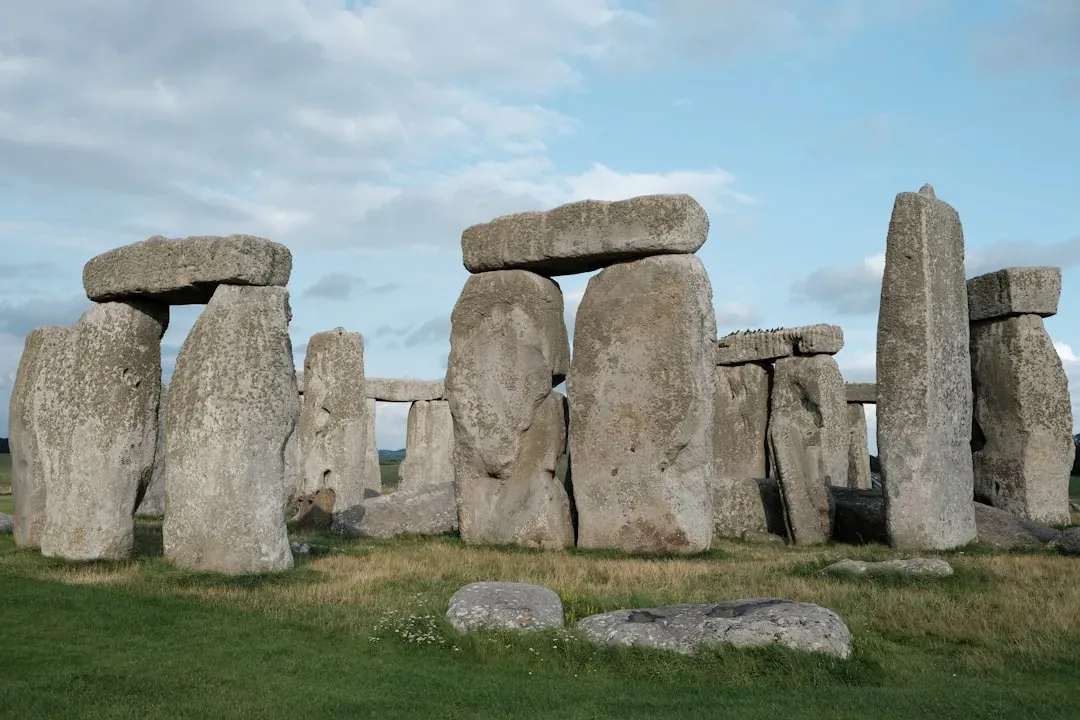
Everyone knows Stonehenge. You’ve seen the pictures. The massive stones standing in a circle on Salisbury Plain in England. But here’s what most people miss: the stones used to construct Stonehenge hold musical properties – when struck, they sound like bells, drums and gongs, which may be why builders transported them nearly 200 miles from Wales.
Let’s be real, hauling multi-ton boulders across that distance without modern machinery seems insane unless those stones were special. Researchers found that people who spoke or played music inside the monument would have heard clear reverberations against the massive standing stones. The acoustic properties weren’t discovered by accident.
Analysis revealed that the final stage of Stonehenge had acoustic figures as good as premier concert halls, perfectly suited to loud rhythmic music. Walking inside the circle and hearing reverberating sounds must have been magical, and while these acoustic properties likely weren’t there by design, people surely would have exploited them once discovered. Even today, mysteries persist.
Teotihuacan: The City Abandoned by Ghosts
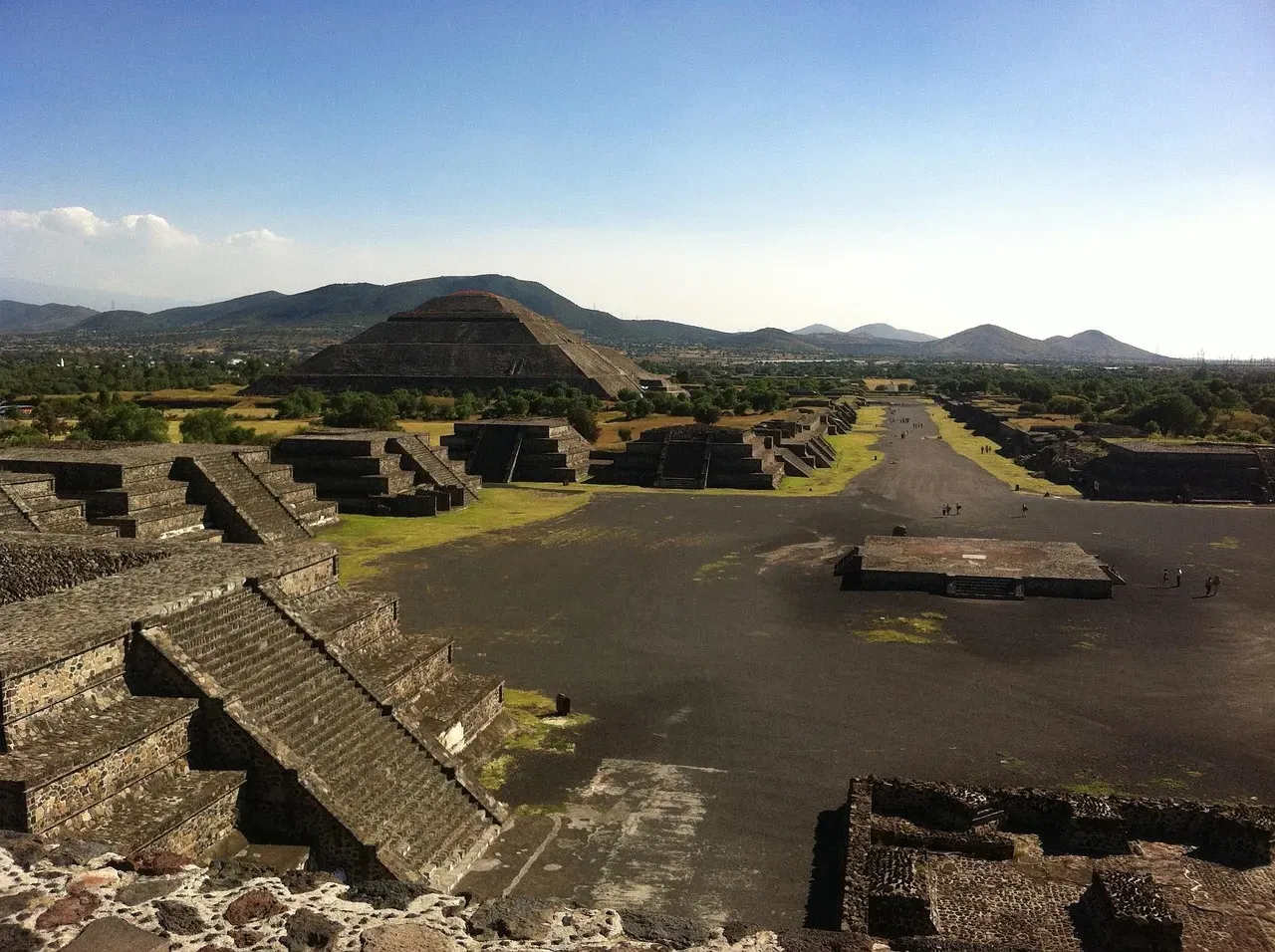
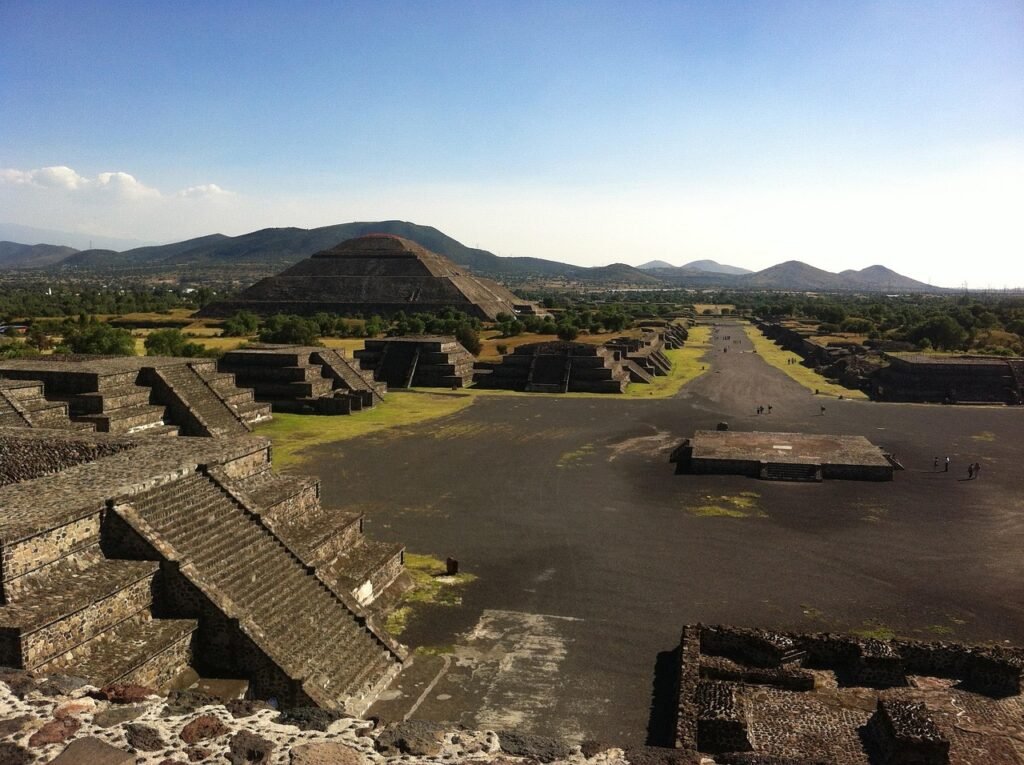
Teotihuacan reached its zenith between 100 B.C. and A.D. 650, covering 8 square miles and supporting a population of a hundred thousand. The name itself came later. When the Aztecs found the ruins centuries after abandonment, they named it Teotihuacan, meaning “the place where men become gods”.
The Aztecs had no idea who built it. We still don’t know for certain. Scholars once pointed to the Toltec culture, but that theory crumbles because the Toltec peaked far later – evidence suggests Teotihuacan may have hosted people from cultures including the Maya, Mixtec, and Zapotec. The city had no military structures, yet its influence spread across the region like wildfire.
In A.D. 750, nearly 700 years after it was established, the city was abandoned, its monuments still filled with treasures and artifacts. Evidence of large, intentional fires has been dated to the abandonment period, but fires were limited to areas associated with the upper class, suggesting an internal uprising rather than invasion. What sparked the revolt? Climate-related issues, famine, or something else entirely? The city’s secrets remain buried beneath layers of soil and time.
Mohenjo-Daro: The Mound of the Dead
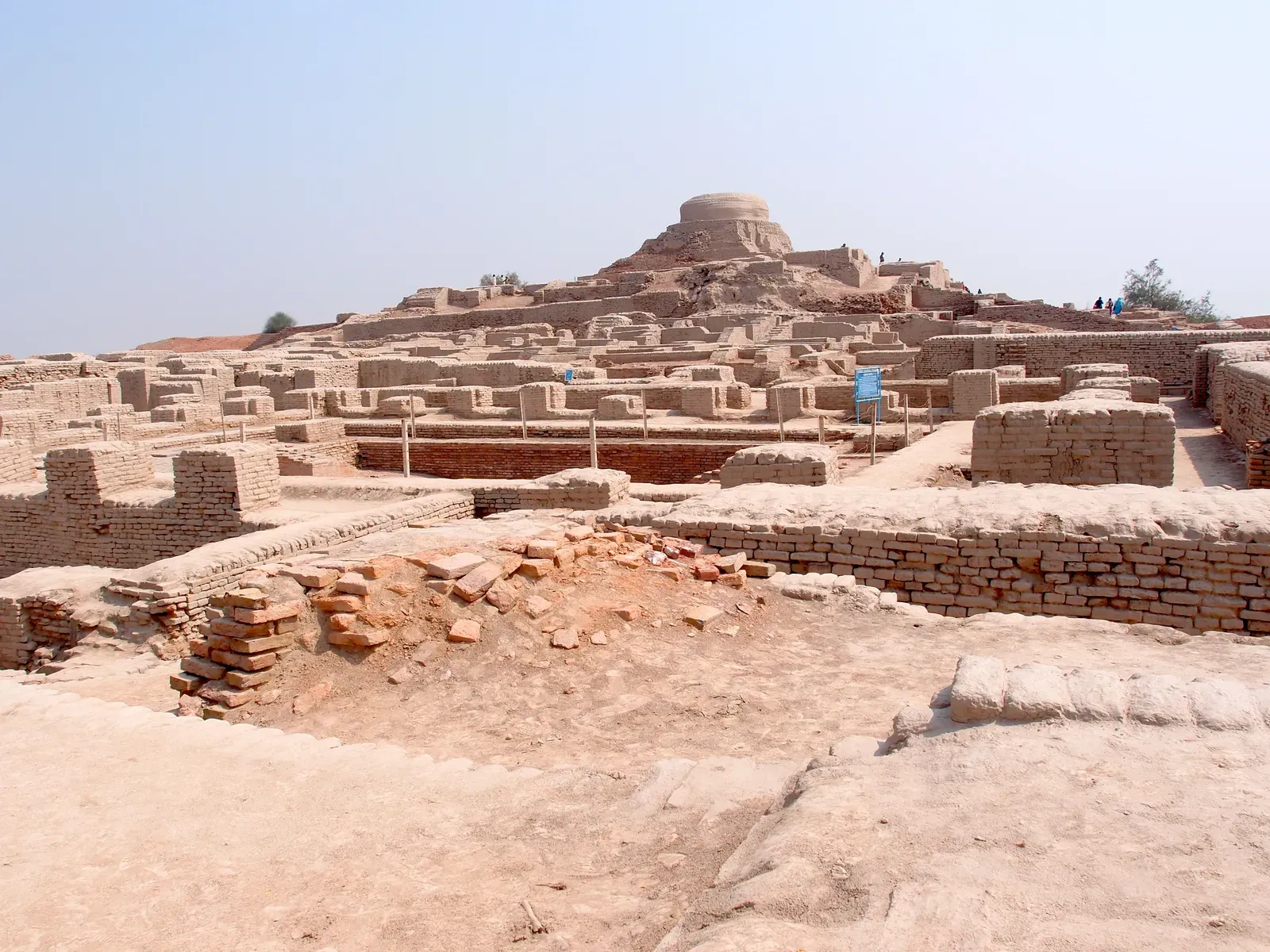
The name alone sends shivers down your spine. Mohenjo-Daro, meaning “Mound of the Dead,” literally tells you something went wrong here. Built in the 26th century BCE, it was one of the largest cities of the ancient Indus Valley Civilisation, the most advanced city of its time with remarkably sophisticated civil engineering and urban planning.
With an estimated population of at least 40,000 people, Mohenjo-daro prospered for several centuries, but by c. 1700 BCE had been abandoned. The city had grid-like streets, a sophisticated drainage system, and multi-storied brick homes. In an era when most humans lived in tribal villages, these people had sewer systems better than many modern cities.
What happened? There is no sign of flooding or fire, nor any devastating battle – dozens of skeletons have been discovered but they don’t appear to be victims of a catastrophic massacre. The Indus River may have changed course, hampering the local agricultural economy and the city’s importance as a trade center. But that doesn’t explain the skeletons scattered through the streets, the sudden silence that fell over an entire civilization. The most intriguing mystery is Mohenjo-Daro’s undeciphered script – thousands of small seals and tablets with strange symbols have been discovered, yet no one has been able to read them.
Puma Punku: Stone Cuts That Defy Logic
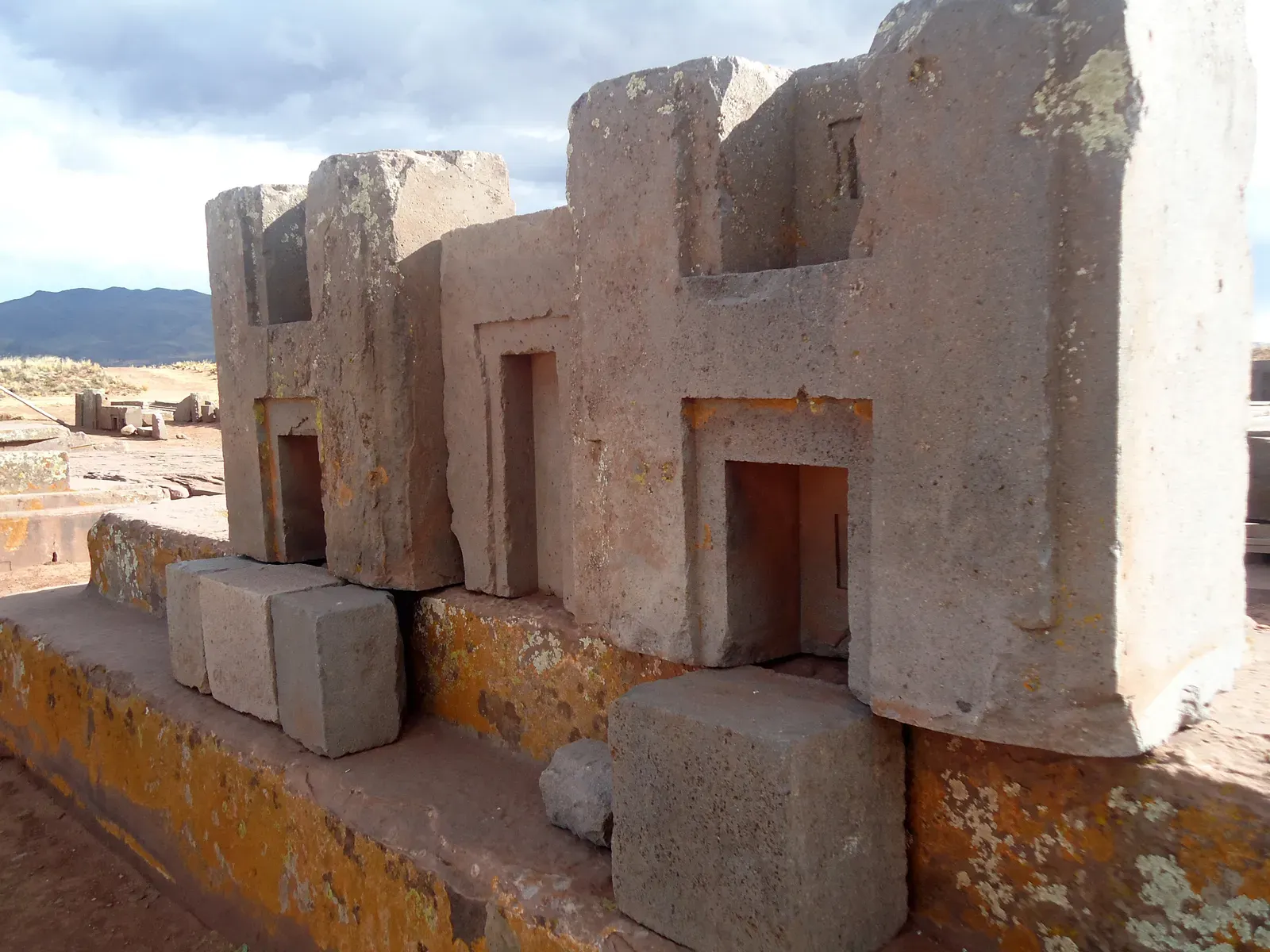
Around the world, we can find examples of ancient stone-cutting so precise they rival modern creations, but one of the most impressive examples is at Puma Punku in Bolivia, dated by some historians to be 17,000-years-old. The stonework looks machine-cut. Seriously. Enormous blocks weighing up to 800 tons consist of perfectly straight edges that lock perfectly into each other and contain no chisel marks.
The mystery is how the builders calculated and cut such precise stonework working only with stone tools – their stonework is so regular that some historians have suggested they may have mass-produced temple parts like building blocks. Attempts to replicate the precision of the stonework have failed and archaeologists, as well as stone masons, are at a loss to explain how they accomplished such precise cuts without advanced technology.
Pumapunku is part of the Tiwanaku temple complex dating to 536CE, lying near Illimani mountain, a sacred peak that the Tiwanaku believed to be home to the spirits of their dead. The site lies in ruins now, but once it was faced with polished metal, gleaming under the Bolivian sun. Without written language, fascinating cultural details about their designs are entirely lost. What knowledge died with them?
The Hypogeum of Hal Saflieni: Echoes from the Underworld
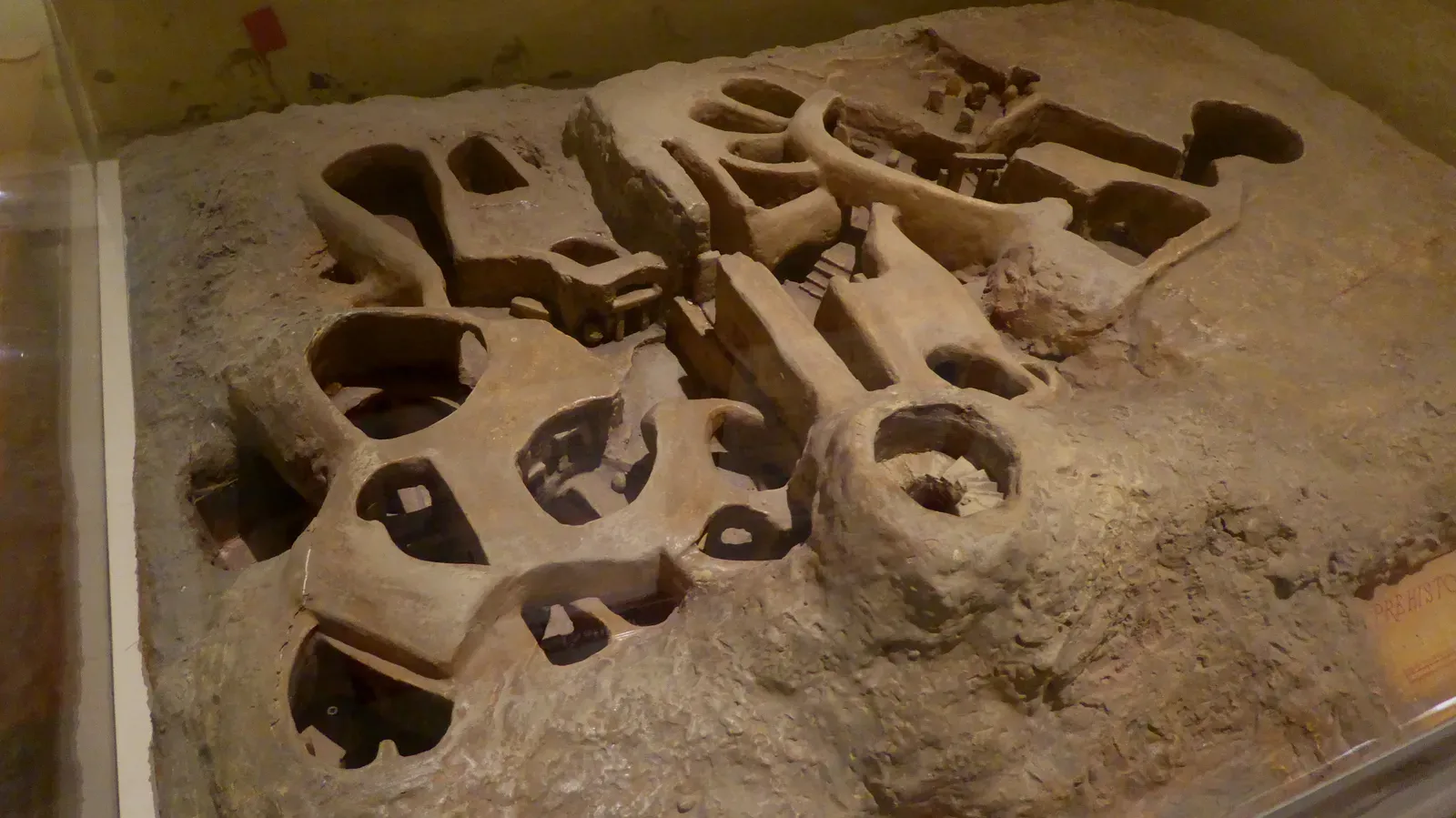
The Hypogeum of Hal Saflieni in Malta is a UNESCO World Heritage Site believed to be the oldest prehistoric underground temple in the world, shrouded in mystery from elongated skulls to stories of paranormal phenomena. Carved into solid rock, this subterranean labyrinth descends three levels into the earth. It’s not just what’s down there that’s strange. It’s what happens when you make a sound.
The characteristic attracting experts from around the globe is the unique acoustic properties found within the underground chambers of the Hypogeum. Certain frequencies resonate through the chambers in ways that seem almost designed. Archaeologists have discovered remains of over 7000 individuals buried in these chambers, and some skulls show signs of artificial elongation similar to ancient Egyptian priests.
Who were these people? Why did they elongate their skulls? Although not known for certain, it is believed the hypogeum was originally used as a sanctuary, possibly for an oracle. Standing in those chambers today, you can almost feel the weight of centuries pressing down, whispers of rituals we’ll never fully understand echoing through the darkness.
Nazca Lines: Messages Visible Only from the Sky
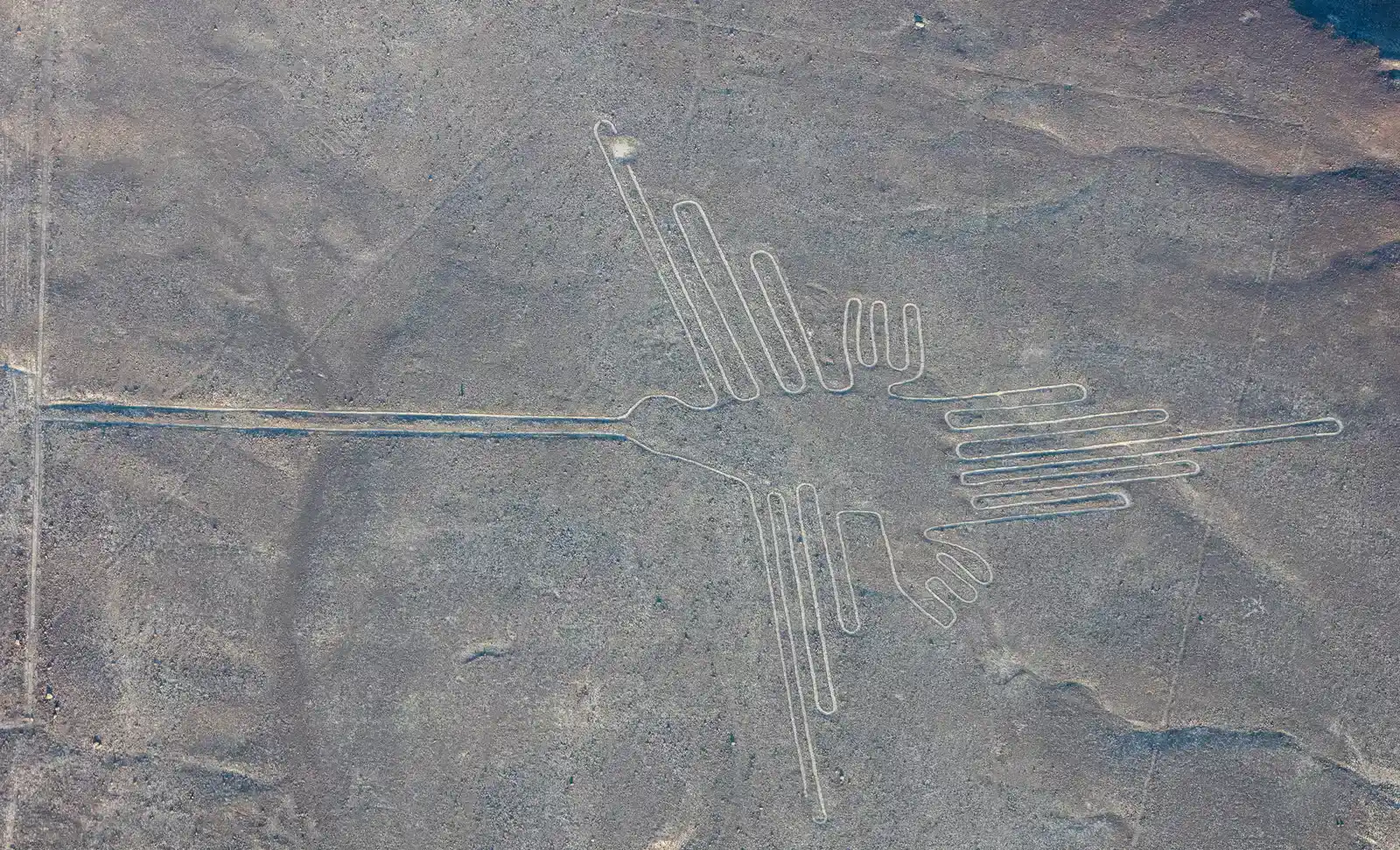
Between AD 1 and 700, the Nazca people of Peru carved 12 to 15 inches out of rust-colored rock, revealing lighter stone in deeper layers, creating massive in-ground pictures of animals, plants, humans and geometric shapes best seen from an airplane. Here’s where it gets weird. Why create art only visible from the sky when you can’t fly?
The Nazca Lines are massive geoglyphs scattered throughout the Nazca Desert, created between 400 BCE and 500 CE – there are over 800 straight lines, 300 geometric figures, and 70 spectacular animal and plant designs. Some stretch more than a thousand meters long. Researchers can’t agree on theories – some suggest astronomical calendars or communication with deities, leaving the Nazca Lines as one of the world’s greatest unsolved mysteries.
Think about the effort involved. Years of removing rocks, exposing lighter soil beneath, creating images of spiders, monkeys, and hummingbirds so enormous you’d never see their full form from the ground. Were they offerings to sky gods? Astronomical maps? Or something we haven’t even considered? The silence of the desert keeps its secrets.
The Plain of Jars: Laos’s Stone Enigma
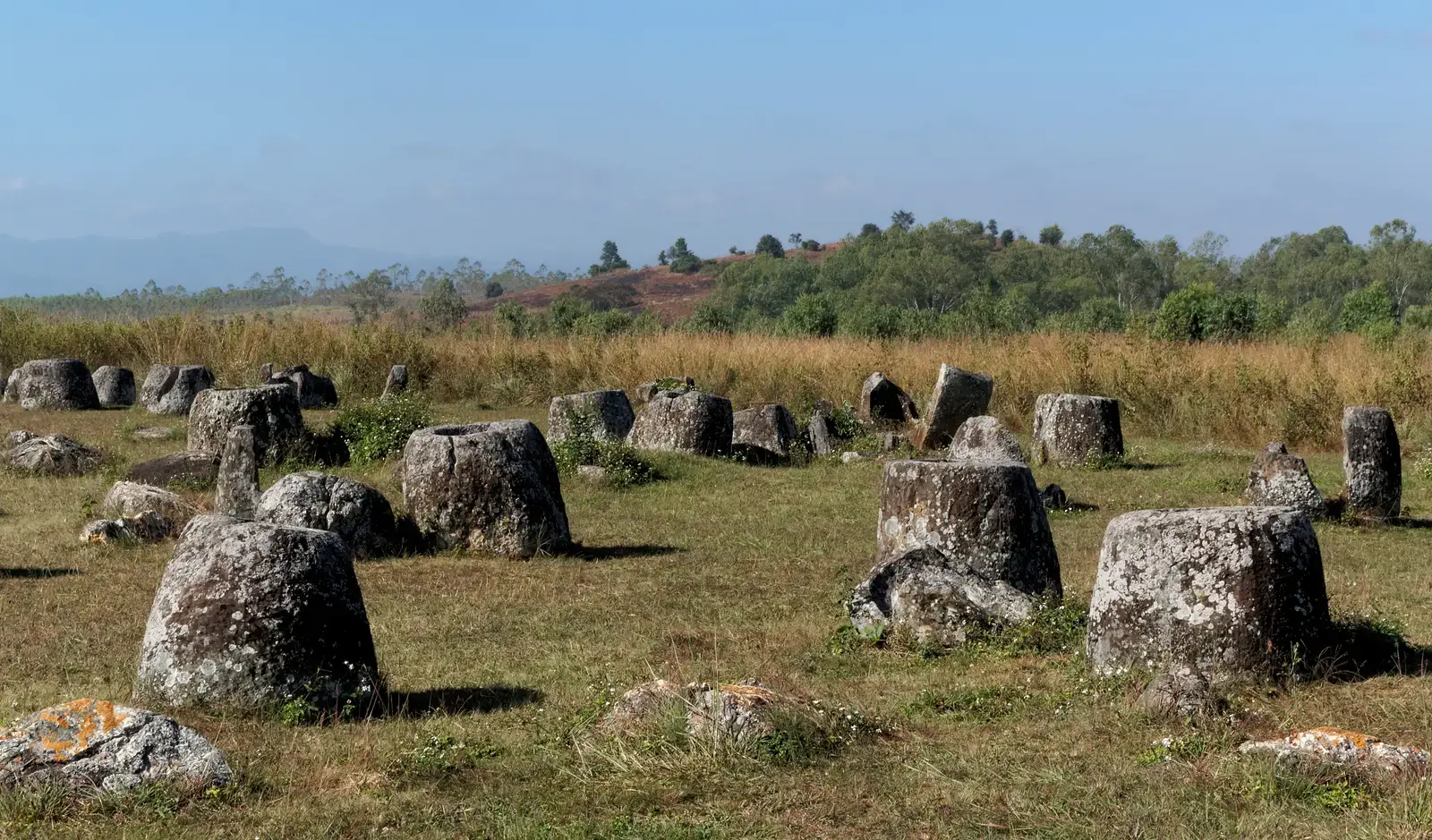
The Plain of Jars in the Xieng Khouang plain of Laos is one of the most enigmatic sights on Earth. Imagine stumbling across a landscape dotted with thousands of massive stone jars, each carved from solid rock, some standing taller than a person. Nobody knows who made them or why.
The jars weigh up to several tons each. They’re scattered across the plateau in clusters, some grouped together, others standing alone like silent sentinels. Theories range from burial urns to fermentation vessels, but none fully explain the sheer scale of the site or the effort required to create them. Undetonated U.S. bombs from the Vietnam War are still scattered in the area, so only seven of the 60 Plain of Jars sites are open to the public.
Walking among them feels like trespassing on hallowed ground. The jars have no inscriptions, no accompanying structures that might offer clues. Just stone vessels carved with meticulous care, left behind by people who vanished from history. What were they storing? Who were they honoring? The Plain of Jars offers more questions than answers, a landscape frozen in mystery.
Conclusion
These eight sites remind us how little we truly know about our ancestors. We’ve conquered space, split the atom, and mapped the human genome, yet we can’t decipher why hunter-gatherers built Göbekli Tepe or what caused Teotihuacan’s sudden collapse. Maybe that’s what makes these places so captivating. They humble us.
Standing among these ruins, you realize that civilizations rise and fall, that knowledge can be lost, that even the most sophisticated societies leave gaps in their stories. These sites are mirrors reflecting our own vulnerability, reminding us that what we build today might one day be someone else’s mystery. What do you think really happened at these places? Did we miss something obvious, or are some secrets meant to stay buried?