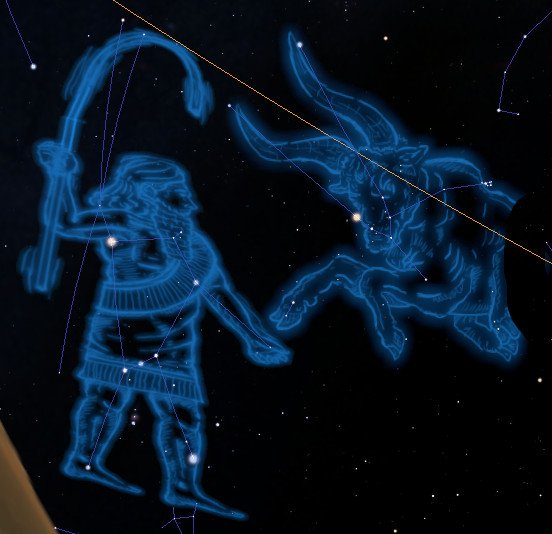

Have you ever wondered if ancient peoples saw something in the stars that we’ve forgotten? Long before telescopes and satellites, civilizations across the globe turned their gaze skyward, seeking answers in the celestial dance above. While we often think of ancient astrology as primitive or superstitious, the truth is far more complex and intriguing. These early stargazers possessed a profound understanding of cosmic cycles that influenced every aspect of their lives, from agriculture to architecture, from religion to politics.
Let’s be real. Our ancestors weren’t simply gazing at pretty lights in the darkness. They studied the night skies for centuries, creating what some scholars call the longest lasting scholarly science project that ever existed. Their interpretations of celestial movements reveal worldviews that differ dramatically from our modern, mechanistic understanding of the universe. So let’s dive in and explore how these ancient cultures bridged the gap between heaven and earth.
The Mesopotamian Foundation: Where It All Began
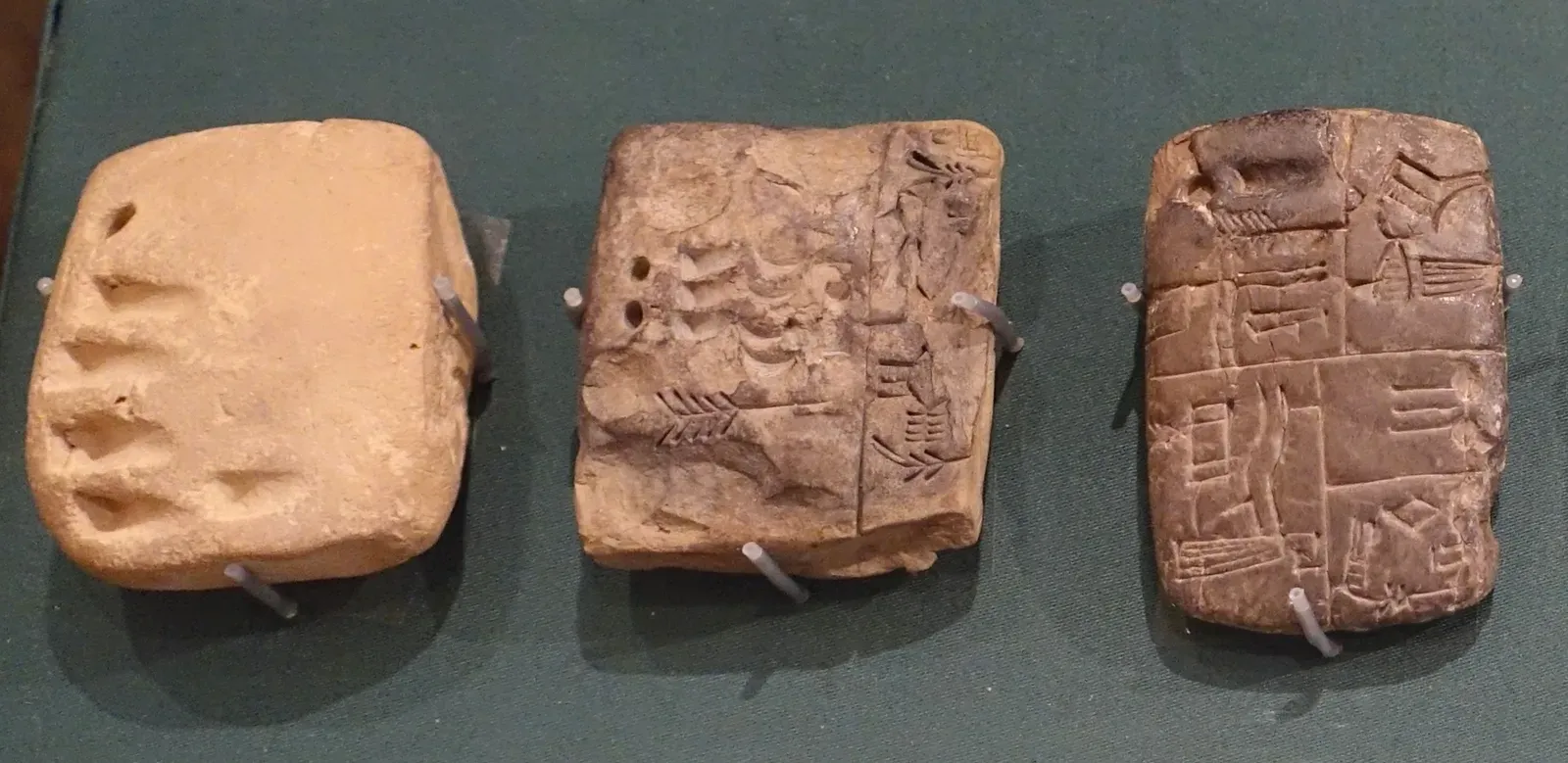
The Mesopotamian system that emerged in ancient Babylon around five thousand years ago forms the basis of the astrology used in the West today. This wasn’t some casual stargazing hobby. In Babylon and Assyria, astrology served as one of two chief means for priests to determine the will and intentions of the gods, the other being the inspection of livers from sacrificial animals.
Think about that for a moment. The Babylonians saw the heavens as divine communication. By the 16th century BC, they had compiled a comprehensive reference work known as Enuma Anu Enlil, consisting of 70 cuneiform tablets comprising 7,000 celestial omens. These weren’t predictions about romance or career paths. Originally, Babylonian astrology focused exclusively on mundane matters concerning countries, cities, nations, and particularly the welfare of the state and king. The individual’s fate simply didn’t factor into these early calculations.
Their approach operated according to known rules, with data considered universally valid that could be looked up in written tabulations. Honestly, it sounds surprisingly scientific for something we often dismiss as mere mysticism. Here’s the thing though: While their astronomical calculations were remarkably precise by modern standards, Babylonians conceived their universe as an oyster surrounded by water, with the sky as a solid dome through which moisture seeped as rain.
Egyptian Sky Wisdom: Aligning With Divine Order
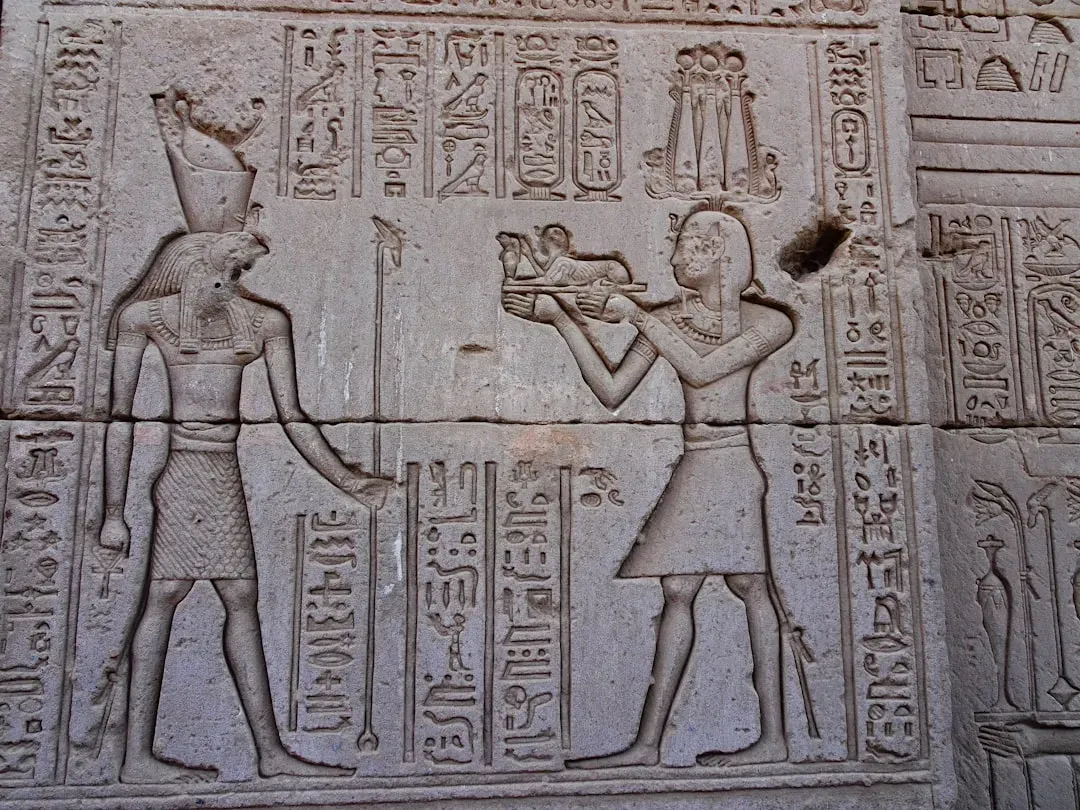
Egyptian astronomy dates back to prehistoric times, with stone circles at Nabta Playa from the 5th millennium BCE demonstrating the importance of astronomy to religious life even in the prehistoric period. I know it sounds crazy, but the Egyptians weren’t particularly interested in theoretical astronomy like their Mesopotamian neighbors. To a very high degree, Egyptian astronomy served as the severely practical servant of Egyptian time-reckoning.
The annual flooding of the Nile was the foundation of Egyptian civilization and agriculture, so predicting this occurrence with accuracy became the driving force behind their astronomical development. The ancient Egyptians carefully tracked the rising time of the bright star Sirius, whose yearly cycle corresponded with the flooding of the River Nile, upon which they relied to sustain their crops. You can see how survival itself depended on reading the heavens correctly.
The Egyptian pyramids were carefully aligned towards the pole star, and the temple of Amun-Re at Karnak was aligned on the rising of the midwinter Sun. The pyramids of Giza are precisely aligned with the stars in the constellation Orion’s Belt, reflecting Egyptian belief that pharaohs would ascend to the afterlife and join Osiris in the stars. This wasn’t decoration. It was cosmic engineering connecting earthly power to celestial permanence.
The Babylonian Zodiac: Dividing the Heavens
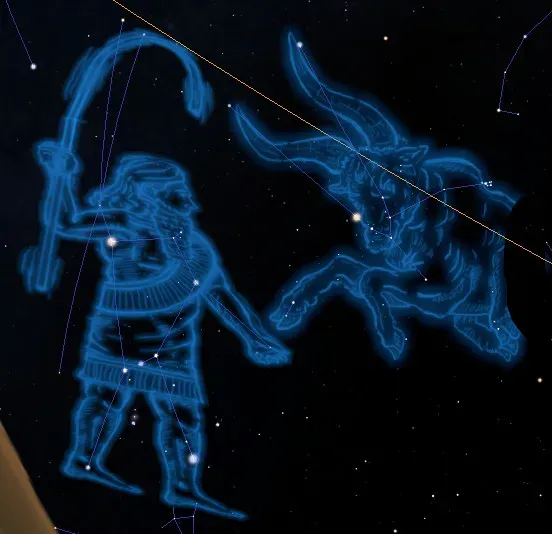
The Babylonians originally recognized 18 constellations among fixed stars but later focused on the 12 most important constellations, which were adopted by the Greeks and align with the constellations used in the West today. In the late fifth century BCE, Babylonians developed the concept of a uniformly divided zodiac of twelve signs, each divided into 30 degrees. This mathematical precision stands in stark contrast to the mythological narratives we often associate with zodiac signs.
The theory of the ecliptic representing the course of the Sun through the year, divided among twelve constellations with a measurement of 30 degrees to each division, is of Babylonian origin, though it wasn’t perfected until after the fall of the Babylonian empire in 539 BC. Let’s be honest, creating a system this sophisticated required generations of careful observation and mathematical refinement.
The names and shapes of many constellations are believed to date to Sumerian times because the animals and figures chosen held prominent places in their lives. It’s hard to say for sure, but this makes sense when you consider their agricultural society. These weren’t random star patterns but meaningful symbols reflecting their daily existence and survival.
Greek Synthesis: Blending Philosophy With the Stars
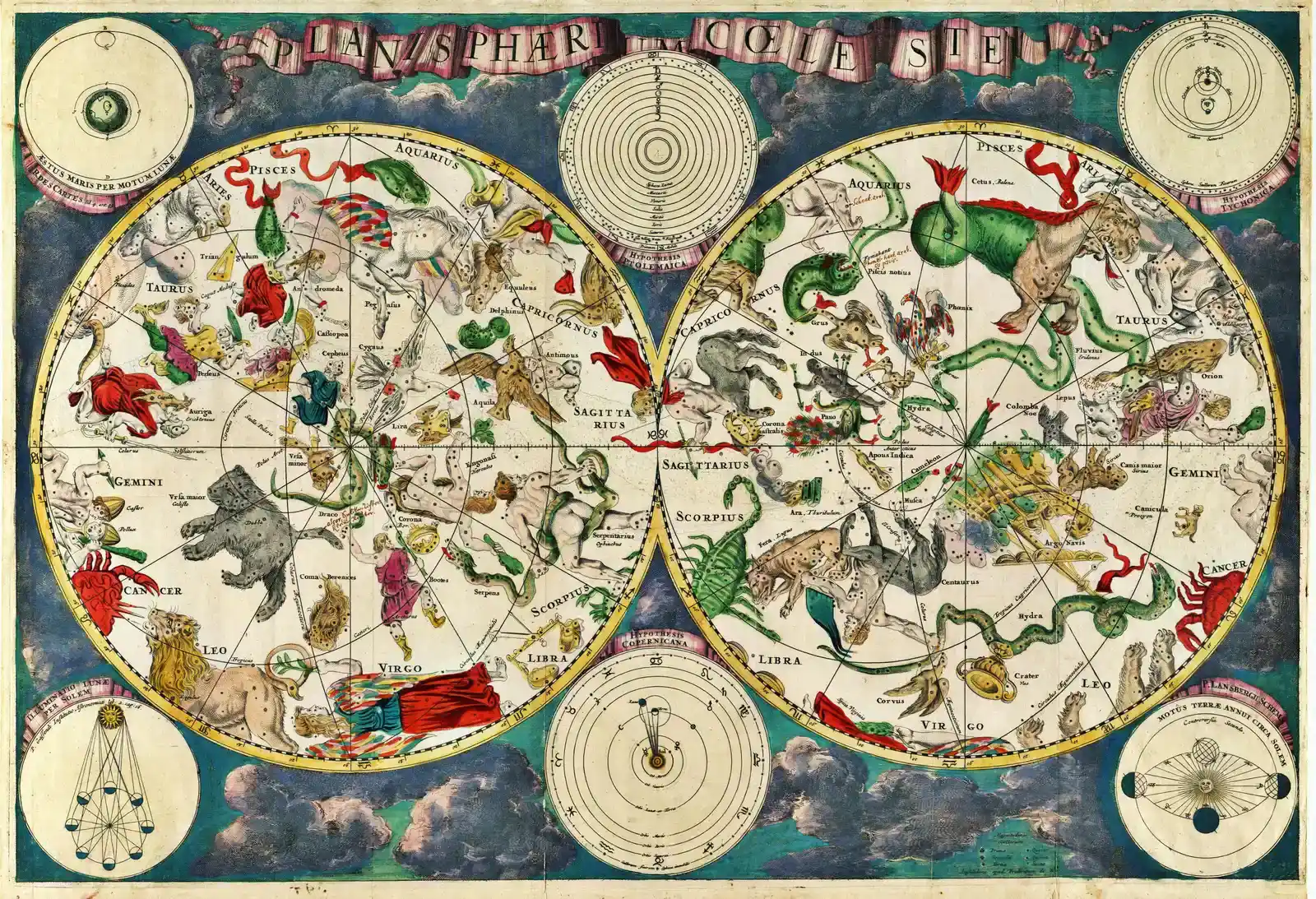
The Greeks became key to transmitting astrology to the modern world, and while references to astrology appear in early Greek texts from 750 BC, it only became popular following increased contact with Mesopotamia after Alexander the Great’s Asian conquests. Around 280 BCE, Berossus, a priest of Bel from Babylon, moved to the Greek island of Kos to teach astrology and Babylonian culture to the Greeks, bringing innovative energy in astrology to the Hellenistic world.
The Greeks added significant elements to astrology, such as the importance of the four elements – Fire, Earth, Air, and Water – and the discovery of the procession of the equinoxes. Around the late 2nd or early 1st century BCE, Babylonian astrology mixed with Egyptian Decanic astrology to create horoscopic astrology, employing the ascendant and twelve celestial houses, with focus shifting to the natal chart of the individual. This represents a massive philosophical shift. Astrology stopped being only about kings and nations and became personal.
Ancient Greek ideas became known as the Ptolemaic model with Earth at the center. Claudius Ptolemy created astronomical knowledge from Alexandria, Egypt, benefiting from centuries of observation, developing a system for predicting star motion that became so popular earlier works fell out of circulation. His influence cannot be overstated.
Decans and Hours: Egyptian Contributions to the Zodiac
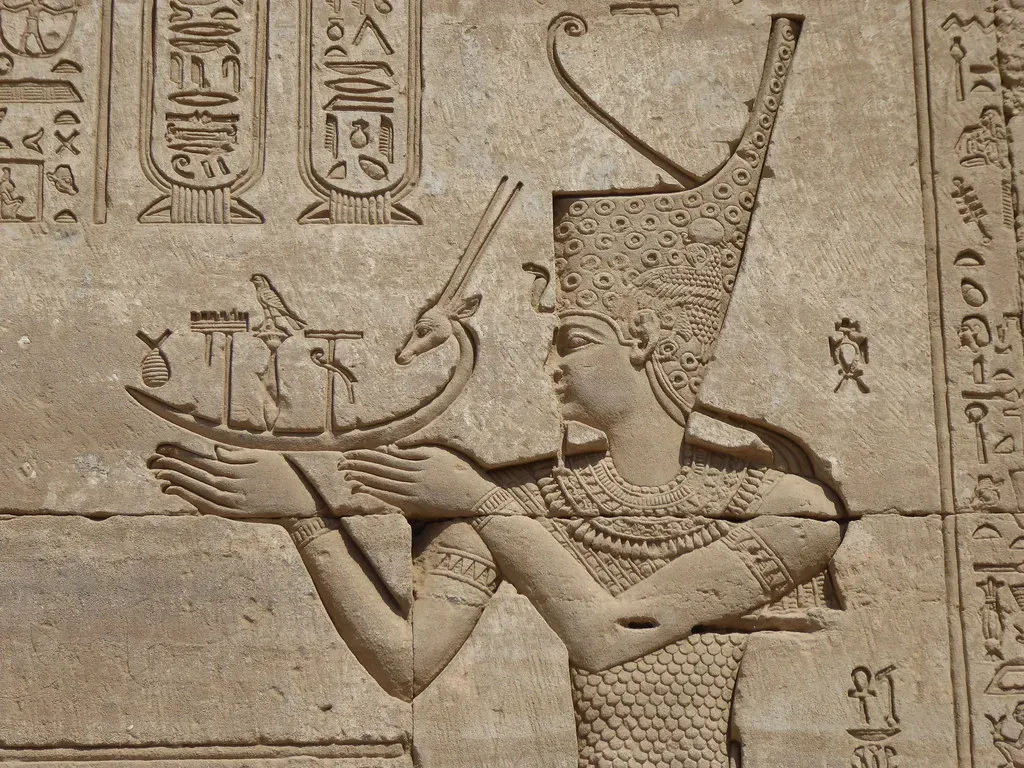
Hellenistic astrology incorporated the Egyptian concept of dividing the zodiac into 36 decans of ten degrees each, which were originally a system of time measurement according to constellations led by Sirius. The risings of decans in the night divided the night into hours, with a constellation’s rising just before sunrise marking the last hour of the night, and over the year each constellation rose before sunrise for ten days before becoming associated with ten degrees of the zodiac.
Think about how elegant this system is. The Egyptians were the first to come to an approximation of the true length of the natural year and devise a calendar based on it, the first to divide night and day into twelve hours each, and the first to make these hours equal. Time itself became a cosmic measurement, synchronizing human activity with celestial rhythm.
This practical innovation transformed astrology. Each Egyptian decan was assigned ten degrees of the zodiac and used to divide each night into hour-long segments, giving birth to the practice of studying date, time, and location within astrological readings. Your birth moment suddenly connected to a precise celestial configuration.
Cosmic Worldviews: Oysters, Domes, and Living Spheres
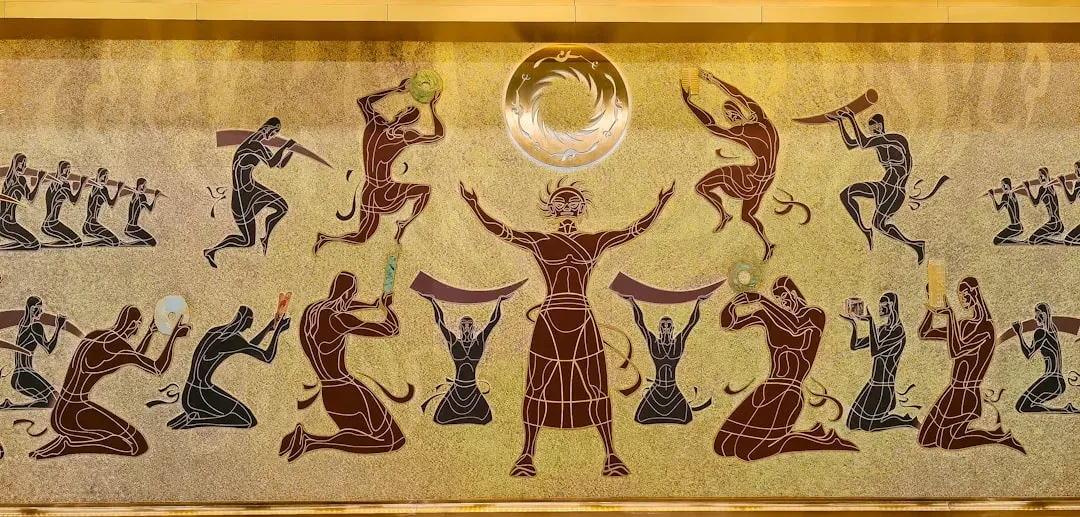
The first ancient civilizations – Babylonians, Egyptians, and Hebrews – conceived of their universe as an oyster surrounded by water, with the Babylonian sky as a solid dome through which moisture seeped as rain, while waters below burst to the surface as natural springs. The ancient Egyptian universe was more rectangular and box-like, with the sky initially conceived as a cow with one foot planted at each corner of the Earth. These images seem alien to our modern cosmology.
Yet these weren’t failures of imagination. Ancient civilizations felt a connection between stars, sun, moon, and clouds in the sky – everything around them – feeling kinship on some level, something often lost in our modern, post-Enlightenment world. Ancient monuments were ritual enactments monumentalizing what they already knew, giving people a place in the cosmos and answering fundamental questions about existence.
In the Greek system, the entire universe was part of a great sphere split into an outer celestial realm and an inner terrestrial one, with fundamentally different natures. Celestial spheres were governed by movers responsible for the motion of wandering stars, with each having an unmoved mover understood as the god corresponding to any given entity in the heavens. Philosophy and astronomy merged completely.
Mayan Mastery: Cycles Within Cycles
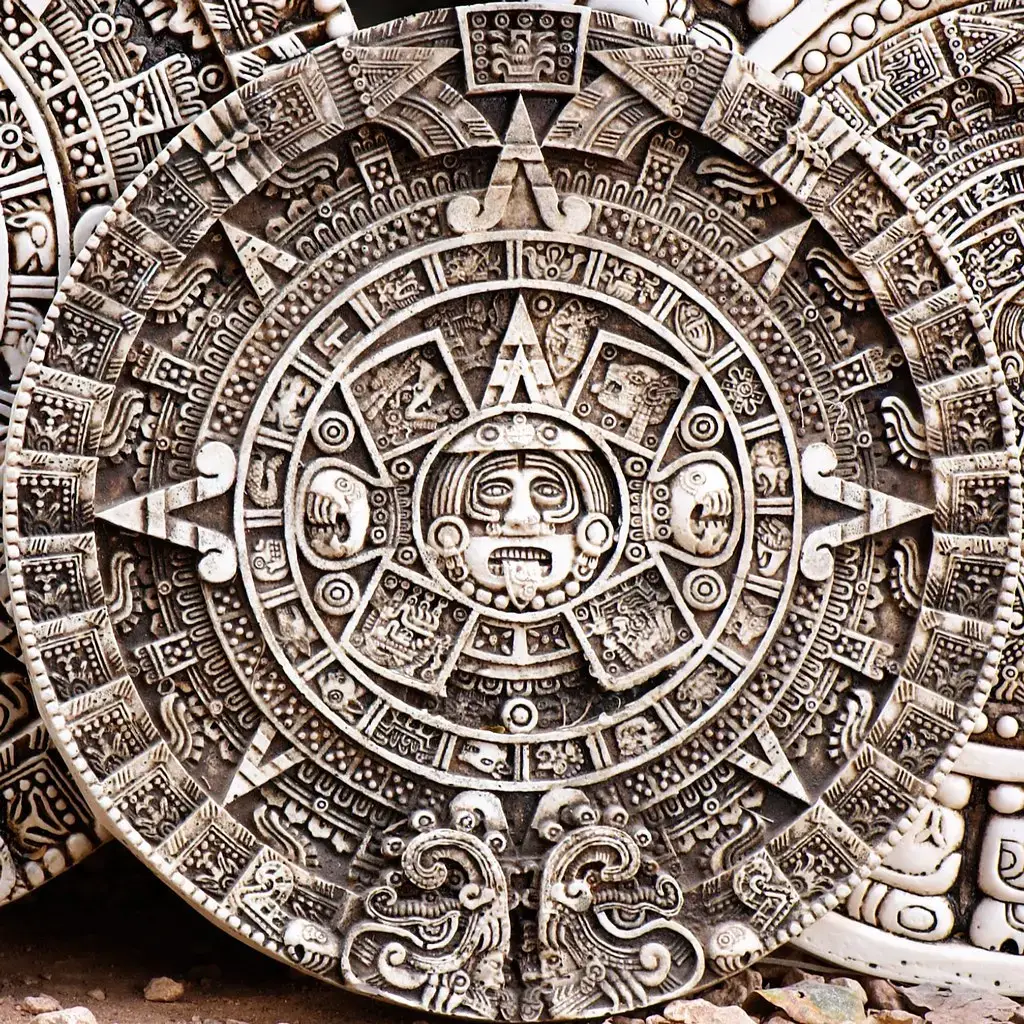
Classic Maya developed some of the most accurate pre-telescope astronomy in the world, aided by their fully developed writing system and positional numeral system, with their estimate of the synodic month more accurate than Ptolemy’s and their tropical solar year calculation more accurate than the Spanish calendar. Around 400 AD, Mayans developed a written language based on glyphs, used complex and accurate calendars, recorded planetary positions, predicted eclipses, with their astronomy well organized and state-supported.
To the Maya, time was not a simple line from past to future but a series of interwoven cycles, a cosmic rhythm connecting human life to the universe itself, with the Long Count calendar at the heart of this worldview. The Mayan calendar displayed astronomical knowledge rivaling modern standards, with priests and astronomers tracking planetary movements and solar cycles with stunning precision, calculating the solar year at approximately 365.242 days.
Maya were able to predict solar eclipses and Venus movements with remarkable precision, using this knowledge not only for agricultural planning but also for religious ceremonies and royal legitimization. They calculated Venus’s synodic period to within two hours of the correct value and tracked its movements over centuries, demonstrating sophisticated mathematical and observational skills with understanding of planetary cycles, solstices, equinoxes, and zenith passages.
Astrology as Science: Observation, Logic, and Prediction
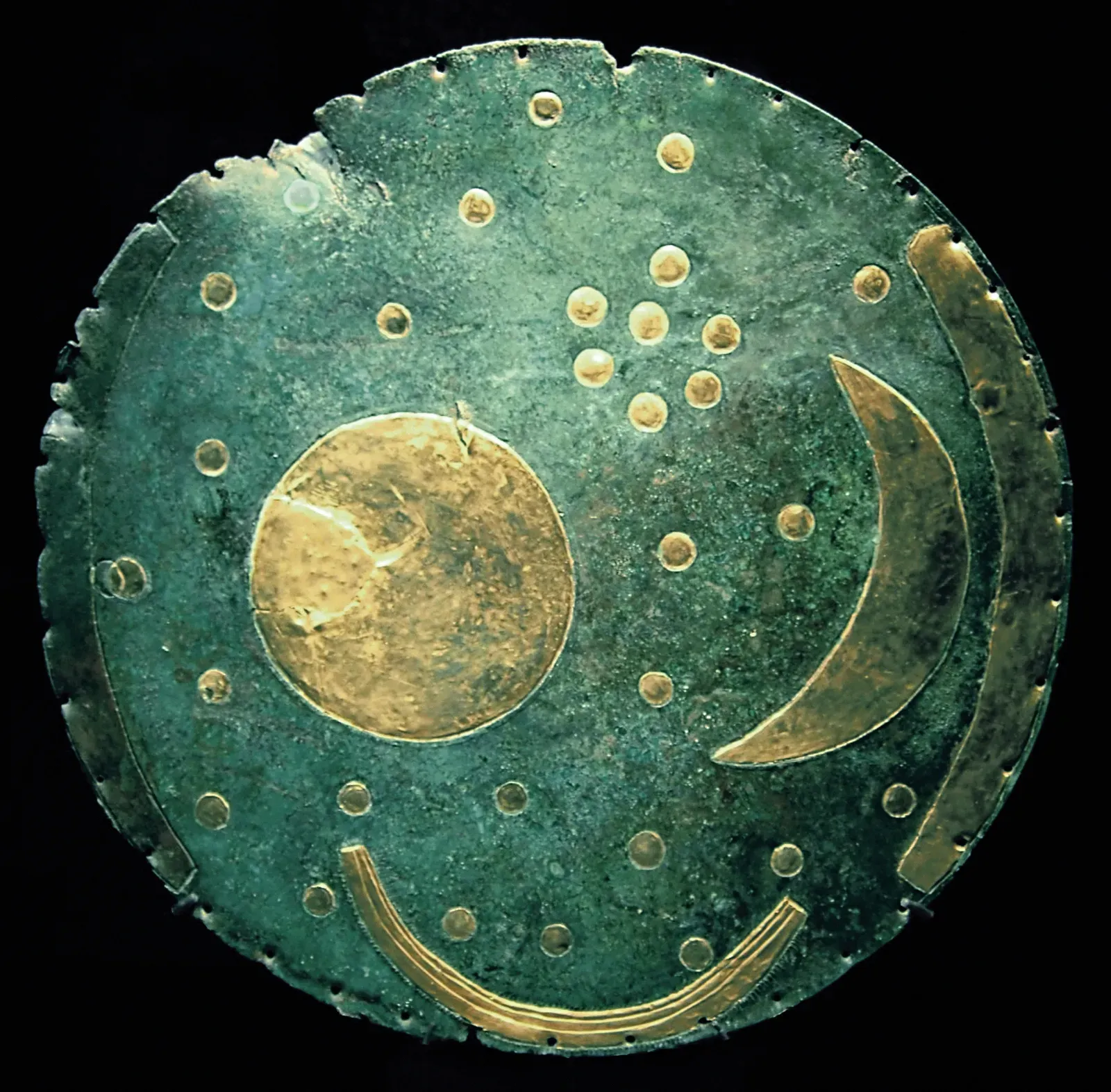
Babylonian astrology contained early elements of what would become science – heavenly bodies operated by logical rules that could be deciphered through data collection over time in early ephemerides, with consistent observation leading to the first “if x, then y” statements in the form of omen statements. This systematic approach laid groundwork for genuine scientific inquiry.
During the 8th and 7th centuries BC, Babylonian astronomers developed a new empirical approach to astronomy, studying and recording their belief system and philosophies dealing with an ideal nature of the universe while employing internal logic within their predictive planetary systems, an important contribution some scholars refer to as a scientific revolution.
By the 4th century BC, Babylonian mathematical methods had progressed enough to calculate future planetary positions with reasonable accuracy, at which point extensive ephemerides began to appear. It’s fascinating how practical necessity drove intellectual achievement. Babylonians discovered that with the right data, anything from Venus motion to eclipse timing could be predicted, managing to develop mathematical functions that effectively predicted heavenly body motion before the invention of trigonometry or even the concept of orbital planetary movement.
Sacred and Mundane: Religion Meets the Heavens
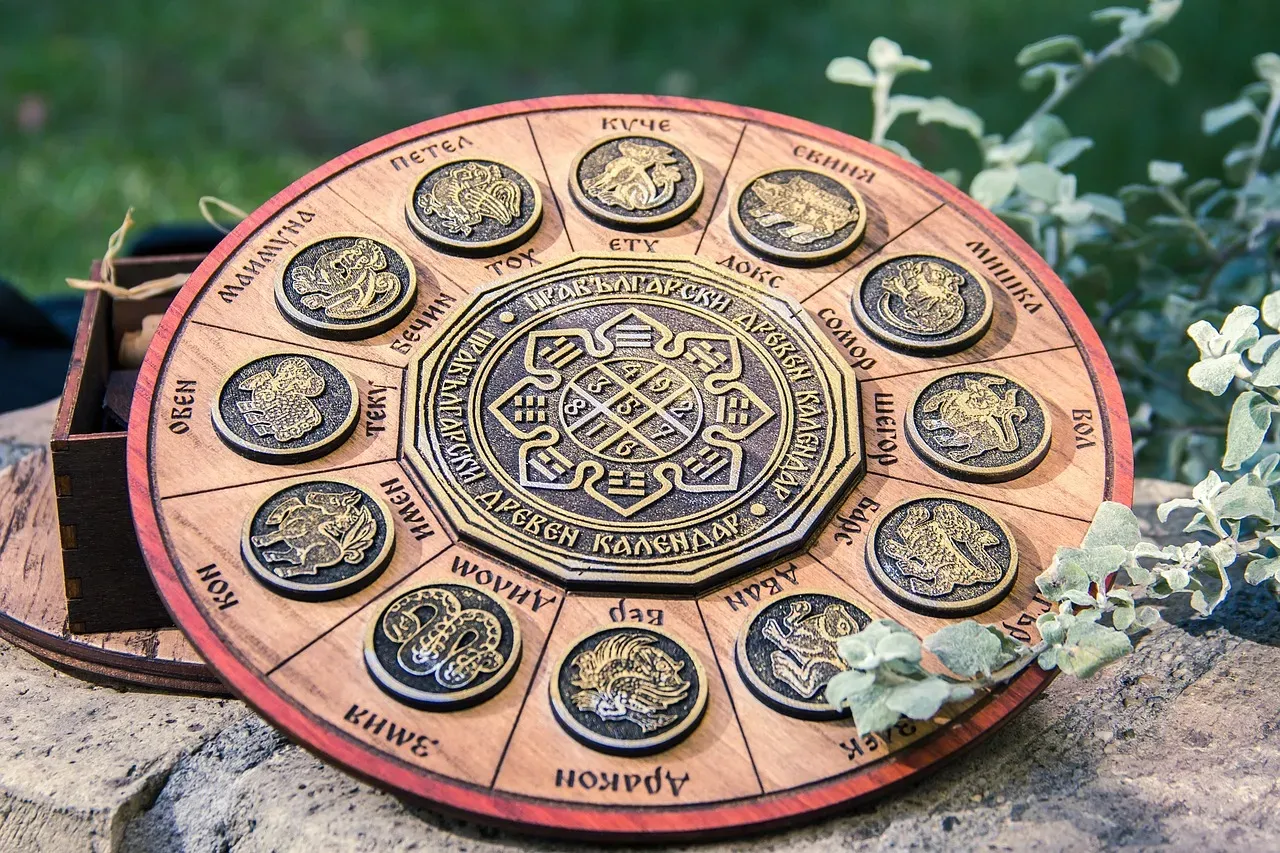
In Ancient Egypt, astronomy was closely tied to religion and mythology, with Egyptians believing stars and celestial bodies were not merely objects in the sky but inhabited by gods and goddesses. Key stars like Sirius were associated with the goddess Isis, while Orion was linked to Osiris, the god of death and resurrection, with these celestial bodies thought to play a significant role in divine order, influencing cycles of life and the afterlife.
Babylonian astrology was a byproduct of ancient Mesopotamian religious beliefs, with kings considered representatives of the gods on Earth, bearing responsibility to maintain balance between kingdom and heavens, symbolized by tending to a sacred tree. Kings would err from time to time and provoke divine wrath, but fortunately the gods would not seek revenge without first issuing warnings through portents or dreams. Astrology became the language of divine communication.
Astronomy played a considerable part in fixing dates of religious festivals and determining hours of night, with temple astrologers especially adept at watching stars and observing conjunctions and risings of Sun, Moon, and planets, as well as lunar phases. Egyptian astronomers were mainly temple priests, as understanding the cosmos was believed to be a divine skill, with temples constructed to imitate the design of heavens and rituals timed based on planetary activity.
Did They See Something We Don’t? Understanding Differently

The Maya’s unique way of knowing and representing the world appears strange to us, but when we unpack these metaphorical representations of natural processes and the cosmos, we find tremendous knowledge expressed in radically different ontology yet product of deep observational knowledge – quite scientific in a sense. This speaks to something profound. Maybe our ancestors weren’t less sophisticated – just differently sophisticated.
Ancient cultures across the globe turned their eyes skyward, striving to understand mysteries of stars, moon, sun, and planets, developing sophisticated systems to track and predict celestial events, using knowledge to inform agriculture, navigation, and spiritual beliefs. The alignment of ancient structures with stars, Sun, and Moon reveals knowledge of the cosmos predating modern astronomy by centuries, with ancient civilizations relying on celestial bodies to develop celestial calendars that regulated agriculture, religious ceremonies, and daily life.
Across the globe, civilizations saw the heavens as a bridge between mortal world and the divine, with recognizable astronomical objects often personified as gods and planetary orbits seen as a cosmic story of creation, destruction, and rebirth, melding observation and mythology to lay the foundation for enduring stories in human history.
The ancient worldview integrated what we now separate into science, religion, philosophy, and daily life. For the Maya, numbers and time were sacred, representing harmony of cosmic cycles, with their calendar not only tracking days but serving as a cosmic system connecting cycles of earth, sun, and spirit world, guiding rituals, agriculture, and prophecy.
Conclusion: Cosmic Understanding Across Time

So here we are, looking back across millennia at civilizations that viewed the cosmos through lenses dramatically different from our own. They saw living deities in planetary movements, divine messages in eclipses, and sacred geometry in temple alignments. They believed celestial patterns dictated earthly events and that understanding the heavens granted power over temporal affairs.
Were they wrong? In many technical details, certainly. Yet they achieved remarkable precision without telescopes or computers, developed mathematical systems of stunning sophistication, and created calendars more accurate than those of their supposed conquerors. More importantly, they maintained a sense of connection to the cosmos that our modern world has largely abandoned.
Ancient astrology reveals not primitive superstition but rather a fundamentally different relationship with the universe – one that saw humanity as embedded within cosmic rhythms rather than separate from them. These ancestors integrated observation, mathematics, philosophy, and spirituality into comprehensive systems that structured entire civilizations. Their legacy lives on in the zodiac signs we casually reference, in the calendars we follow, in the hours we measure.
Perhaps the real question isn’t whether our ancestors understood the cosmos differently, but whether we’ve lost something essential in our quest for purely mechanistic explanations. What do you think? Did the ancients possess a cosmic wisdom we’ve forgotten? Tell us in the comments.