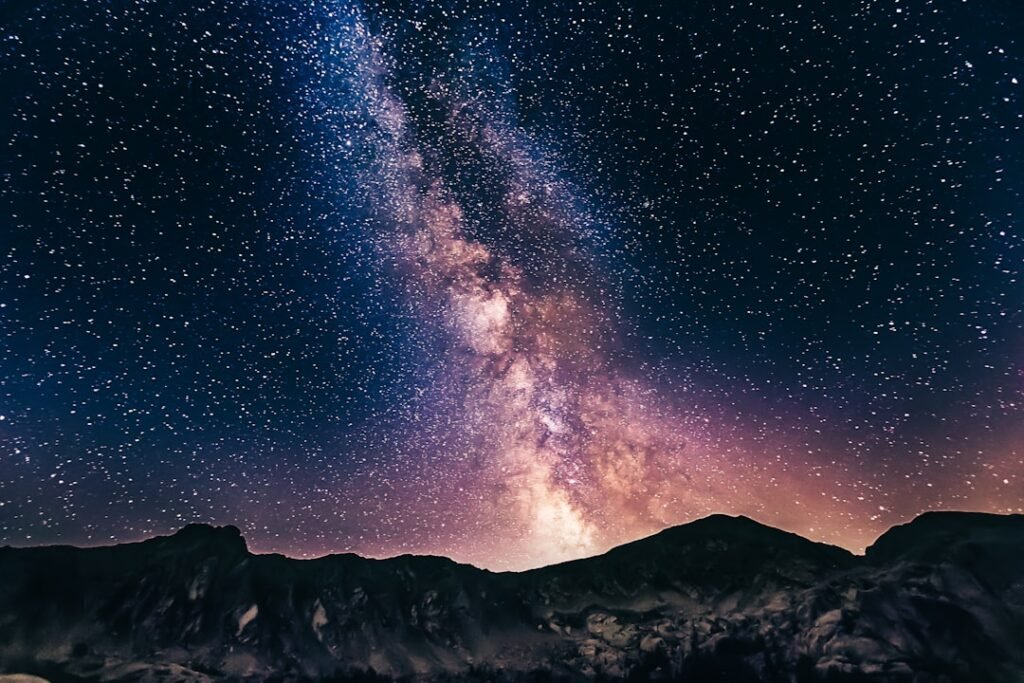

You look up at the sky on a clear, dark night and see that glowing river of stars stretching across the darkness. It’s beautiful, right? Familiar, even. You probably think you know the Milky Way. You’ve heard about it since grade school. Turns out, we’ve all been looking at a much stranger place than we ever realized. The galaxy we call home is practically screaming surprises at us right now, and astronomers are scrambling to make sense of what they’re seeing.
Let’s be real, the past few years have been absolutely wild for Milky Way research. New telescopes, better data, and some truly baffling discoveries are flipping decades of assumptions on their heads. The galaxy is weirder, wilder, and frankly more unsettling than the tidy spiral we imagined. So let’s dive in and see just how bizarre our cosmic neighborhood actually is.
1. Our Galaxy Has a Split Personality Written in Its Stars
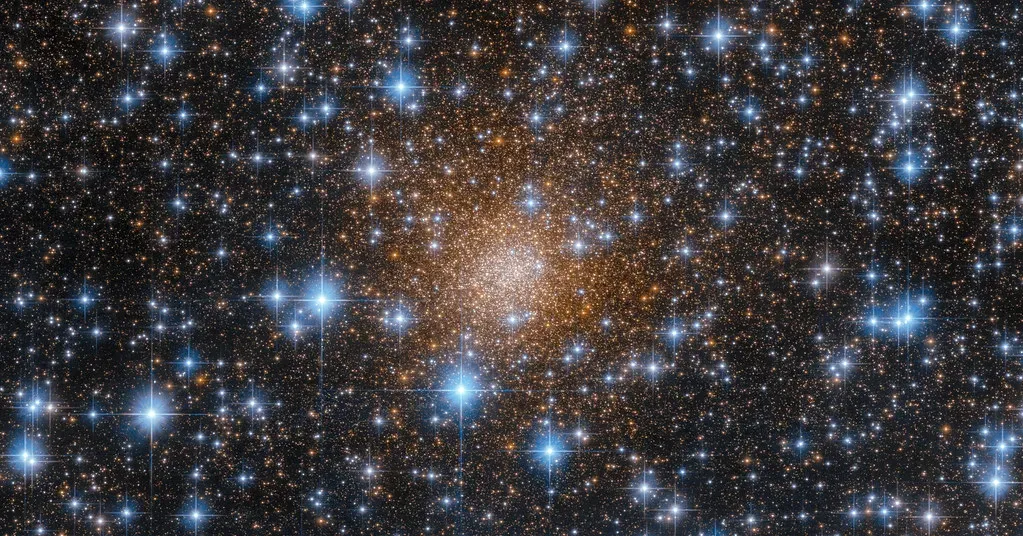
You might think all stars in the Milky Way formed through similar processes, but new simulations reveal a strange split between two chemically distinct groups of stars. When researchers look at stars near the Sun, they consistently identify two major categories based on relative amounts of iron and magnesium, creating two separate sequences on chemical plots.
The findings challenge the long-held assumption that a major ancient collision caused the split. Instead, scientists now suspect something far stranger. Bursts of star formation, shifts in flowing gas, and streams of metal-poor material from the galaxy’s outskirts can all create this double pattern. Honestly, it’s like discovering your hometown has two completely different founding stories, and both might be true.
2. A Perfect Twin of the Milky Way Was Born Impossibly Early
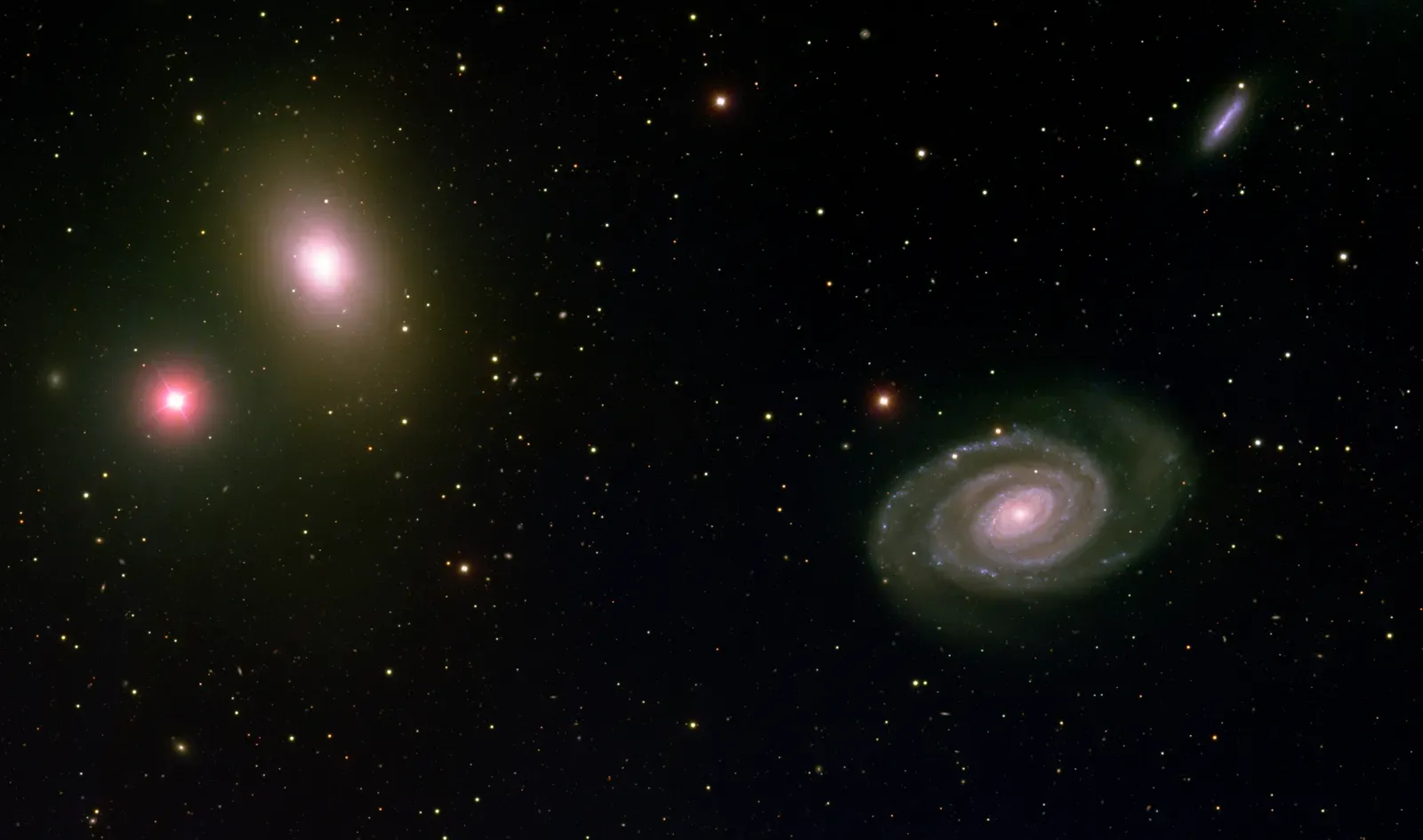
Here’s where things get really mind-bending. A surprisingly mature spiral galaxy named Alaknanda has been spotted just 1.5 billion years after the Big Bang, far earlier than astronomers believed such well-structured galaxies could form. Think about that for a second. The universe was barely a tenth of its current age.
Alaknanda is forming stars at an exceptional pace, creating the equivalent mass of about 60 Suns each year, a rate about 20 times faster than the Milky Way today. If galaxies could organize themselves this quickly, then the early Universe was a far more active and productive environment than previously assumed. This discovery doesn’t just surprise us. It forces astronomers to completely rethink how fast cosmic structures can assemble.
3. Dark Matter May Be Lighting Up the Galaxy’s Heart Like a Cosmic Beacon
Something mysterious has been glowing at the Milky Way’s center for years, and we couldn’t figure out why. New findings suggest that dark matter could be the missing piece in one of astronomy’s longest-running puzzles: the strange excess of gamma rays glowing from the Milky Way’s core, and this new configuration closely matches the mysterious radiation pattern first seen by NASA’s Fermi telescope.
For over a decade, scientists wrestled with this so-called Galactic Center Excess. By recreating the galaxy’s turbulent early life and massive collisions that shaped it, scientists discovered that dark matter near the center may be arranged very differently than once believed, and ancient events could have significantly altered the shape and density of dark matter in its core. You’d think dark matter would just sit there quietly, but apparently it’s throwing a light show we’re only now starting to understand.
4. The Central Black Hole Never Stops Flaring and Flickering
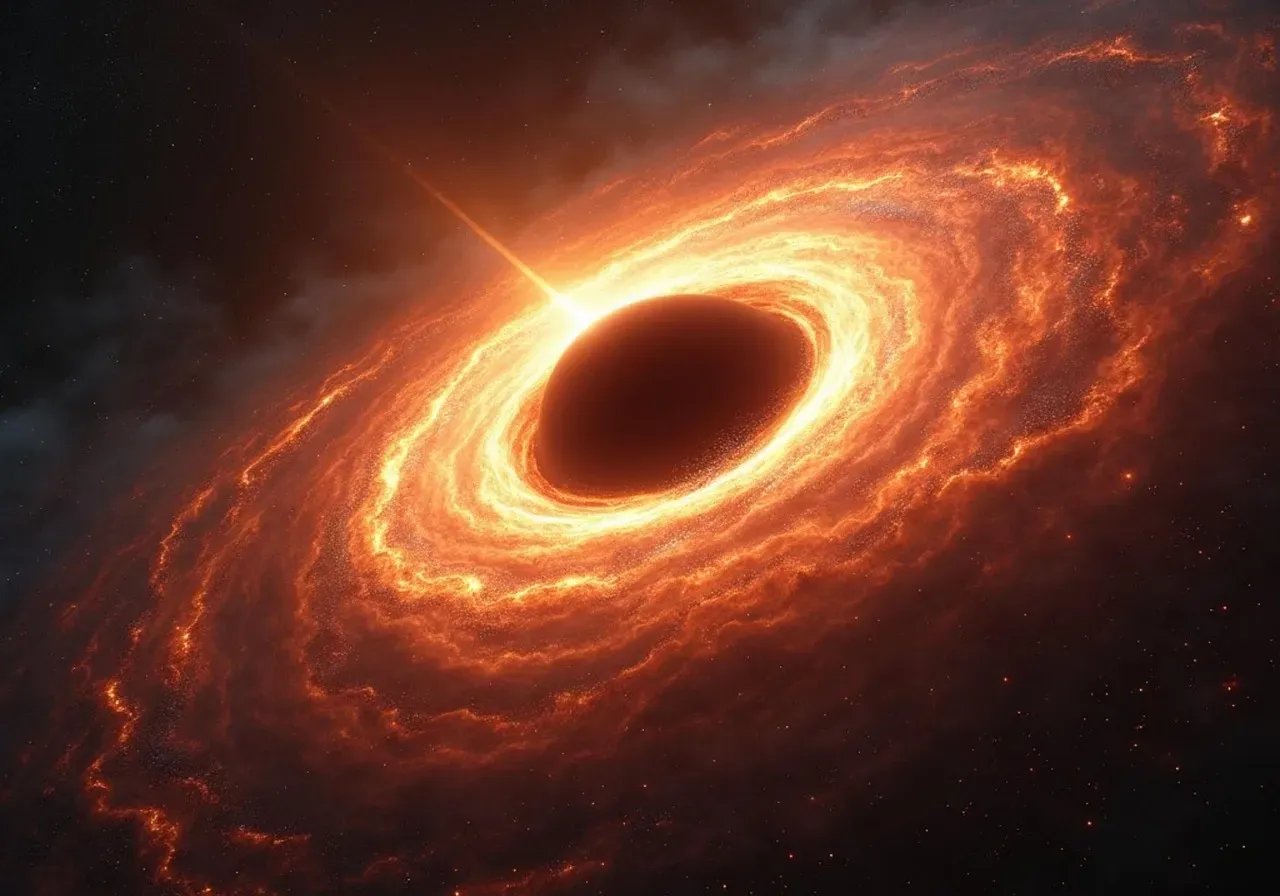
The swirling disk of gas and dust orbiting the central supermassive black hole, Sagittarius A*, is emitting a constant stream of flares with no periods of rest, with some flares being faint flickers lasting mere seconds, while other flares are blindingly bright eruptions which spew daily. It’s hard to say for sure, but this is definitely not the quiet black hole we once thought lived at our galaxy’s heart.
The black hole is always bubbling with activity and never seems to reach a steady state, with observations throughout 2023 and 2024 showing changes in every observation, seeing something different each time. Unexpectedly, researchers discovered events observed at the shorter wavelength changed brightness slightly before the longer-wavelength events, marking the first time a time delay in measurements at these wavelengths has been seen, with the longer wavelength lagging behind by a few seconds to 40 seconds. The black hole is basically having a nonstop party, and we’re just now getting invited.
5. The Black Hole Is Spinning Like a Cosmic Football at Breakneck Speed
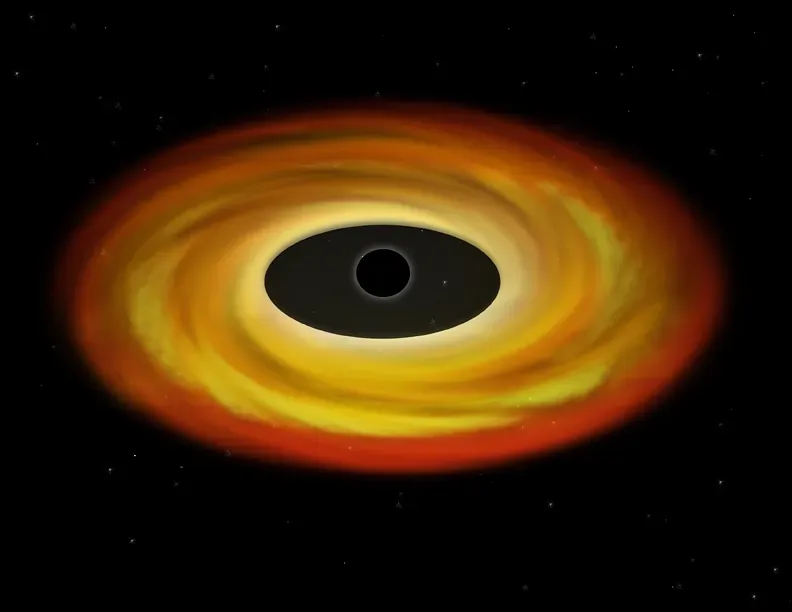
The supermassive black hole in the center of the Milky Way is spinning so quickly it is warping spacetime into a shape that can look like a football, with that shape suggesting the black hole is spinning at about 60 percent of its potential limit. Let me tell you, that’s astonishingly fast for something that massive.
Thanks to neural networks analyzing over 12 million simulations, scientists discovered that the Milky Way’s central black hole is spinning at nearly maximum speed. The black hole at the center of the Milky Way is spinning at almost top speed, and its rotation axis points toward Earth. If conditions change near the black hole, this enormous rotational energy could drive incredibly powerful outflows in the future. What happens then? Nobody’s entirely sure.
6. The Black Hole Briefly Woke Up Just 200 Years Ago
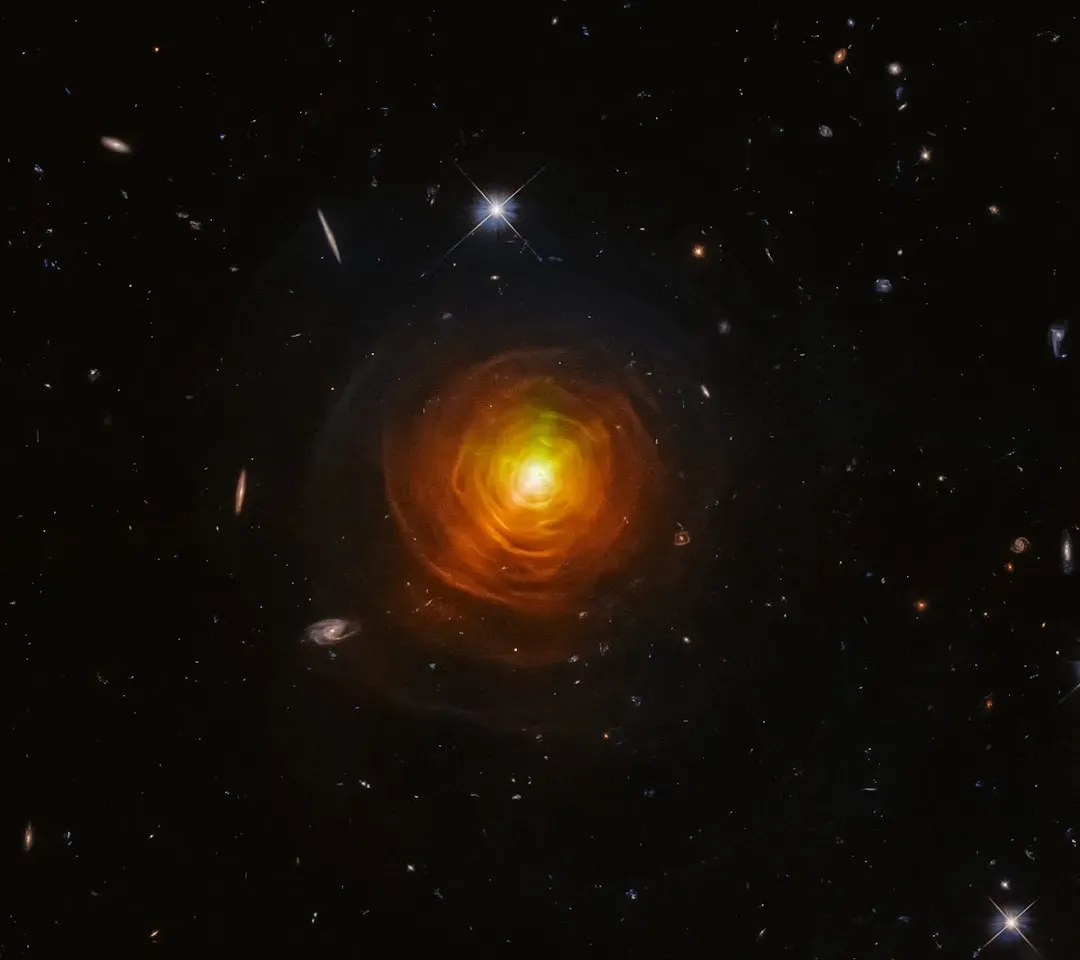
Sagittarius A* is far less luminous than other black holes at the centers of galaxies, yet new evidence from NASA’s IXPE telescope suggests the ancient sleeping giant woke recently, about 200 years ago, to devour gas and other cosmic detritus within its reach. Think about that timing. Two centuries ago, our black hole had a serious feeding frenzy.
The Milky Way’s black hole briefly flared at least a million times brighter 200 years ago. By measuring the polarization of X-rays using NASA’s Imaging X-ray Polarimetry Explorer satellite, researchers narrowed down the glow’s age and origin: a powerful X-ray pulse arriving at Earth from Sagittarius A* 200 years ago. What triggered this outburst? Maybe a massive star wandered too close, or perhaps a huge gas cloud got consumed. Either way, the beast at our galaxy’s heart isn’t as dormant as we hoped.
7. Mysterious Strands Are Dangling All Over the Galactic Center
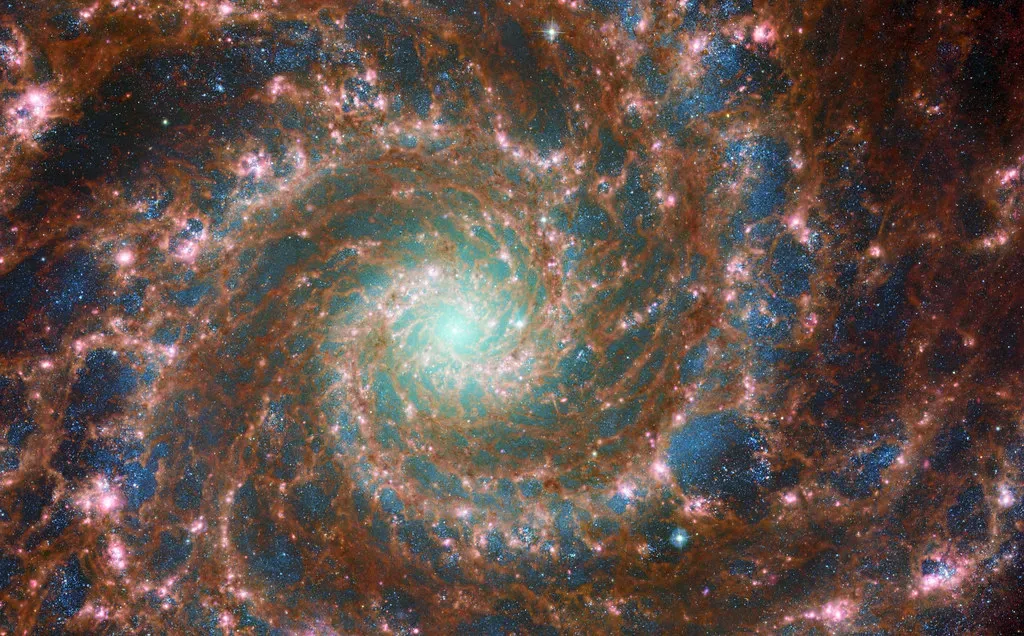
An unprecedented telescope image of the Milky Way’s turbulent center has revealed nearly 1,000 mysterious strands, inexplicably dangling in space, stretching up to 150 light-years long and found in pairs and clusters, often stacked equally spaced side by side like strings on a harp. I know it sounds crazy, but these structures have baffled scientists for decades.
The mystifying filaments comprise cosmic ray electrons gyrating the magnetic field at close to the speed of light, but their origin has remained an unsolved mystery ever since. It is more likely that the filaments are related to past activity of the Milky Way’s central supermassive black hole rather than coordinated bursts of supernovae. These cosmic harp strings hanging in space might be echoes of the black hole’s violent past, a ghostly signature of ancient chaos.
8. Strong Magnetic Fields Are Spiraling Around the Black Hole
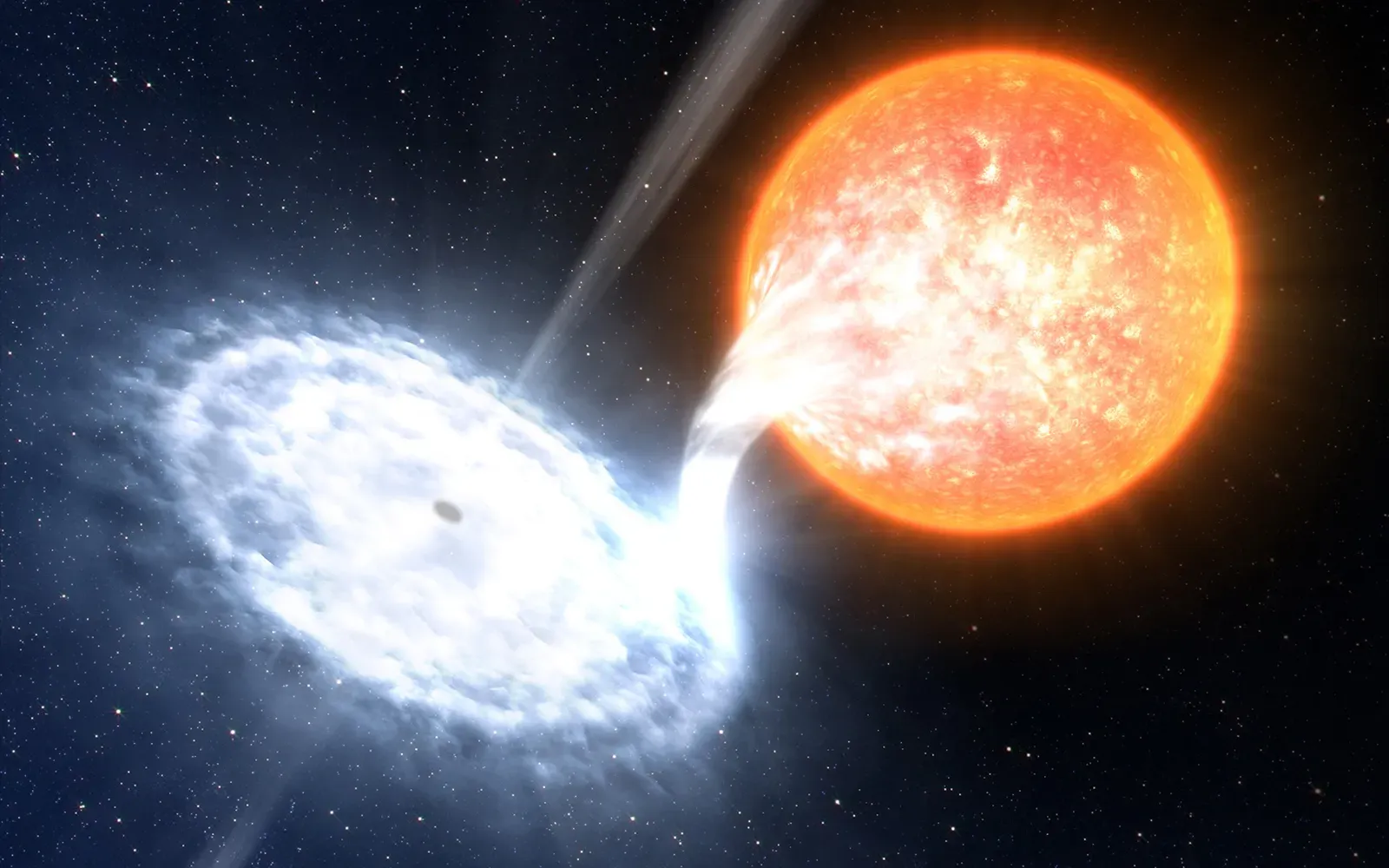
A new image from the Event Horizon Telescope has uncovered strong and organized magnetic fields spiraling from the edge of Sagittarius A*, and seen in polarized light for the first time, this view revealed a magnetic field structure strikingly similar to that of the black hole at the center of the M87 galaxy. The similarity is startling. It suggests magnetic fields might be universal features of black holes.
Strong, twisted, and organized magnetic fields exist near the black hole at the center of the Milky Way galaxy. Previous studies of light around M87* revealed that magnetic fields around the black hole giant allowed it to launch powerful jets of material, and building on this work, the new images have revealed that the same may be true for Sagittarius A*. So far, we haven’t detected jets from our black hole, but that might just be a matter of time. The machinery is there, waiting.
9. The Milky Way’s Origin Story Just Got Completely Rewritten
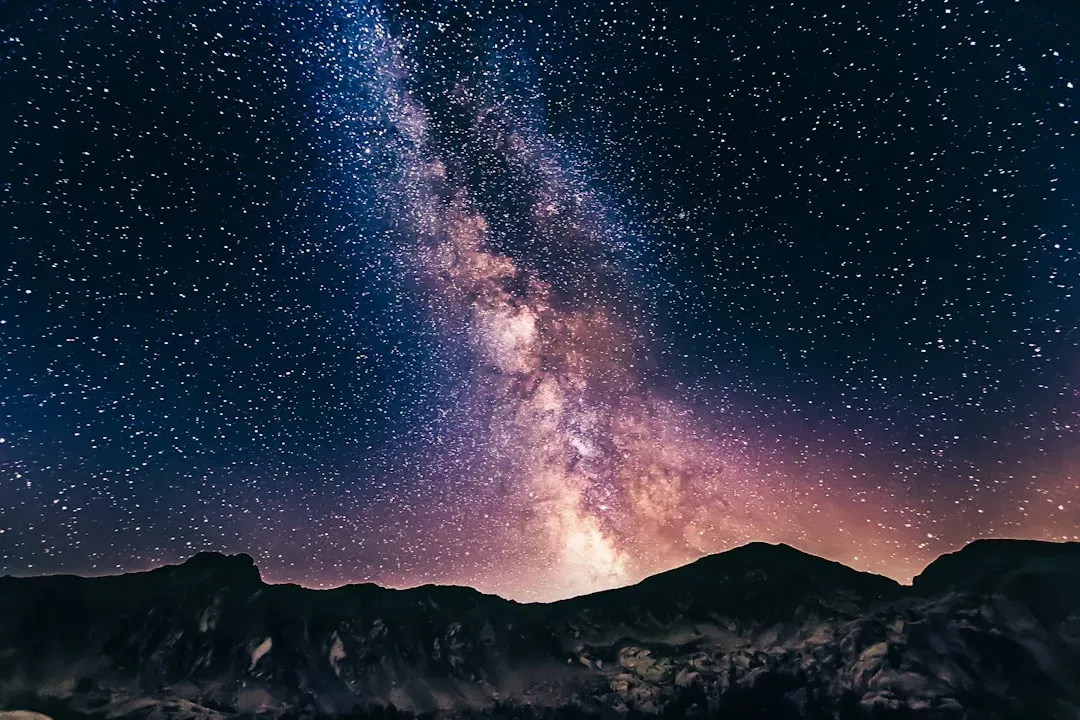
The results indicate that galaxies resembling the Milky Way can form two distinct chemical sequences through several different pathways, and the study challenges an earlier explanation involving a smaller galaxy known as Gaia-Sausage-Enceladus, showing it is not required to produce the chemical split. For years, scientists pinned the Milky Way’s structure on one big ancient collision. Turns out, that’s only part of the story.
Instead, the simulations highlight the importance of metal-poor gas from the circumgalactic medium which contributes to the formation of the second group of stars, and the overall shape of each chemical sequence is closely connected to the galaxy’s specific history of star formation. Our galaxy didn’t follow a single, neat path to its current form. It took multiple routes, cobbled together from cosmic accidents and flowing gas. There’s no universal blueprint, which is honestly both fascinating and a little unnerving.
10. The Galaxy May Be Too Big for Its Cosmic Neighborhood
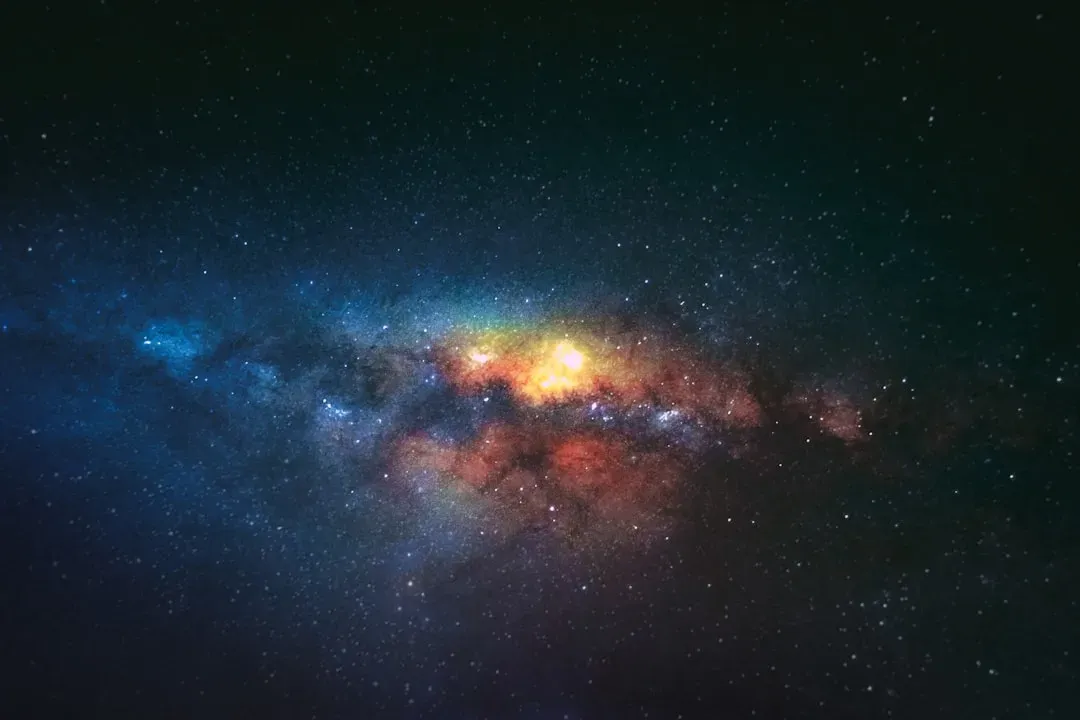
The Milky Way is found to be surprisingly massive in comparison to its cosmological wall, a rare cosmic occurrence, and a new study shows that the Milky Way is too big for its cosmological wall, something yet to be seen in other galaxies. In other words, we’re weirdly oversized for where we live in the universe.
Only a handful, about a millionth of all galaxies in the simulation, were as special as the Milky Way, both embedded in a cosmological wall like the Local Sheet and as massive as our home galaxy. You might have to travel half a billion light-years from the Milky Way past many galaxies to find another cosmological wall with a galaxy like ours. So we’re not just living in any neighborhood. We’re living in a genuinely unusual spot in the cosmos, and that might mean our observations are less typical than we’ve always assumed.
11. The Stellar Halo Is Tilted Like a Kicked Football
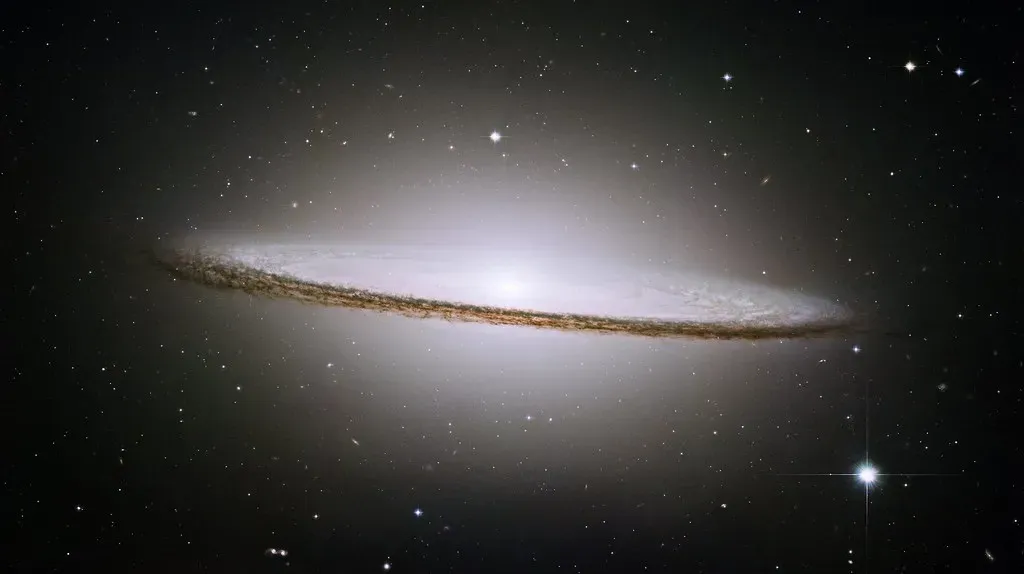
A new study has revealed the true shape of the diffuse cloud of stars surrounding the disk of our galaxy, and for decades astronomers thought this stellar halo was largely spherical like a beach ball, but now a new model shows the stellar halo is oblong and tilted much like a football that has just been kicked. You’d expect billions of years would smooth everything into a nice sphere, but that’s not what happened.
The tilted stellar halo strongly suggests that the underlying dark matter halo is also tilted, and this dark matter-dominated structure is itself probably askew and through its gravity is keeping the stellar halo off-kilter. A tilt in the dark matter halo could have significant ramifications for our ability to detect dark matter particles in laboratories on Earth. If the halo’s crooked, that changes where and when detectors on Earth might catch dark matter particles streaming past. It’s a weird quirk with real consequences.
12. A Mysterious Repeating Radio Object Is Beaming Both Radio Waves and X-Rays
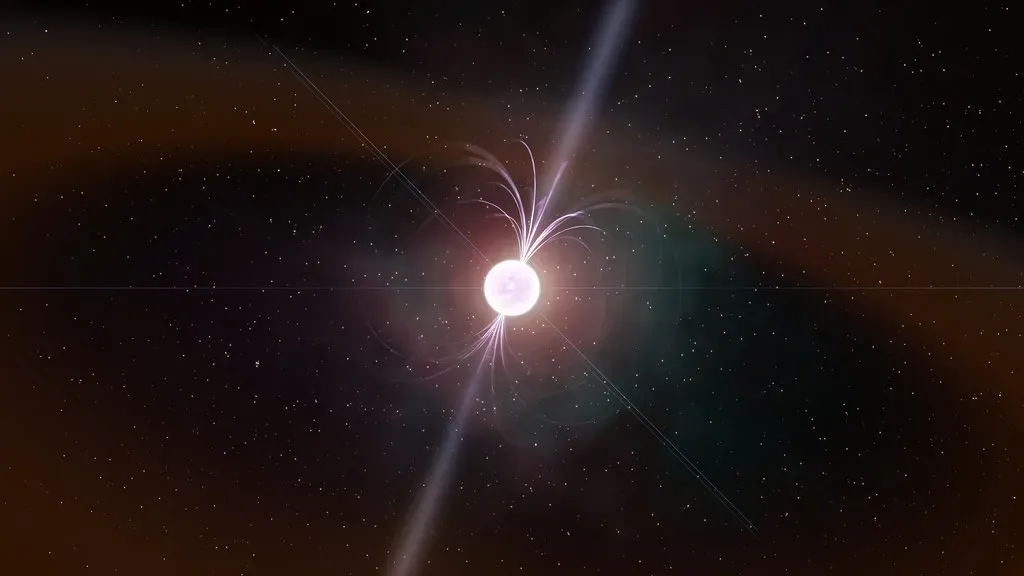
Astronomers have identified a repeating radio signal that is also emitting X-rays, a first-of-its-kind observation that may point to an entirely new class of astronomical objects. Seriously, nobody’s seen anything quite like it before. ASKAP J1832-0911 stands out for being the only known long-period radio transient to emit both radio waves and X-rays in sync, and this object has remained visible for over ten months displaying fluctuations in brightness but keeping to a steady cycle.
This might be an indicator of a broader yet undetected population of similar objects, with the discovery opening up new possibilities for understanding how stellar remnants behave under extreme physical conditions. This discovery could indicate a new type of physics or new models of stellar evolution. The galaxy might be teeming with strange, pulsing objects we’ve barely begun to detect, each one rewriting what we thought we knew about dead stars and extreme environments.
Conclusion
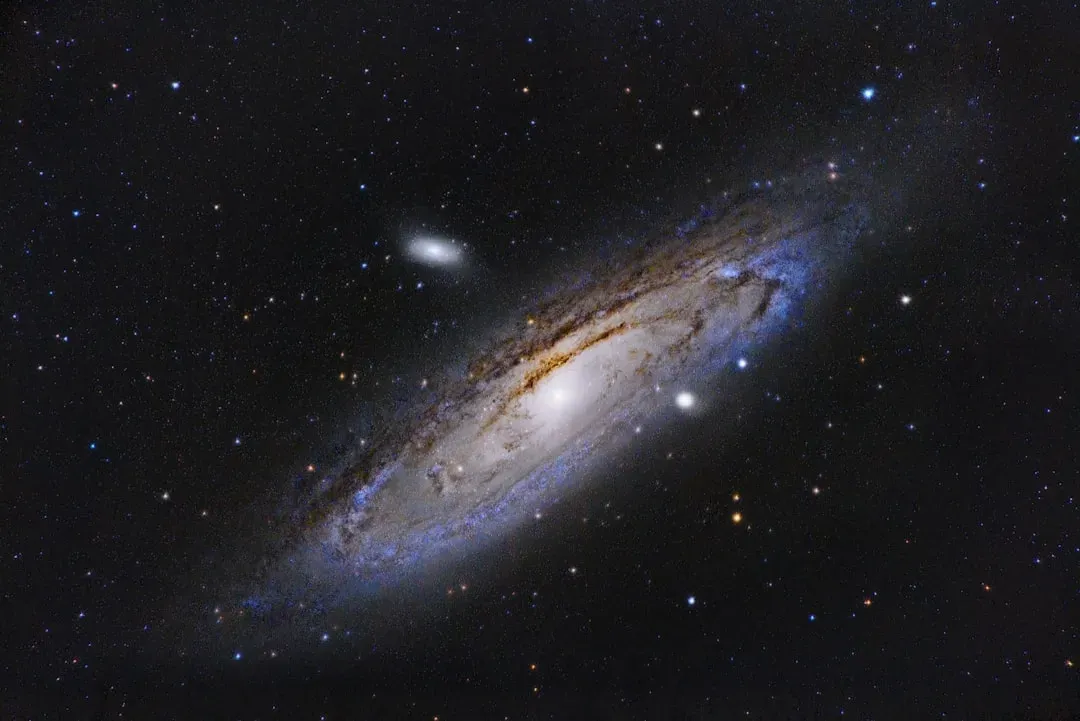
So where does that leave us? Standing in a galaxy that’s far more dynamic, unpredictable, and downright bizarre than the calm spiral picture we grew up with. From split stellar populations to black holes that never sleep, from impossibly early galactic twins to tilted halos of dark matter, the Milky Way is revealing secrets faster than we can process them.
Here’s the thing: every weird discovery raises ten new questions. Why is our galaxy so unusual in its cosmic neighborhood? What else is lurking in the galactic center that we haven’t detected yet? Will the black hole wake up again in our lifetimes? These aren’t just academic puzzles. They’re mysteries about the very place we call home.
The Milky Way isn’t some distant, unchanging backdrop. It’s a living, breathing, evolving structure with a wild past and an uncertain future. What do you think is the strangest discovery on this list? Does it change how you see that band of light stretching across the night sky?