

You’ve probably walked through a forest or garden and never once thought you were surrounded by constant conversations. Silent exchanges happening right beneath your feet. Plants might lack vocal cords or even brains, but they’ve developed incredibly sophisticated methods of sharing information with one another. They warn of dangers, share resources, recognize family members, and even manipulate their neighbors.
The more we learn about these green organisms, the more we realize how profoundly interconnected and intelligent their world truly is. What seems like a peaceful meadow or quiet woodland might actually be buzzing with chemical signals, electrical impulses, and underground networks that rival the internet in complexity. Let’s dive into the hidden communication systems that make the plant kingdom far more social than you ever imagined.
Underground Fungal Networks Connect Entire Forests
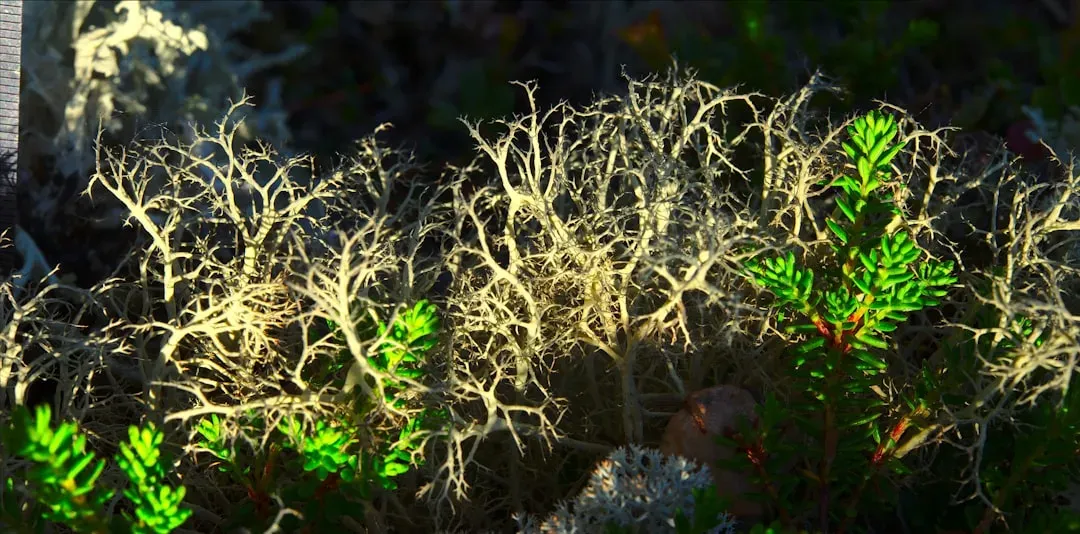
Beneath the forest floor exists what scientists now call the Wood Wide Web. This network is created by mycorrhizal fungi that connect individual plants together through an underground system of fungal hyphae. Think of it as nature’s original internet.
These fungal networks link two or more plants of the same or different species, creating a complex adaptive social network where multiple species interact, provide feedback, and adapt. Through these connections, plants can exchange far more than just nutrients. Networks can transport signals produced by plants in response to herbivore and pathogen infestation to neighboring plants before they’re attacked themselves, and the speed of transfer is such that the mechanism likely has measurable benefits for plant protection.
Honestly, the implications are staggering. Studies have shown that the hyphae of a single fungal individual can connect dozens, or even hundreds, of plants of various species. Mother trees preferentially share resources with their offspring through these networks. Large, old trees form connections with young seedlings that are their genetic offspring, giving young plants connected to the network a better chance of survival and faster growth.
Chemical Airborne Warnings Alert Neighbors to Danger

When a plant gets attacked by insects or damaged, it doesn’t suffer in silence. Plants emit volatile organic compounds as a means to warn other plants of impending danger, and nearby plants exposed to the induced VOCs prepare their own defense weapons in response.
These chemical messages travel through the air like invisible emergency broadcasts. Plants emit volatile organic compounds into the atmosphere upon mechanical damage or insect attacks, and undamaged neighboring plants sense the released VOCs as danger cues to activate defense responses against upcoming threats. The system is remarkably efficient.
What’s fascinating is how specific these messages can be. When a plant of broad beans connected to a network is attacked by aphids, it sends a message to neighboring plants, which respond by producing methyl salicylate to cause repellency to the attackers and attraction to aphid enemies like parasitoids. It’s like calling for backup before the enemy even reaches you. Different blends of chemicals can communicate different types of threats, allowing plants to tailor their defensive responses accordingly.
Plants Actually Make Sounds When They’re Stressed
This one surprised even researchers when they discovered it recently. Dry tomato and tobacco plants emit distinct ultrasonic clicks that sound something like a kid stomping on bubble wrap and also occur when scientists snip the plants’ stems.
Stressed plants emitted roughly thirty to fifty pops per hour, much more frequently than unstressed plants, and could be detected up to five meters away. Water-stressed plants started emitting more rapid noises before visible signs of dehydration appeared. The sounds peak after several days without water and then drop off as the plant dries up completely.
The mechanism behind these noises likely involves cavitation. The exact mechanism behind these noises is unclear, but researchers suggest it might be due to the formation and bursting of air bubbles in the plant’s vascular system. While we can’t hear these ultrasonic frequencies, many animals probably can. While imperceptible to the human ear, sounds emitted by plants can probably be heard by various animals such as bats, mice, and insects, and in nature these sounds are likely detected by creatures nearby.
Electrical Signals Rush Through Plant Bodies Like Nerve Impulses

You don’t need a nervous system to use electricity for communication. Plants are capable of emitting, processing, and transmitting bioelectrical signals to regulate a wide variety of physiological functions.
These signals work remarkably like our own nerve impulses. Plants can send electrical signals through calcium waves that move from cell to cell, alerting tissues to damage and triggering defense responses in a coordinated defense signal powered by ions that move through membranes. The signal travels through the plant’s tissues far more gradually than nerve impulses in animals, yet the purpose remains strikingly similar.
The change in electrical signaling as a response of the plant to herbivory is a universal and fast reaction to external stimuli. When a leaf gets chewed, electrical signals race to other parts of the plant within minutes. Upon receiving the electronic signal, faraway leaf tissues produce jasmonate, a hormone recognized as a key role player in initiating one of a plant’s many defensive schemes. It’s all quite intricate and operates on multiple levels simultaneously.
Root Exudates Create Chemical Conversations Underground
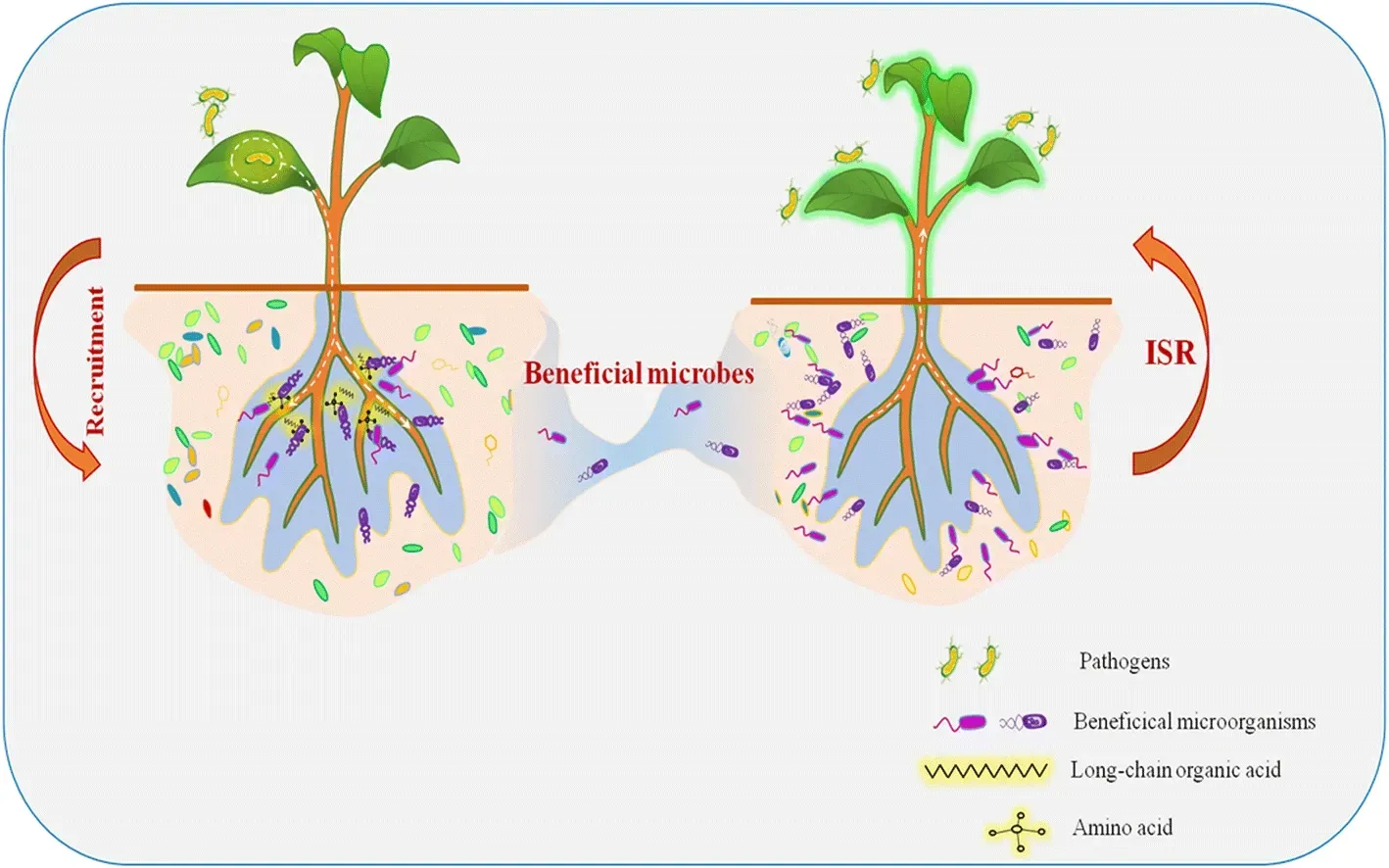
The things happening beneath the soil surface would blow your mind. In the rhizosphere, roots release specialized metabolites that serve as phytochemical signals, forming complex interplant communication networks critical for species recognition, mediating concentration-dependent interactions that simultaneously coordinate both belowground root avoidance responses and aboveground developmental processes.
Think of root exudates as a chemical language. Root exudates contain a wide variety of molecules released by the plant into the soil and act as a signaling messenger that allows for communication between soil microbes and plant roots. Different plants speak different chemical dialects.
Plants utilize complex chemical communication networks to regulate interspecific relationships, with wheat actively inhibiting adjacent plant growth via allelochemical production while rice displays genotype-specific root architecture modifications when growing with related conspecifics. They can recognize their siblings and adjust their behavior accordingly. Some plants play nice with family, others wage chemical warfare against strangers invading their territory.
Defense Signals Travel Between Plants Through Mycorrhizal Highways

We’ve talked about fungal networks connecting plants, but the real magic is what travels through those connections. Common mycorrhizal networks mediate plant-plant communication between healthy plants and pathogen-infected tomato plants, and after establishment of these networks, inoculation of donor plants with pathogens led to increases in disease resistance and activities of defensive enzymes in receiver plants.
It’s essentially an early warning system. Plants connected with pathogen-infected neighbors by common mycorrhizal networks had less disease damage, higher levels of defense-related enzymatic activities and gene expression than controls, suggesting that tomato plants can eavesdrop on defense signals from pathogen-challenged neighbors through these networks to activate defense responses.
The speed of information transfer is what makes this so powerful. When plants were connected by mycorrhizal networks to pathogen-infected plants, they exhibited higher levels of production of defense-related enzymatic processes and gene expression. By the time a threat reaches them, they’re already armed and ready. The fungal network doesn’t just facilitate nutrient sharing, it acts as a biological telegraph system.
Plants Recognize Kin and Alter Their Competitive Strategies
Here’s something that challenges everything we thought about plant intelligence. Plants can actually recognize their relatives and behave differently toward them. More carbon has been found to be exchanged between the roots of more closely related Douglas firs sharing a network than more distantly related roots.
This phenomenon extends beyond just resource sharing. These observations imply that plants evolved recognition systems functionally comparable to animal kin selection, with plant-microbe symbioses chemically mediating these interactions. They’re not mindlessly competing with every neighbor, they’re making strategic decisions based on genetic relationships.
The mechanism likely involves chemical recognition through root exudates or signals traveling through mycorrhizal networks. Some studies suggest that plants can recognize their relatives and adjust their communication accordingly. A plant growing next to a sibling might compete less aggressively for nutrients or even actively share resources. Growing next to a stranger from a different species? That’s when the gloves come off and chemical warfare begins. It’s a level of social intelligence we’re only beginning to understand.
Conclusion
The plant world operates on a level of complexity that most of us never imagined. These organisms we often dismiss as passive and simple are actually engaged in constant communication through chemical signals, electrical impulses, fungal networks, and even ultrasonic sounds. They warn each other of dangers, share resources with family members, coordinate defenses, and compete strategically with rivals.
Every garden, forest, and field contains invisible conversations happening at speeds and through channels we’re only beginning to understand. The more science reveals about plant communication, the more we’re forced to reconsider what intelligence really means. These networks of interaction have been operating successfully for millions of years, long before humans appeared on the scene.
What secrets do you think plants are still keeping from us? The silent world beneath our feet might be speaking volumes we haven’t learned to hear yet.
Hi, I’m Andrew, and I come from India. Experienced content specialist with a passion for writing. My forte includes health and wellness, Travel, Animals, and Nature. A nature nomad, I am obsessed with mountains and love high-altitude trekking. I have been on several Himalayan treks in India including the Everest Base Camp in Nepal, a profound experience.