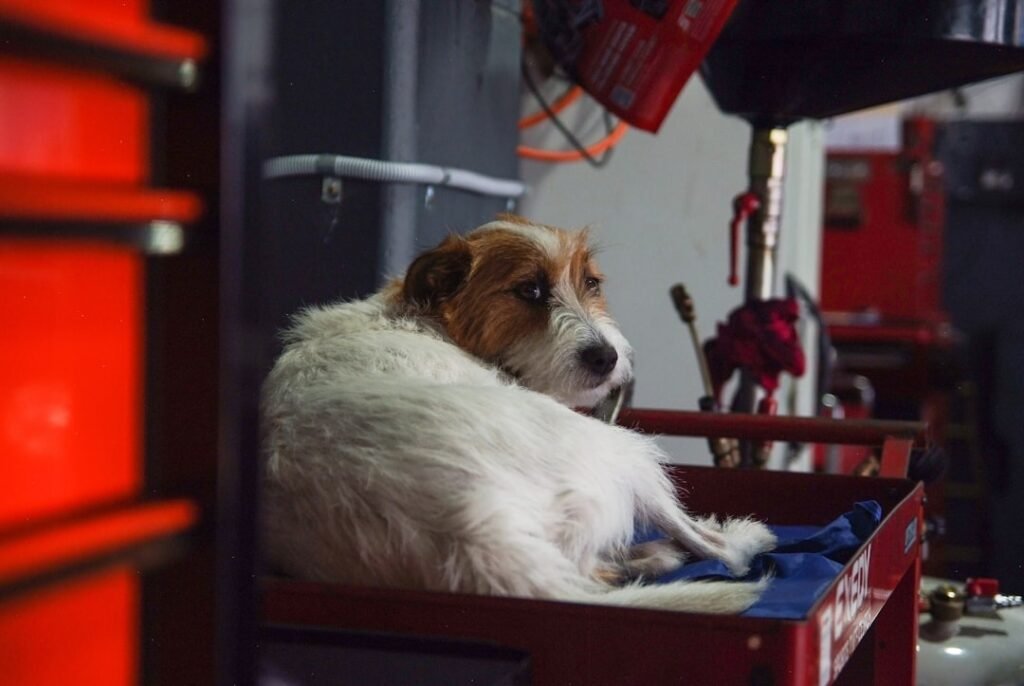
You’ve probably joked about your dog having ADHD after watching them zoom around the living room at three in the morning. Or maybe you’ve wondered if your pup’s obsessive ball collecting behavior is something more than just an intense hobby. Here’s the thing: those quirky behaviors might actually reflect real differences in how your dog’s brain is wired.
Scientists are increasingly recognizing neurodiversity, with diagnoses like autism and ADHD becoming more common, and researchers are now exploring whether some animals may experience the world differently because of diversity in how their brains function. This isn’t about slapping human labels onto your pet. It’s about understanding that your dog’s brain might genuinely operate in ways that differ from what we consider typical canine behavior. Let’s dive in.
The Science Behind Canine Brain Differences
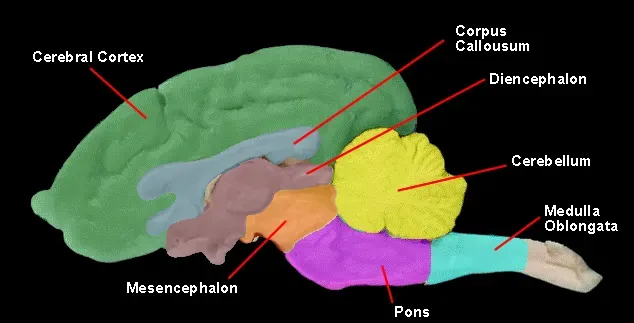
Let’s be real, your dog can’t exactly tell you what’s going on in their head. Yet researchers have found fascinating biological evidence that some dogs show brain differences remarkably similar to neurodivergent people. Research indicates that a range of species, including dogs, rats, mice, and non-human primates, can show genetic and behavioral signs of neurodivergence.
Impulsive behavior in dogs is linked to low levels of the neurotransmitters serotonin and dopamine, where serotonin is important for emotional stability and dopamine helps with focus, and imbalances in regulating these neurotransmitters may also be associated with ADHD in people. These aren’t just personality quirks. We’re talking about measurable chemical differences in the brain that influence how dogs process information, respond to their environment, and interact with the world around them.
The Beagle Gene Mutation That Changed Everything

Some beagle dogs have a mutation in a gene called Shank3, which is linked with autism in humans and often characterized by difficulties in social interactions, and beagles with the Shank3 mutation exhibit low desire to interact with people and reduced cell-to-cell signaling in regions of the brain linked with attention. Think about that for a moment. These dogs literally have the same genetic variation found in autistic humans.
Here’s where it gets even more interesting. A 2024 study found that neural coupling happens when dogs and humans gaze into each other’s eyes, and the Shank3 mutation might result in impaired neural processing and signaling, limiting spontaneous social interactions and bonding between dogs and people. Neural coupling is basically when brain activity syncs up between two beings during interaction. Some dogs simply don’t experience this connection the same way, which might explain why certain pups seem distant or disinterested in social bonding despite your best efforts.
Nearly Every Dog Shows At Least One Behavioral Issue
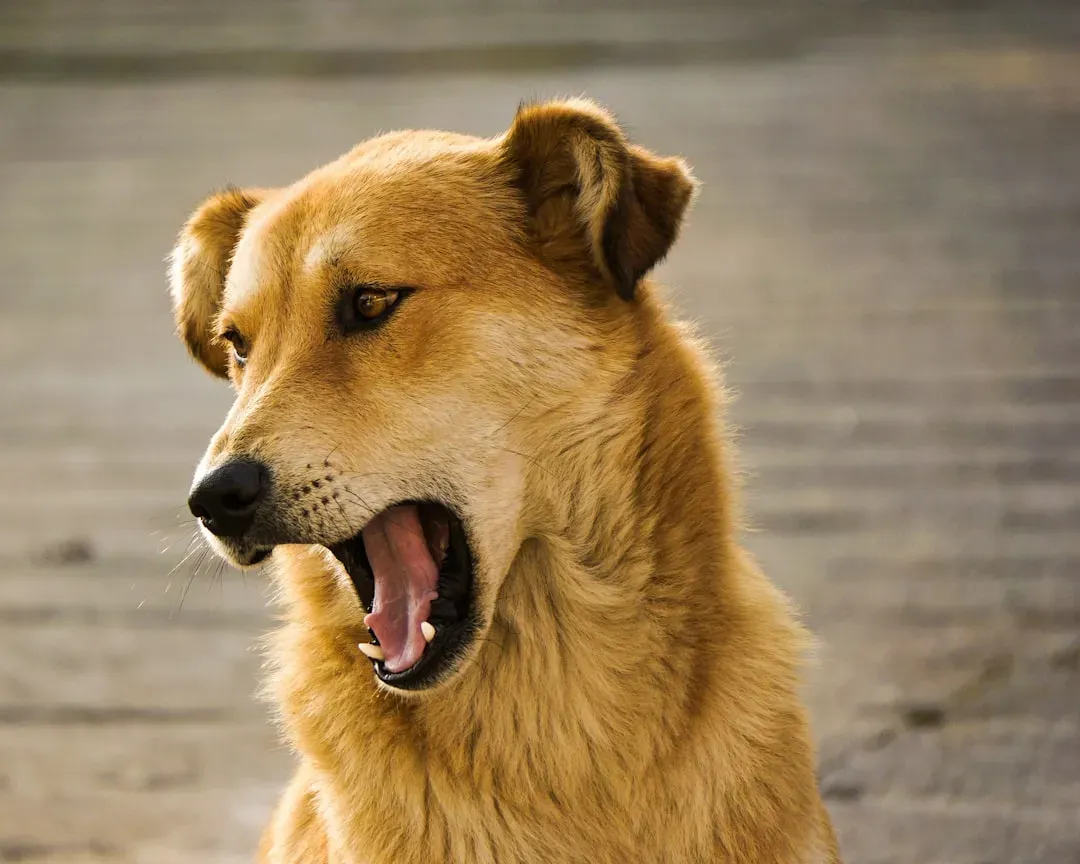
This one surprised me, honestly. One 2024 paper that collected owner-reported data from over 43,000 dogs in the US reported that more than 99% of pet dogs enrolled in the study presented with at least one behavioral problem. Nearly every single dog. That’s not a typo.
A huge 2024 dataset that surveyed more than 43,000 dogs in the US found that almost every dog showed at least one behavioral issue, many rooted in anxiety or fear. The real question isn’t whether your dog has behavioral quirks. It’s whether those quirks stem from environmental factors, training gaps, or something deeper rooted in how their brain processes the world.
Machine Learning Can Now Spot ADHD Traits in Dogs
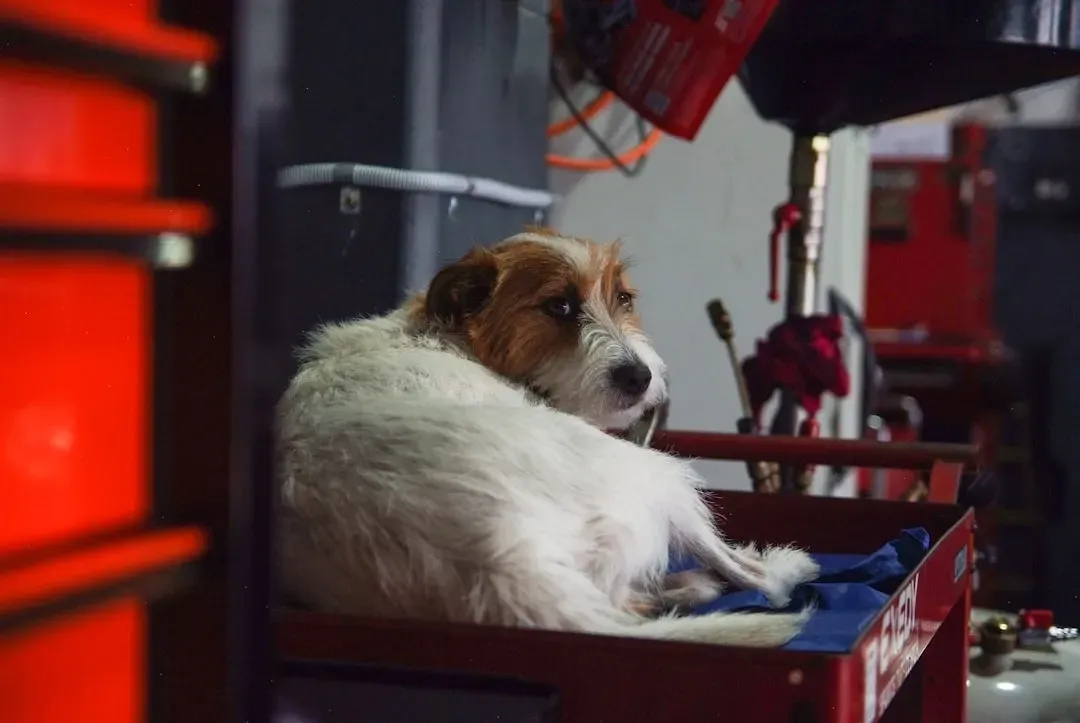
Diagnosing neurodivergence in animals has always been tricky since they can’t verbally communicate their experiences. Enter technology. Video analysis and machine-based learning have been trialled as a more objective way to identify dogs with ADHD-like behaviour, where dogs’ movements in a new environment and when exposed to a robot dog were analyzed by machine rather than a person, and results from a 2021 study of dogs showed 81 percent agreement between objective and more traditional diagnosis.
This breakthrough matters because it removes some of the human subjectivity from the equation. Rather than relying solely on owner reports, which can be colored by personal bias or misunderstanding, researchers can now use objective measurements. These methods might eventually help us diagnose neurodivergence in dogs more accurately, which could revolutionize how we train and care for them.
Did We Accidentally Breed Neurodivergence Into Our Pets?
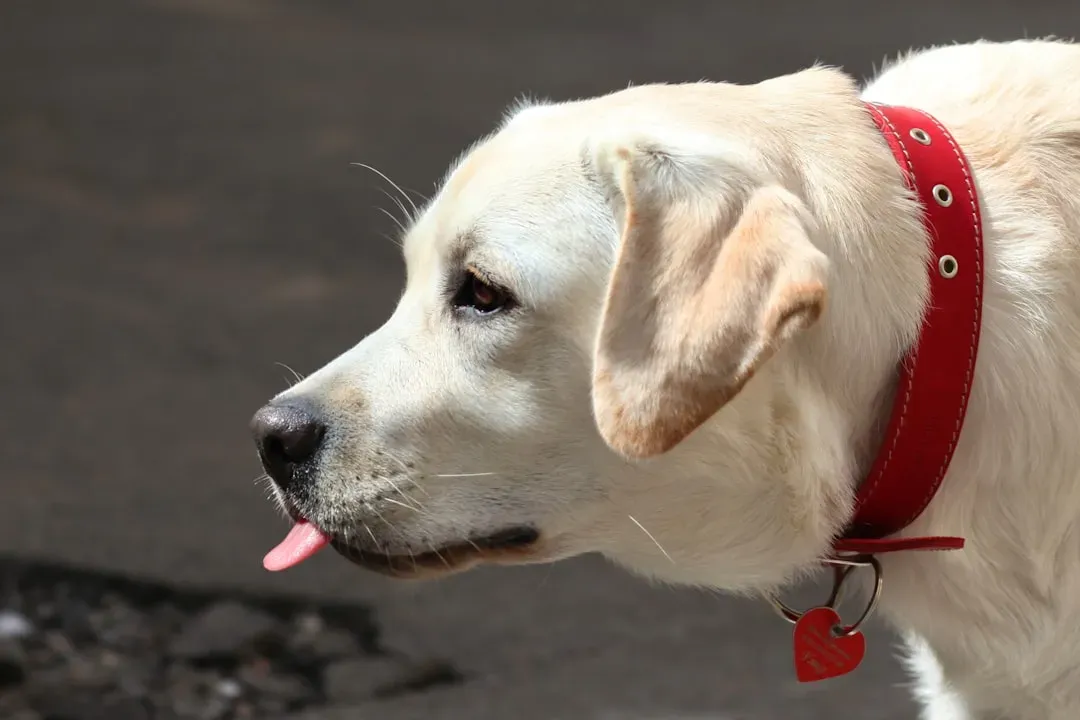
This raises the interesting possibility that by breeding animals to live alongside us, we selected animals with behavior similar to what is reported by neurodiverse people. Wild, right? Think about it: for thousands of years, humans chose the friendliest, most attentive, most responsive dogs to breed. We wanted dogs who would look to us for guidance, bond intensely with us, and adapt to our unpredictable human lives.
Structural differences in genes known to be associated with hypersocial behavior have been found in dogs. We might have inadvertently selected for traits that, in human terms, we’d now recognize as neurodivergent. The hyper-focused herding dog. The socially sensitive companion breed. The impulsive, high-energy working dog. These aren’t bugs in the system. They might be features we literally bred into existence.
What This Means for Training and Care
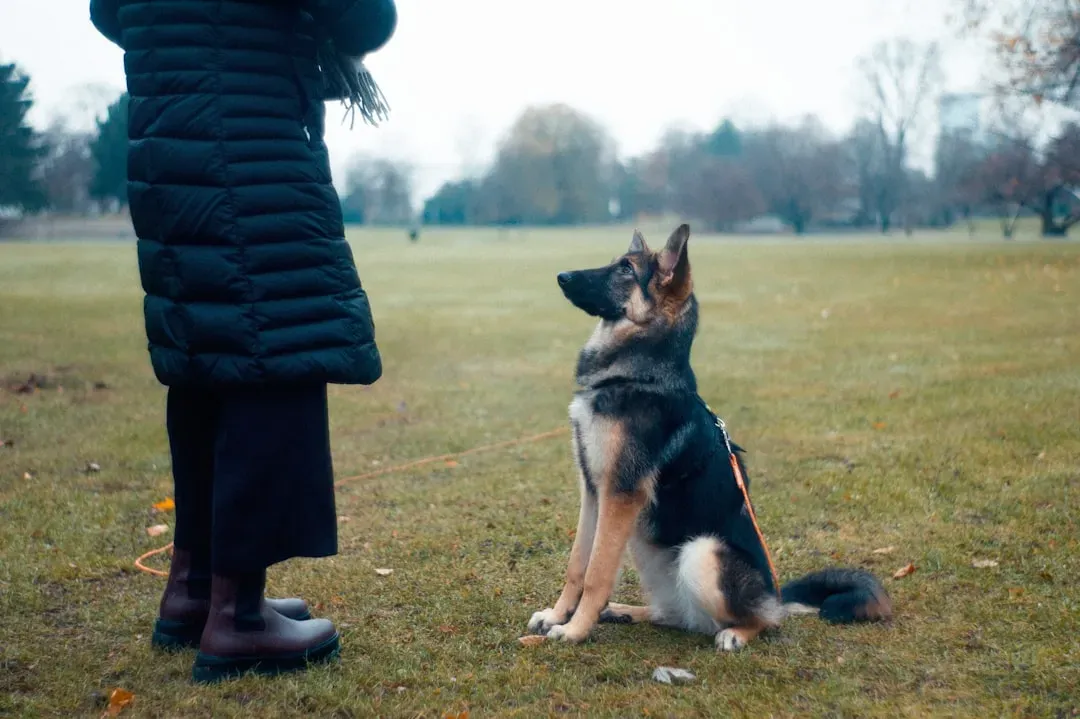
Recognizing that your dog might be neurodivergent isn’t about pathologizing normal dog behavior. It’s about understanding their unique needs so you can support them better. Neurodivergent children benefit from an appreciation of their specific and sometimes complex needs, and perhaps we can also create enriching management and training approaches for our potentially neurodiverse animal companions.
If your dog struggles with impulse control, understanding that they might have lower dopamine levels changes how you approach training. Instead of getting frustrated, you can implement strategies that work with their brain chemistry rather than against it. Shorter training sessions. More frequent rewards. Environmental modifications that reduce overstimulation. These aren’t coddling behaviors. They’re evidence-based accommodations.
The Experimental LSD Study That Raised Eyebrows
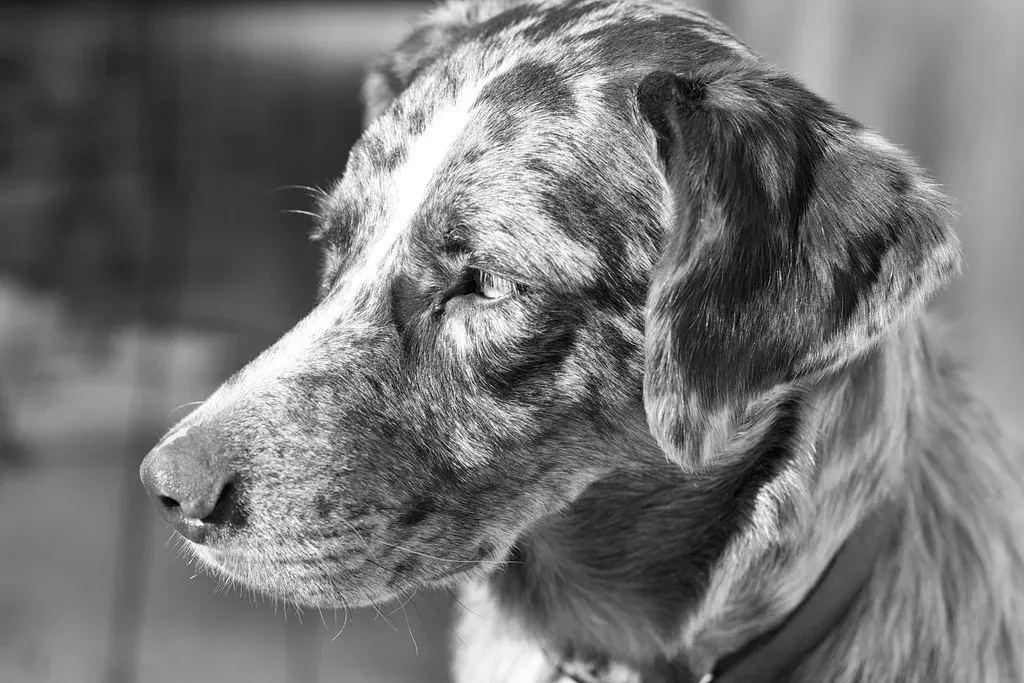
A single dose of the psychedelic drug LSD was given to dogs with the Shank3 mutation, which resulted in increased attention and enhanced neural coupling with people over five days, and mice and humans also seem to show a greater inclination to social behavior after LSD administration. Before anyone gets ideas, this was strictly controlled laboratory research exploring potential therapeutic interventions.
There are obviously legal, safety, and ethical issues associated with its use, but animal models can certainly help us understand the underlying differences in how the neurodivergent brain functions. The point isn’t that we should start microdosing our pets. It’s that this research opens doors to understanding the biological mechanisms behind social bonding and attention, which could eventually lead to safer, more effective treatments for both dogs and humans.
The Bigger Picture: One Health Approach to Neurodiversity
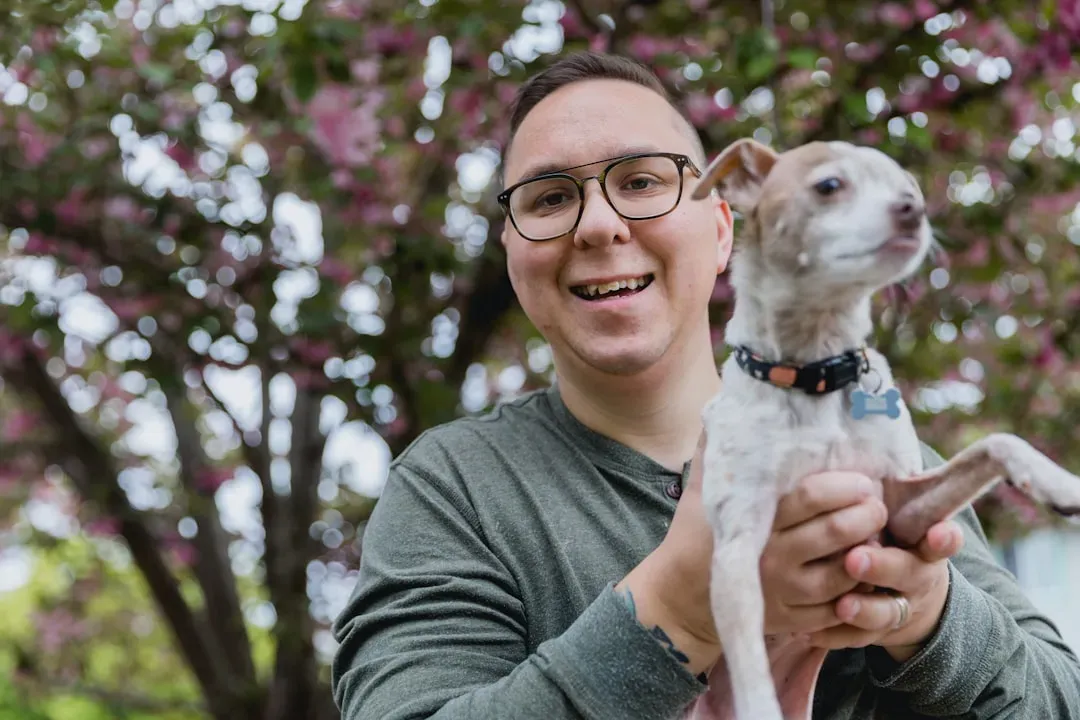
Like humans, dogs can show neurodivergent behaviors as seen in attention-deficit/hyperactivity disorder, making them an animal model for human studies of this condition, and several studies suggest that dogs can serve as a model for studying ADHD. This is where animal neuroscience gets really fascinating. By studying neurodivergence in dogs, we’re not just learning about dogs. We’re gaining insights that could transform how we understand and treat neurodevelopmental conditions in humans.
This kind of animal research may help make the case for minimizing subjectivity in human diagnosis. Dogs might hold keys to unlocking better diagnostic tools, more effective treatments, and deeper understanding of conditions that affect millions of people worldwide. The connection between human and animal health isn’t just philosophical. It’s tangible, measurable, and potentially life-changing.
What This Means for You and Your Dog
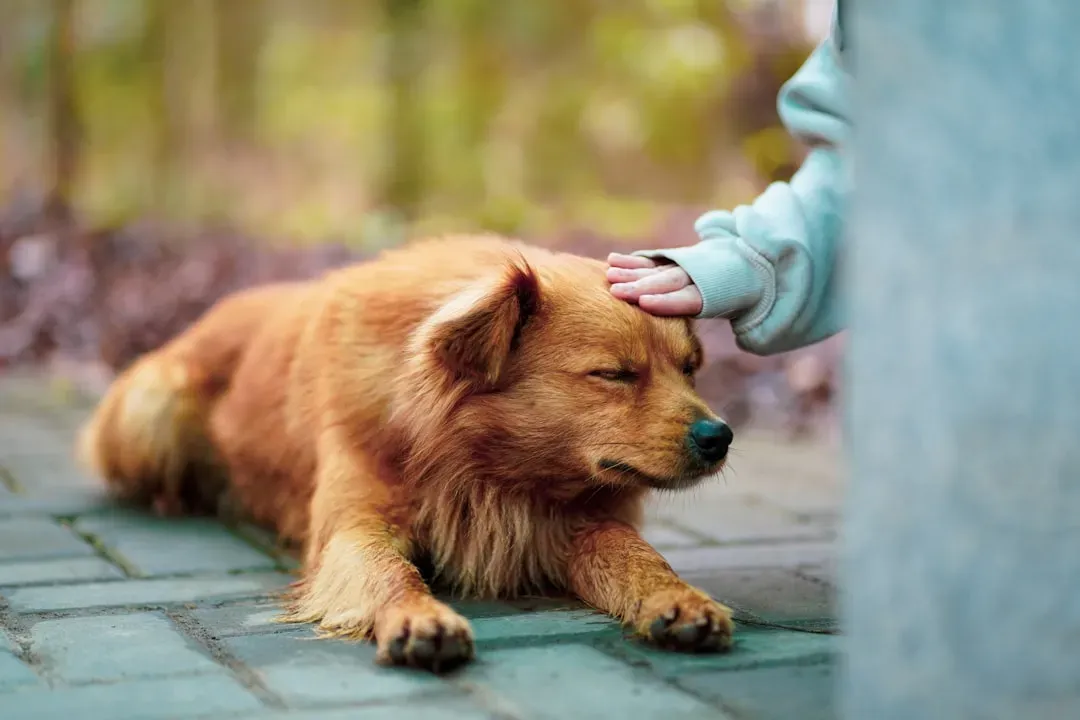
So what do you do with this information? First, take a breath. If your dog shows signs of what might be neurodivergent behavior, separation anxiety, obsessive tendencies, social withdrawal, or extreme impulsivity, you’re not dealing with a “broken” dog. You might simply have a dog whose brain works differently.
This research may help deepen our bonds with our pets. Understanding that your dog might experience the world through a neurodivergent lens can transform your relationship. You might adjust your expectations, modify your environment, seek specialized training approaches, or simply develop more patience and compassion for behaviors you once found frustrating. Maybe your dog isn’t being stubborn or difficult. Maybe they’re navigating a world that doesn’t quite match how their brain is wired to process it.
What do you think? Could this research change how we understand and care for our canine companions? Share your thoughts in the comments.