The human brain is only a fist-sized lump of tissue, yet it routinely produces experiences that people describe as sacred, supernatural, or downright impossible to put into words. For centuries, these states were claimed as proof of ghosts, gods, or other realms; now, high-resolution brain scans and finely tuned experiments are starting to map them in real time. That does not make them any less powerful or life-changing, but it does change the story we tell about what is happening inside our skulls. From out-of-body sensations to time-slowing near car crashes, science is slowly catching up with phenomena once reserved for mystics and shamans. What emerges is not a story of magic being debunked, but of biology being stranger and more awe-inspiring than most of us ever imagined.
The Hidden Clues: When Time Suddenly Slows Down
Many people who have been in a serious car accident swear that, for a moment, time almost stopped. Every shard of glass, every turn of the steering wheel, seems to unfold in crystal-clear slow motion, as if the brain switched video modes. Neuroscientists studying such reports argue that what changes is not actual time, but how densely the brain records information when we are under threat. In extreme stress, circuits involving the amygdala and hippocampus ramp up their encoding, packing far more detail into each passing second. Later, when we replay the memory, that dense recording feels like the event must have taken longer than it did.
Experiments dropping volunteers in controlled free-fall, or using virtual reality to simulate danger, show that while people feel like time stretched, their reaction speed does not actually improve. The illusion seems to arise because our internal “clock” is tied to how much sensory and emotional data gets stored, not to the ticking on a wall. It is a bit like switching your phone from taking still photos to shooting high-frame-rate video: when you watch it back, everything looks slower because there are simply more frames. The mystical sense that the universe paused “just for you” turns out to be an evolved survival trick, giving your brain more raw material to learn from in case you live to tell the tale.
Out of Body: When You Watch Yourself From Above
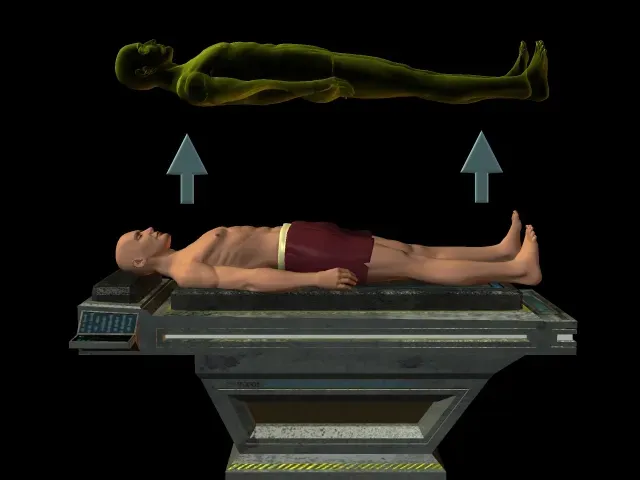
The classic out-of-body experience sounds like a paranormal event: you suddenly feel lifted from your physical form, sometimes floating near the ceiling, watching your own body below. For a long time, such accounts were filed under spiritual visions, or dismissed as fantasy. Then neurosurgeons, probing the brains of epilepsy patients ahead of surgery, started noticing something eerie. Electrical stimulation near the junction of the temporal and parietal lobes could reliably trigger the sensation of leaving the body or seeing a “double” self. In other words, the switch for disembodiment was hidden in the wiring of the brain itself.
Follow-up experiments with healthy volunteers used virtual reality and carefully mismatched visual and touch signals to induce similar feelings. When a person sees a body in front of them being stroked in sync with touches they feel on their own skin, their sense of “I” can slide out of their physical location and latch onto the seen body instead. This suggests that our feeling of being located “inside” our skull is not a fixed truth, but a fragile construction built from vision, balance, touch, and internal body signals. When those streams go out of alignment, the brain can do something radical: it relocates the self. That spooky, float-above-the-bed moment is not proof of a soul escaping, but proof that embodiment depends on a constantly updated, and occasionally glitchy, internal map.
Voices From Nowhere: The Brain’s Hidden Narrator
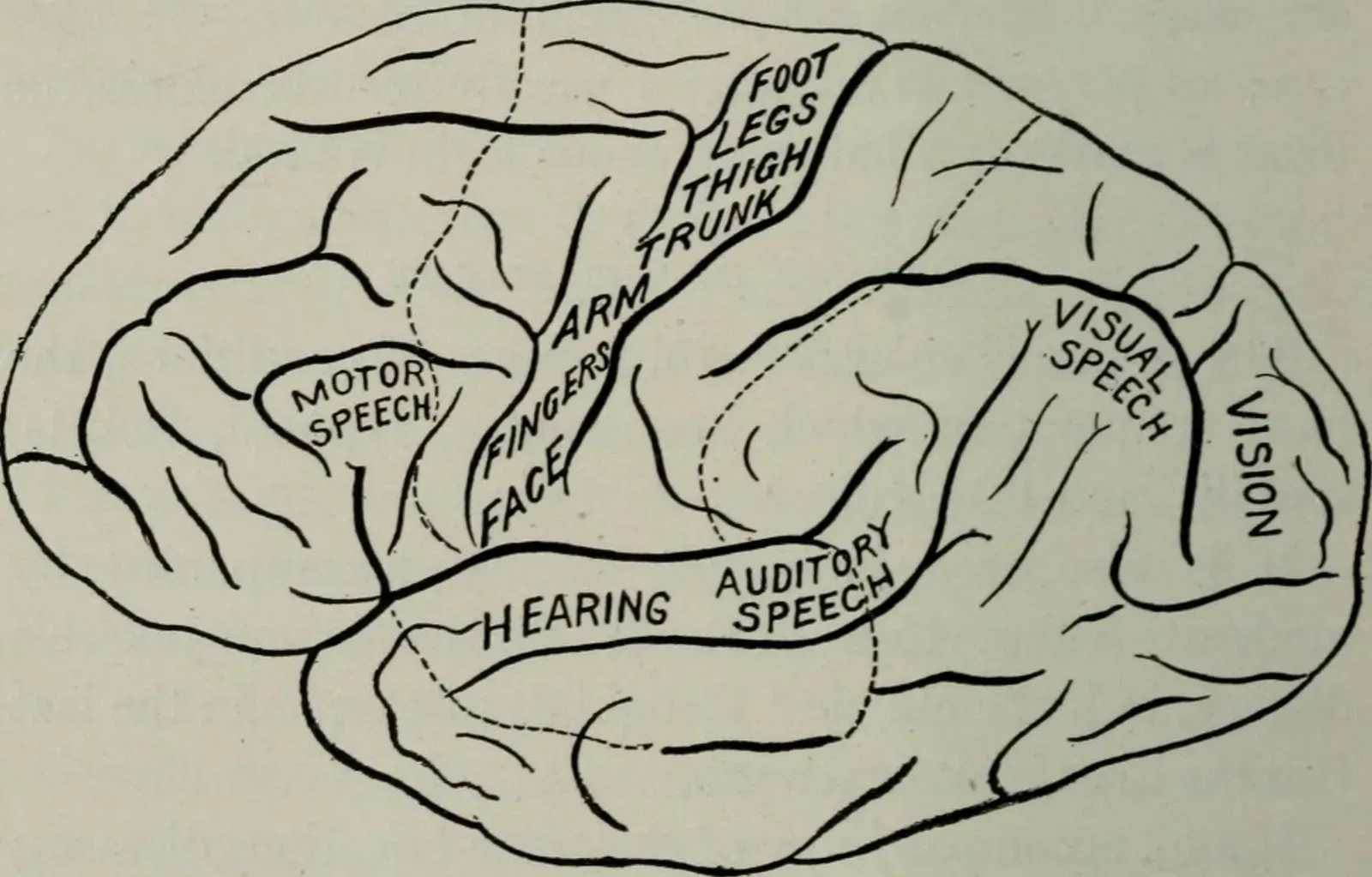
Hearing a voice that no one else can hear has long been framed as either a sign of madness or a message from beyond. Yet many completely healthy people report occasional internal voices that feel “not quite them,” especially under grief, isolation, or high stress. Brain imaging studies show that when people hear these vivid inner voices, the same language and auditory regions light up as when real speech is present. The key difference seems to be in self-monitoring circuits in the frontal lobes, which normally tag inner speech as “mine” and background noise as “not mine.” When that tagging system goes awry, internal thoughts can be misattributed as external voices.
Intriguingly, some research suggests that children who grow up talking to imaginary companions may be rehearsing a perfectly normal version of this internal dialogue. For most, it gradually recedes into a quiet inner monologue; for some, it remains more theatrical and personified. Rather than a binary line between sane and insane, the brain appears to host a spectrum of how vividly it generates and labels inner voices. Religious and spiritual traditions often interpret this as messages from angels, ancestors, or guides, but laboratory findings point toward a deeply human origin. The mystery is less about ghosts whispering to us, and more about how our own minds can become skilled ventriloquists.
Blinding Light: Mystical Auras and Visual Storms

Stories of halos, shimmering lights, and intricate geometric patterns have filled religious texts for centuries, often linked to revelations or prophecy. Modern neurology has given a more grounded, if still astonishing, explanation for at least some of these visions: migraine aura. Before a pounding headache sets in, many people experience expanding zigzags, shimmering arcs, or tunnel-like distortions of space. These are not imaginary; they correlate with waves of electrical activity rolling across the visual cortex, temporarily disrupting how the brain assembles the visual world.
Some patients experience the aura without the subsequent pain, which can make it feel detached from any obvious medical cause and more like a free-floating mystical event. Brain scans and careful tracking show that as this “cortical spreading depression” travels, it produces predictable patterns that map surprisingly well onto centuries-old descriptions of radiant crowns and brilliant lattices. In other words, a brain in the midst of a temporary electrical storm can paint the world in ways that feel holy, terrifying, or both. The fact that a migraine’s fingerprint can resemble ancient visions reminds us that biology and mythology have been entwined much longer than we realized.
One With Everything: The Science of Ego Dissolution
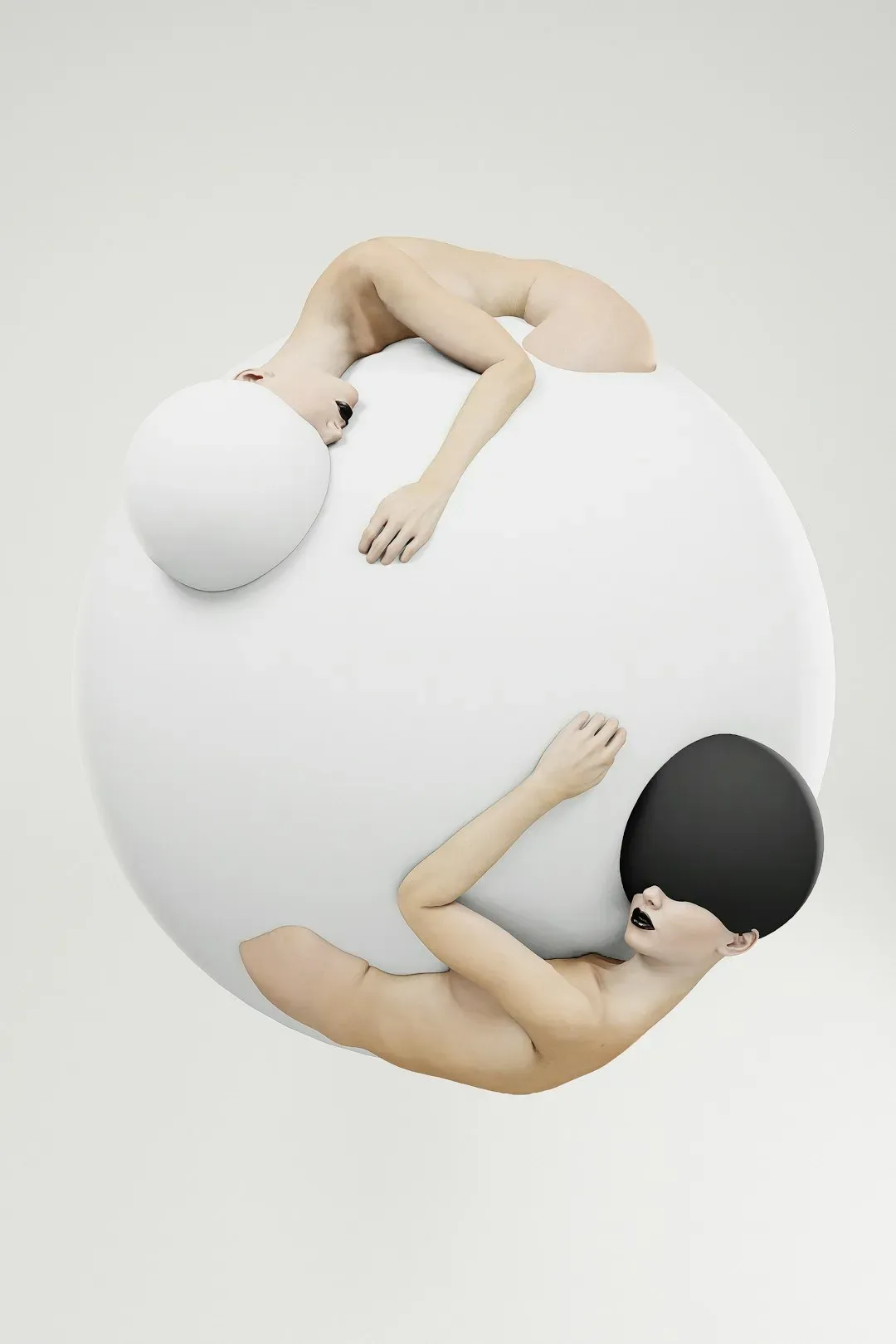
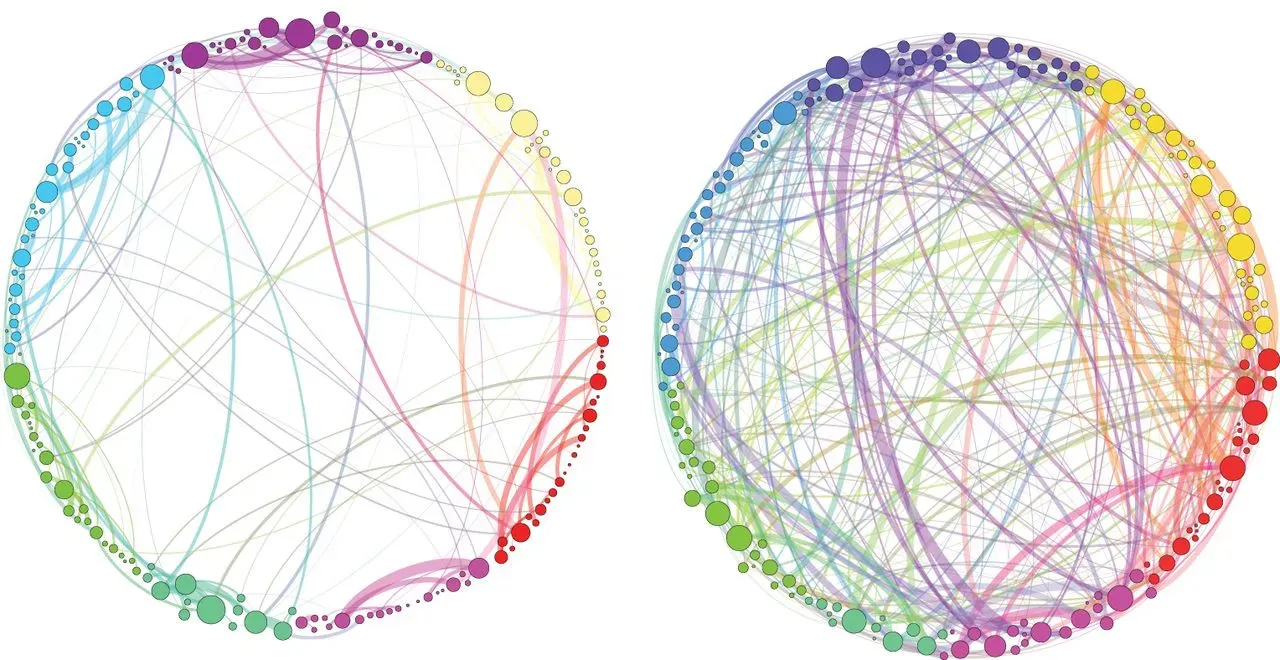
Ask people who have gone through intense meditation retreats, near-death experiences, or controlled psychedelic sessions, and many will describe the same uncanny state. Their feeling of being a separate “I” dissolves, replaced by a sense of merging with everything around them, from the trees outside to the fabric of space itself. For decades, that unity experience was treated either as poetic exaggeration or purely mystical revelation. Brain imaging over the last fifteen years has started to give it a measurable signature. Activity in the so-called default mode network, a set of regions tied to self-reflection and narrative identity, drops sharply when people report ego dissolution.
When this network quiets, connectivity patterns between sensory areas and other brain hubs shift, allowing information to flow in less constrained, less self-centered ways. People often emerge from such states reporting long-term changes in how they relate to their own thoughts and to others, even when the trigger was a brief drug session or brush with death. It is tempting to reduce these profound feelings to “just chemicals,” but the picture is more nuanced. Our brains seem wired with built-in circuits that can temporarily suspend the usual boundaries of self, perhaps as a way to reset rigid mental habits. Whether you frame that as spiritual awakening or network reconfiguration, the underlying biology points to a mind that is far more flexible than our daily routines suggest.
Prophetic Dreams: How the Brain Plays With Probability

Almost everyone has had the unsettling experience of dreaming about something ordinary, then seeing it unfold days later in real life. It can feel like the universe sent a coded preview, especially when the details line up well. Sleep researchers offer a less mystical, but still fascinating, account. During certain phases of sleep, particularly rapid-eye-movement sleep, the brain sifts through recent memories, emotional concerns, and learned patterns, remixing them into bizarre storylines. Because we have many dreams and remember only a fraction, the rare match between dream and reality stands out sharply.
Statistically, if you dream frequently about common themes – work, family, travel, arguments – the odds that one scenario roughly plays out are not small. When that happens, your attention locks onto the coincidence and retrofits the memory into something more exact than it likely was. Studies tracking dream journals show that when people write down details immediately, the supposed one-to-one predictions are usually more approximate than our later retellings claim. Still, the brain’s ability to simulate possibilities at night, testing emotional reactions to different futures, is a powerful adaptive tool. What feels like prophecy is often your pattern-hungry neural network doing overnight risk analysis.
The Hidden Physics: Sleep Paralysis and Shadow Figures

Few experiences are as terrifying as waking up, feeling utterly awake, but finding that you cannot move a single muscle. Many people in this state report sensing a presence in the room, sometimes even seeing shadowy figures or feeling pressure on their chest. Historically, these episodes have been blamed on demons, night hags, or alien visitors. Sleep science now places them at the boundary between rapid-eye-movement sleep and wakefulness. During most vivid dreaming, the brainstem temporarily paralyzes the body’s major muscles to stop us from physically acting out our dreams.
Sleep paralysis happens when that muscular “off-switch” lingers while parts of the cortex become conscious. At the same time, brain regions responsible for detecting threats go on high alert, searching desperately for an explanation for the crushing fear and lack of control. In the dark, any small noise or vague shape can be inflated into a looming entity, especially if cultural stories about bedroom invaders are already familiar. Studies across different countries show that though the precise monsters vary, the underlying physiology is remarkably consistent. The episode may feel charged with spiritual warfare, but its roots lie in a mis-timed handoff between two well-documented sleep states.
Why It Matters: Rethinking Mysticism Through Biology
It might be tempting to read all of this and conclude that mystical experiences are merely glitches – bugs in the operating system of the brain. Yet that view misses something important. Many people who go through intense time-slowing, ego-dissolving, or out-of-body states report lasting shifts in their values and mental health. Clinical studies exploring controlled use of psychedelics, for example, find that those who have strong unity or insight experiences often show durable reductions in depression or anxiety. So even if the mechanisms are physical, the consequences play out in the deepest layers of what we call meaning.
Understanding the neural roots of these phenomena also matters for medicine and ethics. Doctors who recognize migraine aura or sleep paralysis can reassure patients who might otherwise be convinced they are cursed or losing their minds. At the same time, brain-based accounts can challenge rigid religious or supernatural interpretations, which can be uncomfortable for communities built around those worldviews. The more we learn, the more it becomes clear that explaining something does not automatically drain it of wonder. Instead, the scientific lens can reveal just how astonishing it is that a three-pound organ can produce experiences so overwhelming that humans once redesigned entire cultures around them.
The Future Landscape: Mapping and Modulating Mystical States
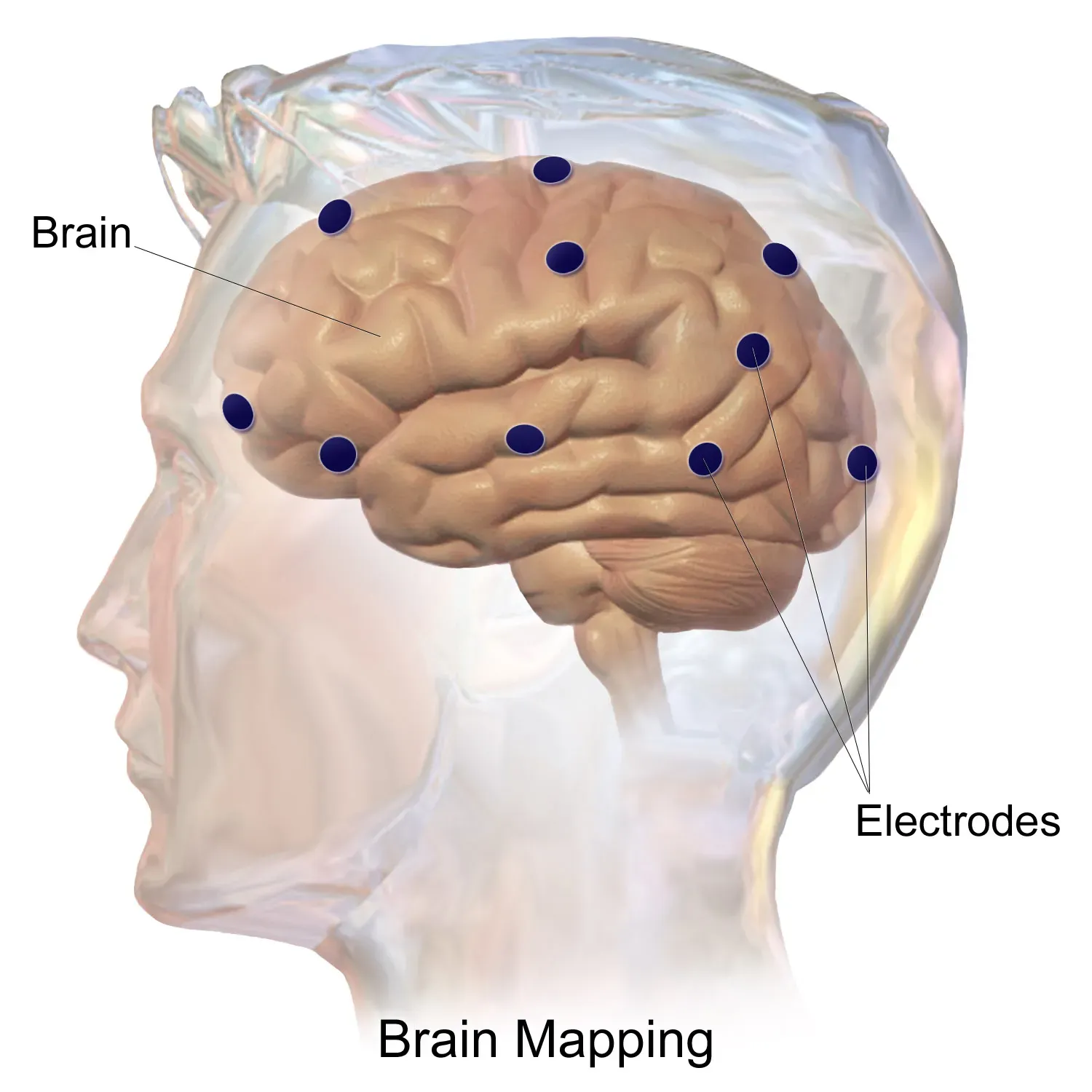
Looking ahead, researchers are pushing toward a detailed atlas of brain states that once lived only in spiritual memoirs and folklore. Advances in functional MRI, magnetoencephalography, and high-density EEG are allowing scientists to track fast-changing electrical patterns as people enter trance, deep meditation, or psychedelically altered consciousness. Some teams are experimenting with noninvasive brain stimulation to see whether aspects of these states can be evoked safely, without drugs. Others are using machine learning to decode which networks predict a beneficial, insight-rich experience versus a confusing or frightening one. The goal is not to mass-produce enlightenment, but to better understand why some brains emerge from these journeys healed while others do not.
There are real risks and dilemmas in this emerging field. If we learn to control, on demand, the circuits for awe, unity, or fearlessness, who should have access to that technology? Could employers, militaries, or advertisers be tempted to hijack these pathways for manipulation rather than therapy or exploration? At the same time, more refined tools could help treat stubborn psychiatric conditions by safely nudging the brain into perspectives that talk therapy alone struggles to reach. As with previous revolutions in neuroscience, from anesthetics to antidepressants, the coming decades will likely bring both breakthroughs and missteps. The challenge will be to keep our ethical thinking as sophisticated as our imaging machines.
How You Can Engage: Navigating Awe With Skepticism and Curiosity
For most of us, engagement with these ideas will not happen in a lab but in our own bodies and communities. The next time you wake from a paralyzing nightmare, feel time stretch during a crisis, or have a strangely vivid inner voice, it helps to know that researchers are piecing together the mechanisms behind such moments. Instead of immediately leaping to supernatural conclusions – or dismissing the experience as nonsense – you can hold both curiosity and critical thinking at once. Simple steps like keeping a dream or migraine journal, noting triggers and patterns, can make your own brain’s quirks more understandable. Sharing such experiences with trusted friends or support groups can also strip away the isolation that often makes them feel scarier than they need to be.
If you are drawn to explore altered states through practices like meditation, breathwork, or legally regulated clinical studies, approaching them with respect and good information is crucial. Seeking out reputable science communication, supporting mental health research, and advocating for ethical guidelines around new neurotechnologies are all ways to participate. You do not need to believe in otherworldly realms to recognize that your brain is capable of producing realities that feel every bit as solid as the chair you are sitting on. Paying attention to those edges between the ordinary and the extraordinary is, in a sense, its own kind of everyday science. And it might leave you with a quiet question the next time your mind does something strange: what secret experiment is your brain running on you right now?
Suhail Ahmed is a passionate digital professional and nature enthusiast with over 8 years of experience in content strategy, SEO, web development, and digital operations. Alongside his freelance journey, Suhail actively contributes to nature and wildlife platforms like Discover Wildlife, where he channels his curiosity for the planet into engaging, educational storytelling.
With a strong background in managing digital ecosystems — from ecommerce stores and WordPress websites to social media and automation — Suhail merges technical precision with creative insight. His content reflects a rare balance: SEO-friendly yet deeply human, data-informed yet emotionally resonant.
Driven by a love for discovery and storytelling, Suhail believes in using digital platforms to amplify causes that matter — especially those protecting Earth’s biodiversity and inspiring sustainable living. Whether he’s managing online projects or crafting wildlife content, his goal remains the same: to inform, inspire, and leave a positive digital footprint.