You’ve probably heard the traditional story of American history. Europeans arrived in the late 1400s, discovered a sparsely populated wilderness, and built civilization from scratch. That narrative is crumbling. Archaeologists are uncovering evidence across North America that reveals thriving cities, advanced engineering projects, and complex societies that existed thousands of years before Columbus ever set sail. These discoveries aren’t just filling in historical gaps; they’re completely rewriting what we thought we knew about the continent’s ancient past.
Let’s be real, most history classes barely mention the sophisticated cultures that flourished across this land for millennia. Sites scattered from Louisiana to Saskatchewan challenge every assumption about who lived here and how they organized their societies. From massive earthen monuments that took generations to build to cliff dwellings perched impossibly high, these places tell stories that should fundamentally change how we view North American history.
Poverty Point: An Egalitarian Engineering Marvel in Louisiana
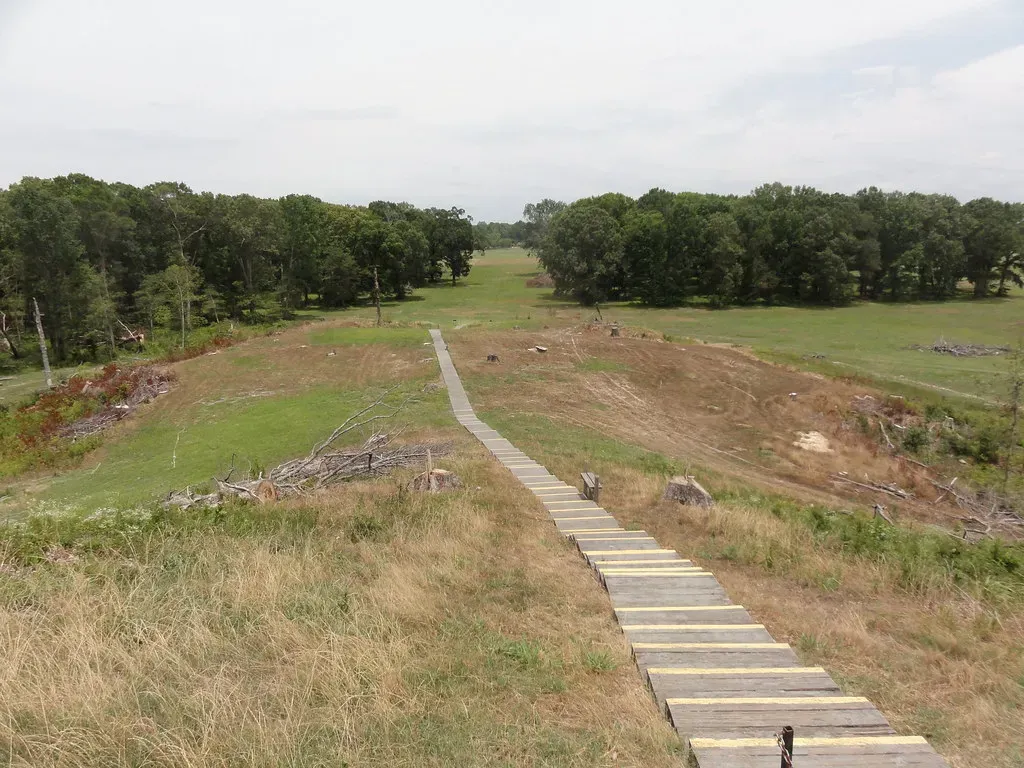
Imagine a massive trading hub constructed between 1700 BCE and 1100 BCE covering over one and a half square miles. You’ll find this remarkable place in northern Louisiana, and it was built by an egalitarian civilization dealing with severe weather and flooding. What makes Poverty Point extraordinary is what it reveals about social organization. These people built incredible monuments without hierarchies, wealth differences, or intensive agriculture, shattering long-held assumptions that monumental construction required kings and forced labor.
Hunter-gatherer groups moved an estimated 140,000 dump truck loads of dirt without horses or wheels. Recent research suggests this was a temporary gathering spot where thousands from across the Southeast and Midwest assembled to trade, socialize, and worship. Archaeologists have uncovered materials from hundreds of miles away: quartz from Arkansas, soapstone from Georgia, copper from the Great Lakes. Mound A stands 22 meters tall, a size only surpassed 2,000 years later by Cahokia Mounds. The entire complex consists of five mounds and six concentric earthen ridges that weren’t even recognized as human-made until researchers examined aerial photographs.
Cahokia Mounds: North America’s Forgotten Metropolis
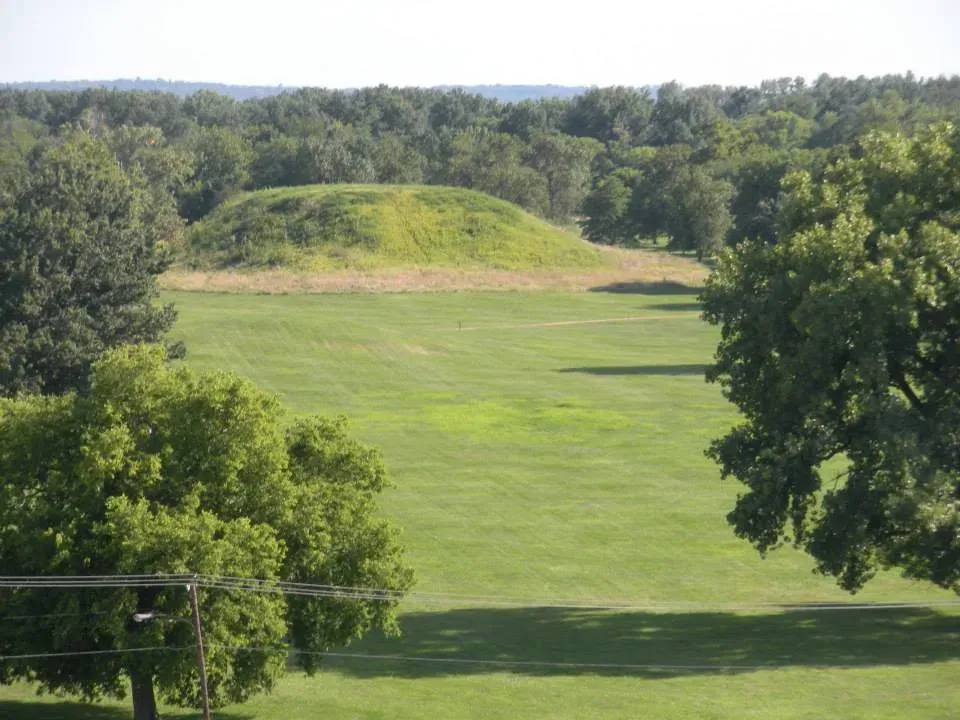
Northeast of present-day St. Louis lies evidence of something that shouldn’t exist according to traditional history books. Established as early as 600 CE, Cahokia reached its peak between 1050 and 1200 when it covered six square miles and housed up to 20,000 people. That’s right; roughly the same time London was a modest medieval town, this pre-Columbian city was thriving in the Mississippi Valley. You’re looking at the largest archaeological site north of Mexico City.
The most iconic feature is Monk’s Mound, a massive earthen structure that served as a focal point for religious ceremonies. The city’s sophisticated urban layout included plazas, ceremonial areas, and residential complexes demonstrating remarkable societal organization. At its height, Cahokia housed around 20,000 people with extensive trade networks and agricultural prowess. Then, mysteriously, it declined. The reasons remain unclear, though environmental stress and societal changes are frequently cited. Standing there today, you realize American history didn’t begin with European colonization; it merely interrupted a story already thousands of years in the making.
White Sands Footprints: Pushing Back Human Arrival by 10,000 Years
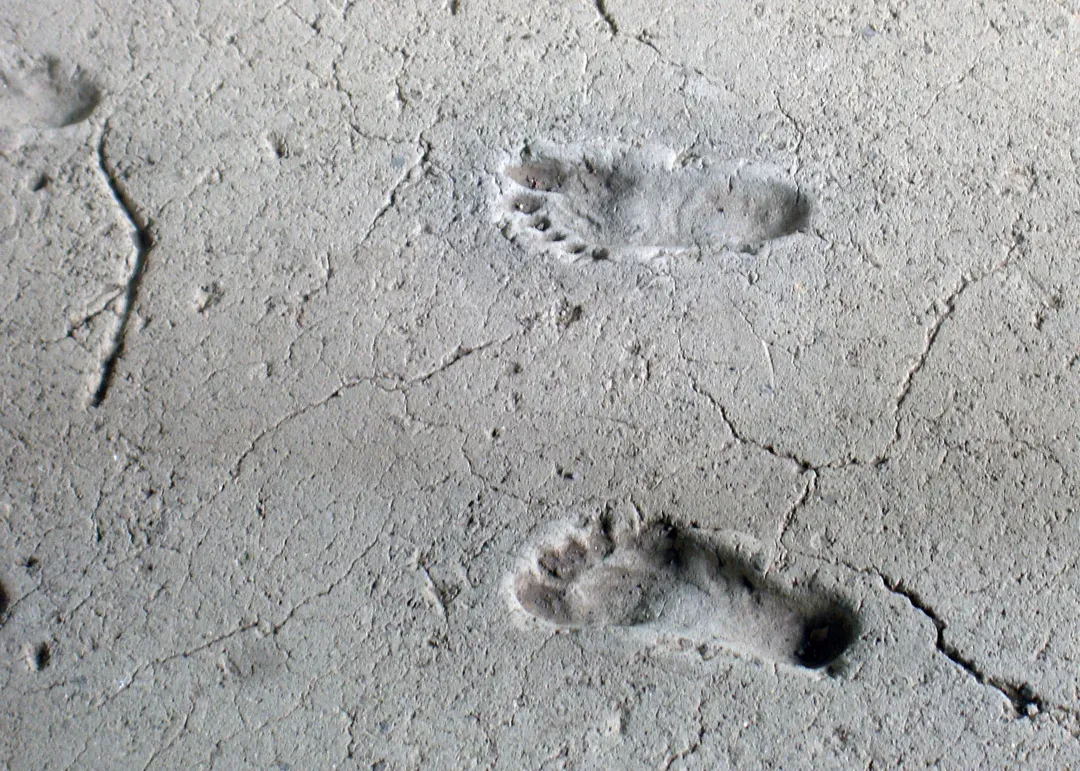
In 2021, scientists reported finding 61 fossilized footprints at White Sands National Park estimated between 21,000 and 23,000 years old. Let that sink in. These are the oldest known evidence of human presence in North America. The footprints, mostly belonging to teenagers and children, tell stories of how early inhabitants lived. A recent 2025 study also dated the footprints to 21,000 BC, confirming what skeptics initially doubted.
This discovery demolishes the old Clovis-first theory that dominated archaeology for decades. The ice-free corridor through Canada didn’t even open until about 14,800 years ago, meaning these ancient people arrived by a different route entirely. They left their marks in ancient lake sediment, walking alongside now-extinct megafauna. The implications are staggering; you’re looking at evidence that rewrites tens of thousands of years of accepted human migration patterns. These weren’t just passing nomads either; they were organized groups with children, living complex lives in challenging environments.
Mesa Verde: Architectural Brilliance in the Cliffs
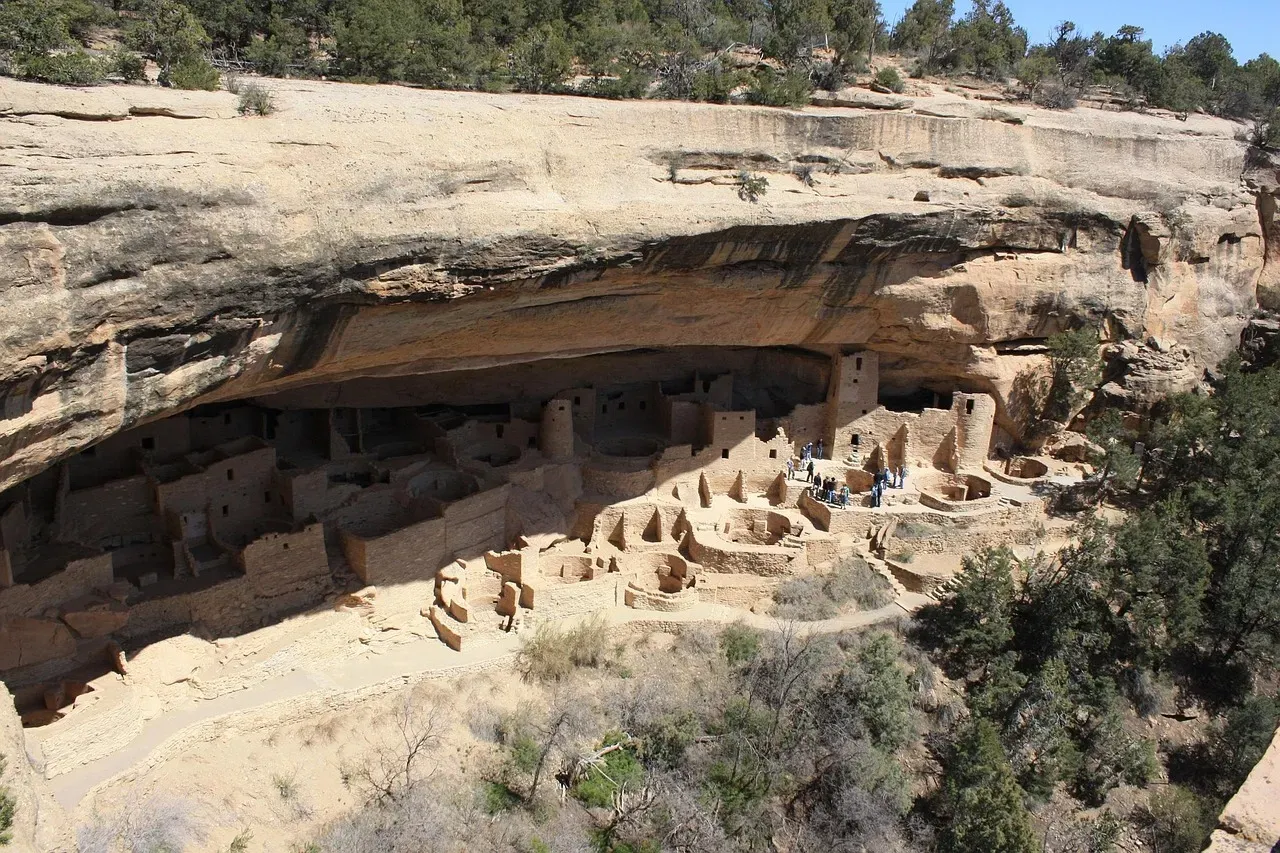
The largest cliff dwelling ever constructed in North America housed approximately 100 people in 150 rooms, built and refurbished between 1190 and 1260. You can visit Cliff Palace today in Mesa Verde National Park, which holds another 600 smaller dwellings within its 52,485 acres. The Sinagua people made this their home between 1100 and 1425 CE, and these daring builders were skilled engineers.
The engineering challenges were immense. These structures sit perched 90 feet up sheer limestone cliffs, featuring 4,000 square feet of floor space with at least 40 rooms. Natural water sources and fertile soil attracted ancestral Pueblo and Hopi groups for 4,000 years; they built pit-house villages and cliff dwellings meticulously created to take advantage of sunlight and natural protection. Walking through these ancient apartments, you realize these weren’t primitive shelters. They were sophisticated multi-family residences with carefully planned layouts. Prolonged droughts in the late 13th century eventually forced abandonment, and populations dispersed toward Arizona and New Mexico.
Chaco Canyon: An Astronomical and Cultural Powerhouse
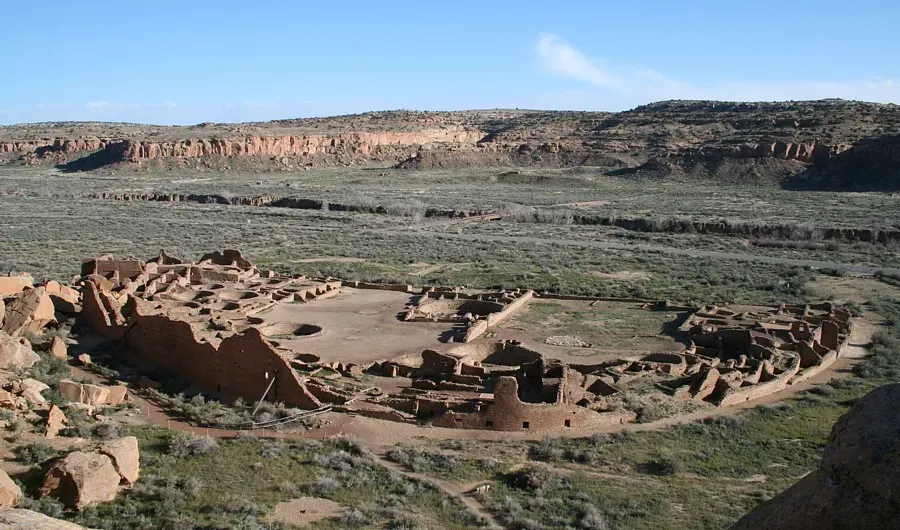
Chaco Canyon contains the most sophisticated architecture ever built in ancient North America: 14 Great Houses, four Great Kivas, hundreds of smaller settlements, an extensive road system, and a massive trade network. This key cultural center thrived between 900 and 1150 CE and was a place of commerce, politics, and astronomical study. Pueblo Bonito contains over 600 rooms and likely served as a central hub for ceremonial and political activities.
What’s particularly fascinating is the astronomical knowledge encoded in the architecture. Ancient Southwest people were skilled astronomers incorporating astronomical alignments with impressive displays of light and shadow; discoveries like the Sun Dagger and Chimney Rock lunar observatory show Great Houses aligned along lunar maximum lines. Roads radiated from the canyon connecting distant communities, with buildings aligned to celestial events like solstices. The sophistication here rivals anything happening in medieval Europe at the same time. Honestly, it’s hard to say for sure why such an elaborate complex was eventually abandoned, but Chaco’s influence spread across much of the Southwest.
Cooper’s Ferry: Evidence of Coastal Migration Routes
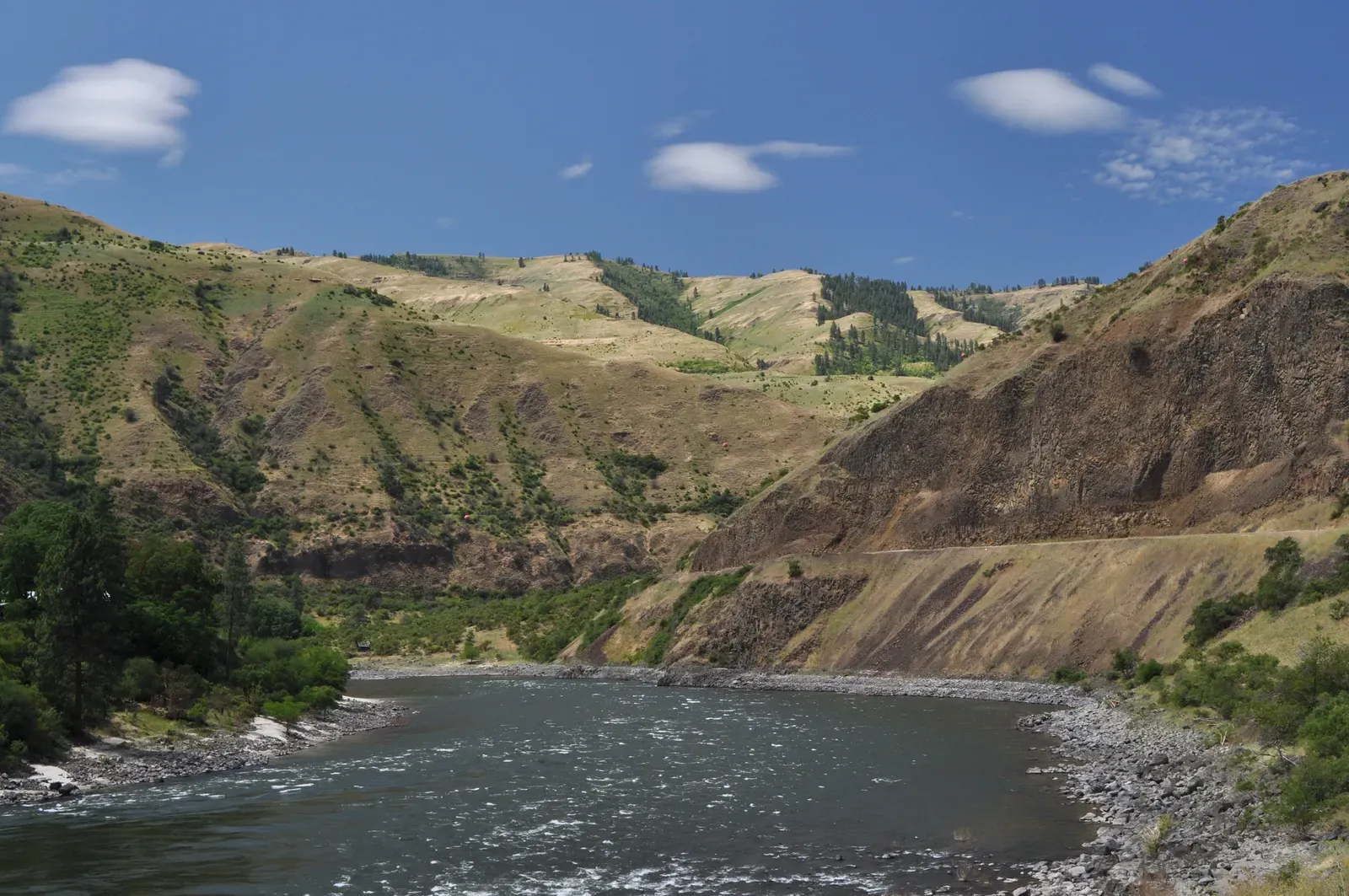
The oldest known human habitation in North America, more than 16,000 years old, sits at an ancient Nez Perce village known as Nipéhe near the confluence of the Snake and Salmon Rivers. Charcoal and bone left at Cooper’s Ferry are roughly 16,000 years old, representing the oldest radiocarbon-dated record of human presence in North America. This isn’t just about pushing back dates; it completely changes migration theories.
People lived at Cooper’s Ferry more than a millennium before melting glaciers opened an ice-free corridor through Canada around 14,800 years ago, implying the first people in the Americas came by sea, moving rapidly down the Pacific coast and up rivers. Even more intriguing, the carefully crafted projectile points found here are near-matches for points produced and used at the same time in Japan. Over a decade of excavations uncovered dozens of stone spear points, blades, bifaces, plus hundreds of manufacturing debris pieces, along with hearths and pits dug by ancient residents. The Nez Perce Tribe participated in excavations, connecting modern Indigenous communities to their deep ancestral roots.
L’Anse aux Meadows: Vikings Five Centuries Before Columbus
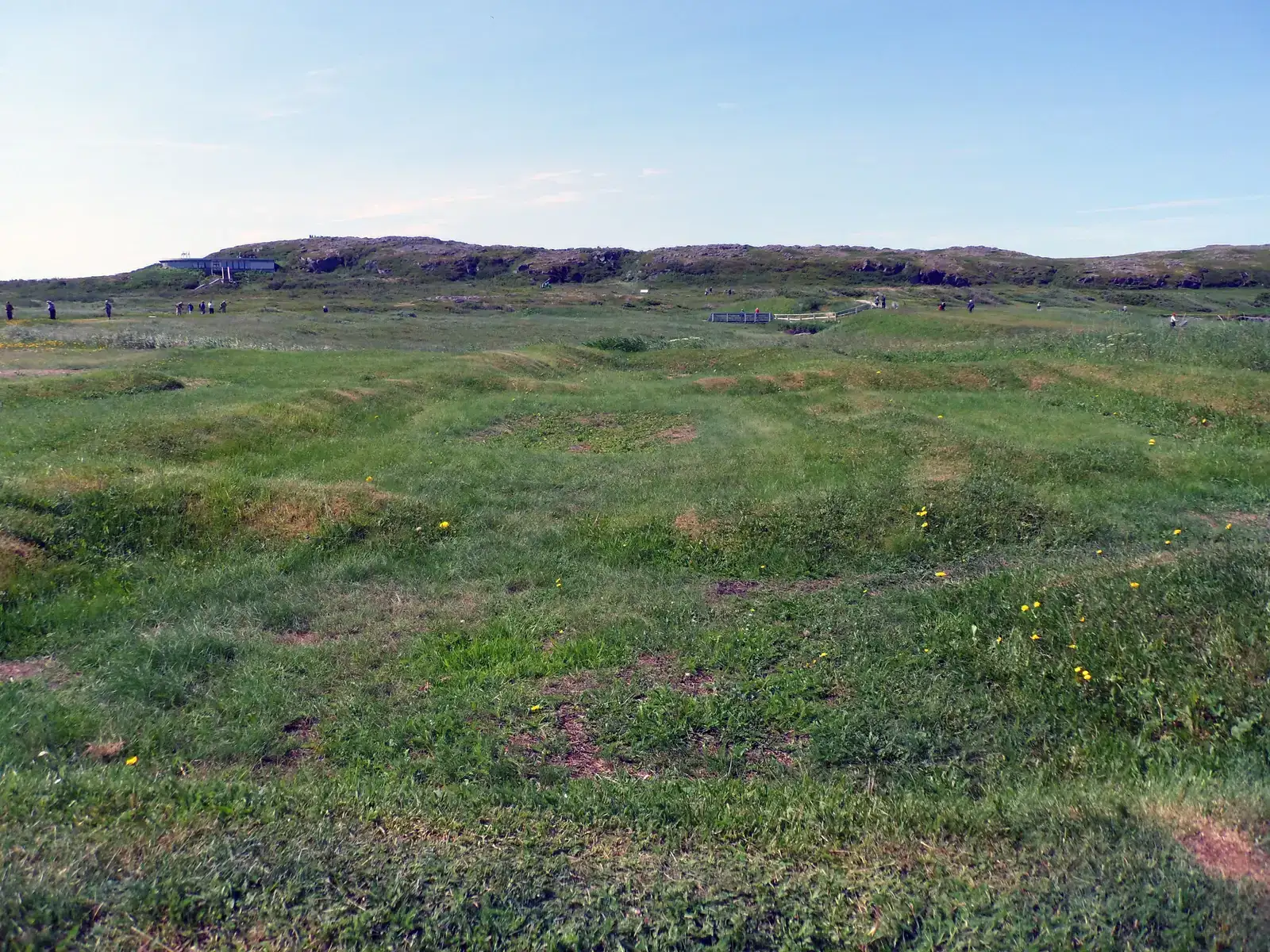
A Norwegian couple’s 1960 discovery shattered the idea that Christopher Columbus was the first European to reach the Americas; L’Anse aux Meadows proved Vikings crossed the Atlantic nearly 500 years before Columbus set sail. Located in Newfoundland, this 11th-century Viking settlement provides irrefutable archaeological proof of pre-Columbian European presence in North America. The site comprises eight wood-framed buildings constructed in traditional Viking style with turf walls and roofs, forming the first European settlement in North America.
Evidence shows these Norse settlers were skilled woodworkers; a forge suggests they were proficient at making iron items, perhaps for ship repairs. Everything ties into the Vinland Sagas, which record Leif Eiriksson’s journey across the Atlantic from Iceland and Greenland. It’s unclear whether this functioned as a trading base or a colony, and the settlement didn’t last long. Recreated buildings help modern visitors picture what life was like when Vikings came to North America. The discovery fundamentally undermined centuries of Eurocentric historical narrative about who “discovered” the Americas.
Âsowanânihk: Saskatchewan’s 11,000-Year-Old Settlement Challenge
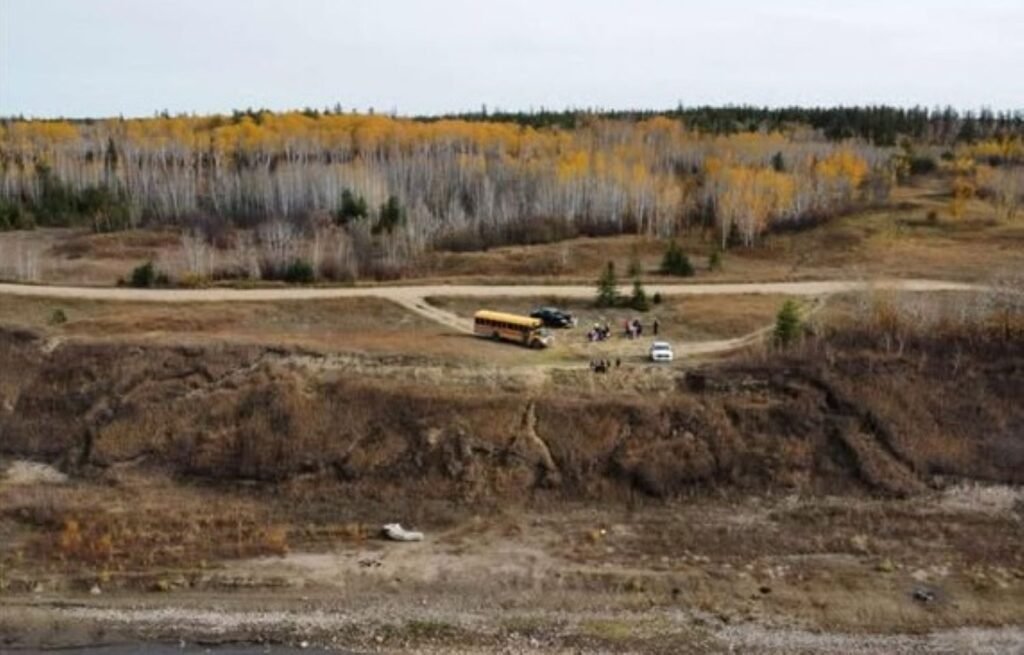
Discovery of an 11,000-year-old village in Saskatchewan could rewrite Indigenous history; the site challenges the idea that early Indigenous people were nomadic, and Âsowanânihk is one of the oldest archaeological sites found on the continent, suggesting organized society existed in central Canada far earlier than previously thought. The name means “a place to cross” in the Cree language. Evidence recovered includes stone tools, firepits, and bison bones; a very large firepit suggests long-term or repeated use, indicating a long-term settlement rather than a temporary hunting camp where Indigenous hunters harvested extinct Bison antiquus.
This discovery emerged in 2023 from an eroding riverbank, and now faces potential destruction from logging activities in the area. Amateur archaeologist Dave Rondeau noted this site is shaking up everything previously known and could change the narrative of early Indigenous civilizations in North America. The implications extend beyond just one site; if organized settlements existed this early in central Canada, how many other assumptions about early North American societies need reconsideration? The site’s precarious position highlights ongoing tensions between development and preservation of irreplaceable archaeological treasures.
Think about what these eight sites collectively reveal. For millennia, diverse societies across North America built monumental architecture, developed sophisticated astronomical knowledge, established extensive trade networks spanning thousands of miles, and created thriving urban centers. They did all this long before European contact, often without written records to document their achievements. These aren’t mysterious lost civilizations; they’re the ancestors of modern Indigenous peoples whose oral histories have preserved knowledge that archaeology is only now confirming. What other assumptions about the past need rethinking? How many more sites remain undiscovered, waiting to further revolutionize our understanding of this continent’s deep history?