You’ve probably wondered what makes you aware, what allows you to think, feel, and experience the world around you. Your consciousness feels infinite, boundless even, yet scientists are now asking whether there might be actual physical limits to human awareness. The question itself sounds almost unnerving, like questioning whether your own mind has an expiration date.
Here’s the thing: your brain, for all its brilliance and complexity, is still a biological machine with finite resources. As the core organ responsible for cognition and consciousness, your brain requires a significant amount of biological energy to maintain key functions such as learning, memory, and emotional regulation. The same organ that allows you to contemplate the universe might be constrained by that very universe’s physical laws. Let’s dive in and explore whether your consciousness truly has boundaries, and what the animal kingdom can teach us about communication and awareness.
The Energy Budget Challenge
Think about your brain for a moment. It weighs roughly three pounds, yet it consumes nearly twenty percent of your body’s total energy. That’s a staggering ratio. The total computational power of your brain is limited by several factors, including the ability to propagate nerve impulses from one place in the brain to another, with nerve impulses collectively traveling at most roughly two quadrillion millimeters per second given the brain dissipates about ten watts.
Three essential bottlenecks limit information processes in your brain: the Attentional Blink limits your ability to consciously perceive, the Visual Short-Term Memory limits your capacity to hold in mind, and the Psychological Refractory Period limits your ability to act upon the visual world. Your brain takes roughly one tenth of a second to process complex images, and the processing time lengthens when choices require complex information. This isn’t a software problem that can be fixed with an update. This is fundamental hardware.
Storage Capacity and Information Limits
Recent research has demonstrated that the minimum information required to specify a conscious state exceeds the physical information capacity of the human brain by a significant factor, with consciousness exhibiting mandatory temporal-historical dependencies that multiply these requirements beyond the brain’s storage capabilities. Let that sink in for a second. Your lifetime of experiences, every memory, every sensation, might actually require more storage space than your brain can physically provide.
The storage capacity of the human brain has been estimated at roughly one quadrillion bits, using one bit per synapse. That sounds enormous until you realize how much information you process every waking moment. The fascinating paradox is that you experience a rich, continuous stream of consciousness despite these apparent limitations. Perhaps your brain is constantly overwriting, prioritizing, creating shortcuts that give you the illusion of completeness.
The Computational Paradox
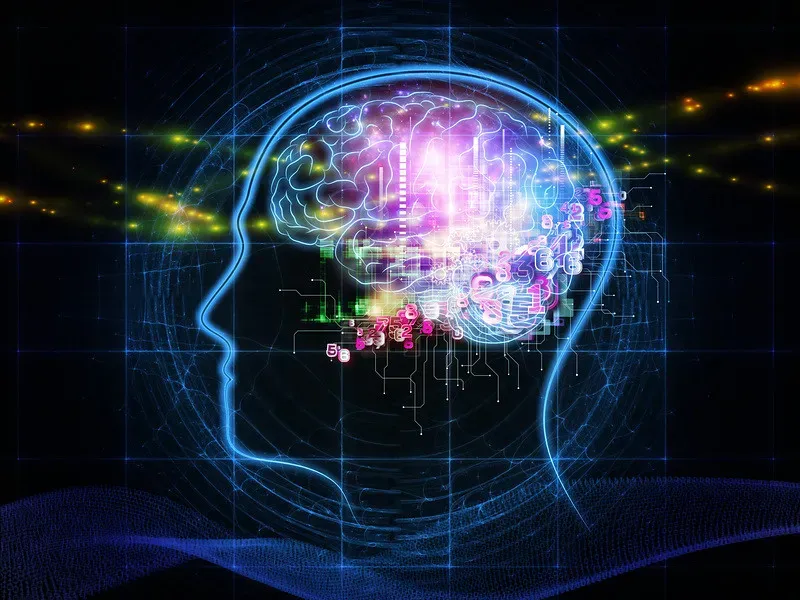
Your brain performs somewhere between ten trillion and ten quadrillion operations per second, depending on how you measure it. It seems reasonable to conclude that the human brain has a raw computational power between ten trillion and ten quadrillion operations per second. Yet here’s where things get weird. If consciousness were computable then the present is completely determined by the past, but arguments in favor of the non-computability of consciousness include first-person accounts of creativity, the fact that mathematical logic is associated with incompleteness, and that consciousness appears to have the capacity to halt any computation in the brain.
For consciousness and free will to be genuinely real, they must elude algorithmic description, suggesting the logical need to invoke a non-computational physical process to account for the existence of real consciousness and free will. Your subjective experience, your ability to choose, might literally transcend computation.
When Creatures Speak Without Words

Now let’s shift to something equally mind-bending: how animals communicate without the apparent cognitive overhead humans require. Scholars argue that bees use their dances to communicate information about the location of food, and that the flashing behaviors of fireflies communicate sexual availability to potential mates. Simple nervous systems accomplishing remarkable feats of information transfer.
African elephants speak to one another by using the vocal folds in their larynxes to create a constant, low-frequency rumbling known as an infrasound that’s inaudible to humans, but elephants can pick it up from up to just over six miles away. Even more remarkably, elephants appear to come up with names for other elephants independently, without imitating another’s call, an ability that no animal other than humans were previously known to possess. They’re essentially doing what you do when you name your friends, but with entirely different neural architecture and far less energy expenditure.
Chemical Conversations in the Natural World

Ants are prolific users of chemical communication, with their small bodies containing up to a dozen separate glands, each producing a different chemical compound or mixture of compounds that serves a different social function, including marking foraging trails, recruiting group members for defense, attracting mates, regulating development of different worker castes, soliciting food, and distinguishing colony members from nonmembers.
Think about the efficiency here. Your brain needs billions of neurons firing in complex patterns just for you to decide what to have for lunch. An ant, with a brain containing perhaps 250,000 neurons, can coordinate sophisticated social behaviors using chemical signals. Desert iguanas use a carrier that does not release odorant until another lizard flicks the carrier with its wet tongue, with the small packets of deposited pheromone absorbing ultraviolet light and thus appearing as black specks to animals that can see in the ultraviolet spectrum. Nature finds solutions that sidestep the computational bottlenecks we face.
Acoustic Complexity Across Species
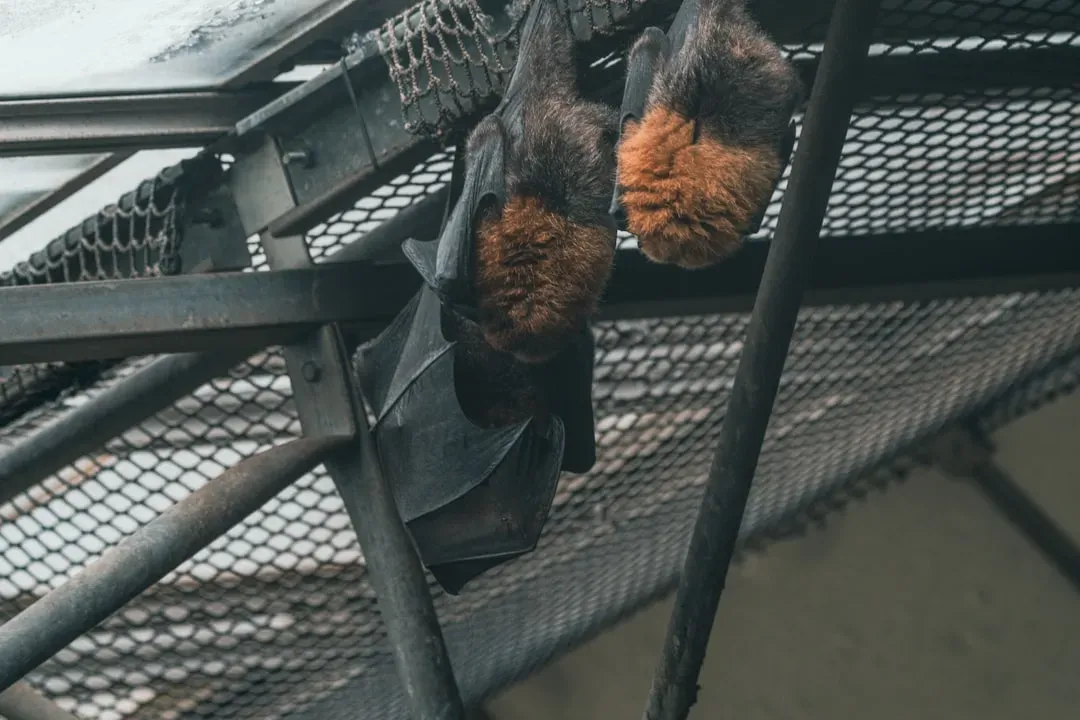
Researchers analyzing almost fifteen thousand distinct bat sounds found that a single vocalization can contain information about who the speaker bat is, the reason the vocalization is being made, the speaker bat’s current behavior and the intended recipient of the call. Your brain would need substantial processing power to encode and decode that much layered information in a single utterance.
The vervet monkey gives a distinct alarm call for each of its four different predators, and the reactions of other monkeys vary appropriately according to the call, such as climbing into trees when an alarm signals a python, whereas the “eagle” alarm causes monkeys to seek a hiding place on the ground. This level of semantic specificity demonstrates that complex communication doesn’t necessarily require massive brains with human-scale energy demands. These creatures have found elegant solutions within their biological constraints.
Beyond Traditional Senses
Acoustic communication is exceedingly abundant in nature, likely because sound can be adapted to a wide variety of environmental conditions and behavioral situations. But what about modalities humans barely use? Biotremology refers to communication signals that comprise substrate-borne vibrations, detected as surface vibrations by specialized perception organs such as slit-sense organs in spiders, subgenual organs in insects, hair receptors, or Pacinian and Herbst corpuscles in vertebrates.
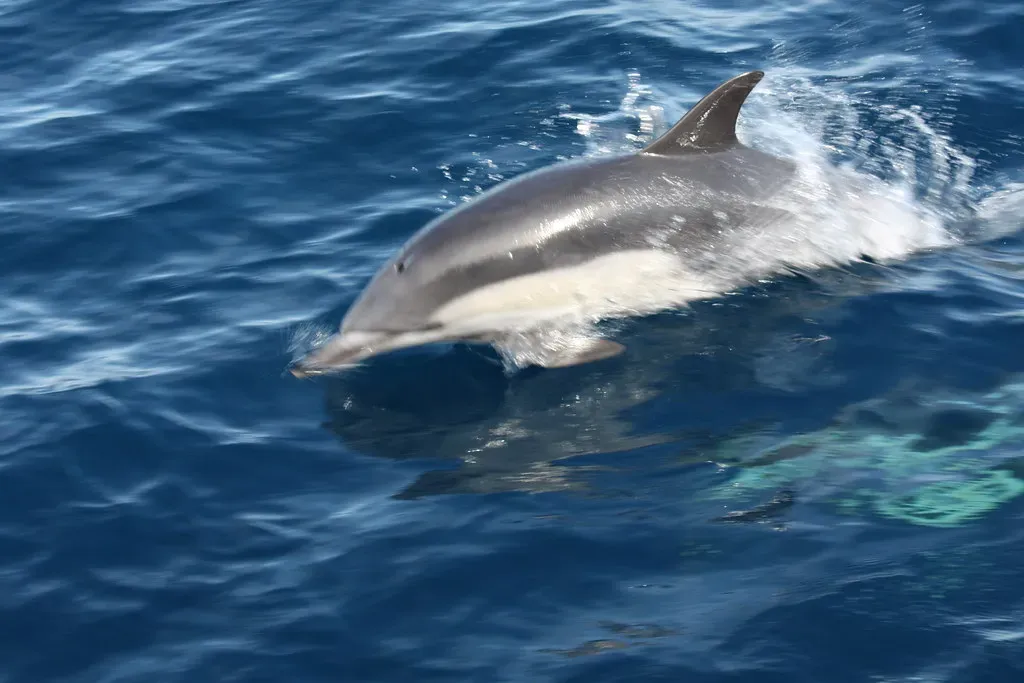
These animals are processing information through channels that barely register in human consciousness. Microchiropteran bats and cetaceans use high-frequency sounds to detect and localize prey, with the returning echo detected and processed, ultimately allowing the animal to build a picture of their surrounding environment and make very accurate assessments of prey location. Your brain would struggle to process echolocation in real time, yet bats do it effortlessly while flying through complete darkness at high speeds.
The Neuroscience Mystery Deepens
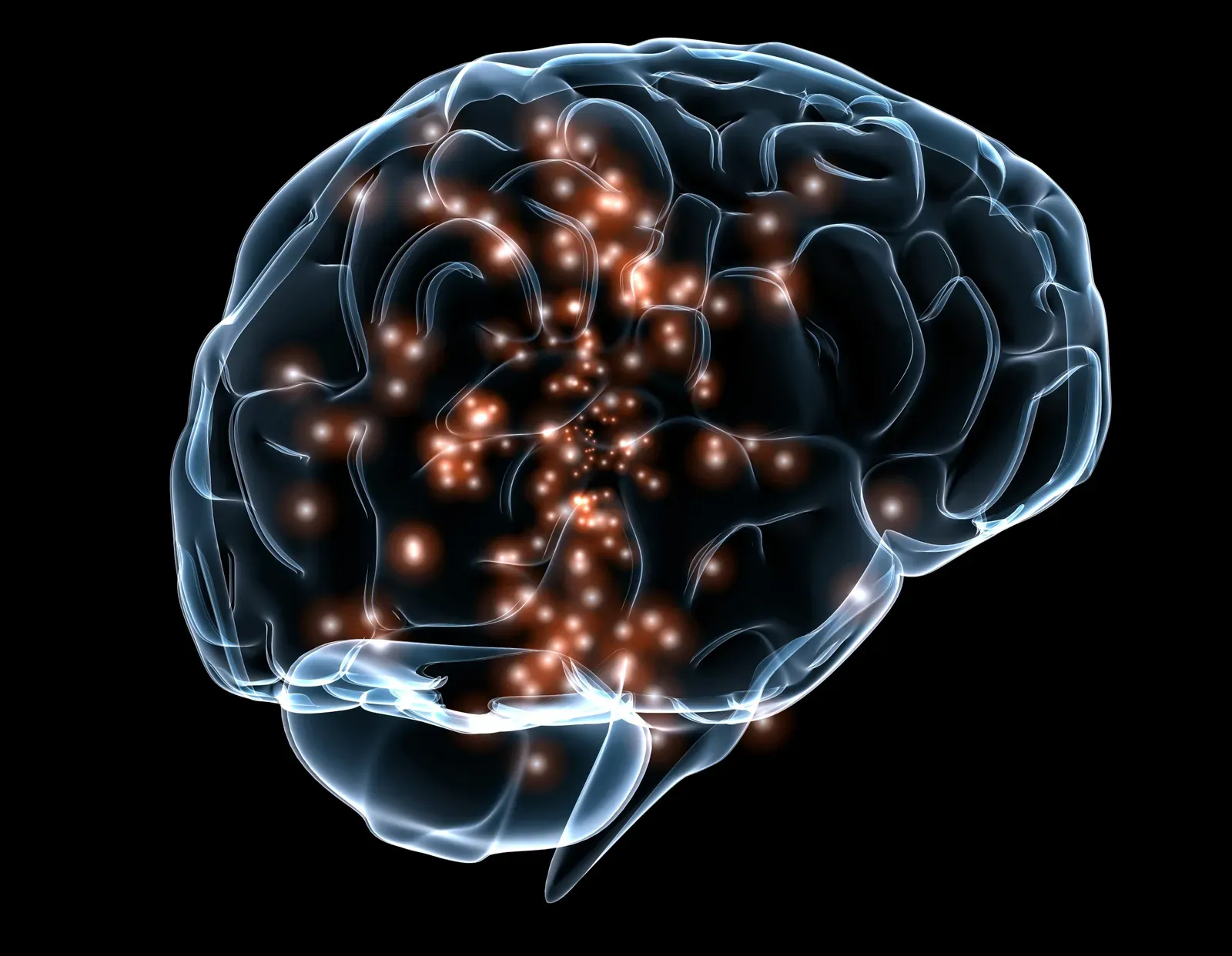
Unlike observable natural phenomena, consciousness cannot be studied directly through empirical observation alone, and as an integral part of our cognitive experience, consciousness inevitably influences researchers, making it difficult to maintain the detachment of an objective observer. You can’t step outside your own consciousness to examine it objectively. It’s like trying to see your own eyes without a mirror.
Viewing the brain as a complex computer of simple neurons cannot account for consciousness nor essential features of cognition, as single cell organisms with no synapses perform purposeful intelligent functions using their cytoskeletal microtubules. Perhaps consciousness emerges from deeper levels than we’ve been looking. Consciousness is most likely to occur in a scale-invariant hierarchy originating in dendritic-somatic networks of mixed-polarity microtubules in Layer V cortical pyramidal neurons, with quantum dipole oscillations in aromatic rings inside tubulin that can extend through microtubule pathways.
What This Means for Your Mind
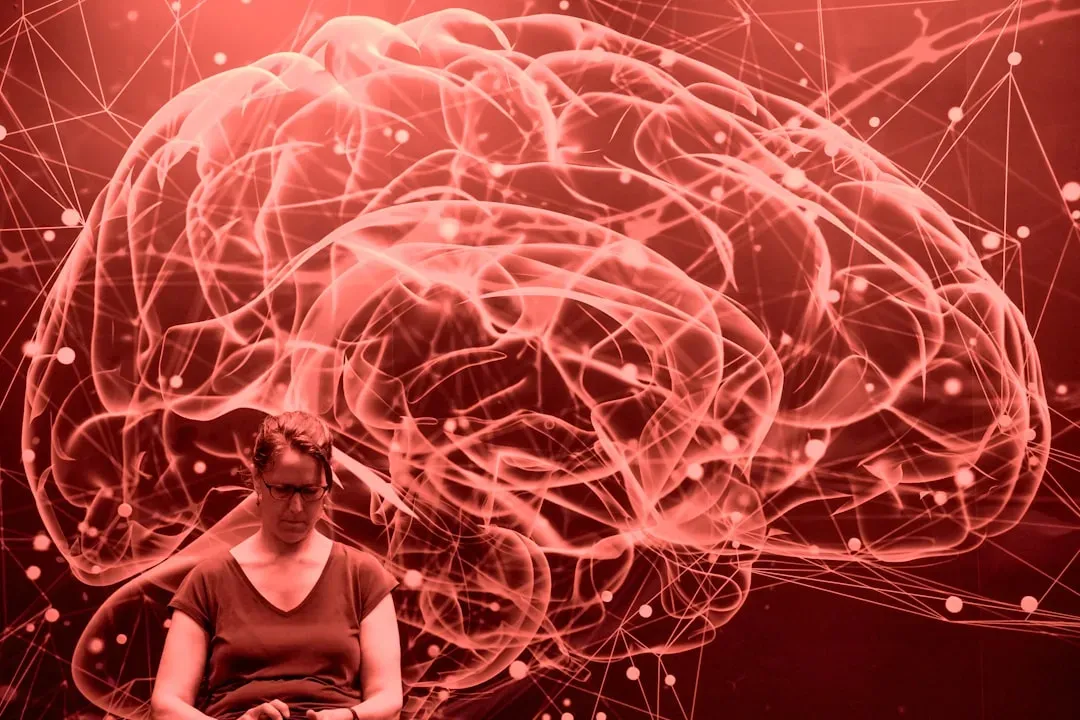
So The evidence suggests yes, absolutely. Your brain operates within energy constraints, storage limitations, and processing bottlenecks. The challenge reflects many factors, including the philosophical puzzles involved in characterizing how conscious experiences relate to physical processes in brains and bodies, the empirical challenge of obtaining objective data about phenomena that appear intrinsically subjective and private, and the challenge of developing a theory sufficiently comprehensive to account for all functional and phenomenological properties of consciousness.
Yet animals all around you demonstrate that profound communication and perhaps even forms of awareness can exist within far tighter constraints. They’ve evolved specialized solutions, elegant workarounds to the fundamental problems your brain faces. Maybe consciousness isn’t about maximal computation but optimal information processing within physical limits. Your awareness might be bounded, but within those boundaries, you experience something genuinely remarkable that we’re only beginning to understand.
The real question isn’t whether there are limits. The question is whether those limits define consciousness or whether consciousness, like the animals’ varied communication systems, finds ways to flourish regardless of constraints. What do you think about the boundaries of your own mind? Could there be dimensions of awareness we haven’t even begun to measure?