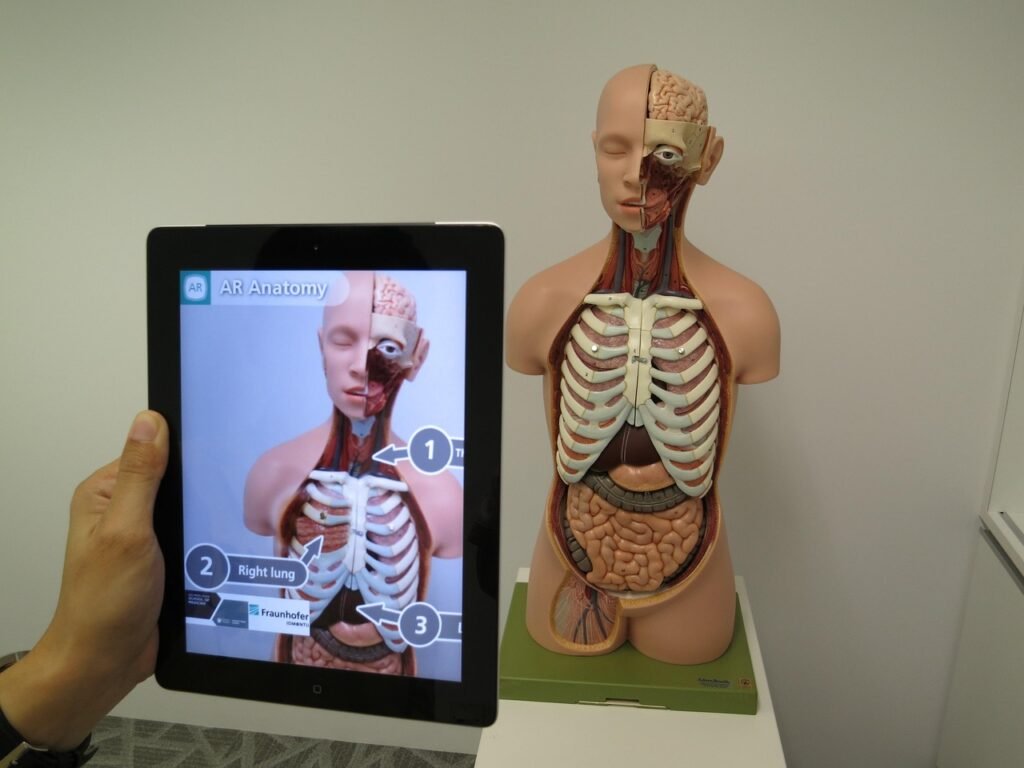

You’ve probably heard the phrase “medical breakthrough” thrown around quite a bit. Some of it’s hype, let’s be honest. Some of it is marketing dressed up as science. Yet right now, at this very moment, there are medical innovations happening that aren’t just theoretical possibilities or distant hopes. They’re actual treatments you or someone you know might already be benefiting from. These aren’t about what could happen in fifty years. They’re about what’s transforming patient care today in clinics and hospitals around the world.
Here’s the thing. The future of medicine isn’t some distant concept. It’s unfolding right now in ways both dramatic and quiet. From gene editing that can fix errors written into your DNA to immune therapies that train your body to hunt down cancer, the medical world is experiencing a period of transformation that’s honestly hard to wrap your head around. What was science fiction a decade ago is now reality. Ready to dive into the treatments actually changing lives as we speak?
1. CRISPR Gene Editing Is Rewriting Genetic Destiny
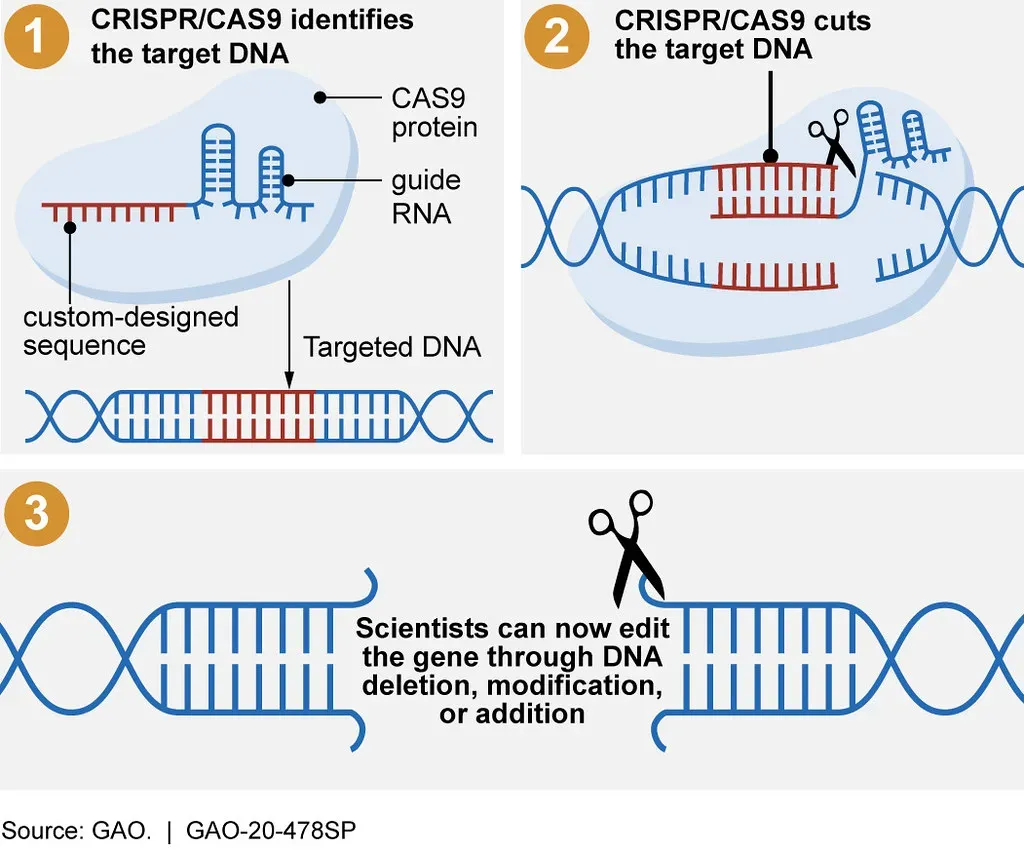
CRISPR technology has moved from laboratory experimentation into actual patient care with remarkable speed. In 2025, hospitals successfully created custom gene therapy programs for individual patients, using lipid nanoparticles to deliver genetic instructions that correct disease-causing mutations. A child diagnosed with a rare metabolic disease received the world’s first personalized CRISPR gene editing therapy, developed and delivered in just six months, and is now growing well and thriving after treatment.
This gene-editing technology works by permanently correcting deleterious base mutations or disrupting disease-causing genes with great precision and efficiency. Think of it like having a molecular spell-checker for your DNA. The power here is staggering.
The landmark case paves the way for a future with on-demand gene-editing therapies for individuals with rare, until-now untreatable genetic diseases, and sets precedent for a regulatory pathway for rapid approval of platform therapies. In another trial testing gene-editing treatment for lipid disorders, both LDL cholesterol and triglyceride levels dropped within two weeks after treatment and stayed low for at least 60 days, with reductions of nearly 50% or more on average at the highest dose. You’re witnessing the beginning of truly personalized genetic medicine.
2. Cancer Immunotherapy Teaches Your Body to Fight Back
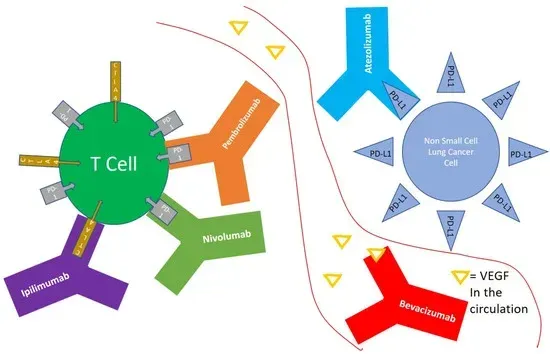
People with advanced lung and skin cancer who took a COVID-19 mRNA vaccine within three months of starting immunotherapy treatment for their malignancy improved the medicine’s response to the tumors and lived longer, though scientists note that revving up the immune system could boost immunotherapy. Let’s be real, cancer treatment has been brutal for decades. Yet immunotherapy is fundamentally changing that equation.
Immunotherapeutic approaches, including cancer vaccines, immune checkpoint inhibitors, and adoptive T cell transfer, have been developed to strengthen the host’s immune response against tumors, offering unique advantages including greater specificity and improved biocompatibility. Your immune system is already capable of recognizing abnormal cells. The problem is that tumors are masters at hiding and suppressing that response.
UCLA researchers developed a CAR-NKT cell therapy that has shown to be more effective than current immunotherapies at fighting tumors in several different mouse models of pancreatic cancer, with the ability to track down and destroy pancreatic tumors even after they’ve metastasized to other organs. Since NKT cells are naturally compatible with any immune system without causing dangerous rejection reactions, they can be mass-produced from donated blood stem cells, with one donor potentially providing sufficient cells for thousands of treatments. The idea of off-the-shelf cancer treatment once seemed impossible.
3. Artificial Pancreas Systems Free Diabetes Patients from Constant Monitoring
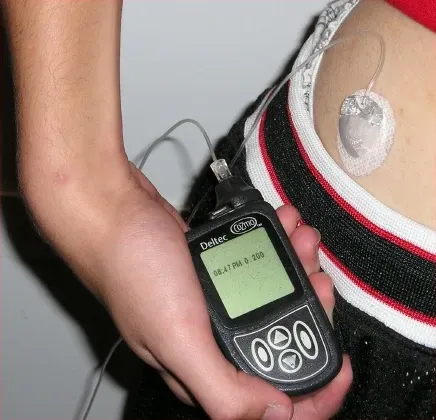
An artificial pancreas is a system made of three parts that work together to mimic how a healthy pancreas controls blood glucose in the body, automatically monitoring blood glucose level, calculating the amount of insulin needed at different points during the day, and delivering it. Imagine having type 1 diabetes and constantly worrying about your blood sugar levels. Every meal, every activity, every stressful moment could potentially throw you into dangerous territory.
A device known as a bionic pancreas was more effective at maintaining blood glucose levels within normal range than standard-of-care management among people with type 1 diabetes, with glycated hemoglobin improving from 7.9% to 7.3% in participants using the device. That might sound like a small shift in numbers, but for patients it’s life-changing.
Compared to other available artificial pancreas technologies, the bionic pancreas requires less user input and provides more automation because the device’s algorithms continually adjust insulin doses automatically, and users do not have to count carbohydrates nor initiate doses of insulin to correct for high blood glucose. One patient who received an artificial pancreas as part of NHS pilot calls the technology a “game changer” that allowed her to find a sense of normality, no longer having to worry about work-related stress affecting blood glucose levels as the closed loop helps to sort this out before it becomes a problem. You get your life back, plain and simple.
4. mRNA Technology Is Expanding Beyond COVID-19 Vaccines
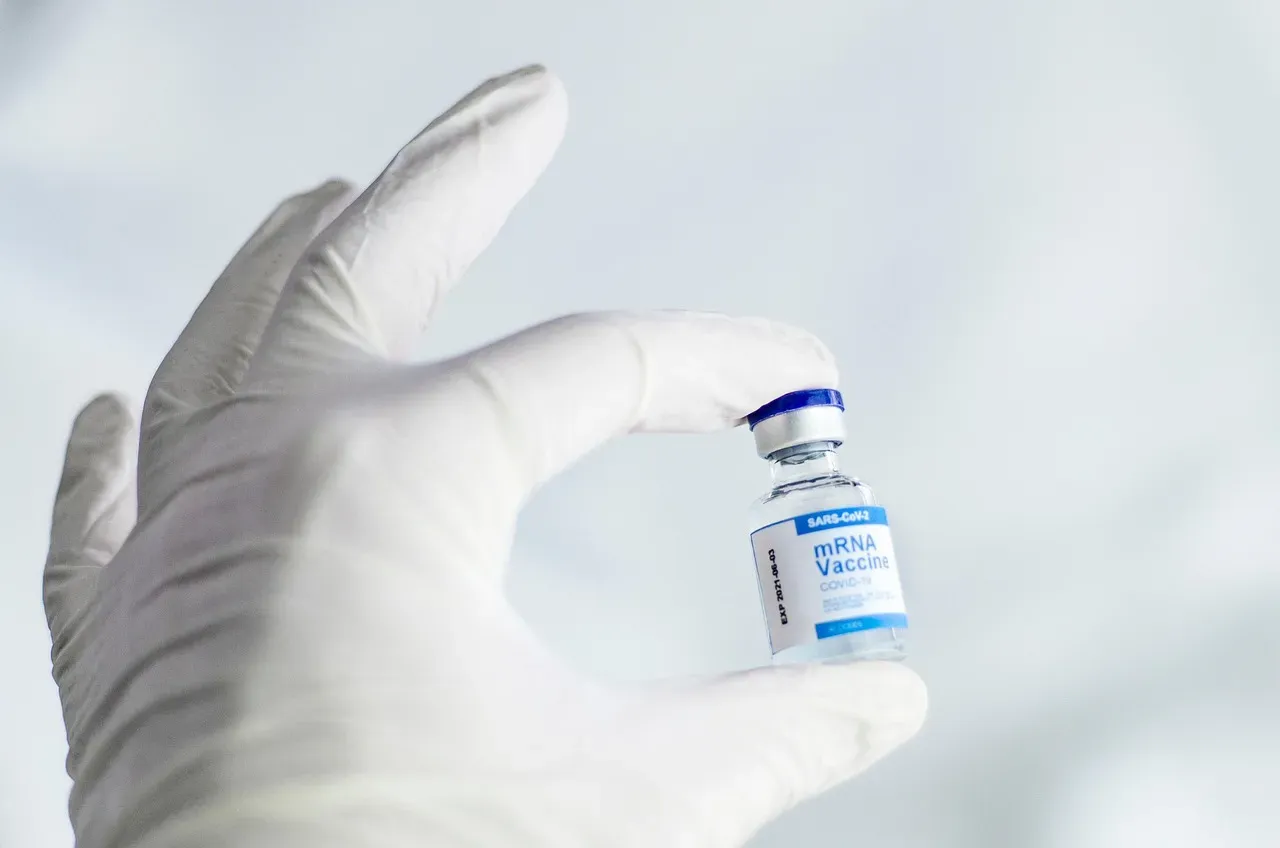
The COVID-19 pandemic proved that mRNA vaccines work spectacularly well. Now scientists are racing to apply that same platform to diseases we’ve struggled with for decades. While the mRNA vaccines for COVID-19 and other infectious diseases prevent disease, mRNA technology can also help treat existing diseases like cancer, with the platform’s flexibility allowing researchers to create mRNA cancer vaccines that activate the immune system to attack cancer cells.
Besides the mRNA vaccine for SARS-CoV-2, three recent Phase 3 trials for cytomegalovirus, Influenza A and B, and Respiratory syncytial virus can lead to new clinically applicable vaccines in the near future. BioNTech received FDA approval for accelerated approval of a melanoma vaccine, and recent phase I clinical trial data have demonstrated that mRNA neoantigen vaccination can lower the risk of pancreatic cancer recurrence. Think about that. A vaccine that trains your immune system to hunt down cancer cells before they spread.
This technology could facilitate the creation of multivalent vaccines, allowing multiple antigen targets, for the same or different pathogens, to be delivered in one vaccine lipid nanoparticle, with Moderna already in phase 1 with a seasonal influenza quadrivalent product. You might soon get one shot that protects against multiple diseases at once.
5. Advanced AI Is Revolutionizing Diagnostic Speed and Accuracy
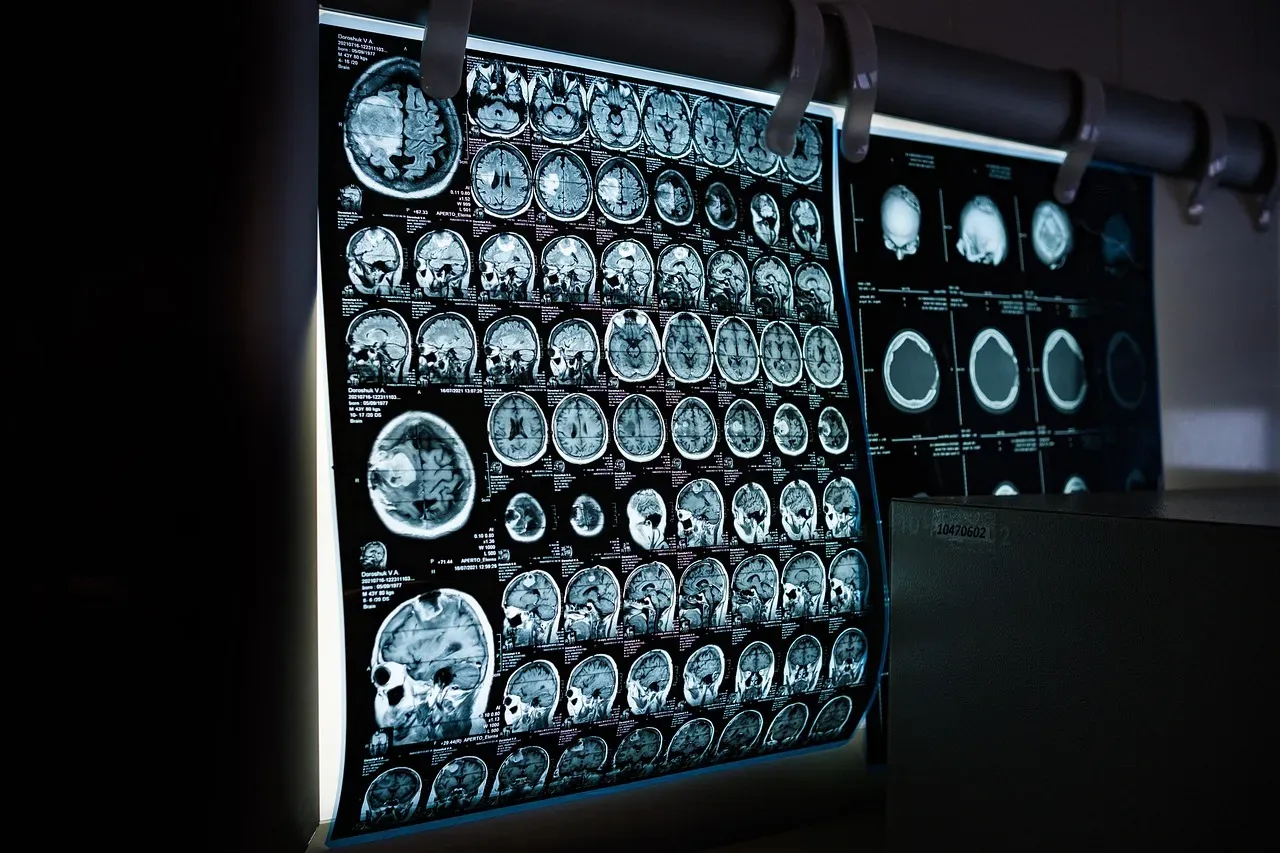
By late 2024 to 2025, all 107 stroke centres in England had AI tools deployed for near-instant CT analysis, with national programs funding roll-out so decisions happen faster, and large real-world evaluations linked stroke AI to more thrombectomies and improved access. When someone’s having a stroke, every single second counts. Brain cells die rapidly without blood flow, and traditional diagnostic processes can take precious minutes or even hours.
An AI system is used in European and UK screening programs, with studies showing workload reduction and detection gains when used with radiologists, and an ongoing mega-trial in the NHS launched in February 2025. The beauty of AI in medicine isn’t that it replaces doctors. Honestly, that’s not happening anytime soon. Instead, it acts like a tireless assistant that never gets fatigued and can spot patterns human eyes might miss.
A skin analytics system received conditional NHS use in 2025 and is being rolled out across additional trusts to triage lesions within minutes and cut waits. Think about waiting weeks for a dermatology appointment while worrying about a suspicious mole. AI can now provide an initial assessment almost immediately, flagging high-risk cases for urgent human review. It’s not perfect, but it’s changing how quickly patients get answers.
6. 3D Bioprinting Creates Custom Implants and Surgical Models
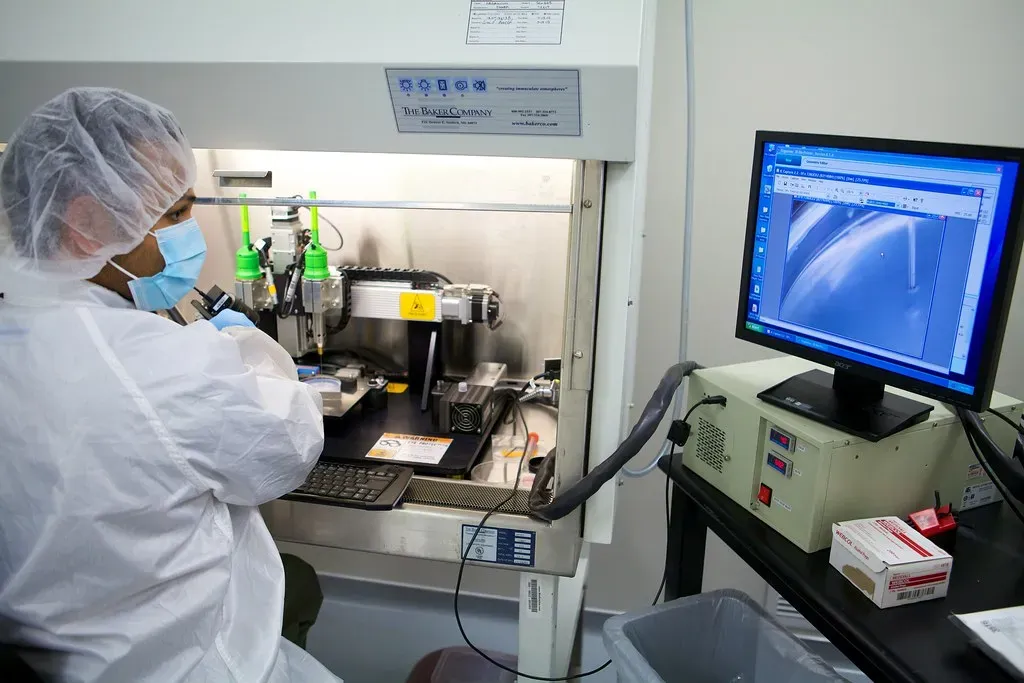
3D printing enables patient-specific implants, enhancing surgical accuracy and reducing recovery times, with precision machinery central to this process, and 3D-printed organ models allowing surgeons to practice procedures, emphasizing the role of visual inspection in improving surgery safety and efficiency. Imagine needing a hip replacement and instead of getting a standard-sized implant that kind of fits, you receive one designed specifically for your unique anatomy.
The University of Michigan Health leads a clinical trial for 3D-printed bioresorbable pediatric airway splints, while prosthetics and implants can now be customized to match individual patients perfectly, and pediatric medications are produced in personalized dosages to enhance treatment adherence. For children especially, this is revolutionary. Their bodies are still growing, and traditional implants often require multiple surgeries as they age.
Bioprinting has moved into the early stages of functional tissue development, offering a preview of future organ transplantation possibilities. I know it sounds like science fiction, but researchers are already printing simple tissues. The idea of bioprinting a replacement kidney or liver is no longer completely far-fetched. We’re not there yet, obviously. Yet the foundation is being laid right now.
7. Novel Immunotherapy Compounds Target Multiple Immune Cell Types

UF Health Cancer Center researchers developed a first-of-its-kind compound that could open a new avenue for using immunotherapy to treat various types of cancer, with laboratory and mouse testing showing the compound slowed the growth of established tumors by unleashing the body’s own immune system to attack cancer cells and, in some cases, eradicated the tumors. Current immunotherapy works well for some cancers and some patients. For others, not so much.
Unlike most existing immunotherapy treatments that target one cell type, the new PROTAC affects multiple types of immune cells. The PROTAC effectively degrades a target protein within hours of treatment and has a sustained effect for at least four days in mouse models, functioning similarly to immune checkpoint inhibitors by releasing the brakes on the body’s immune cells, and because it targets proteins inside cells rather than surface proteins, it has the potential to treat patients who do not respond to current immunotherapy. This is targeting cancer at a deeper, more fundamental level.
Ultimately, this small-molecule-based therapy could complement existing immunotherapy treatments, providing new options for patients who are resistant or do not respond to immunotherapy. Cancer cells are devious. They evolve and adapt to treatments. Having multiple weapons in the arsenal means we can hit them from different angles simultaneously.
8. Nanoparticle Drug Delivery Enhances Treatment Precision
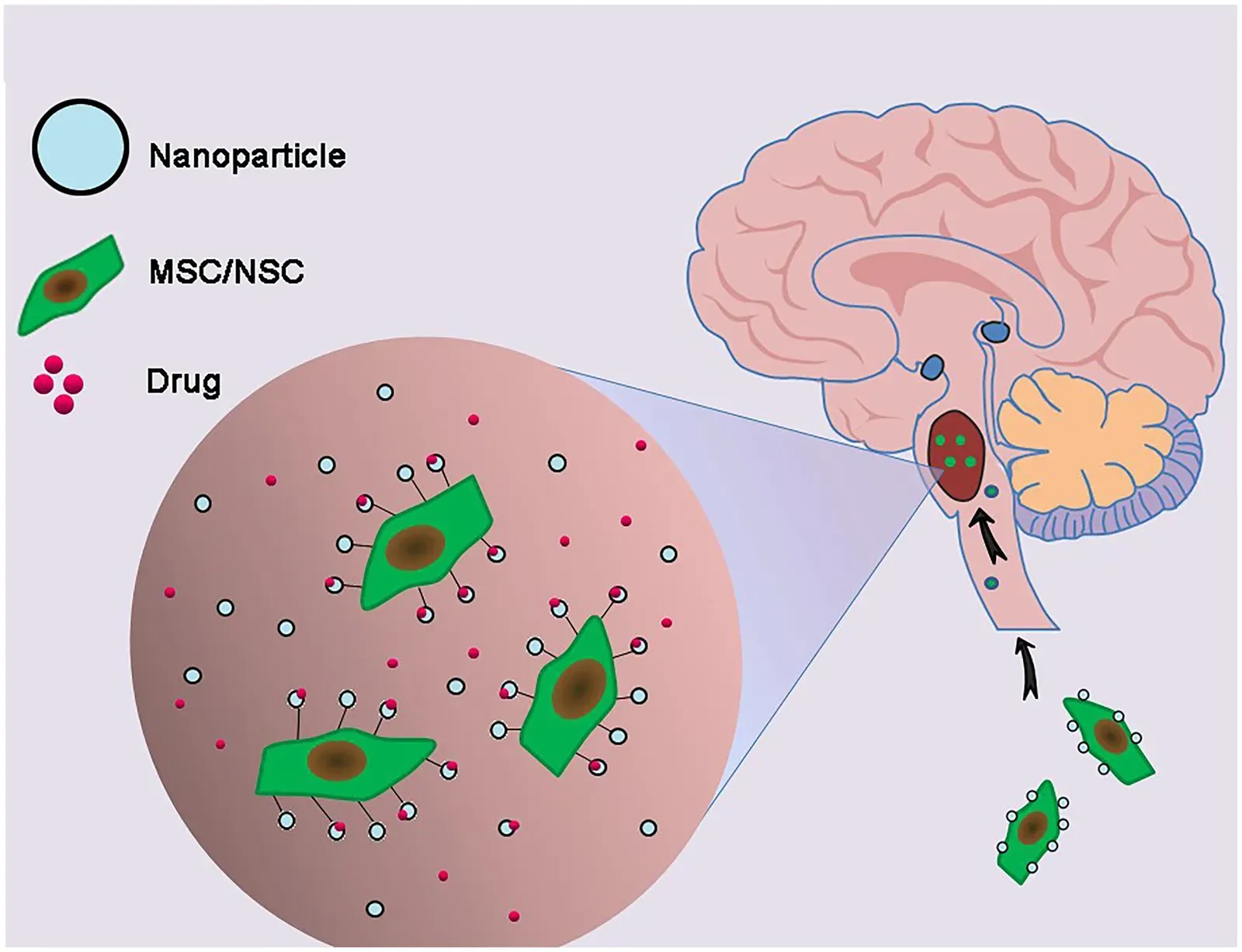
MIT researchers designed nanoparticles that can deliver an immune-stimulating molecule called IL-12 directly to ovarian tumors, and when given along with immunotherapy drugs called checkpoint inhibitors, IL-12 helps the immune system launch an attack on cancer cells, with this combination treatment eliminating metastatic tumors in more than 80 percent of mice. The problem with many cancer drugs isn’t that they don’t work. It’s that they damage healthy tissue along with the cancer.
Large doses of IL-12 required to get a strong response can produce severe side effects including liver toxicity and cytokine release syndrome, but nanoparticles developed in 2022 could deliver IL-12 directly to tumor cells, allowing larger doses to be given while avoiding side effects, though these particles tended to release their payload all at once which hindered their ability to generate a strong T cell response. Scientists have been refining the release mechanism to provide sustained delivery over time.
Researchers report that cancer cells aren’t able to develop again in treated mice, meaning immune memory developed in those animals, and they’re now working with MIT’s Deshpande Center to spin out a company with a new manufacturing approach that should enable large-scale production. This isn’t just about treating cancer once. It’s about training your immune system to remember and destroy cancer cells if they ever try to come back.
9. Brain-Computer Interfaces Restore Communication and Movement
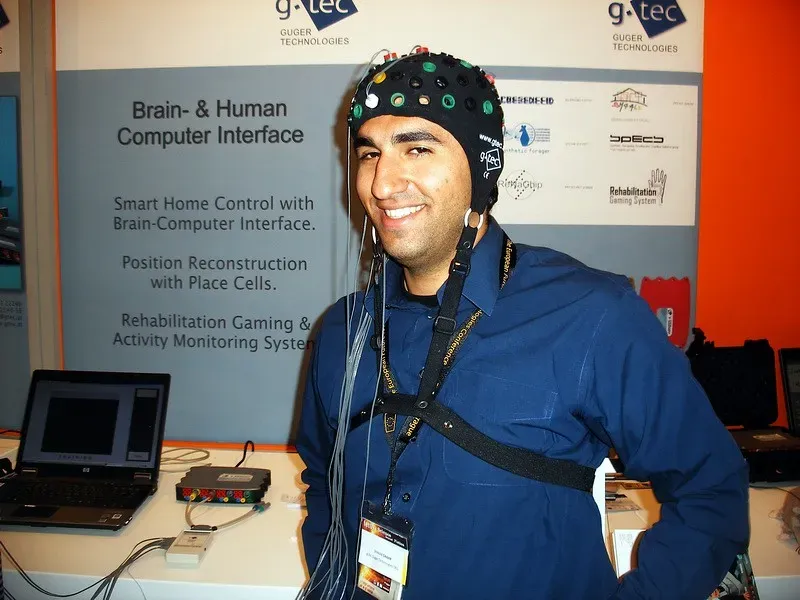
Researchers at Case Western Reserve University developed a low-cost, non-invasive human-machine interface that uses breath patterns for communication, offering a simple way to assist those with disabilities in performing daily tasks unlike costly and invasive alternatives like brain-computer interfaces and eye gaze trackers. For people who’ve lost the ability to speak or move due to stroke, ALS, or spinal cord injury, being trapped inside your own body is a nightmare you wouldn’t wish on anyone.
Companies like Synchron are leading systems development in brain-computer interface technology with their minimally invasive “stentrode” implant, while Neuralink’s trials are also progressing, and these breakthroughs could soon allow paralyzed individuals to regain movement, offering hope for future neuroprosthetics that could restore vision, hearing, and memory. The technology reads neural signals and translates them into commands that can control computers, robotic limbs, or communication devices.
These systems are getting more sophisticated and less invasive each year. Earlier versions required major brain surgery and had limited functionality. Now some can be implanted through blood vessels, similar to placing a cardiac stent. The potential here extends far beyond just helping paralyzed patients. We’re talking about fundamentally new ways for humans to interact with technology.
10. Advanced Pain Medications Offer Non-Opioid Alternatives

The opioid crisis has claimed hundreds of thousands of lives. For years, doctors faced an impossible choice: leave patients in agonizing pain or prescribe medications that carried serious addiction risks. A new pain medication has applied for FDA approval under a priority review, with a decision expected by the end of January 2025. Development of effective non-addictive pain relievers has been a holy grail of pharmaceutical research for decades.
These new medications work through completely different mechanisms than opioids, targeting specific pain pathways without activating the brain’s reward centers that lead to addiction. For chronic pain patients, this could mean relief without the devastating side effects that have destroyed families and communities. It’s hard to overstate how significant this is.
The challenge has always been that pain is complex and subjective. What works for one person might not work for another. Yet having multiple options that don’t carry addiction risk means doctors can tailor treatment to individual patients more effectively. Surgery patients, cancer patients, people with chronic conditions like fibromyalgia could all potentially benefit from these advances.
Looking Ahead: What This All Means for You
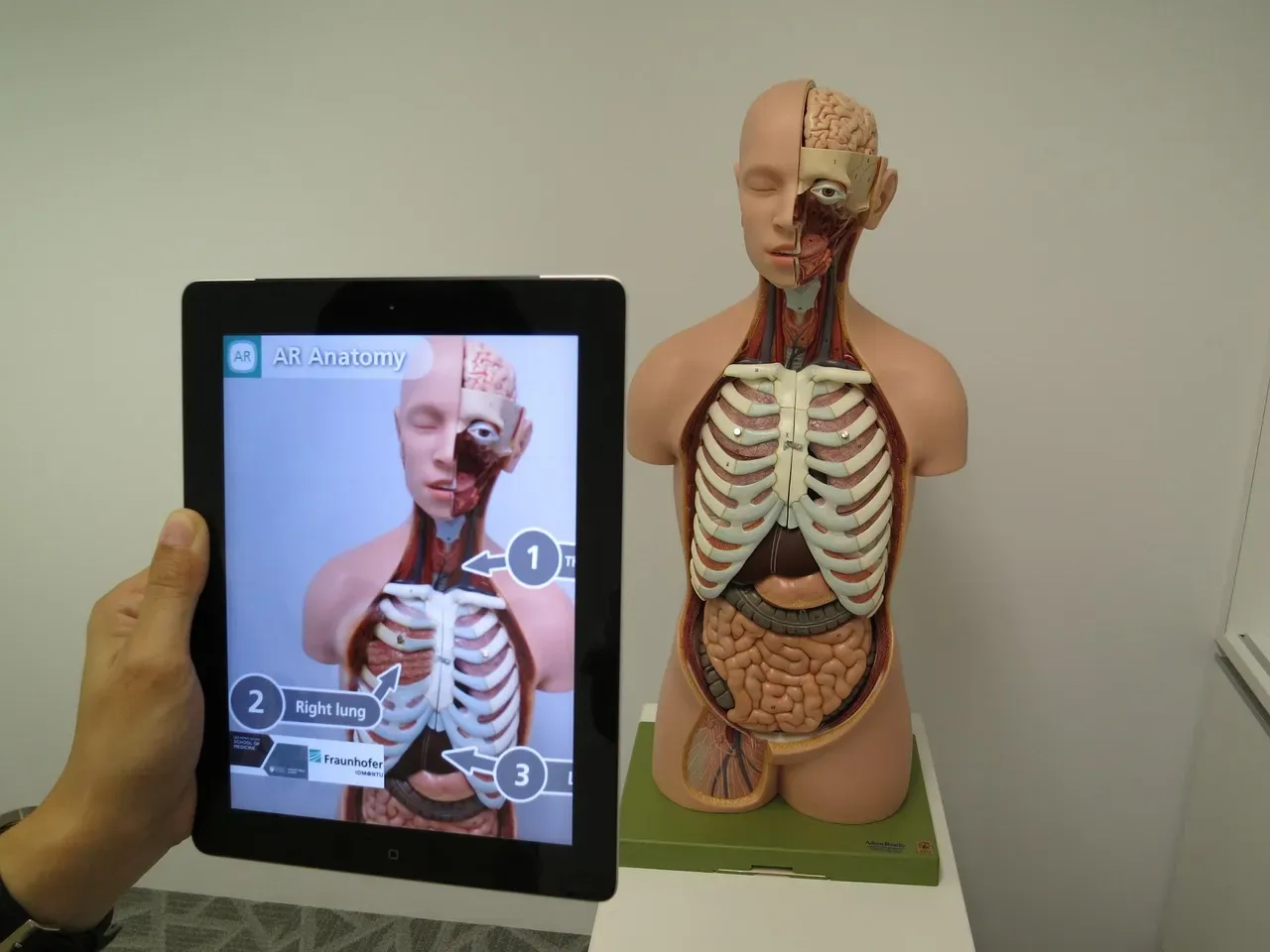
These breakthroughs aren’t happening in isolation. They’re building on each other, creating a healthcare landscape that would have seemed like pure fantasy just twenty years ago. We’re living through a period of medical innovation that rivals any in human history.
The challenges remain significant, obviously. Access, cost, and equity issues mean not everyone benefits equally from these advances. Regulatory approval processes must balance safety with speed. Long-term effects need monitoring. Yet the trajectory is clear: medicine is becoming more precise, more personalized, and more effective at treating conditions that once seemed hopeless.
What strikes me most is how these technologies are moving from theoretical to practical almost overnight. Treatments that were in early trials just a few years ago are now standard care. Concepts that seemed impossible are now merely difficult. The gap between discovery and implementation is shrinking rapidly.
You or someone you love might already be benefiting from one of these breakthroughs. Perhaps you know someone with diabetes using an artificial pancreas, or a cancer patient receiving immunotherapy. Maybe you’ll be among the first to receive an mRNA vaccine for a disease other than COVID-19. The future of medicine isn’t coming. It’s already here, changing lives one patient at a time.
What breakthrough surprised you the most? Can you imagine how different healthcare might look in another ten years?