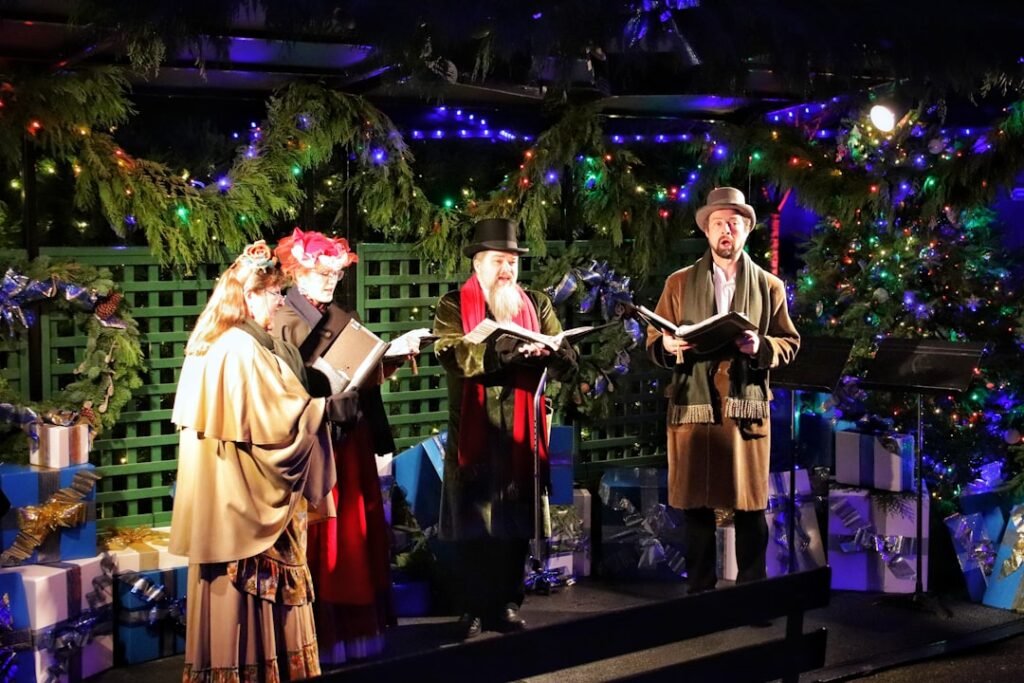
You might be surprised to learn that those festive melodies filling the air each December have roots reaching back thousands of years. The we sing today aren’t just cheerful holiday songs. They carry echoes of ancient winter celebrations, medieval dances, and even rowdy tavern traditions. Their journey from pagan rituals to church pews is far more fascinating than you’d expect.
Let’s dive into the unexpected story behind these beloved songs and discover what makes them so much more than simple Christmas music.
When Carols Were Actually Dances Around Stone Circles
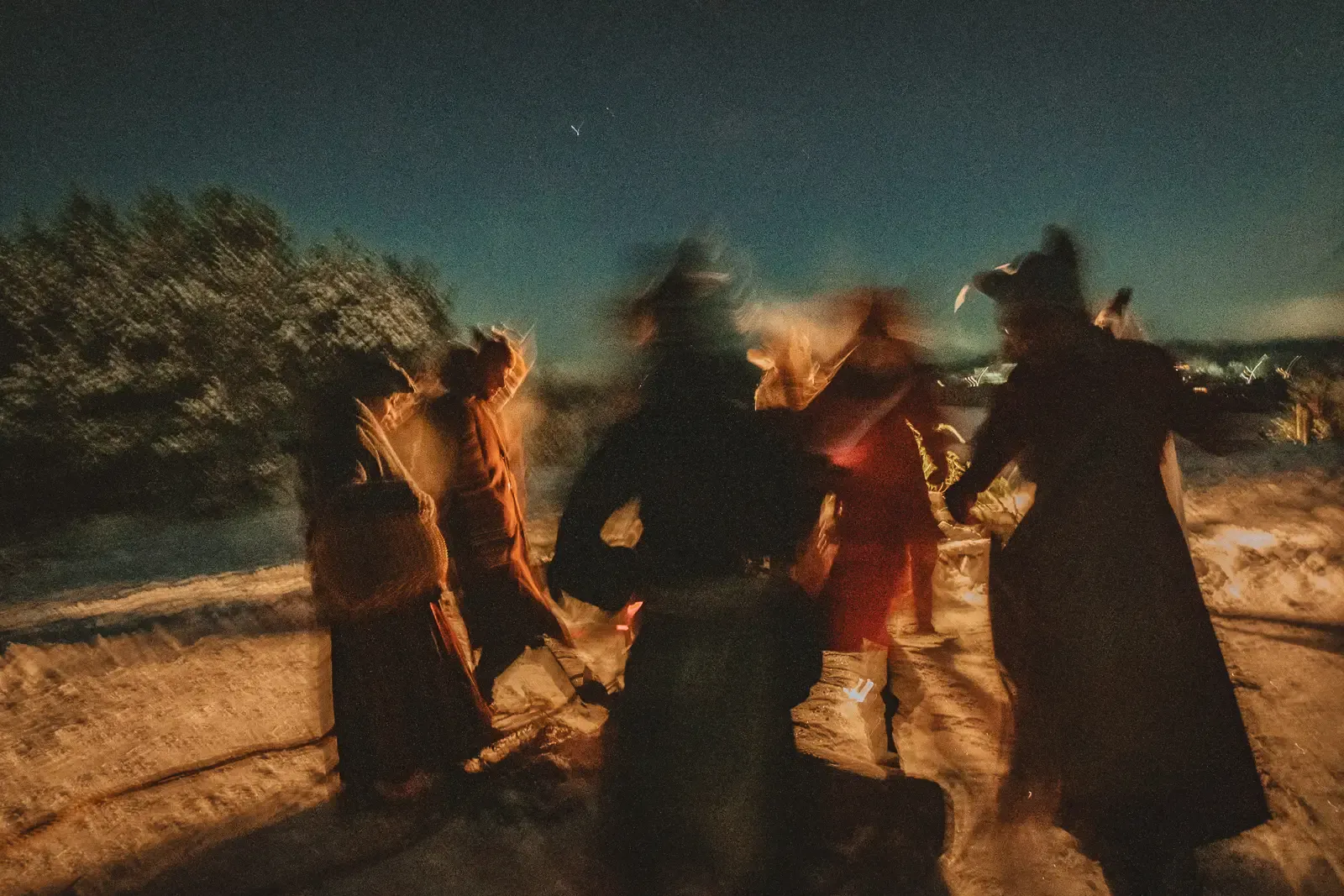
The word carol comes from the old French word ‘carole’, which meant a popular circle dance accompanied by singing. Think about that for a moment. These were pagan songs sung at winter solstice celebrations, as people danced around stone circles. Long before Christianity spread across Europe, communities gathered during the darkest days of winter to sing and dance, hoping to coax the sun back and celebrate the promise of longer days ahead.
Even before Christianity, it is thought that midwinter songs existed to keep up people’s spirits, along with dances, plays and feasts. Carols used to be written and sung during all four of the seasons. There were May carols for spring and harvest carols for autumn. Only the winter tradition survived with such strength, probably because humans have always needed something to brighten the coldest, darkest time of year.
How Christianity Borrowed From Pagan Festivals
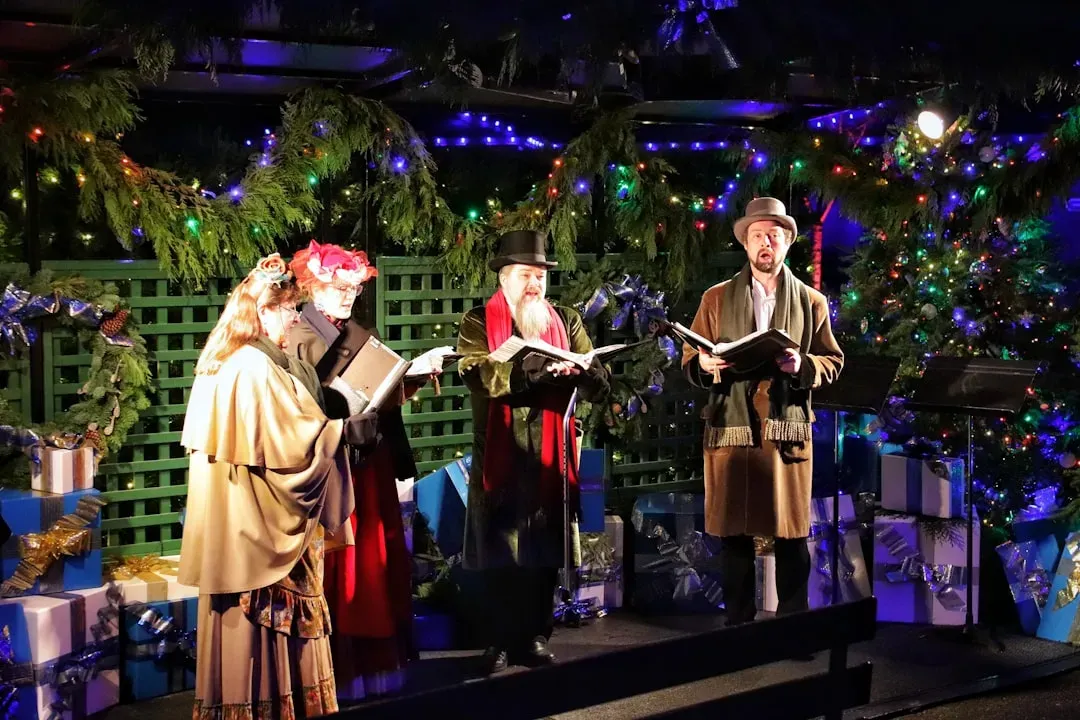
The origin of Christmas music lies in pagan rites of singing and dancing to celebrate mid-winter. Church services used lively music for their processions and these were given lyrics that taught features of the Bible story. Early Christian leaders faced a challenge. People loved their winter celebrations, and simply banning them wouldn’t work.
Early Christianity turned the pagan solstice tradition into a celebration for Christmas and gave people Christian songs to sing. In 129, a Roman Bishop said that a song called Angel’s Hymn should be sung at a Christmas service in Rome. It was a clever strategy, really. Rather than fighting centuries of tradition, the Church simply redirected it. Soon after this composers all over Europe started to write ‘Christmas carols’ but not many people liked them as they were written and sung in Latin, which was a language that not everybody could understand.
The Medieval Revolution That Made Carols Popular
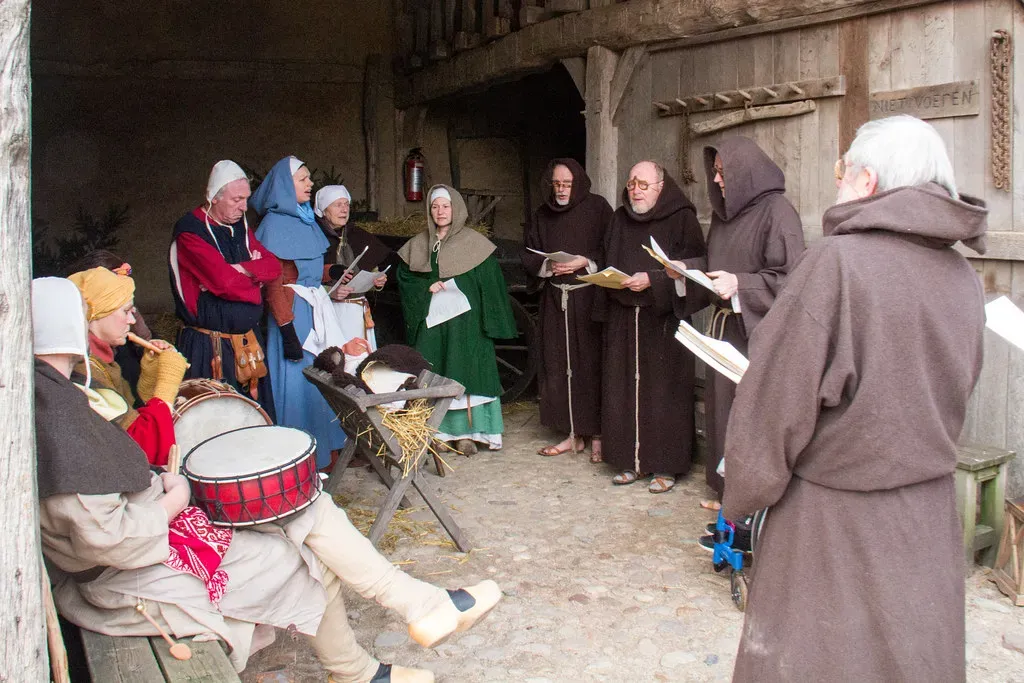
This was changed by St. Francis of Assisi when, in 1223, he started his Nativity Plays in Italy. The people in the plays sang songs or ‘canticles’ that told the story during the plays. Sometimes, the choruses of these new carols were in Latin; but normally they were all in a language that the people watching the play could understand and join in! This was revolutionary. Suddenly, ordinary people could participate in religious music without needing a theological education.
Christmas carols in English first appear in a 1426 work of John Awdlay, a Shropshire chaplain, who lists twenty five “caroles of Cristemas”, probably sung by groups of ‘wassailers’, who went from house to house. The songs spread like wildfire across Europe. The songs now known specifically as carols were originally communal songs sung during celebrations like harvest tide as well as Christmas. It was only later that carols began to be sung in church, and to be specifically associated with Christmas.
Wassailing: The Rowdy Ancestor of Modern Caroling
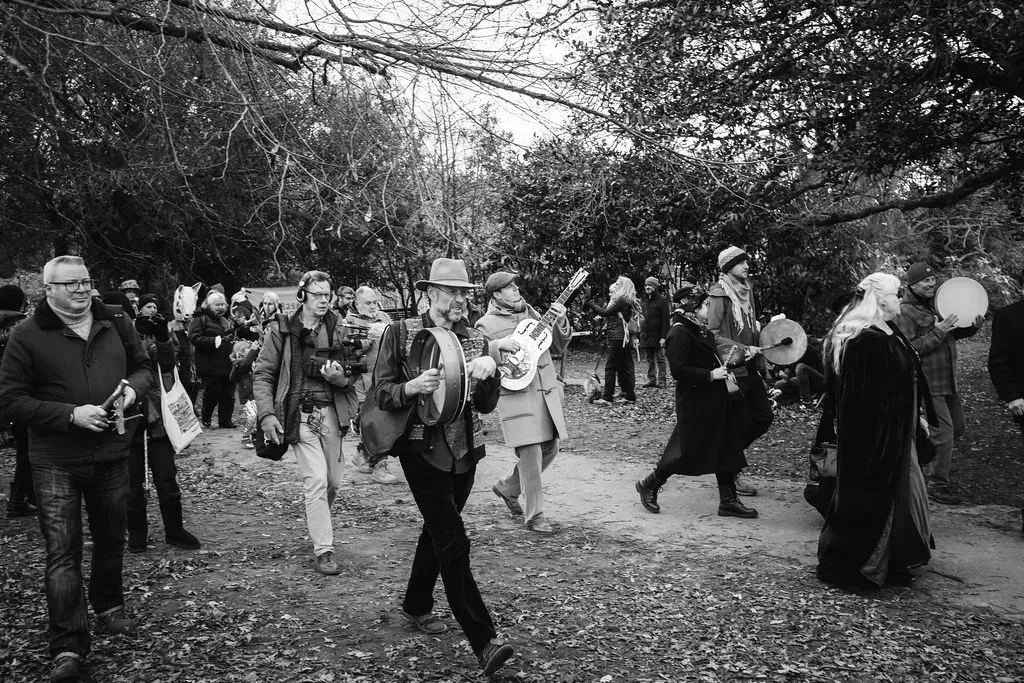
Here’s where things get interesting. This activity was known as wassailing and could, from the 16th century, involve singing around a particular fruit tree and passing around a communal bowl of ale or cider. By about 1600, the practice of taking a wassail bowl about the streets had taken root. Instead of consuming the punch-like concoction at home, wassailers went house to house offering a warm drink, sometimes expecting payment.
Let’s be real, wassailing wasn’t always the wholesome activity we imagine. Wassailing was associated with rowdy bands of young men who would enter the homes of wealthy neighbours and demand free food and drink. By the Middle Ages, the happy tradition of wassailing began to degrade into a form of drunken begging. Wassailing is the background practice against which an English carol such as “We Wish You a Merry Christmas” can be made sense of. The carol lies in the English tradition where wealthy people of the community gave Christmas treats to the carol singers on Christmas Eve such as ‘figgy puddings’.
When Christmas Carols Were Actually Banned
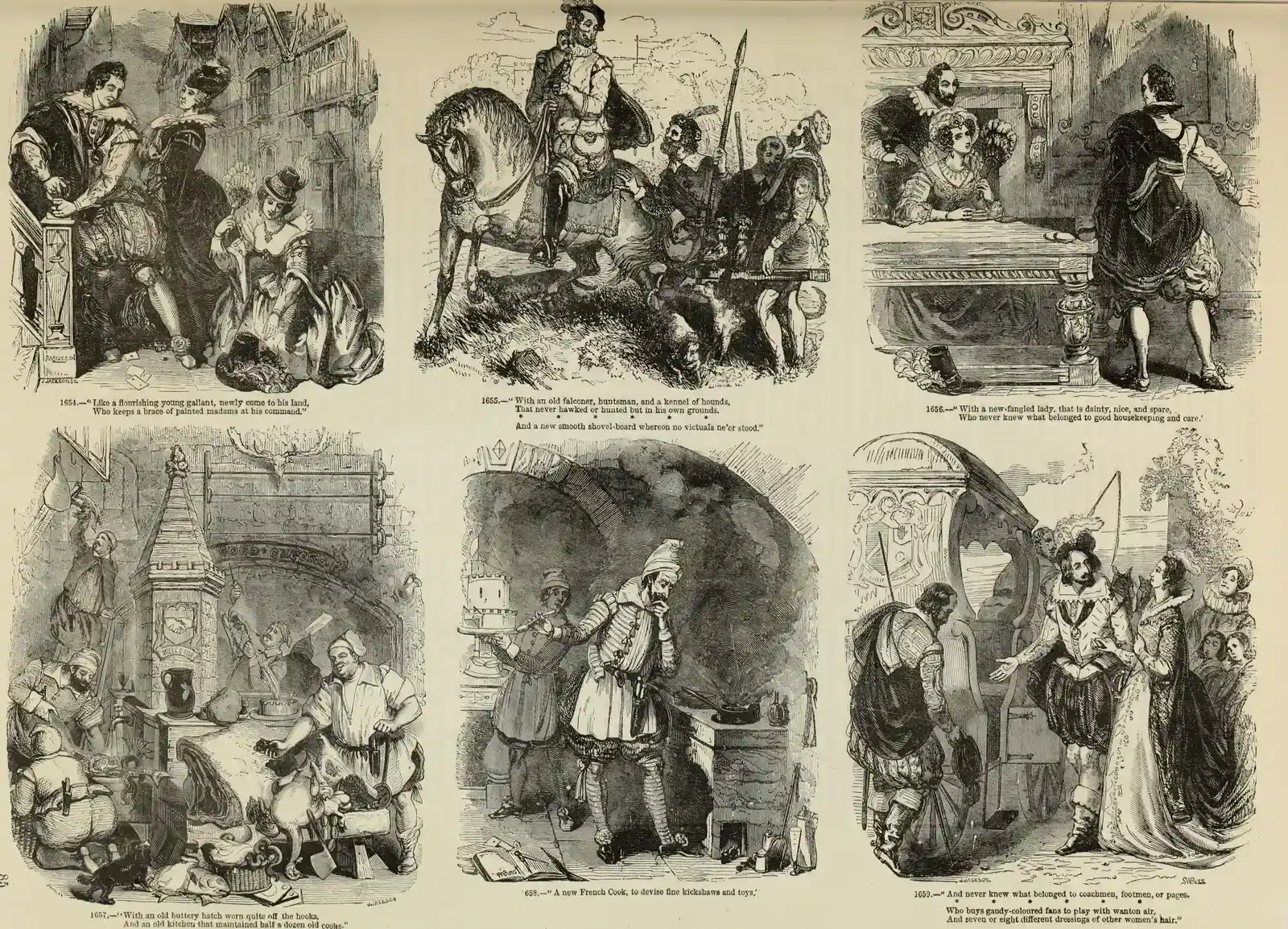
You might not expect this, but carols went underground for a while. When the Puritans came to power in England in 1640s, the celebration of Christmas and singing carols was stopped. However, the carols survived as people still sang them in secret. Oliver Cromwell and his followers considered Christmas celebrations frivolous and ungodly.
The Puritans considered such festivities frivolous and unholy, and carols were largely suppressed, due in part to their roots in Pagan celebrations. Imagine that. People risking trouble just to sing festive songs. However, carols survived as people still sang them in secret. But carols remained mainly unsung until Victorian times, when Christmas became a holiday families could enjoy and music became a big part of the celebrations. The ban lasted roughly two decades, proving that you can’t easily suppress traditions people genuinely love.
The Victorian Era Brought Carols Back From the Shadows
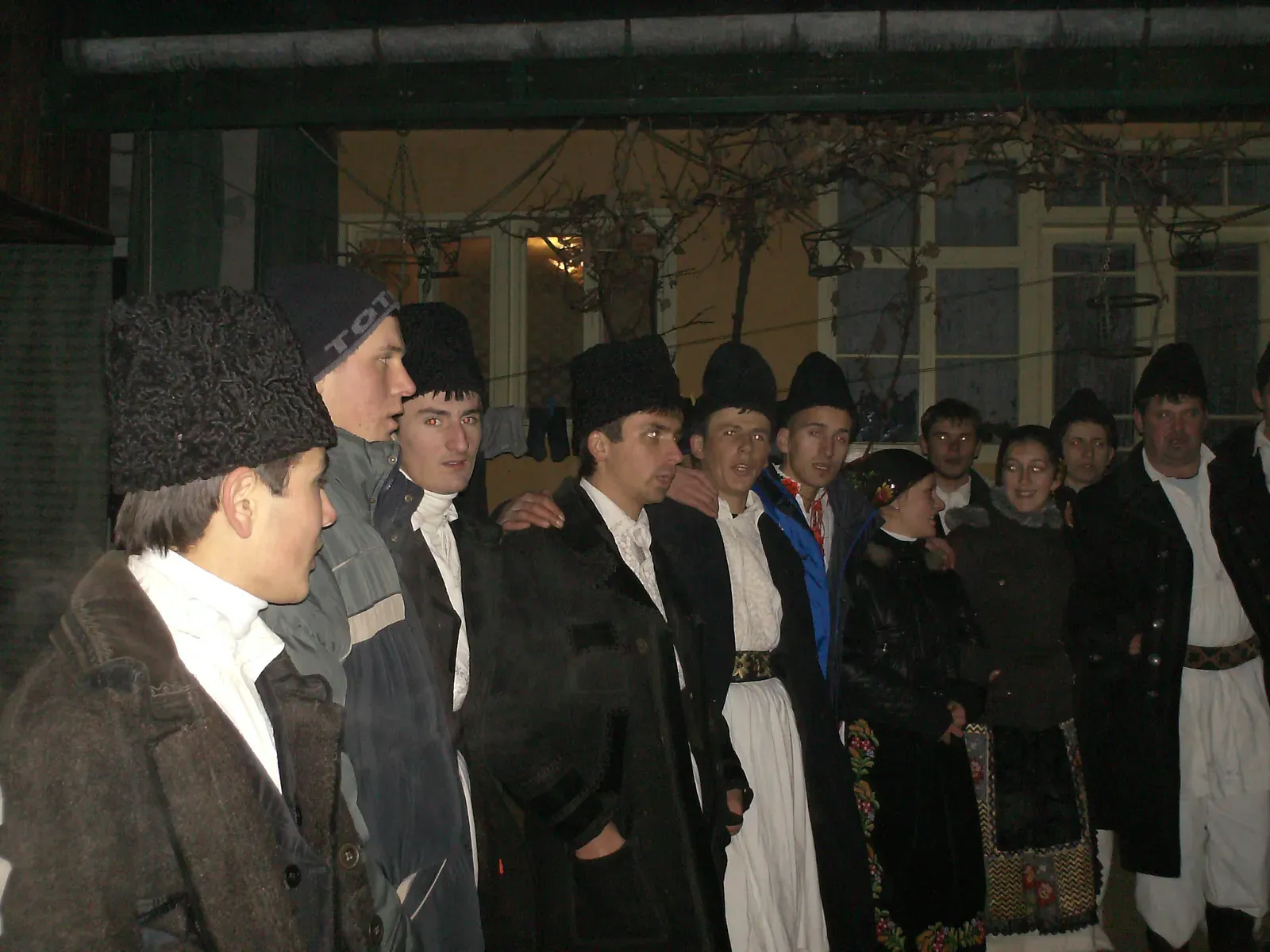
The revival came in the Victorian era, fuelled by a renewed interest in Christmas traditions. This period saw the publication of numerous carol collections, such as Christmas Carols, Ancient and Modern by William Sandys in 1833. The Victorians essentially rescued carols from obscurity and made them respectable again.
It was during this time that two Cornishmen, William Sandys and Davis Gilbert began collecting old seasonal music from villages all round England. Gilbert published two small collections of carols and Sandys published the lyrics and tunes to over 100 carols. In Victorian times, caroling came into its own, distanced from its context of alcohol consumption and rowdiness. They cleaned up the tradition, made it family-friendly, and turned it into something churches could embrace wholeheartedly.
The Curious Case of Famous Carols With Hidden Stories
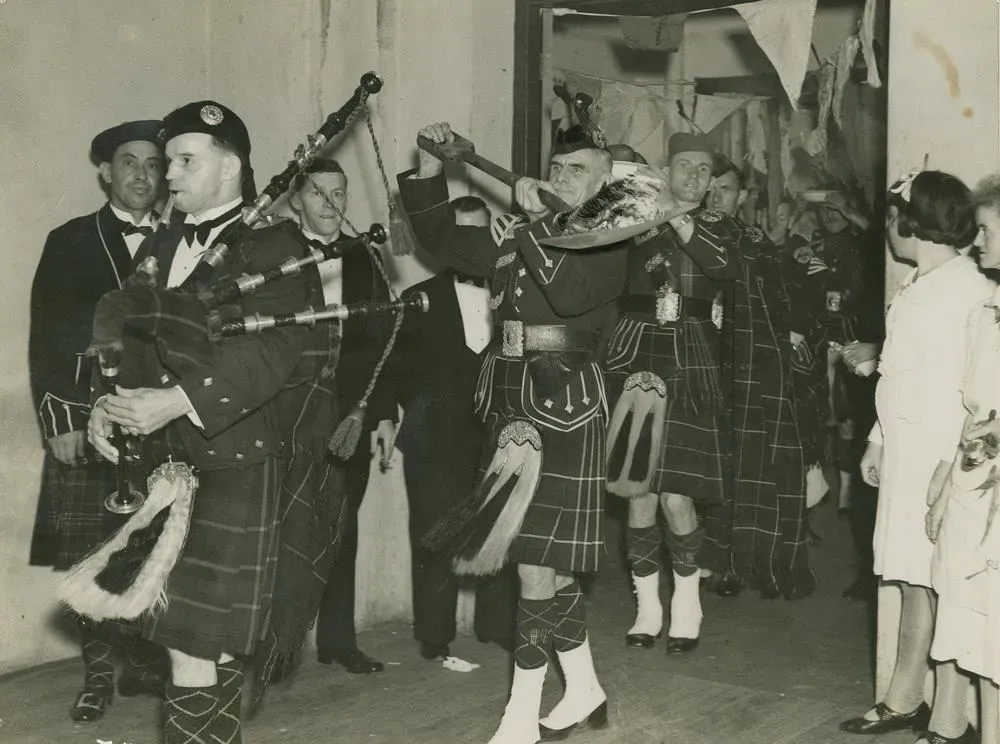
Many carols you know have bizarre backstories. The original first two lines are, “Hark how all the welkin rings, Glorious the king of kings.” And quite obviously, this is pretty obscure. Even in the early 18th century, “welkin” was a rather old-fashioned way of saying heaven or sky. And so quietly and tactfully, the Methodist preacher George Whitefield tidied the thing up and, in 1754, added the two opening lines that have remained ever since. That’s right, “Hark the Herald Angels Sing” originally featured a word nobody understood.
The words and music were not always written at the same time. The music for Ding Dong Merrily on High dates back to the mid-1500s but the lyrics are from the 1800s. The tune for Good King Wenceslas is a medieval dance tune from the 1200s, while the words were written in the 1800s. These songs are musical frankenstein creations, stitched together across centuries. In particular, ‘Away in a Manger’ first appeared in a number of American magazines in the 1880s. So it’s almost certainly a fake in that sense, written by clearly quite a brilliant American in the late 19th century who chose to conceal her or his identity.
How Silent Night Became the World’s Most Famous Carol

On Christmas Eve, 1818, Mohr brought the words to Gruber and asked him to compose a melody and guitar accompaniment for that night’s mass, after river flooding had possibly damaged the church organ. Gruber only had a few hours to compose a melody that could be played on a guitar. By that evening, Gruber had composed a musical setting for the poem. Talk about working under pressure.
Impressed, Mauracher took copies of the music and words back to his own Alpine village, Kapfing. There, two well-known families of singers – the Rainers and the Strassers – heard it. Captivated by “Silent Night,” both groups put the new song into their Christmas repertoire. The carol spread throughout Europe through travelling folk singers. It is one of the most recorded Christmas songs, with more than 137,000 known recordings. The carol has been translated into about 300 languages. Not bad for a song composed in a few frantic hours because a church organ broke.
Conclusion
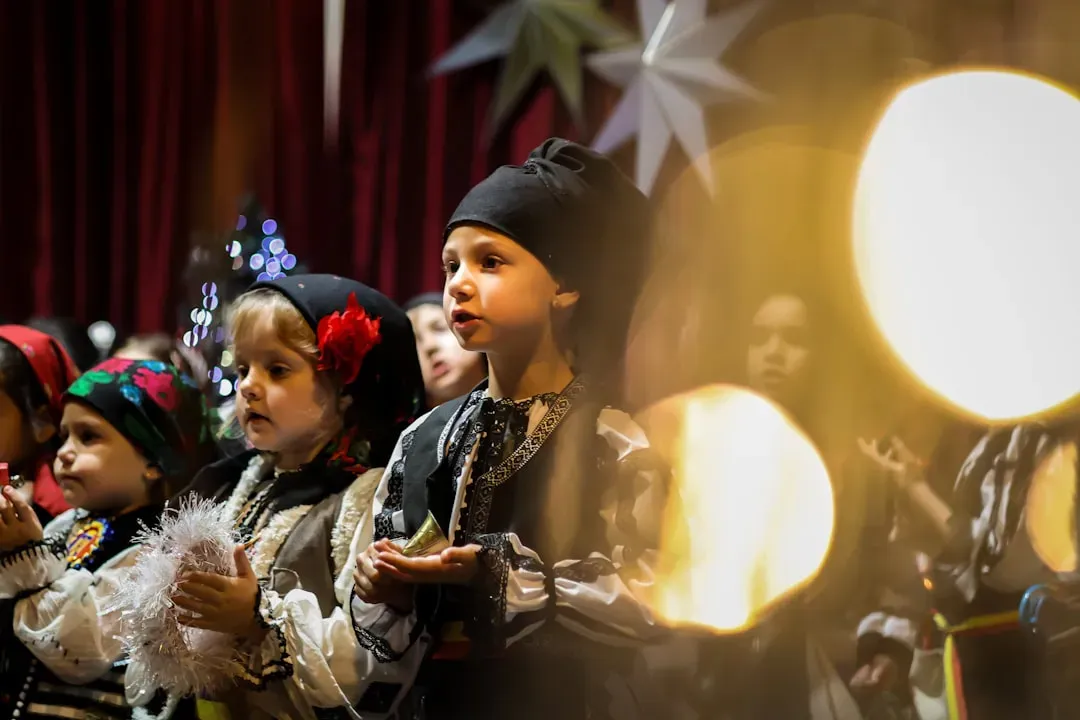
The history reveals something profound about human nature. We’ve been singing through the darkness of winter for thousands of years, adapting these songs to fit whatever beliefs we hold. From pagan circle dances to rowdy wassailing sessions to the polished carol services of today, the music has survived because it meets a deep human need for community, celebration, and hope during the coldest time of year.
Next time you hear carolers at your door or sing along to a familiar tune, remember you’re participating in a tradition that connects you to countless generations stretching back to people dancing around stone circles in the depths of winter. Those ancient singers would probably recognize the spirit behind what we’re doing, even if the specific songs have changed.
What’s your favourite carol, and does knowing its history change how you hear it?