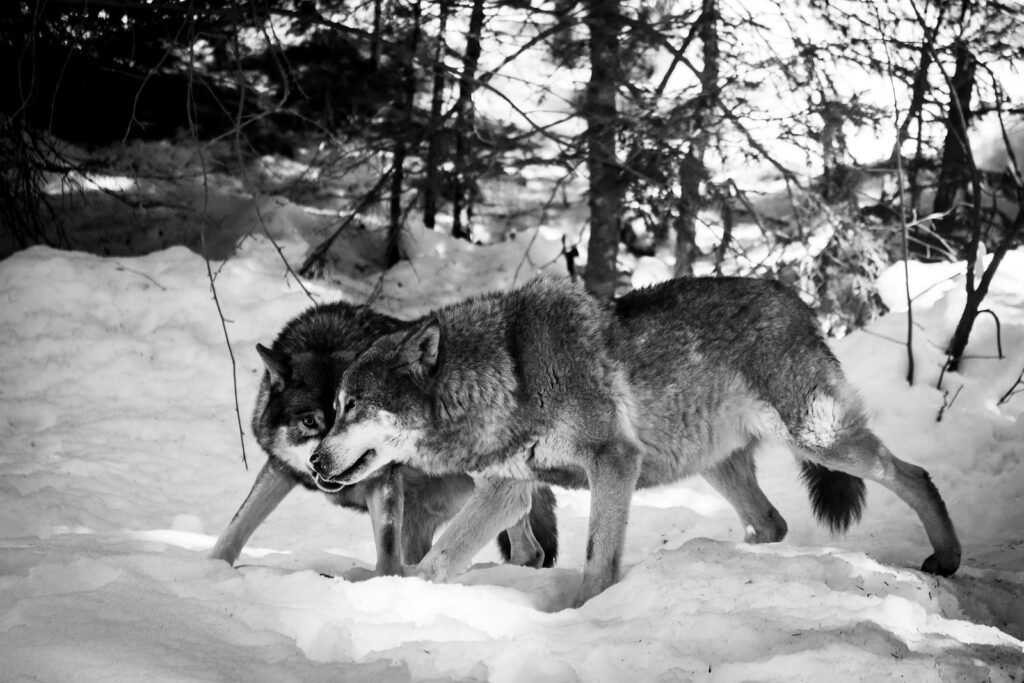

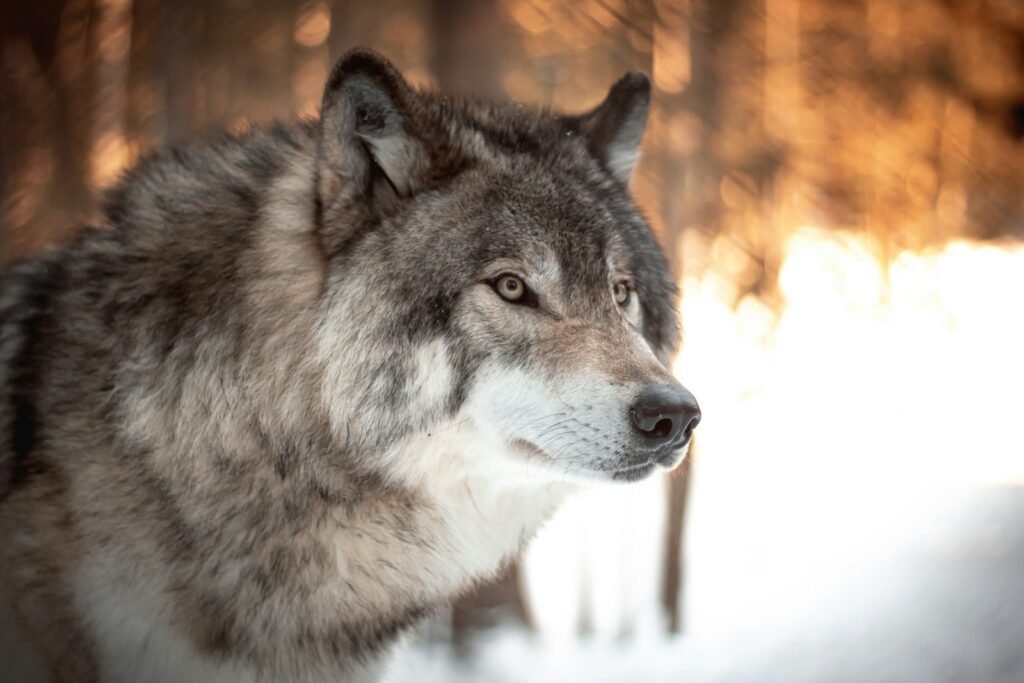
On paper, Colorado’s wolf story reads like a conservation success: a long‑lost native predator returning to the Rockies after being wiped out by people nearly a century ago. On the ground, it feels more like a slow‑burning conflict, with joy, anger, fear, and politics all tangled together in one fraught experiment. In 2020, voters narrowly approved Proposition 114, ordering the state to bring wolves back west of the Continental Divide by the end of 2023, a first-of-its-kind decision made at the ballot box rather than by biologists alone. Since the first GPS-collared wolves trotted out of crates in December 2023, opposition in rural counties has only hardened, even as urban Coloradans celebrate the return. Understanding why requires looking beyond simple “pro-wolf” versus “anti-wolf” labels and into history, economics, identity, and trust. The resistance is not just about the animal itself, but about who gets to decide what wildness looks like – and who pays the price for it.
The Hidden Clues: What Wolves Represent, Not Just What They Do
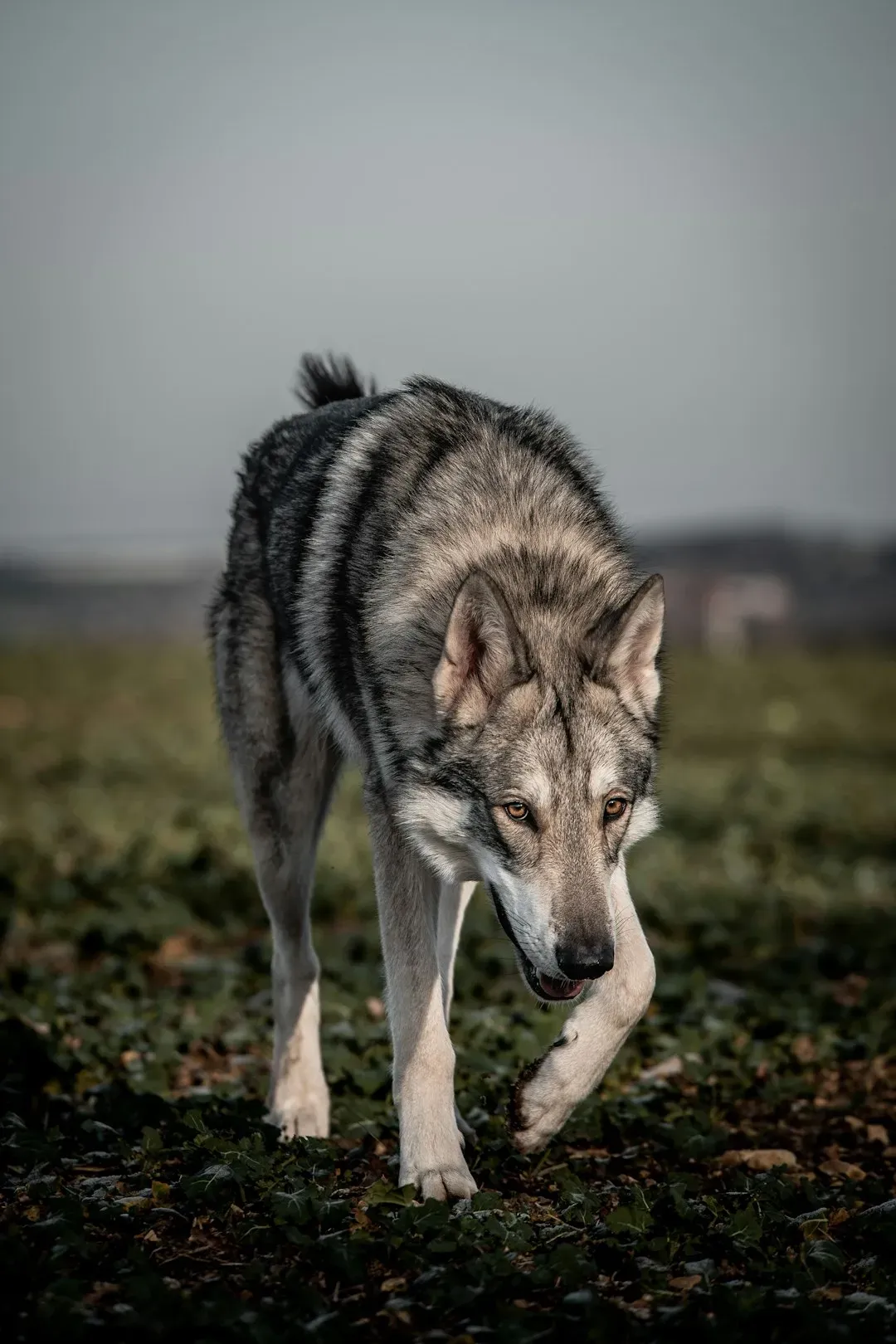
Ask a rancher in western Colorado about wolves, and you often hear less about biology and more about betrayal. For many people on the Western Slope, wolves have become a symbol of outside control, another decision handed down by Denver and Front Range voters who will never lose a calf or lamb to predators. That symbolic weight matters; the same teeth that ecologists see as tools restoring ecosystems can feel, to those living with wolves, like a reminder that their way of life is negotiable. Even small numbers of wolves can loom large in the imagination, especially when combined with memories of federal land rules, endangered species regulations, and earlier fights over bears, lions, and sage-grouse habitat.
In that sense, resistance to wolves is also resistance to feeling overruled. Many rural communities already feel pushed to the political and cultural margins, and the wolf vote became a vivid example: the measure passed statewide only because urban counties outweighed the no votes in most western and northern rural counties. That spatial split deepened the sense that wolves are being reintroduced “to us” instead of “by us.” The animals themselves then become stand‑ins for deeper anxieties: about economic survival, demographic change, and whether traditional working lands still count as part of the future Colorado imagines. You cannot solve that kind of conflict with a pamphlet about wolf biology alone.
From Eradication to Reintroduction: A History That Still Stings
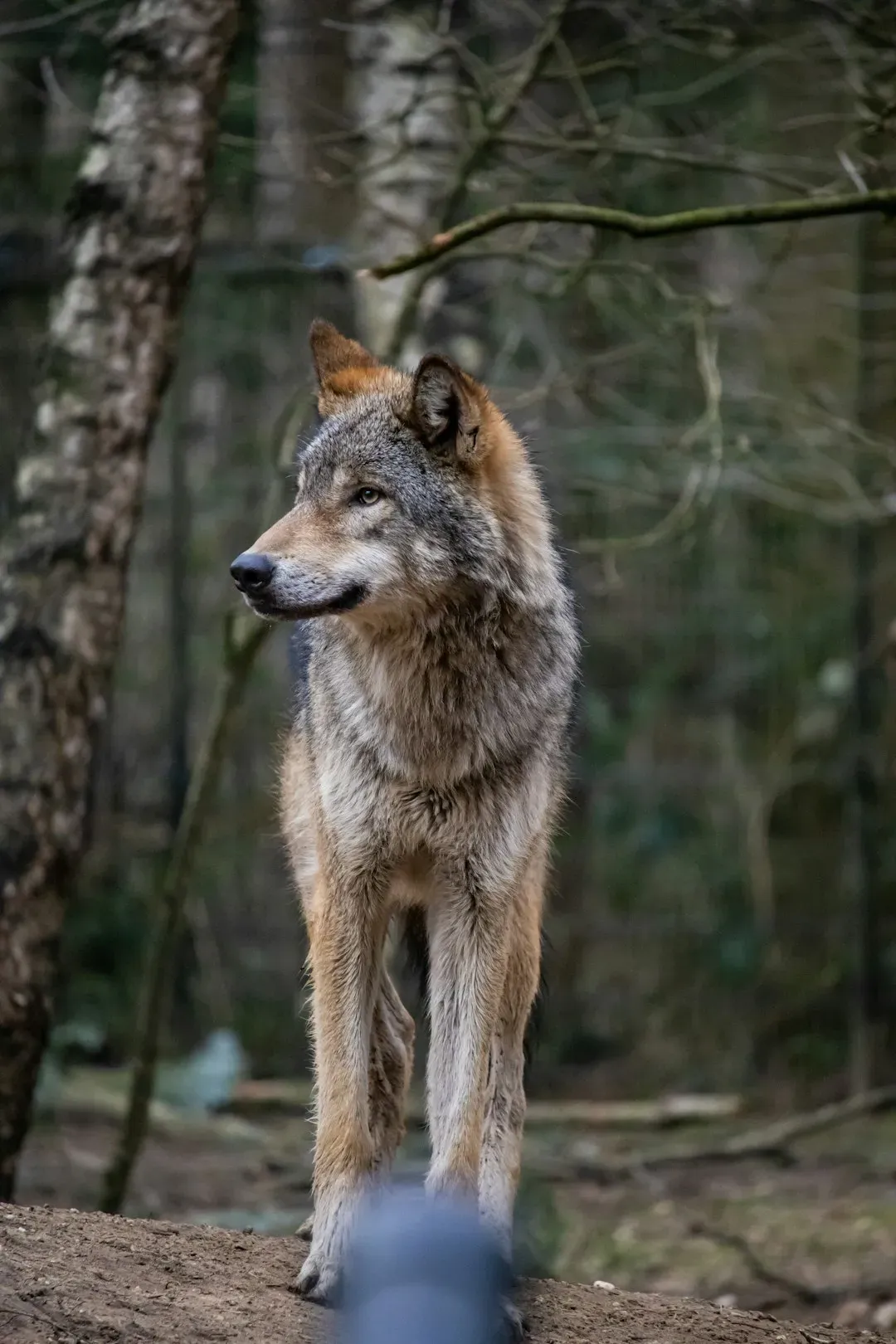
Colorado’s wolves did not simply fade away; they were systematically hunted, trapped, and poisoned out of existence by the mid‑twentieth century. Bounties paid for wolf carcasses, federal agents deployed poisons across rangelands, and the message was clear: predators were enemies of progress. That history is not ancient; some older ranching families grew up hearing stories of great‑grandparents who joined wolf hunts, and they learned that success meant a landscape finally made “safe” for livestock. When those same families now watch the state truck wolves back in under an endangered species framework, it can feel like their ancestors’ hard work is being branded as a historic mistake.
At the same time, conservationists remember a different history: an entire ecological role erased, with ripple effects on deer and elk, vegetation, and rivers. The modern narrative of wolves as keystone predators, reinforced by high‑profile stories from Yellowstone, has become a sort of environmental parable about humility and course correction. That clash of historical stories – wolves as hard‑won victory over danger versus wolves as emblem of past overreach – means the debate is not just about today’s impacts but about whose version of the past gets honored. When each side sees their history as under revision, compromise starts at a disadvantage. The old wounds around predator control have simply been reopened, not erased, by reintroduction.
Counting Calves and Costs: Real Economic Fears on the Range
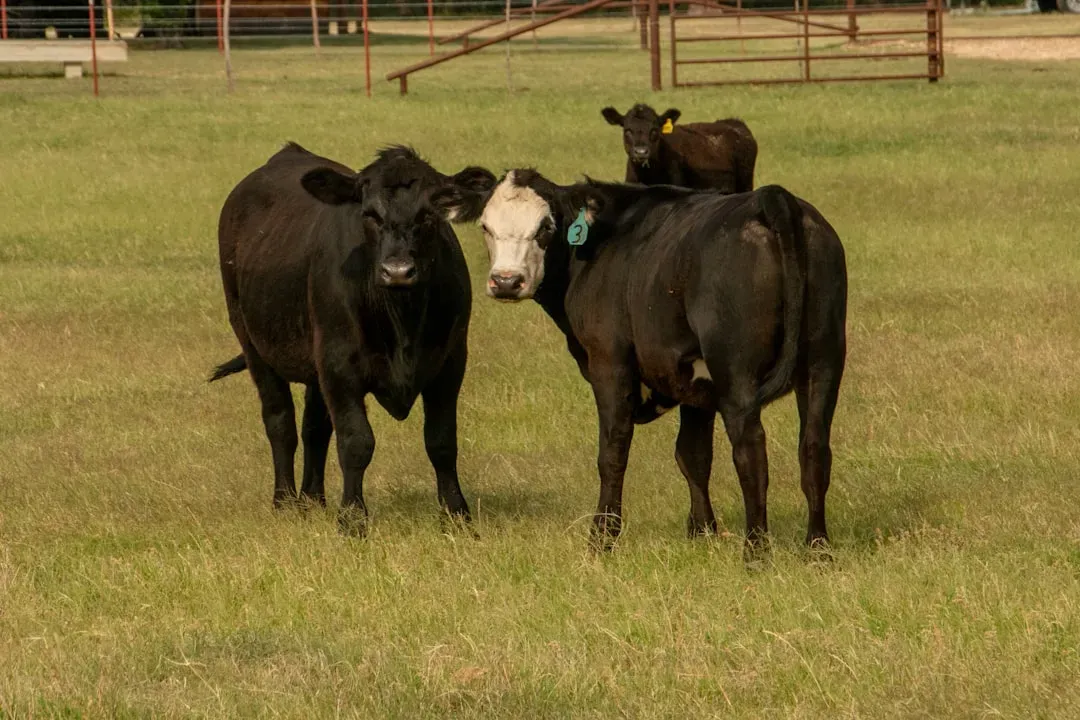
For ranchers, resistance to wolves is grounded in more than just symbolism; it is rooted in spreadsheets. Losing even a handful of calves or lambs in a tight-margin operation can be the difference between a viable year and going into more debt. Wolf depredations, confirmed and suspected, also carry hidden costs: sleepless nights, extra time moving herds, hiring additional riders, and investing in fencing or guard animals. Many ranchers point out that they already juggle weather swings, volatile markets, and competition from large corporate operations; another risk, especially one imposed by a statewide vote, can feel intolerable.
Compensation programs exist, and Colorado has committed to paying market value – and in some cases, additional amounts – for verified wolf kills. But the process of proving depredation is often slow and contentious. Carcasses might be scavenged before investigators arrive, and the burden of proof falls heavily on the producer whose trust is already strained. Some ranchers worry that public perception still paints them as expendable: that urban residents want wolves on iconic landscapes but have limited patience for the messy realities of coexistence. When the math on the ground does not pencil out, promises of “ecosystem benefits” can sound painfully abstract.
Trust, Science, and the Urban–Rural Split
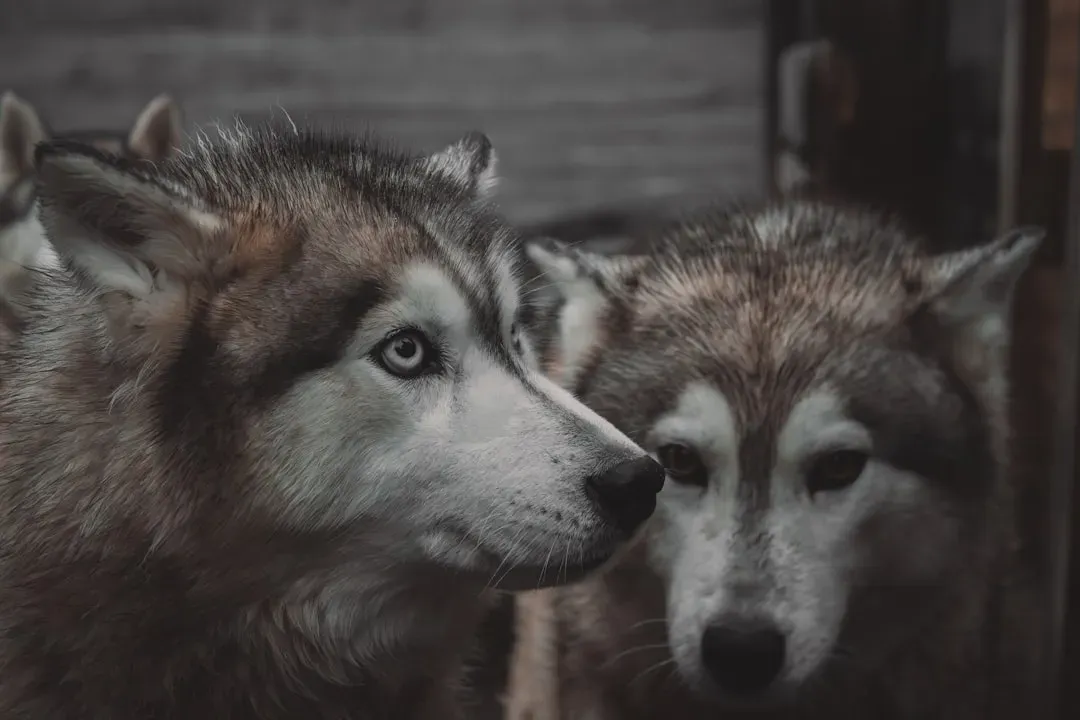
One of the most striking features of Colorado’s wolf fight is the geographic pattern of support and opposition. The vast majority of yes votes in 2020 came from the Front Range corridor – Denver, Boulder, Fort Collins, and their suburbs – places where wolves are unlikely ever to den livestock or cross a schoolyard. In those communities, wolves are primarily encountered through documentaries, social media photos, and stories of Yellowstone visitors glimpsing a shy gray form on a distant ridge. They become symbols of wildness and climate resilience, a way to imagine the West as something bigger than highways and subdivisions.
Out where reintroduction is happening, the relationship with science itself can feel complicated. Wildlife biologists bring data on average depredation rates, elk herd dynamics, and nonlethal deterrent effectiveness. But residents often feel that their lived experience – knowing every draw and pasture on a ranch, tracking a band of sheep through sudden snow – is being discounted if it clashes with models and projections. This can turn scientific communication into a proxy battle over respect. When people feel talked down to, even solid studies can be dismissed as just another tool wielded by distant agencies and advocacy groups. Rebuilding trust may rely less on more data and more on long-term relationships, local hiring, and actually sharing decision-making power.
Why It Matters: Beyond Wolves to the Future of Working Wildlands
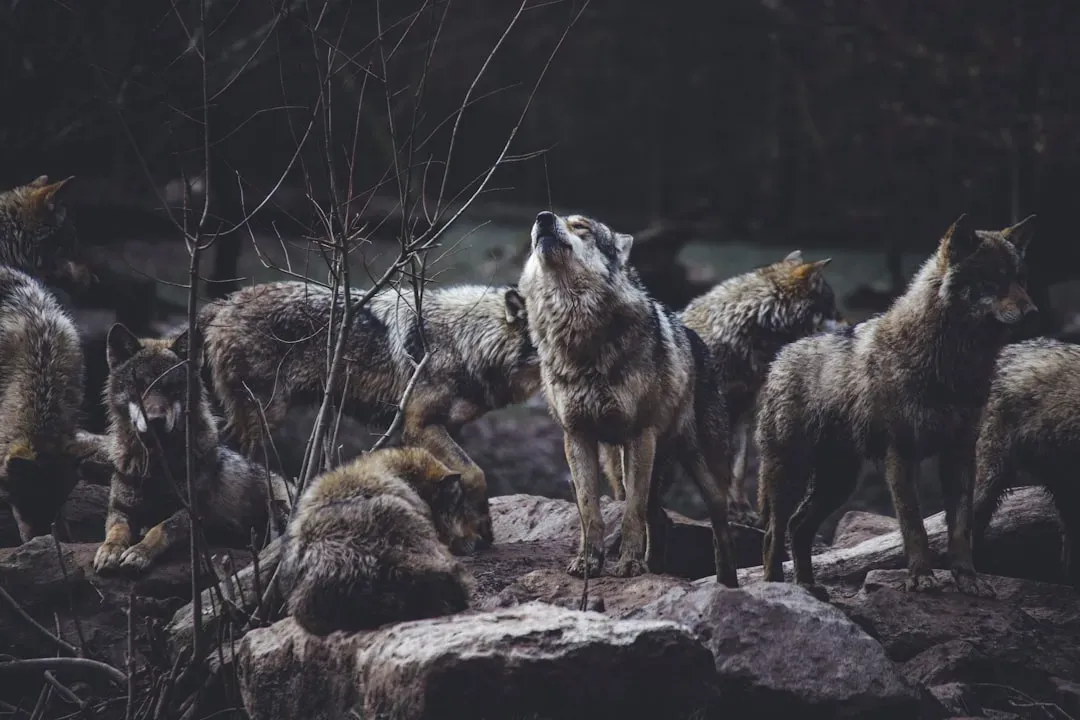
Wolves are only one species, but the way Colorado handles them could echo far beyond canid biology. Modern conservation debates increasingly play out on landscapes that are both wild and working: ranches that host elk migrations, river valleys that support both irrigation and native fish, forests that need to be both logged and protected. If wildlife decisions become something done to people who live in these places, rather than with them, future efforts around beavers, bighorns, or fire management will likely face even fiercer pushback. Resistance to wolves is, in this sense, an early test of whether conservation can coexist with cultural continuity.
There is also a national and even global audience watching. Other states considering predator restoration or large carnivore corridors are looking at Colorado as a live case study of wildlife by referendum. If the experiment collapses into constant litigation, poaching, and political backlash, it may chill ambitious conservation measures elsewhere. On the other hand, if the state manages to reduce conflicts and slowly build local buy‑in, it could offer a template where rural economies, indigenous perspectives, tourism, and biodiversity all have a stake. That makes the current resistance not just a local problem to defuse, but a signal about how societies will share space with recovering species in a crowded century.
Global Perspectives: Colorado in the Company of Wolves Worldwide
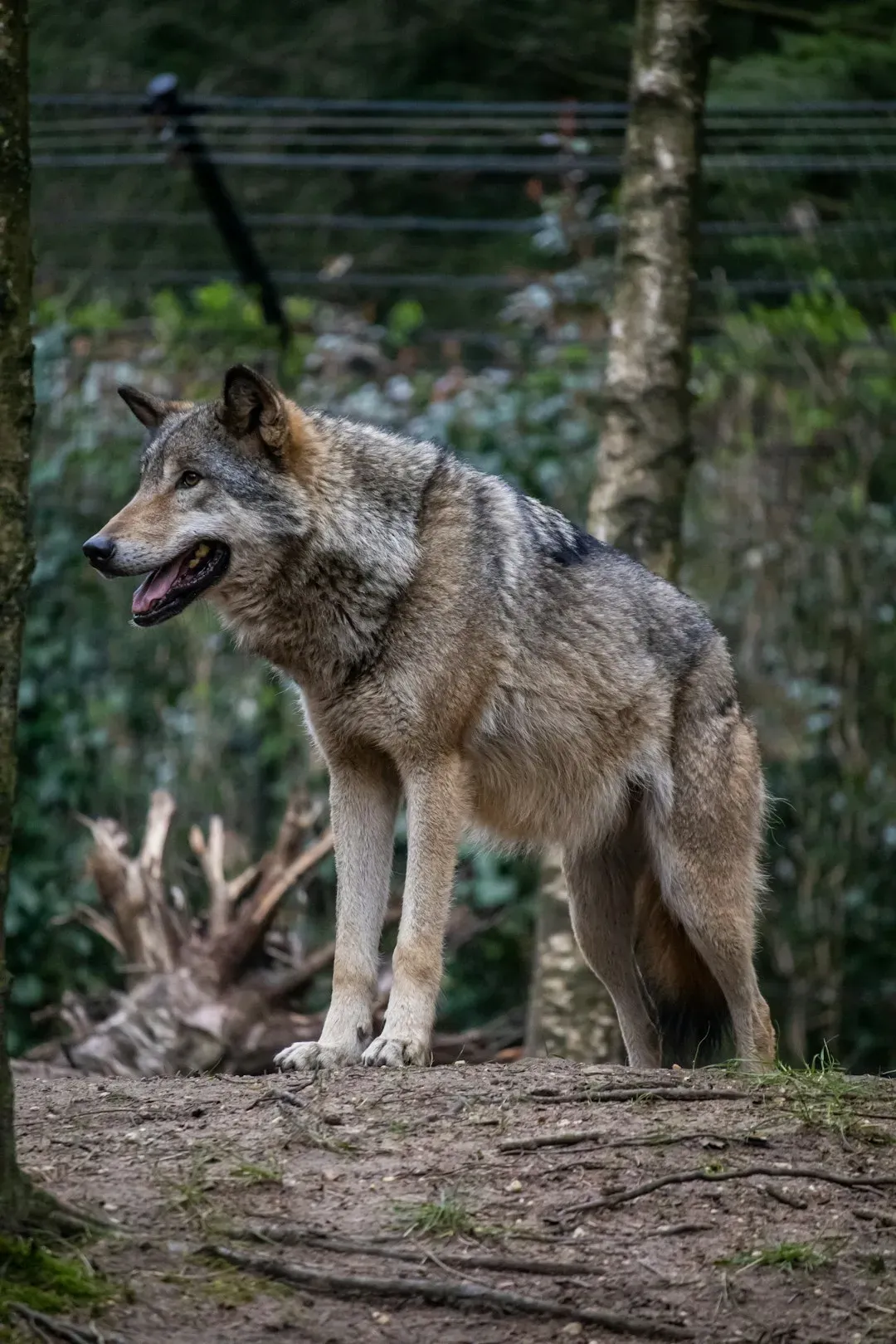
Colorado is not the first place to wrestle with the return of big predators. In parts of Europe, wolves have rebounded dramatically without deliberate reintroduction, spreading from strongholds in Italy and Eastern Europe into Germany, France, and even the outskirts of major cities. There, too, farmers and herders have expressed anger at urban governments that celebrate wolves while offering what they see as inadequate support. In Scandinavia, heated battles over small wolf populations have hinged less on pure numbers and more on questions of cultural identity, hunting traditions, and rural representation. These patterns underline that resistance is rarely just about livestock losses alone.
Globally, some regions have found partial paths forward. Widespread use of livestock-guarding dogs, night corrals, and herder cooperatives has helped in parts of southern Europe and the Caucasus, though none of these tools are silver bullets. Long-term coexistence often seems to depend on consistently funded compensation and prevention programs, transparent decision-making, and a willingness to adjust wolf numbers when conflicts spike. For Colorado, the lesson is that the emotional and political landscape must be managed with as much care as the ecological one. Looking abroad shows that demonizing opponents or romanticizing wolves tends to harden lines rather than soften them.
The Future Landscape: Technology, Policy Tension, and Climate Wild Cards
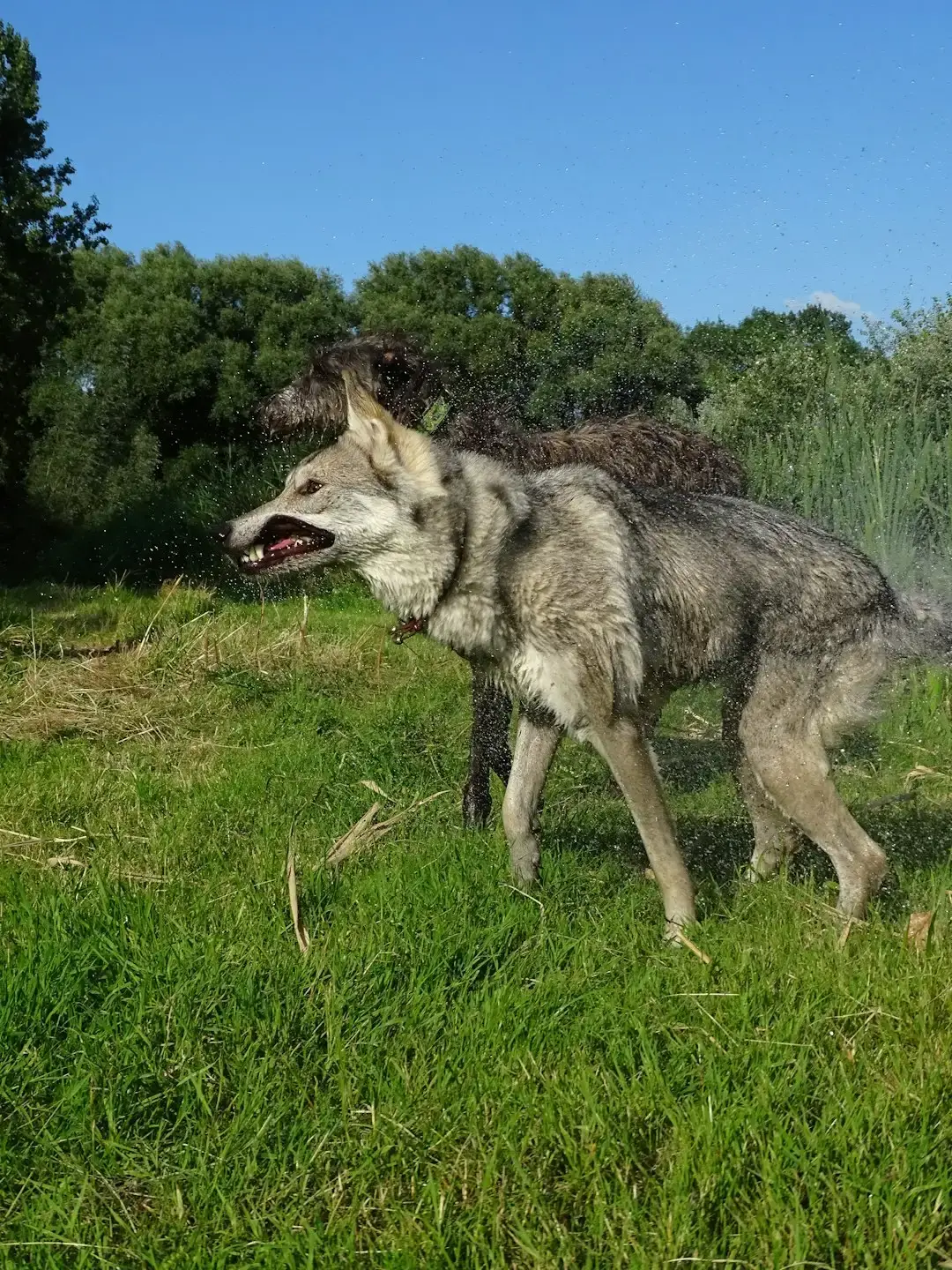
Looking ahead, the resistance to wolves in Colorado will likely evolve alongside new tools and pressures. GPS collars already allow biologists to track reintroduced wolves in real time, and similar technology is increasingly used to send alerts to ranchers when collared animals approach their grazing areas. There is growing interest in using drones, remote cameras, and acoustic devices to monitor packs and test deterrents. Yet technology can also deepen mistrust, especially if locals feel they have more data about wolves than about their own economic prospects. The sense of who controls the information – and who benefits from it – will matter as much as any gadget.
Climate change adds another unpredictable layer. As snowpack, drought, and wildfire patterns shift, elk and deer may change migration routes and timing, potentially altering how and where wolves hunt. Livestock operations will also adapt, sometimes moving herds into new areas or adjusting grazing seasons, which may either reduce or increase overlap with predators. At the policy level, federal endangered species protections could be adjusted over time, creating waves of regulatory uncertainty. That means the social contract around wolves cannot be a one‑time deal struck in 2020; it will need to be revisited as conditions shift. The question is whether those negotiations feel collaborative or imposed.
Paths Through the Conflict: What Ordinary Coloradans Can Do
For people far from wolf country, it is easy to treat the issue as a simple morality play, with wolves cast as heroes and opponents as villains. In reality, bridging the divide starts with listening. Urban residents who supported reintroduction can seek out firsthand accounts from ranchers, outfitters, tribal members, and rural county officials, not to agree with everything but to understand the daily realities behind the headlines. Supporting well-designed nonlethal coexistence programs – through donations, volunteering, or simply speaking up for steady state funding – can help turn abstract values into practical help on the ground.
There are also small but meaningful steps any reader can take. Staying informed about how compensation programs work, and urging state leaders to make them timely and fair, sends a signal that rural losses are not being dismissed as acceptable collateral damage. Visiting western Colorado as a respectful tourist, supporting local businesses, and learning about the human history of these landscapes can widen the story beyond a single charismatic predator. For those passionate about wildlife, backing science communication that is honest about trade‑offs, rather than purely celebratory, may actually build more durable support. In the end, the future of wolves in Colorado will be decided not just by laws and lawsuits, but by whether enough people are willing to see both the teeth and the trust issues behind them.
Suhail Ahmed is a passionate digital professional and nature enthusiast with over 8 years of experience in content strategy, SEO, web development, and digital operations. Alongside his freelance journey, Suhail actively contributes to nature and wildlife platforms like Discover Wildlife, where he channels his curiosity for the planet into engaging, educational storytelling.
With a strong background in managing digital ecosystems — from ecommerce stores and WordPress websites to social media and automation — Suhail merges technical precision with creative insight. His content reflects a rare balance: SEO-friendly yet deeply human, data-informed yet emotionally resonant.
Driven by a love for discovery and storytelling, Suhail believes in using digital platforms to amplify causes that matter — especially those protecting Earth’s biodiversity and inspiring sustainable living. Whether he’s managing online projects or crafting wildlife content, his goal remains the same: to inform, inspire, and leave a positive digital footprint.