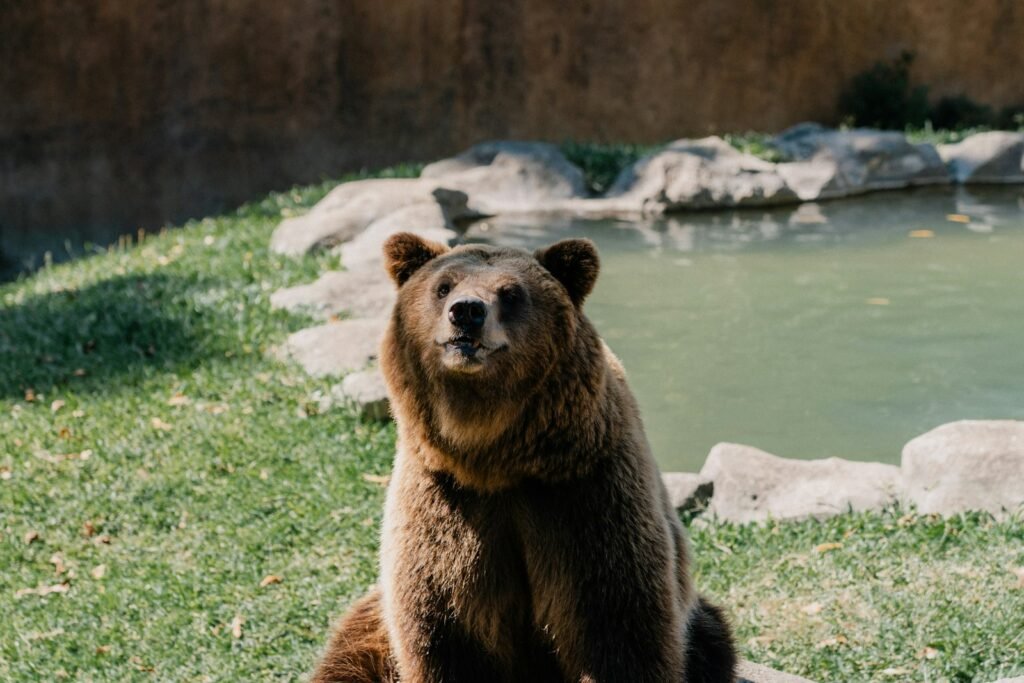

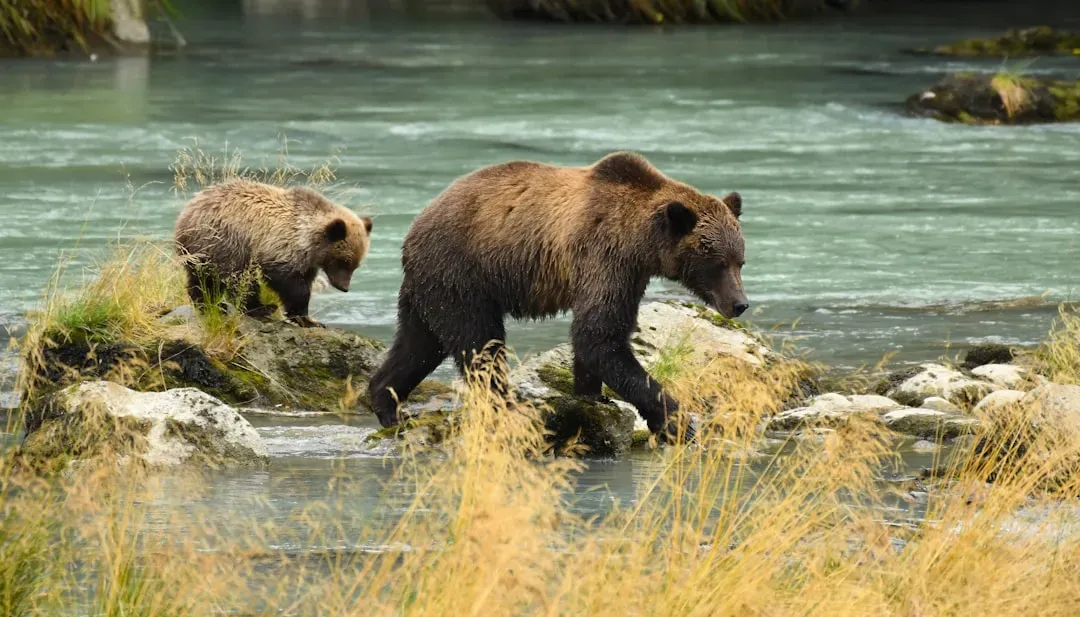
On the wind‑scoured tundra of Southwest Alaska, helicopters skim low over willow thickets while rifle shots echo against volcanic peaks. Down below, coastal brown bears and black bears – animals many people travel thousands of miles to see – are being tracked and killed in the name of boosting moose and caribou numbers. To some locals, it feels like long‑overdue predator control; to many biologists, it looks like a high‑stakes experiment with Alaska’s ecosystems. At the center of this conflict is a deceptively simple question: can you hunt and trap enough bears to meaningfully increase the number of ungulates without doing lasting damage? The answer is turning into one of the most controversial wildlife science stories in the state.
The Hidden Clues in Moose Declines
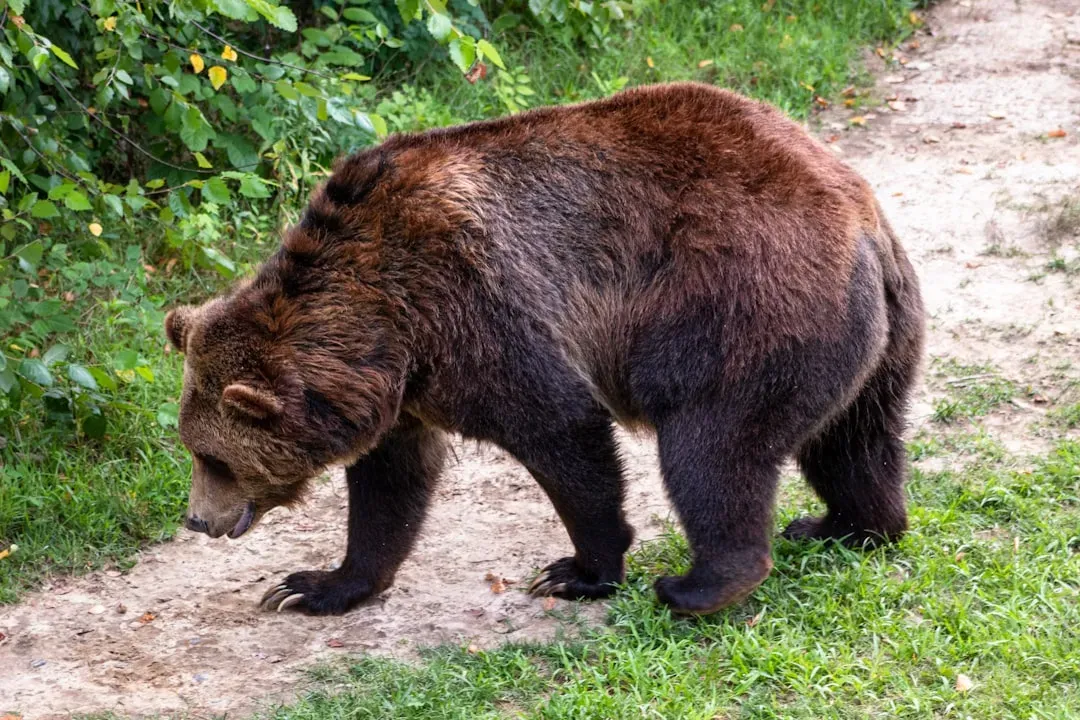
The story rarely starts with bears; it starts with missing moose. In several game management units in Southwest Alaska, hunters and residents have watched local moose numbers drop compared with past decades, triggering frustration and real concern about food security in rural communities. When biologists began digging into calf survival data, they found that predators – including brown bears, black bears, and wolves – were taking a large share of newborn calves in their first few weeks of life. That pattern is not surprising in the North, where calves are essentially walking packages of calories in a predator‑rich landscape, but the scale of predation in some valleys has alarmed managers.
Field studies using radio collars and calf mortality investigations have revealed that in some regions, bear predation appears to outpace wolf kills during the critical calving window. Managers have also heard repeated on‑the‑ground reports from hunters and pilots describing bears keying in on calving areas along river corridors and tundra benches. The combination of statistical evidence and local eyewitness accounts has helped build a narrative that bears are the primary obstacle to rebuilding moose herds in certain units. It is those hidden clues in carcass data and collar readings that have been used to justify intensified bear culls as a short‑term fix.
From Ancient Practices to Modern Predator Control
Predator control in Alaska is not a modern invention; it is more like an old tool pulled out of the shed and sharpened with new technology. For generations, Indigenous hunters have selectively taken bears and wolves around key hunting grounds, not with helicopters and telemetry, but with deep knowledge of seasonal movements and denning spots. In the twentieth century, territorial and then state wildlife agencies embraced more aggressive, often blunt predator control campaigns aimed at maximizing game numbers for human hunters. Aerial wolf gunning and bounties became part of the political landscape, and bears were sometimes swept into the same logic.
What is different today in Southwest Alaska is the combination of scientific monitoring and regulatory levers that can switch entire regions into predator‑control mode. State boards can authorize extended bear hunting seasons, liberalized bag limits, and even the killing of bears at or near dens, including females with cubs, in designated control areas. Aircraft and modern GPS tools give hunters and officials unprecedented ability to find bears in remote country. This evolution from traditional, localized predator management to large‑scale, policy‑driven culls is exactly what worries many ecologists, who see a risk of repeating old mistakes with new precision. The tools have changed, but the underlying debate – how much should people manipulate predators to favor prey – is remarkably old.
The Science: Do Bear Culls Really Boost Moose and Caribou?
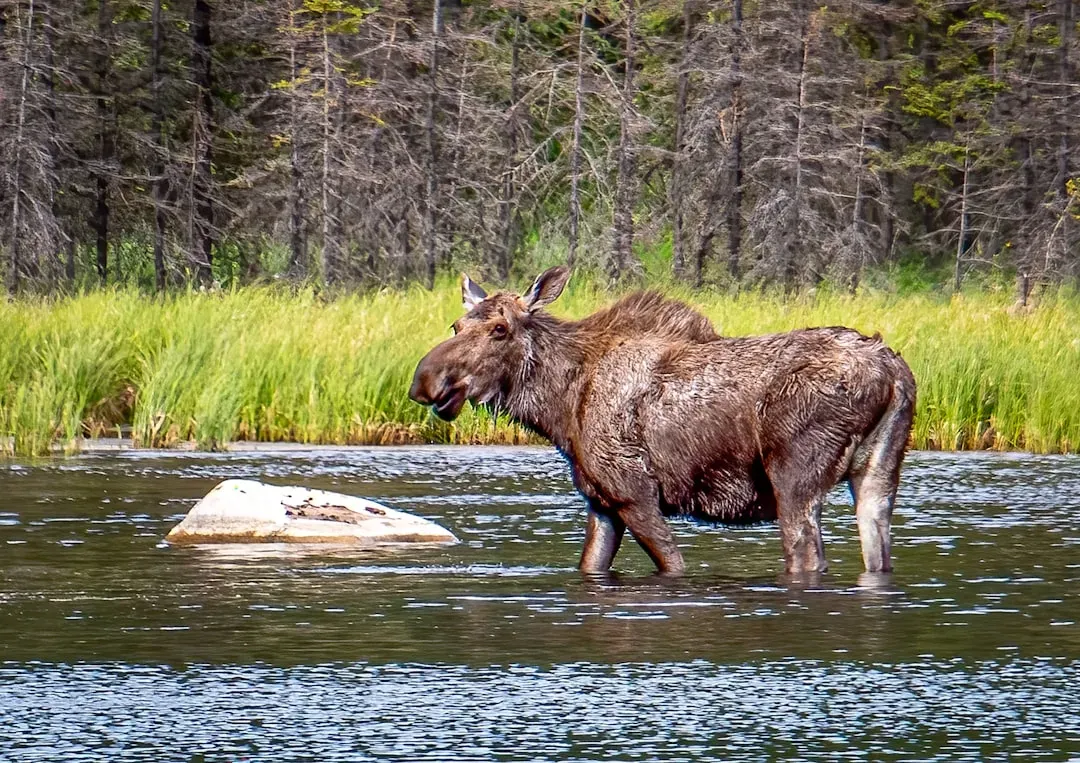
Behind the heated public meetings and emotional testimony, there is a quieter, more methodical story unfolding in data spreadsheets and peer‑reviewed papers. Wildlife scientists have long known that reducing predators can increase survival of young ungulates, at least for a time. But the effect is often highly local and temporary, like pulling a single pressure valve in a complex machine. Some studies in Alaska and Canada have shown short‑term bumps in moose calf survival when bears or wolves are heavily reduced, only for other factors – like harsh winters, habitat quality, and food competition – to push populations back down.
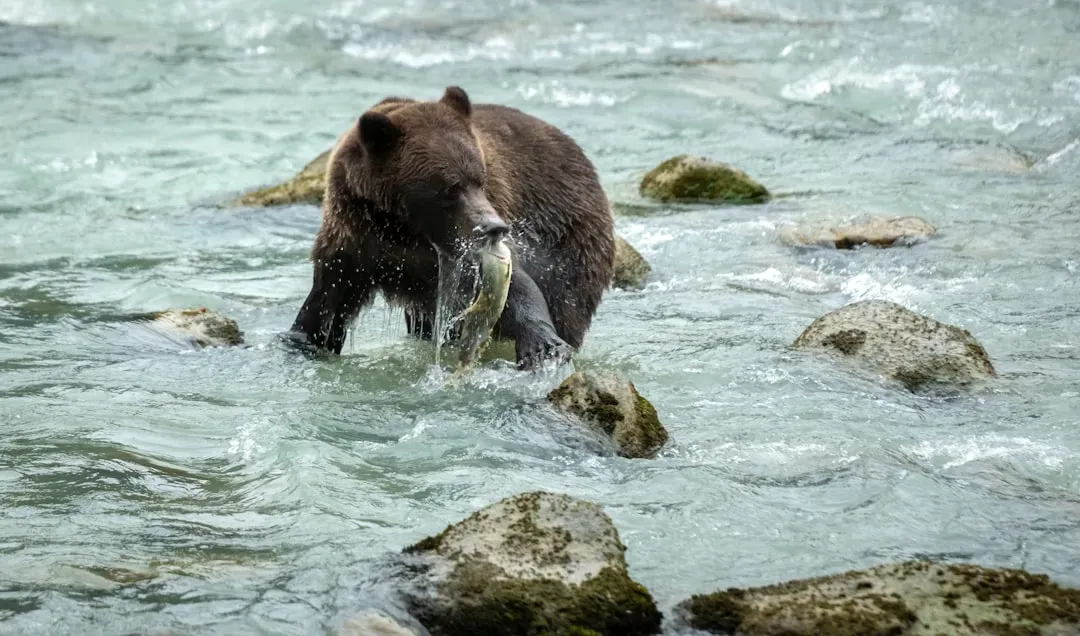
In Southwest Alaska, research has also revealed that brown and black bears are not just moose‑eaters; they are omnivores with diets that can shift dramatically from salmon to berries to carrion. This flexibility means that when moose calves are scarce or harder to find, bears can fall back on other foods, weakening the direct link between bear numbers and moose trends. Scientists have also raised concerns about so‑called compensatory mortality: if calves that escape bears later die from starvation or disease, the net gain from predator control may be modest. In that light, broad, long‑term culls risk looking less like precise management and more like a gamble with uncertain payoff. The science, in other words, is nuanced in a way that political debates often are not.
Conflict on the Ground: Subsistence, Tourism, and Identity
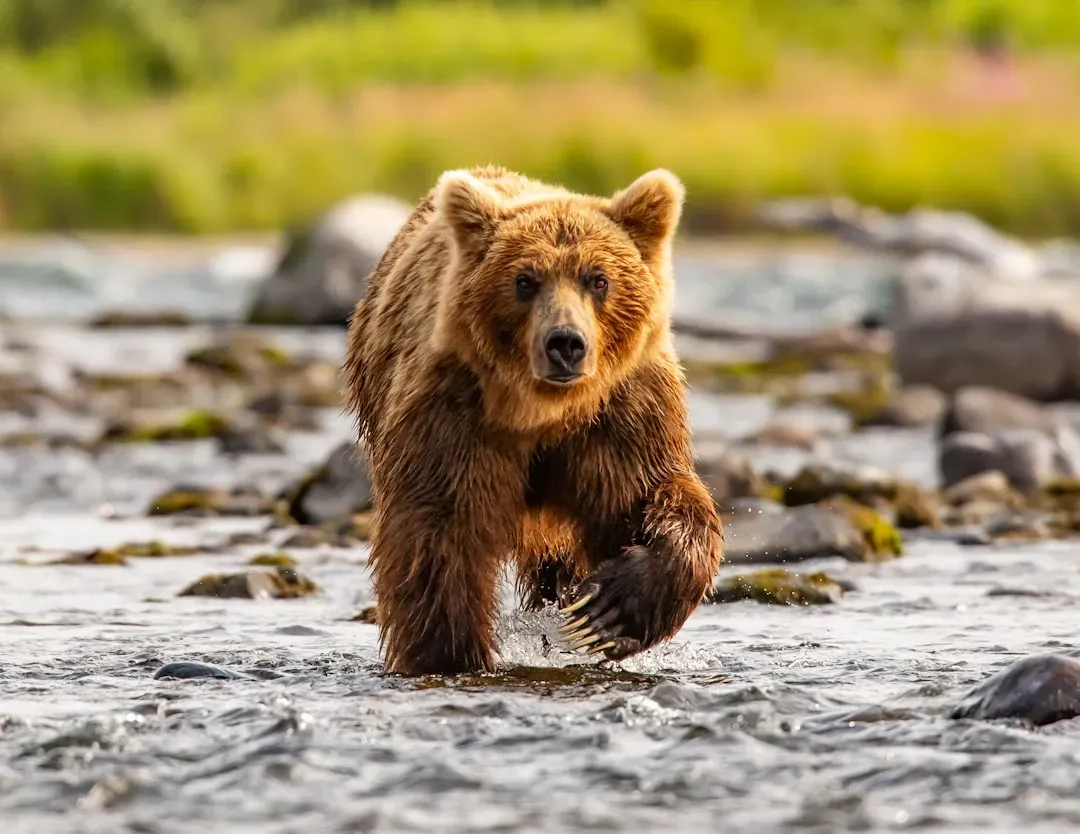
The decision to kill bears is not happening in a vacuum; it slices straight through communities that depend on the same landscape for very different reasons. In several Southwest Alaska villages, moose and caribou are a crucial source of meat, and watching local herds shrink feels like watching the pantry empty out. For many families, flying to a store or importing frozen meat is not just expensive, it is nearly impossible on a regular basis. When state managers talk about increasing hunting opportunity, they are often responding to these very real subsistence needs voiced by local residents and advisory committees.
Yet those same river valleys and tundra hillsides are also the stage for a thriving bear‑viewing and sport‑hunting economy that depends on large, healthy populations of brown bears in particular. Guides, lodge owners, and photographers worry that killing bears to create more moose is like burning your furniture to heat the house: it may work for a while, but you lose something hard to replace. Emotions run high at public meetings where one person may stand up and describe a lifetime of sharing salmon streams with known individual bears, while another shares the anxiety of failing to fill their freezer for several winters in a row. The conflict is not just about numbers; it is about whose relationship with the land gets prioritized in state policy.
Why It Matters: More Than Just Bears and Moose
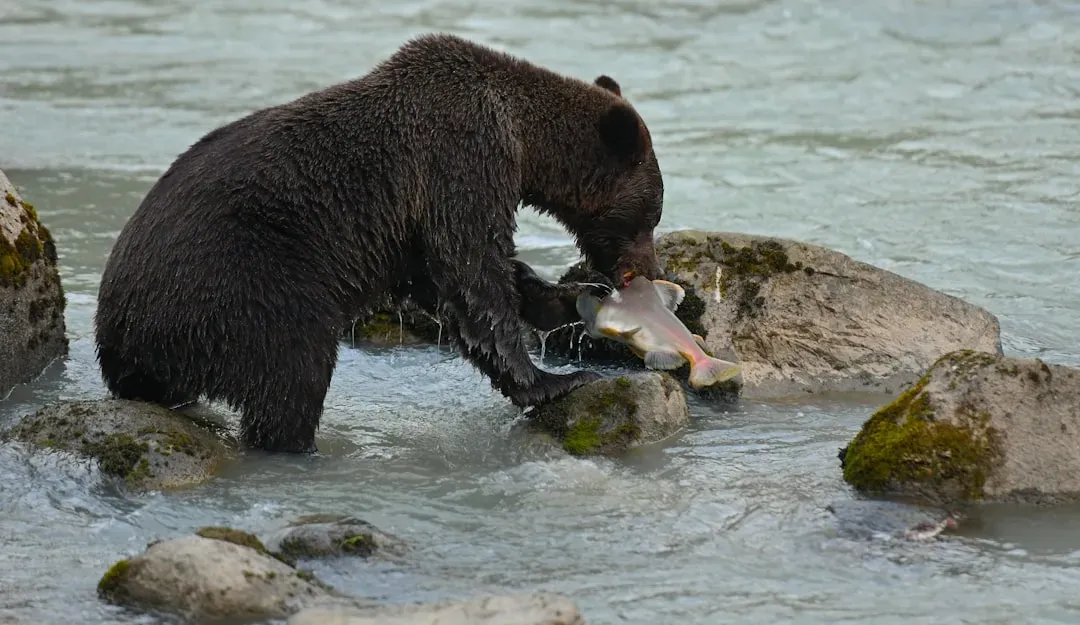
At first glance, the culling of black and brown bears in Southwest Alaska might seem like a narrow management decision, but it is really a window into how society sees wild systems. Predator control assumes that people can and should step in to adjust nature’s levers when outcomes do not align with human goals. That approach contrasts with a more hands‑off conservation ethic, which tends to accept predator–prey cycles, even when they temporarily disadvantage hunters. The stakes are heightened in Alaska, where wildlife is both a cultural touchstone and a practical food source for many rural communities.
From a broader scientific perspective, large carnivores like bears play roles that ripple well beyond any single prey species. By scavenging, digging for roots, moving nutrients, and occasionally preying on weak or sick animals, they help structure ecosystems in ways that only become obvious when those predators are thinned or removed. Comparing heavily managed areas with protected parks and refuges offers researchers a living experiment in how ecosystems respond to human pressure. The bear culls therefore matter not only for the animals directly targeted, but for what they reveal about our willingness to treat wild landscapes as adjustable resource systems rather than self‑willed networks. In a sense, every authorization to kill more bears is also a statement about what kind of wild Alaska people want to inherit.
Global Perspectives: Predator Control Around the World
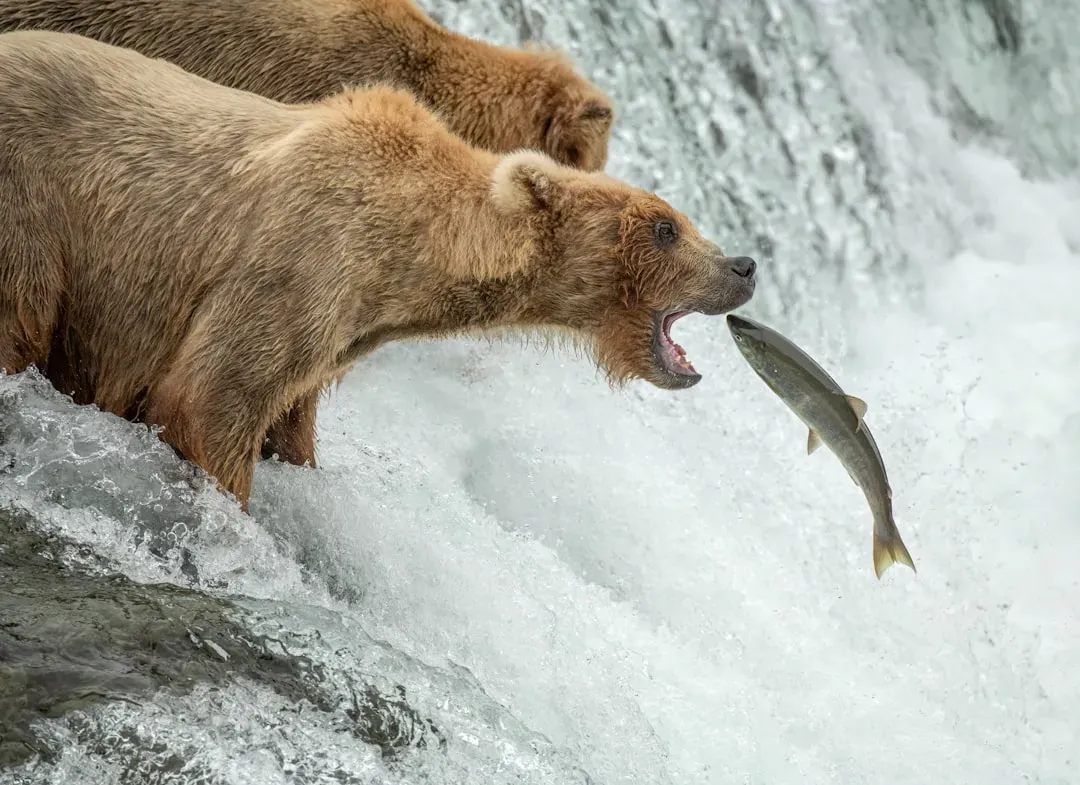
Alaska’s bear policies may feel uniquely rugged, but they sit on a global continuum of how societies handle big predators. In Scandinavian countries, managers have experimented with culling brown bears and wolves to stabilize moose harvests, only to find themselves locked in recurring battles between rural hunters and urban conservationists. In parts of Europe where bears are recolonizing former ranges, conflicts over livestock and human safety have prompted calls for lethal control, even as ecotourism and public fascination with large carnivores grow. The pattern – a mixture of fear, economic interest, and ecological concern – is surprisingly consistent from Alaska’s tundra to the forests of Romania.
Elsewhere, such as in parts of Africa and Asia, predator control decisions are often entangled with legacies of colonial wildlife policy and modern debates over local versus national rights to manage animals. That broader context makes Alaska’s situation feel less like an outlier and more like one chapter in a global story about how people live with powerful animals. The specifics vary – lions instead of bears, cattle instead of moose – but the core questions echo each other. How many predators is “too many” when human livelihoods are at stake, and who gets to decide? Seeing Southwest Alaska through this global lens underscores that its choices may influence, and be influenced by, debates far beyond its borders.
The Future Landscape: Climate Change, Policy Shifts, and New Tools
Looking ahead, the debate over bear culls in Southwest Alaska is likely to get more complicated, not less. Climate change is already reshaping the region: thawing permafrost, shifting vegetation zones, and altered snow patterns are changing where and when both bears and moose move across the land. Salmon runs that feed brown bears are fluctuating in new ways, potentially altering bear body condition and reproduction. These environmental shifts could either amplify or dampen the effects of predator control, making it harder for managers to predict outcomes using yesterday’s models.
At the same time, new tools – ranging from high‑resolution satellite tracking to genetic monitoring and advanced population modeling – are giving scientists a more detailed picture of how many bears and moose a landscape can support. Future policies may lean more heavily on adaptive management, where actions like culls are treated as experiments with clearly defined goals, monitoring plans, and endpoints, rather than open‑ended programs. However, that kind of fine‑tuned approach demands funding, political will, and a tolerance for scientific uncertainty that not every stakeholder shares. The shape of Southwest Alaska’s future wildlife landscape will likely depend as much on social choices and legal battles as on ecological data. What feels certain is that simple narratives about “too many bears” will not hold up well in a rapidly changing environment.
Call to Action: How Readers Can Engage
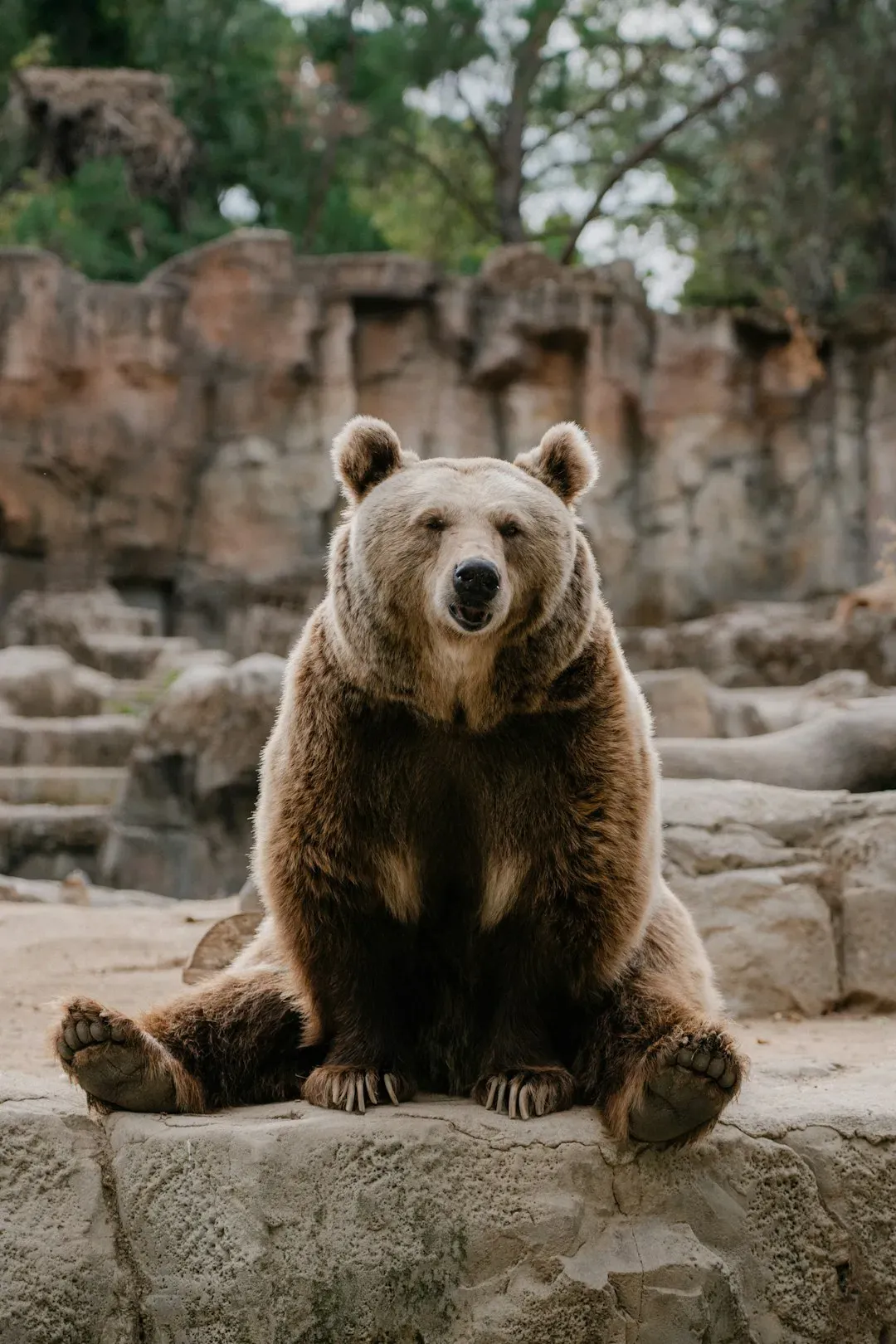
For most people reading about bear culls from far beyond Alaska’s river systems, it can be tempting to treat the issue as remote drama, interesting but unreachable. In reality, there are straightforward ways to engage that do not require a floatplane or a hunting license. One step is simply to seek out and support organizations – both local Alaska Native groups and independent research teams – that prioritize transparent, science‑based wildlife management. Paying attention to how state and federal agencies set their goals, especially whether they balance subsistence needs with conservation of large carnivores, can influence policy conversations more than many realize.
Readers can also use their power as travelers, donors, and voters. Choosing bear‑viewing operators or lodges that advocate for long‑term bear conservation reinforces the economic value of living bears on the landscape. Supporting science communication efforts that explain predator–prey dynamics in clear, non‑sensational terms helps shift public debate away from fear and toward understanding. Even outside Alaska, questioning simplistic calls for predator removals – whether the target is coyotes, wolves, or bears – can change the tone of local policy discussions. In the end, the way we talk about these animals shapes the fate of their populations as surely as any culling program does.
Suhail Ahmed is a passionate digital professional and nature enthusiast with over 8 years of experience in content strategy, SEO, web development, and digital operations. Alongside his freelance journey, Suhail actively contributes to nature and wildlife platforms like Discover Wildlife, where he channels his curiosity for the planet into engaging, educational storytelling.
With a strong background in managing digital ecosystems — from ecommerce stores and WordPress websites to social media and automation — Suhail merges technical precision with creative insight. His content reflects a rare balance: SEO-friendly yet deeply human, data-informed yet emotionally resonant.
Driven by a love for discovery and storytelling, Suhail believes in using digital platforms to amplify causes that matter — especially those protecting Earth’s biodiversity and inspiring sustainable living. Whether he’s managing online projects or crafting wildlife content, his goal remains the same: to inform, inspire, and leave a positive digital footprint.