You’ve probably watched a nature documentary and marveled at how much we know about the wild creatures sharing our planet. Scientists can tell you exactly why zebras have stripes, how bats navigate in total darkness, and what makes a peacock’s tail shimmer. Yet here’s the thing that keeps biologists awake at night: for every mystery we solve, there’s another behavior that makes absolutely no sense.
The animal kingdom is full of puzzles that continue to baffle even the smartest minds in science. From whales that inexplicably beach themselves to fireflies that flash in perfect unison across entire forests, nature keeps throwing curveballs. Let’s be real, the more we learn, the more we realize how much we don’t know. These aren’t just quirky habits or oddities. These are behaviors that challenge our fundamental understanding of biology, cognition, and evolution itself. So let’s dive into twelve of the most mystifying animal actions that scientists still can’t fully explain.
Mass Strandings of Whales and Dolphins
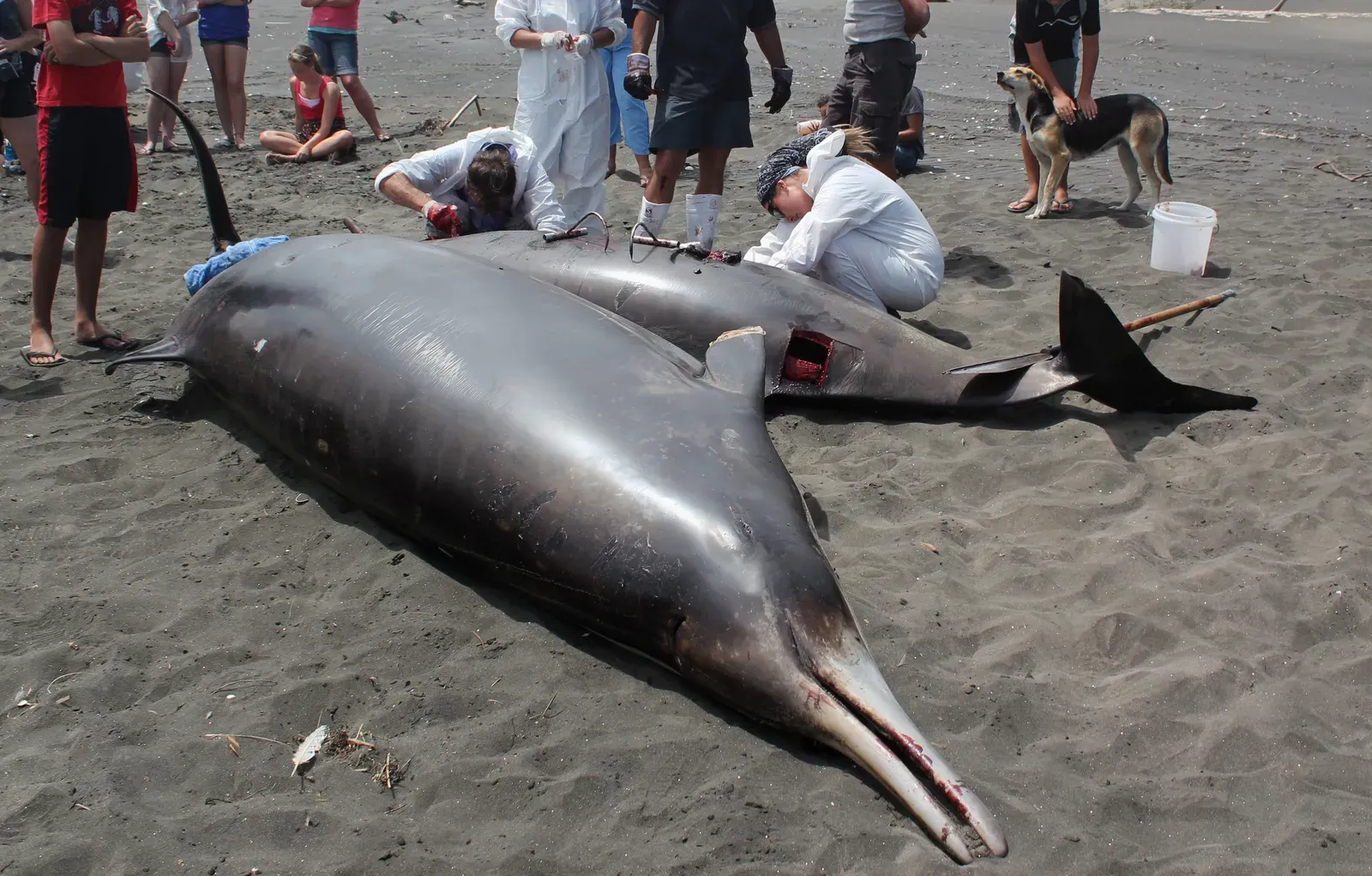
Whales and dolphins beach themselves in groups of dozens or even hundreds despite their ability to navigate vast oceans with precision. This haunting phenomenon has puzzled marine biologists for decades. You’d think creatures so intelligent would avoid shallow water, right?
Several explanations have been proposed, including changes in water temperatures, peculiarities of whales’ echolocation in certain surroundings, and geomagnetic disturbances, but none have been universally accepted as a definitive reason. Some researchers point to military sonar. Others think social bonds drive entire pods to follow a sick member into danger. Certain coastlines experience far more strandings than others with similar geographical features, suggesting environmental factors scientists haven’t yet identified.
What makes this truly eerie is that when rescuers manage to push healthy whales back into the ocean, they often re-beach themselves if they hear distressed pod members calling from shore. Mass strandings have been recorded throughout human history and across all oceans, indicating this isn’t a modern phenomenon linked solely to human activities. It’s hard to say for sure, but this might be one of nature’s most persistent mysteries.
Fireflies Flashing in Perfect Synchronization
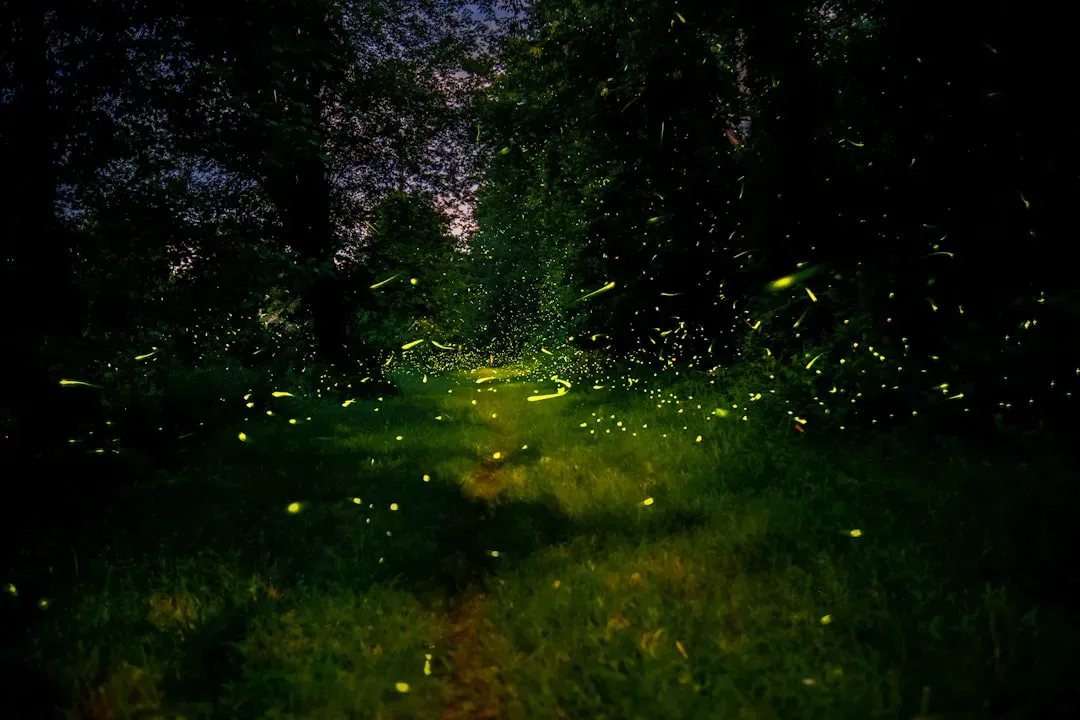
In Southeast Asia and the Great Smoky Mountains of Tennessee, fireflies gather by the thousands and flash their bioluminescent lights in perfect synchrony, creating spectacular displays where entire forests pulse with rhythmic light. Imagine thousands of tiny living lanterns all clicking on and off together like a natural light show.
Researchers have proposed mathematical models suggesting fireflies achieve synchronization through a process similar to coupled oscillators, but these models don’t fully explain how the synchronization develops so rapidly or maintains such precision across large distances where fireflies cannot possibly see each other. Think about it: how do bugs without smartphones coordinate better than humans trying to start a wave at a sports stadium?
Different firefly congregations can develop slightly different flash rhythms despite being the same species, suggesting cultural or regional variations in a behavior supposedly driven by pure instinct. Scientists understand the chemistry behind the light itself, yet the mechanism allowing thousands of individual insects to coordinate without a conductor remains deeply mysterious.
Dolphins Sleeping with Half Their Brain
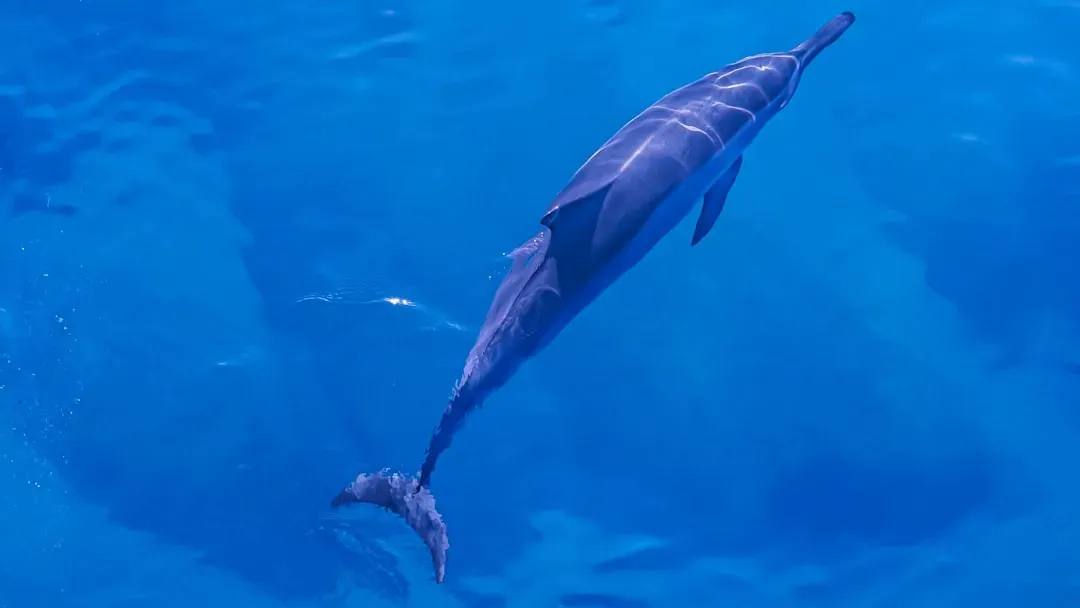
Here’s where things get really weird. A dolphin doesn’t breathe automatically, so during sleep, one side of its brain stays awake to ensure the mammal rises to the surface and breathes. You’re probably thinking this sounds impossible, yet it’s absolutely real.
One side of their brain stays awake and the opposite eye stays open to watch for danger and rise to the surface to breathe, while the other half of brain sleeps and the opposite eye is closed, with the sides switching after about two hours. Researchers have found dolphins can stay constantly alert for more than two weeks by sleeping with only half of their brains, suggesting how dolphins can keep on the constant lookout for sharks.
What scientists still struggle to explain is how this unihemispheric sleep actually evolved and what neurological mechanisms allow one half of the brain to be completely unconscious while the other remains vigilant. Honestly, if humans could do this, college students everywhere would be thrilled.
Garden Spiders Building Mathematically Perfect Webs
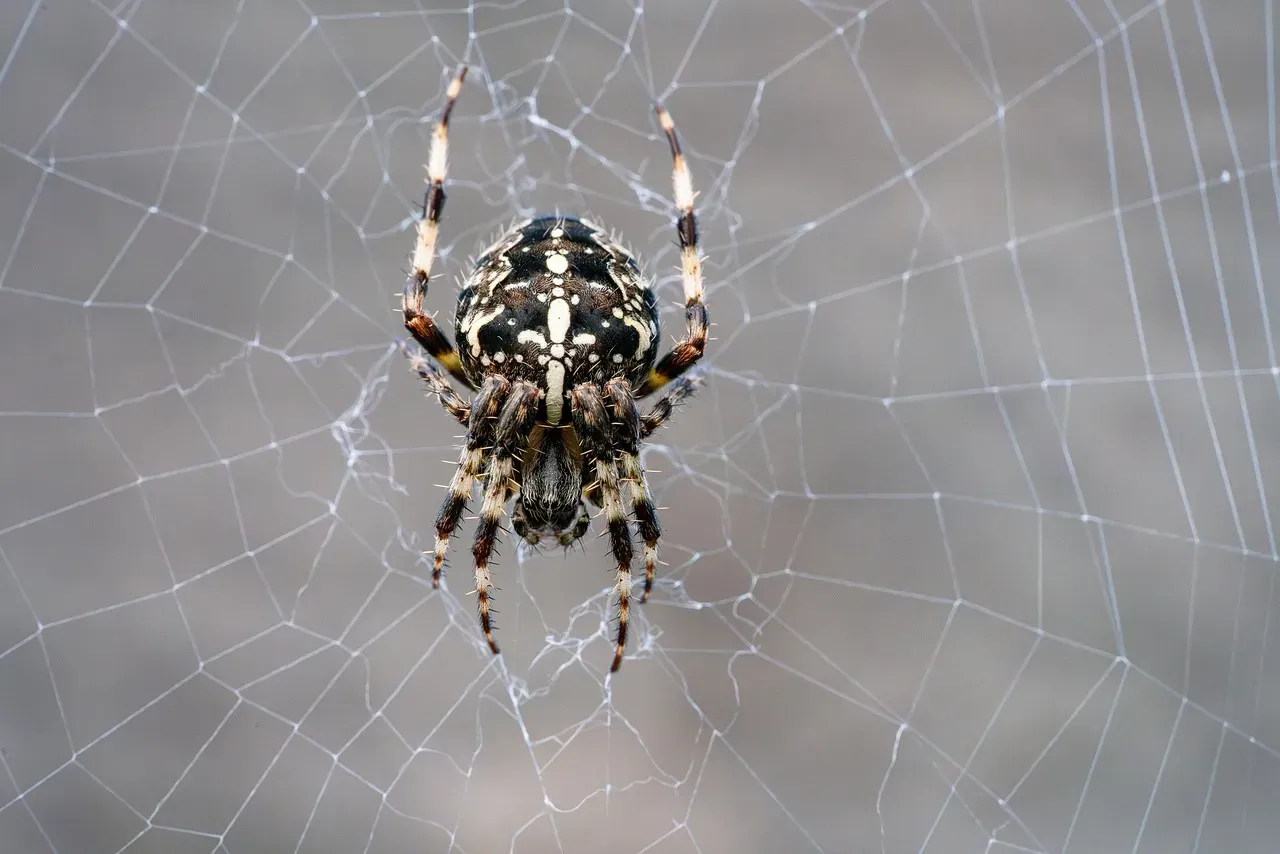
Garden spiders create astonishingly complex webs with near-perfect geometric patterns, despite having brains smaller than a pinhead and no formal understanding of mathematics or engineering principles. You have to wonder how such a tiny creature pulls off this architectural feat.
Let’s be real, most humans couldn’t design something that elegant without computer software. The orb webs feature precisely calculated angles between support strands and spacing between the sticky spiral threads that optimize both structural stability and prey-catching efficiency. The spiders don’t have blueprints or instruction manuals. They just know.
What puzzles researchers is how this knowledge gets encoded in such a minuscule nervous system. Is it purely instinct written into their DNA, or is there some form of micro-cognition happening that we simply don’t understand? The question remains wide open.
Animals Predicting Earthquakes Before They Strike

Across cultures and throughout history, people have reported animals exhibiting unusual behavior shortly before earthquakes, yet despite significant research interest, including monitoring programs in earthquake-prone regions of China and Japan, this potential early-warning system remains largely unexplained by conventional science.
Dogs barking frantically, birds fleeing en masse, fish jumping out of water. These reports come from too many places to dismiss entirely. Some scientists theorize animals might detect subtle ground vibrations or changes in electromagnetic fields that humans simply can’t perceive. Others suggest animals pick up on shifts in groundwater chemistry or gases released before a quake.
The problem? Despite decades of study, researchers still can’t reliably predict which animals will react, when they’ll react, or what exactly they’re sensing. It’s frustrating because if we could crack this code, we might save thousands of lives.
Norwegian Lemming Mass Migrations
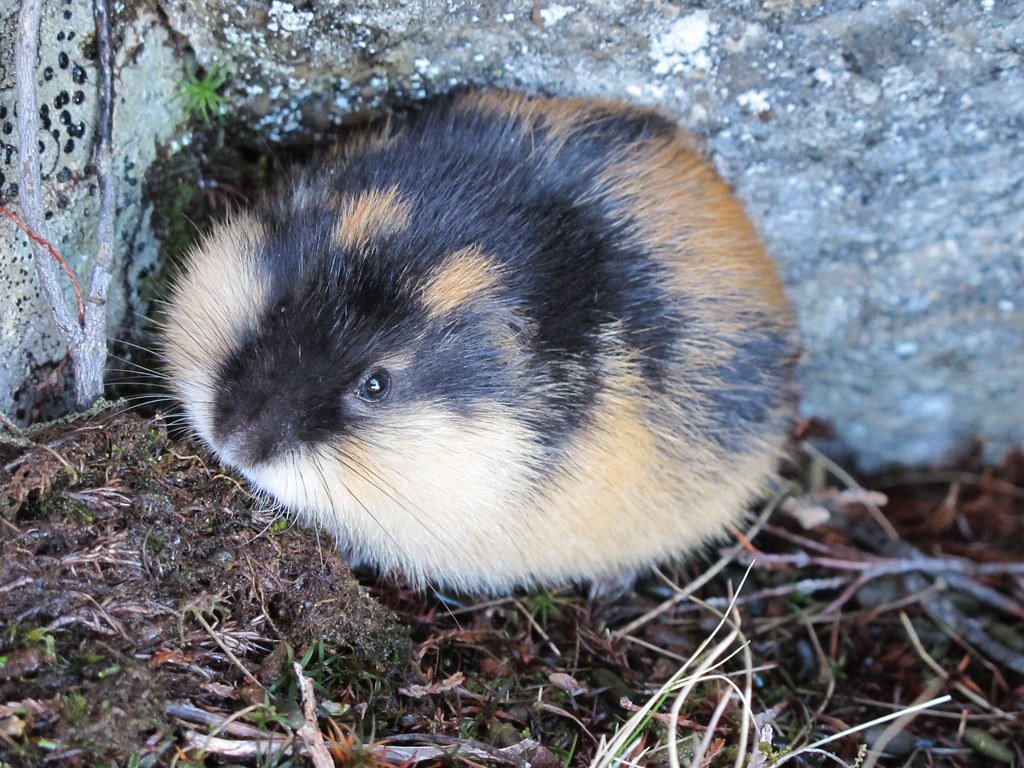
While the myth of lemming mass suicide was fabricated, Norwegian lemmings do exhibit strange population behaviors that scientists still don’t completely understand. Pop culture got it wrong, yet the truth is almost as bizarre.
During peak population cycles, Norwegian lemmings undergo mass migrations where thousands travel together, sometimes swimming across bodies of water, with many drowning or dying from exhaustion, and researchers understand the population cycles are linked to food availability but the precise triggers for these coordinated movements remain incompletely explained.
What makes you stop and think is why evolution would favor such a seemingly self-destructive strategy. There must be some survival advantage we’re missing, but after decades of study, scientists still can’t pinpoint exactly what triggers these dramatic coordinated movements.
Narwhal Tusks and Their Mysterious Purpose
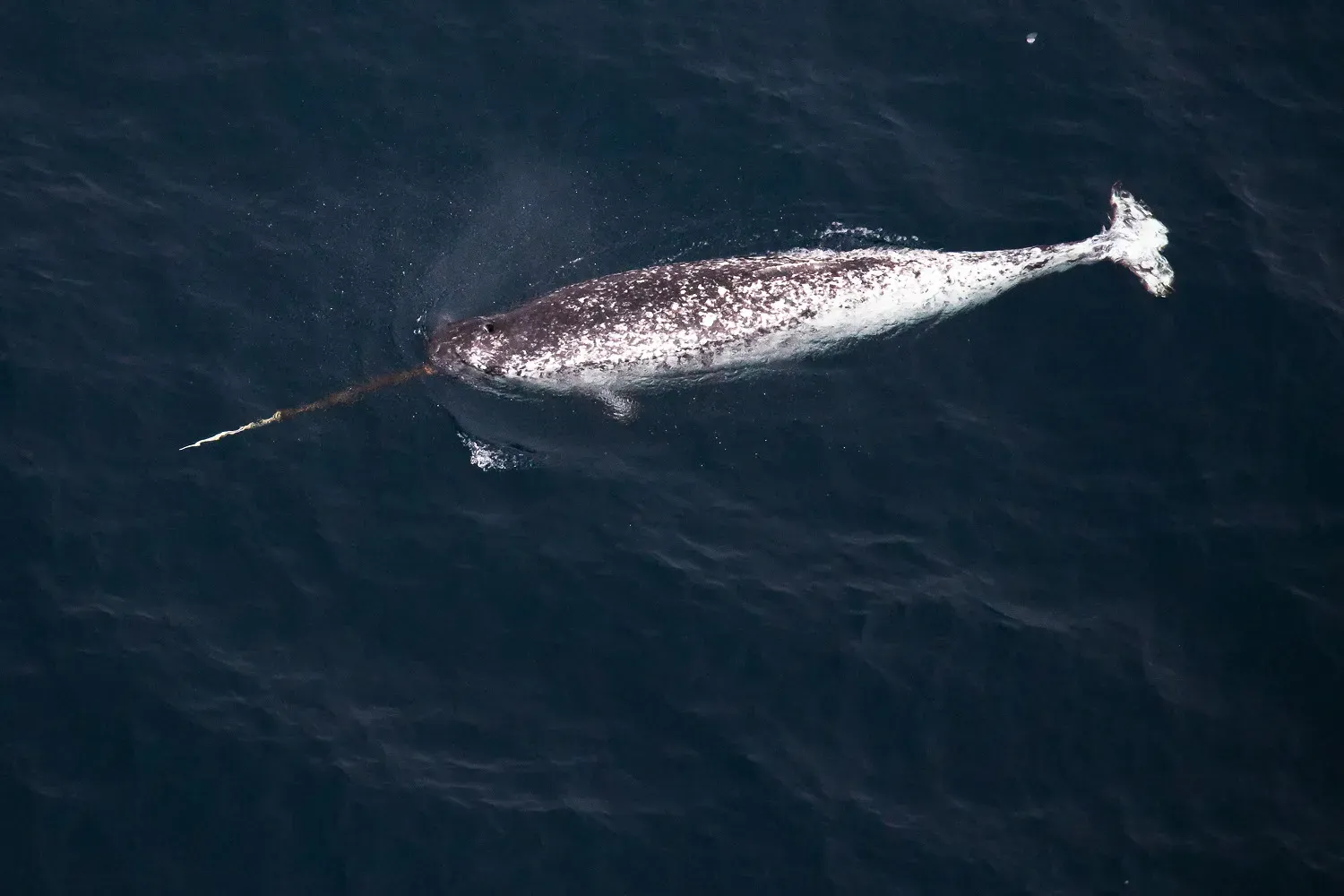
The narwhal’s distinctive spiral tusk, which can grow up to 10 feet long, has puzzled scientists for centuries. These unicorns of the sea carry what looks like a massive twisted tooth protruding from their heads, and honestly, we’re still not entirely sure why.
Researchers have proposed multiple theories over the years. Maybe it’s a weapon for fighting. Perhaps it’s a sensory organ detecting changes in water temperature and salinity. Some think it’s purely for display, like a peacock’s tail. The trouble is, none of these explanations fully account for all the observed behaviors.
Male narwhals sometimes rub tusks together in what looks like fencing, yet they rarely seem to injure each other. The tusk is packed with nerve endings, suggesting sensory function, yet narwhals without tusks seem to navigate just fine. The mystery deepens with every study.
Sperm Whales Sleeping Vertically
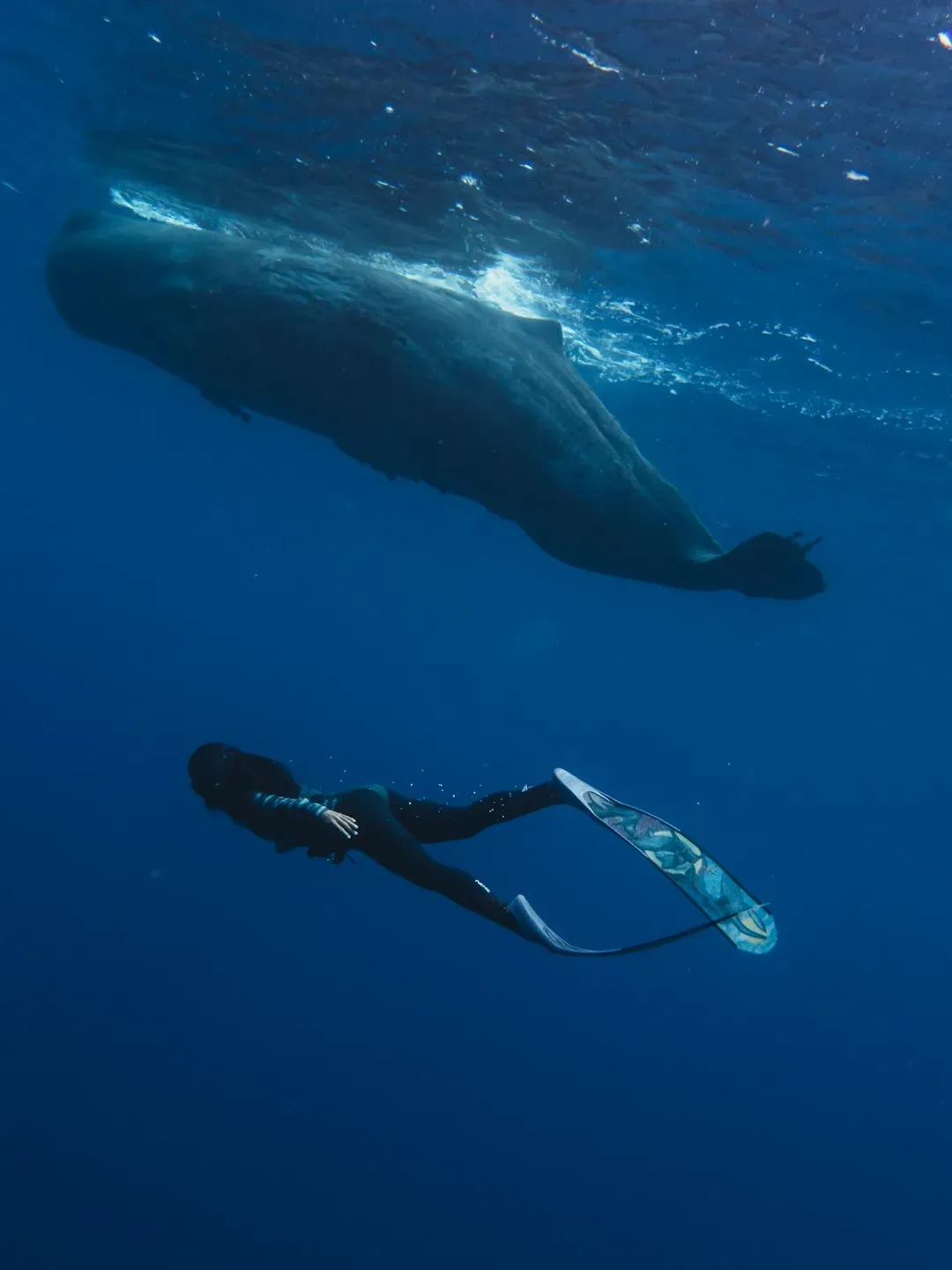
Picture this: massive sperm whales floating completely motionless in vertical positions, heads up, tails down, suspended in the water column like enormous organic submarines. The vulnerability this creates to predators like killer whales raises questions about the evolutionary advantage, and recent studies using electronic tags have recorded these events but have yet to provide conclusive data on the whales’ brain activity.
Scientists discovered this bizarre sleep pattern only recently, and it’s left them scratching their heads. Sperm whales spend roughly seven percent of their time in these strange vertical naps, sometimes in groups, looking like a forest of sleeping giants beneath the waves. What’s stranger still is that they seem completely oblivious to boats passing nearby during these episodes.
The big question is why they would adopt such a vulnerable, energy-expensive posture when they could simply rest horizontally near the surface like other whale species. I know it sounds crazy, but we genuinely have no solid answer yet.
Deer Adopting Orphaned Fawns
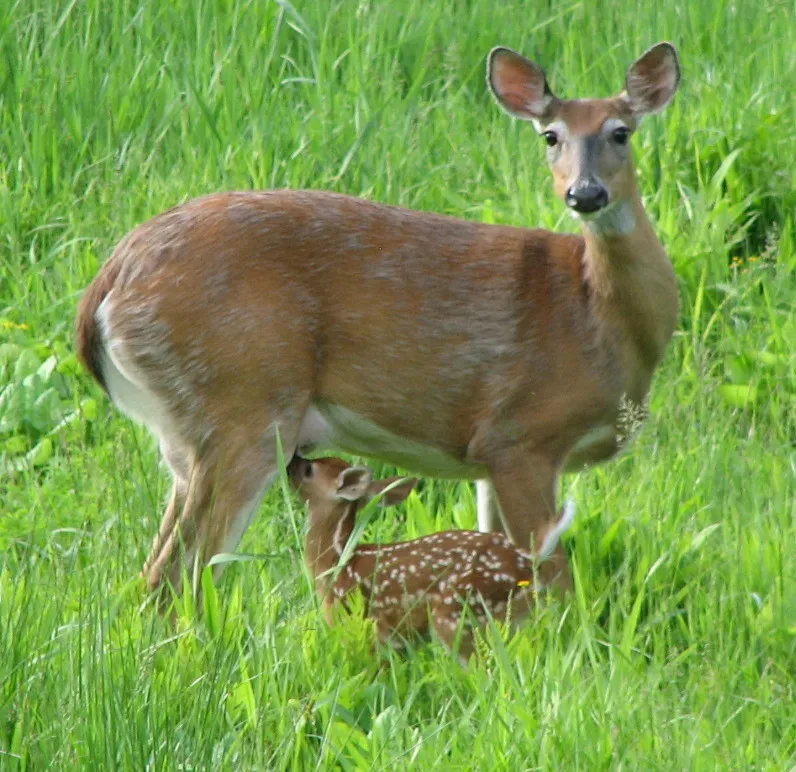
Wildlife biologists have documented cases where white-tailed deer does adopt fawns that aren’t their own, nursing them alongside their own offspring even when resources were limited, and what makes this particularly puzzling is that deer have demonstrated the ability to recognize their own young through scent.
This behavior seems to contradict everything we know about evolutionary biology. Animals are supposed to be selfish with their resources, investing only in their own genetic offspring. Yet here are deer deliberately caring for babies that don’t carry their genes. These aren’t cases of mistaken identity either, since deer clearly know which babies are theirs.
Some researchers suggest this might be a form of reciprocal altruism or group selection, where helping others’ offspring increases overall herd survival. The thing is, we don’t have enough evidence to say for certain. Nature apparently didn’t read the textbook on survival of the fittest.
Chimpanzees Creating Ritual Stone Cairns
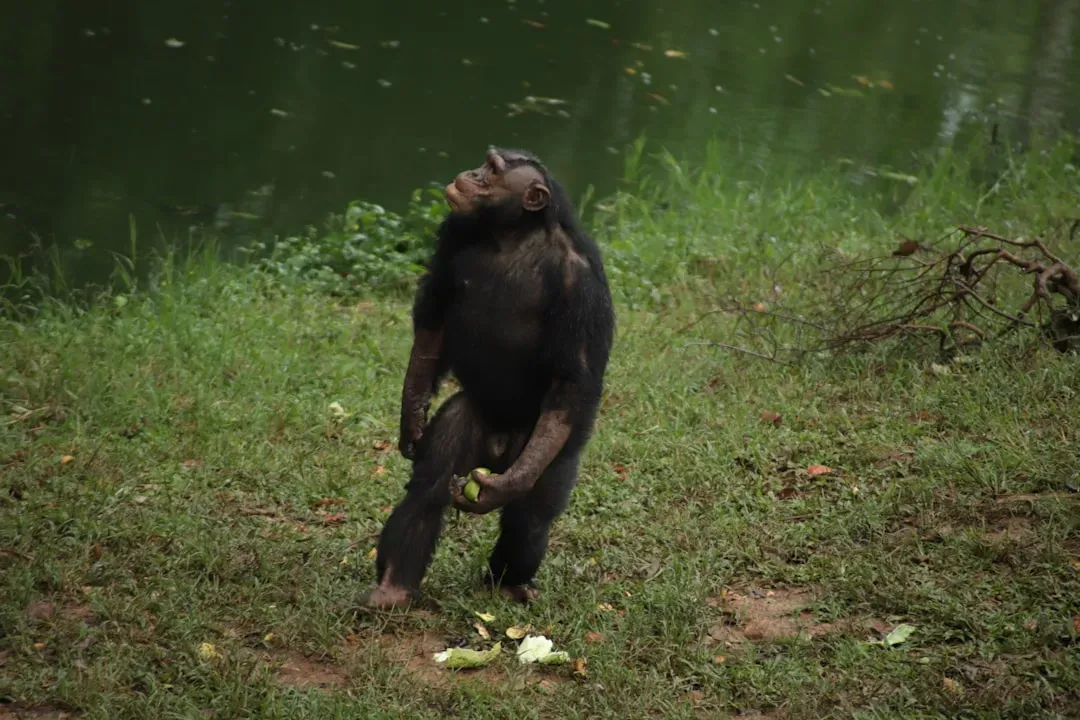
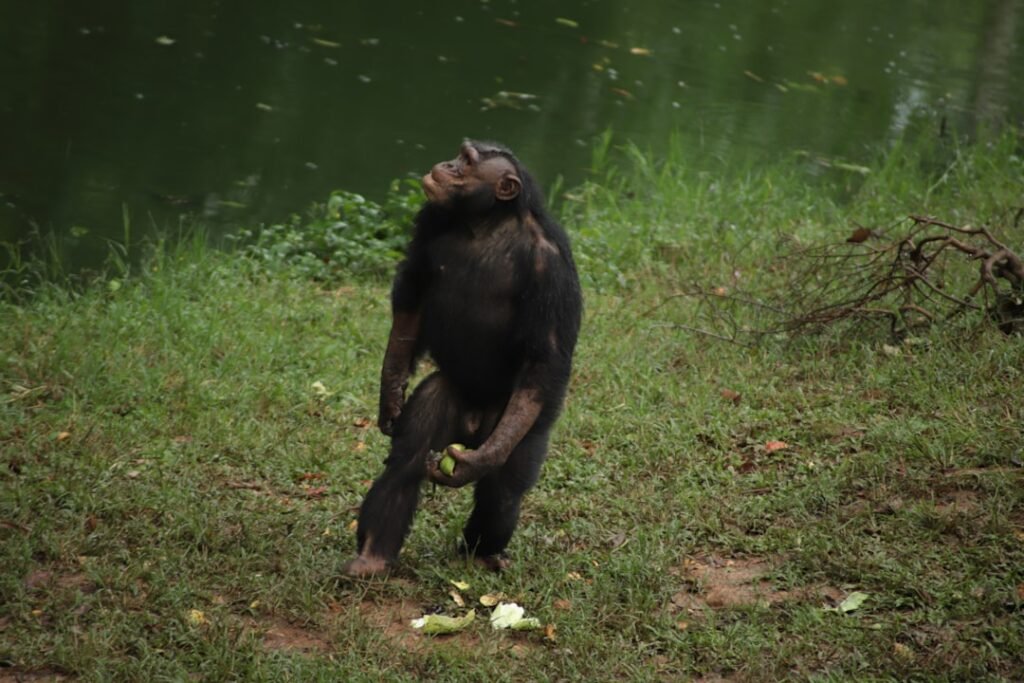
Chimpanzees in some regions throw rocks at specific trees, creating accumulations of stones that suggest a level of symbolic behavior raising questions about the development of culture in primates. This isn’t about food or territory marking. It looks disturbingly like ritual behavior.
Researchers have observed chimps carrying rocks considerable distances just to hurl them at certain trees, then sometimes piling the rocks afterwards. They’re not trying to knock down fruit. They’re not sharpening tools. Their actions suggest a level of symbolic behavior that raises questions about the development of culture in primates.
Could this be the earliest glimpse of something resembling religion or spiritual practice in non-human animals? Are we witnessing the evolutionary roots of human ceremonial behavior? Honestly, scientists aren’t comfortable making such bold claims yet, but the parallels are unsettling.
Sea Cucumbers Ejecting Their Internal Organs
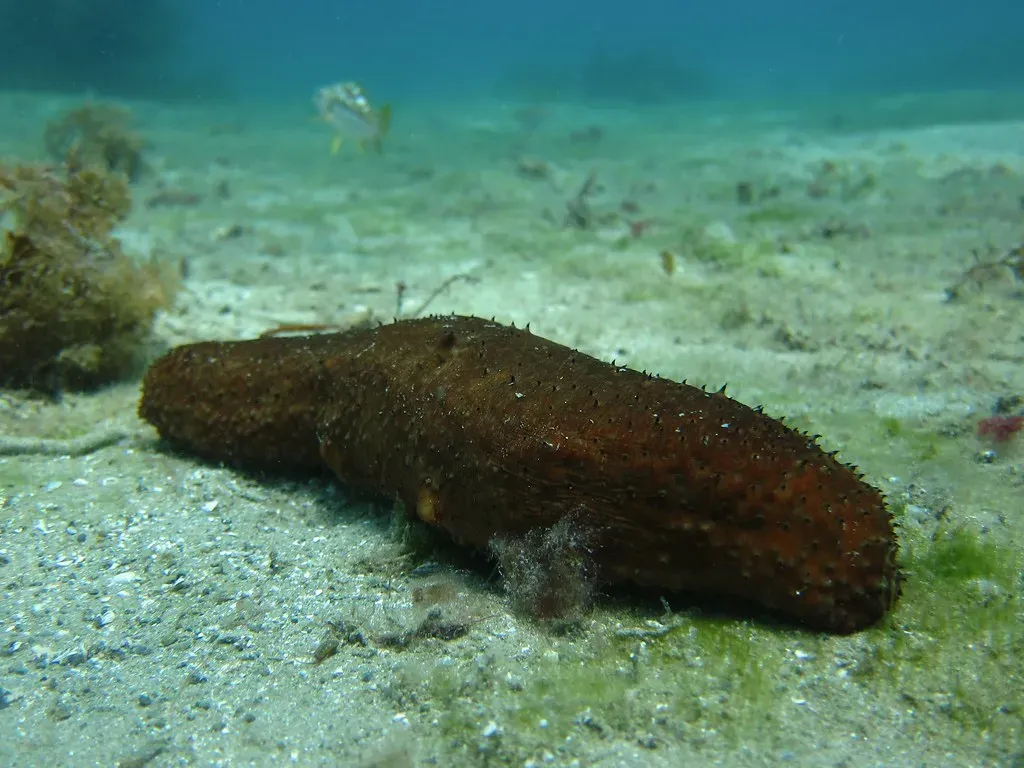
When threatened, sea cucumbers literally eject their internal organs, which later regenerate, and while self-amputation as a defense isn’t uncommon in nature, scientists are still baffled by how they survive this dramatic response and why evolution favored such an extreme defense mechanism.
Let that sink in for a moment. These creatures throw their guts at predators as a distraction technique, then somehow regrow everything over the following weeks. It’s like the ultimate magic trick, except it’s real and happens underwater. You’d think the energy cost alone would make this strategy evolutionary suicide.
The expelled organs can be sticky or even toxic, giving the sea cucumber time to escape. Yet the metabolic toll of regrowing your digestive system seems astronomical. Researchers still debate whether this is truly advantageous or just an extreme evolutionary experiment that somehow stuck around.
Monarch Butterfly Multi-Generational Migration
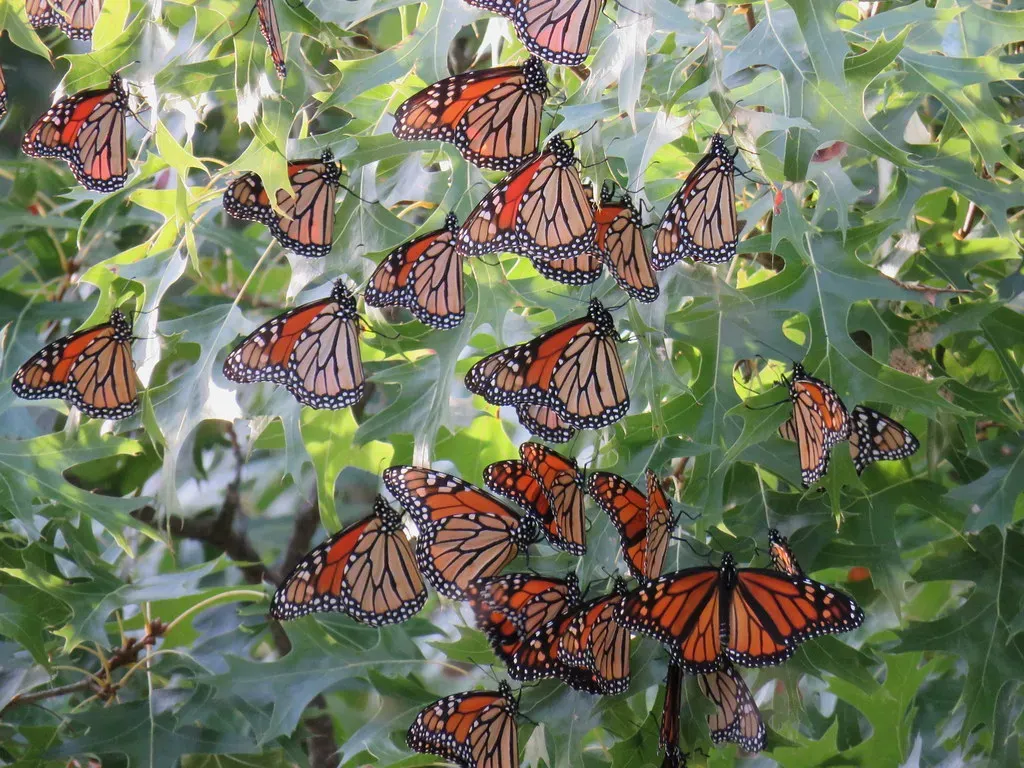
It can take five generations of monarch butterflies to complete the migration. Think about what that means. No single butterfly completes the round trip. Instead, they pass along navigation instructions genetically, like an ancient map written in DNA.
Scientists are not yet entirely sure how animals know where to go and when to leave, especially when they have never made the journey before, with some researchers suggesting these animals use a mix of stimuli such as sunlight and the Earth’s magnetic field. Monarchs born in Canada somehow know to fly thousands of miles to specific mountain forests in Mexico they’ve never seen before.
The truly baffling part is how this navigational knowledge transfers across generations without any teaching or learning. Great-great-grandchildren arrive at the exact same trees their ancestors left from, despite never meeting them. The genetic programming required for this feat remains one of biology’s deepest enigmas.
Conclusion
The animal kingdom continues to humble us with behaviors that shouldn’t work according to our current understanding of biology, yet clearly do. From whales sleeping vertically to fireflies conducting symphonies of light, these mysteries remind us that nature operates by rules we’re still learning to read.
What strikes me most is that these aren’t ancient puzzles from the distant past. Scientists with cutting-edge technology are observing these behaviors right now, collecting data, running experiments, and still coming up empty-handed for complete explanations. Maybe that’s what makes these mysteries so captivating. They prove that even in 2025, with all our satellites and genetic sequencing and artificial intelligence, the natural world still holds secrets worth chasing.
So what do you think? Which of these baffling behaviors surprises you most? Let us know in the comments what theory you’d propose for any of these ongoing mysteries.