Long before space agencies pointed satellites at the Sun and Moon, ancient skywatchers were already cracking the cosmic code of eclipses. Without computers, telescopes, or even a clear understanding of gravity, they learned to foresee the moments when day would turn to night or the Moon would vanish in Earth’s shadow. For centuries, historians assumed this was mostly myth and superstition, yet modern scholarship has revealed something far more impressive: real mathematical patterns, refined observations, and generational data. Today, as astronomers use the same celestial cycles once tracked with clay tablets and carved stones, a new picture emerges – one in which ancient cultures were not just awed by eclipses, but quietly mastering them. The story is not just about what they knew, but how they figured it out, and what their success still means for science in the twenty‑first century.
1. Babylonian Sky Priests: Clay Tablets and the First Eclipse Algorithms
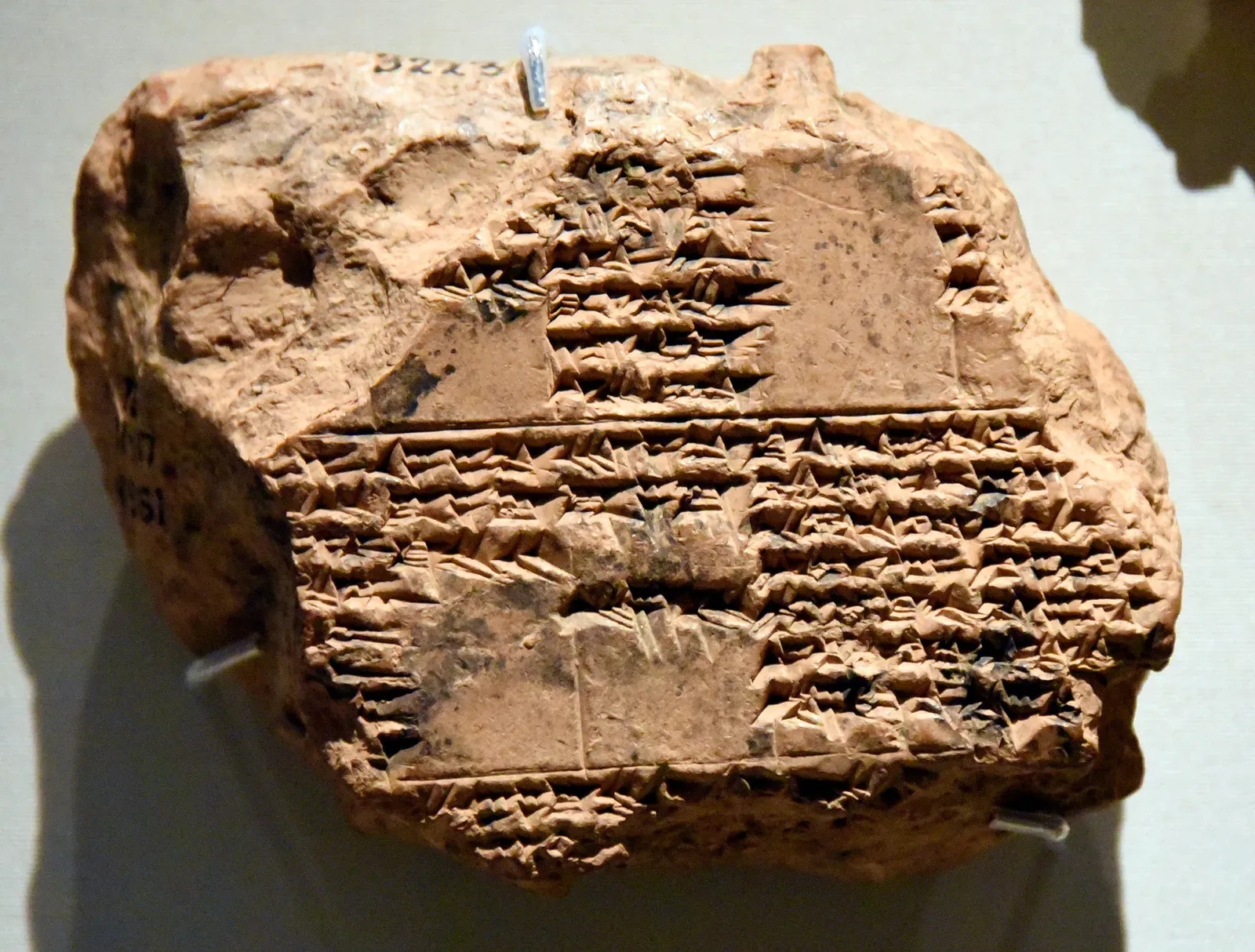
It sounds almost unbelievable, but some of the earliest known eclipse predictions were written into clay more than two and a half millennia ago in ancient Babylon. Scribes there carefully logged lunar and solar events over generations, turning the night sky into a kind of slow‑moving spreadsheet. By the first millennium BCE, they were using cycles such as the Saros – roughly about eighteen years of repeating lunar and solar eclipses – to predict when the next darkening of the sky would occur. These predictions were not perfect in a modern sense, but they were good enough to say: around this year, this month, and sometimes even this day, an eclipse is likely. That’s a huge leap for a society with no concept of planetary orbits as we understand them now.
What made the Babylonians so effective was their insistence on long‑term, systematic observation rather than divine guesswork. Temple astronomer‑priests recorded eclipse timings, colors of the eclipsed Moon, and associated omens in detailed series now called the Astronomical Diaries. From those records, they identified repeating patterns and began to see eclipses less as random acts of gods and more as recurring, clock‑like events that could be anticipated. In a sense, they were early data scientists, extracting usable predictions from noisy, incomplete information over centuries. Their work quietly laid the groundwork for later Greek, Islamic, and European astronomy, proving that patient observation can turn fear into forecast.
2. Ancient China: Eclipse Warnings as Matters of Life and Death
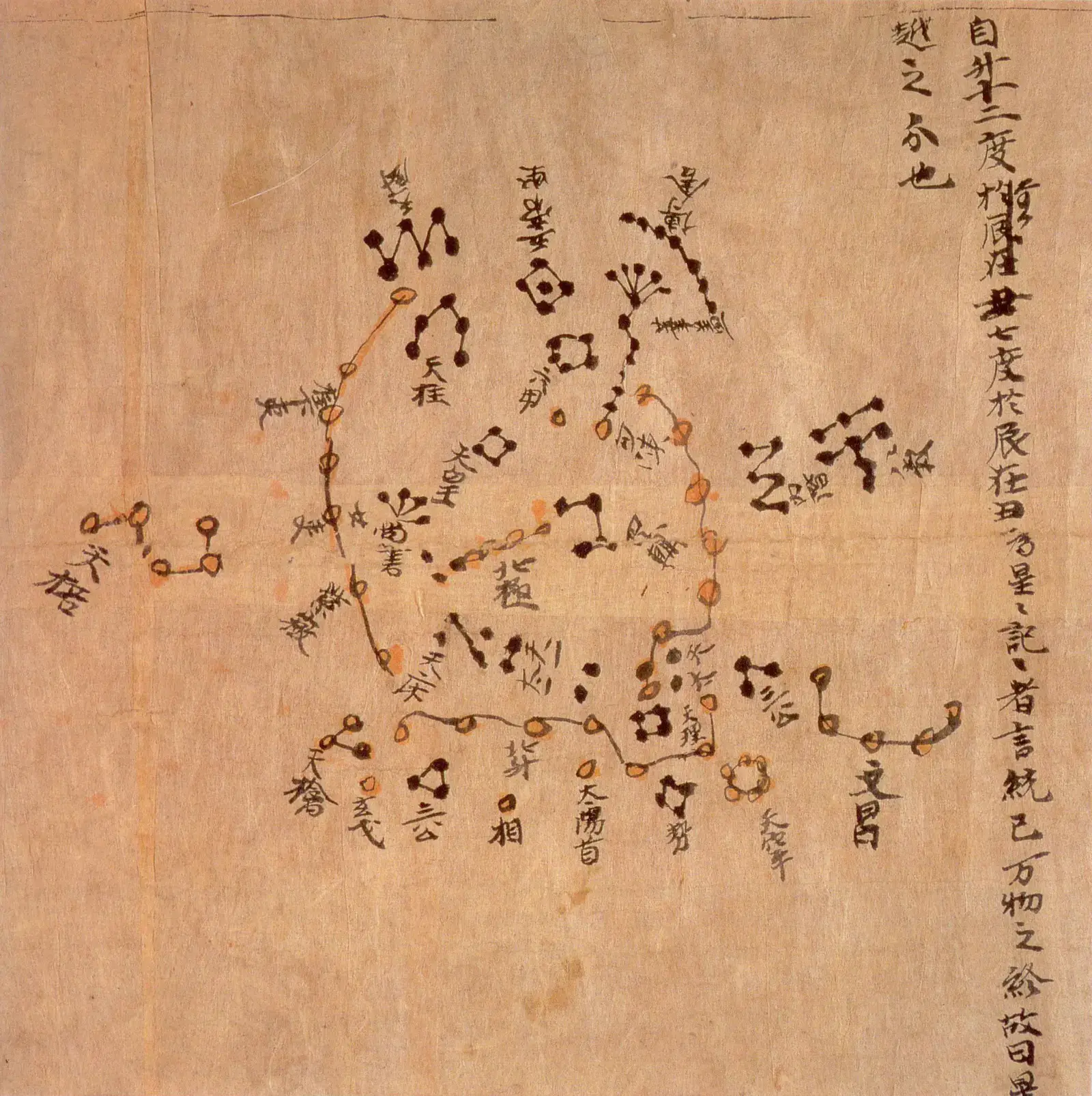
In ancient China, eclipses were not just celestial curiosities; they were powerful political symbols that could make or break an emperor’s legitimacy. Imperial astronomers were expected to predict solar eclipses accurately, because any failure might be read as a sign that Heaven had withdrawn its favor. Early records, stretching back more than three thousand years, describe eclipses tied to court rituals, sacrifices, and sometimes dire consequences for astronomers who miscalculated. Over time, these high stakes pushed Chinese skywatchers to become meticulous eclipse trackers, recording dates, times, and positions relative to constellations.
By the first millennium CE, Chinese astronomers were using mathematical schemes that effectively encoded cycles similar to those known in Babylon and Greece, but integrated within their own calendar system. They developed models to calculate the relative motions of Sun, Moon, and Earth on a flat Earth framework that nevertheless produced surprisingly accurate timing. Court astronomers refined these methods dynasty after dynasty, adjusting eclipse tables whenever observations diverged from predictions. The result was a tradition where political survival depended on scientific precision, turning the imperial observatory into one of the most data‑driven institutions of the ancient world.
3. The Maya: Stone Cities Aligned With the Shadow of the Moon
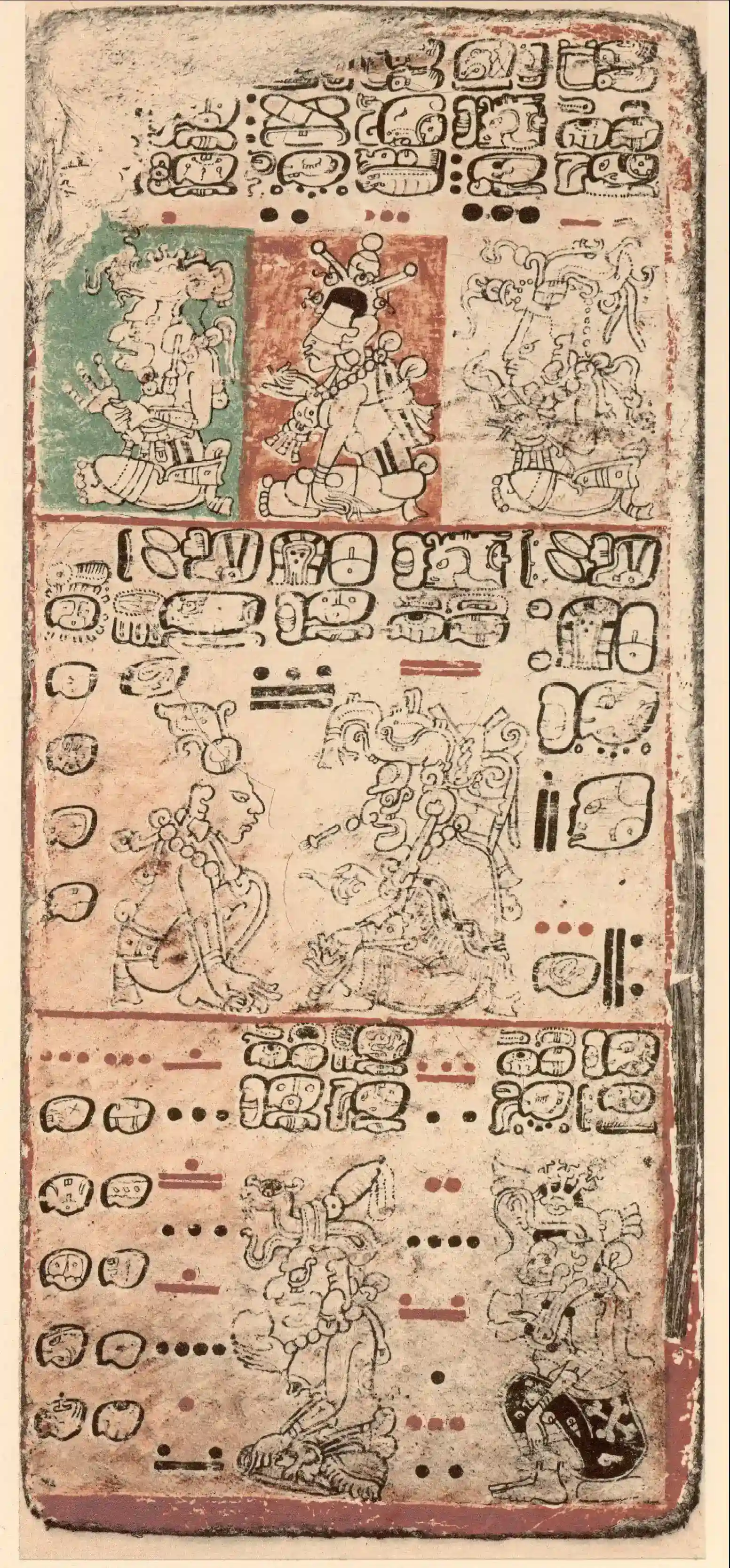
In the Maya world of Mesoamerica, eclipses were woven into a dense web of ritual, cosmology, and calendar math. Maya scribes carved eclipse tables into bark‑paper codices and stone monuments, tracking repeating intervals between key lunar events. One famous table in the Dresden Codex uses a cycle of hundreds of days to mark windows when eclipses were more likely, a kind of probability map rather than a simple yes‑or‑no prediction. Within those windows, priests could anticipate when dangerous celestial alignments might threaten kings or crops and plan ceremonies accordingly. To them, an eclipse was a breach in the normal order of the cosmos that required careful management.
Archaeologists and archaeoastronomers have found that certain Maya buildings are oriented to sunrises, sunsets, and lunar positions that cluster around eclipse seasons. This suggests that observation was not a side hobby but an architectural principle, baked into how cities themselves were laid out. Instead of abstract equations, they used the built environment, sightlines, and repeated ritual cycles to internalize the rhythm of the sky. From a modern standpoint, the precision of their timing – spotting likely eclipse years and even approximate months – is astonishing given the tools they had. Their work shows that complex astronomy does not require metal instruments or written algebra, only relentless tracking and creative ways of encoding what the sky is doing.
4. Greek and Hellenistic Thinkers: From Omens to Geometric Models
When people today talk about ancient eclipse prediction, they often bring up a single dramatic episode: the eclipse said to have halted a battle between the Lydians and Medes in the sixth century BCE, reportedly foreseen by the philosopher Thales. Whether that specific claim is accurate or not, it captures a real shift happening in the Greek world at the time. Building partly on Babylonian records, Greek astronomers started asking not only when eclipses happen, but why the geometry of Sun, Moon, and Earth sometimes lines up so precisely. They realized that lunar and solar eclipses occur only when the Moon crosses specific points in its tilted orbit – nodes that can be tracked and modeled.
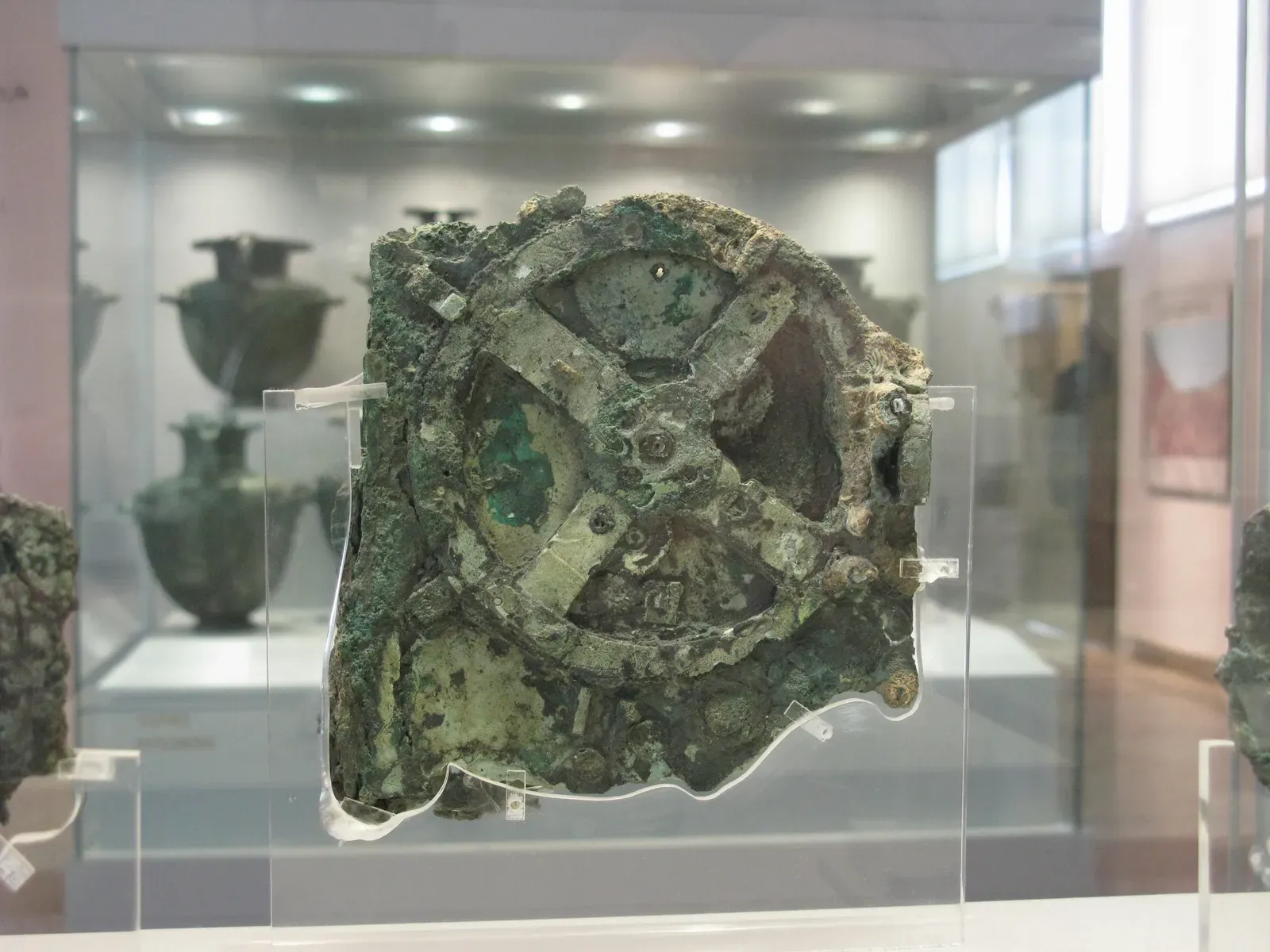
By the Hellenistic period, figures working in places like Alexandria were building increasingly sophisticated mathematical schemes that could predict eclipses with impressive accuracy for their era. They used geometric models of circles and epicycles, and devices like the Antikythera mechanism – often described as an ancient analog computer – to encode cycles including those tied to eclipses. Their predictions could narrow down not just years, but often specific dates and approximate locations where an eclipse would be visible. This move toward explicit models of celestial motion transformed eclipses from frightening surprises into predictable tests of theory. In that sense, each correctly forecast eclipse was both a reassurance to the public and a validation of an emerging scientific worldview.
5. Indian Astronomers: Siddhantas, Cycles, and Calculus Before Calculus
In the Indian subcontinent, astronomers writing in Sanskrit developed their own powerful tradition of eclipse prediction rooted in texts known as siddhantas. By the first millennium CE, works attributed to scholars such as Aryabhata and Varahamihira described detailed methods to calculate the positions of the Sun and Moon, including when their paths would intersect to produce eclipses. These methods combined geometric reasoning with sophisticated arithmetic and trigonometric ideas that, in some cases, foreshadow later developments in calculus. They did not frame their work in terms of gravity or heliocentrism, but the numerical tools they assembled allowed them to generate remarkably accurate eclipse tables.
Indian astronomers also integrated observational checks into their theoretical framework in a way that feels strikingly modern. If predictions were off by noticeable amounts, they would introduce corrections to parameters such as the lengths of months or the inclination of orbits. Their models circulated widely across South and Southeast Asia, influencing calendars, ritual timing, and navigation. Even after Islamic and later European astronomical ideas entered the region, local scholars continued to refine and compare different methods of eclipse calculation. The ongoing dialogue between theory and observation shows that for them, eclipses were not just omens but rigorous benchmarks for the quality of their astronomy.
6. Islamic Golden Age Observatories: Precision, Instruments, and Shared Knowledge
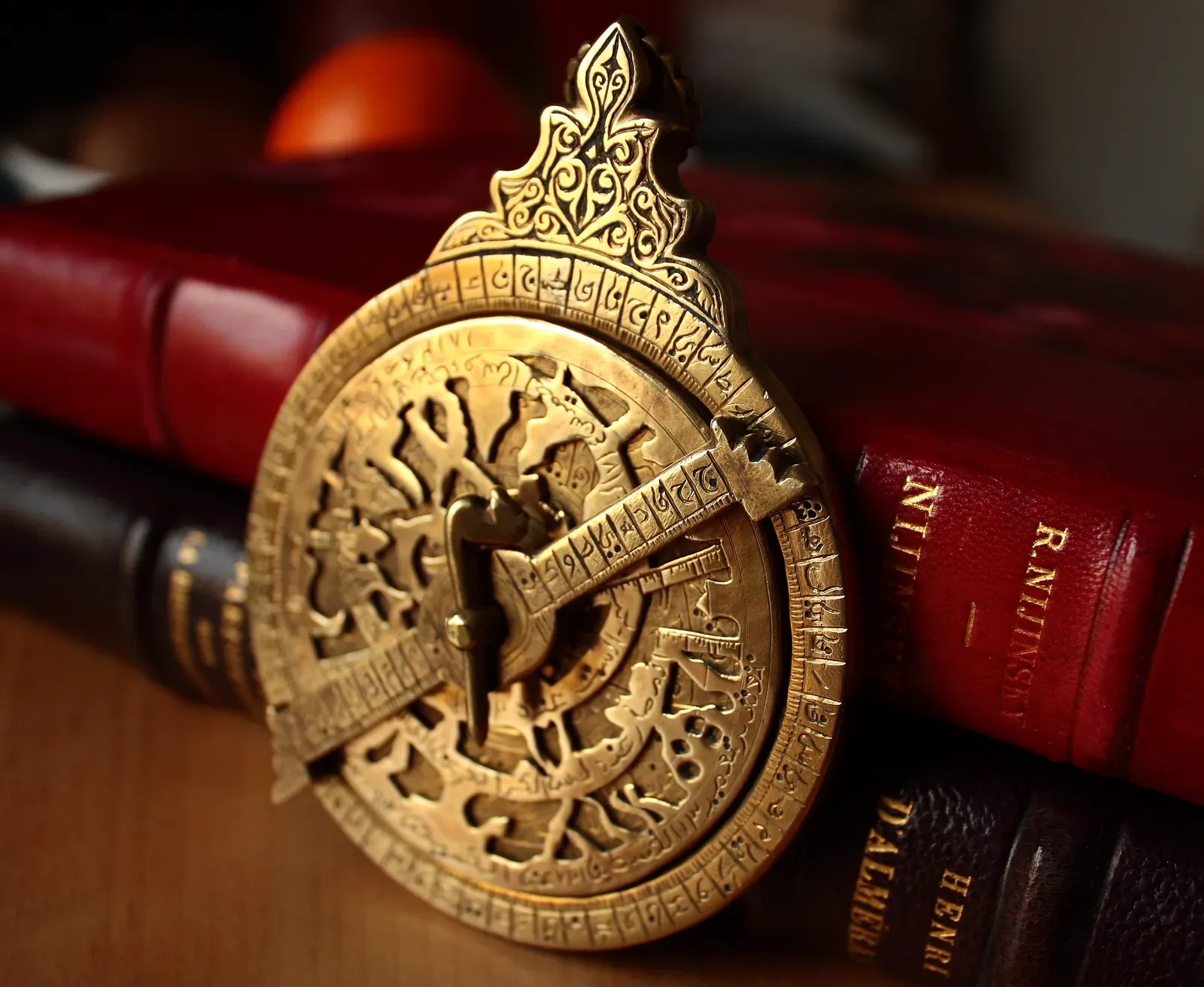
During the Islamic Golden Age, especially between the eighth and fifteenth centuries, astronomers from Baghdad to Samarkand pushed eclipse prediction into a new era of precision. They inherited ideas from Babylonian, Greek, and Indian sources, then tested and reworked them using increasingly accurate instruments and observatories. Places like the Maragha and Samarkand observatories housed enormous quadrants, armillary spheres, and sighting devices designed to track the Moon and Sun to fine angular resolutions. With this data, astronomers refined orbital parameters and produced new zīj tables that could predict future eclipses for specific regions and times.
What stands out today is just how collaborative and cumulative this work was. Scholars translated, criticized, and expanded each other’s texts across centuries and continents, turning eclipse prediction into an ongoing, international project long before modern scientific journals. Some of their tables were so reliable that they continued to be copied and used even after European colonial powers brought newer models. In essence, they built a bridge between ancient pattern‑spotting and the emerging precision astronomy that would later feed into Copernican and Newtonian revolutions. Their success reminds us that science at its best is a shared, border‑crossing effort, even when the object of study is as seemingly remote as the Moon’s shadow racing across Earth.
Why It Matters: Eclipses as a Gateway to the Scientific Mindset
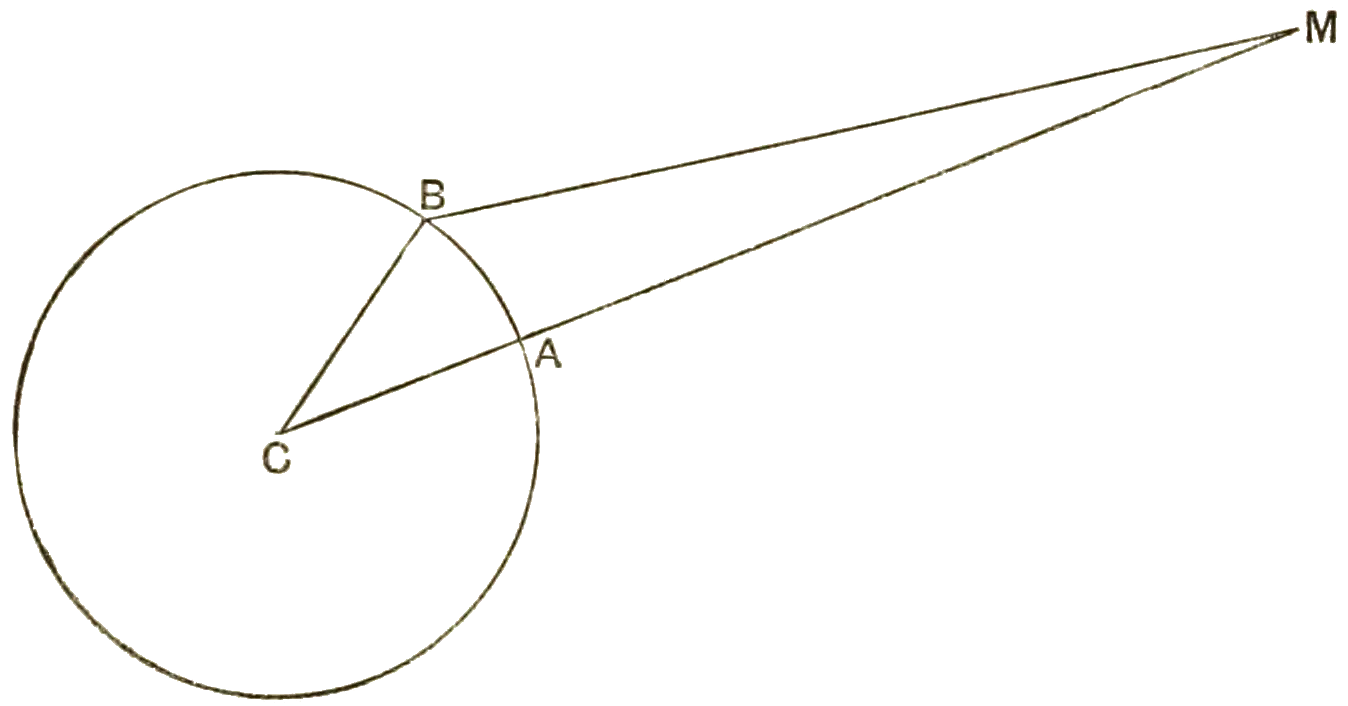
It’s easy to treat all of this as a charming historical footnote, but the way ancient cultures learned to predict eclipses carries a deeper message for how science works. These societies started from fear, myth, and stories of sky‑eating dragons, yet gradually turned anxiety into curiosity and then into measurable patterns. They did it not by instantly understanding the whole cosmos, but by making careful records, comparing notes across generations, and accepting that the sky follows rules we can uncover. In modern terms, they moved from narrative to data, then from data to model, inch by inch. That same arc underlies everything from climate science to epidemiology today.
When we marvel at their accuracy, we’re really admiring the power of long‑term, collective attention. No single Babylonian scribe or Maya priest figured it all out in a flash of inspiration; they were part of lineages of observers, each adding a little more precision. This clashes with the popular image of science as the domain of lone geniuses and instead highlights the strength of patient record‑keeping and shared tools. Personally, I find it humbling that a clay tablet or weathered codex can encode predictive power rivaling early modern astronomy. The takeaway is simple: understanding the universe is less about having the latest gadget and more about being willing to watch, count, and learn over time.
From Ancient Tools to Modern Science: Echoes in Today’s Eclipse Forecasts
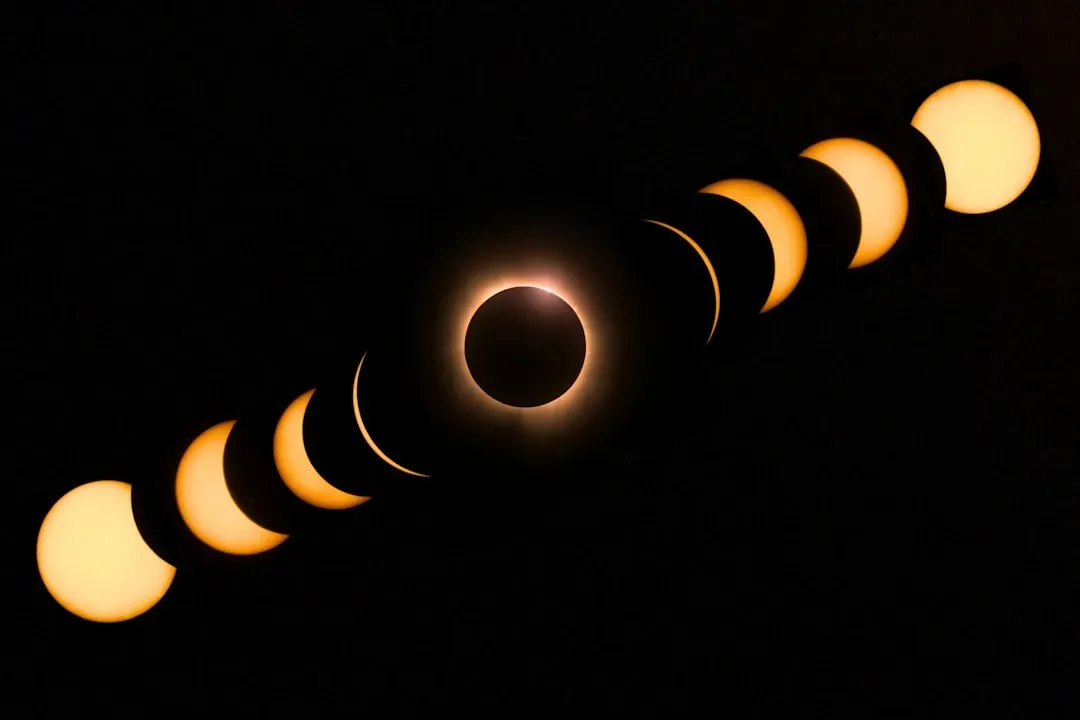
Modern astronomers can predict eclipses centuries into the future with astounding detail, down to the second and to a narrow path on Earth’s surface, but the backbone of those forecasts still looks familiar. We still use cycles like the Saros to organize and label eclipses, just as Babylonian scribes once did, even though our physical explanations have changed completely. Computerized models run on principles of celestial mechanics, but they depend on the same basic reality: that the motions of the Moon and Earth are regular enough to chart. In essence, we’ve wrapped new layers of precision and physics around a pattern that ancient observers already recognized. The continuity is striking once you notice it.
There’s also a cultural echo in how societies respond to eclipses now versus then. Instead of sacrifices and royal omens, we have tourism booms, citizen‑science projects, and millions of people stepping outside with eclipse glasses or pinhole projectors. Researchers use these rare alignments to study everything from the solar corona to how animals react to sudden daytime darkness. Yet whether it’s a Babylonian priest with a stylus or a NASA engineer watching a simulation, the emotional core is similar: a mix of dread, wonder, and deep curiosity about forces bigger than ourselves. The tools have changed; the awe has not.
The Future Landscape: New Technologies, Old Shadows
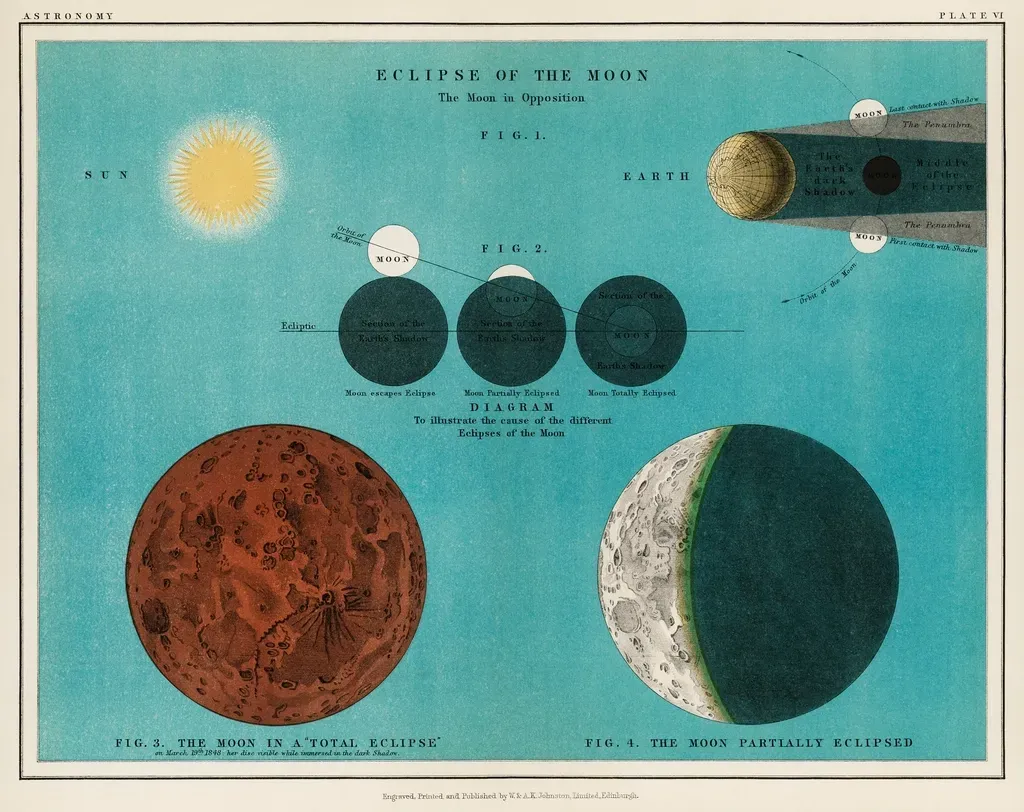
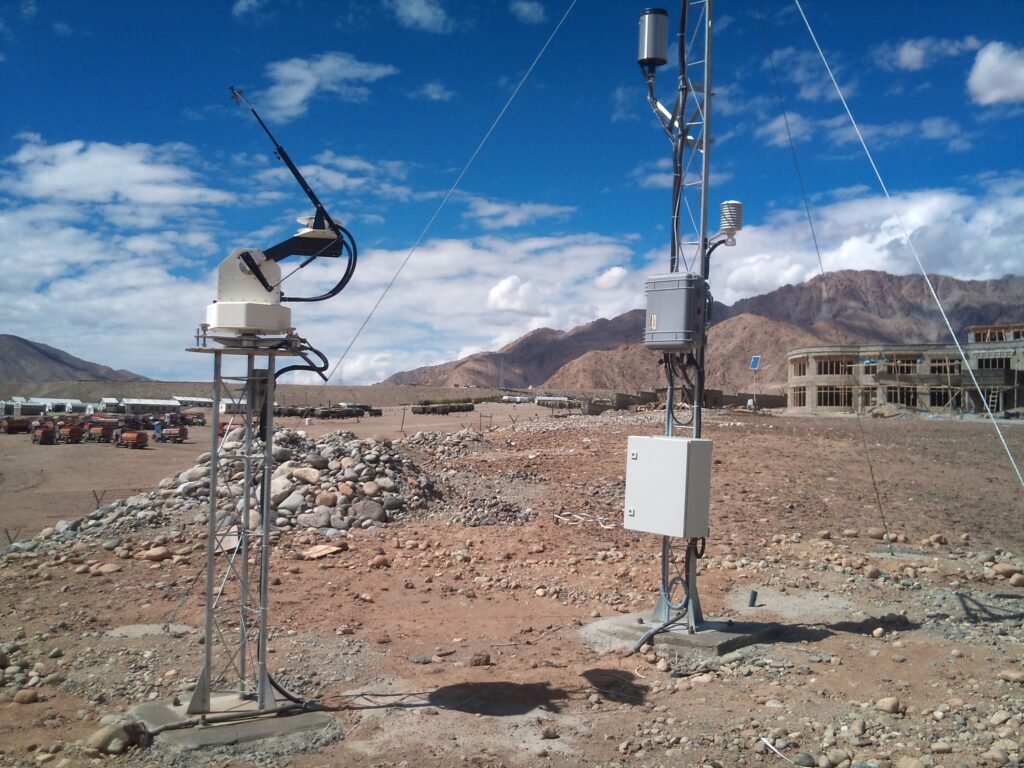
Looking ahead, you might think there’s nothing left to learn from eclipses because we already know exactly when they will happen for centuries to come, but that underestimates how science works. Space‑based observatories and small, agile satellites are turning eclipse moments into natural laboratories, especially for studying the Sun’s outer atmosphere and space weather that can disrupt power grids and communications. Artificial intelligence systems are being trained on decades of eclipse observations to improve models of solar dynamics and magnetic fields. Ground‑based networks of sensors now monitor how eclipses ripple through Earth’s atmosphere, affecting temperatures, winds, and even radio signals. The event that once terrified ancient farmers is now a probe we aim at multiple layers of our planet and star.
Globally, eclipses are also becoming a testbed for cooperation and access to science. International teams plan coordinated campaigns along eclipse paths, bringing high‑end equipment to regions that may not have permanent observatories. At the same time, low‑cost sensors and open‑data platforms let students and amateurs contribute valuable measurements. The challenge will be making sure that this new wave of eclipse science does not repeat older patterns of excluding local communities from the benefits of knowledge. If we get it right, future eclipses could embody the best of both worlds: cutting‑edge technology and a shared human experience that stretches back to the first people who looked up in fear and decided to start counting.
How You Can Engage: From Backyard Awe to Citizen Science
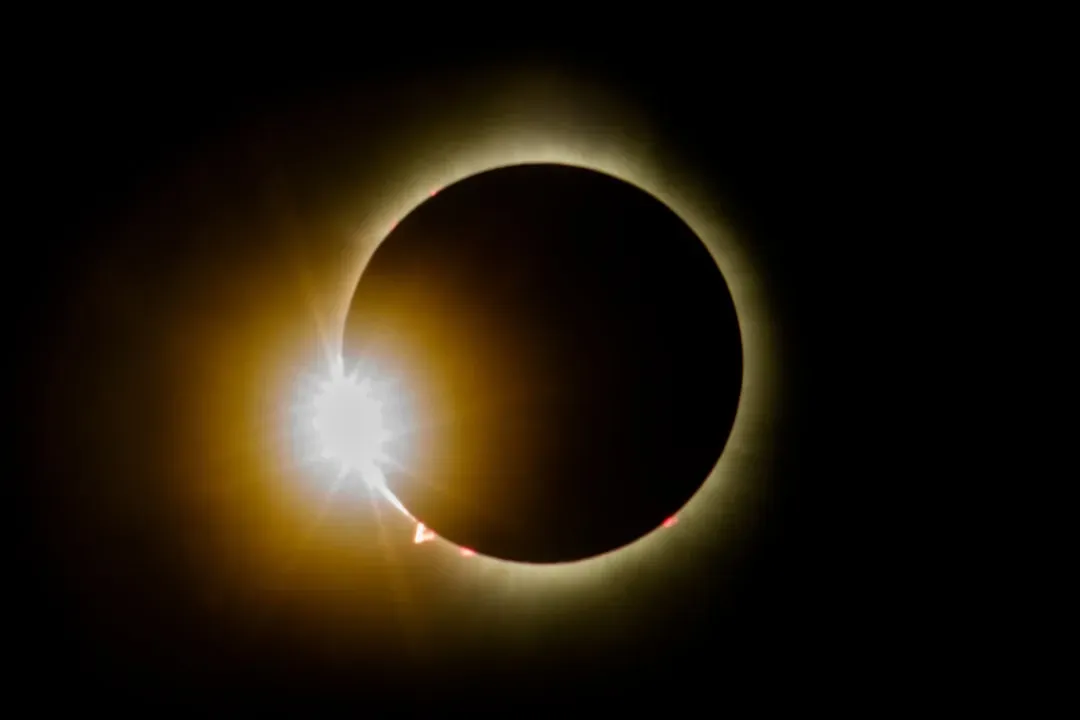
You don’t need a PhD or a telescope to step into the same long tradition that once drove Babylonian priests and Maya astronomers. The simplest act – marking the date of an eclipse, noting the time it begins and ends where you live, and sharing that with a local science group – places you inside that chain of observers across history. You can join citizen‑science projects that track temperature drops, animal behavior, or changes in sound during an eclipse, turning your curiosity into data. Even practicing safe solar viewing with proper filters and helping neighbors do the same matters, because it builds a culture where looking up is encouraged, not feared. It’s a small but real way to push back against indifference to the sky.
If you want to go a step further, you can support organizations that preserve ancient astronomical sites, digitize historical records, and fund public outreach around celestial events. Local planetariums and science museums often run programs tied to eclipses, and they depend on both attendance and donations to keep going. Personally, I still remember watching my first partial eclipse with a homemade viewer and realizing that a cardboard box could become a scientific instrument if you treated it that way. That sense of empowerment – of being able to test what the sky is doing for yourself – is one of the most precious legacies these ancient cultures have handed down. The next time the Moon’s shadow sweeps over your part of the world, will you stand inside, or will you join the long human experiment of looking up?