You might think we’ve got our planet all figured out by now. After all, we’ve mapped the continents, explored the oceans, and even sent probes to the edge of our solar system. Yet Mother Earth still keeps some of her most intriguing secrets locked away, puzzling even the brightest minds in science.
There are places on our planet that defy easy explanation. Strange lights that dance across remote valleys. Rocks that glide across desert floors on their own. Circular patterns in the sand that look like they were drawn by unseen hands. These aren’t the work of fiction writers or conspiracy theorists. They’re real phenomena that you can visit, touch, and witness yourself, if you’re curious enough to seek them out.
What makes these wonders particularly fascinating is that despite all our advanced technology and centuries of study, we still can’t fully explain them. Sure, scientists have theories, plenty of them actually, but no one has definitively cracked these natural codes. So let’s dive in.
Ball Lightning: The Floating Orbs That Shouldn’t Exist
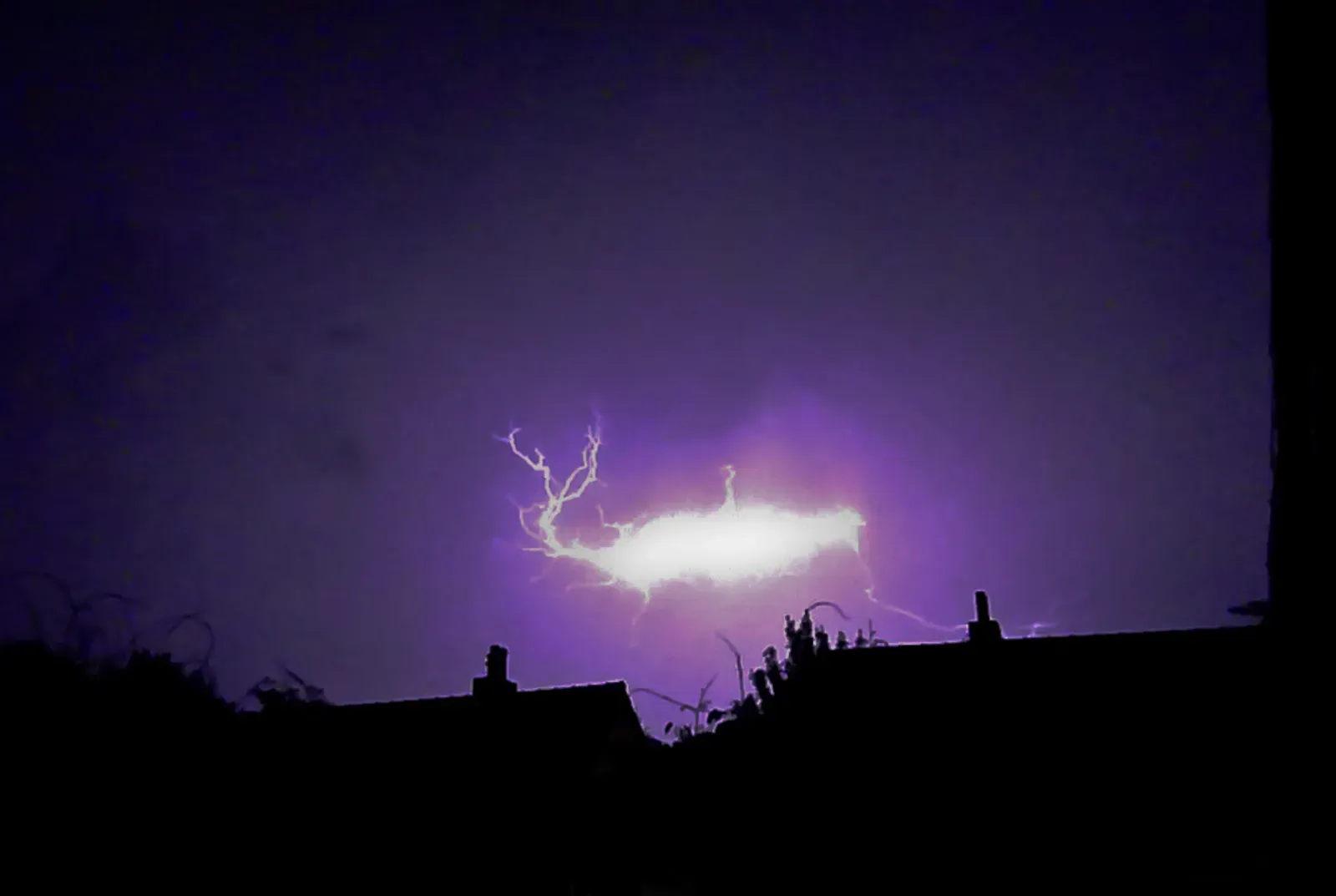
Ball lightning is an elusive weather phenomenon that has puzzled scientists for centuries. Picture this: you’re sitting in your living room during a thunderstorm when suddenly a glowing sphere, about the size of a grapefruit, floats through your window. Witnesses describe it as a floating orb of light, varying in size from a golf ball to a beach ball, sometimes accompanied by a hissing noise.
The really frustrating part for researchers is that it’s unpredictable, making it difficult to study. Although numerous theories have been proposed to explain this mysterious phenomenon, including electrical discharges, plasma, and even quantum phenomena, no consensus has been reached among scientists. The unpredictable and transient nature of ball lightning makes it a challenging subject for study, leaving its true nature shrouded in mystery. It’s one of those rare cases where the phenomenon is well-documented by eyewitnesses but remains nearly impossible to recreate in a laboratory setting.
The Hessdalen Lights: Norway’s Persistent Mystery
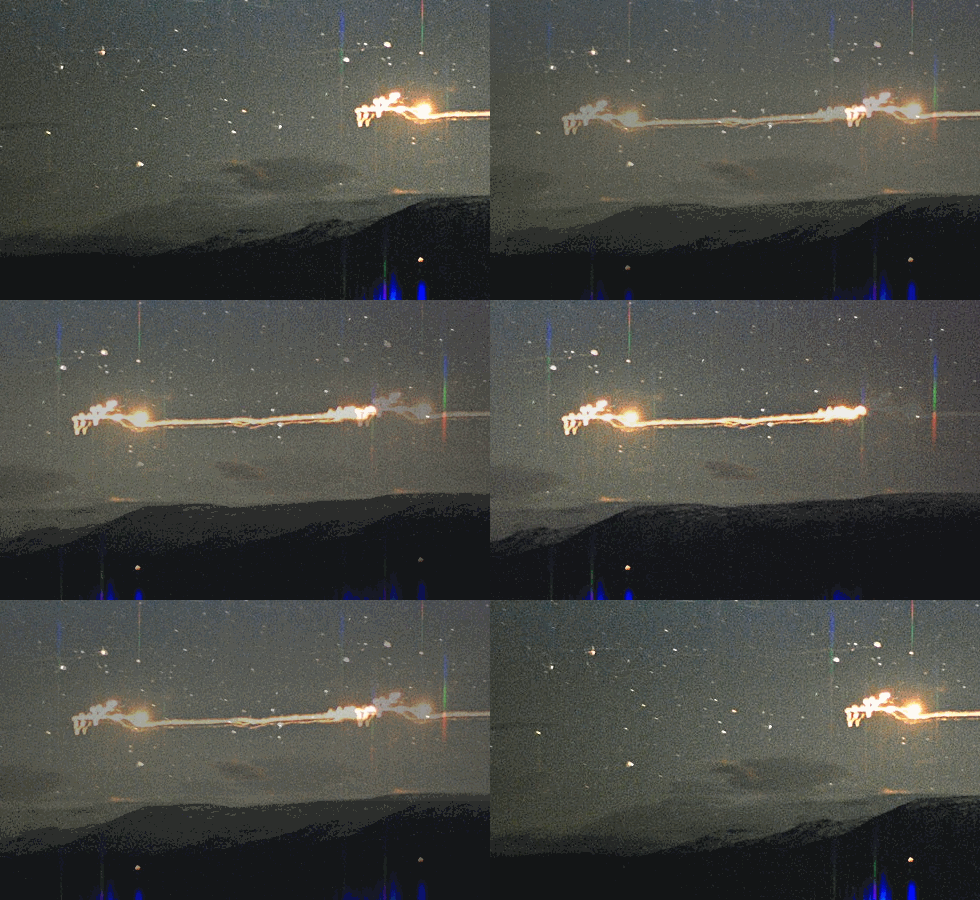
In the remote valley of Hessdalen, Norway, mysterious lights dance across the sky, captivating locals and scientists alike. Known as the Hessdalen Lights, these unexplained phenomena manifest as floating orbs of light, changing colors and intensity. What sets these apart from other unexplained light phenomena is their frequency. Unlike other light anomalies, the Hessdalen Lights are relatively frequent, with sightings recorded several times a year. Despite numerous studies, including electromagnetic and spectroscopic analysis, their origin remains elusive.
You’d think with all that regular activity, scientists would have figured this out by now. Some researchers speculate that the lights result from ionized gas or plasma interacting with atmospheric elements, but no definitive explanation has been established. The lights have attracted global attention, with scientists and tourists flocking to Hessdalen in hopes of witnessing the spectacle. For researchers, the lights present an ongoing scientific puzzle, a challenge that underscores the complexities of our natural world.
Rogue Waves: The Ocean’s Hidden Monsters

Imagine a seemingly calm sea suddenly giving rise to a towering wave, seemingly out of nowhere. These are rogue waves, colossal oceanic phenomena that can reach heights of 100 feet or more. They appear unexpectedly and are powerful enough to sink even the largest ships, making them a maritime nightmare. Honestly, it’s terrifying to think about.
For decades, sailors told tales of these massive walls of water appearing from nowhere, but they were dismissed as myths or exaggerations. Despite their ferocity, rogue waves remained dismissed as maritime myths until scientific evidence proved their existence. Now we know they’re real, but the exact mechanisms that create these monsters of the deep remain only partially understood. They seem to form when multiple wave patterns intersect at just the right moment, but predicting when and where they’ll appear is still largely guesswork.
The Eye of the Sahara: Earth’s Bull’s-Eye
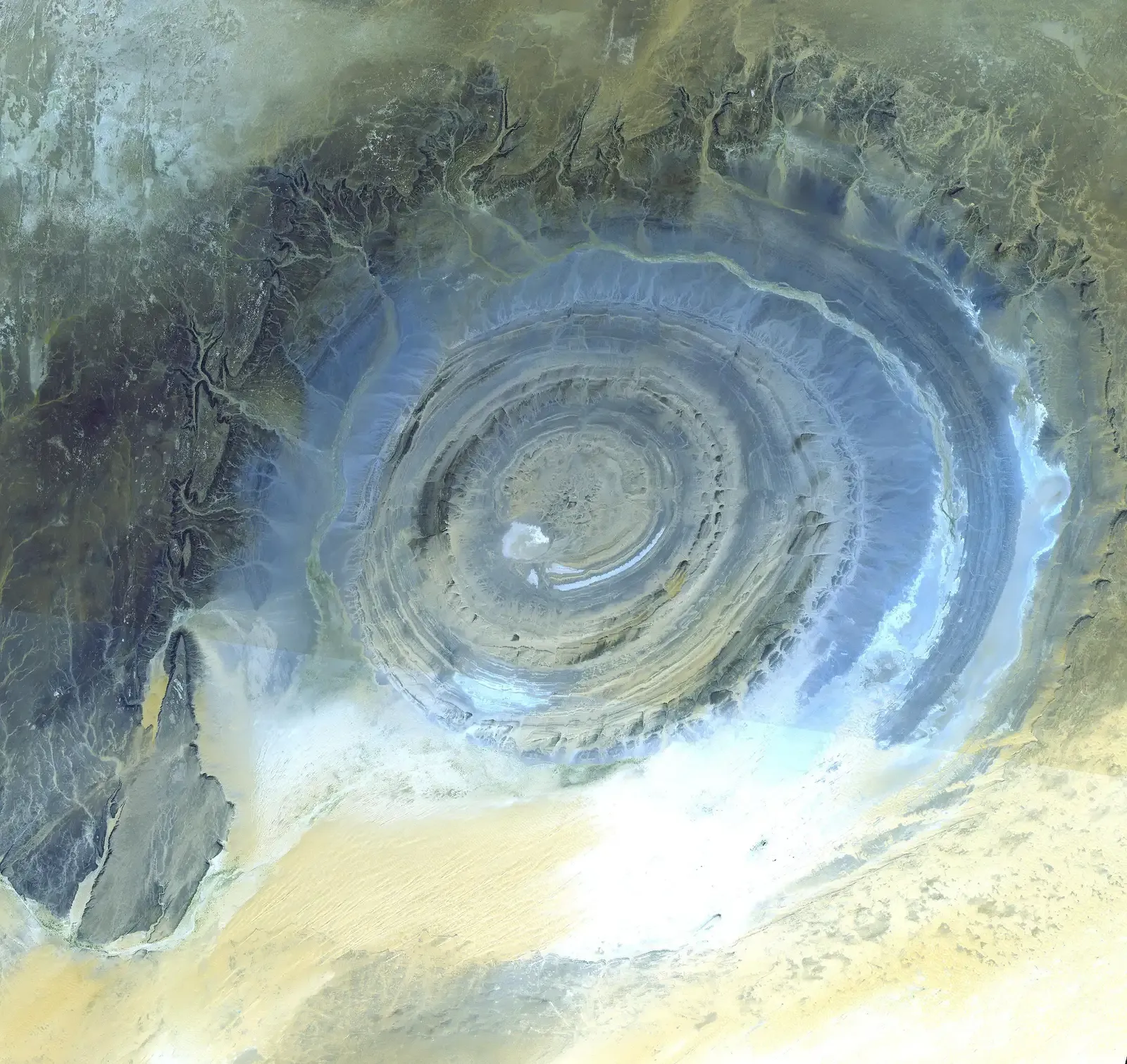
You won’t notice it from ground level. This strange natural formation in the heart of the Sahara Desert only became widely known when we began sending humans into space. Dubbed Eye of the Sahara, because it appears to be gazing out to other planets, the Richat Structure was first captured on camera by astronauts on NASA’s Gemini IV mission in 1965. It’s thought that only a handful of local people previously knew of the geological oddity, which spans across a 25-mile region in Mauritania, northwest Africa.
It was initially hypothesised that the natural wonder was created when a meteor crashed into Earth, but this idea was dismissed as there wasn’t enough melted rock in the area to show a collision. Today, the most prominent theory is that it was created more than 100 million years ago when the mega-continent of Pangaea was being forced apart. As the world’s tectonic plates shifted, molten rock pushed up to the surface but didn’t quite make it, resulting in the dome-like shape. Still, that perfect circular pattern feels almost too precise to be purely natural, sparking endless fascination among geologists and conspiracy theorists alike.
Fairy Circles: Nature’s Perfect Polka Dots
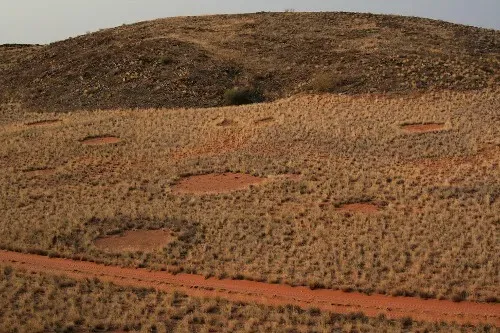
Barren, circular patterns called fairy circles cover the Namib desert in Namibia. These circles have mystified scientists for decades. The patterns can measure between 3.5 meters to 35 meters across. In 2014, researchers found similar fairy circles in Australia. The discovery of these circles on a completely different continent only deepened the mystery.
Here’s the thing: scientists have several competing theories. One theory claimed that fairy circles were a result of plants competing for water. Another explanation is termites eating away at vegetation around their nests. However, researcher Stephan Getzin claimed that fairy circles found in some areas of Australia and Namibia did not have termites. He also argued that the hexagonal patterns were too precise to be caused by termites. Despite extensive research and study, scientists have not reached a consensus on the cause of fairy circles. This enduring mystery continues to intrigue researchers and nature enthusiasts alike.
The Great Unconformity: A Missing Billion Years
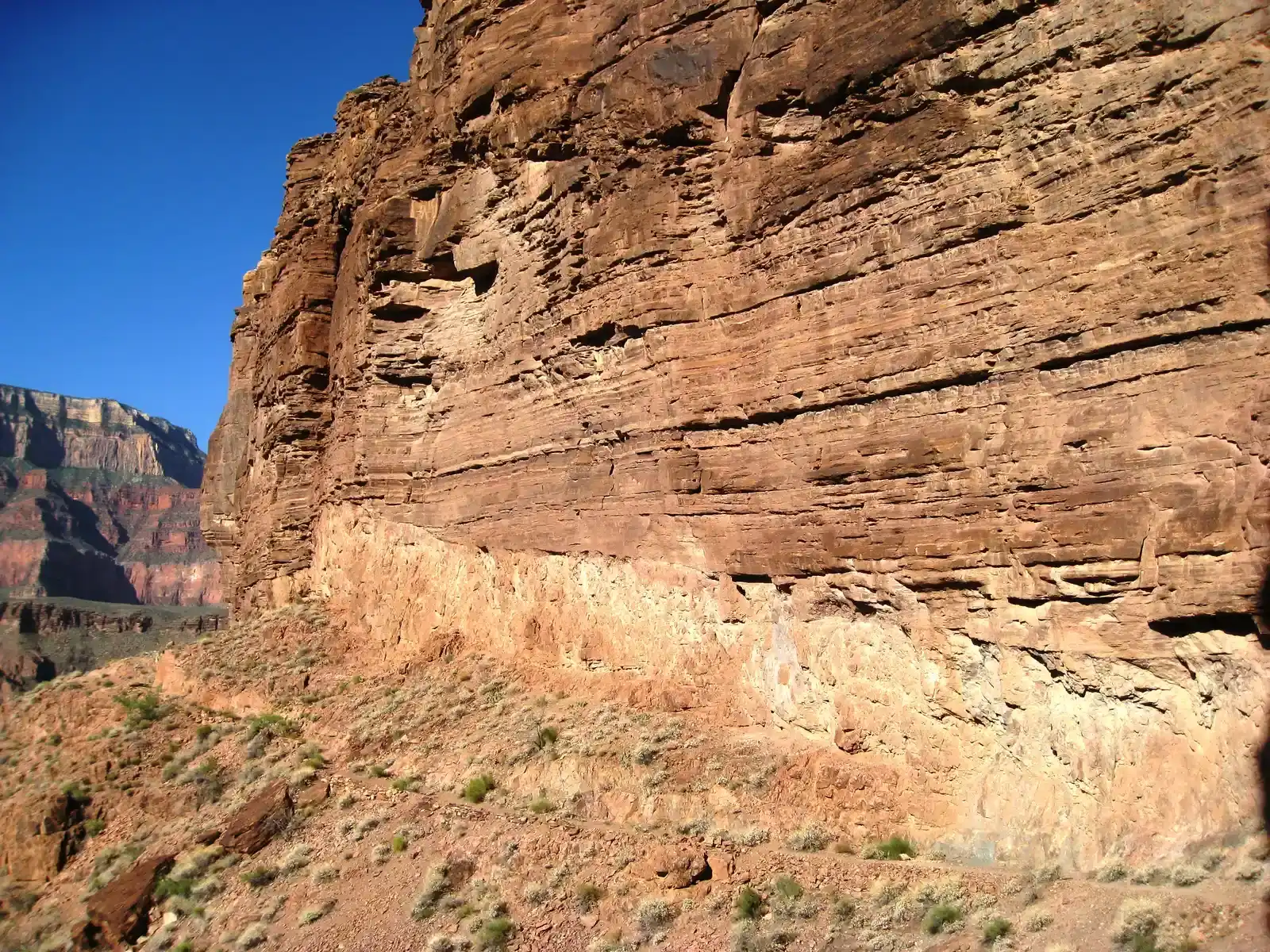
Since the Grand Canyon is one of the most-visited places in the US, you’d think we know everything there is to know about it. But that isn’t strictly true. In fact, this stunning natural wonder is home (or, rather, not home) to a weird phenomenon known as the Great Unconformity: a gap in the layers of rock indicating an unaccounted-for period of 250 million-1.2 billion years. Let that sink in for a moment. Nearly a billion years of Earth’s history is just missing.
Scientists can be certain that there is a gap because of the large disparity between the ages of the rock layers around it. While it’s still unclear how exactly it came to be, researchers have put forward the theory that the rock layers were lost during a period of tectonic uplift, when the ancient supercontinent Rodinia broke apart some 750 million years ago. They suggest that this rifting created the faults in the rock we can see today. It’s hard to say for sure, but imagine what secrets could be hidden in that lost time period.
Sailing Stones of Death Valley: Rocks That Move Themselves
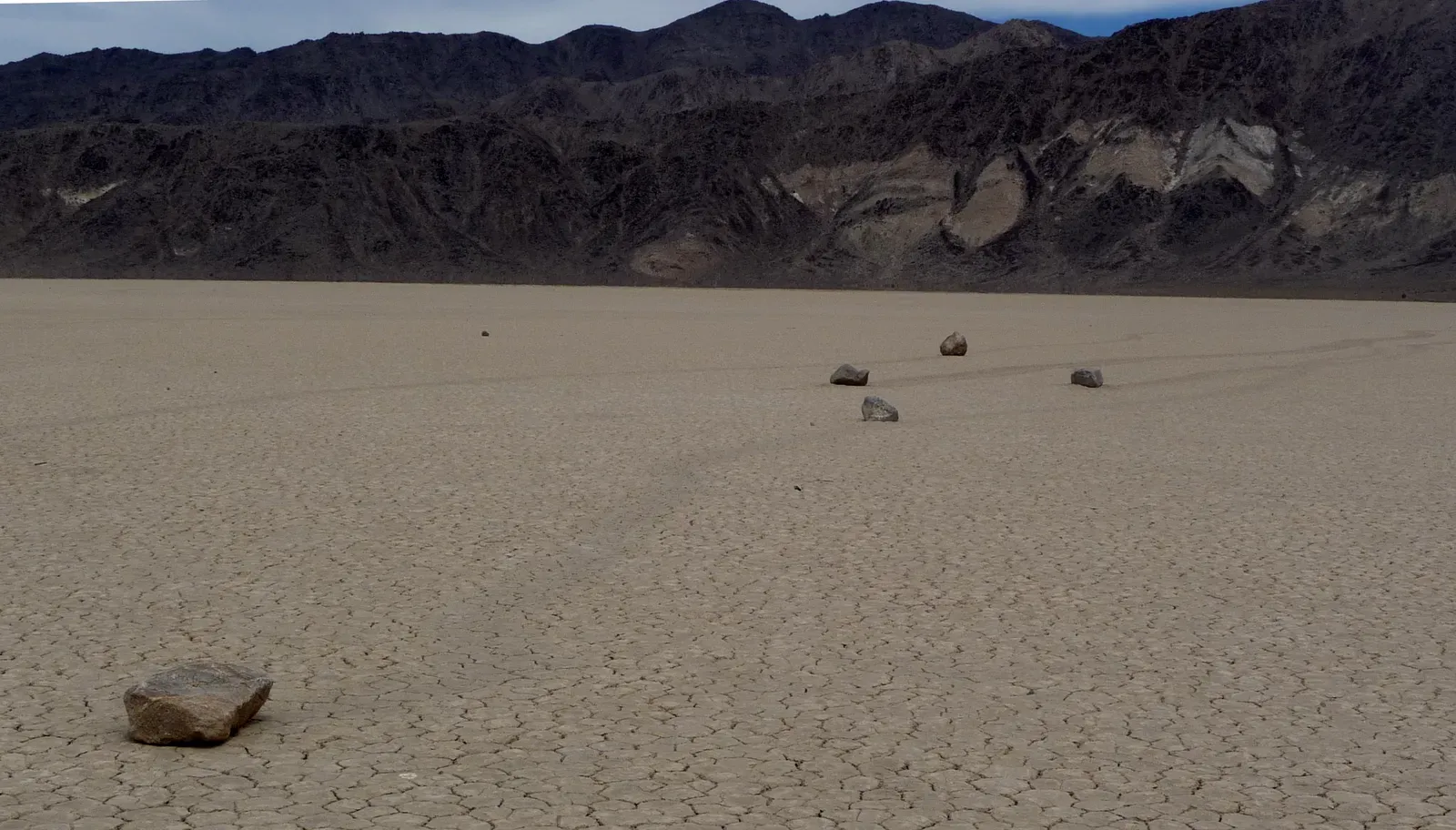
The phenomenon of the “Sailing Stones” is a mysterious geological occurrence that has puzzled scientists and intrigued visitors for years. Located in the Racetrack Playa of Death Valley National Park in California, these rocks appear to move across the desert floor on their own, leaving behind long tracks that can stretch for hundreds of feet. Despite years of study, the cause of this movement is still not fully understood.
You can actually visit the dry lakebed and see the evidence yourself: rocks weighing hundreds of pounds, with clear trails showing they’ve traveled significant distances. While there have been many theories put forth to explain the Sailing Stones, it wasn’t until the advent of time-lapse photography that scientists were finally able to capture the movement of the rocks in action, providing important new clues about the forces at work in this unusual geological phenomenon. The current explanation involves thin sheets of ice forming overnight and being pushed by wind, but the phenomenon is so rare and specific in its conditions that witnessing it remains extremely difficult.
The Taos Hum: A Sound Only Some Can Hear
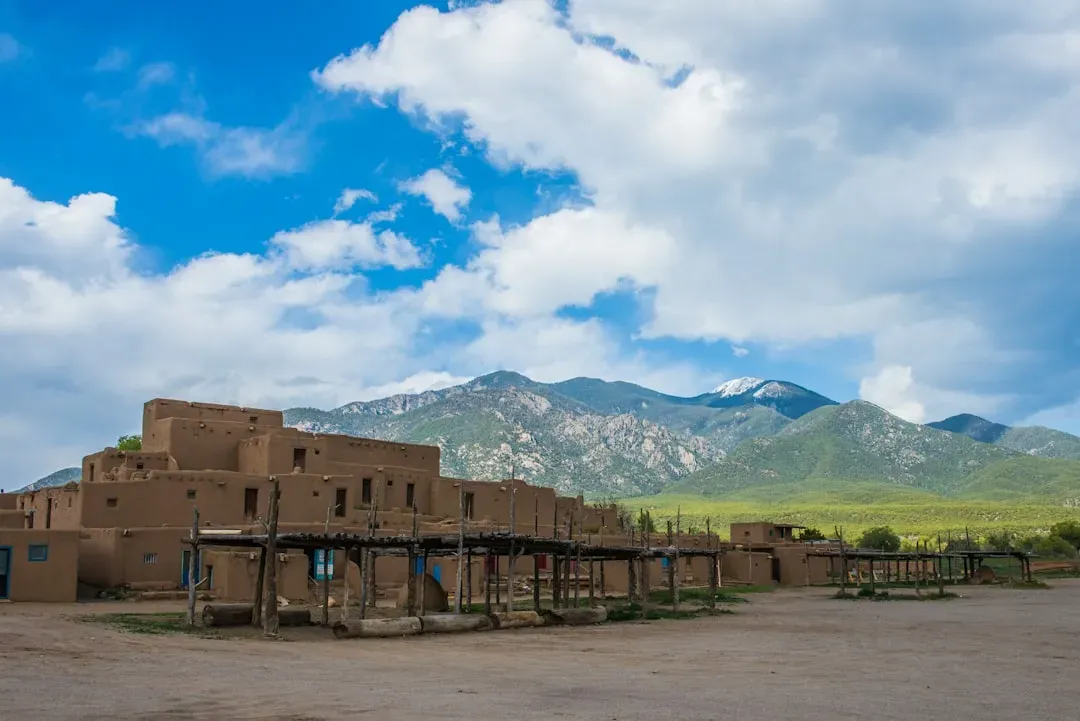
In the small town of Taos, New Mexico, only 2% of the population (called “hearers”) can hear a strange and mysterious hum. Known as the “Taos Hum,” it has no known origin and was first reported in the early 1990s. Imagine hearing a constant, low-frequency droning that nobody else around you can detect. It would drive you absolutely mad.
In 1994, Joe Mullins of the University of New Mexico set up sensitive equipment in the “hearers'” homes but found nothing unusual. He was not able to find the source of the hum nor figure out why only 2% of the population heard it. Places all over the world have also heard strange hums. The city of Bristol in England reported a hum in the 1970s. The town of Largs in Scotland heard a hum in the late 1980s. Each location adds another layer to this acoustic mystery that continues to perplex researchers.
Blood Falls in Antarctica: The Glacier That Bleeds
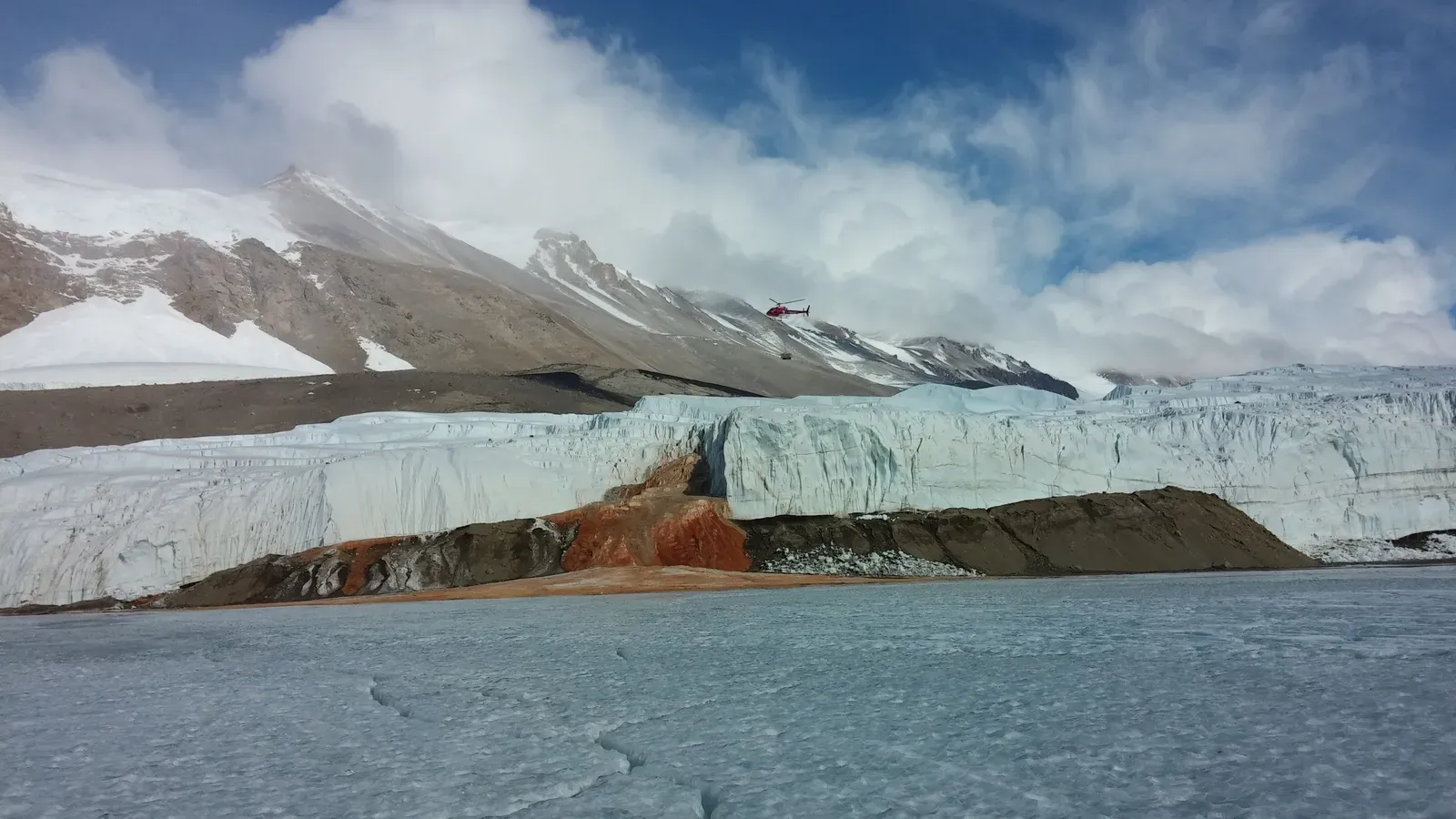
In Antartica, there are the famous Blood Falls – a blood-red waterfall pouring out of the Taylor Glacier in the McMurdo Dry Valleys. Scientists and geologists first thought the red color is because of algae, according to Atlas Obscura. The sight is genuinely startling: bright crimson water flowing from pristine white ice, like the glacier itself is bleeding.
Research by the University of Alaska Fairbanks, however, found the red color is thanks to oxidized iron in the brine saltwater. We see the falls thanks to a fissure allowing the water to flow from the small, trapped body. What makes this even more fascinating is that scientists discovered microbial life thriving in this incredibly harsh, isolated environment. These organisms have been cut off from sunlight and the atmosphere for potentially millions of years, yet they’ve adapted and survived in conditions that seem utterly inhospitable to life.
Ringing Rocks: Stones That Sound Like Bells
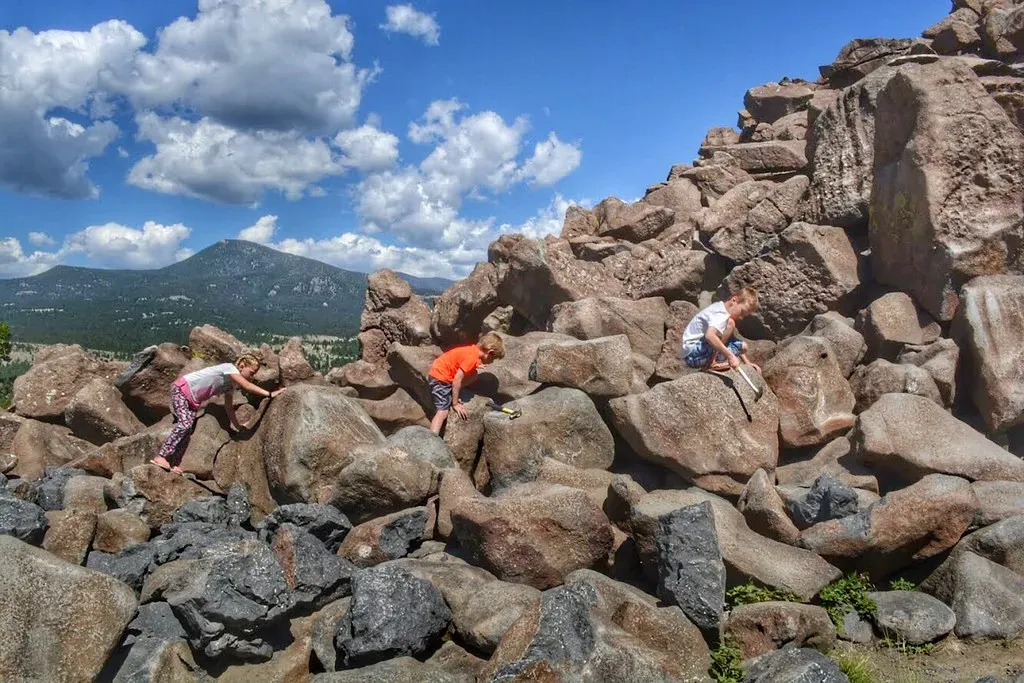
Just an hour and a half west of New York City, Pennsylvania’s Ringing Rocks Park is named for an odd and delightful phenomenon: “ringing” or “lithophonic” rocks. The park’s seven-acre boulder field contains piles of large diabase (an igneous rock) stones formed some 175 million years ago that sound like bells when hit with a hammer. About a third of the rocks ring when hit, while the remainder are “dead” and produce only the expected thud.
Scientists don’t know why the rocks ring, though there are multiple theories involving rock composition, stacking patterns, even extraterrestrial influence. The phenomenon “inspires more questions than answers, even for geologists.” Visitors are encouraged to bring their own hammers and test the rocks themselves. It’s one of those rare mysteries you can actually interact with and experience firsthand, making it all the more enchanting.
Conclusion: The Beautiful Unknown

Our planet continues to surprise us, doesn’t it? Despite satellites that can read license plates from space and technology that peers into the depths of the universe, Earth still guards some of her secrets jealously. These ten phenomena remind us that discovery isn’t just about finding new things in distant galaxies. Sometimes the greatest mysteries are right here beneath our feet or dancing across the sky above remote valleys.
What’s particularly humbling is that these aren’t ancient mysteries from a time before science. Many of them have been studied extensively with modern technology, subjected to rigorous analysis, and examined by brilliant researchers. Yet they persist in defying complete explanation. Perhaps that’s exactly as it should be. The universe doesn’t owe us easy answers, and there’s something deeply satisfying about knowing that our world can still surprise us.
What do you think drives these unexplained phenomena? Have you witnessed any strange natural wonders yourself? The mysteries are out there, waiting for curious minds to explore them.