The last ten years have completely rewritten what we thought we knew about space, often in ways that feel almost unsettling. In mission briefings and data dumps, NASA scientists have quietly confirmed discoveries that once sounded like science fiction: oceans under ice, worlds with possible rain made of metal, and black holes that seem to sculpt entire galaxies. Each finding chips away at old certainties and replaces them with something stranger, more complex, and oddly more human. These are not just trivia points; they reshape how we think about life, health, and survival in the harshest environments imaginable. Here’s a closer look at ten of the most striking space facts NASA has only been able to confirm in roughly the last decade – and why they matter for our future on and beyond Earth.
1. Hidden Oceans: Icy Moons May Be Better for Life Than Some Planets
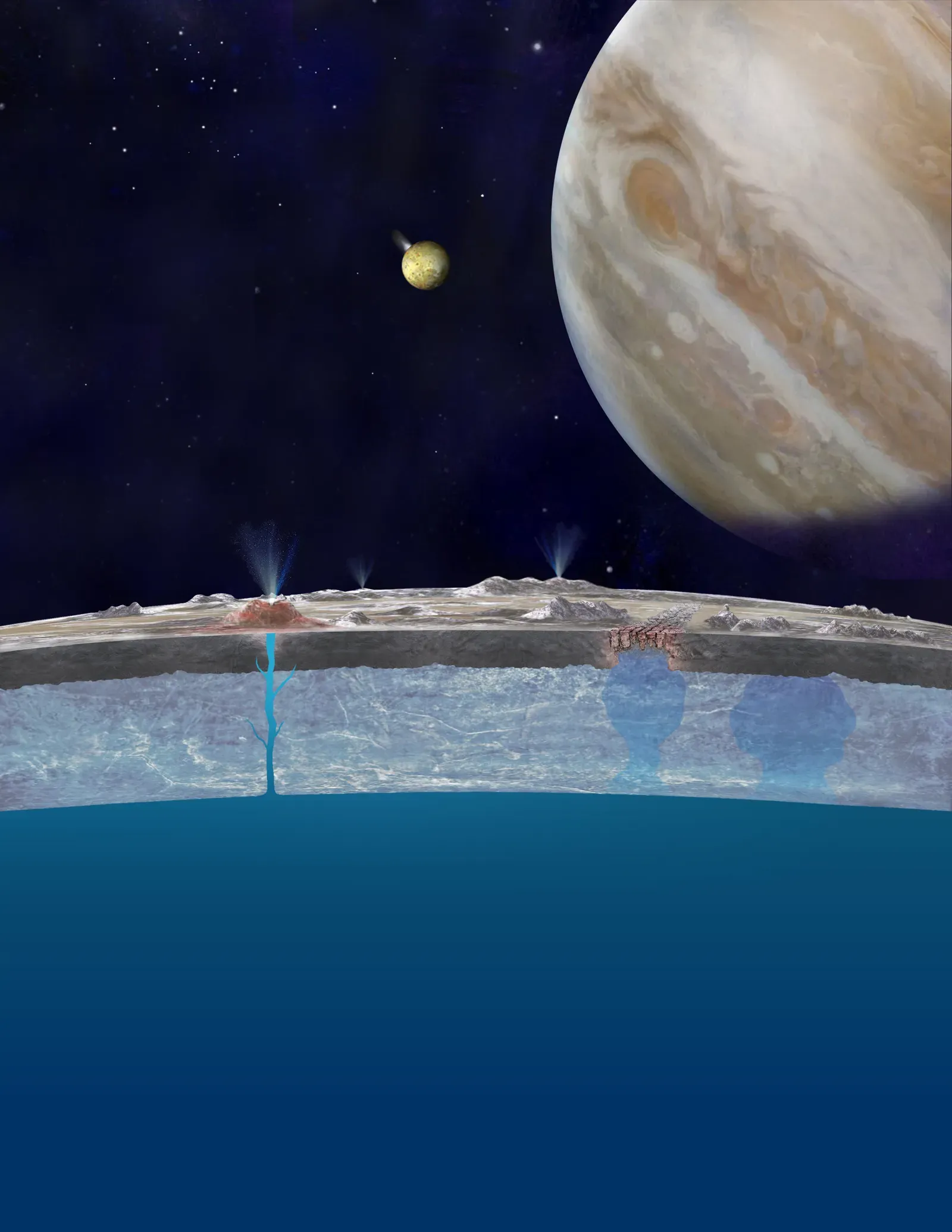
One of the most startling realizations of the last ten years is that some of the best places for life in our solar system are not warm, Earth-like planets, but frozen moons hiding dark oceans. NASA’s Cassini mission, before it plunged into Saturn in 2017, revealed towering water-ice plumes spraying from the tiny moon Enceladus, laced with salts and simple organic molecules that are typical building blocks of biology. Later deep analyses of Cassini data confirmed that Enceladus harbors a global ocean beneath its ice shell, kept liquid by tidal heating in the rocky core. Around the same time, observations of Jupiter’s moon Europa strengthened the case that its own buried ocean is not just present, but possibly in contact with its rocky mantle, a key condition for complex chemistry. If life can survive in a pitch-black ocean powered by internal heat instead of sunlight, suddenly the number of potentially habitable worlds multiplies dramatically.
These worlds are more than curiosities; they are natural laboratories for understanding life’s resilience and its biochemical limits. Planetary scientists now talk seriously about “ocean worlds” as a category, including Europa, Enceladus, Ganymede, and possibly even distant dwarf planets. In my own reporting, researchers have told me that studying these moons could teach us more about the chemistry of life than Mars ever will. Future missions like NASA’s Europa Clipper and the planned Enceladus-focused concepts are being built specifically to taste these ocean signatures from orbit and fly-through plume encounters. It’s an eerie thought: the first truly alien microbes we encounter might not live on a sunlit surface, but in a silent, pressurized sea under kilometers of ice.
2. Water on the Moon Is Not Just Trapped in Shadowed Craters
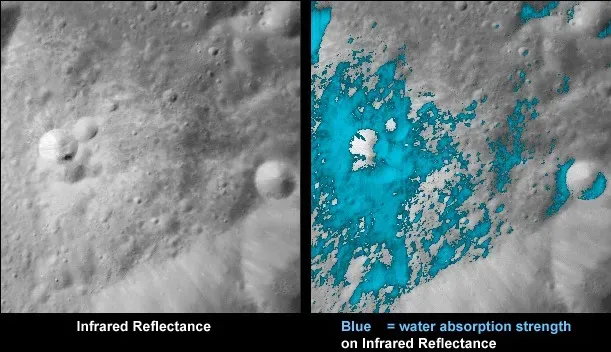
For decades, textbooks portrayed the Moon as bone-dry, with the only possible ice locked away in permanently shadowed polar craters. In the last few years, NASA has overturned that picture by confirming that tiny amounts of molecular water exist on sunlit lunar surfaces as well. Using the SOFIA airborne observatory and reanalyzed satellite data, scientists detected clear signatures of water in the lunar regolith – not just hydroxyl, but actual H₂O bound up in glass beads and minerals. The amounts are small, like a desert so dry it makes the Atacama look lush, but it is unmistakably there. This means our nearest neighbor is more chemically active and more useful than we thought.
From a health and survival standpoint for future astronauts, this is enormous news. Water is not only for drinking; it can be split into oxygen for breathing and hydrogen for rocket fuel, and it plays a crucial role in shielding against radiation and managing heat stress in spacesuits. If at least some of that resource can be harvested locally rather than shipped from Earth, long-term lunar habitats become more realistic. Engineers are now designing systems that could bake water out of lunar soil or process icy regolith into air and fuel, effectively turning the Moon into a refueling station for deep-space missions. What sounded like speculative “in-situ resource utilization” a decade ago is increasingly being grounded in hard, observational data.
3. Mars Once Had a Thick Atmosphere and Long-Lasting Lakes
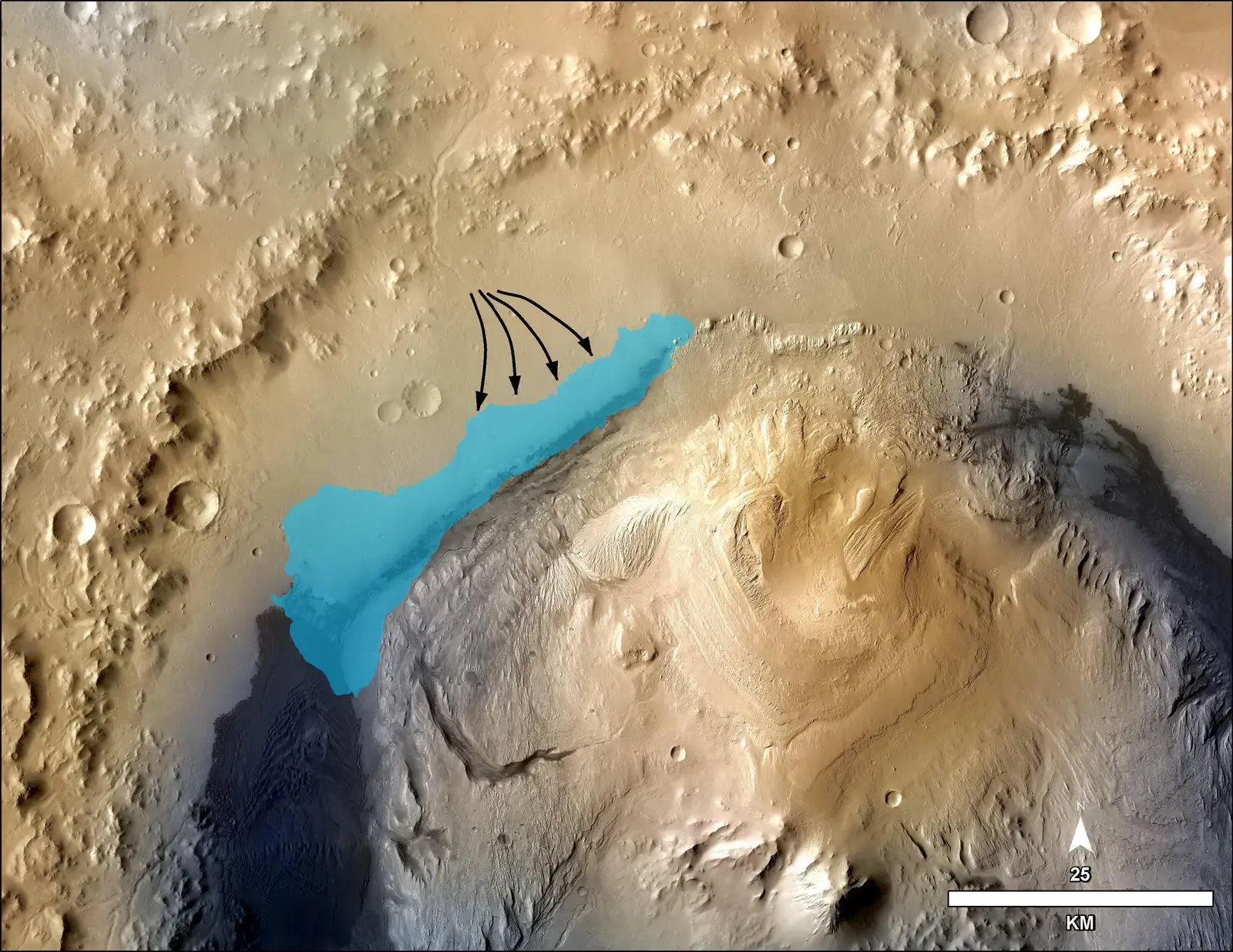
Mars has always carried a kind of ghostly sadness: a dry, cold world that hints at what might have been. Over roughly the past decade, NASA missions like Curiosity, InSight, and MAVEN have turned that melancholy into hard evidence, confirming that ancient Mars had a much thicker atmosphere, flowing rivers, and lakes that persisted for long stretches of time. Sedimentary layers, clay minerals, and deltas visible in high-resolution images speak to standing water that didn’t just flash-flood and vanish. Atmospheric measurements show that Mars slowly lost most of its air to space, stripping away the protection that once could have shielded liquid water and perhaps life on the surface. In health terms, it is a planetary-scale case study in climate loss and environmental collapse.
Curiosity’s discoveries of organic molecules trapped in Martian rocks were another shock, proving that the ingredients for life were present in environments that would be considered habitable by many microbial standards. These findings have pushed NASA to treat Mars not just as a fossil world, but as a place where evidence of ancient biology might genuinely be preserved. The Perseverance rover’s ongoing sample caching in Jezero Crater is the logical next step, collecting cores from what used to be a lake and delta system. Those samples, if brought back in the coming years, could effectively become the most important medical records in solar system history: a way to see whether biology ever arose twice in one star system, and thus how likely life might be across the universe.
4. Exoplanet Atmospheres Are Stranger – and Sometimes Healthier – Than Expected
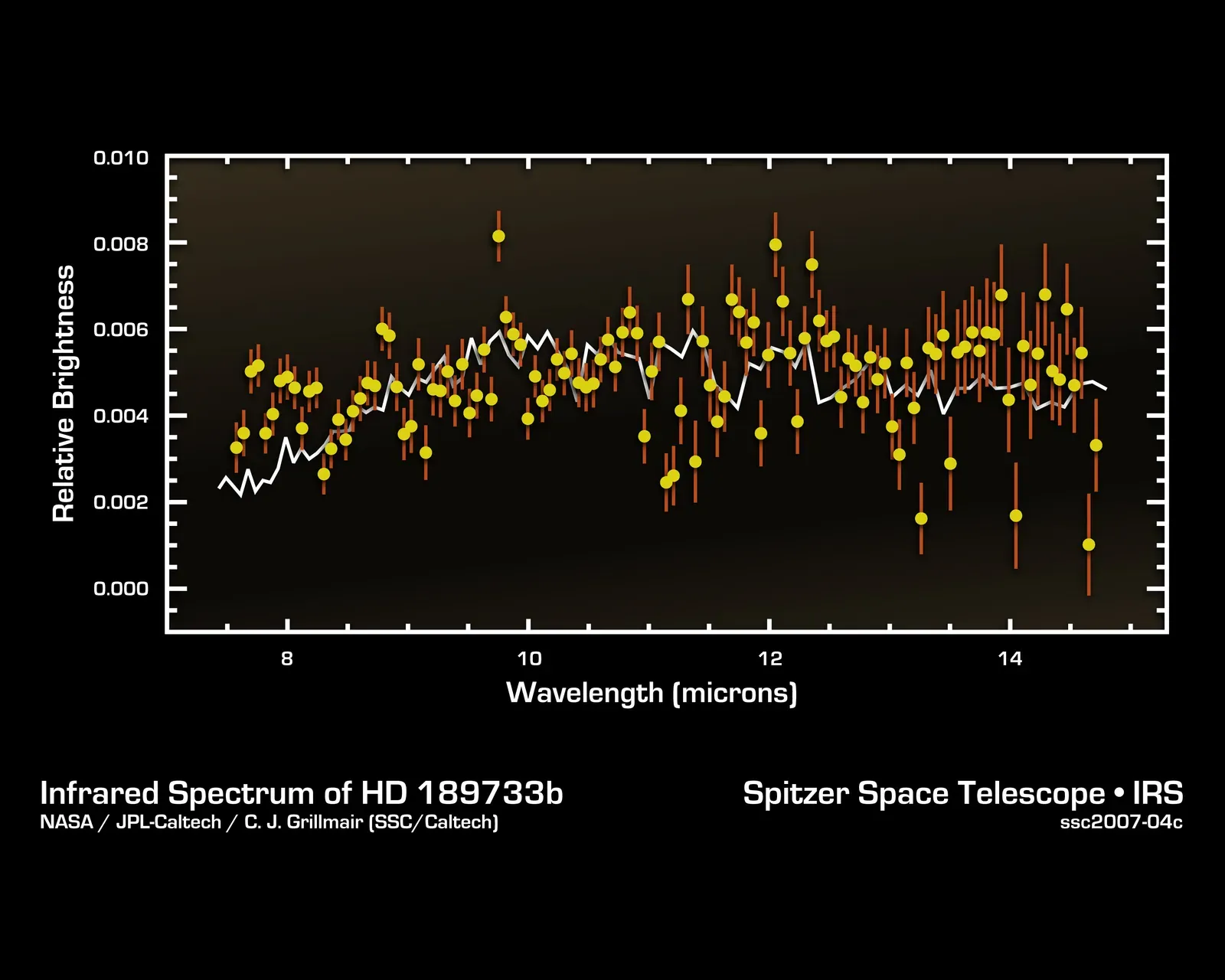
Ten years ago, exoplanets were often described in broad strokes: hot Jupiters, super-Earths, mini-Neptunes. Now, with space telescopes like Hubble and the more recent James Webb Space Telescope, NASA has confirmed the detailed makeup of atmospheres on a growing list of worlds, and some of them are stunning. Observations have revealed skies laced with water vapor, carbon dioxide, methane, and even probable clouds of metal-rich condensates on ultra-hot planets. For some temperate rocky and sub-Neptune planets, scientists are just beginning to measure how thick their atmospheres are and whether they might be capable of tempering harsh stellar radiation. In a few cases, early signals suggest atmospheres that might be more stable and long-lived than Earth’s in certain respects, at least in theory.
Astrobiologists and health scientists pay attention to this because an atmosphere is the first line of defense for life. It filters radiation, recycles heat, and controls whether a world is a sterile rock or a thriving biosphere. By studying exoplanet air, NASA is indirectly probing what kinds of environments can protect complex organic chemistry and, potentially, biology. Some of the findings have also fed back into Earth science: understanding runaway greenhouse effects on exoplanets, for instance, sharpens models of extreme climate scenarios here at home. In a way, each alien sky we analyze becomes another case in a cosmic epidemiology of planets – some healthy, some diseased, and some on the edge.
5. Black Holes Help Regulate the “Health” of Entire Galaxies
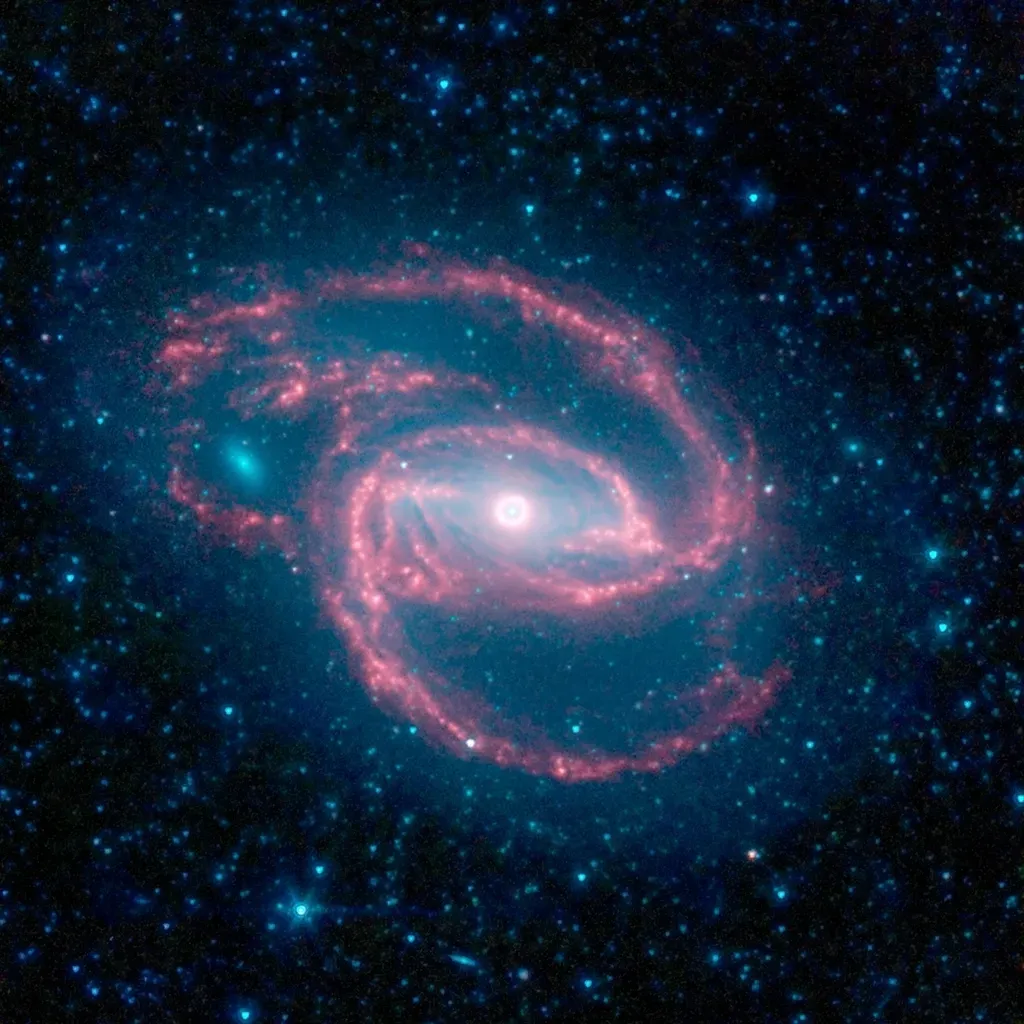
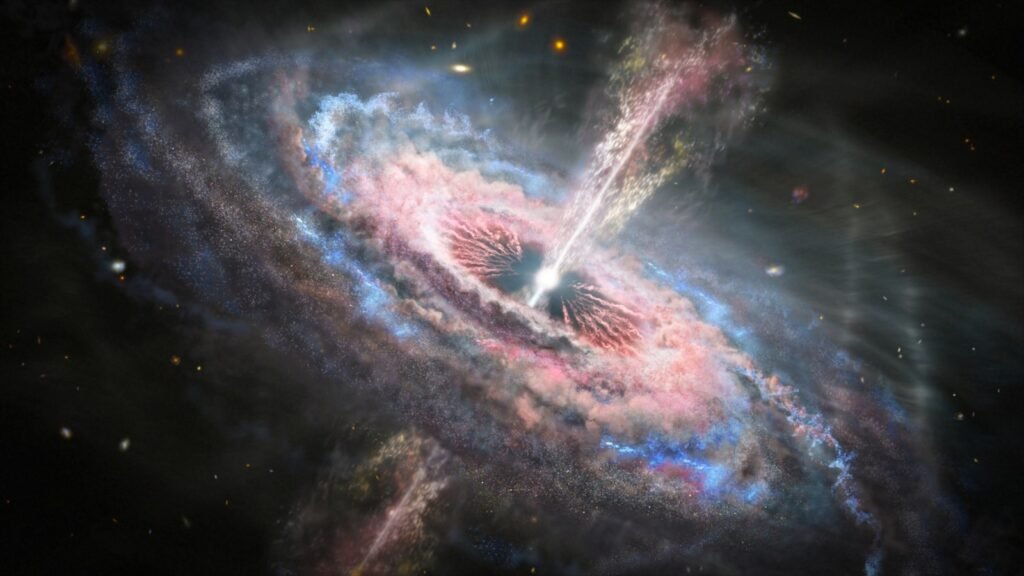
For a long time, black holes were treated mostly as exotic endpoints of star death, terrifying but largely irrelevant to everyday cosmic life. In the last decade, NASA’s X-ray and radio observatories have strengthened a very different picture: the biggest black holes at galactic centers act like engines, pumping energy and jets into their surroundings that can heat, stir, or even blow out gas. That gas is the raw material for star formation, so the black hole’s activity effectively acts like a thermostat for the galaxy. When it is too active, it can shut down star formation, leaving a galaxy to grow old and “red.” When it’s quiet, gas can cool and condense into new stars, renewing the system. This is not a minor detail; it means the fate of billions of stars and potential planets is tied to physics in the innermost light-years.
The health metaphor here is not just journalistic flourish. Astronomers now talk about galactic ecosystems, where feedback from black holes prevents runaway star formation that would otherwise burn through gas too quickly. Observations of galaxy clusters show cavities in hot gas carved out by jets from central black holes, like the scars of an earlier intervention. Without that kind of regulation, many galaxies might evolve very differently, perhaps forming stars so fast they self-destruct in a cosmic “heart attack.” NASA’s newer data, combined with simulations, has turned black holes from mysterious destroyers into reluctant caregivers, maintaining a kind of long-term balance in galactic environments where future habitable worlds could arise.
6. Space Travel Changes the Human Body in Deep and Lasting Ways
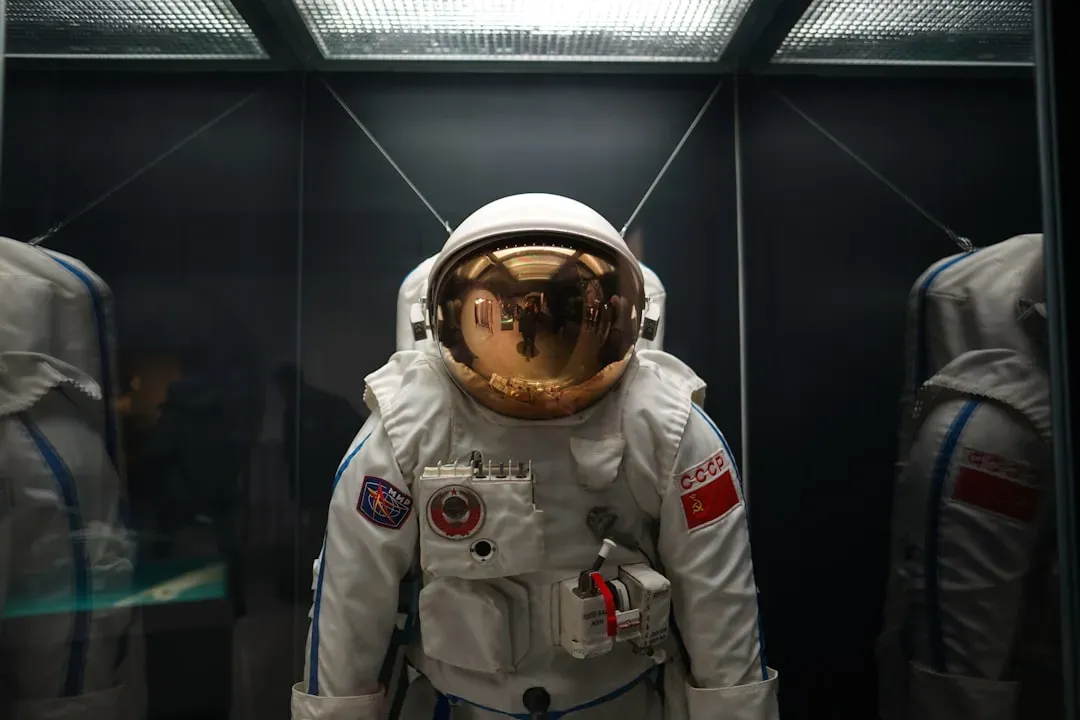
We have always known that living in space is hard on the body, but NASA’s biomedical research in the last decade has made that picture both more alarming and more actionable. The famous Twins Study, comparing astronaut Scott Kelly’s year in orbit with his twin Mark on Earth, revealed shifts in gene expression, immune function, and even the length of protective chromosome caps called telomeres. More detailed research on astronauts has mapped how microgravity alters bone density, fluid distribution, vision, and brain structure. Some changes reverse after return to Earth, but others linger, suggesting that long-duration missions could leave lasting marks on cardiovascular health, neurochemistry, and the immune system. In essence, the body rewrites itself to survive in orbit, and not all edits are benign.
At the same time, these findings have turned astronauts into moving case studies for problems also seen on Earth: accelerated bone loss similar to osteoporosis, fluid shifts like those in certain cardiac conditions, and immune dysregulation. NASA and medical researchers are now testing countermeasures like advanced exercise regimens, tailored nutrition, and even drugs to blunt the damage. Some of that knowledge feeds back into terrestrial medicine, offering new ways to think about aging, rehabilitation, and long-term care. If we ever want to send people safely to Mars and back, these health questions are not side issues – they are the mission. In a sense, NASA has confirmed that interplanetary travel is as much a biomedical challenge as a propulsion one.
7. The Sun’s Outbursts Are More Tied to Our Health Systems Than We Realized
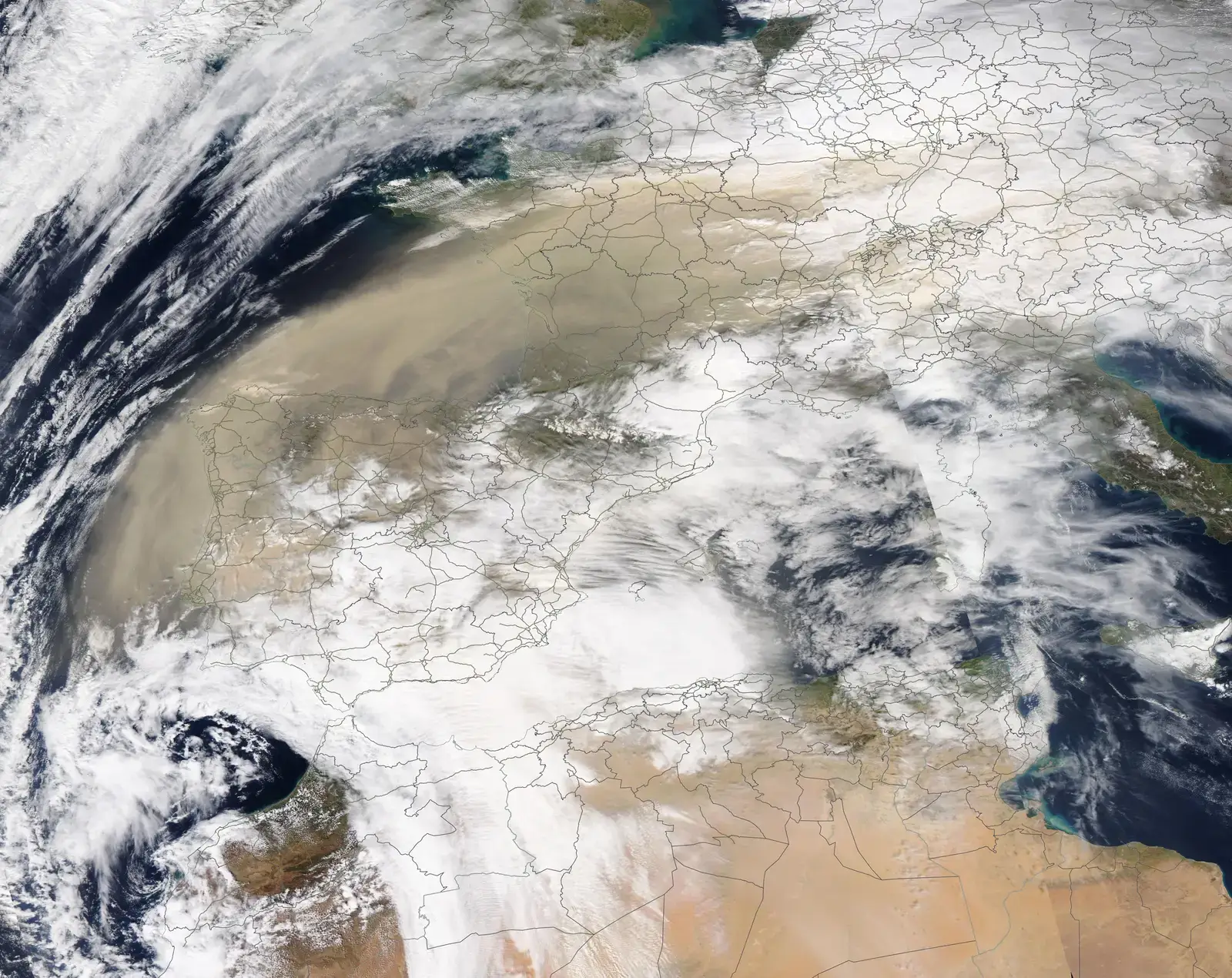
Solar storms used to sound like something mostly of concern to power grid operators and satellite engineers. Over roughly the last decade, NASA’s fleet of solar observatories has sharpened the link between solar activity and modern life support systems, many of which quietly anchor public health. High-energy events like coronal mass ejections can disrupt GPS timing, communication networks, and even some medical infrastructure that depends on satellite links for data and monitoring. NASA’s improved ability to track and model these outbursts has clarified just how vulnerable certain technologies are. A major storm, on the scale of rare historic events, could briefly knock out services that large hospitals and emergency systems now take for granted.
This has pushed space weather from a niche topic into something closer to preventive medicine for civilization. Agencies are now developing better early warning systems, along with standards for hardening critical infrastructure. For health agencies, that means planning for how to maintain care delivery, telemedicine, and pharmaceutical supply chains during communications disturbances. NASA’s recent work on predicting solar cycles and flare frequencies gives planners a kind of risk profile, similar to knowing the seasonal pattern of hurricanes or flu outbreaks. The Sun, in other words, is not just a distant ball of plasma; it is an environmental factor woven into public health resilience on Earth.
8. Why These New Space Facts Matter for Life and Health
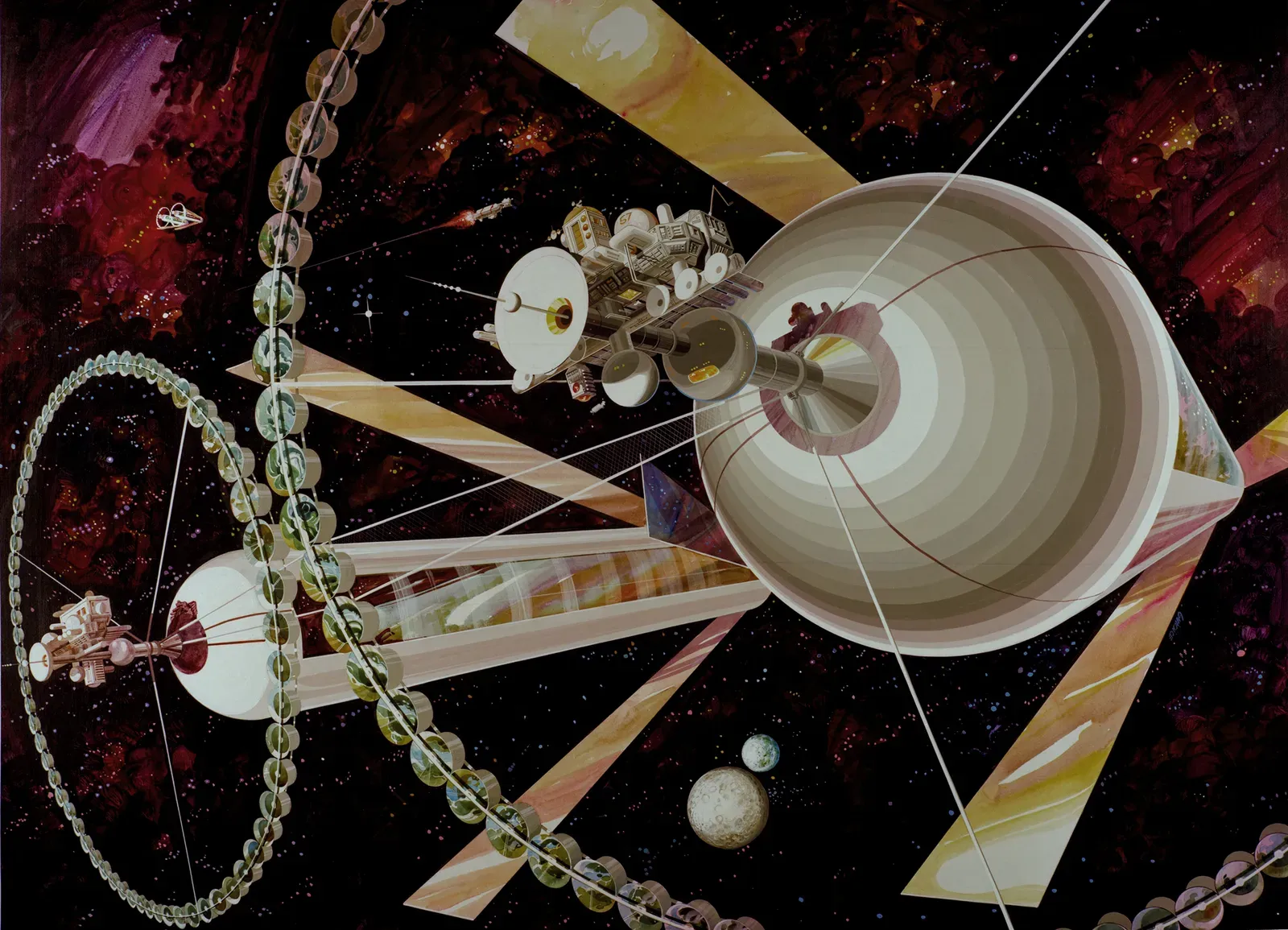
It is tempting to treat these discoveries as cool headlines and nothing more, but taken together they sketch a new way of thinking about health itself. We are learning that habitability is not rare stardust, but something that can emerge in buried oceans, around different kinds of stars, and in atmospheres very unlike our own. At the same time, we are seeing how fragile and contingent that habitability can be, at planetary scales on Mars and galactic scales shaped by black holes. Comparing these examples helps scientists understand which environmental factors are absolutely essential for life to resist radiation, chemical stress, and climate extremes. That knowledge feeds directly into how we model health risks for both Earth’s future and any off-world colonies.
Compared with traditional, Earth-only biology, this cosmic perspective is almost like going from studying a single patient to analyzing an entire population spread across thousands of environments. Space health research forces us to confront how bodies respond when gravity, atmosphere, and magnetic shielding are stripped away. New data about astronaut physiology, radiation exposure, and psychological stress push medicine into regimes it never had to consider before. Conversely, exoplanet studies extend public health thinking by asking which planetary conditions are compatible with long-term biological stability. It may feel grandiose, but in practice, it is a very practical shift: understanding how to keep humans thriving under wildly different conditions, starting with a harsher version of our own world.
9. The Future Landscape: From Lunar Clinics to Ocean World Biosensors
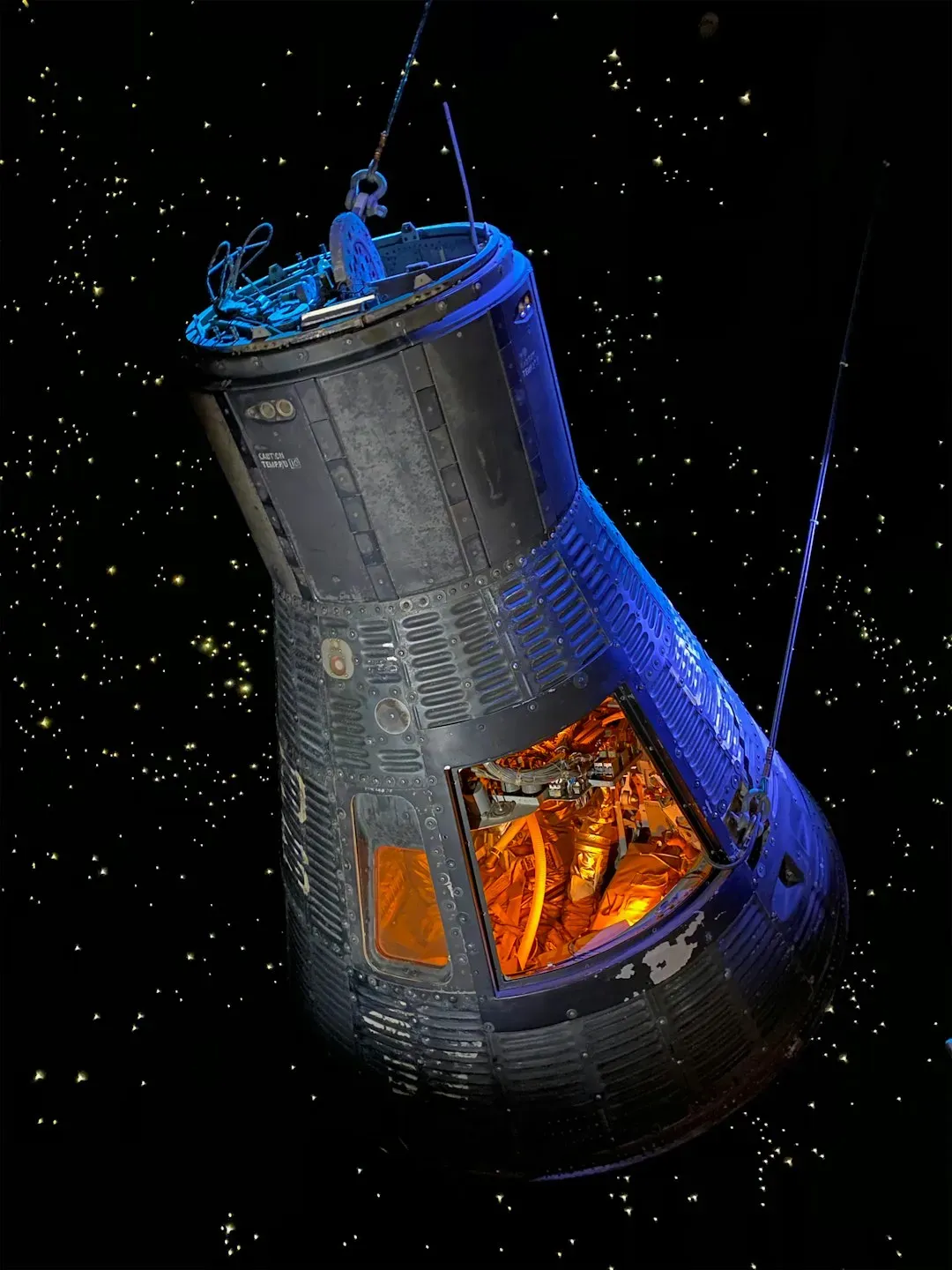
Looking ahead, the next decade of NASA exploration is set to turn these surprising facts into testbeds for new health technologies and scientific tools. Planned lunar bases will need closed-loop life support systems that carefully recycle air, water, and waste, creating miniature ecosystems whose balance will be monitored with the intensity of an intensive care unit. Radiation-hardened medical diagnostics, telemedicine systems designed for multi-minute communication delays, and wearable biosensors for astronauts are all under active development. Some of these tools are already spilling over into rural healthcare and disaster medicine on Earth, where connectivity and resources are limited. It is not hard to imagine that in a decade or two, your wearable health monitor might trace its design lineage back to a lunar outpost.
On the exploration side, missions to Europa and other ocean worlds could carry instruments tuned to detect faint biological signatures in ice and plumes. Designing those detectors forces scientists to define what “life” might look like under different chemical and physical stressors, which in turn sharpens our sense of life’s boundaries. As exoplanet telescopes get more powerful, they may be able to remotely identify potentially habitable atmospheres and even biosignature gases, providing targets that shape future generations’ ambitions. It is a sprawling future landscape, where astronomy, planetary science, and health research intertwine. In that sense, each newly confirmed space fact is not just a data point, but a starting line for designing how humans might safely live beyond Earth.
10. How You Can Stay Engaged with This New Era of Space and Health
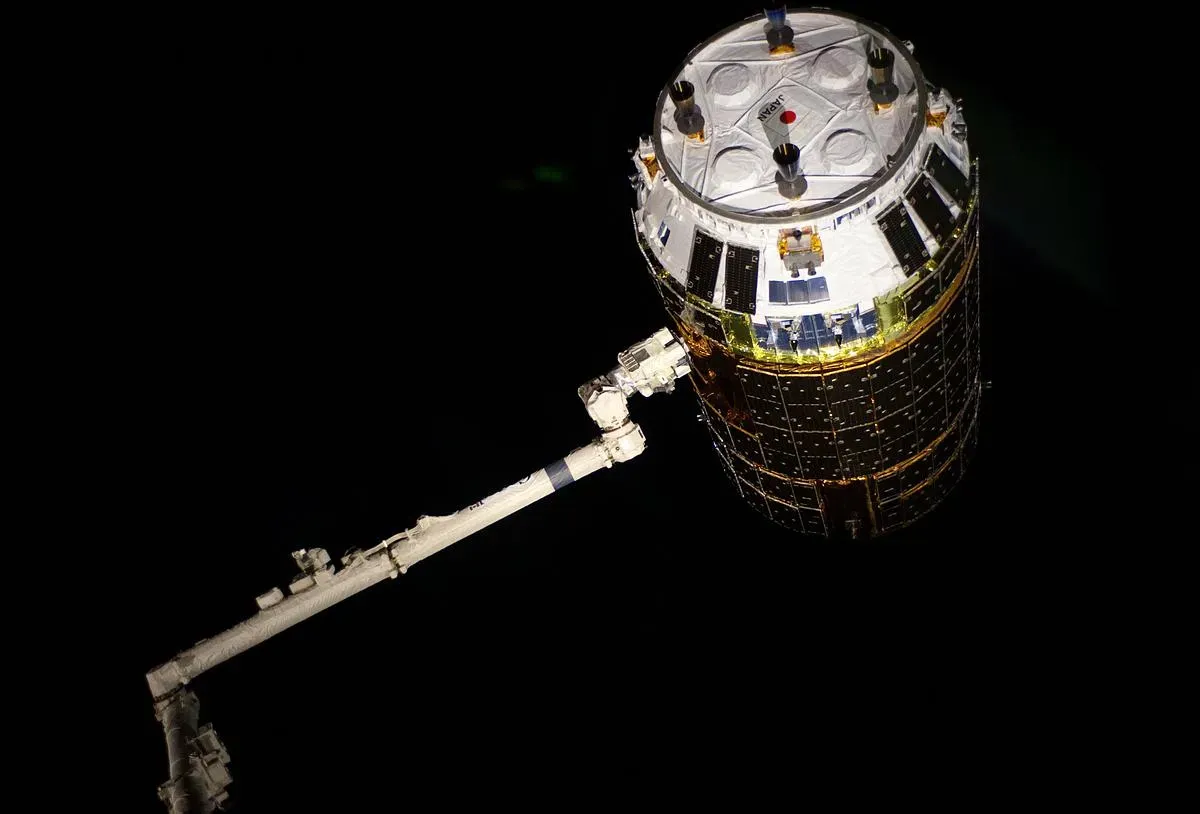
Staying connected to these discoveries does not require a lab coat or a launchpad, just a bit of curiosity and a willingness to look up. One of the most effective steps is simply following mission updates and open data from agencies like NASA, which increasingly share raw images, processed results, and educational explainers with the public. Many citizen science projects now invite people to help classify exoplanets, identify surface features on Mars, or track auroras, turning everyday observers into small but real contributors. Supporting science journalism, museums, and planetariums also helps sustain the institutions that translate complex findings into understandable, trustworthy stories. Over time, that public literacy becomes a form of health literacy too, because it shapes how societies respond to environmental change and technological risk.
If you want to go a step further, you can look for local events tied to eclipses, meteor showers, or space mission milestones, where educators often link cosmic phenomena to Earth’s climate and biosphere. Teachers and parents can weave these recent discoveries into conversations with kids about what it takes to keep a planet habitable and a body healthy in extreme conditions. Even small actions – choosing to read deeply instead of just scrolling past a headline, or supporting policies that fund basic research – add up to a culture that values long-term understanding over quick fixes. In the end, these ten space facts are really ten reminders that our health is entangled with a much larger universe. Paying attention is the first, simplest way to be part of that story.