You might think you understand what lies beneath your feet, but the reality is far more dramatic and mesmerizing than most imagine. Earth is a restless planet. Deep down, beneath mountains and oceans, there’s a churning inferno that’s been simmering for billions of years.
The world we walk on every day is powered by an engine we can’t even see. That engine creates volcanoes, sculpts continents, and occasionally reminds us just how powerful nature truly is. So what makes these fiery vents so fascinating, and what secrets does Earth’s core hold? Let’s dive in.
1. Earth’s Core Is Nearly as Hot as the Sun’s Surface
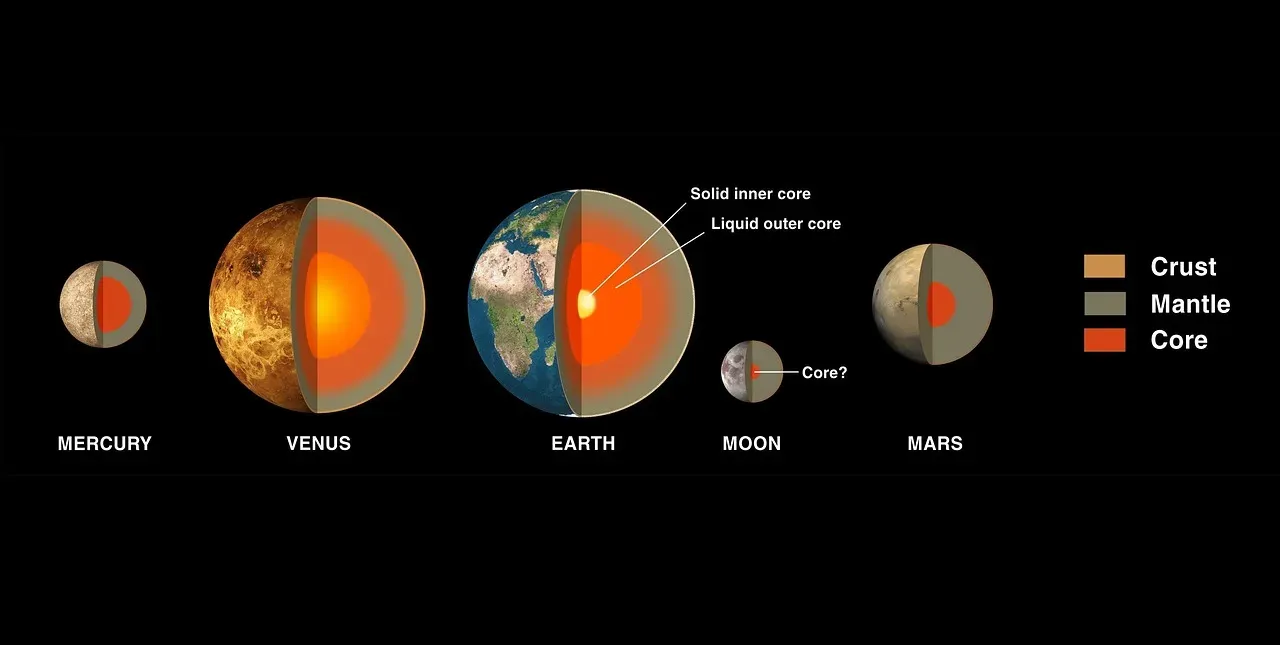
Here’s something to wrap your head around: the temperature at the inner core is about 5,200 degrees Celsius, which means you’re standing on top of a ball of rock that’s almost as scorching as the surface of the Sun. It’s hard to imagine that kind of heat existing just a few thousand miles below us.
The inner core is a dense ball of mostly iron, and despite the extreme heat, it remains solid because the pressure is nearly 3.6 million atmospheres. Think about that. Normally, iron would melt at those temperatures, but the crushing weight of the entire planet squeezes it into a solid state. It’s like nature’s own pressure cooker down there.
The churning metal of the outer core creates and sustains Earth’s magnetic field, which is honestly one of the coolest things about our planet. Without that magnetic shield, solar radiation would strip away our atmosphere. So yeah, that fiery core isn’t just sitting there looking menacing – it’s actually protecting us.
2. Magma and Lava Are Not the Same Thing
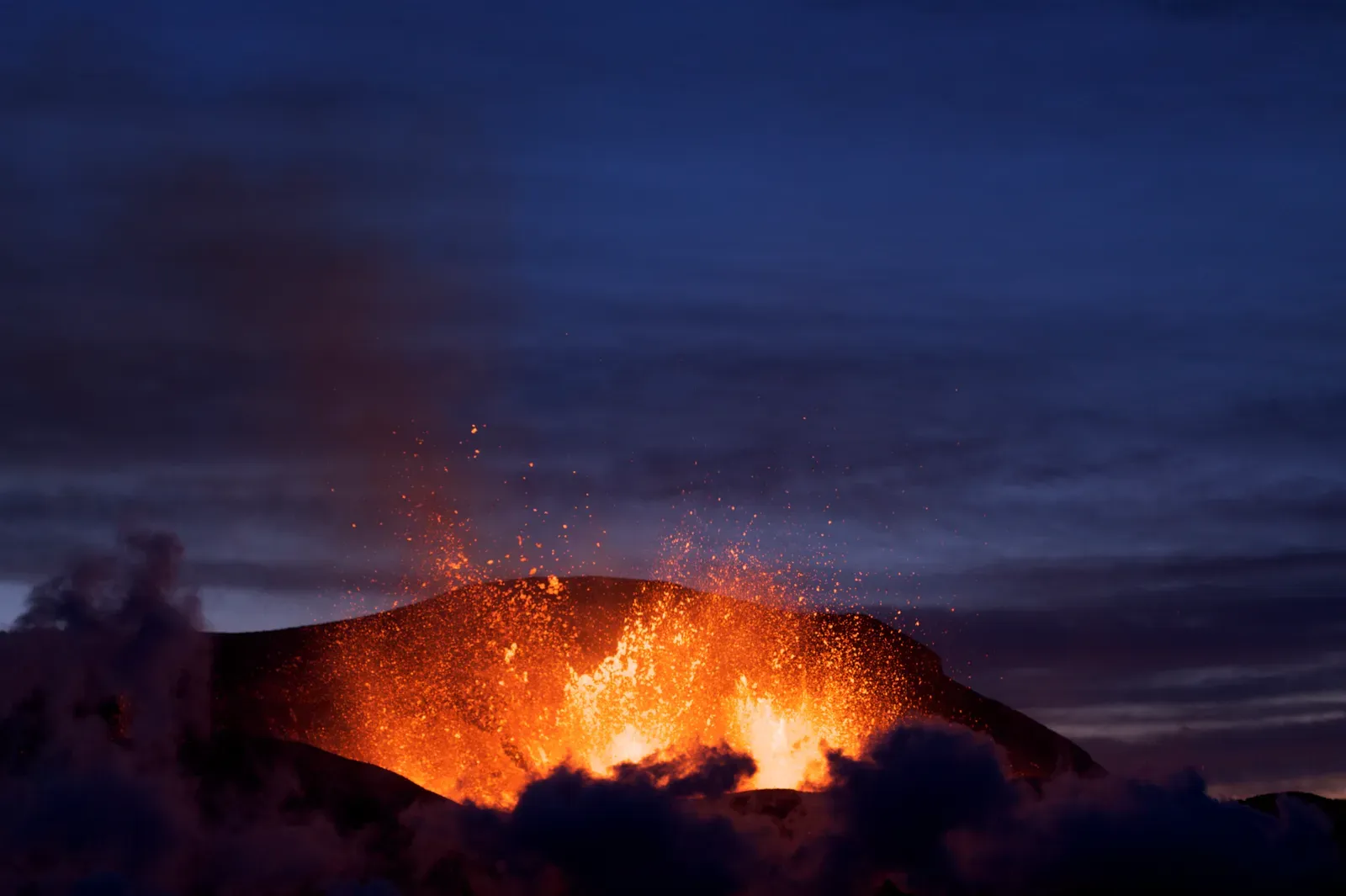
A lot of folks use these words interchangeably, but there’s an important distinction. Deep within the Earth, molten rock is called magma, but once it erupts and reaches the surface, it’s called lava. Simple as that.
Magma rises and collects in chambers because it’s lighter than the solid rock around it, and eventually some of it pushes through vents and fissures to reach the surface. Once it breaks free and spills out onto the ground, you’re looking at lava. The chemistry is the same; the location makes the difference.
This might seem like semantics, but it actually matters when scientists discuss volcanic activity. Magma can sit underground for centuries, slowly cooling or building pressure. Lava, once it erupts, cools relatively quickly depending on conditions and composition.
3. The Ring of Fire Is Home to Most of the World’s Volcanoes
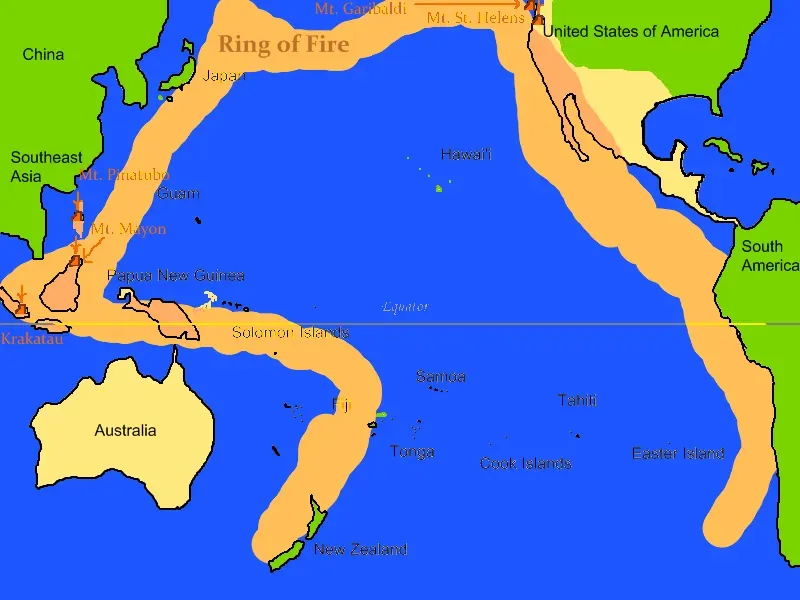
You’ve probably heard of the Pacific Ring of Fire, but do you realize just how dominant it is? The Ring of Fire is home to 75% of the world’s volcanoes and 90% of its earthquakes. That’s an astonishing concentration of geologic fury.
It’s about 40,000 kilometers long and up to about 500 kilometers wide, surrounding most of the Pacific Ocean. Countries from Chile to Japan to Indonesia sit along this volatile belt. The Ring contains between 750 and 915 active or dormant volcanoes, depending on how you count them.
The Ring of Fire was created by the subduction of different tectonic plates at convergent boundaries around the Pacific Ocean. When these massive slabs of Earth’s crust collide, one gets forced beneath the other, melting and creating magma that eventually finds its way to the surface. It’s plate tectonics in action, and it’s both beautiful and terrifying.
Living near the Ring of Fire means you’re never too far from a reminder that Earth is geologically alive. Some of history’s most catastrophic eruptions and earthquakes happened here.
4. There Are Different Types of Volcanic Eruptions
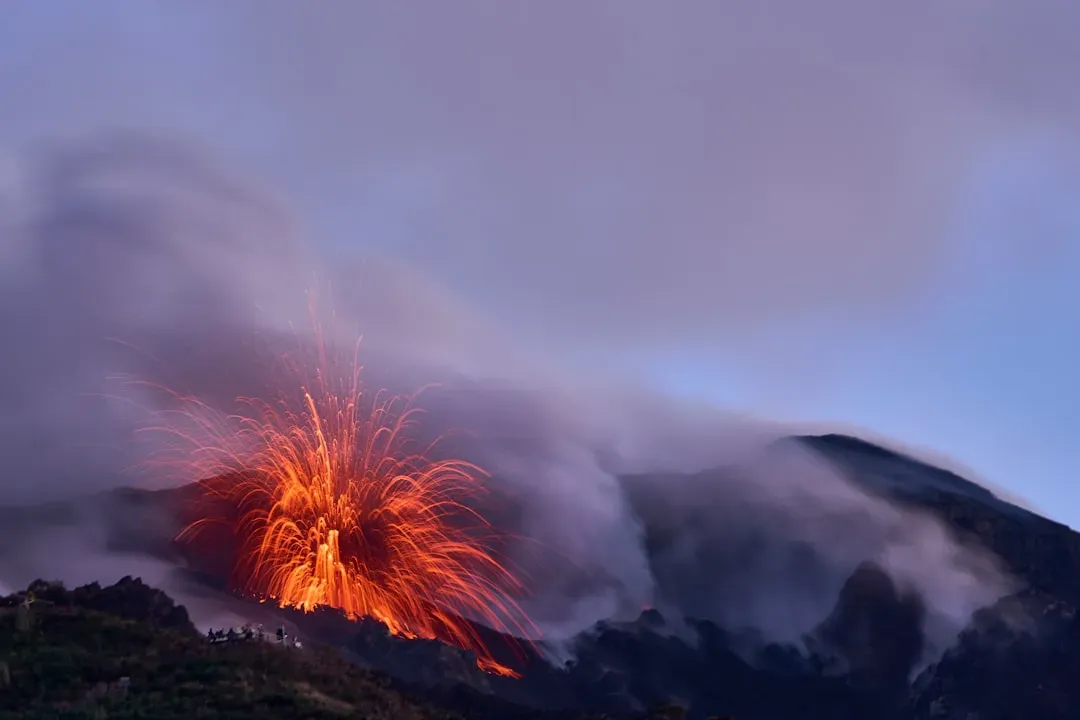
Not all eruptions look the same, and that’s because volcanoes behave differently depending on their magma composition and gas content. Effusive eruptions involve the outpouring of basaltic magma that is relatively low in viscosity and gas content, which means the lava flows gently and steadily.
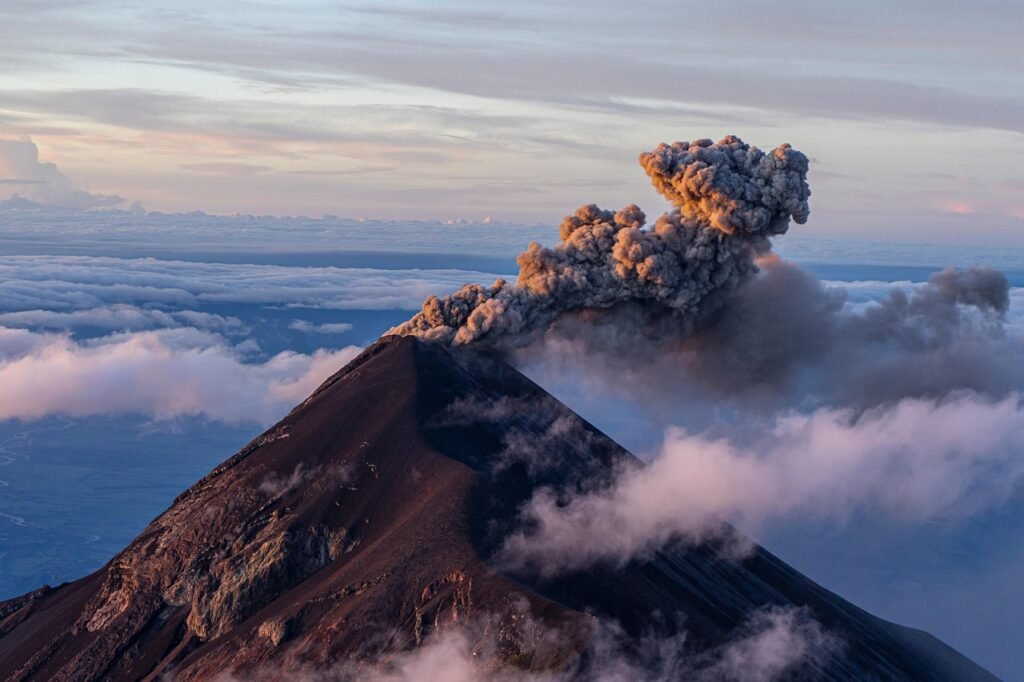
Explosive eruptions generally involve magma that is more viscous and has a higher gas content, and such magma is often shattered into pyroclastic fragments by explosive gas expansion. These are the eruptions you see in disaster movies – towering ash clouds, pyroclastic flows racing down mountainsides.
Scientists classify eruptions into types like Hawaiian, Strombolian, Vulcanian, and Plinian. Each has its own characteristics. Hawaiian eruptions are relatively calm with lava fountains. Plinian eruptions, named after the one that buried Pompeii, are catastrophic and can alter global climates.
Understanding eruption types helps scientists predict what might happen next when a volcano starts rumbling. It’s hard to say for sure, but patterns do emerge.
5. Volcanoes Are Constantly Erupting Somewhere on Earth
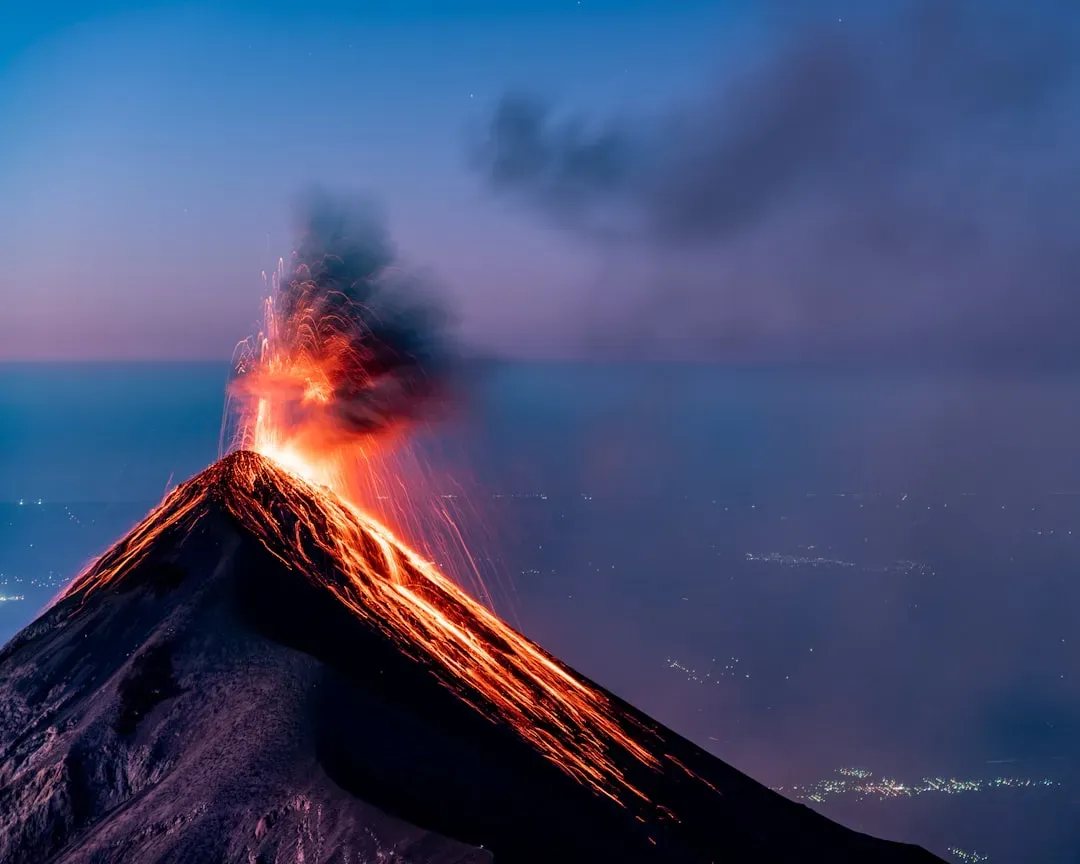
Right now, as you read this, there’s probably a volcano erupting somewhere. Overall, 44 volcanoes were in continuing eruption status as of September 2025, and there are typically 40 to 50 continuing eruptions with around 20 actively erupting on any particular day. That’s a lot of volcanic activity happening simultaneously.
There were 63 confirmed eruptions at some point during 2025 from 58 different volcanoes, with 21 of those being new eruptions that started during the year. These numbers might sound alarming, but most eruptions are relatively small and don’t pose a major threat to human populations.
Still, the fact that Earth is continuously venting its internal heat through volcanoes is a reminder that our planet is far from geologically dormant. Volcanoes are safety valves, releasing pressure that builds up beneath the crust.
6. The Largest Volcano on Earth Is Mauna Loa in Hawaii
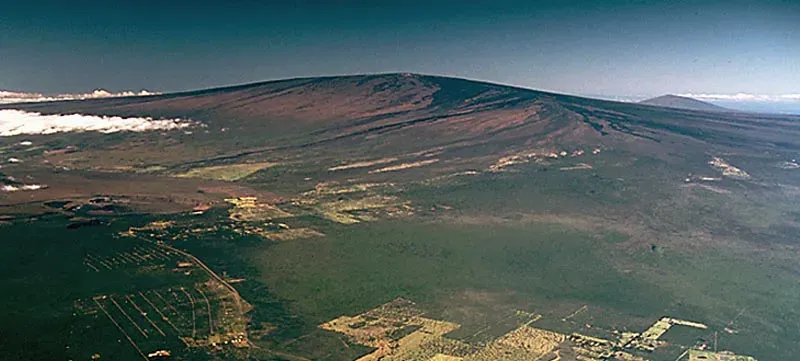
Forget Mount Everest when it comes to sheer volume. Hawaii’s Mauna Loa rises gradually to more than 4 kilometers above sea level, its submarine flanks descend an additional 5 kilometers to the sea floor, and the sea floor is depressed by its great mass another 8 kilometers, making the volcano’s summit about 17 kilometers above its base. That’s absolutely massive.
Mauna Loa is a shield volcano, which means it was built by countless flows of low-viscosity basaltic lava that spread out in broad, gentle layers. Shield volcanoes are formed by the eruption of low-viscosity basaltic or andesitic lava that can flow a great distance from a vent, and they generally do not explode catastrophically but are characterized by relatively gentle effusive eruptions.
This type of volcano doesn’t look like the classic cone shape most people picture. Instead, it resembles a warrior’s shield lying flat on the ground. The Hawaiian Islands are a chain of these giants, each built over millions of years by a hotspot deep beneath the Pacific Plate.
7. Yellowstone Is a Supervolcano That Could Erupt Again
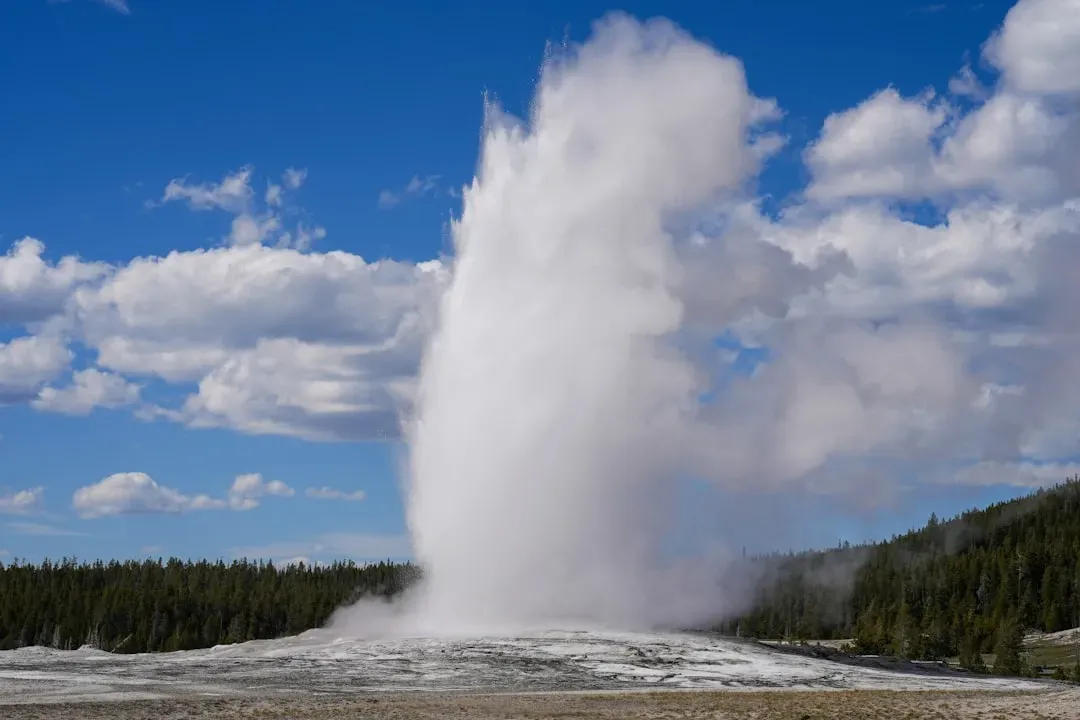
Yellowstone National Park in Wyoming sits atop one of the most powerful volcanic systems on the planet. Yellowstone has had at least three very large eruptions in its history, including two super-eruptions that were VEI 8 occurring some 2.1 million and 640,000 years ago. A VEI 8 eruption releases more than 240 cubic miles of material – an almost unimaginable volume.
Since its most recent major eruption approximately 640,000 years ago, Yellowstone has remained geologically active, and the magma chamber beneath the caldera is estimated to contain around 4,000 cubic kilometers of partially molten material. That’s enough to cause catastrophic devastation if it all blew at once.
Should we panic? Not really. Scientists monitor Yellowstone constantly, and they say an eruption would be preceded by significant warning signs – intense earthquake swarms, ground deformation, increased gas emissions. We’d likely have months of notice, not minutes. Honestly, a smaller lava flow is far more likely than a world-ending explosion.
During the three giant caldera-forming eruptions, tiny particles of volcanic ash covered much of the western half of North America, and wind carried sulfur aerosol and the lightest ash particles around the planet, likely causing a notable decrease in temperatures around the globe. That kind of event would reshape civilization as we know it, but it’s not something that happens every few thousand years.
8. Volcanic Ash Is Not Soft Like Campfire Ash
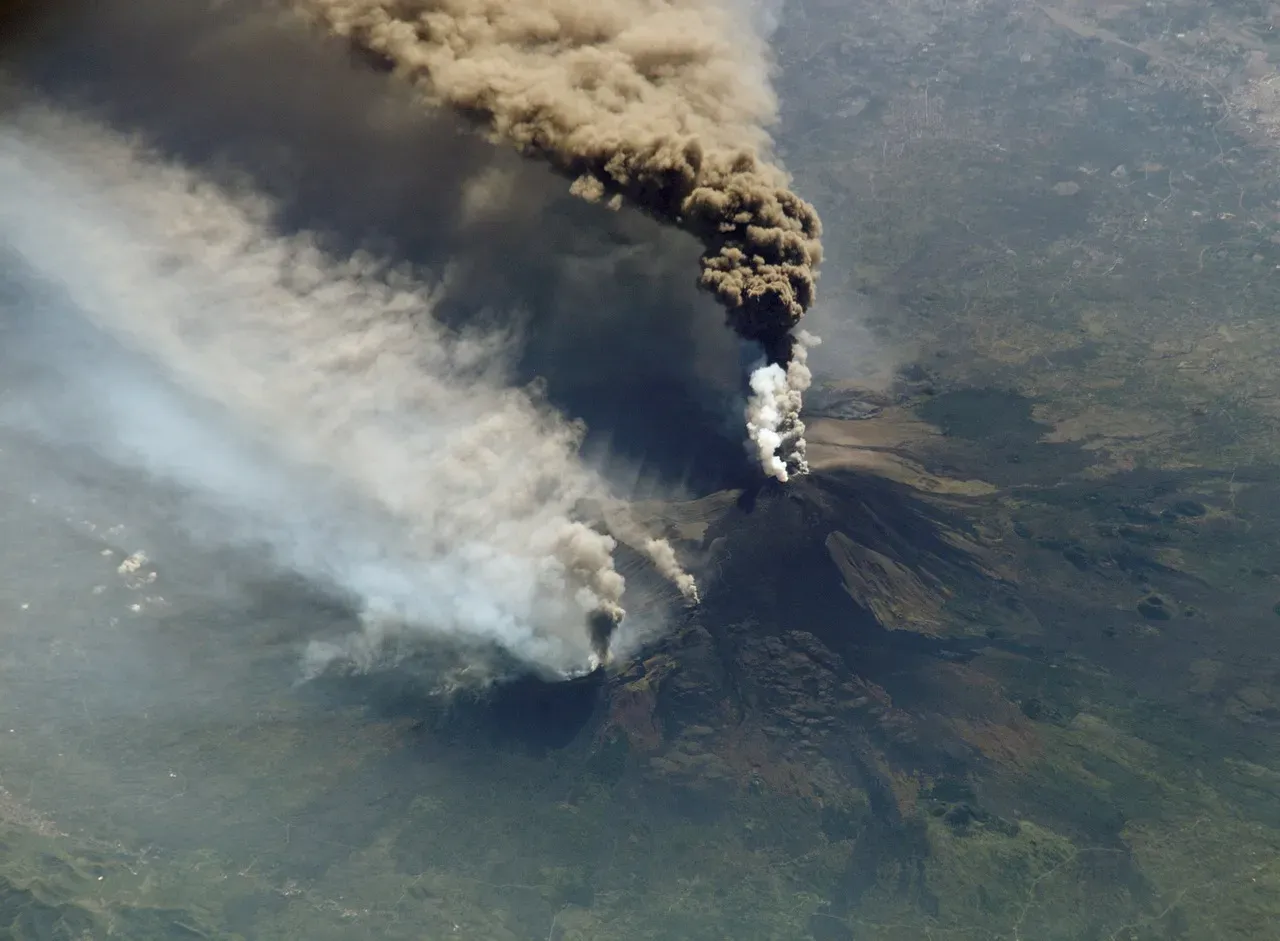
When you hear “volcanic ash,” you might picture something fluffy and harmless. Wrong. Unlike the soft bits of charred wood left after a campfire, volcanic ash is made of sharp fragments of rocks and volcanic glass each less than two millimeters across, formed as the gases within rising magma expand and shatter the cooling rocks as they burst from the volcano’s mouth.
This stuff is like tiny shards of glass. It can damage aircraft engines, collapse roofs under its weight, contaminate water supplies, and cause serious respiratory problems. Volcanic ash is not something you want to inhale or touch with bare skin.
After major eruptions, ash can travel thousands of miles, blanketing entire regions in a gray, abrasive coating. It disrupts travel, agriculture, and daily life. Cleanup efforts can take months or even years depending on the volume deposited.
9. Plate Tectonics Drive Most Volcanic Activity
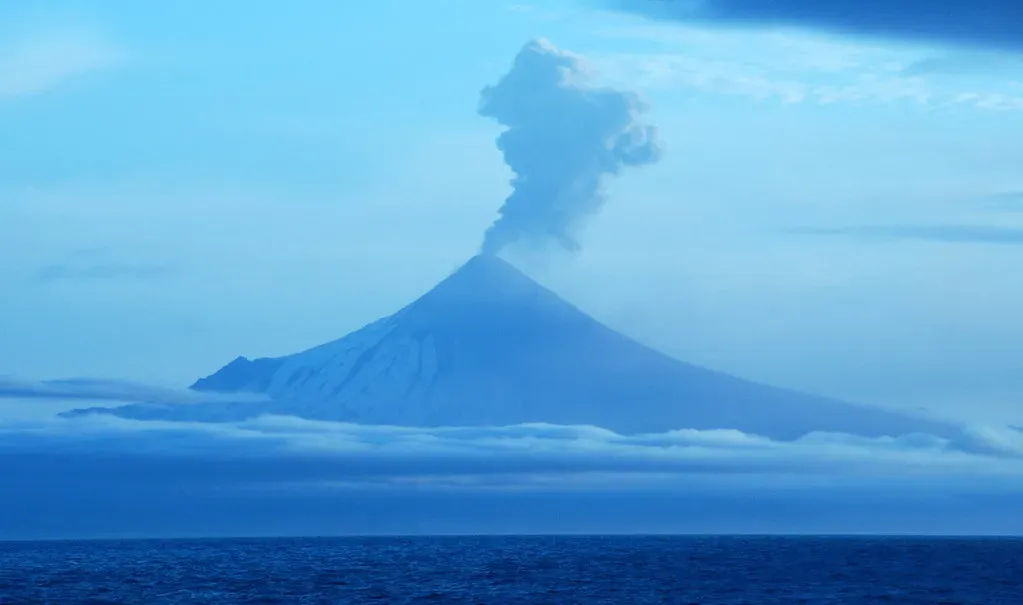
Most of Earth’s volcanoes are found where tectonic plates are diverging or converging, such as the mid-ocean ridges and the Pacific Ring of Fire. The movement of these gigantic slabs of lithosphere is what fuels the majority of volcanic activity.
At convergent boundaries, tectonic plates crash into each other, and the heavier plate slips under the lighter plate in a subduction zone, changing the dense mantle material into buoyant magma which rises through the crust to Earth’s surface, and over millions of years the rising magma creates a series of active volcanoes known as a volcanic arc.
There are also hotspot volcanoes like Hawaii and Yellowstone, which aren’t directly related to plate boundaries. These form when plumes of superheated rock rise from deep in the mantle, punching through the crust like a blowtorch. As tectonic plates move over these stationary hotspots, chains of volcanoes form.
The theory of plate tectonics revolutionized geology in the 1960s, and it explains not just volcanoes but also earthquakes, mountain ranges, and ocean trenches. It’s the unifying framework that makes sense of Earth’s dynamic surface.
10. Volcanoes Have Shaped Human Civilization
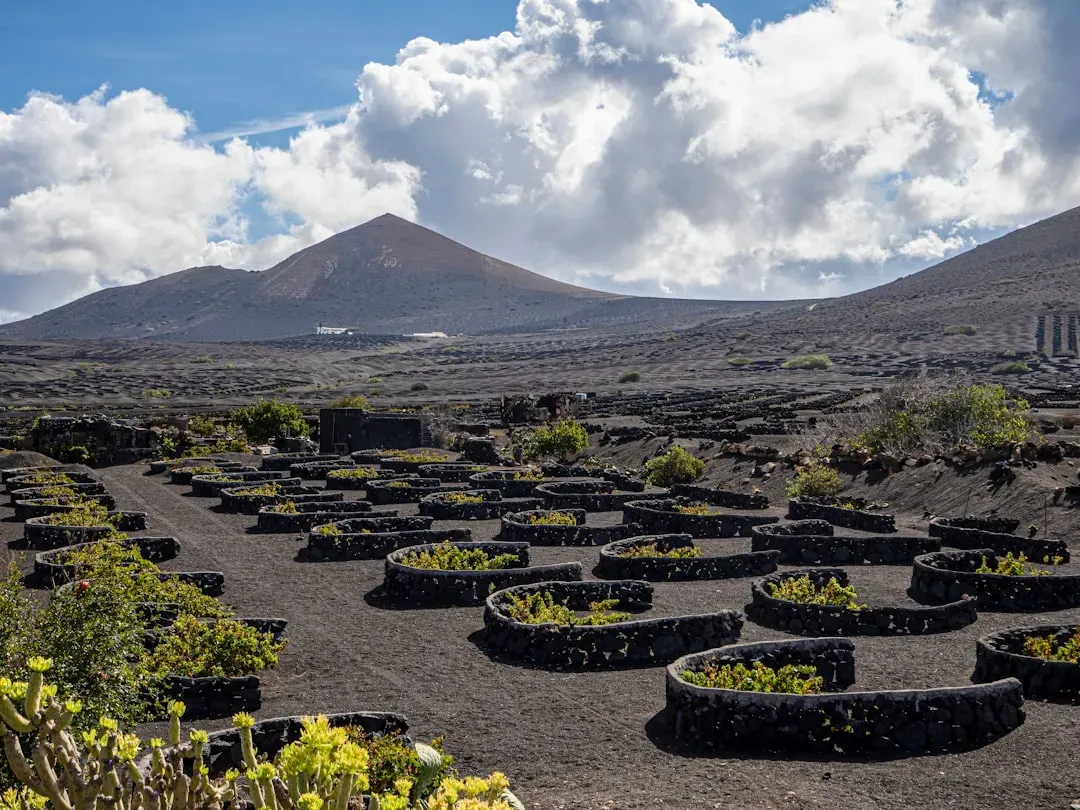
Over geologic time, volcanic materials ultimately break down and weather to form some of the most fertile soils on Earth, and cultivation of those soils has produced abundant food and fostered civilizations. Think about that. The same forces that can destroy entire cities also create the conditions for agriculture and prosperity.
Volcanic regions often have rich, nutrient-dense soil that’s ideal for growing crops. Civilizations in places like Indonesia, Italy, and Central America have thrived for millennia near active volcanoes despite the risks. The trade-off between danger and fertility has shaped human settlement patterns throughout history.
The internal heat associated with young volcanic systems has been harnessed to produce geothermal energy, which is another benefit. Countries like Iceland and New Zealand generate significant portions of their electricity from geothermal sources, tapping into the same heat that fuels volcanic eruptions.
Volcanoes have also influenced culture, mythology, and art. From the ancient Greeks who believed volcanoes were the forges of Hephaestus to modern disaster films, these geological giants have captured human imagination for as long as we’ve existed.
Conclusion
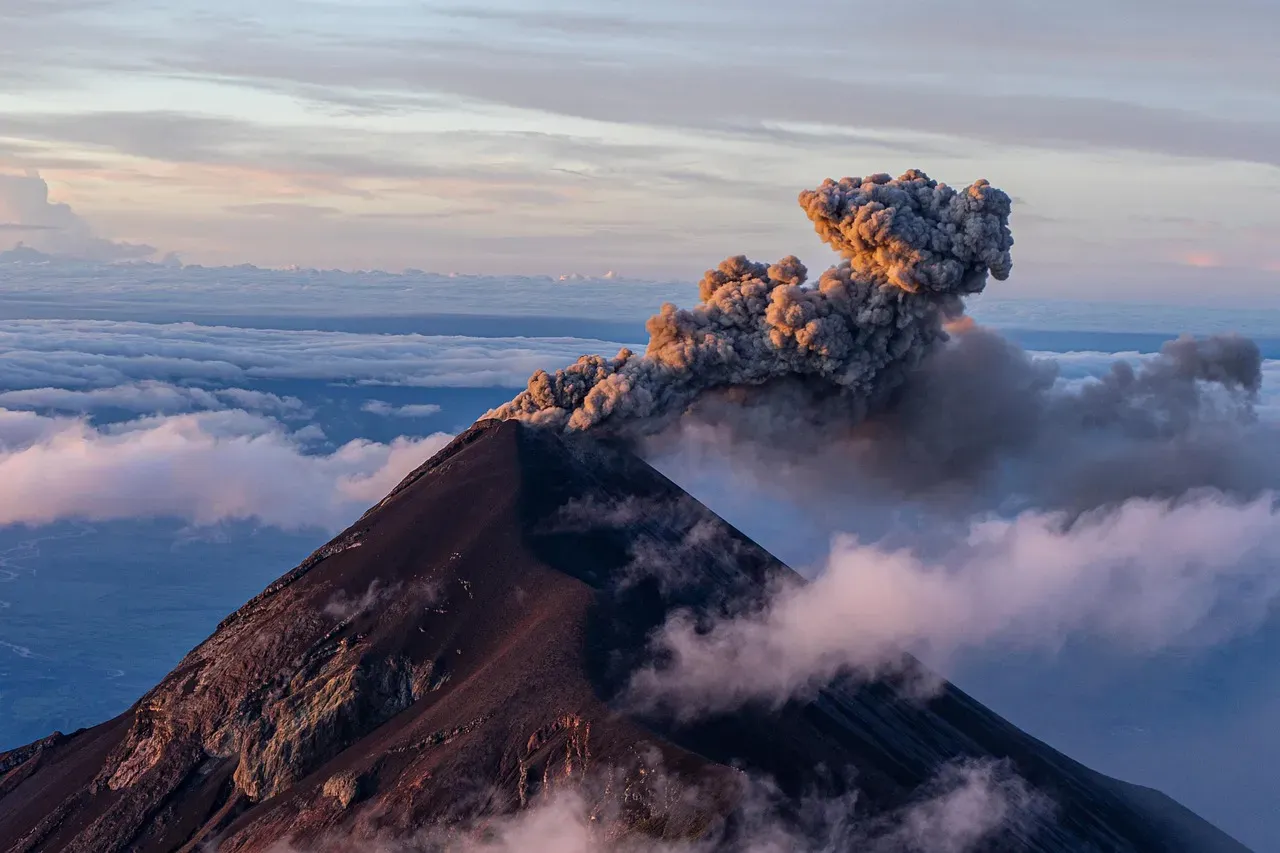
are reminders that our planet is far from a static rock floating in space. Beneath the surface, unimaginable heat and pressure drive processes that build mountains, create oceans, and occasionally unleash catastrophic eruptions. Yet these same forces also sustain life by generating the magnetic field that protects us, enriching soils that feed us, and providing geothermal energy.
Understanding volcanoes isn’t just about predicting disasters – it’s about appreciating the dynamic, living planet we call home. The next time you see footage of lava flowing or hear about an earthquake along the Ring of Fire, remember that you’re witnessing Earth doing what it’s done for billions of years. Did you expect that?