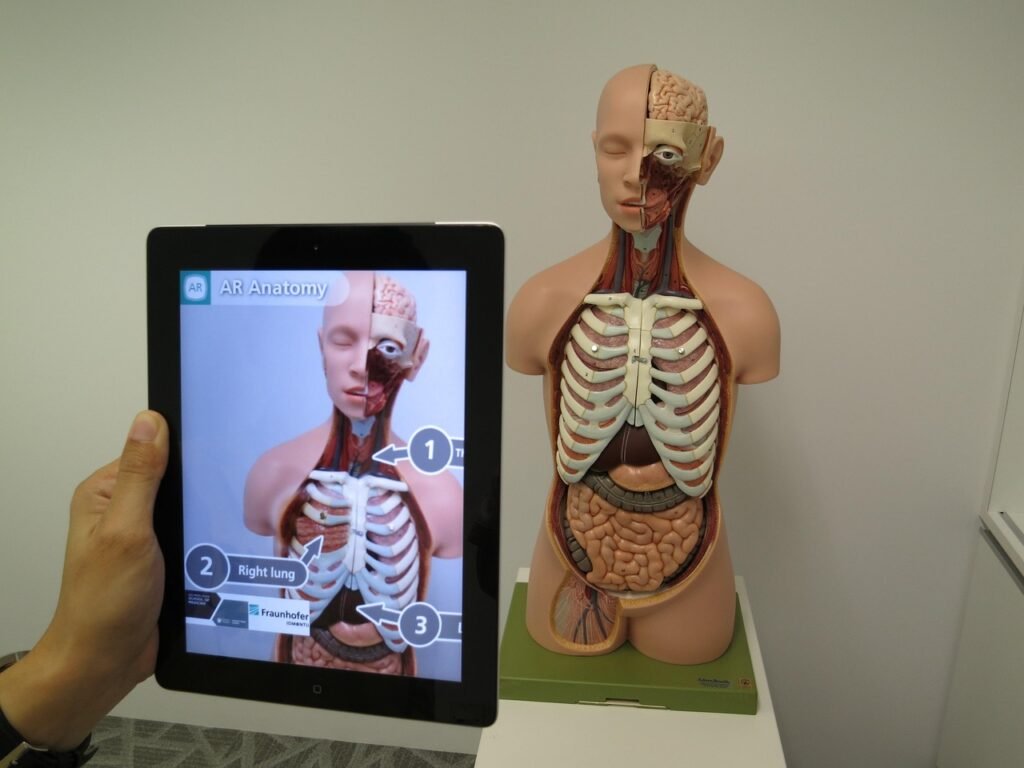
You’ve probably heard about incredible medical advances in the news, but what does that really mean for you and your loved ones? Let’s be real, the pace of scientific discovery right now is absolutely staggering. From editing your genes with pinpoint accuracy to teaching immune cells how to hunt down cancer like bloodhounds, medicine is entering an era that would’ve seemed like pure science fiction just a decade ago.
Imagine a world where your doctor could tailor treatments specifically to your genetic makeup, or where devastating diseases could be stopped before they even start. It’s hard to say for sure, but the breakthroughs happening in laboratories around the globe right now might just make that reality sooner than you think. So let’s dive into five scientific advances that aren’t just impressive on paper, they could fundamentally change how we approach health and healing.
CRISPR Gene Editing Enhanced by Artificial Intelligence
Here’s the thing about gene editing. CRISPR technology has revolutionized medicine by allowing scientists to make precise modifications to DNA, correcting genetic disorders at their source. Think of it like having molecular scissors that can snip out the bad parts of your genetic code and replace them with healthy versions. CRISPR-GPT, developed at Stanford Medicine, acts as a gene-editing copilot supported by AI, automating experimental design and significantly speeding up the process.
The truly mind-blowing part? A student used CRISPR-GPT to successfully turn off genes in lung cancer cells on his first attempt, something that usually requires prolonged trial and error. AI enhances guide RNA design, predicts off-target activities, and improves editing efficiency by leveraging large datasets from diverse experiments. This means treatments for genetic diseases like sickle cell anemia and beta-thalassemia could become more accessible and safer. CRISPR has entered mainstream medicine with approved therapies treating rare genetic disorders, offering curative interventions at the genetic level. The marriage of AI and CRISPR isn’t just making gene editing faster, it’s making it smarter and more precise than ever before.
Revolutionary Gene Therapy for Aggressive Cancers
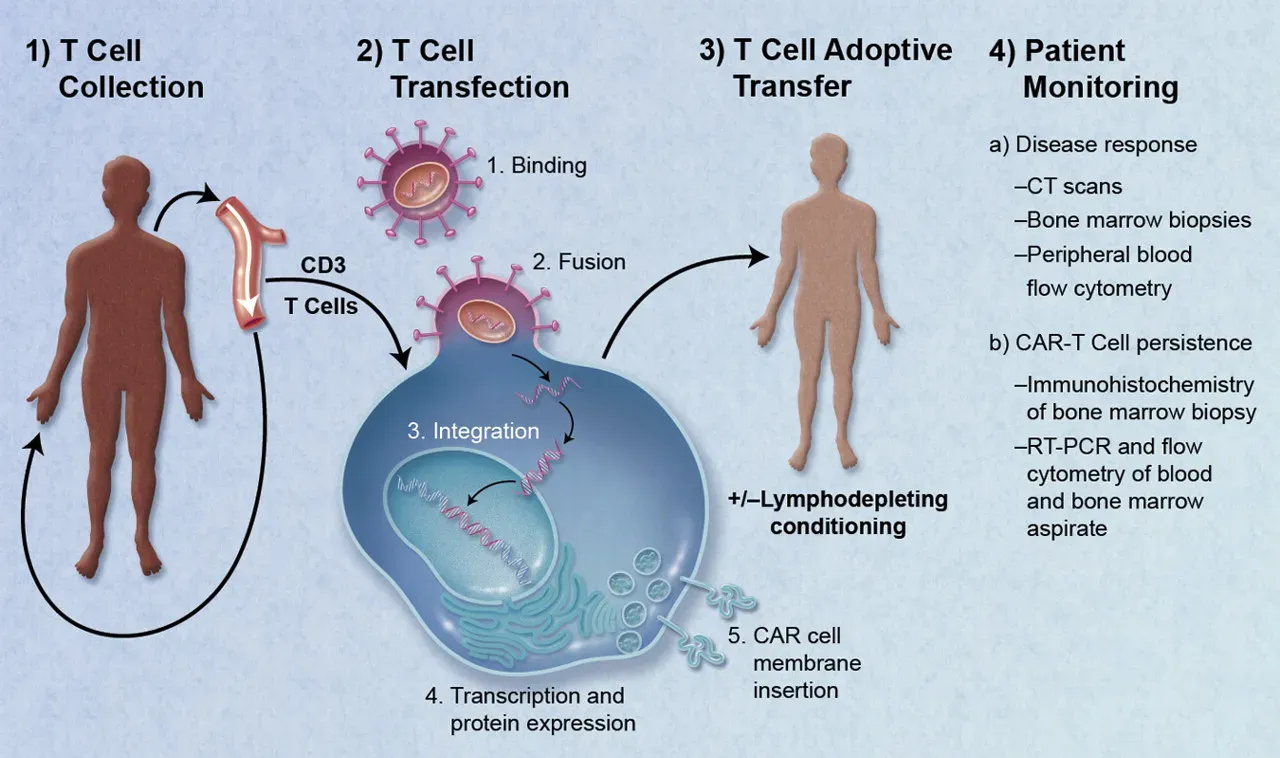
Cancer treatment has always been a brutal battle. Chemotherapy often feels like carpet-bombing your body to kill the enemy. Innovative therapeutic strategies include CAR-T cell therapy and CRISPR-Cas9 gene editing, enabling precise editing of cancer-driving mutations and enhancing immune responses. Picture this: doctors extract your own immune cells, genetically reprogram them to recognize and destroy cancer, then send them back into your body like specially trained soldiers.
CAR-T cell therapy alters a patient’s T cells to turn them into killer cells that attack cancerous tumors. What makes this approach particularly exciting is its potential longevity. CAR-T cell therapy is a living drug, and its benefits can last for many years as the cells persist in the body long-term and continue to recognize and attack cancer cells during relapses. Researchers are also making headway with solid tumors like glioblastoma, one of the deadliest brain cancers. When tested in mice, synNotch CAR T therapy provided a robust and long-lasting result more remarkable than anything encountered during 30 years of brain tumor research. The goal isn’t just remission anymore, it’s about creating durable, lasting cures.
Personalized Medicine Through Advanced Genomics

Let me ask you something: would you take the same medication as someone with completely different genetics? Probably not, right? Hyper-personalized medicine tailors treatments based on a patient’s genetic makeup, lifestyle, and environment, with laboratory testing helping doctors prescribe medications that minimize side effects. This isn’t some distant future concept, it’s happening now.
Multi-omics technologies are evolving into omniomics, an integrated platform revealing unprecedented insights into cellular biology with applications ranging from early cancer detection to next-level precision medicine. Think about what this means for you personally. Instead of the standard one-size-fits-all treatment protocol, your doctor could analyze your specific genetic profile and determine exactly which drugs will work best with minimal side effects. AI, in collaboration with genome editing and precision medicine, enables personalized treatments based on genetic profiles by analyzing patients’ genomic data to identify mutations, variations, and biomarkers associated with diseases like cancer, diabetes, and Alzheimer’s. The vast majority of treatment failures happen because we’re still guessing at what works for individual patients. Personalized genomics takes the guesswork out of the equation.
Breakthrough Antibodies for Malaria and Infectious Diseases
Malaria still kills hundreds of thousands of people every year, mostly children in developing countries. Researchers identified a new class of anti-malaria antibodies in human blood that target Plasmodium falciparum by binding to a more stable internal structure that the parasite struggles to modify. Unlike previous approaches that attacked rapidly changing surface proteins, these antibodies go after something the parasite can’t easily disguise.
What’s really exciting here? The antibodies showed exceptional potency at extremely low concentrations, opening an entirely new direction for vaccine development where scientists can design vaccines specifically engineered to trigger this potent immune response. For context, we’re talking about a disease responsible for massive human suffering, and this discovery may finally provide the key to a truly broad and durable vaccine. Beyond malaria, these kinds of antibody discoveries could transform how we approach other infectious diseases that have eluded effective vaccines for decades.
Advanced Regenerative Medicine and Tissue Engineering
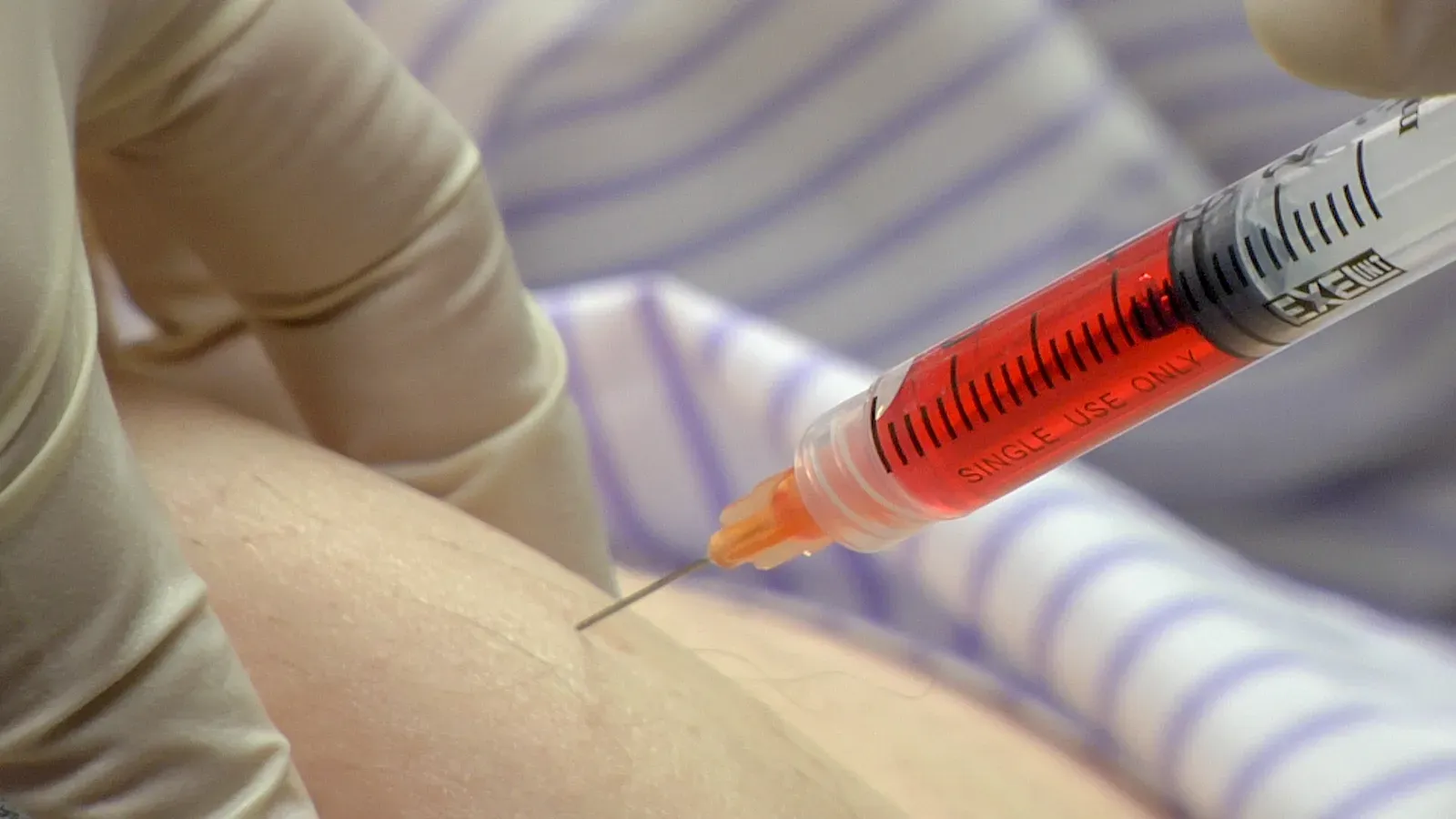
Honestly, when I first read about scientists working on regenerating human limbs, I thought it sounded crazy. Scientists studying salamander limb regeneration pinpointed an enzyme that fine-tunes retinoic acid levels and identified a gene controlling appendage size, offering a rough blueprint that could one day guide limb regrowth in people recovering from traumatic injuries. We’re not quite there yet, but the pieces are falling into place.
Regenerative medicine aims to repair, replace, or regenerate damaged cells, tissues, or organs so they can regain normal functionality, with fast-expanding research in gene therapy, cell therapy, and tissue engineering. Picture a future where heart attack damage could be reversed, where severed spinal cords could be reconnected, or where failing organs could be regenerated rather than replaced. Scientists identified a cyclic peptide capable of directly targeting cells that drive scarring by binding to cellular machinery producing pathological extracellular matrix, representing an important step toward antifibrotic therapies applicable to the liver, lungs, and heart. Since fibrosis contributes to a large fraction of chronic disease mortality, this breakthrough alone could save countless lives. The dream of true regeneration is getting closer to reality every day.
Conclusion
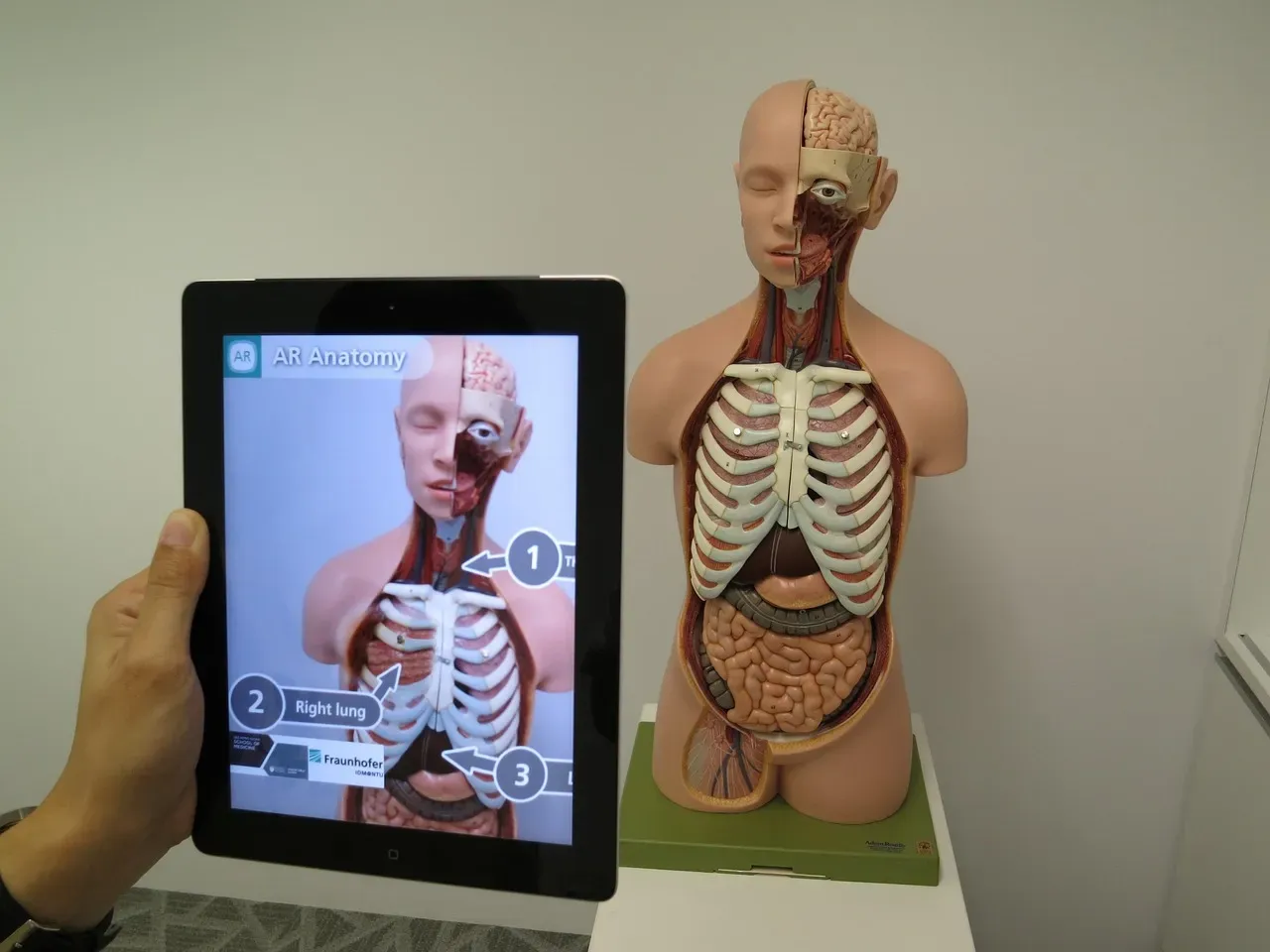
These five breakthroughs represent more than just incremental progress. They’re fundamental shifts in how we understand and treat disease. From AI-powered gene editing that makes precision medicine accessible to breakthrough antibodies that could finally conquer ancient killers like malaria, the next decade of medicine looks radically different from anything we’ve seen before.
The convergence of artificial intelligence, genomics, immunotherapy, and regenerative medicine is creating possibilities that seemed impossible just years ago. Will every one of these advances become mainstream tomorrow? Probably not. There are still challenges around cost, accessibility, safety, and ethical considerations. Yet the trajectory is clear: medicine is becoming more precise, more personalized, and more powerful than ever.
What do you think about these advances? Does the idea of editing genes or reprogramming immune cells excite you, or does it raise concerns? The conversation about where medicine goes next isn’t just for scientists in laboratories, it involves all of us. After all, these breakthroughs aren’t just changing medicine, they’re changing what it means to be human in the face of disease.