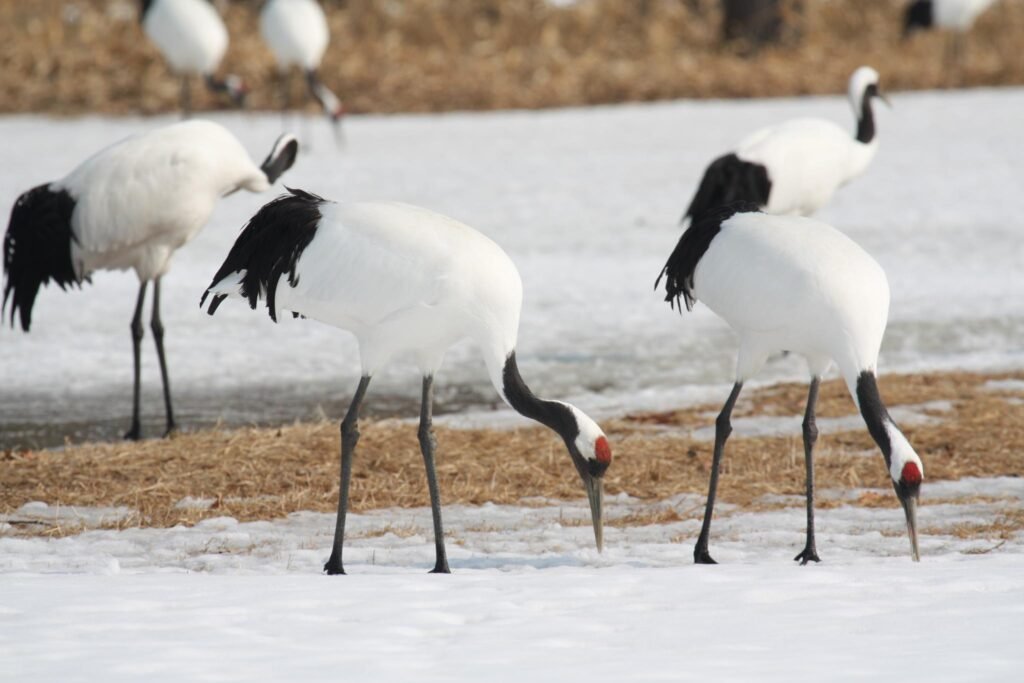
Picture yourself standing in a snow-covered wetland at dawn, watching a ballet unfold before your eyes. You’ve seen this bird on Japanese currency, origami, and countless works of art. Yet, despite its towering cultural presence, the red-crowned crane harbors secrets that even seasoned wildlife enthusiasts rarely encounter. Elegant, mysterious, and teetering on the edge of extinction, this ethereal creature has captivated human imagination for thousands of years.
Let’s be real, you probably think you know everything about this iconic symbol of longevity and luck. Think again. The reality is far more fascinating, and honestly, a bit heartbreaking.
That Red Crown Isn’t Actually Feathers
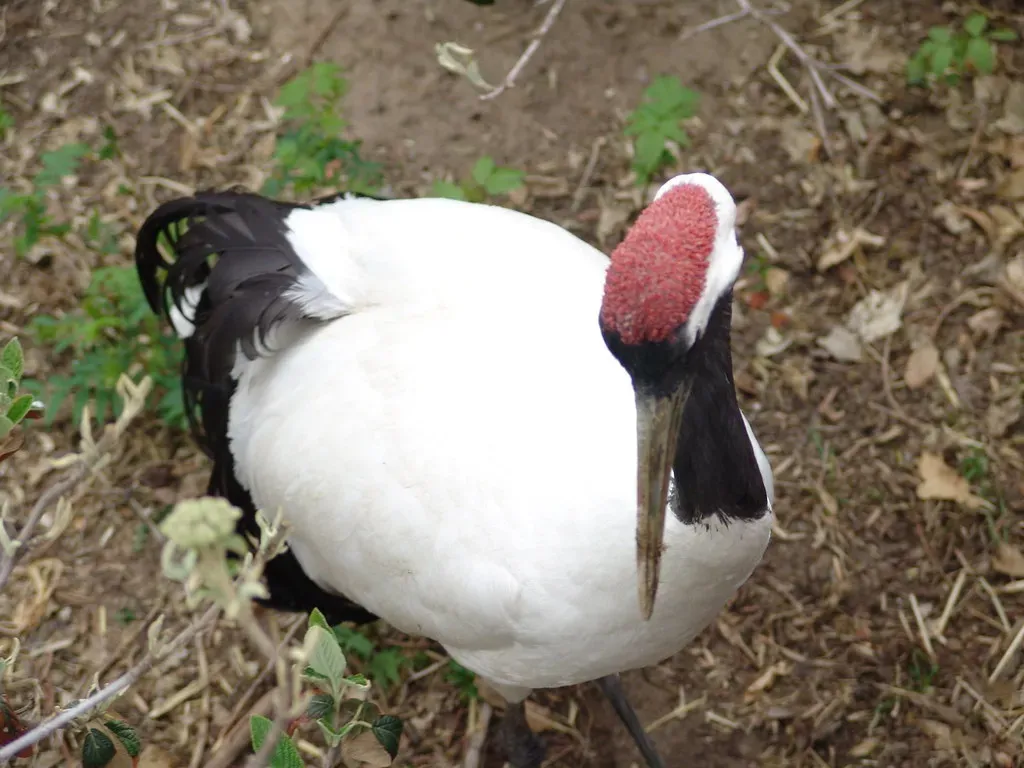
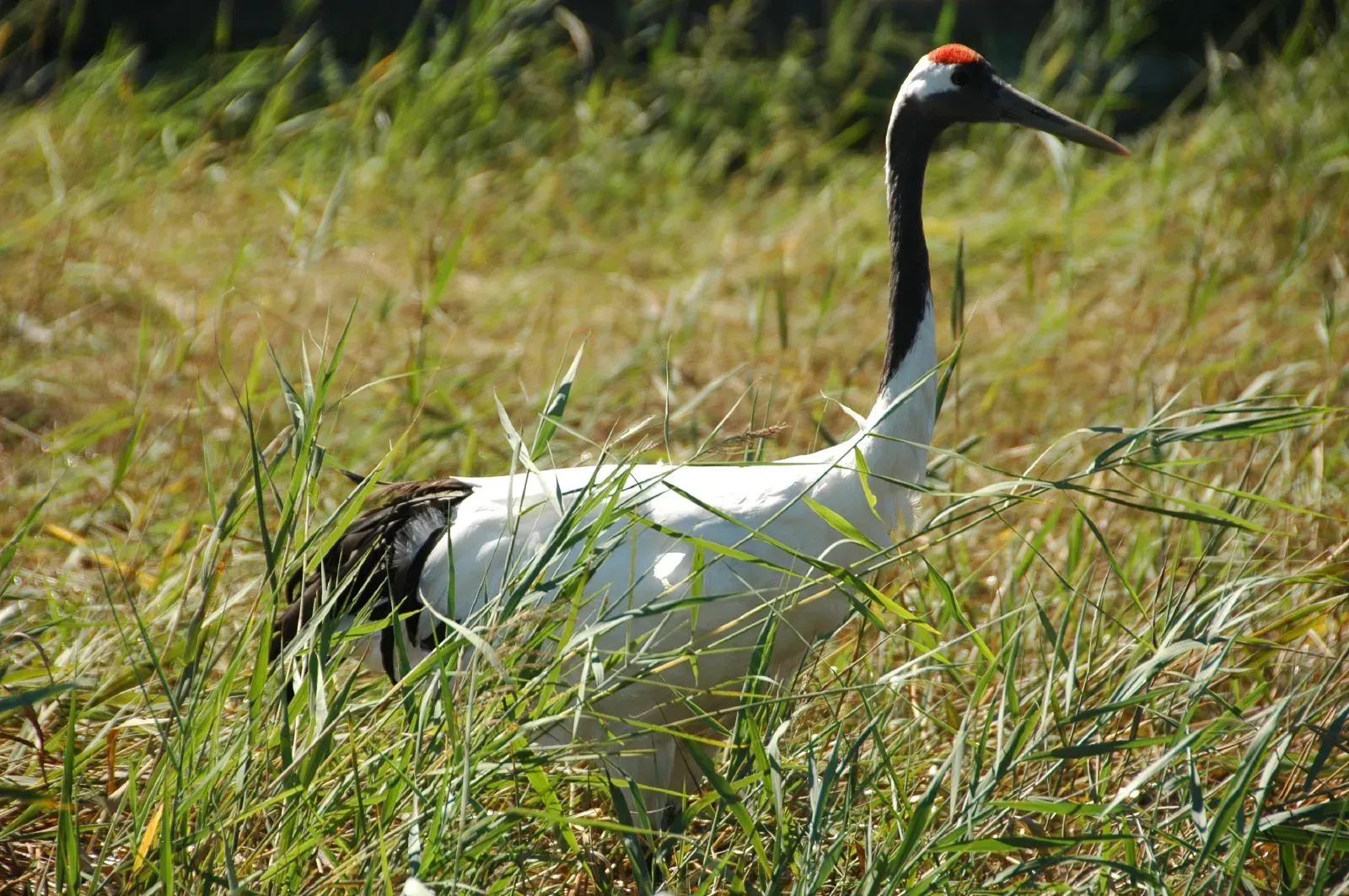
Here’s something that catches most people off guard. That striking red circle on top of the bird’s head isn’t made of red feathers at all – it’s actually exposed red skin. This makes the crown even more remarkable when you understand its purpose. The red patch glows and becomes brighter and deeper red when the birds are angry, excited, or tempted, functioning like a mood ring that signals the crane’s emotional state to other birds.
The red crown becomes even brighter during the mating season, when these magnificent birds need to showcase their readiness to potential partners. It’s nature’s way of providing a visual communication system that doesn’t require sound. I think that’s pretty clever, considering how important visual displays are during their elaborate courtship rituals.
They’re Among the Heaviest Cranes That Can Actually Fly

You might assume all cranes are relatively similar in size. That assumption would be wrong. Red-crowned cranes are the heaviest crane species on average, weighing up to 25 pounds, which makes their ability to fly all the more impressive. Imagine launching that much weight into the air with nothing but wing power.
Their wingspan can reach up to eight feet across, giving them an imposing appearance. These birds stand at 150 to 158 cm (4ft to 5 ft) tall and can live more than 60 years, making them not only massive but also remarkably long-lived for avian species. Their sheer physical presence commands respect in the wetlands they call home.
Their Calls Can Be Heard From Over a Mile Away
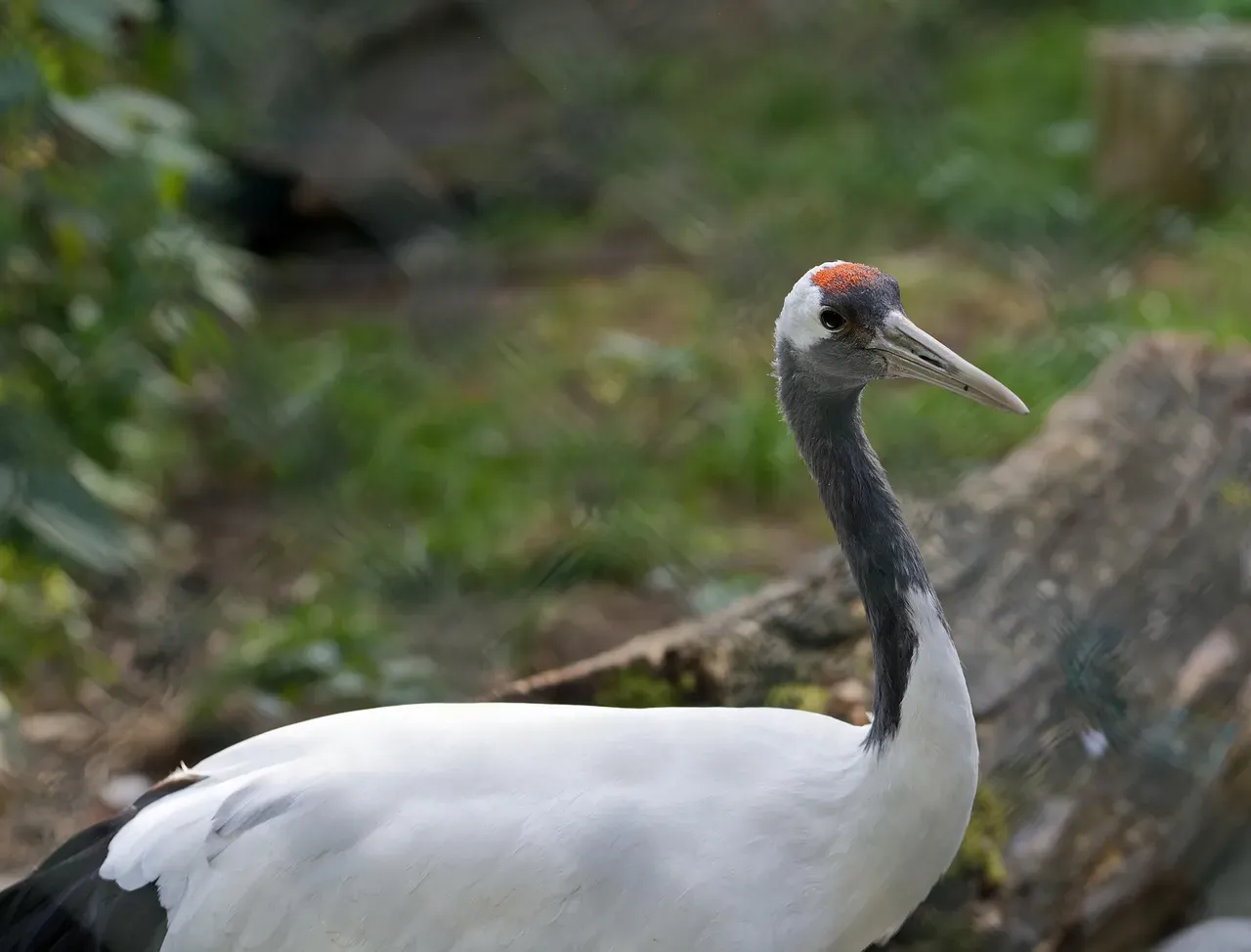
The red-crowned crane’s long, coiled windpipe enables it to trumpet so loudly that it can be heard from more than a mile away. This extraordinary vocalization system functions almost like a brass instrument, amplifying their calls across vast wetland territories. The sound is haunting and beautiful, echoing through marshes at dawn.
These aren’t just random noises either. Red-crowned cranes are monogamous and form long-term pair bonds, engaging in elaborate courtship displays where they move rhythmically close together, throwing their heads back, and letting out a fluting call in unison. The synchronized duets strengthen their lifelong bonds and announce their territorial boundaries to neighboring pairs.
They Feed in Deeper Water Than Any Other Crane Species

Most crane species prefer to wade in shallow water, pecking for food near the surface. Red-crowned cranes are a highly aquatic species that feeds in deeper water than other cranes, giving them a unique ecological niche among their relatives. This adaptation allows them to access food sources that other cranes simply can’t reach.
They have a highly omnivorous diet that includes rice, parsley, carrots, corn, acorns, buckwheat, grasses, and various water plants, plus fish, amphibians, snails, crabs, dragonflies, insects, small reptiles, shrimp, small birds and rodents. Their dietary flexibility has become crucial for survival, especially in winter when natural food sources become scarce.
A Single Population Was Saved From Just 20 Birds
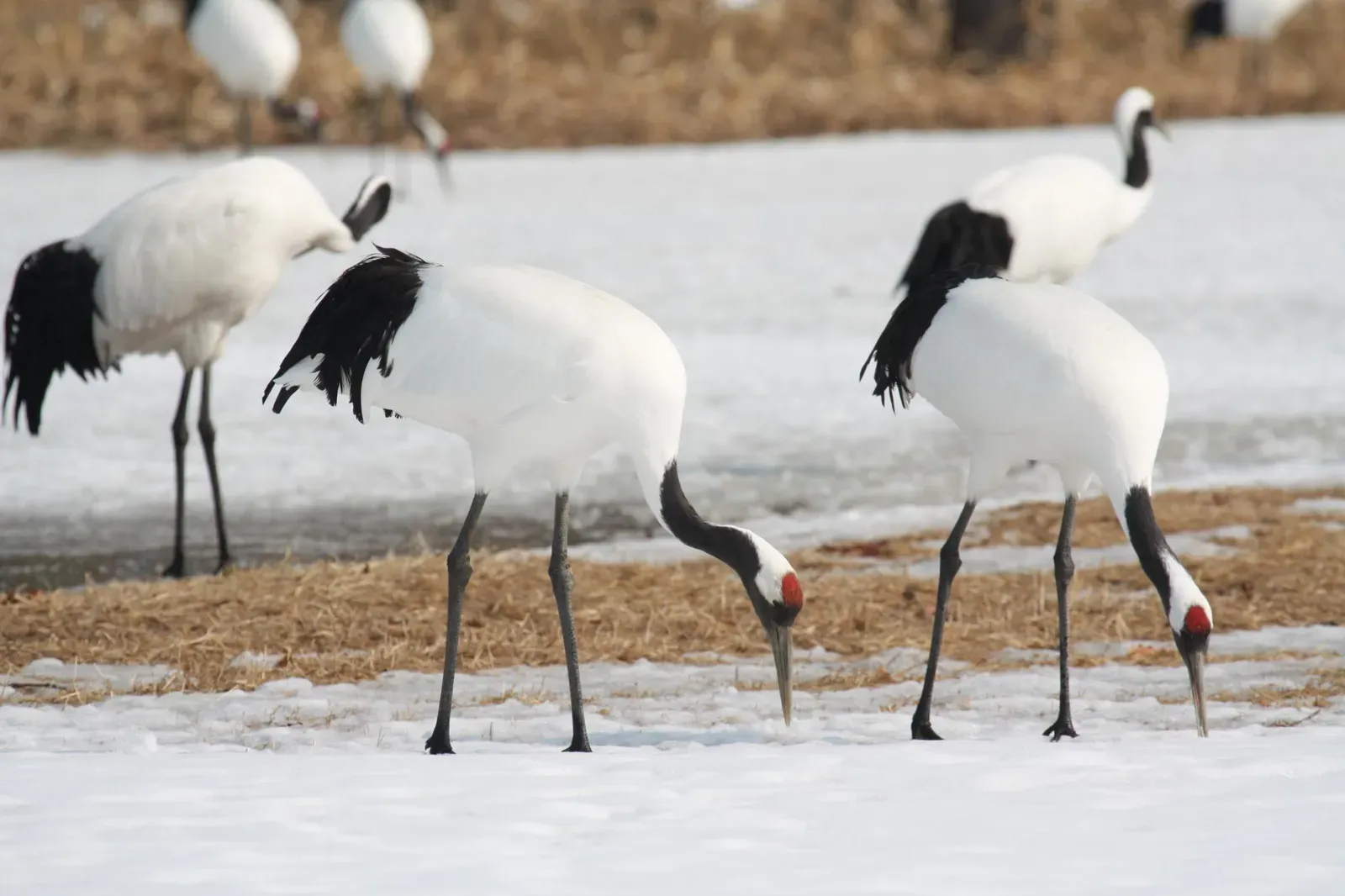
The conservation story of the red-crowned crane is nothing short of miraculous. In 1924, just 20 birds survived in the marshes of eastern Hokkaido, thought to be locally extinct in Japan. Everyone assumed these magnificent creatures were gone forever from the Japanese islands.
In the 1920s, islanders discovered a handful of birds nesting in the remote Kushiro marshes, and they began providing food for the cranes each winter, which eventually led to the population’s recovery. Today, the total population size in discrete wintering areas is 3,822 individuals, with roughly 1,900 in Japan in 2020, and an estimated 2,300 mature individuals overall. Still, the species remains vulnerable and completely dependent on continued human intervention for survival.
Their Courtship Dance Inspired Ancient Human Ceremonies
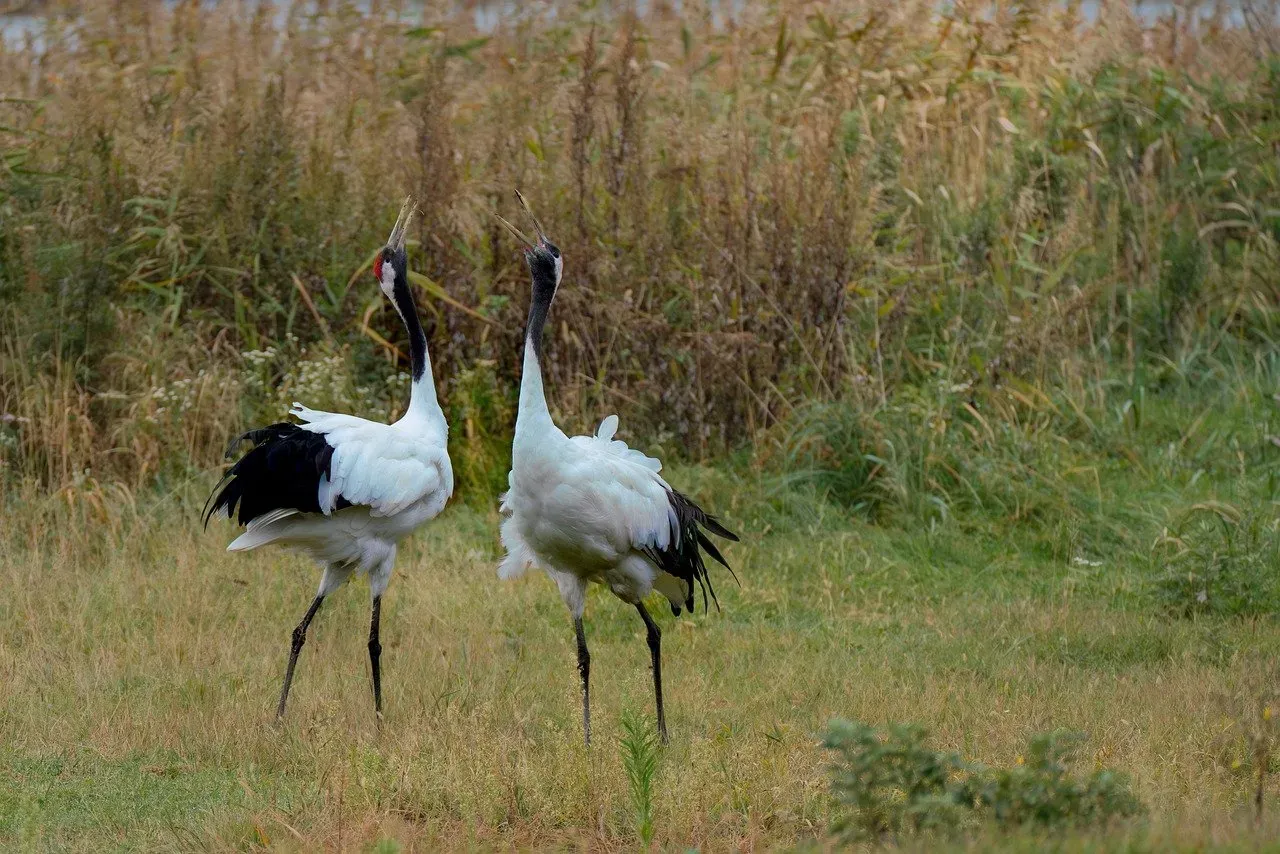
Anthropologists from Cornell University have uncovered evidence suggesting that Neolithic people imitated crane dances as part of marriage celebrations in the ancient village of Çatalhöyük, Turkey, around 6500 BC. Let that sink in for a moment – humans have been mesmerized by these birds’ movements for over eight thousand years.
The red-crowned crane’s ritual courtship dance is a masterpiece of choreography; they bow to one another, then raise their heads towards the sky and call in unison, and as they call, they begin to dance. The dances include bouncing jerkily, gracefully leaping into the air, and running wildly with outstretched wings, creating a spectacle that looks almost supernatural against snowy landscapes. The Ainu people of Hokkaido consider the live birds to be Kamuy (divine beings), Gods of the Marshes and spirit dancers, performing a specific ceremonial dance called the Sarorun Rimse that imitates the crane’s movements.
The Scientific Name Is a Historical Mistake
Here’s a fascinating piece of taxonomic drama. The scientific name is designated as “Japanese Crane (Grus japonensis)”, yet its primary habitat lies in eastern Eurasia; this nomenclature was established by Carl Linnaeus, and due to the Qing Dynasty’s policy of isolationism, European and American scholars were unable to enter China for research – Japanese researchers provided specimens instead, so it was named “Grus japonensis”.
This naming controversy has real consequences. The red-crowned crane was selected as a candidate for the title of national animal of China, but this decision was deferred due to the crane’s Linnaean taxonomic name “Grus japonensis”. Imagine being denied your national symbol because of an 18th-century paperwork error. Wild red-crowned cranes have become extinct on Japan’s main island of Honshu, surviving only in Hokkaido, so there is partial consensus in English to adopt the common name Red-crowned Crane instead.
They Have No Natural Predators as Adults
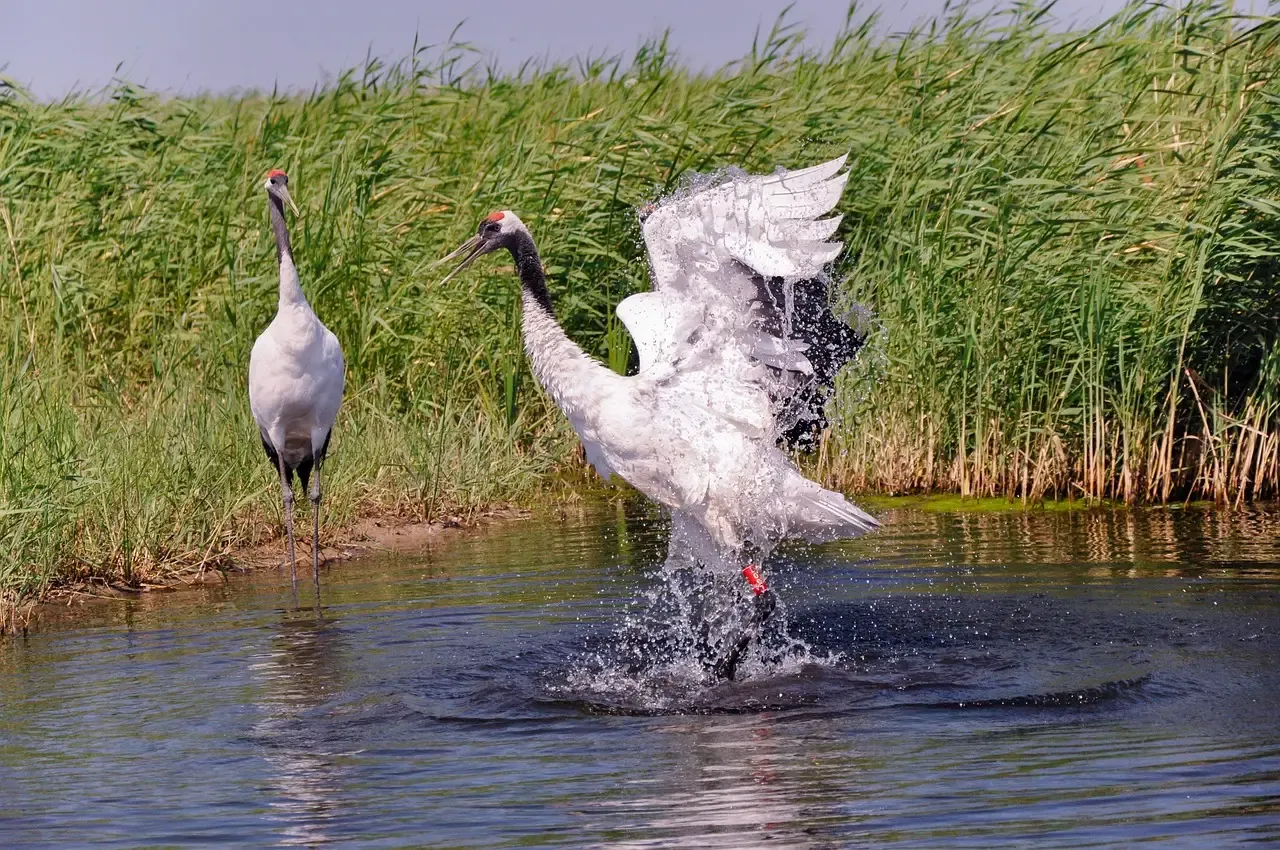
Red-crowned cranes have no natural predators within their wintering grounds, with their large size and height of roughly 1.5 m (5 ft) helping to deter most potential predators. Their imposing stature, sharp beaks, and ability to fly away from danger make them essentially untouchable in the wild.
Still, losses at the nest occur to predators like introduced American minks on Hokkaidō being among the most successful predators of eggs and chicks, while unwary subadult and adult cranes may be ambushed by red foxes in Japan and leopard cats in South Korea. The real danger to these birds isn’t from nature’s food chain. The main threats include habitat loss and fragmentation, human disturbances near nesting grounds, poisoning, and poaching, with the most pressing threat being habitat destruction and a general lack of remaining pristine wetland habitats. Humans remain the species’ greatest enemy and, paradoxically, their only hope for survival.
Conclusion

The red-crowned crane stands at a crossroads between myth and reality, between survival and extinction. These remarkable birds have taught us that beauty and fragility often walk hand in hand. Their recovery from near extinction shows what’s possible when humans choose to protect rather than destroy, yet their continued vulnerability reminds us how precarious that protection remains.
The international efforts of Russia, China, Japan, and Korea are needed to keep the species from extinction. Every winter feeding station, every protected marsh, every educational program contributes to keeping these sacred birds dancing across snowy wetlands for future generations to witness.
What surprises you most about these incredible birds? Have your perceptions shifted about this symbol of longevity and luck?