On the wind-scoured plateaus of Tibet and the high steppes of the Himalaya, a small predator with a strangely human-looking face is rewriting what we think we know about foxes. The Tibetan fox, with its squared-off muzzle and poker-straight gaze, has long been a ghost of altitude – seen briefly, studied rarely, and largely left out of global wildlife conversations. Only in the past few decades have biologists begun to piece together its secret life, from underground rodent wars to unexpected hunting alliances. As climate change, infrastructure, and tourism creep higher into the mountains, this quiet specialist is suddenly on the front line of rapid environmental change. The mystery now is not just how it survives such extremes, but whether its highly specialized world can keep up with ours.
The Hidden Clues in a Square-Shaped Face
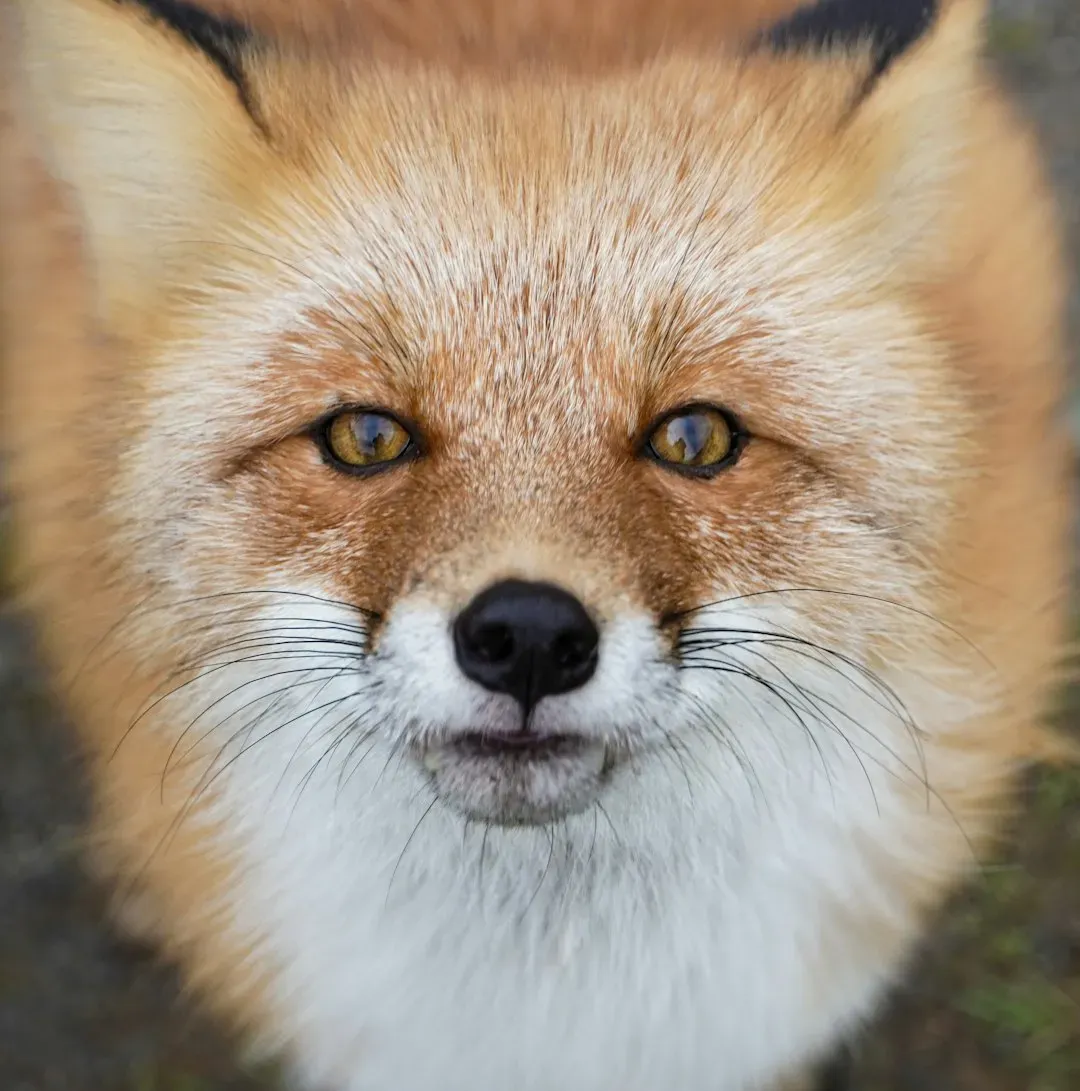
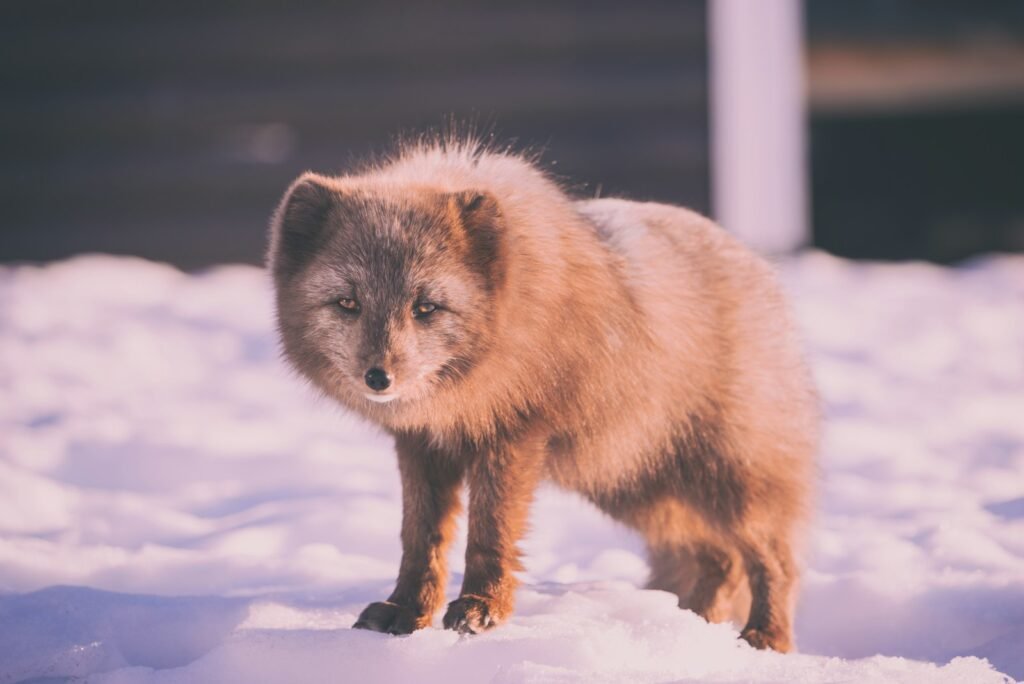
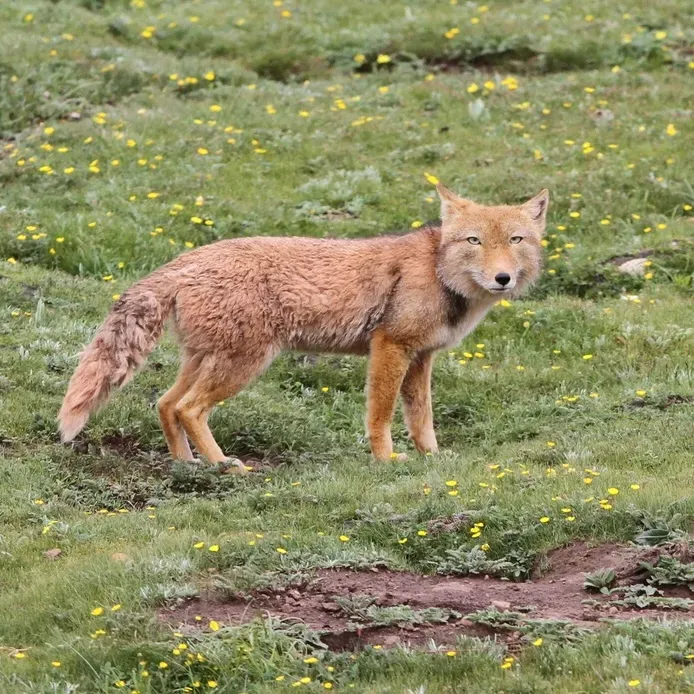
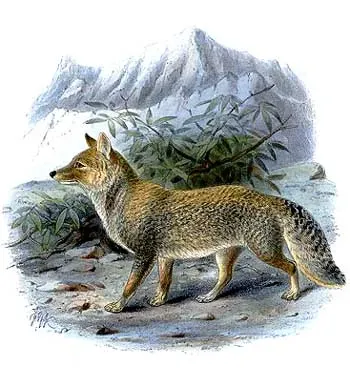
The first thing people notice about the Tibetan fox is its face: a boxy, almost cartoonishly rectangular head that looks more like a carved mask than a living animal. This unusual shape is not just a quirky accident of evolution; it is tied to powerful jaw muscles that help the fox crush the tough bodies of pikas and rodents that anchor its diet. The narrow, forward-facing eyes give it a fixed, almost judging stare, but functionally they provide sharp binocular vision across open ground where hiding places are scarce. When I first watched footage of a Tibetan fox trotting across the plateau, the expression looked uncannily like a disapproving neighbor checking whether you had mowed your lawn. That strange, almost comical visage may explain why the species only captured global attention when high-resolution camera traps and better lenses made its features widely visible.
In scientific terms, the fox’s compact skull and robust muzzle are adaptations to a life spent digging, pouncing, and dispatching burrowing prey at high altitude. A more delicate, slender fox face – like that of the red fox common in lower elevations – would be less efficient at clamping down on chunky pikas in frozen soils. The Tibetan fox’s squareness also reduces unnecessary surface area, which can help conserve heat in bitterly cold winds. In an environment where winter nights can get dangerously cold and food is unpredictable, every small edge in energy conservation and hunting efficiency matters. What looks like an odd aesthetic choice by nature is actually a finely tuned survival toolkit stamped directly onto the fox’s face.
Life at the Edge: Surviving Thin Air and Bitter Cold
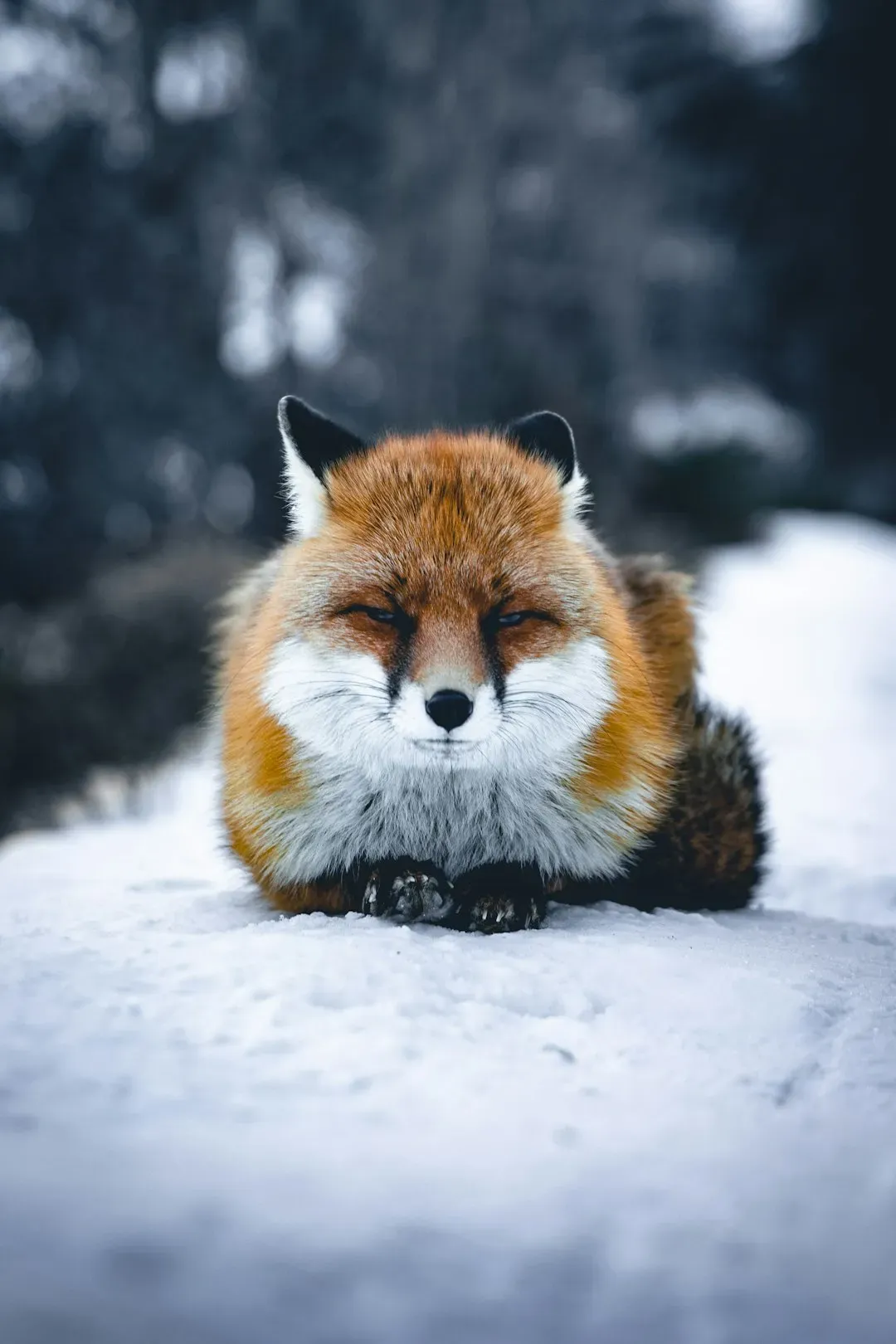
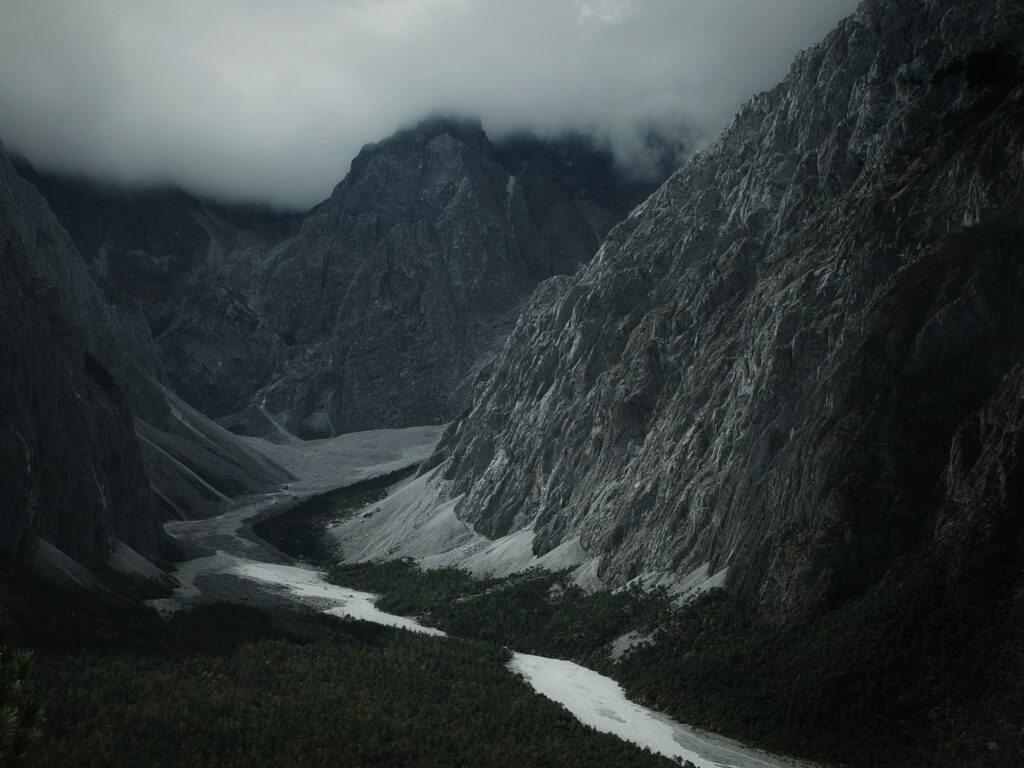
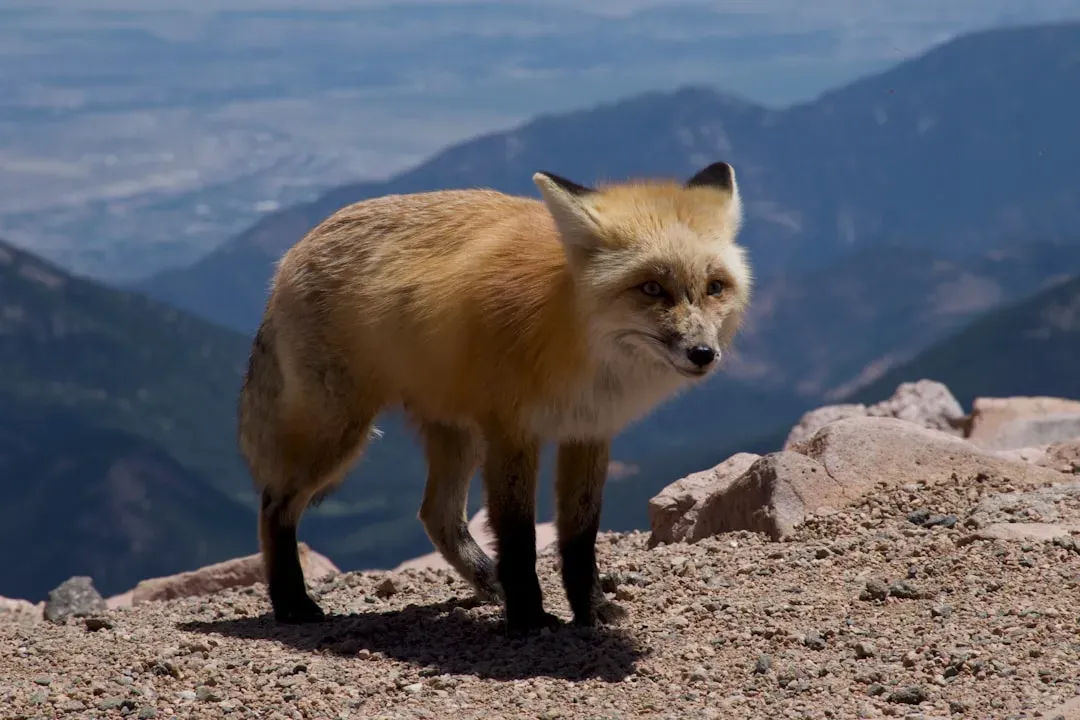
The Tibetan fox lives where many mammals simply tap out: windswept plateaus often more than two miles above sea level, with low oxygen, intense ultraviolet light, and long stretches of subfreezing temperatures. At these heights, the air is thin enough that even humans in good shape can feel light-headed after a short walk, yet the fox trots and sprints after prey as if it is on a seaside meadow. Its thick, plush coat acts like a living duvet, trapping warm air close to the body and insulating it from bone-cutting winds. Underneath that fur, a relatively compact body and short legs help reduce heat loss, in contrast to long-limbed predators adapted to warmer, more open plains.
Unlike some carnivores that rely on long-distance chases, Tibetan foxes usually hunt with short bursts of motion that minimize energy use in an unforgiving climate. When prey is scarce in winter, they may scavenge on carcasses left by wolves or snow leopards, stretching limited resources further than a solo kill would allow. Breeding and pup-rearing are timed for the milder months, when pikas and rodents are more active and the plateau briefly bursts with grasses and herbs. That seasonal coordination ensures that nursing mothers can meet the steep energy demands of raising young in a landscape that offers few second chances. In the high Himalaya, survival is not a dramatic sprint but a careful, season-by-season calculation of risk and reward.
Pika Hunters and Plague Managers: Ecological Role of a Specialist
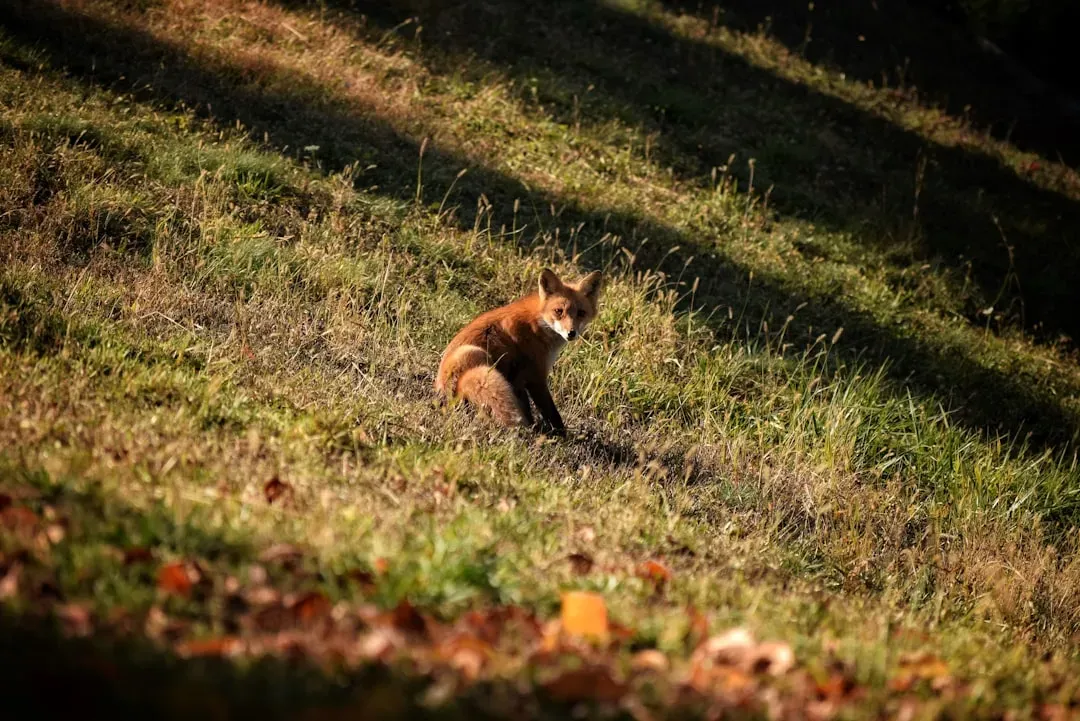
If you had to sum up the Tibetan fox’s job description, it would be this: professional pika hunter. Plateau pikas are small, rabbit-like mammals that dig dense networks of burrows and can occur in huge numbers on alpine grasslands. By some estimates from field surveys, pikas and other small mammals may make up the overwhelming majority of the Tibetan fox’s diet in many regions, especially in central and western Tibet. That specialization makes the fox a kind of living population control system, keeping pika numbers in check and indirectly influencing how much vegetation remains for yaks, sheep, and wild herbivores. In areas where foxes are common, researchers have documented fewer signs of extreme pika outbreaks, which can otherwise strip grasslands bare.
There is another, less visible dimension to this role: disease ecology. In some high-altitude systems, pikas and rodents can act as reservoirs for pathogens, including bacteria related to plague in certain regions of central Asia and the Tibetan Plateau. By preying heavily on these small mammals, Tibetan foxes may help suppress the spread of potential disease vectors, though the details of that interaction are still being studied. This kind of top-down control is a reminder that predators are not just charismatic extras in an ecosystem but working pieces of its health infrastructure. Remove or drastically reduce them, and the knock-on effects can be surprising, from overgrazed soils to altered disease dynamics. For local communities who depend on the plateau’s grasslands, the fox is quietly doing unglamorous but vital maintenance work.
Unlikely Alliances: Hunting Side by Side With Brown Bears
One of the most surprising recent revelations about Tibetan fox behavior came not from a lab, but from chance field observations and camera traps: these foxes sometimes hunt alongside Himalayan brown bears. The pattern is almost comical in its lopsidedness: the big bear digs up pika burrows with its massive claws, tearing open tunnels and flushing the squeaking occupants into the open, while the fox hangs back like an opportunistic sidekick. When the pikas bolt from the wrecked burrows, the fox darts in to grab what the bear misses, snatching quick meals that would have been nearly impossible to access alone. This is not a formal partnership with clear rules, but a loose, opportunistic association that biologists call commensal for the fox – benefiting from the bear’s effort without obviously harming it.
Seeing such a scene pop up on video footage feels almost like a nature documentary script, except it happens spontaneously on the plateau. The brown bear gets the bulk of the payoff from its heavy digging, while the fox gets a bonus buffet line with minimal energy investment. Similar relationships occur elsewhere in the world, such as jackals trailing lions in Africa or gulls following fishing boats at sea. What is striking in the Tibetan case is that it involves two species both adapted to a very harsh, resource-limited environment, finding ways to squeeze extra calories out of the same patch of ground. It is a reminder that in difficult places, cooperation – however informal – can be just as important as competition.
From Overlooked Curiosity to Scientific Focus
For a long time, the Tibetan fox existed in the margins of science, noted briefly in field notes and regional mammal guides but rarely studied in depth. Remote terrain, political restrictions, and thin funding for high-altitude ecology meant that researchers could only catch brief glimpses of its life. In the past few decades, however, as interest in climate change and plateau ecosystems has grown, the fox has moved from footnote to focal point. New surveys combining GPS mapping, camera traps, and local herder interviews have begun to map its distribution more accurately across Tibet, Qinghai, Ladakh, and neighboring highlands. That shift has revealed that the fox is more widespread than many outsiders realized, yet still heavily dependent on a specific set of environmental conditions.
As scientists refine our understanding of its habitat preferences – such as elevation bands, prey densities, and vegetation types – they are also rethinking old assumptions about predators at altitude. Earlier, the emphasis was often on spectacular species like snow leopards, which are undeniably important but represent only part of the carnivore community. The Tibetan fox demonstrates how a smaller, specialized predator can have outsized influence on grassland dynamics and even on the perceived “pest” status of animals like pikas. Each new piece of data, from scat analysis to den-site mapping, plugs a gap in our basic knowledge of how this system functions. In a way, the fox is doing double duty: surviving in a tough environment while helping scientists decode how that environment works.
Why It Matters: A Small Predator With Big Implications
On paper, the Tibetan fox is just one more medium-sized carnivore in a world full of them, but its ecological and scientific significance runs much deeper. Because it is so tightly linked to pikas and other small mammals, changes in its population can serve as an early warning signal for shifts in the plateau’s food web. If pikas crash due to disease, poison campaigns, or habitat change, fox numbers will likely decline soon after, flagging a wider ecological imbalance. Conversely, a sudden surge in fox sightings in a region might reflect booming pika populations and heavier pressure on grassland vegetation. In that sense, the Tibetan fox is a living indicator panel on the dashboard of the high-altitude ecosystem.
There is also a human dimension often missed in quick social media posts featuring the fox’s funny face. In parts of the Tibetan Plateau, authorities and herders have historically viewed pikas as pasture destroyers, sometimes using poison to reduce their numbers and indirectly threatening the fox’s main prey base. Studies and field experience, however, suggest that pikas also aerate soil, support raptors and carnivores, and contribute to overall biodiversity. Protecting the fox, then, is tied to rethinking how we manage so-called pest species and how we value predators in rangelands that support both wildlife and livelihoods. Understanding this animal forces us to ask whether we want grasslands that are simply grazed, or grasslands that are alive with complex, resilient networks of species.
Changing Plateaus: Climate, Roads, and the Future Landscape
The Tibetan Plateau is warming faster than many lowland regions, earning it the label of a high-altitude hotspot for climate change. As temperatures rise and precipitation patterns shift, the delicate balance of grasses, shrubs, and permafrost that supports pikas and their predators is starting to wobble. Thawing of seasonally frozen ground can alter burrow stability, while shifting snow cover changes when and where pikas are most active. For a specialist like the Tibetan fox, these changes can ripple through its life – affecting the timing of breeding, the location of good hunting grounds, and even the viability of long-used dens. The fox does not get to choose a new niche easily; it is built for this altitude, this prey, this particular version of a cold, dry world.
Layered on top of climate pressures are human-built roads, railways, and expanding settlements that slice the plateau into ever smaller fragments. Increased access can bring more tourism and more free-ranging dogs, which sometimes harass or compete with native carnivores. Vehicle traffic raises the risk of roadkill in areas where foxes cross to follow prey movements or reach den sites. At the same time, some infrastructure projects create new edges and disturbed areas that may briefly boost rodent numbers, offering short-term gains but long-term uncertainty. The future landscape for the Tibetan fox will likely be a patchwork of traditional rangelands, protected areas, and heavily modified corridors, testing just how adaptable this high-altitude hunter can be.
Tools of Discovery: Modern Tech Meets an Ancient Hunter
Our picture of the Tibetan fox’s life has sharpened dramatically thanks to a flurry of modern research tools that would have seemed like science fiction a generation ago. Motion-triggered camera traps have captured thousands of images and video clips of foxes hunting, mating, and interacting with other animals at all hours. Lightweight GPS collars, when deployed under strict ethical guidelines, allow scientists to track movements across seasons and identify key hunting and denning areas. Genetic analysis of scat samples helps reveal diet composition and even hints at population structure without the need to capture or disturb the animals directly. Together, these methods turn a once-shadowy species into a data-rich subject of study.
For someone who grew up leafing through static field guides, it is striking to see how quickly this technology has filled in behavioral details that were previously pure speculation. Researchers can now compare fox home ranges in different parts of the plateau, test how close they approach human settlements, and evaluate whether they avoid certain types of infrastructure. Drone surveys and high-resolution satellite images add another layer, showing how vegetation and pika colony patterns intersect with fox habitat. While there are still gaps – especially in politically sensitive or logistically tough regions – the toolbox for studying Tibetan foxes has never been more powerful. Each dataset not only tells us more about the animal, but also about the vast, changing roof of the world it calls home.
How You Can Help: Turning Curiosity Into Conservation
For most readers, the Tibetan fox will remain a distant figure – a squared-off face glimpsed in photographs rather than in real life – but that distance does not mean powerlessness. One of the simplest yet most important steps is to support organizations and research groups working on high-altitude ecosystems, whether through donations, sharing their findings, or amplifying their calls for better protection policies. When learning about the plateau, it helps to think beyond the single species and consider the full web: foxes, pikas, grasslands, herders, and climate all knotted together. Advocating for climate action, even far from the Himalaya, ultimately influences the trajectory of snowlines, permafrost, and grassland resilience in the fox’s home. In that sense, choices in cities and suburbs can echo all the way to the world’s highest hunting grounds.
For travelers heading to Tibet, Qinghai, Ladakh, or nearby highlands, responsible tourism can also make a difference. Choosing guides and operators who respect wildlife, avoid harassing animals for photos, and follow local regulations helps reduce stress on sensitive species. Supporting local communities that manage rangelands sustainably can create incentives to protect predators rather than persecute them. Even something as simple as sharing accurate, nuanced stories about the Tibetan fox – beyond its meme-ready face – helps shift public perception from novelty to necessity. The next time you see that square-faced hunter in a picture or documentary, the question is less “Isn’t it weird?” and more “What does its future say about the health of the highest plateau on Earth?”