For decades, lucid dreaming sat on the edge of science like a ghost story people swore was real but couldn’t quite prove. You either had one of those startling dreams where you suddenly knew you were dreaming, or you rolled your eyes and filed it under internet folklore. Now, a growing body of research has pushed lucid dreaming out of the shadows and into the lab, confirming it as a distinct and measurable state of consciousness. That alone would be big news – but it gets stranger. Some scientists are beginning to treat lucid dreams as test beds for studying reality itself, from how the brain builds our sense of “self” to whether consciousness can be trained like a muscle. And hidden in this story is one of the ocean’s wildest unsolved questions: what does any of this say about minds that evolved underwater?
The Hidden Clues: How Dreamers Talked Back From Inside Their Dreams

One of the most surprising twists in this story is that scientists have now literally held live conversations with people while they were dreaming. In controlled sleep labs, volunteers trained in lucid dreaming signaled to researchers using specific eye movements – like looking left-right-left-right – once they realized they were in a dream. That alone was a breakthrough, because rapid eye movement sleep is usually thought of as a one-way street: the brain is busy, but you can’t respond on command. Yet, when researchers fired simple math questions or yes–no prompts at sleeping subjects using sound or gentle touches, some dreamers answered correctly from inside their dreams using pre-agreed eye codes.
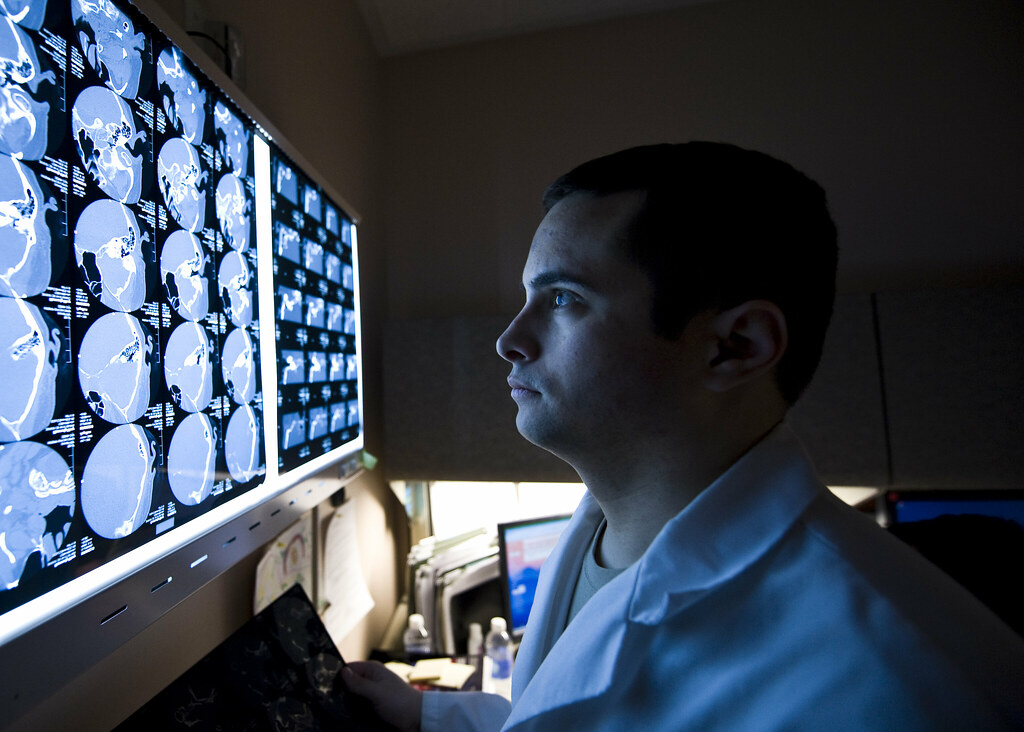
These experiments showed that lucid dreaming is not just a vivid fantasy; it is a state in which parts of the conscious mind stay online while the body is sealed off in paralysis. Brain scans revealed that areas involved in self-awareness and decision-making light up differently during lucid dreams compared with regular REM sleep. In other words, the dreamer is not just watching a movie; they are partly writing the script in real time. That clear neural signature is why scientists now talk about lucid dreaming as a genuine, altered state of consciousness – more like a cousin of waking life than simply a weird dream glitch.
From Ancient Night Visions to High-Tech Sleep Labs

Long before sleep labs and brain scanners, cultures around the world took lucid-like dreams seriously, but they described them in the language of spirits, omens, and journeys. Some Indigenous traditions used dreams as training grounds for courage or insight, acting out scenarios in a world that felt half-real and half-mystical. For centuries, though, these stories were impossible to test, so mainstream science filed them under subjective experience and moved on. It was not that researchers thought people were lying; it was that they had no way to prove anything was different in the brain during those special dreams.
That changed when sleep researchers began wiring volunteers to EEG caps, eye trackers, and later full brain imaging systems while they slept. They noticed a curious pattern: when trained lucid dreamers reported awareness inside a dream, their brain activity resembled a hybrid between typical REM sleep and waking consciousness. Regions involved in metacognition – the ability to think about your own thinking – became more active. Suddenly, those old accounts of deliberate dream journeys started to look less like superstition and more like very early, very informal neuroscience notes written in myth and story form.
Ocean Minds at Night: Do Sea Creatures Dream Like We Do?
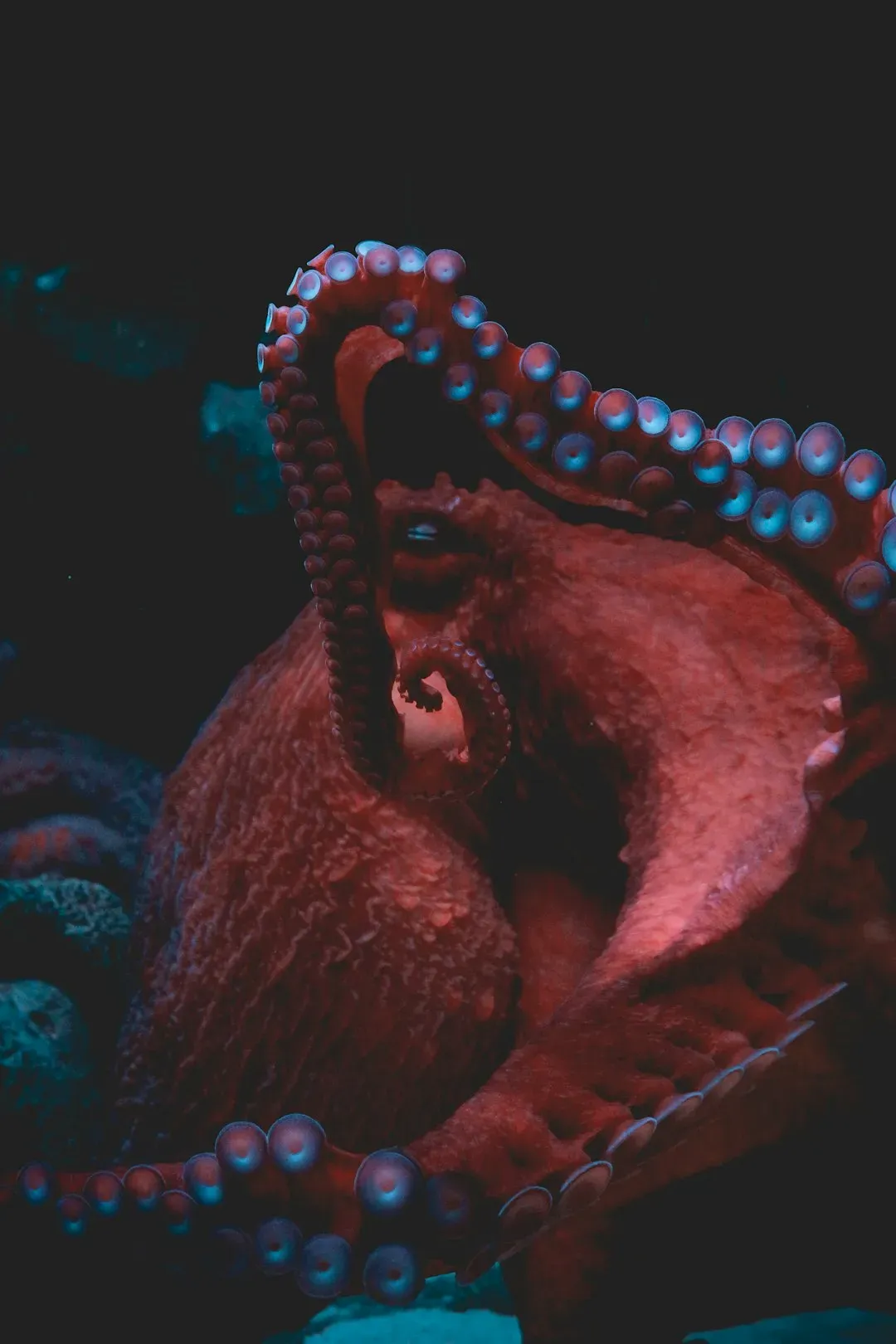
Once you accept that lucid dreaming is a real state, a stranger question surfaces: what about animals, especially those that live in the vast, alien world of the ocean? Marine biologists have long noticed sleep-like rhythms in sea creatures, from octopuses that flash dramatic color patterns while motionless to dolphins that rest one half of their brain at a time as they continue to swim. Some cuttlefish go through rapid eye and body pattern changes that eerily resemble our REM sleep phases. It is hard not to wonder if these animals are running their own strange, underwater narratives while they rest.
We cannot ask a cuttlefish to move its eyes left-right-left on command to confirm it knows it is dreaming, at least not yet. But as lucid dream research progresses in humans, it offers a kind of template for what to look for in other species: distinctive brainwave patterns, consistent behavioral signals, and changes in attention-like neural activity. If scientists can show that octopuses, for example, switch into a special state where they replay hunting patterns or social encounters, it would suggest that “dreaming” in some form is not just a human quirk. Instead, it might be a powerful survival tool that evolved many times, refining behavior and memory in environments as different as coral reefs and deep pelagic zones.
Inside the Lucid Brain: What the New Science Really Shows
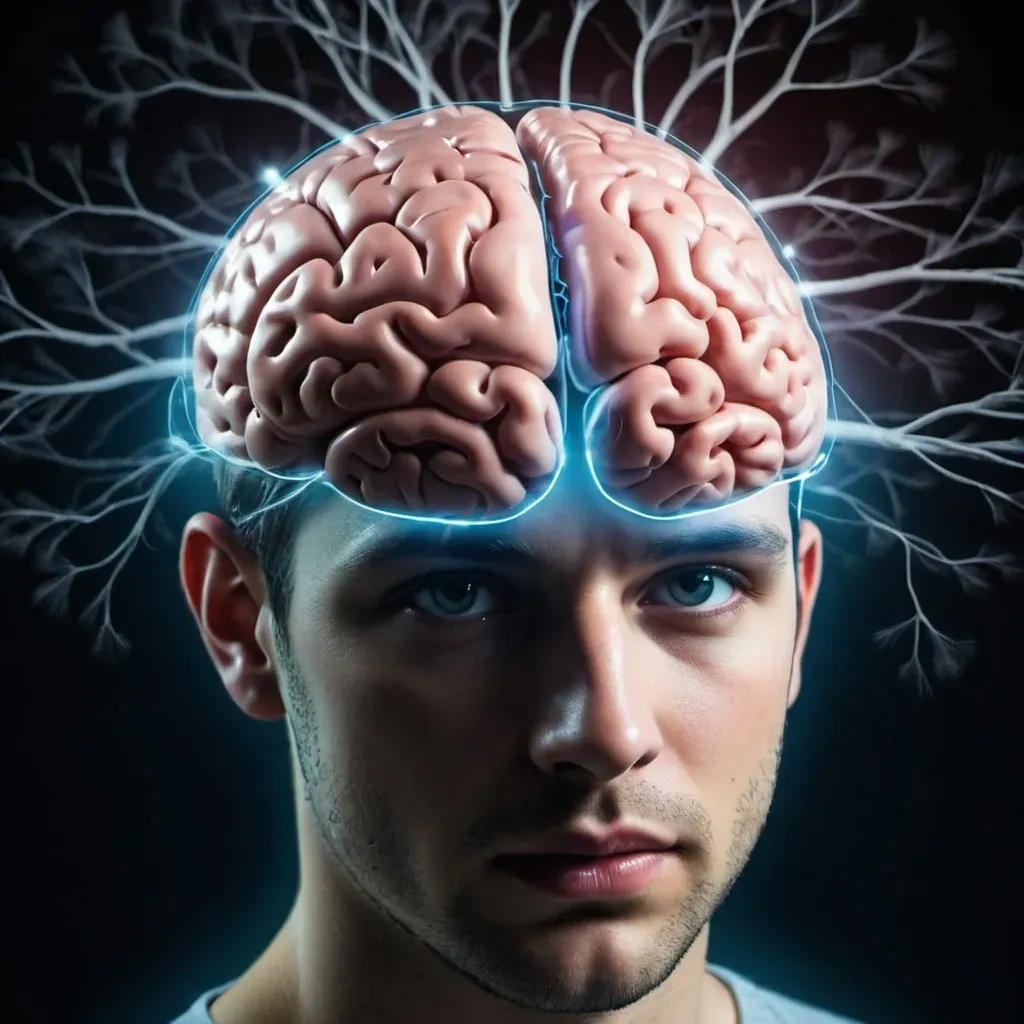
To truly confirm lucid dreaming as a distinct state, researchers had to do more than simply trust dream reports – they needed to see clear signatures in the brain. Using tools like EEG and functional MRI, studies have found that during lucid dreams, the prefrontal cortex, which is usually dialed down in ordinary REM sleep, becomes more active. This is the region that helps you reflect, plan, and evaluate what is happening, so its reactivation fits the idea of “waking up” inside a dream. At the same time, visual areas of the brain remain intensely engaged, supporting the bright, cinematic quality many lucid dreamers describe.
Some experiments even show that when people practice specific actions inside lucid dreams – like repeatedly squeezing a hand – the part of the motor cortex associated with that movement shows measurable changes. This has led a few research teams to treat lucid dreaming as a sort of built-in virtual reality system, one the brain can use to rehearse skills, confront fears, or explore new scenarios without physical risk. The important point is that the data no longer depend on memory or storytelling alone. There is now a consistent physiological footprint that separates lucid dreaming from both waking life and ordinary dreaming, anchoring this once-mythic experience firmly in measurable science.
Why It Matters: Consciousness, Control, and the Edge of the Unknown
The confirmation of lucid dreaming as a real state of consciousness matters because it cracks open one of the deepest questions in science: how much control can we have over our own minds? In everyday life, we tend to think of consciousness as an all-or-nothing switch – you are either awake or you are not. Lucid dreaming proves that is not true. You can be deeply asleep, your body immobilized, yet still capable of deliberate thought, choice, and even communication. That blurs the old boundaries between categories like awake, asleep, hallucinating, and meditating.
Compared with traditional approaches to studying the mind, such as observing behavior while awake or scanning brains at rest, lucid dream research offers a rare combination: perception untethered from external reality, but still under partial voluntary control. It is a bit like being able to rewire a theater while the movie is still running. This has implications for understanding mental health conditions where perception, self-awareness, and control become tangled, such as nightmares, PTSD, or certain forms of psychosis. If people can learn to influence their dream worlds, they may find new ways to loosen the grip of recurring fears or harmful thought loops. At the same time, it forces philosophers and neuroscientists to grapple with a more flexible, layered model of consciousness than they grew up with.
Dreams as Training Grounds: From Phobias to Ocean Conservation

One of the more practical angles emerging from lucid dreaming research is its potential as a kind of mental training ground. Therapists have experimented with teaching people who suffer from chronic nightmares to recognize dream signs and become lucid, then change the story midstream. Instead of being chased endlessly, the dreamer might turn around, confront the threat, or even transform it into something harmless. Over time, this can weaken the emotional punch of the nightmare in waking life. It is like rehearsing a difficult conversation, but with the stakes dialed way down.
Now connect that to the ocean for a moment. Many people never see a coral reef, a mangrove forest, or a deep-sea trench in person, which makes it hard to feel their loss. Yet dreams, especially lucid ones, are places where the brain can build entire worlds with convincing detail. Some educators and artists are beginning to talk about deliberately seeding ocean imagery – reefs, kelp forests, stranded whales – into pre-sleep routines. The idea is not mystical; it is psychological. If people repeatedly explore vivid ocean landscapes in dreams, even just symbolically, they may wake up with a stronger emotional bond to those distant ecosystems and a sharper sense of what is at stake as they change.
Across Species and Depths: What Lucid Dreaming Suggests About Other Minds

Once we know the human brain can slip into a hybrid state where it both dreams and reflects, it is hard not to look at other intelligent species with fresh curiosity. Consider whales, whose complex songs travel for vast distances underwater, or dolphins navigating intricate social lives in three-dimensional space. These animals show sophisticated memory, communication, and problem-solving while awake. If their resting brain states also include structured, internally generated experiences, we might be seeing the faint outlines of nonhuman dream consciousness. The same goes for octopuses, which solve puzzles and use tools with arms that each seem to have semi-independent processing power.
We are still far from confirming lucid-like states in these creatures, but the human data provide a map. Researchers can look for patterns such as repeated neural rhythms paired with subtle body twitches, changes in eye movement styles, or consistent post-sleep behaviors that suggest recalled internal experiences. If even a few marine animals turn out to have dream states where they rehearse hunts, social interactions, or escape strategies, it would reframe how we talk about “ocean intelligence.” The sea would not just be full of life; it would be full of private inner worlds, flickering into being beneath the waves while the surface sleeps.
The Future Landscape: Brain Tech, Ethics, and Treading Carefully in the Dream World
Looking ahead, the confirmation of lucid dreaming as a real state of consciousness opens a door that technology is already eager to walk through. Wearable devices are being developed to detect REM sleep and deliver gentle cues – sounds, lights, or vibrations – at the right moment to increase the chances of becoming lucid. Brain–computer interfaces might eventually allow more precise two-way communication with dreamers, letting scientists send more complex questions and receive more nuanced responses. In theory, this could turn dreams into an interactive lab space for testing memory, creativity, and emotional processing without any external distractions.
But with that power comes an ethical undertow. If dreams become yet another frontier for optimization, training, or even advertising, we risk eroding one of the last truly private spaces of the mind. There are also questions about overuse: what happens if people start chasing lucid control every night, instead of allowing deep, unstructured sleep that the body and brain also need? In marine conservation, we have learned the hard way that diving into a fragile ecosystem without understanding its balance can do more harm than good. The same lesson applies here. Just because we can wade into the dream ocean with new tools does not mean we should disturb every current and creature we find there.
What You Can Do: Gentle Experiments and Supporting Consciousness Science

If all of this makes you curious about your own nights, there are simple, low-tech ways to explore without turning sleep into a performance sport. Keeping a dream journal by your bed and jotting down even fragmentary images as soon as you wake can quickly sharpen recall. Some people practice “reality checks” during the day – like pausing to ask whether they are awake and noticing details around them – so that habit carries over into dreams and occasionally triggers lucidity. A calm, consistent sleep schedule and a screen-free wind-down period also help, not just for dreams but for overall health.
On a broader level, you can support the science behind all this by paying attention to how sleep, mental health, and even ocean research are funded and discussed. When you see thoughtful reporting on sleep studies, marine cognition, or conservation, share it and talk about it; public interest often nudges policymakers and grant-makers in quiet but real ways. If you are drawn to the ocean side of this story, consider supporting organizations that protect marine habitats, because every reef or kelp forest preserved is another living library of possible minds and behaviors we barely understand yet. Your own dreams may never take you diving with whales or drifting through bioluminescent canyons, but the choices you make while awake still shape whether those real-world wonders endure.