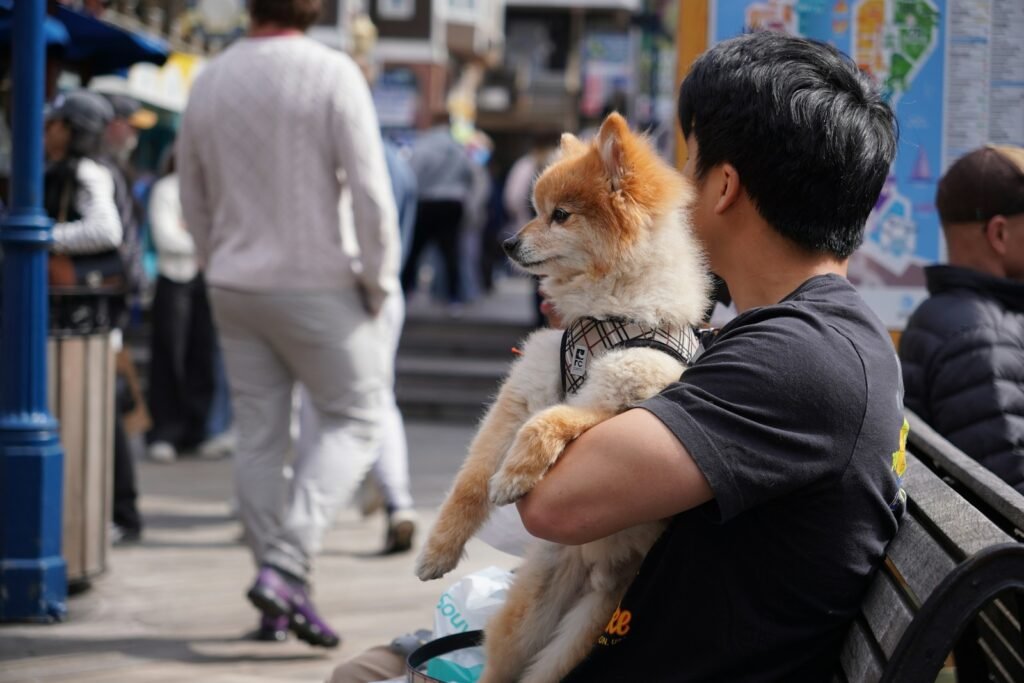
On paper, your dog is a member of a different species, separated from you by millions of years of evolution. Yet somehow, this animal seems to read your moods better than most humans, anticipating your bad days, celebrating your good ones, and sometimes staring at you with an intensity that feels almost unsettlingly familiar. For decades, scientists avoided words like “soul” and “love” in animal research, but new studies in genetics, neuroscience, and behavior are forcing a rethink. Something profound is happening in the space between human and dog, a kind of invisible bridge woven from chemistry, history, and shared experience. The mystery many dog guardians feel in their bones – that this bond is different – is now becoming a serious subject of scientific inquiry.
The Hidden Clues: How Your Dog Knows You Better Than You Think
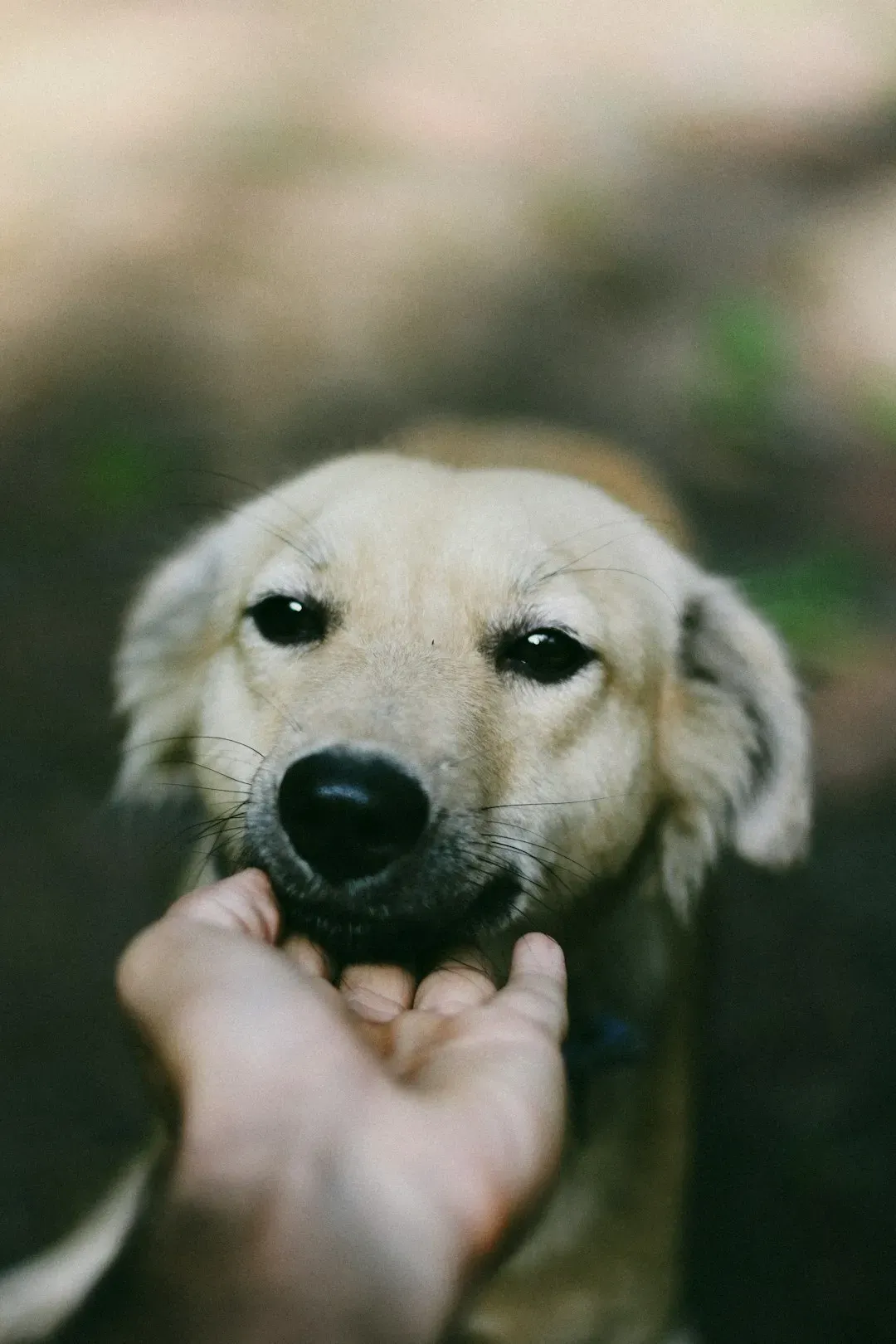
Walk through your front door after a hard day, and your dog often reacts before you say a word. That instant response is not magic, but a sophisticated reading of micro-signals: shifts in your posture, tiny muscle movements in your face, and subtle changes in your scent. Studies using scent samples have shown that dogs can distinguish human fear, happiness, and stress, and they alter their behavior accordingly, seeking contact or becoming more vigilant. In brain imaging research, dogs listening to human voices show activation in regions similar to those we use to process emotional tone, suggesting they are not just hearing words, but feeling moods. To a dog, you are less a collection of sounds and shapes and more a living, changing emotional landscape they continuously map.
What feels eerie – your dog appearing at your side just when you start to cry, or nudging you before a panic attack – may be the visible tip of a deep sensory iceberg. Dogs hear higher frequencies, smell at intensities that almost defy imagination, and track patterns over time with quiet precision. This makes them exquisitely tuned to your routines and disruptions, like a living early-warning system for your inner weather. That uncanny sense of connection you describe as your dog “just knowing” is, in scientific terms, a sophisticated fusion of pattern recognition and emotional attunement. Whether you call it intuition, soul, or simply evolved sensitivity, it’s real enough to measure – and powerful enough to reshape both your lives.
From Ancient Fires to MRI Scanners: A Co‑Evolution Story
The origin story of this bond begins not in modern homes, but in the cold twilight around ancient campfires. Thousands of years ago, wolves hovering at the edges of human camps likely began a cautious partnership with our species, trading fear for food scraps and eventually protection. Over generations, the wolves that were less fearful, more tolerant of humans, and more responsive to human cues had a survival advantage, gradually transforming into the earliest dogs. Genetic studies today reveal that the dog genome carries signatures of selection linked to social behavior and communication, especially genes associated with how individuals seek out and respond to others. In a sense, humans were accidentally sculpting a creature designed to connect with us at a deep emotional level.
Fast forward to modern neuroscience labs, and that long evolutionary experiment is now under the scanner. In awake dog MRI studies, dogs show reward-related brain activation when they smell or see their humans, not just when they encounter food. That suggests we are not simply caregivers in their minds, but sources of intrinsic emotional value, woven into their sense of safety and meaning. Archaeological finds of humans buried with dogs, sometimes with evidence of careful care for injured animals, hint that this mutual devotion has been around far longer than modern pet culture. The cosmic angle here is not mystical so much as evolutionary: two species, once strangers, gradually rewrote each other’s destinies until their inner worlds became deeply entangled.
Inside the Bond: Chemistry, Brains, and Something That Feels Like Soul

If you have ever locked eyes with your dog and felt an almost electric warmth, you have experienced what biologists would call a feedback loop of hormones and neural circuits. When humans and dogs interact positively – petting, playing, even just gazing softly – levels of the hormone oxytocin rise in both species. Oxytocin is often described as a bonding or trust hormone, central to the connection between parents and children and close partners. In dogs, higher oxytocin levels have been linked with increased eye contact, social engagement, and responsiveness to humans, suggesting this molecule helps glue the relationship together. The remarkable twist is that dogs seem to have co‑opted a bond-building system originally designed for human infants and turned it into a cross-species attachment engine.
Neuroimaging adds another layer to this story. Dogs listening to recordings of their guardians’ voices show brain activity patterns that align with emotional processing more than simple sound recognition, which means they are responding to how you feel, not just what you say. Behaviorally, many dogs show what looks like empathy: they approach crying owners more quickly, for example, than people who are humming or speaking in a neutral tone. Scientists are careful not to oversell these findings, but the convergence of hormones, brain data, and everyday behavior is hard to ignore. When people describe feeling that their dog shares their emotional world, they are, in some sense, describing a measurable biochemistry woven through two nervous systems. Whether we choose to label that shared inner space a “soul connection” is partly philosophical – but it is not purely poetic.
Compatibility by Design: Why Some Humans and Dogs Just Click

Anyone who has met a high-octane herding dog living with a couch-loving introvert knows that not all human–dog pairings are created equal. Emerging research suggests that compatibility between a person and their dog depends on a mix of personality traits, activity levels, prior experiences, and even genetic predispositions in both species. Dogs, like humans, differ in traits such as sociability, anxiety, and curiosity, and these can either harmonize or clash with an owner’s tendencies. For example, people who are highly active and outdoorsy often report stronger satisfaction with dogs bred for endurance or work, while more sedentary individuals may thrive with calmer, less demanding companions. When these traits line up well, daily life feels synchronised, reinforcing the sense of an almost preordained bond.
On the human side, attachment style – the patterns you develop in close relationships – can subtly shape how you relate to your dog. People with secure attachment often interpret their dog’s behavior more positively and are more consistent in their care, which in turn stabilizes the dog’s emotional world. Those who struggle with human relationships sometimes report that their dog feels like a safe emotional anchor, offering connection without judgment. Researchers studying these dynamics are starting to see dog–owner pairs less as static matches and more as evolving systems that adapt to each other over time. In practical terms, compatibility is not just about finding a cute face; it is about building a daily rhythm where both souls feel seen and supported.
Why It Matters: Mental Health, Loneliness, and the Science of Being Seen
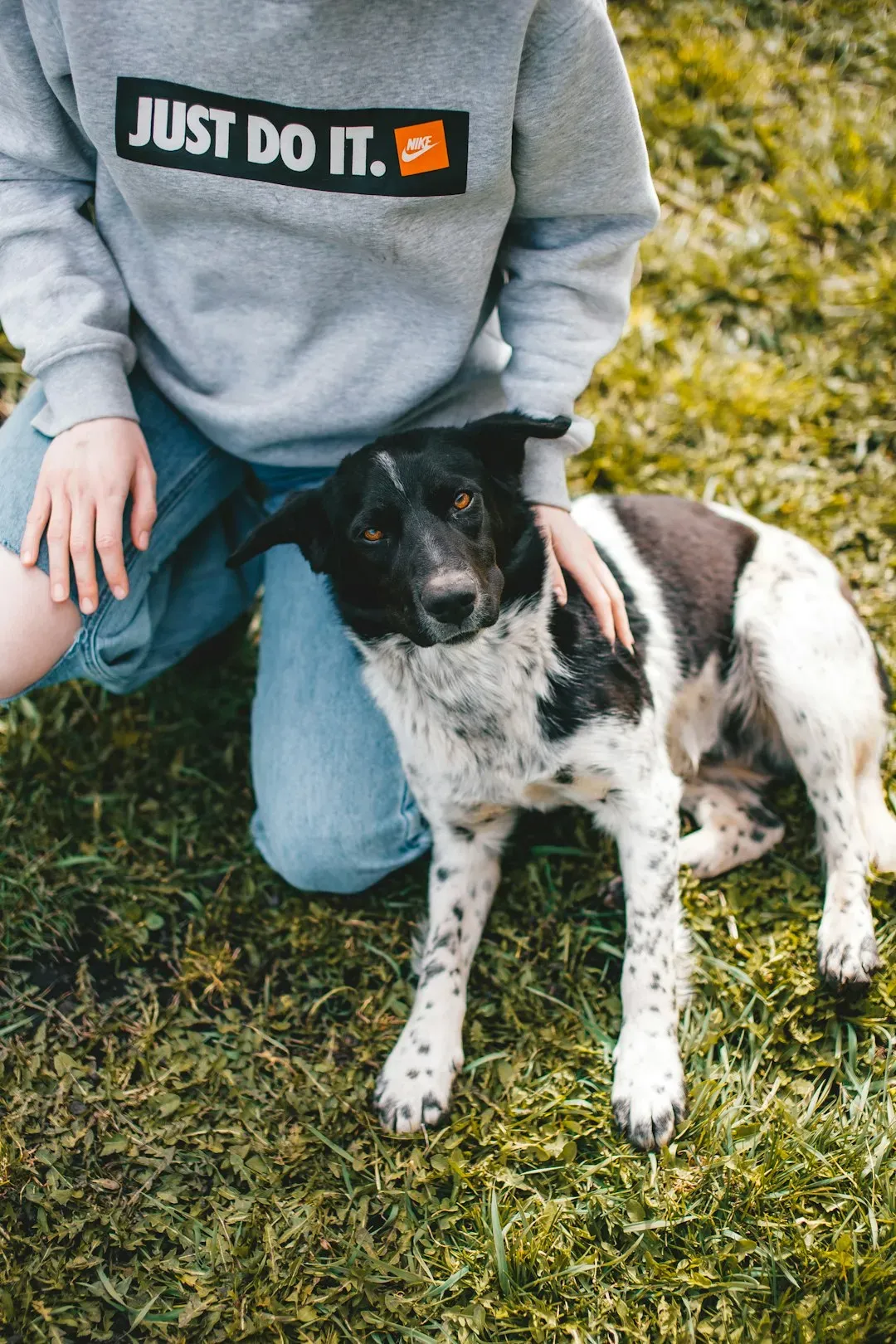
In an era where many people report feeling more digitally connected yet emotionally isolated, the human–dog bond has taken on new urgency. Large-scale surveys suggest that dog guardians often report lower levels of perceived loneliness and higher day-to-day emotional support than those without companion animals. For some, especially older adults or people living alone, a dog provides structure – regular walks, feeding times, shared rituals – that can stabilize mood and reduce the sense of drifting through the day. Therapists increasingly recognize this, with animal-assisted interventions becoming more common in settings ranging from trauma recovery to autism support programs. At a basic level, having a creature that looks to you, depends on you, and greets you with clear joy can act as a powerful counterforce to numbness or despair.
Of course, the relationship is not a cure-all. Caring for a dog is a responsibility that can add stress, especially for those with limited resources or health challenges, and not all scientific studies show dramatic mental health benefits in every context. But the trend is hard to ignore: when the match is good and the care is consistent, the dog–human connection often functions as a buffer against emotional turbulence. Compared to many traditional mental health tools, dogs offer something uniquely embodied and immediate – warmth, touch, presence, and a kind of nonverbal witnessing that many people find deeply grounding. This is where the language of “soul” creeps back in, because what is at stake is not just improved mood scores, but the sense that someone truly sees you, beyond words or roles.
Beyond Borders: A Global Tapestry of Human–Dog Connections
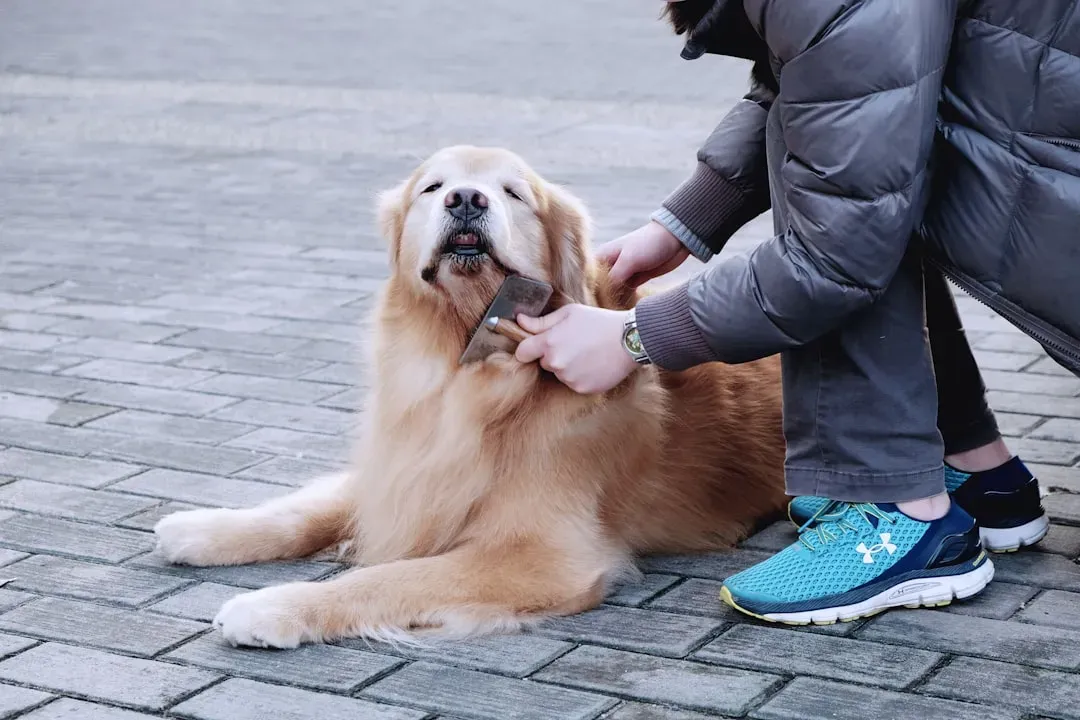
Although modern pet culture in cities often focuses on indoor life, the story of dogs and humans is astonishingly diverse across the globe. In some rural communities, dogs are primarily working partners – herding livestock, guarding homes, or helping with hunting – yet people still speak of them as family in all but name. In dense urban neighborhoods, dogs may become social connectors, drawing strangers into conversation at parks and sidewalks, subtly reshaping how people move through public space. In rapidly changing societies, where traditional community structures are under pressure, dogs often become emotional anchors, bridging the gap between fast-paced modern life and older forms of companionship and responsibility. The specifics vary, but the underlying pattern is consistent: dogs weave themselves into human stories wherever they go.
Even cultural attitudes that appear more distant or utilitarian at first glance often hide deep threads of attachment. Street dogs in some regions form loose but real bonds with local residents who feed and name them, blurring the line between “owned” and “belonging.” In disaster zones and conflict regions, dogs accompany responders and residents alike, offering comfort amid rubble and uncertainty. As more research expands beyond Western pet-owning households, scientists are uncovering a richer picture of how this interspecies connection operates under different economic, religious, and environmental pressures. It turns out the idea of a “cosmic” connection is less about mysticism and more about a repeating pattern: wherever humans go, dogs follow – and they end up sharing not just spaces, but emotional worlds.
The Future Landscape: Tech, Genomics, and Ethical Crossroads

Looking ahead, the science of the human–dog bond is poised to become more precise – and more complicated. Advances in genomics are allowing researchers to link specific behavioral traits in dogs to clusters of genes, opening the door to more informed breeding for health and temperament. Wearable devices that track a dog’s movement, heart rate, and even sleep patterns are turning everyday pets into data points, helping owners and veterinarians spot early signs of stress, pain, or cognitive decline. Experimental AI tools are being tested to interpret canine body language and vocalizations in real time, promising to help humans better understand what their dogs are trying to communicate. All of this could strengthen the sense of mutual understanding that lies at the core of the perceived soul connection.
But every leap forward comes with ethical questions. If we can engineer dogs to be even more emotionally attuned to us, where is the line between partnership and manipulation. As we learn more about the depth of their emotional lives, our responsibilities toward their welfare become harder to ignore. There is also a risk that high-tech solutions could widen gaps, creating a world where some dogs enjoy enriched, data-optimized care while others are left behind. The future landscape of human–dog relations will be shaped as much by our values as by our tools, forcing us to ask whether we are worthy of the devotion these animals so freely offer. The cosmic connection of tomorrow will depend on the moral choices we make today.
Everyday Actions: Tending the Invisible Bridge Between You and Your Dog
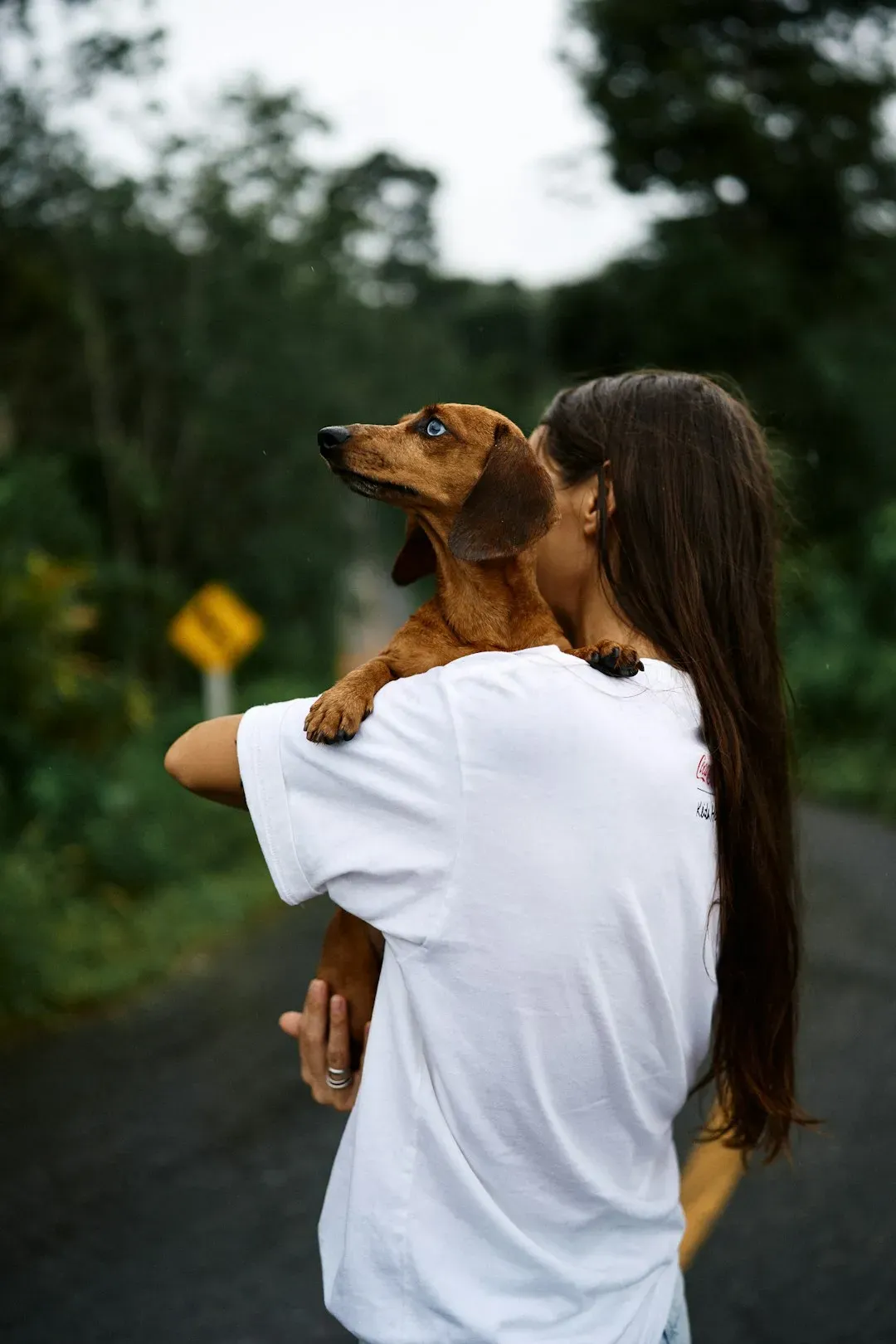
For all the complexity of the science, the most important steps you can take to deepen the bond with your dog are surprisingly simple. Consistent, gentle interaction – regular walks, play, training with positive reinforcement, and unhurried time together – helps stabilize their nervous system and strengthens your shared emotional rhythm. Paying attention to your dog’s body language, from ear position to tail movement to subtle tension, is like learning a new language that makes both of you feel more heard. You can also support organizations that rescue, rehabilitate, or study dogs, whether through donations, fostering, or participating in citizen science projects that collect data on dog behavior and health. Small actions compound, creating a kind of everyday gravity that pulls your lives into closer orbit.
On a more personal note, some of the most profound moments in my own life have involved sitting on the floor with a dog after a difficult day, feeling my breathing slowly sync with theirs. In those quiet stretches, the usual labels – owner, animal, science writer, subject – fade, leaving something harder to name but easy to feel. You do not need to believe in destiny or shared stardust to recognize that this relationship can change the way you move through the world. Caring for a dog, and letting that dog care for you in return, is one of the clearest reminders that connection is both fragile and astonishingly robust. The science can map the pathways, but the daily choice to show up for that bond is what keeps the cosmic thread intact.