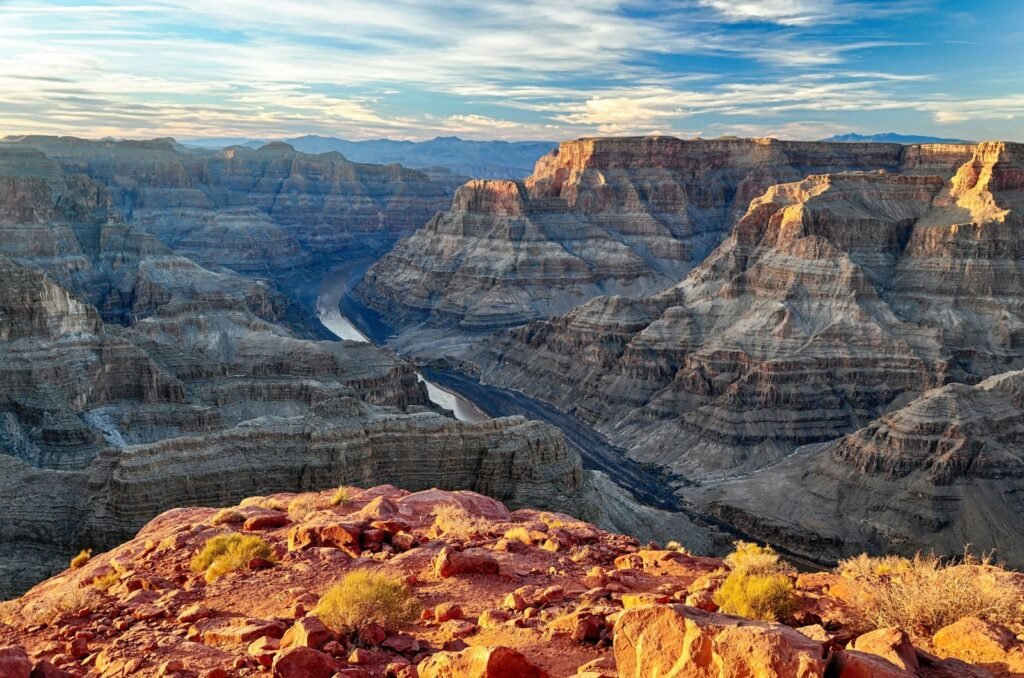
Stand at the edge of the Grand Canyon on a clear morning and it feels like time itself has been sliced open in front of you. For more than a century, geologists have treated this chasm as a textbook, yet the deeper they look, the stranger the story becomes. New research is challenging old timelines, uncovering lost ecosystems, and even hinting that Earth’s early atmosphere and oceans were very different from what many of us learned in school. The canyon is no longer just a scenic backdrop for family photos; it is turning into one of the most contested and revealing scientific sites on the planet. At a time when many natural wonders feel over-photographed and already explained, the Grand Canyon is quietly rewriting Earth’s history.
The Hidden Clues Beneath the Rim
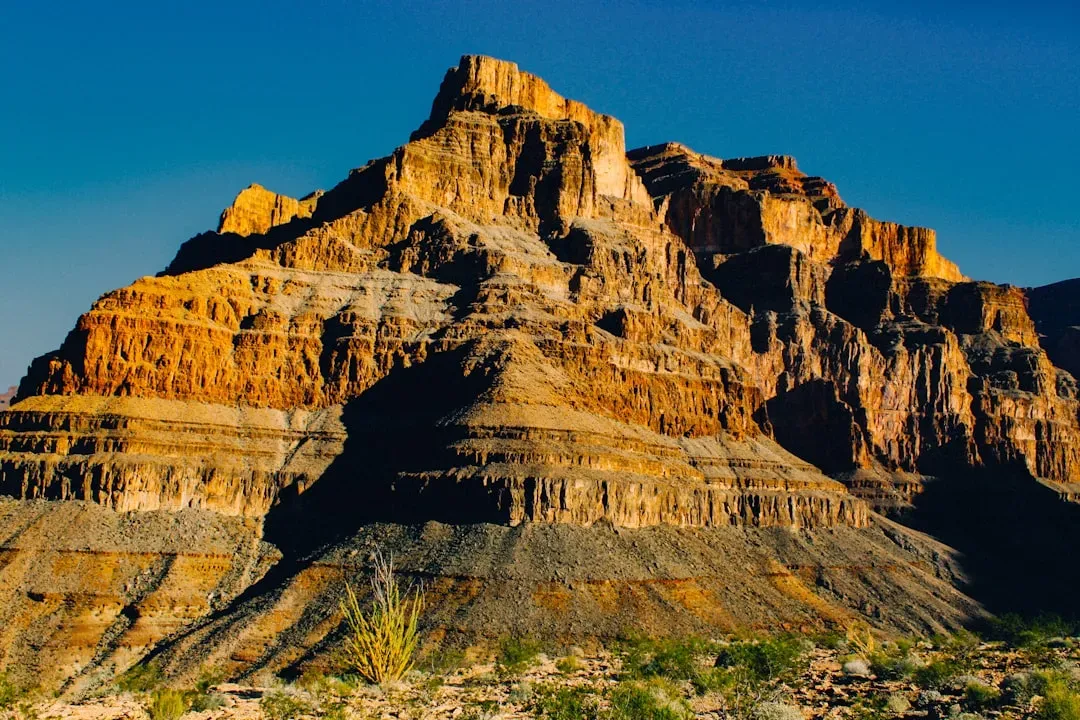
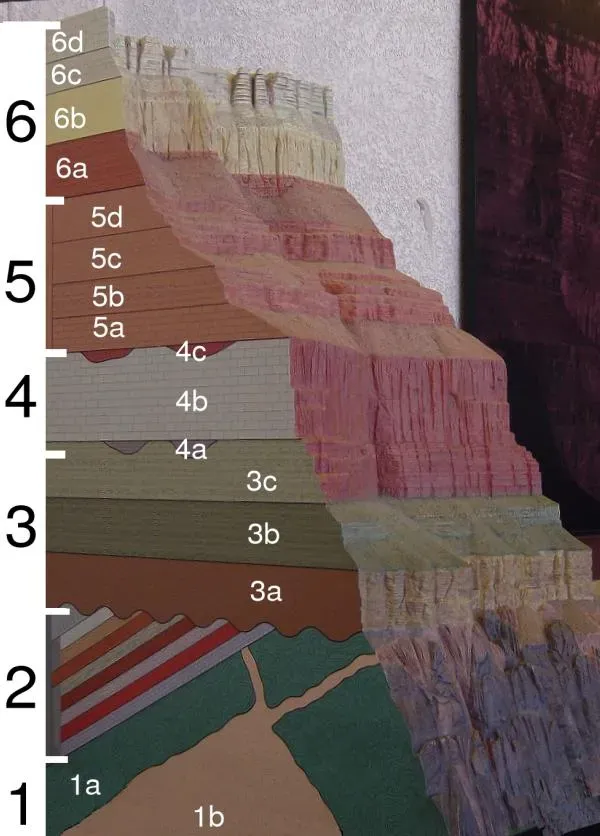
It is easy to be overwhelmed by the view and miss the fact that every colored band in the canyon walls is a page in a fractured archive. Near the bottom lie the Vishnu Schist and related rocks, some of the oldest exposed rocks in North America, formed more than a billion and a half years ago in ancient, vanished mountain ranges. Above them sit younger layers, from shallow tropical seas, river deltas, sand dunes, and coastal plains, each one preserving a different world that once existed where today there is desert air. To a trained eye, the canyon is not a single landscape, but dozens stacked on top of each other.
What makes these clues especially powerful is not just their age, but their completeness. In a world where erosion usually erases more than it preserves, the Grand Canyon offers an unusually continuous record for huge stretches of time. Tiny ripples frozen in sandstone tell of long-vanished shorelines, while cross-bedded dunes capture the direction of ancient winds. Even small changes in grain size can reveal whether a region was once a calm lagoon or a pounding surf zone. The deeper scientists climb down, the further back they walk into Earth’s past.
Unraveling a Billion-Year Mystery
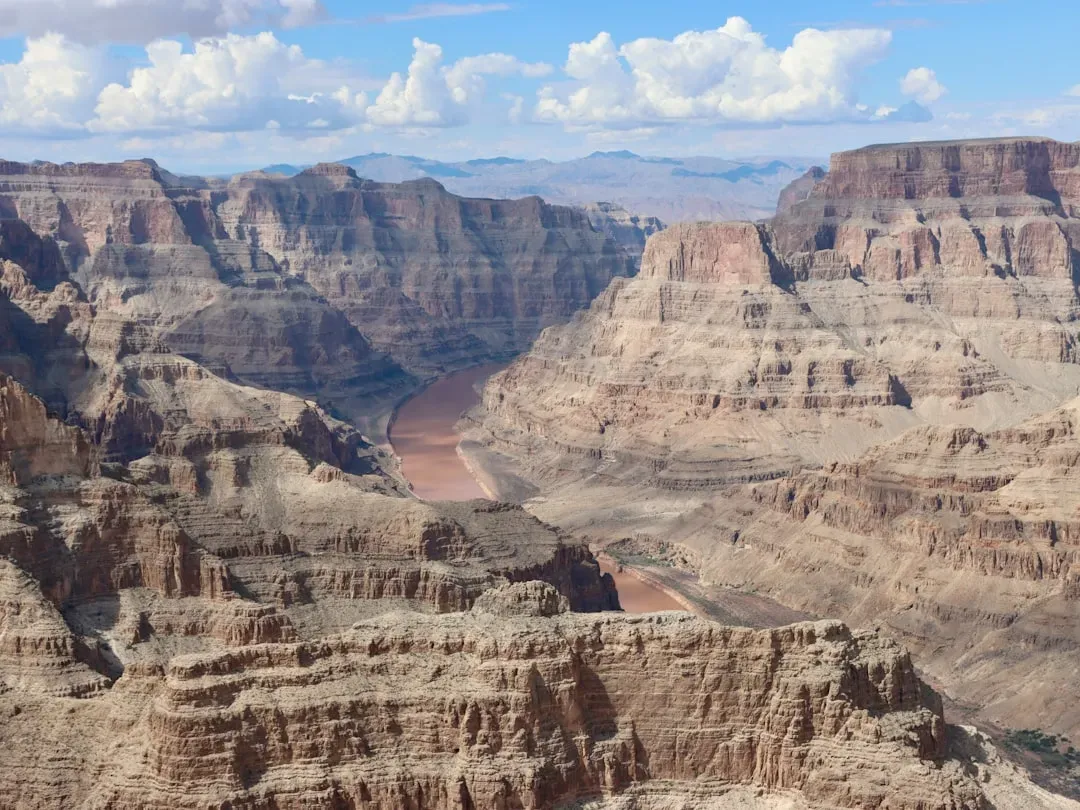
For decades, schoolbook diagrams suggested that the Colorado River carved the Grand Canyon in a fairly straightforward way over roughly five or six million years. That simple story has been steadily falling apart. New techniques, like measuring radioactive decay in minerals such as apatite, indicate that at least parts of the canyon may have first been cut by ancient rivers tens of millions of years earlier. The result is a puzzle that looks less like a single neat incision and more like a patchwork of older gorges later stitched together by the modern river.
This has stirred fierce debate within the geologic community, not unlike arguments over when and how the dinosaurs went extinct. Some researchers argue that major sections of today’s canyon are comparatively young, while others insist that deep segments in the western canyon have roots stretching far back into the twilight of the dinosaurs. To the public, this might seem like a minor squabble over numbers, but it is anything but minor for scientists trying to link climate shifts, mountain building, and river systems over deep time. Each new data point forces them to rethink not only when the canyon formed, but how Earth’s surface responds to uplift and erosion over immense spans of time.
Ancient Seas, Vanished Ecosystems
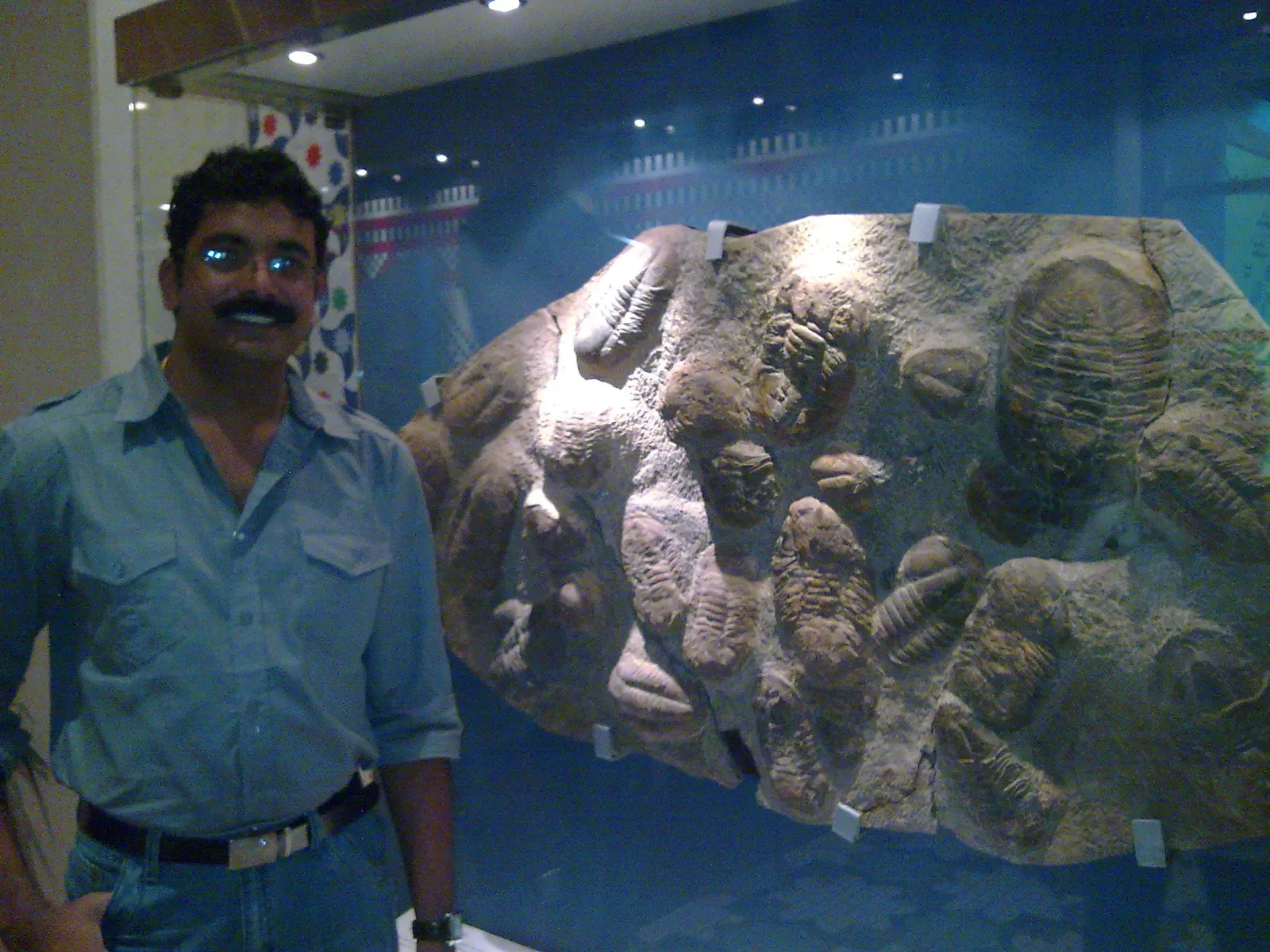
Long before it was a dry, echoing gorge, the region that is now the Grand Canyon lay beneath warm, shallow seas. The limestone cliffs of the Kaibab and Redwall formations, familiar to many hikers, are built from the compressed remains of marine life that flourished hundreds of millions of years ago. Brachiopods, crinoids, corals, and other organisms once swayed in gentle currents where we now peer over railings. Fossils from these rocks allow scientists to reconstruct past oceans, including changes in temperature, water depth, and chemistry.
Higher in the sequence, different rock types capture shifts to coastal plains, sand dunes, and river environments as continents drifted and climates swung wildly. In some layers, footprints from early four‑legged animals and traces of plant life offer glimpses of ecosystems in transition from sea to land. These records show that the American Southwest was once more like a tropical shoreline than a high desert plateau. When researchers compare Grand Canyon fossils to those from other continents, they can track how life spread and diversified after global crises, such as mass extinctions. The canyon, in other words, stores not just scenery – but the rise, collapse, and recovery of ancient worlds.
Reading Earth’s Early Atmosphere and Climate
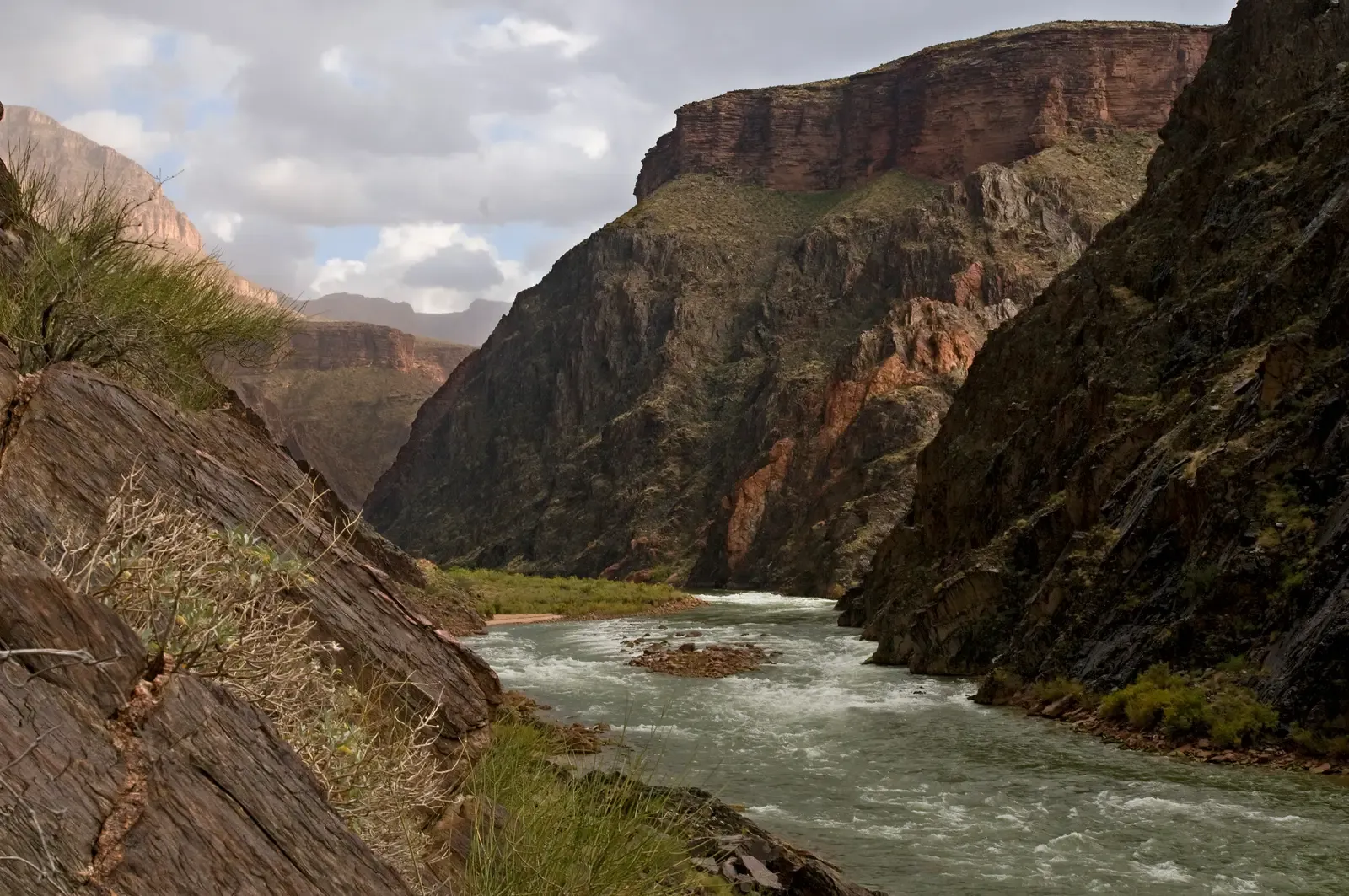
The rocks of the Grand Canyon are not just physical layers; they are chemical diaries. Subtle variations in carbon and oxygen isotopes within limestone, for instance, help scientists infer ancient temperatures and the balance of gases in the atmosphere. Iron-rich layers, certain mineral veins, and even the presence or absence of particular fossil groups can point toward times when oxygen levels were lower or greenhouse gases were higher. By combining these signals, researchers build a picture of how Earth’s climate system has lurched and stabilized over hundreds of millions of years.
These records matter because they capture conditions during intervals of extreme warming and cooling that dwarf anything in recent human history. When scientists identify a stretch of canyon rock formed during a past warm period, they can study how oceans, ecosystems, and coastlines responded. Bullet-point findings from such work often include details like: warmer ancient oceans holding less oxygen, shifts in dominant species linked to changing acidity, and repeated patterns of ecosystem collapse followed by gradual recovery. While no ancient climate is a perfect match for today, the patterns engraved in canyon rock serve as cautionary tales for a planet now warming at human speed rather than geological speed.
From Indigenous Knowledge to Modern Science
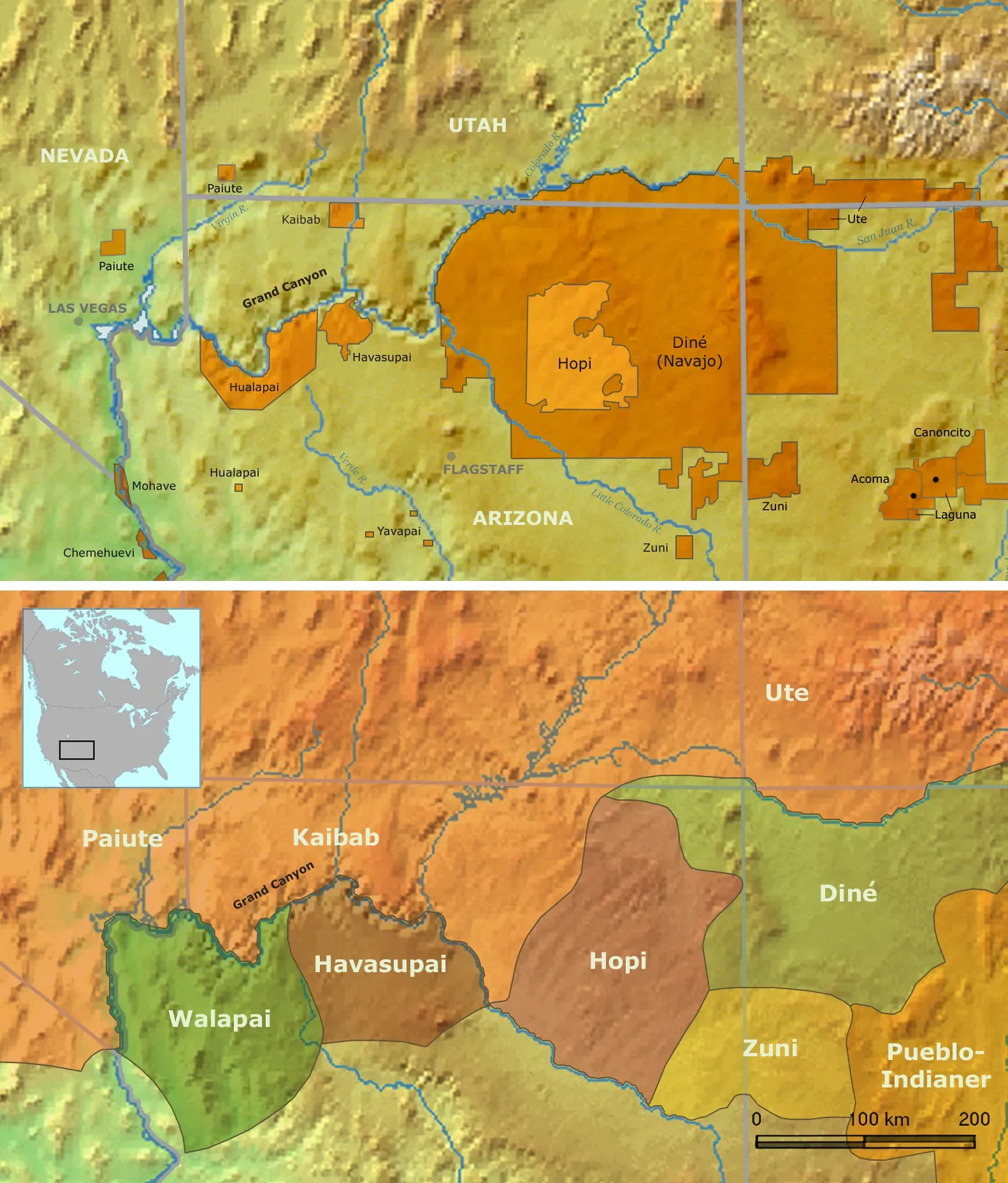
Long before geologists arrived with hammers and notebooks, Indigenous communities along the Colorado Plateau developed sophisticated understandings of this landscape. For many tribal nations, the canyon is not just a geological structure but a living place threaded with origin stories, spiritual meaning, and practical knowledge about water, plants, and animals. These perspectives treat the canyon as an ancestor and a teacher, rather than just a resource or a research site. That view stands in sharp contrast to the extractive mindset that shaped much early scientific exploration.
In recent years, there has been a growing effort to include tribal voices in decisions about research, park management, and interpretation for visitors. Collaborative projects now increasingly pair Western geological tools with Indigenous oral histories and place-based observations. This shift is changing how scientists frame their studies, pushing them to ask not only what the rocks can reveal, but how research can respect sacred spaces and living cultures. It also reminds visitors that the canyon’s human history did not begin with European explorers and that its future depends on more than just federal regulations and tourist dollars. The story of the Grand Canyon’s deep past is inseparable from the people who have lived with it for generations.
Why This Ancient Archive Matters Now
At first glance, the age of a rock layer or the exact timing of canyon carving might sound like trivia best left to specialists. But the Grand Canyon functions as a laboratory where scientists test ideas about how Earth behaves under stress, from shifting tectonic plates to rapid climate swings. By comparing canyon records to those elsewhere, researchers can estimate how quickly landscapes can be reshaped by rising mountains, changing rainfall, or retreating seas. This helps refine models used to forecast erosion, water availability, and even landslide or flood risks in other regions.
The canyon also forces us to confront the scale of time in a visceral way. Standing on the rim, we tend to measure life in decades, maybe centuries, while the rocks beneath our feet are hundreds of millions of years older than humanity itself. That perspective can be unsettling, but it is also grounding. It reminds us that Earth has endured radical transformations before, yet it also shows that recovery after major disruptions can take far longer than any human lifespan. If we want to make wise choices in the present, understanding how the planet has responded to past upheavals is not an academic luxury – it is a necessity.
The Future Landscape: Science, Tourism, and Strain
Even as the Grand Canyon offers clues about ancient worlds, it is under growing pressure in the modern one. Visitor numbers have climbed into the millions annually, straining trails, roads, and fragile habitats along the rim and inner gorge. At the same time, the Colorado River system is being squeezed by drought, warming temperatures, and heavy demand from cities and farms across the Southwest. Reduced river flows not only threaten water supplies for communities, but also alter sediment transport and the habitats that depend on regular floods and sandbars.
On the scientific front, new technologies are opening up possibilities that would have been unthinkable a generation ago. High‑resolution satellite imagery, drone surveys, and advanced dating methods allow researchers to map and measure subtle changes in the canyon and its tributaries. Yet these tools also raise questions about access, impact, and equity – who gets to fly drones, where instruments can be installed, and how data are shared with the public and with tribal partners. Over the coming decades, the challenge will be balancing curiosity and conservation, ensuring that the very act of studying the canyon does not contribute to its degradation. The way we manage that balance may become a model for other iconic landscapes worldwide.
How You Can Engage With the Canyon’s Deep Time
Most of us will never run a research expedition down the Colorado River, but there are simple ways to meaningfully connect with the Grand Canyon’s ancient story. One is to visit with a different mindset: instead of racing from viewpoint to viewpoint, pick a single overlook and spend time tracing the layers with your eyes, imagining seas, dunes, and forests that came and went long before us. Another is to seek out ranger talks, museum exhibits, or programs led in partnership with tribal members, which can add cultural and scientific depth to the experience. If travel is not practical, there are virtual tours, live webcams, and public lecture recordings that offer surprisingly vivid windows into the canyon’s geology and ecology.
Supporting conservation and research organizations working in the region is another tangible step. That might mean backing efforts to protect surrounding public lands from harmful development, or funding projects that monitor river health, invasive species, or changing climate impacts. Small choices can matter too: being mindful of water use at home, staying on marked trails when you visit, and sharing accurate information rather than myths about the canyon’s history. In a sense, every informed visitor becomes part of the canyon’s ongoing story, helping decide whether this remarkable archive of Earth’s ancient past remains intact for future generations to read.