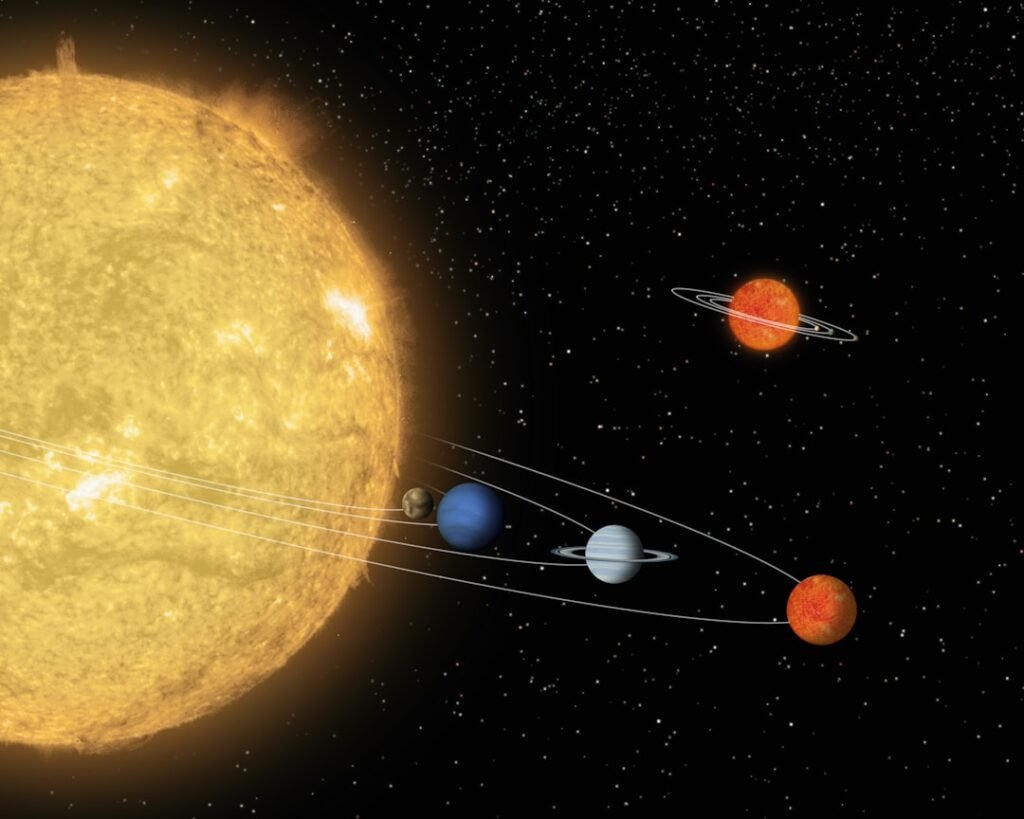
Think you know everything about our cosmic neighborhood? You probably studied the planets in elementary school, memorized their order from the Sun, and maybe even built a model solar system for a science fair. Yet there’s a whole universe of jaw-dropping information that textbooks rarely mention. From storms that have been raging for centuries to moons hiding vast underground oceans, our solar system is far stranger and more fascinating than most classrooms ever reveal.
Let’s dive into some of the most astonishing discoveries about the space around us. These aren’t your typical planetary facts. Prepare to have your mind blown by what’s really happening just beyond Earth’s atmosphere.
The Sun Accounts for Nearly All the Mass in Our Solar System
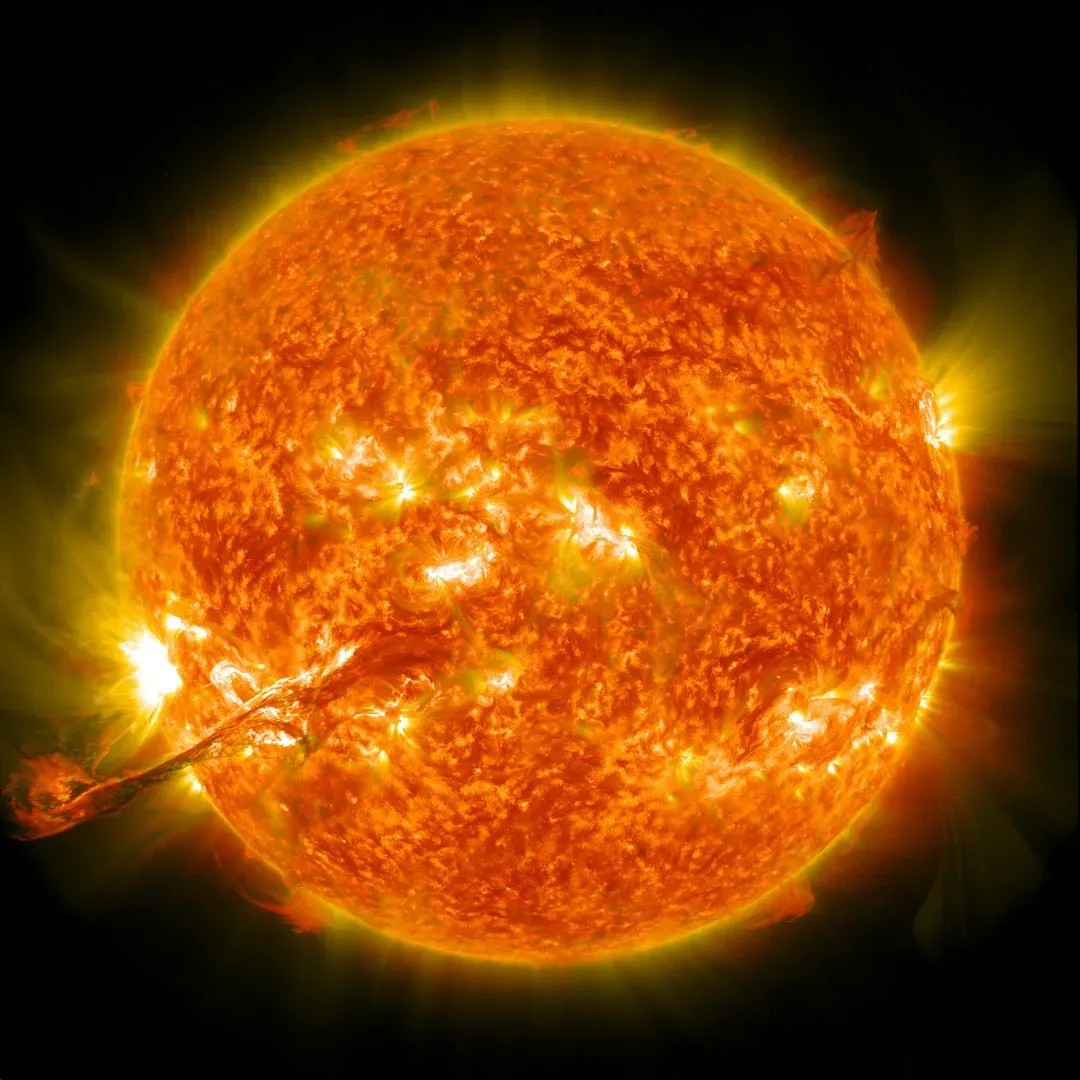
The Sun accounts for 99.86% of the total mass of the solar system, which means everything else, all the planets, moons, asteroids, and comets combined, shares a tiny fraction. That’s right, Jupiter might be enormous compared to Earth, but the Sun utterly dominates our cosmic neighborhood.
It’s hard to imagine just how massive our star really is. Think of it this way: if you could somehow gather all eight planets, every moon, every piece of space debris floating around out there, and pile them together, they’d still only represent a tiny sliver of the Sun’s bulk. The mass of the Sun alone is one thousand times the mass of all the rest of the Solar System put together. That’s the gravitational heavyweight keeping everything locked in orbit.
Our Entire Solar System Is Hurtling Through Space at Incredible Speed
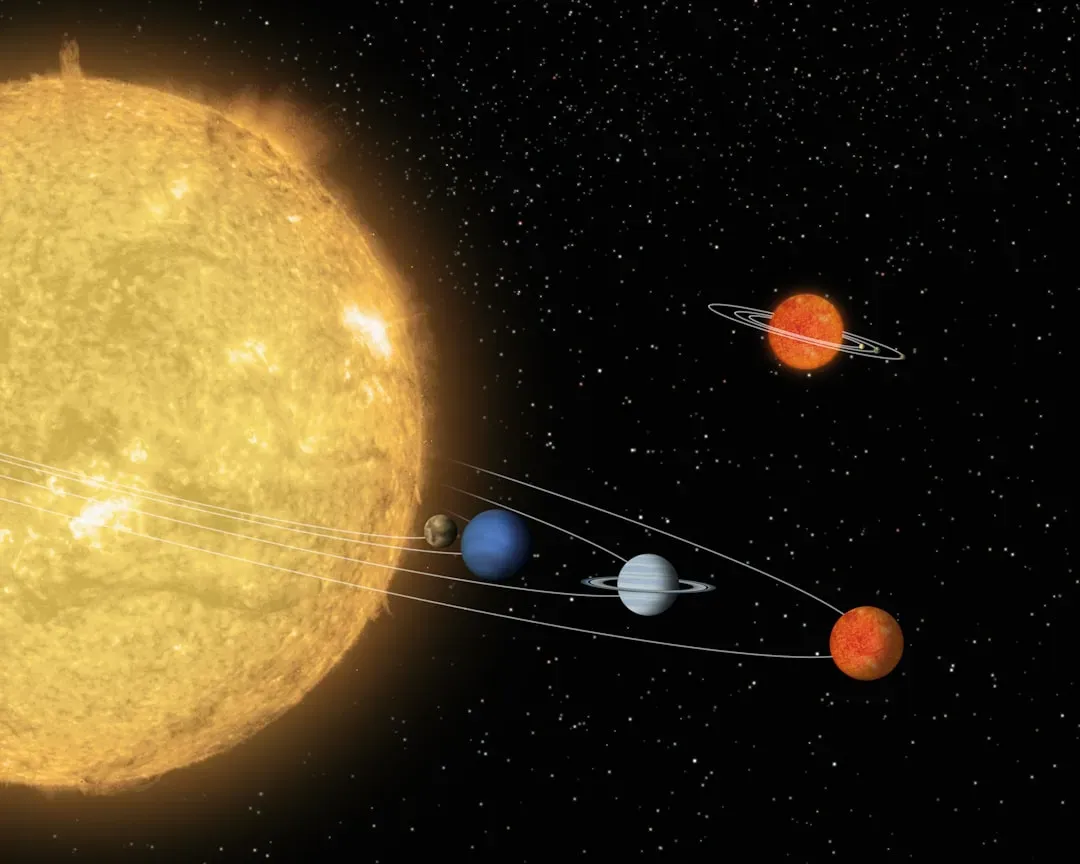
You might think you’re sitting still right now, but you’re actually flying through the cosmos at a mind-bending pace. Our solar system orbits the center of the Milky Way galaxy at about 515,000 mph. That’s more than half a million miles every single hour, and you don’t feel a thing.
Even more astounding? It takes our solar system about 230 million years to complete one orbit around the galactic center. The last time Earth was in this exact spot in the galaxy, dinosaurs hadn’t even evolved yet. We’re all cosmic travelers on a journey that dwarfs human history.
Venus Is Hotter Than Mercury, Even Though It’s Farther From the Sun
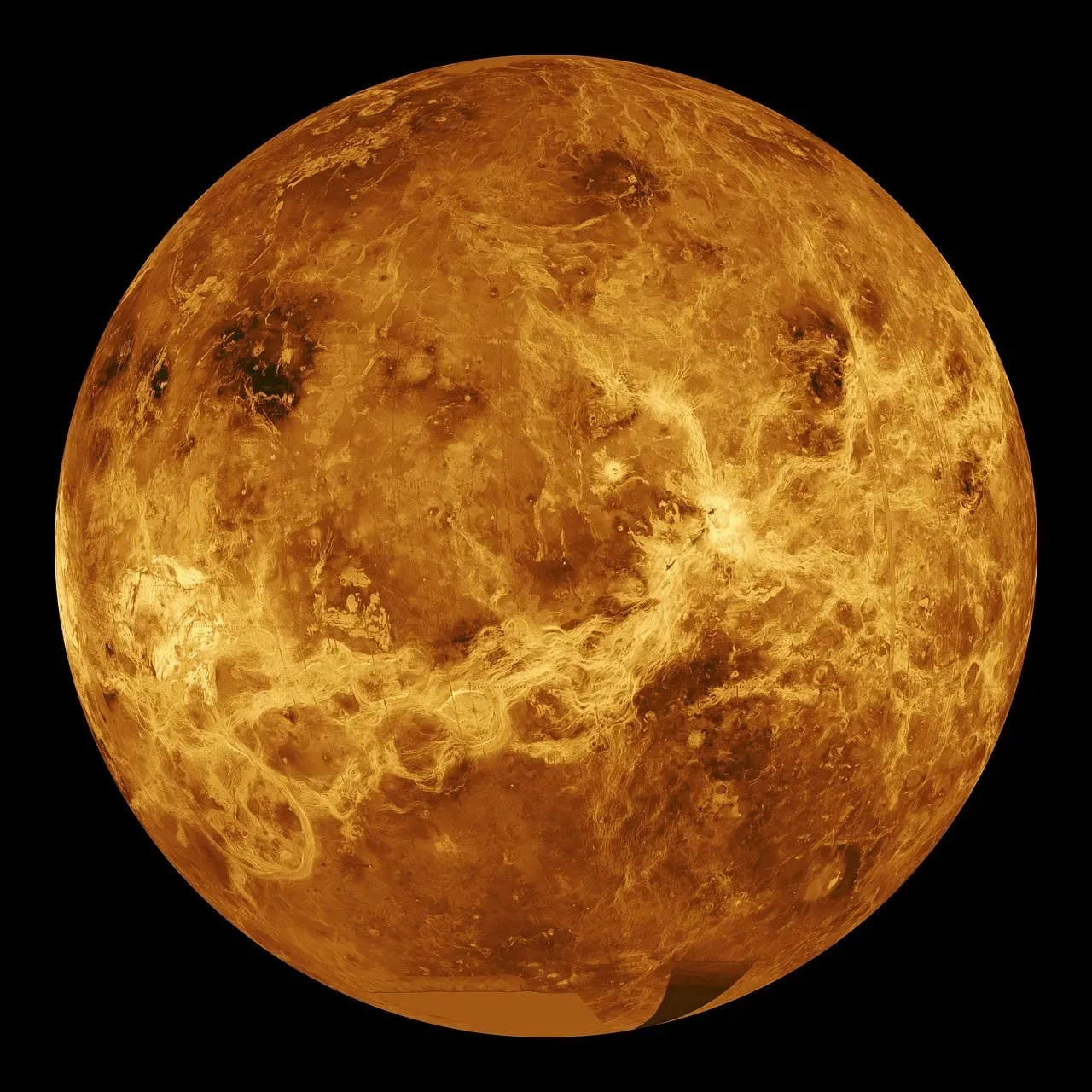
Common sense would tell you that Mercury, being closest to the Sun, should be the hottest planet. Surprisingly, that’s not the case. The hottest planet in our solar system is Venus, even though Mercury is closer to the Sun. How does that work?
Venus has a thick atmosphere filled with carbon dioxide that traps heat in a runaway greenhouse effect. Venus’ clouds trap a lot of the Sun’s heat, making its temperature the hottest in the solar system: 863° F. Meanwhile, Mercury has almost no atmosphere to hold onto warmth, so its night side plummets to freezing temperatures. It’s a perfect example of how atmospheric composition matters more than distance when it comes to planetary temperatures.
Jupiter Could Swallow More Than a Thousand Earths
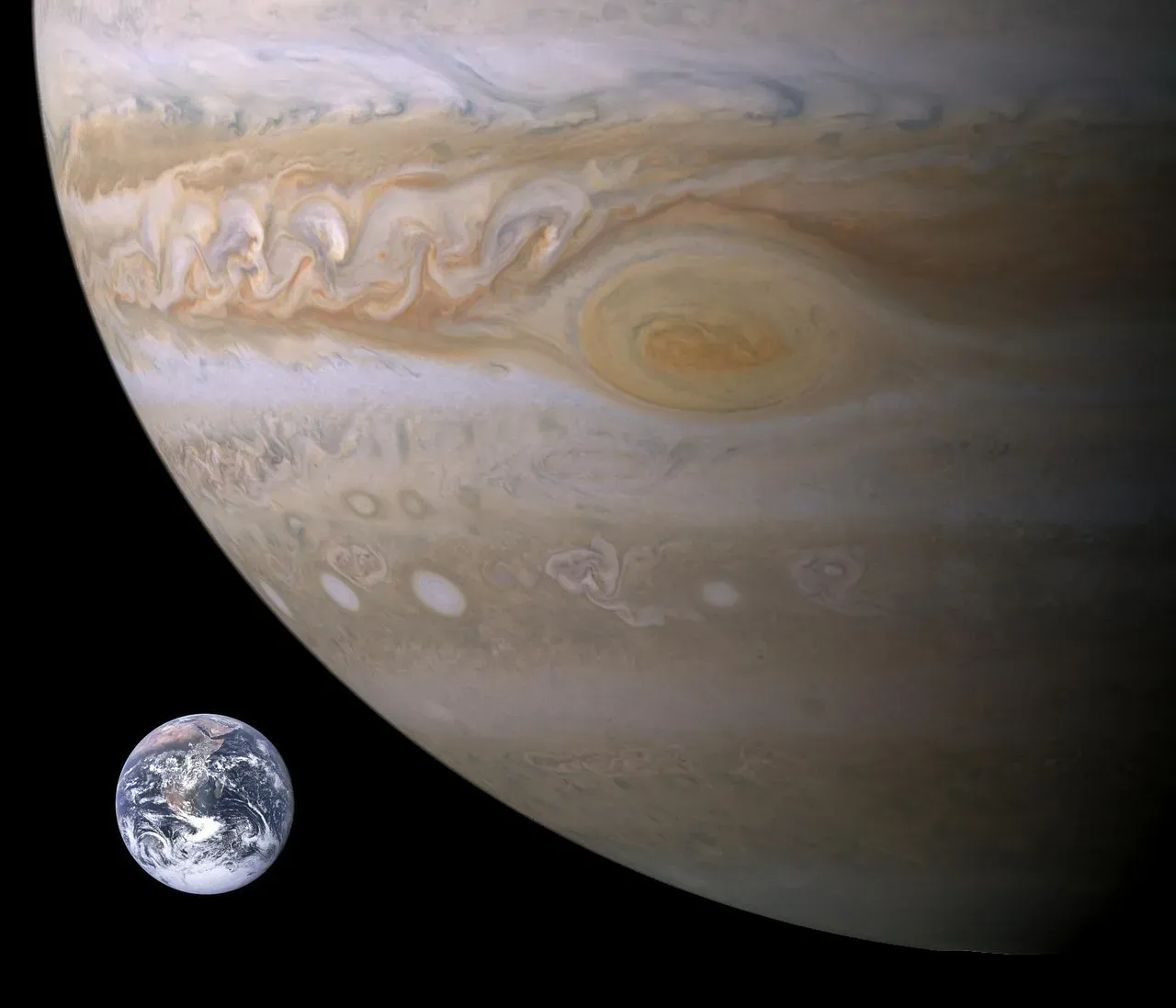
Jupiter isn’t just big. It’s incomprehensibly massive. If Jupiter was a hollow shell, 1,000 Earths could fit inside. Let that sink in for a moment. A thousand of our home planets, all nestled inside one gas giant.
Jupiter’s sheer size gives it incredible gravitational power. This giant acts as a cosmic vacuum cleaner for our solar system, attracting asteroids and comets that might otherwise threaten Earth. Without Jupiter’s massive presence, life on our planet might have faced far more catastrophic impacts throughout history.
There Are Over 890 Moons Orbiting Objects in Our Solar System
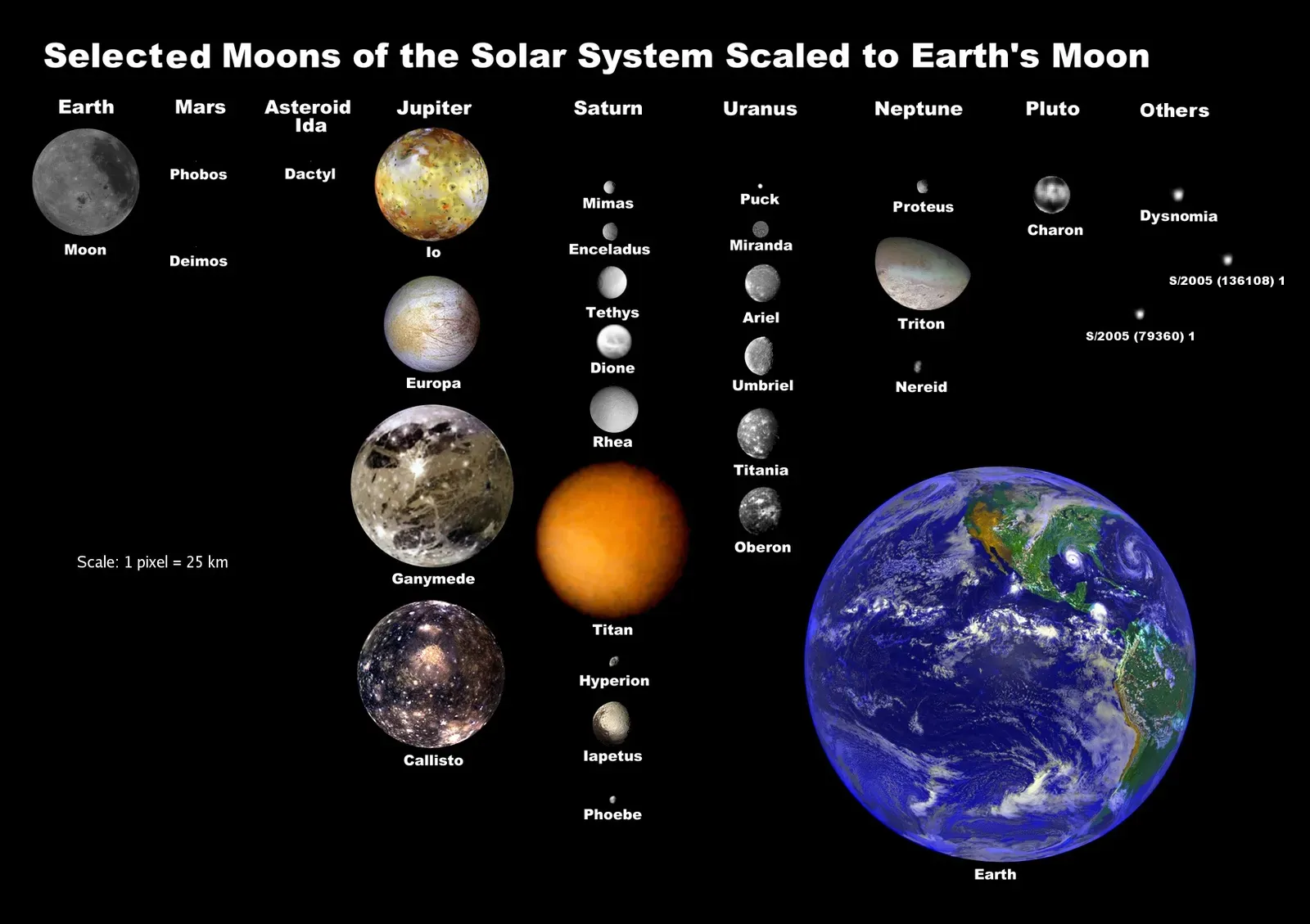
When you think of moons, you probably picture Earth’s single companion. Yet our solar system is teeming with them. Our solar system is home to over 400 known moons orbiting planets, with even more orbiting dwarf planets and small bodies, bringing the total to over 890 confirmed moons.
Jupiter and Saturn alone have 97 and 274 confirmed moons, respectively, with new discoveries continuing as telescope technology improves. Some of these moons are fascinating worlds in their own right. Europa harbors a subsurface ocean that might support life. Titan has lakes and rivers, though they’re made of liquid methane instead of water. These aren’t just rocks circling planets. They’re entire worlds waiting to be explored.
Mars Is Home to the Tallest Volcano in the Entire Solar System
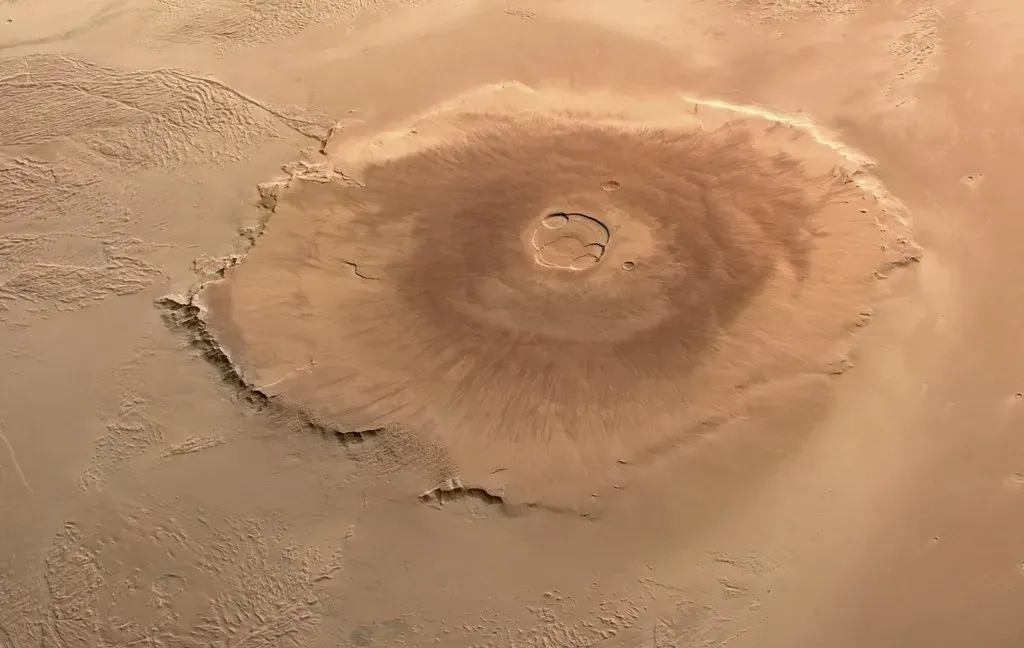
Olympus Mons on Mars is the tallest volcano in the solar system, standing at a staggering 13.6 miles (22 kilometers) high – nearly three times the height of Mount Everest. Imagine a mountain so massive it towers above Earth’s tallest peak by more than double.
This shield volcano is also enormous in width. This shield volcano is also about 370 miles (600 kilometers) in diameter, making it roughly the size of the state of Arizona. Mars lacks tectonic plate movement, so lava from eruptions just kept piling up in the same location for billions of years, creating this colossal structure. Standing on its summit, you’d be able to see the curve of the Martian horizon.
The Oort Cloud Extends Nearly Two Light-Years From the Sun
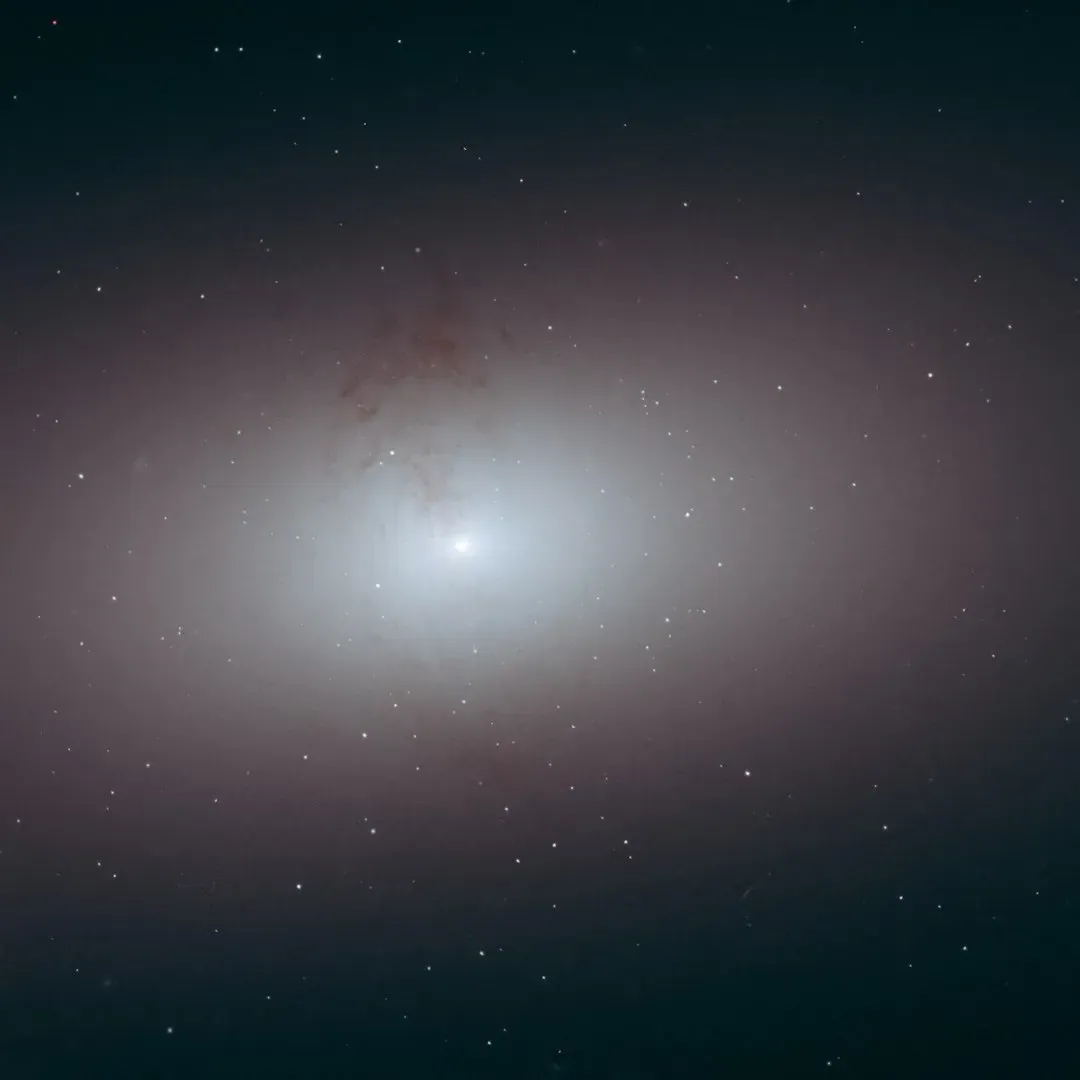
Most people think the solar system ends with Neptune or maybe Pluto. Actually, it extends much, much farther. The Oort Cloud is made of icy pieces of space debris – some bigger than mountains – orbiting our Sun as far as 1.6 light-years away. That’s roughly a quarter of the distance to the nearest star.
The Oort Cloud has never been directly observed, but its existence is predicted based on mathematical models and observations of comets that likely originate there. This spherical shell surrounds our entire solar system like a vast cosmic bubble. The comets that occasionally grace our night skies likely began their journey from this distant, mysterious region.
Uranus Rotates on Its Side, Unlike Any Other Planet
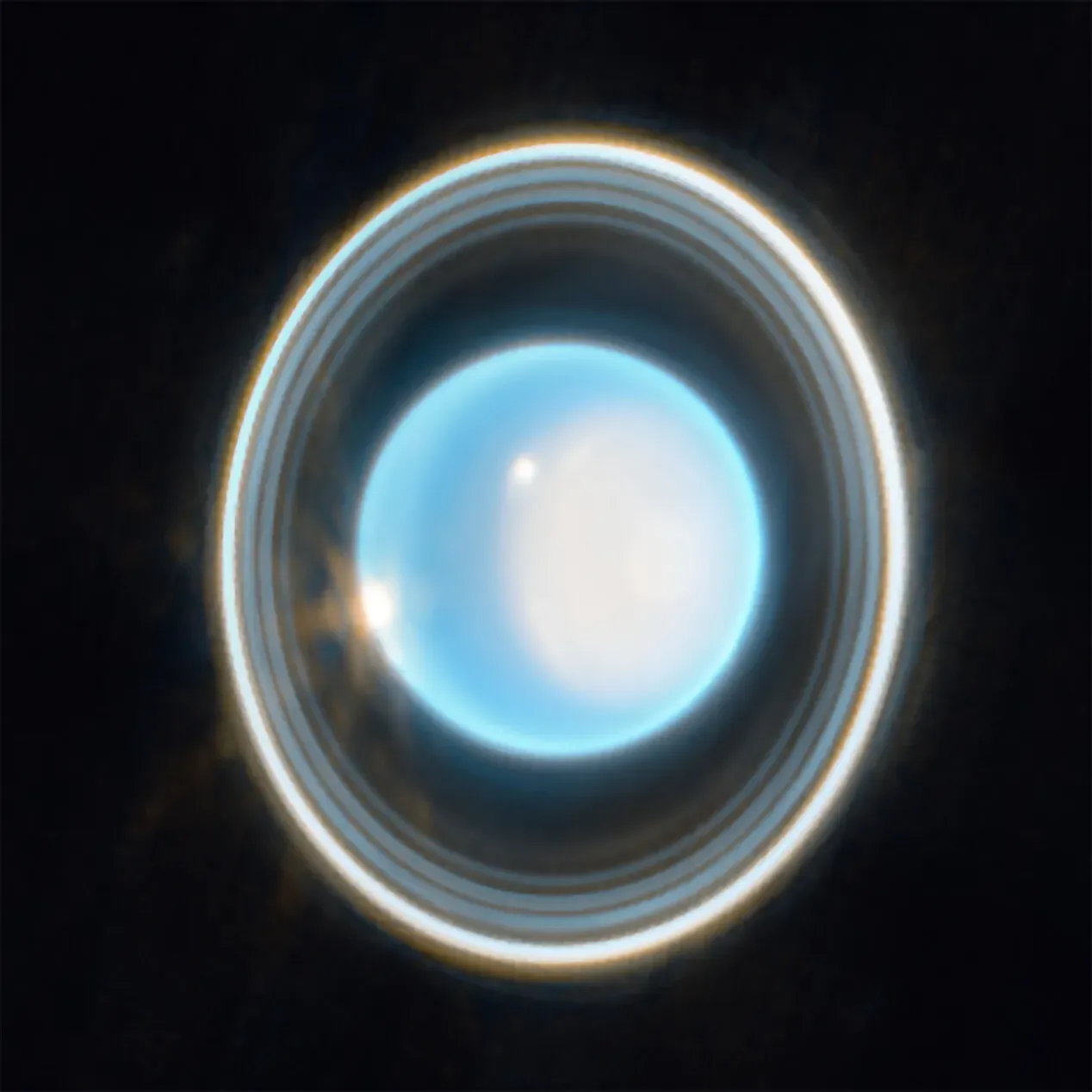
The planet rotates on its side, appearing to roll around the sun like a ball. While other planets spin like tops, Uranus tumbles through space with its axis nearly parallel to its orbital plane. Scientists suspect a massive collision early in the solar system’s history knocked Uranus onto its side.
This bizarre tilt creates the most extreme seasons imaginable. For about a quarter of each Uranus year (or 21 Earth years, as each Uranus year is 84 years long), the sun shines directly over the north or south pole of the planet. That means for more than two decades on Earth, half of Uranus never sees the sun at all. Imagine living through a night that lasts an entire generation.
Saturn’s Rings Are Incredibly Wide But Astonishingly Thin
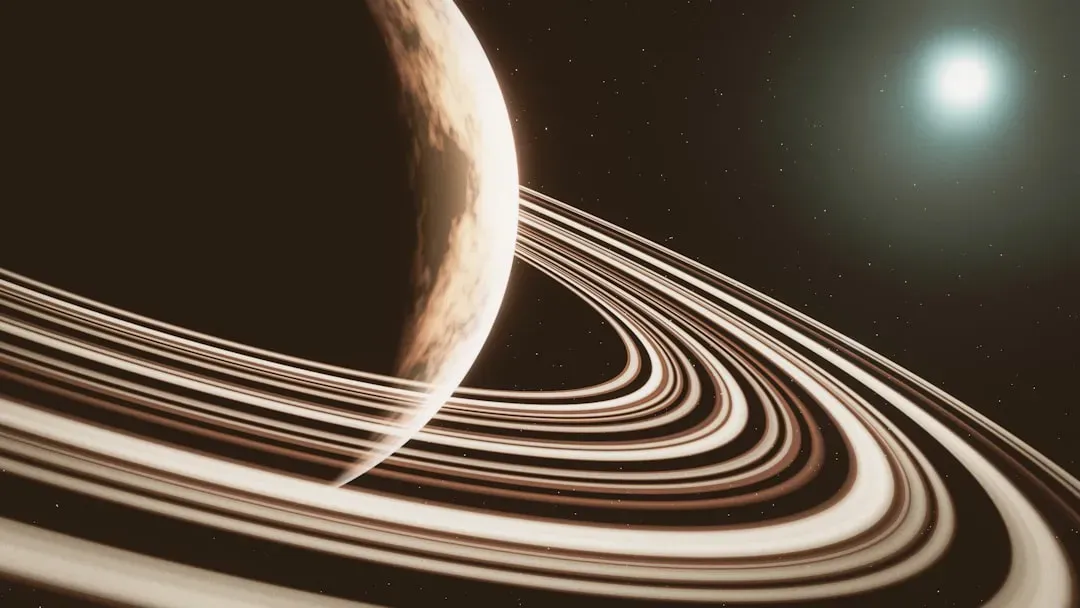
Saturn’s rings are one of the most iconic sights in our solar system, visible even through small telescopes. These rings are composed of countless particles of ice and rock, ranging in size from tiny grains to massive boulders. The rings stretch out over 175,000 miles (282,000 kilometers) but are surprisingly thin, with some sections only about 30 feet (10 meters) thick.
Think about that ratio for a second. If you scaled the rings down to the size of a football field, they’d be thinner than a sheet of paper. Despite their breathtaking appearance, these rings are delicate structures that might not last forever. Scientists believe they could disappear entirely within the next hundred million years.
Neptune Radiates More Heat Than It Receives From the Sun
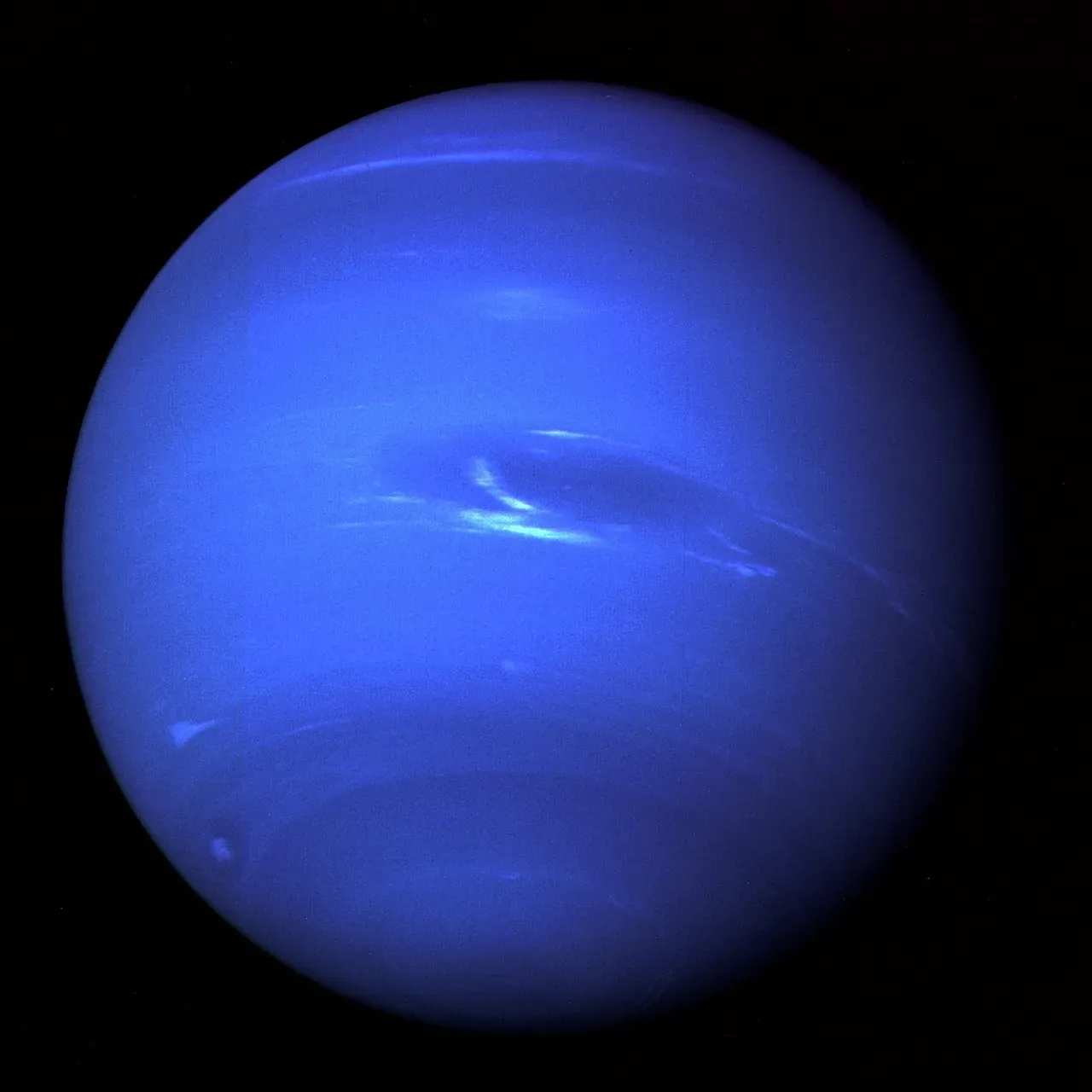
Neptune sits at the frigid edge of our solar system, billions of miles from the Sun’s warmth. Yet this ice giant has its own internal heat source. Neptune, the eighth and farthest planet from the Sun, is an icy giant that radiates more than twice the amount of heat it receives from the Sun.
Where does this mysterious energy come from? Scientists believe it’s left over from Neptune’s formation billions of years ago, still slowly radiating outward from the planet’s core. This internal warmth drives some of the fastest winds in the solar system, with storms raging at speeds that would dwarf any hurricane on Earth.
The Voyager Spacecraft Have Left Our Solar System But Won’t Exit the Oort Cloud for Thousands of Years
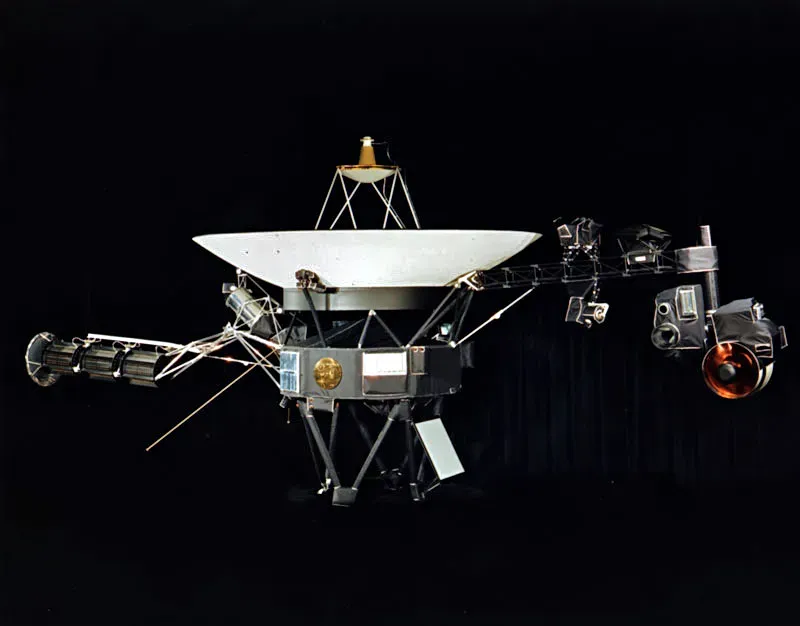
Voyager 1 went interstellar in 2012 and Voyager 2 joined it in 2018. These spacecraft, launched back in 1977, are now traveling through the space between stars, carrying golden records with sounds and images from Earth. They’re our first ambassadors to the broader universe.
Yet their journey through the solar system isn’t quite finished. It will be many thousands of years before the two Voyagers exit the Oort Cloud. Even moving at thousands of miles per hour, these pioneering probes will spend millennia passing through the outermost reaches of the Sun’s gravitational influence.
All Four Giant Planets Have Ring Systems, Not Just Saturn
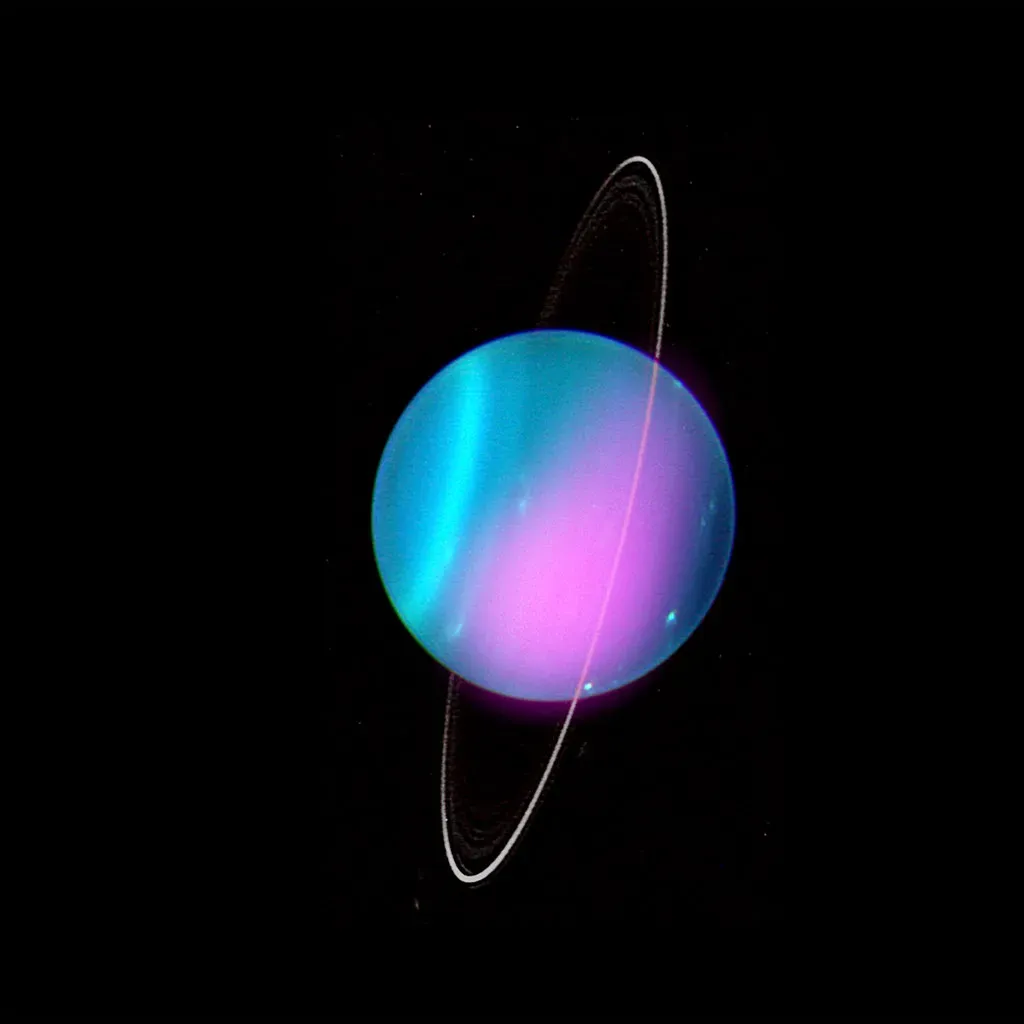
Saturn gets all the glory when it comes to planetary rings, but it’s not alone. The four giant planets – and at least one asteroid – have rings. Jupiter, Uranus, and Neptune all sport their own ring systems, though none are as spectacular or visible as Saturn’s.
Every planet in the outer solar system – Jupiter, Saturn, Uranus and Neptune – has a ring system. But the rings differ from planet to planet: Saturn’s spectacular halo, made in part of sparkly, reflective water ice, is not repeated anywhere else. Instead, the rings of the other giants are likely made of rocky particles and dust. These fainter rings were only discovered with modern spacecraft and telescopes, remaining hidden from astronomers for centuries.
Conclusion: Our Solar System Is Full of Surprises
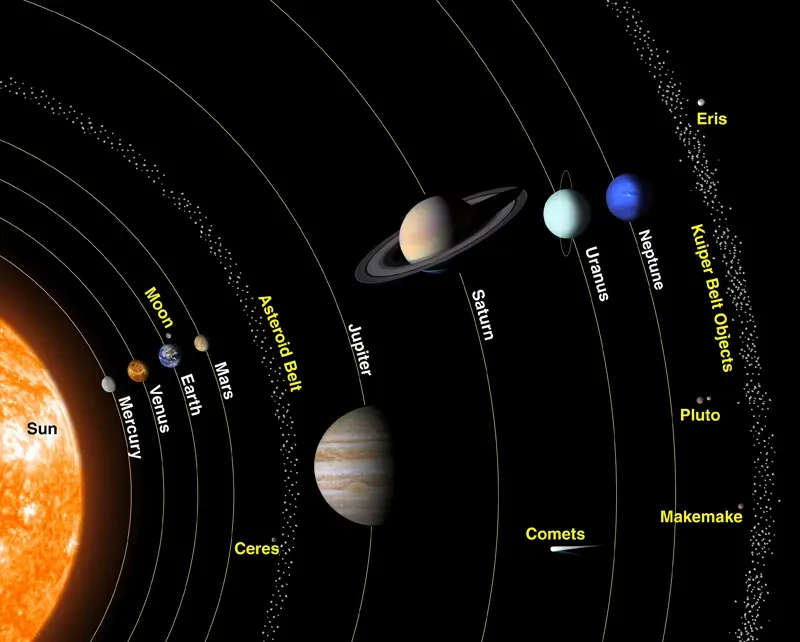
Our cosmic backyard holds far more wonders than most school lessons ever covered. From the Sun’s overwhelming dominance to the hidden rings of giant planets, from underground oceans on distant moons to volcanoes that dwarf Everest, there’s an entire universe of discovery waiting just beyond our atmosphere.
These facts remind us that space exploration continues to rewrite what we know about our place in the cosmos. Every mission reveals something unexpected, something that challenges our assumptions and expands our understanding. The solar system you learned about as a child was just the beginning of the story.
What other secrets might be hiding out there, waiting for the next generation of explorers to uncover? The universe has a way of surprising us, and honestly, that’s what makes studying it so thrilling.