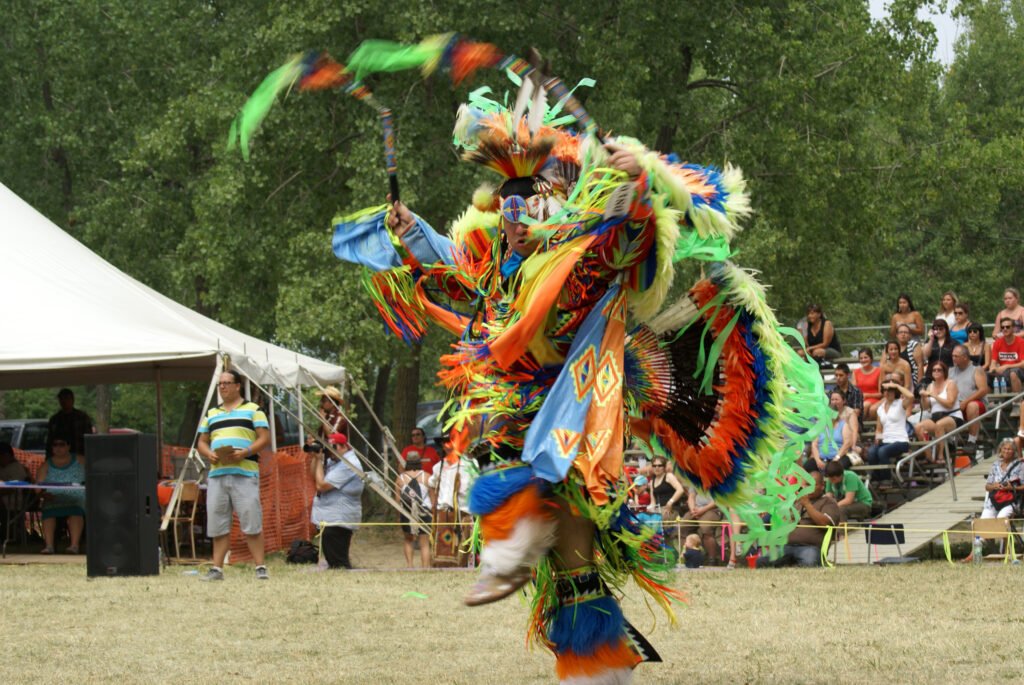
Have you ever wondered what keeps a culture thriving across centuries, even when everything seems stacked against it? The Lakota Sioux people have held onto their spiritual practices and traditions with a determination that’s honestly remarkable. Their story is one of resilience, adaptation, and unwavering spirit in the face of immense challenges. Across the windswept prairies and rugged landscapes of the Great Plains, these traditions continue breathing life into communities today.
Conflicts with other peoples pushed the Lakota west onto the Great Plains in the mid to late seventeenth century, and around 1730 the Cheyenne people introduced them to horses, which transformed their society and centered it on the buffalo hunt on horseback. What followed was an era of power and cultural flourishing that would shape Native American history forever. Yet the real magic lies not in their military might or hunting prowess, but in the sacred ceremonies that bound their people together. Let’s dive into these eight powerful traditions that still echo through reservation lands and urban Indigenous communities alike.
The Sacred Pipe Ceremony: A Direct Line to the Divine
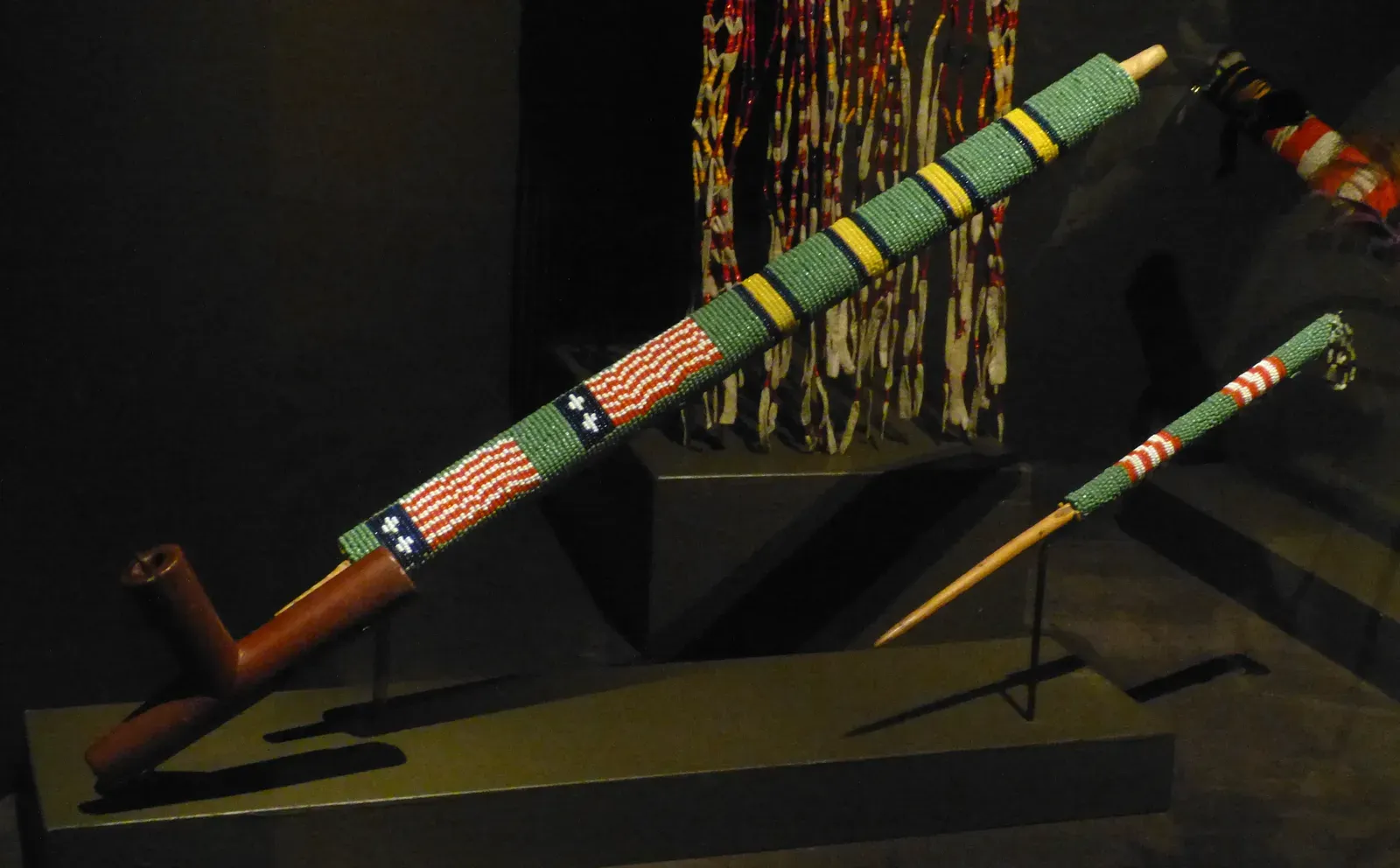
The sacred pipe plays a key role in Lakota spiritual and cultural life, and the symbolism and rituals of the sacred pipe provide a good point of entrance into the rich Lakota tradition. According to legend, White Buffalo Calf Woman presented to the people a bundle containing the sacred pipe and told them that in time of need they should smoke and pray with the pipe for help, for the smoke from the pipe will carry their prayers upward.
Here’s the thing about the pipe ceremony: it’s not some casual ritual you can just pick up and perform. Each part of the pipe, including stem, bowl, tobacco, breath, and smoke, is symbolic of the fundamental relationships among plants, animals, humans, elements, and spiritual beings that keep the cosmos in motion, with numerous pinches of tobacco signifying prayers of blessing for each part of creation and the whole cosmic community, thus the bowl of the pipe is filled symbolically with the whole sum of existence. Pipe ceremonies often anchor other traditional Lakota ceremonies, but they are performed, too, in nursing homes, hospitals, prisons, universities, protest gatherings, and political meetings. Think about that for a moment: a tradition born centuries ago finding relevance in modern hospitals and protest lines.
Inipi: The Purification Sweat Lodge
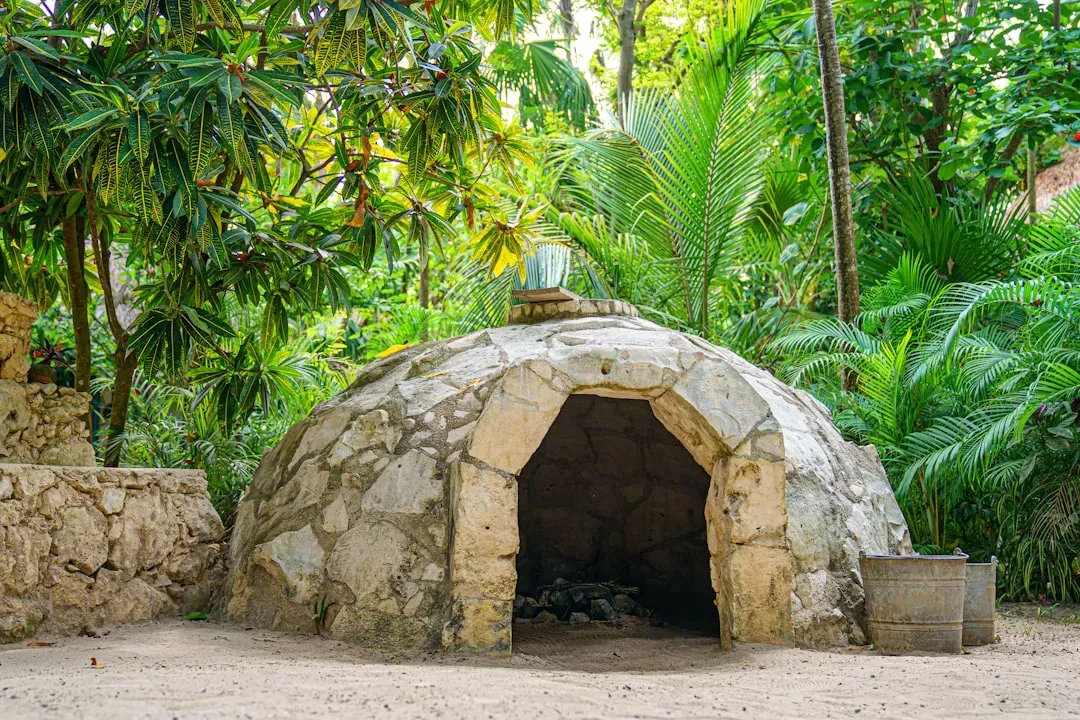
The Lakota term for sweat lodge is Inipi, which means to live again, serving as the basic purification ceremony of the Sioux as well as many other Native American cultures, and can begin a ceremony, conclude a ceremony, or even stand alone as a ceremony of its own. Imagine stepping into a space so hot and sacred that your very being feels stripped down to its essence.
The Inipi lodge takes the shape of a dome and is constructed of 16 willow poles and a canvas or hide cover, and due to its shape, some describe the lodge as a symbol of Mother Earth’s womb. In the center of the lodge, hot stones are placed in a hole which, when watered, produce the steam that acts as the purifying agent, while the ceremonial pipe and tobacco, sage or sweet grass, drums, and the medicine bag or sacred bundle all play a part in the ritual. It’s hard to say for sure, but participants often describe emerging from the lodge feeling reborn, cleansed of spiritual and physical burdens. The lodge is understood as important in its own right but also as a necessary prerequisite to the rituals of Crying for a Vision and the Sun Dance.
Hanbleceyapi: Crying for a Vision
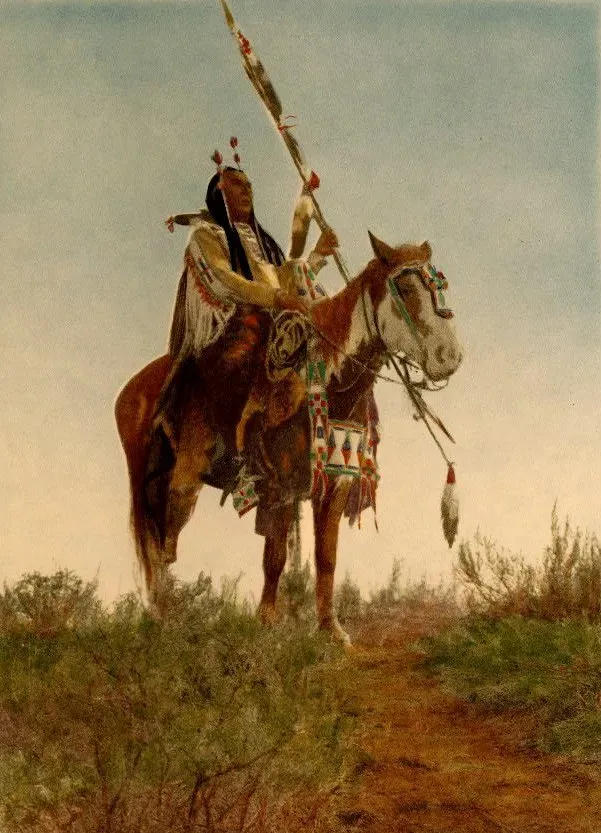
Let’s be real: the vision quest isn’t for the faint of heart. Crying for a Vision is the practice of seeking guidance and direction from the spirit world for one’s life and the betterment of the community as a whole. Young people, primarily men though women also participate, would isolate themselves in nature for days without food or water.
The process includes a complete fast for four days and nights, alone at a sacred site in nature which is chosen by elders for this purpose, with some communities having used the same sites for many generations, during which time the young person prays and cries out to the spirits that they may have a vision to help them find their purpose in life. Visions traditionally come in the form of an animal and dreams are said to hold the most powerful visions, with the participant’s dreams interpreted by a Holy Man after the ceremony concludes. The vulnerability required for this tradition speaks volumes about Lakota values: humility, courage, and openness to spiritual guidance.
Wiwanyag Wacipi: The Transformative Sun Dance
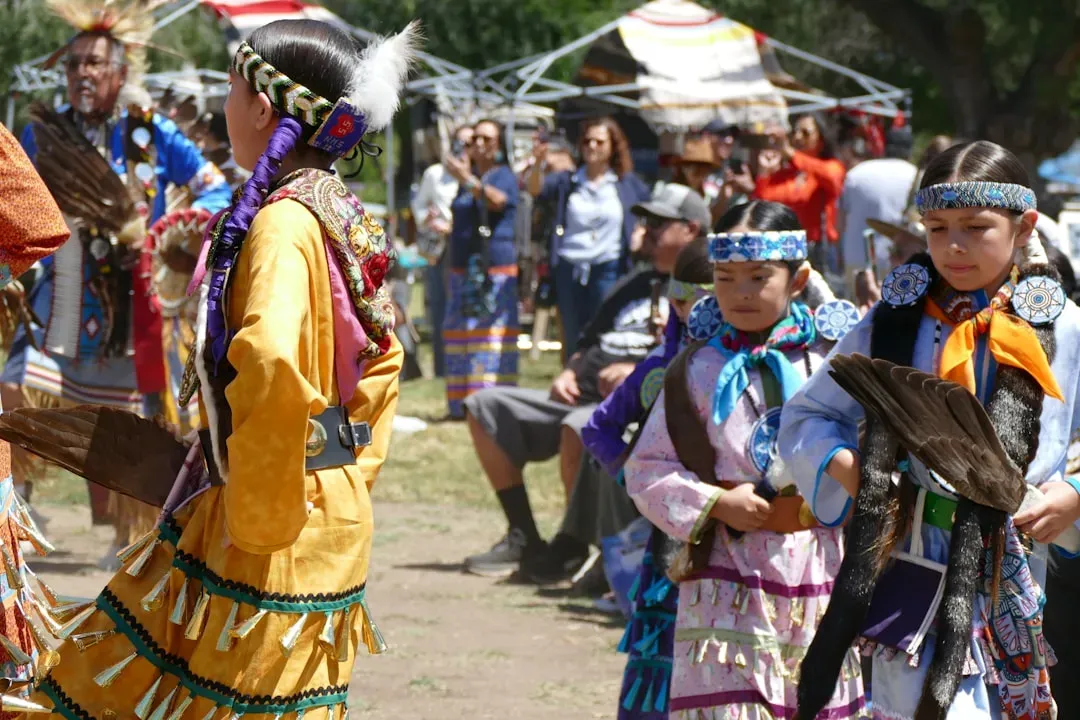
The Sun Dance was the most important ceremony practiced by the Lakota and nearly all Plains Indians, serving as a time of renewal for the tribe, people and earth, with the village being large as many bands came together for this annual rite. This wasn’t just another gathering. It was the centerpiece of Lakota spiritual life.
The ceremony began at sunrise the next day and anyone could dance, with dancers looking at the sun as they danced, and short breaks without food and drink were allowed over four days. In many Sun Dance ceremonies, particularly among the Lakota, Cheyenne, and Arapaho, piercing plays a central role where dancers have wooden skewers inserted through the skin of their chests or backs, which are then attached to thongs connected either to the sacred center pole or to heavy objects like buffalo skulls, and as the dance progresses, participants lean back or pull against the tethering until the skin tears free. I know it sounds extreme, but this act of physical sacrifice represented something profound: giving of oneself for the benefit of the entire community. The Sun Dance is still observed by the people of the Plains Nations as it was in the past, though without the element of self torture.
Hunkapi: Making Relatives Through Sacred Bond
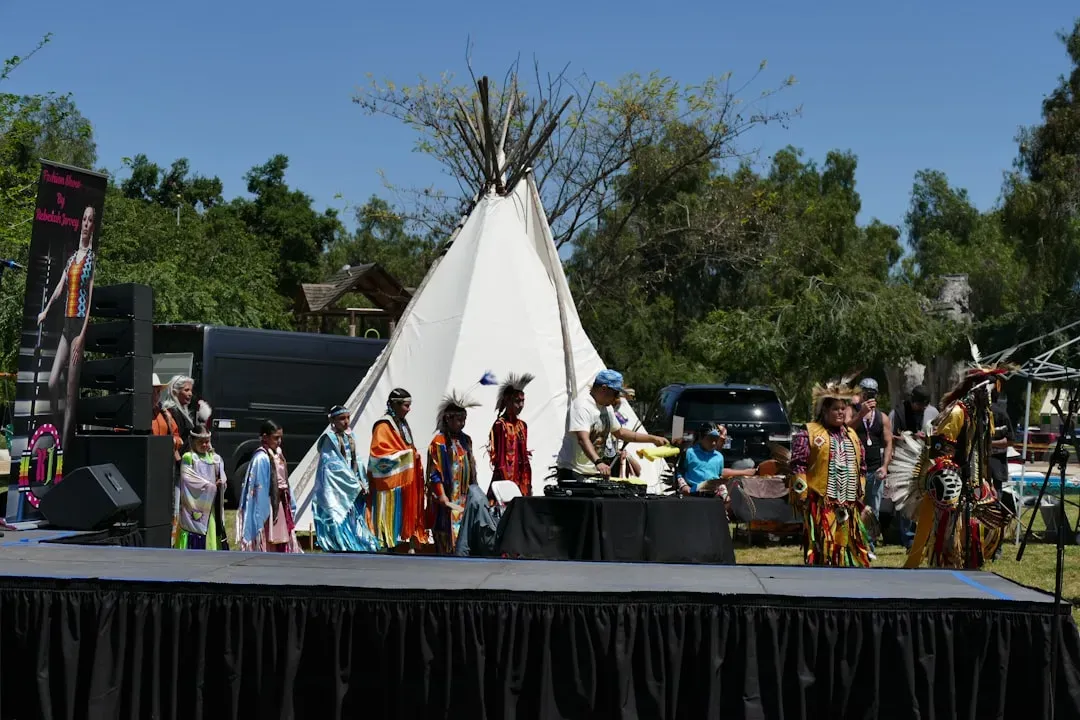
The Making of Relatives is observed to establish peaceful relationships with others, where participants paint their faces to symbolize rebirth and new beginnings and, through a ritual involving the ceremonial pipe and sacred tobacco, formalize closer relationships with others, usually those of another nation, making them members of one’s family, with the ritual first enacted between the Lakota and Ree People to ensure peaceful coexistence.
During this ritual, both faces of men and women participants were painted to symbolize change, with men’s faces completely painted in red with one blue circle around it and blue lines highlighted on the cheekbones, chin, and forehead, whereas women’s faces were only painted with red, and the painting of the faces also signifies the reborn of that person who is now willing to take on new responsibilities and relationships. What strikes me most about this ceremony is its radical nature: transforming strangers or even former enemies into family. That takes serious spiritual conviction.
Isnati Awicalowanpi: Honoring a Girl’s Journey to Womanhood
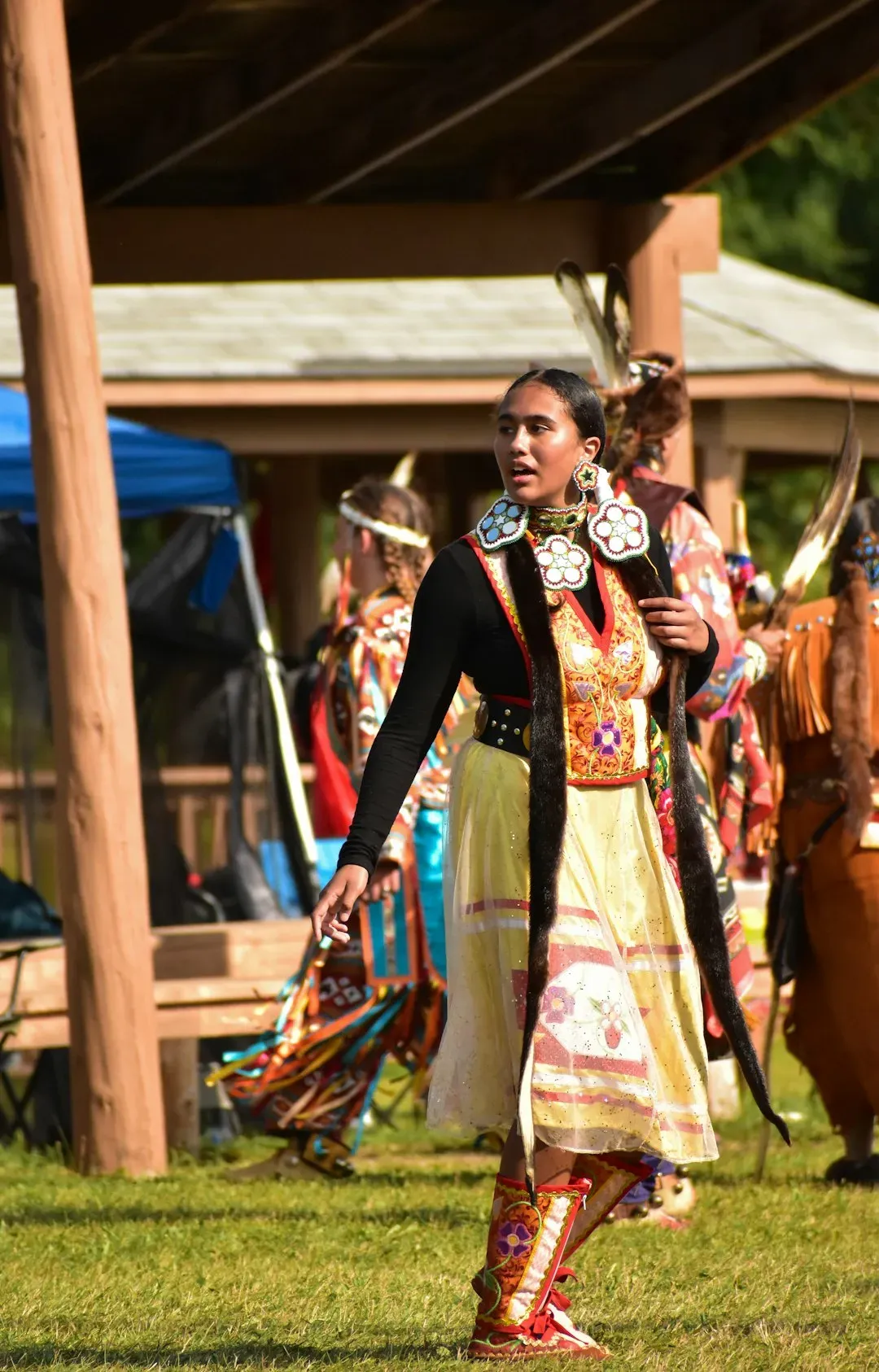
Although the ceremony is not as common today due to changes in gender expectations, the ceremony traditionally occurs during a girl’s first menstrual cycle, when family members build a tipi and gather the necessary objects, and on the day of the ceremony, a Holy Man burns sweet grass and uses the smoke to purify all ceremonial objects.
The goodness and holiness that came to the young girl also then extended to the whole tribe, with the young girl being reminded of the virtues necessary for womanhood, including modesty, generosity, child bearing and supporting male relatives and husbands. While some aspects of this tradition reflect historical gender roles that have evolved, the core principle remains beautiful: recognizing and celebrating the sacred transition into adulthood. The ceremony honored young women as bearers of future generations and keepers of cultural wisdom.
Nagi Gluhapi: Keeping of the Soul
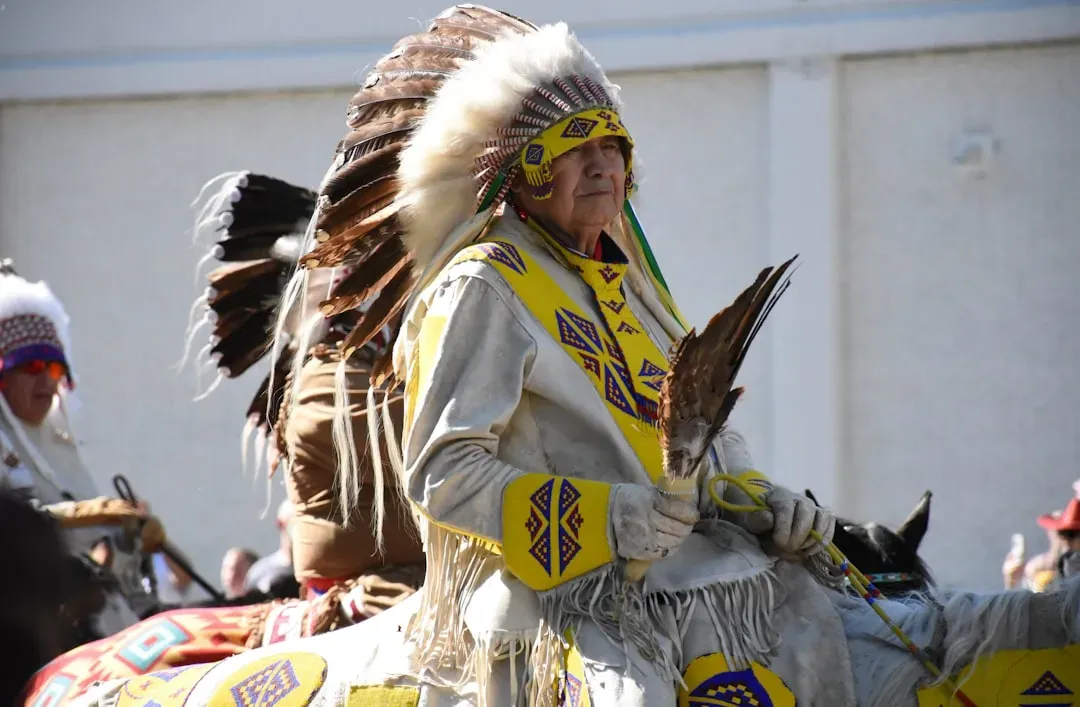
It is a key belief in the Lakota tribe to purify the souls of their departed members so they can reunify with the Great Spirit, a practice called Nagi Gluhapi or Keeping of the Soul, where a bundle of hair is collected from the deceased person which will be held above burning sweetgrass to cleanse it, then wrapped in sacred buckskin called the buckskin bundle and smoked using the Sacred Pipe.
The smoked buckskin bundle will be kept into a relative’s tipi, the Keeper of the Soul, for up to a year until the soul is released, with the keeper vowing to live harmoniously during this soul keeping process. This tradition reveals something profound about Lakota beliefs: death isn’t an abrupt ending but a transition requiring careful spiritual attention. The year long mourning period allowed communities to grieve properly while ensuring the departed soul’s safe journey to the spirit world.
Tapa Wankayeyapi: The Sacred Ball Throwing Ceremony
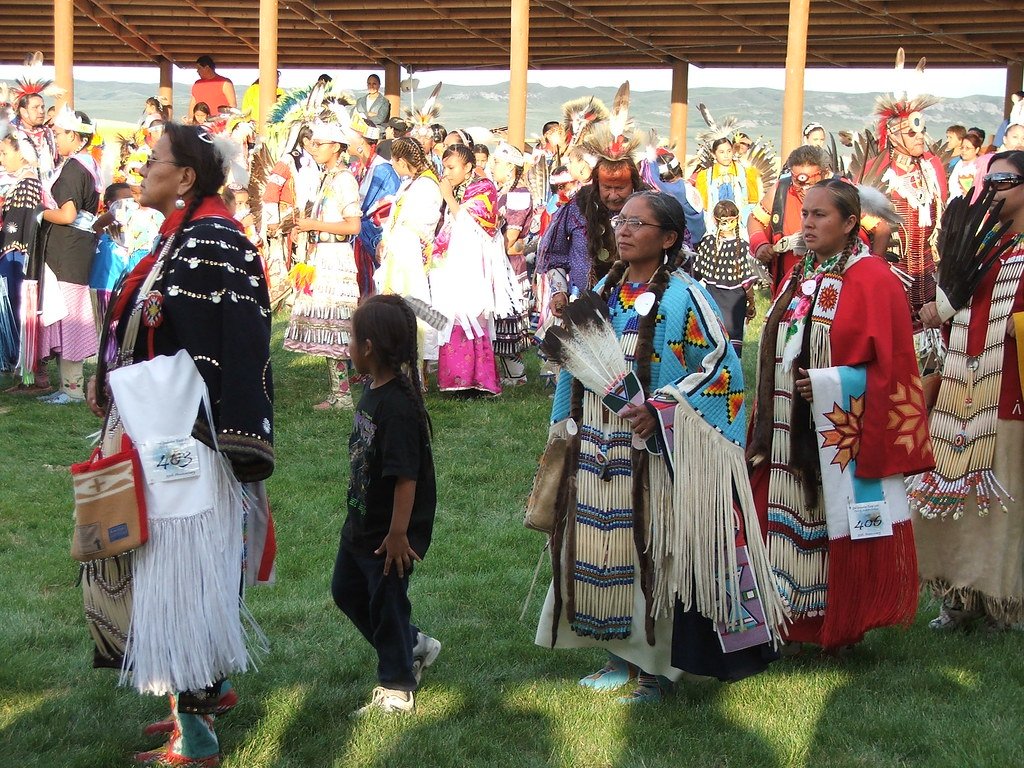
A young girl is traditionally chosen to throw the ball, and after reaching the center of a large circle, she throws the ball to each of the Four Directions, and after throwing to the West, South, East and North, the girl throws the ball high into the air, and as the ball comes down on the people, the Great Spirit’s power also comes down.
Sometimes used as a healing ceremony for a stressed community, the ceremony highlights that the Great Spirit is everywhere. All of the Seven Sacred Rites are still performed, with the exception of Tapa Wan kayeyapi. Though rarely practiced today, this ceremony embodied a simple yet powerful truth: the Creator’s presence and blessings extend in all directions, touching everyone without discrimination. The young girl serving as a conduit for divine power symbolized innocence and the community’s hope for the future.
Conclusion: Living Traditions in Modern Times
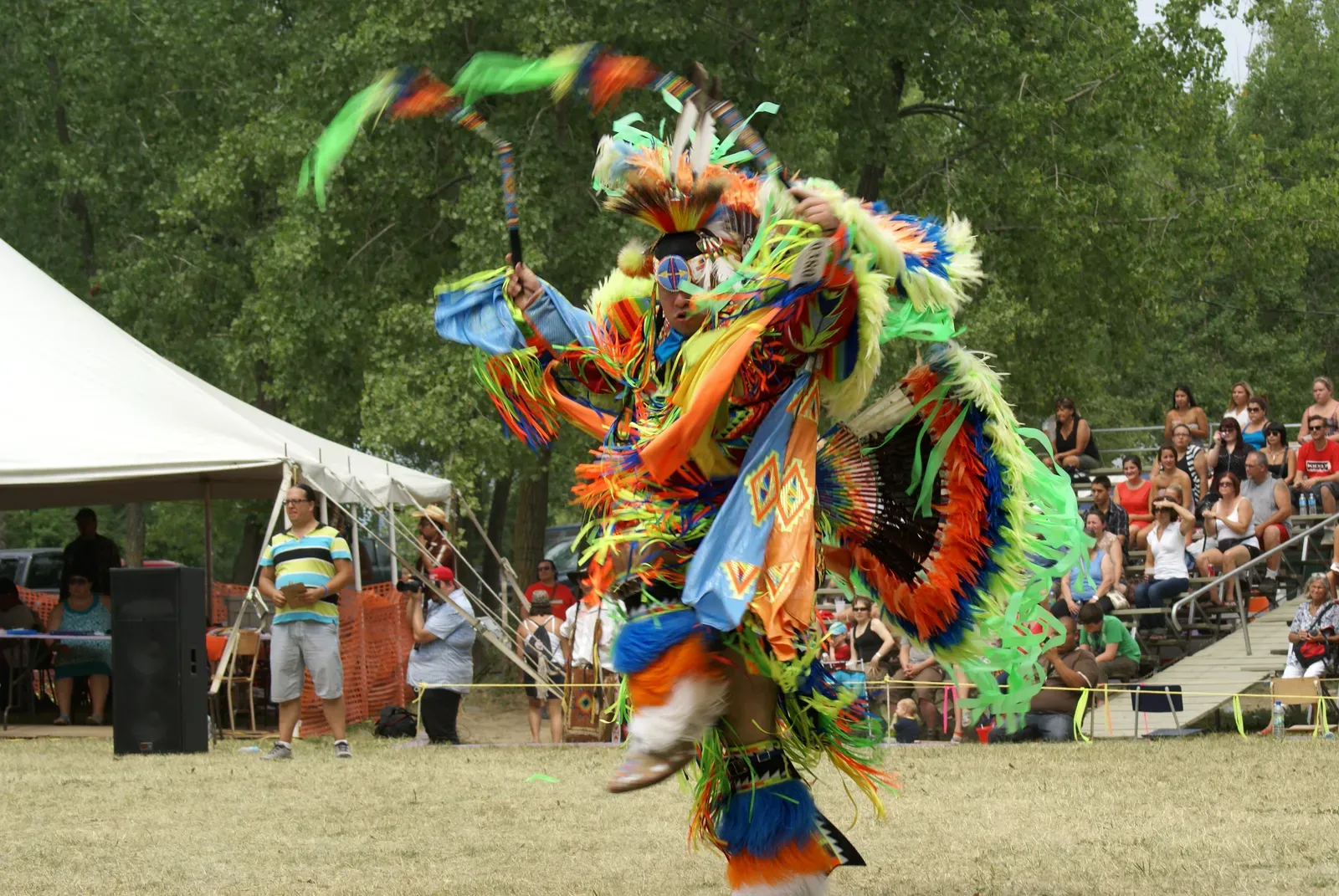
Both public and private rituals permeate traditional Lakota life, with such rites typically being practical and goal oriented in intent, designed to achieve and maintain a state of wolakota, meaning balance or harmony. The Lakota way of life is very spiritual and marked by a deep respect for nature, with their cosmological view marked by the sanctity of all creation where every plant, animal, and human being is sacred, and their philosophy characterized by the interconnectivity of things, with life consisting of parts that are pieces of a greater whole forming the grand scheme of the universe.
These eight traditions aren’t museum pieces gathering dust. They’re living, breathing practices that continue shaping Lakota identity in 2025. From reservation ceremonies to urban Indigenous gatherings, these sacred rites connect modern Lakota people to ancestors, to the land, and to each other. They survived government bans, forced assimilation attempts, and centuries of suppression. That resilience speaks to something deeper than mere tradition. It speaks to the human need for spiritual connection, community, and meaning.
What would your life look like if you carried such powerful traditions forward despite overwhelming obstacles? The Lakota show us that cultural survival isn’t passive; it requires active choice, sacrifice, and unwavering commitment to what matters most.