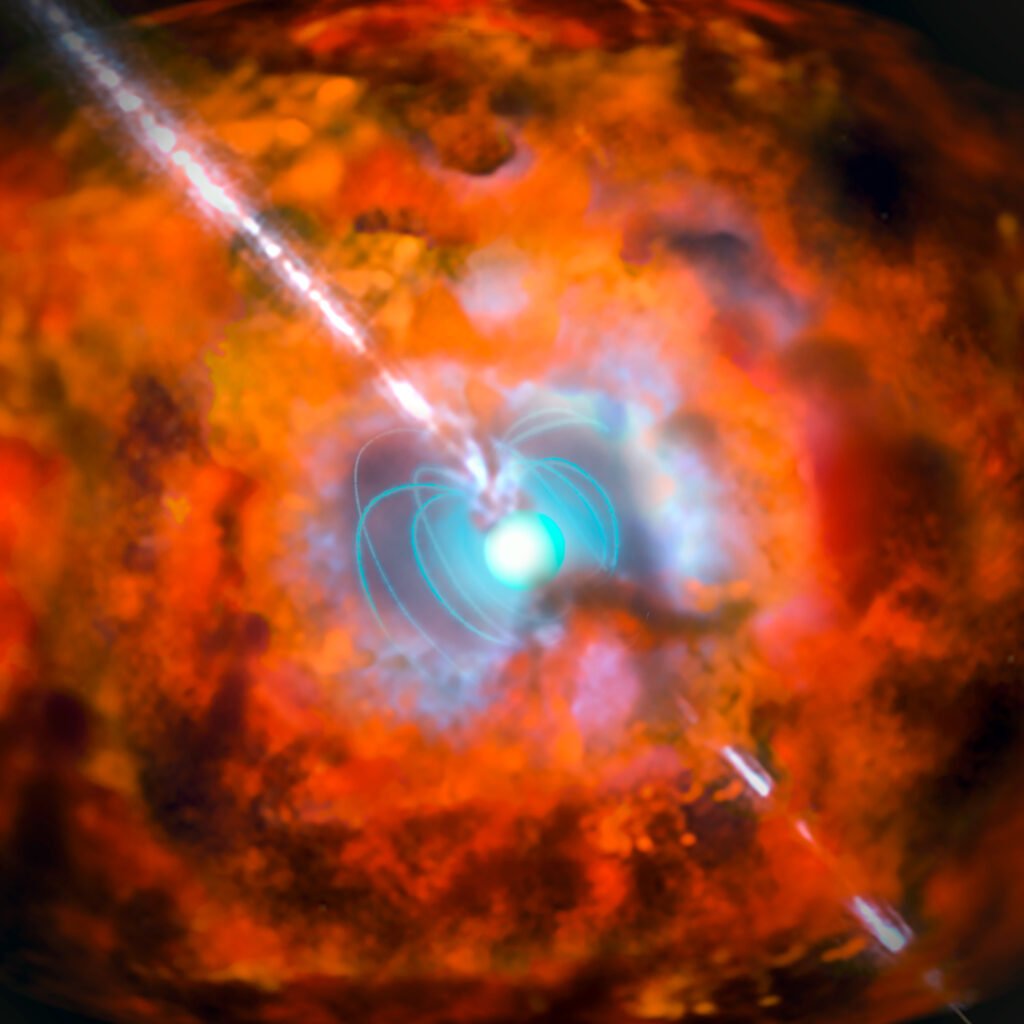
You’ve probably looked up at the night sky and wondered what secrets lurk in those distant points of light. The truth is, despite decades of advanced telescopes and brilliant minds, the cosmos continues to throw curveballs that leave even seasoned astronomers scratching their heads. Here’s the thing: for every mystery we solve, two more seem to pop up.
Some of these cosmic enigmas challenge the very foundations of physics. They force us to reconsider what we think we know about reality itself. Let’s dive into eleven of the most baffling phenomena that continue to perplex scientists in 2025.
The Invisible Scaffolding: Dark Matter’s Ghostly Grip

Roughly a quarter of the universe consists of something called dark matter, an invisible substance that makes up most of the matter in galaxies and galaxy clusters. Think about that for a second. Nearly everything holding galaxies together is completely invisible to us.
Galaxies would literally fall apart without dark matter’s gravitational scaffolding holding them together, as this invisible matter is implied by gravitational effects that cannot be explained by general relativity unless more matter is present than can be observed. Researchers have been able to infer the existence of dark matter only from the gravitational effect it seems to have on visible matter, and it seems to outweigh visible matter roughly six to one.
Yet despite knowing it’s there, we cannot see it, touch it, or detect it directly. Dark matter doesn’t interact with baryonic matter and it’s completely invisible to light and other forms of electromagnetic radiation, making it impossible to detect with current instruments. Honestly, it’s like trying to study an invisible elephant by watching how the room shakes when it walks.
The Force Pushing Everything Apart: Dark Energy’s Cosmic Push
Dark energy is a term scientists use to refer to whatever is causing the universe to expand faster over time, and it’s a catchall term because we don’t know exactly what dark energy is. Let me be clear: this is arguably the deepest mystery in all of physics.
Dark energy is even more mysterious than dark matter, and its discovery in the 1990s was a complete shock to scientists who had previously assumed that the attractive force of gravity would slow down the expansion of the universe over time, but when two independent teams tried to measure the rate of deceleration, they found that the expansion was actually speeding up.
From what scientists can tell, visible matter makes up only 5% of the universe, while dark matter and dark energy are believed to make up the other 27% and 68%, respectively. That means we only truly understand a tiny sliver of everything that exists. This unidentified component of the universe is thought to be present in such a large quantity that it overwhelms all other components of matter and energy put together, with dark energy contributing 68 percent of the matter-energy density of the Universe.
The Cosmic Flash Bombs: Fast Radio Bursts
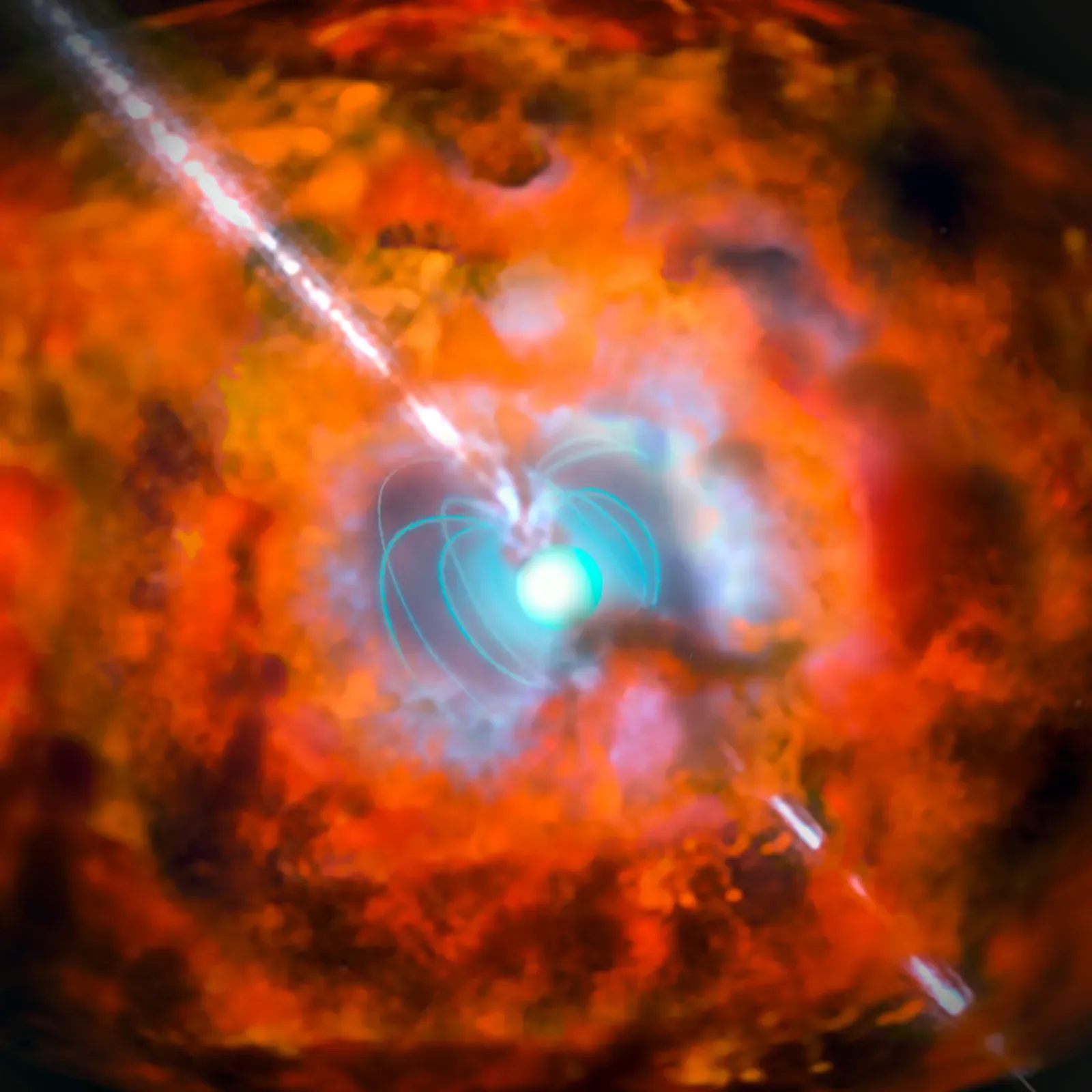
These millisecond blasts of radio energy pack more punch than our Sun produces in several days, yet they vanish almost as quickly as they appear, with hundreds of these extragalactic signals having been detected since their first discovery in 2007. Imagine trying to study lightning that lasts only a fraction of a blink.
Mysterious fast radio bursts, or millisecond-long bright flashes of radio waves from space, have intrigued astronomers since the first detection of the phenomenon in 2007, and these enigmatic signals release as much energy in less than the blink of an eye as the sun emits in one day. What could possibly generate that much power in such a short time?
Scientists have linked some bursts to highly magnetized neutron stars called magnetars, but this explanation doesn’t cover all cases, and the sheer diversity of these cosmic flash bombs suggests multiple unknown mechanisms at work. Recent discoveries have found fast radio bursts in surprising locations, including one on the outskirts of massive elliptical galaxies where young stellar remnants should have disappeared long ago, raising questions about how such energetic events can occur in regions where no new stars are forming.
Tabby’s Star: The Cosmic Lightbulb Gone Haywire
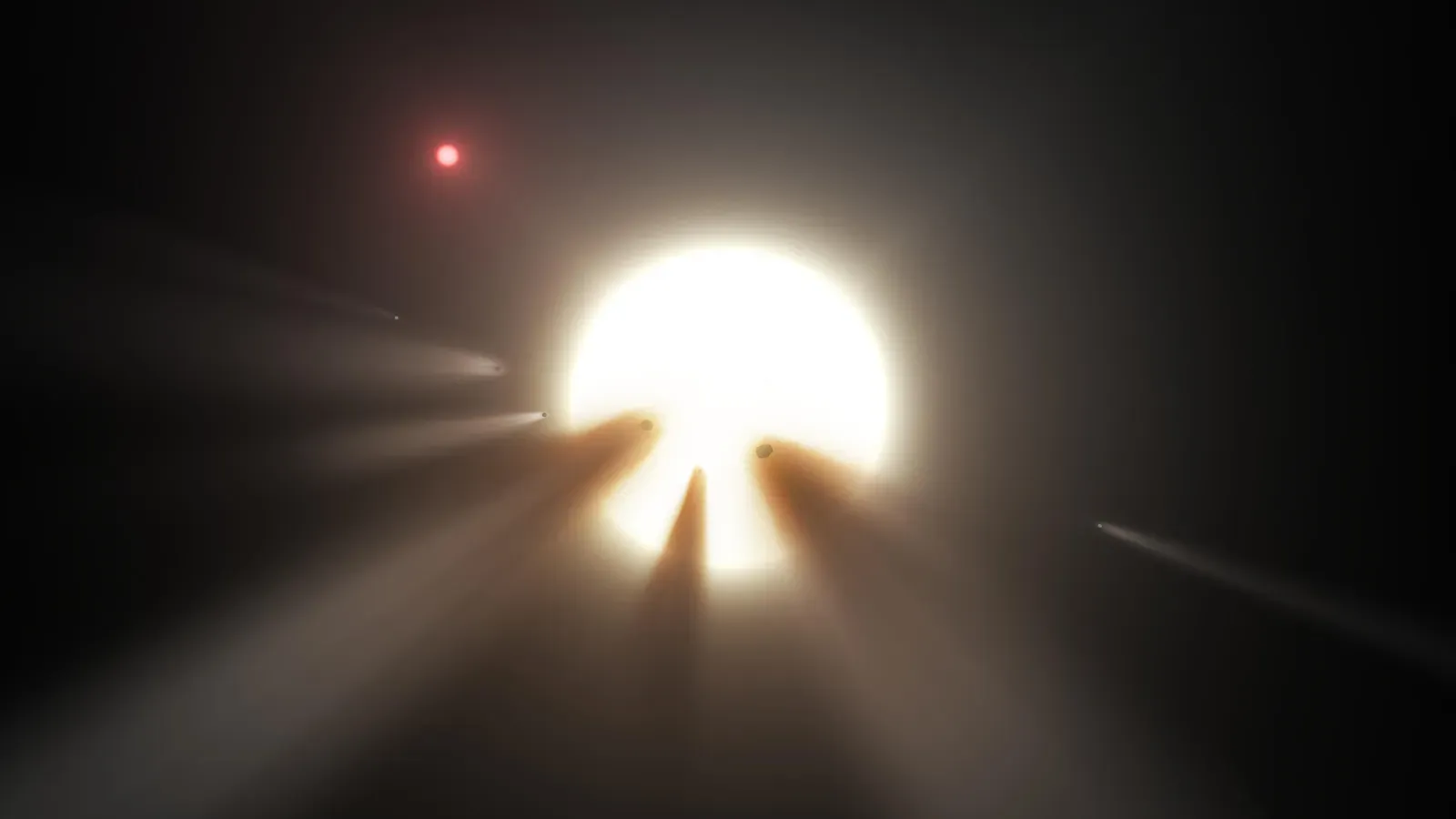
Located 1,470 light-years away in the constellation Cygnus, this F-type star exhibits the most bizarre behavior astronomers have ever recorded, with the star dimming by up to 22% in completely unpredictable patterns, and the erratic brightness drops lack any consistent timing. No other star in our galaxy acts like this.
I know it sounds crazy, but some people even wondered if an alien megastructure might be blocking the light. While scientists favor explanations involving circumstellar dust from colliding asteroids or disrupted moons, no single theory fully accounts for these dramatic, irregular light variations. Still, nothing we’ve proposed quite fits the observations perfectly.
The thing about Tabby’s Star is that it breaks all the rules. Stars should behave predictably, following the laws of physics we’ve established over centuries. Yet this one seems to have its own agenda, dimming and brightening in ways that defy conventional explanations.
The Fermi Bubbles: Galactic Gamma-Ray Giants
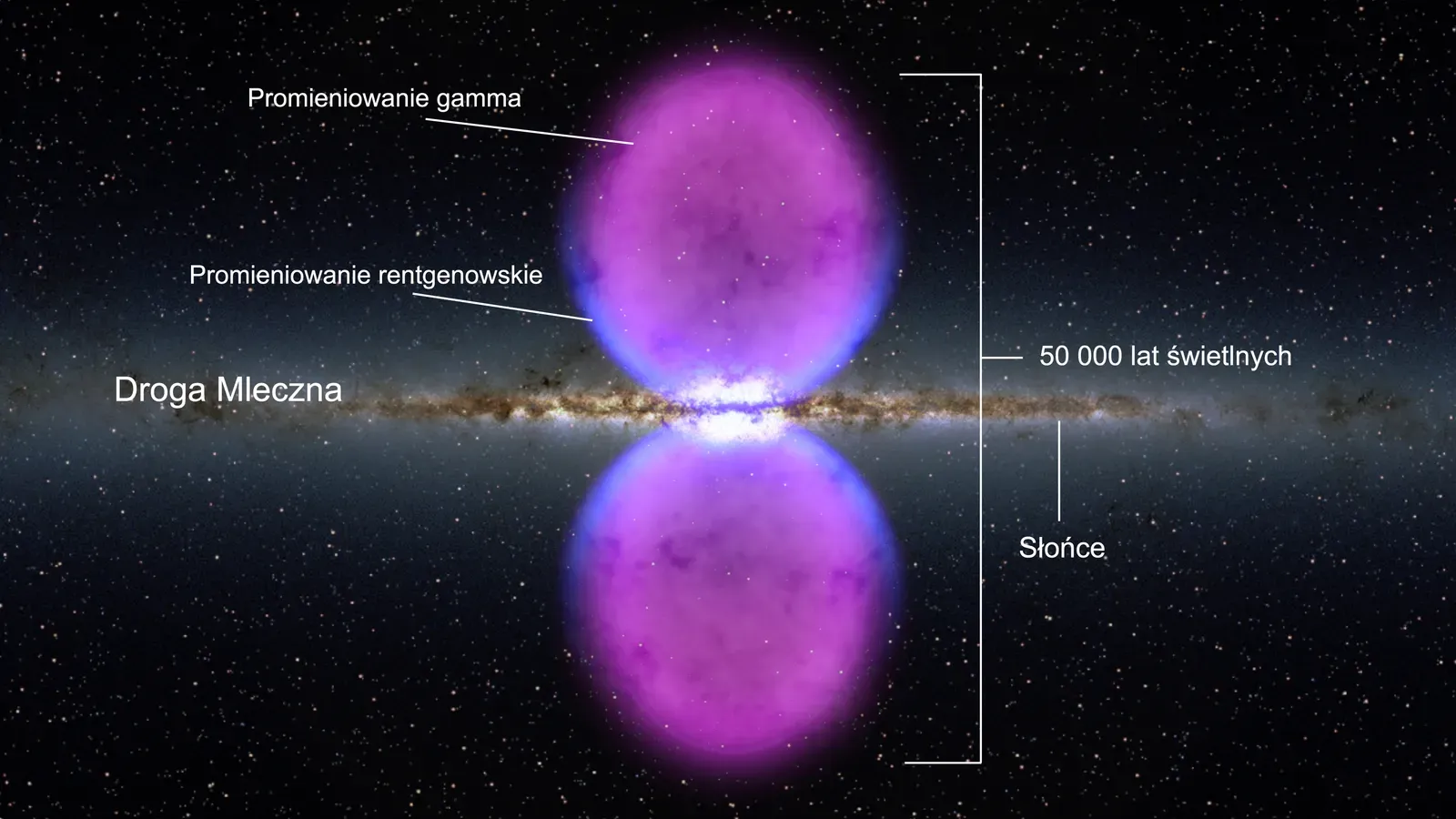
Two enormous lobes of high-energy gamma radiation extend 25,000 light-years above and below the Milky Way’s center, invisible to human eyes but blazing brightly in gamma-ray observations, and these structures have sharp, well-defined edges that suggest a sudden, powerful explosion rather than gradual stellar activity. Think about that scale for a moment. These bubbles dwarf entire regions of our galaxy.
The leading suspects include violent outbursts from our galaxy’s central supermassive black hole or intense bursts of star formation near the galactic core, and no similar structures have been observed in other galaxies, making these bubbles a unique fingerprint of some dramatic event in our cosmic neighborhood’s past.
What caused such a massive, symmetrical explosion? It’s hard to say for sure, but something truly cataclysmic must have happened at the center of our galaxy millions of years ago. The evidence is literally written in the sky in gamma rays.
Odd Radio Circles: Mystery Halos in Space
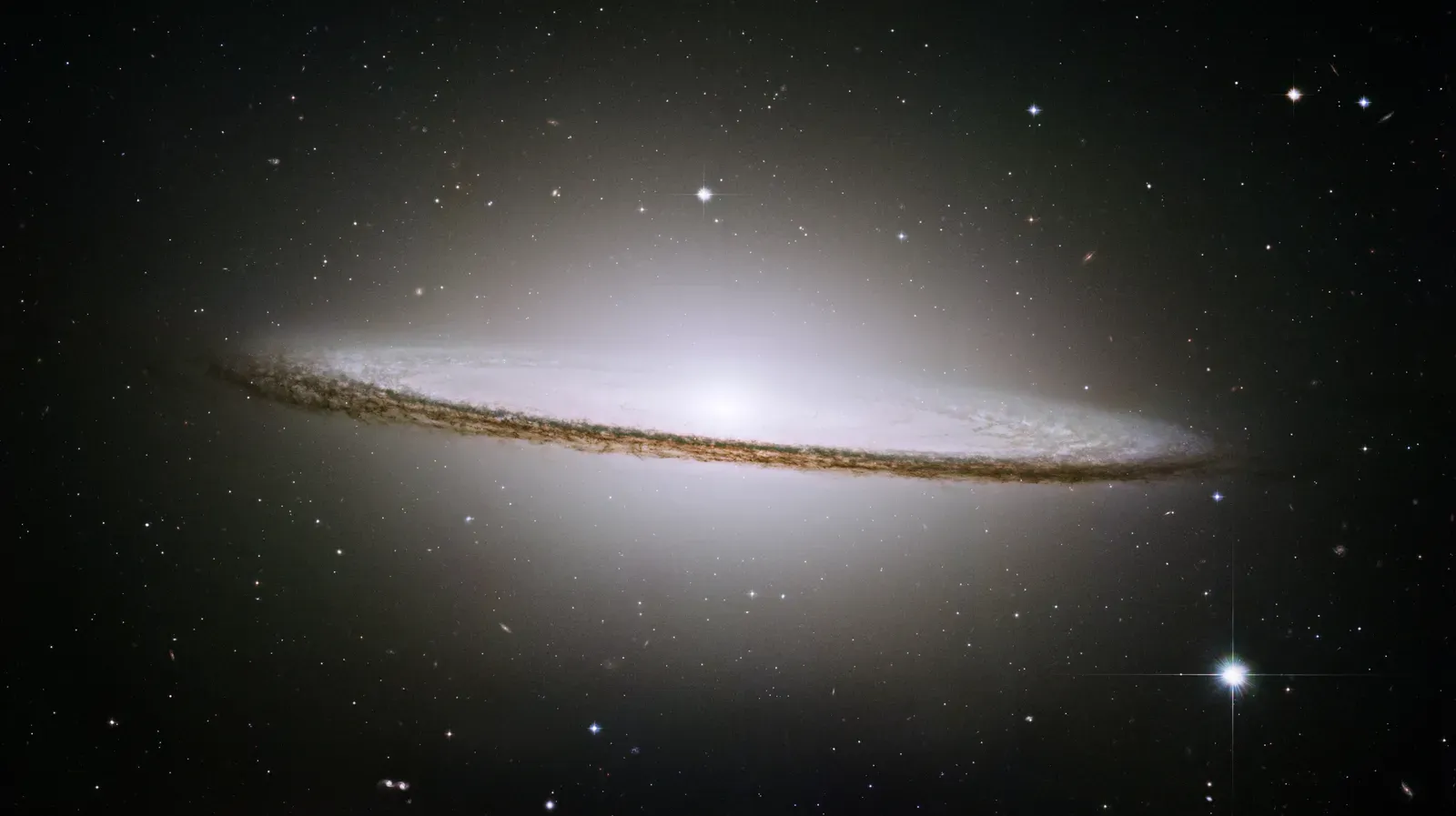
These enormous ring-shaped structures span roughly one million light-years across and emit exclusively in radio wavelengths, making them invisible to optical telescopes, and first spotted in 2019, these perfectly circular halos don’t match any known cosmic phenomena like supernova remnants or galaxy clusters. Picture a ghostly halo larger than most galaxies, visible only to radio telescopes.
Their clean, symmetric appearance and massive scale suggest powerful shockwaves from unknown energetic events, possibly involving supermassive black hole mergers or galaxy collisions, and only a handful have been identified so far, leaving scientists to wonder whether they’re witnessing rare cosmic accidents or common features they’ve simply overlooked.
The symmetry is what really gets me. Natural phenomena tend toward chaos, yet these circles are almost perfectly round. Whatever creates them must involve incredibly uniform forces acting on galactic scales.
Black Hole Information Paradox: Where Did Everything Go?
Black holes pose a problem for information because they don’t last forever, as they leak particles very slowly in a process called Hawking radiation, discovered by the late physicist Stephen Hawking in 1974, and eventually they completely evaporate, leaving nothing behind. Yet the laws of quantum mechanics insist that information cannot be destroyed.
The black hole information paradox is an unsolved problem in physics that appears when the predictions of quantum mechanics and general relativity are combined, and in the 1970s, Stephen Hawking applied quantum field theory and found that an isolated black hole would emit radiation that would be independent of the initial state of the black hole, creating a paradox when one considers a process in which a black hole is formed and then evaporates away entirely through Hawking radiation.
In a landmark series of calculations, theoretical physicists have come tantalizingly close to resolving the black hole information paradox that has entranced and bedeviled them for nearly 50 years, and information, they now say with confidence, does escape a black hole. In some way or other, space-time itself seems to fall apart at a black hole, implying that space-time is not the root level of reality but an emergent structure from something deeper, and although Einstein conceived of gravity as the geometry of space-time, his theory also entails the dissolution of space-time, which is ultimately why information can escape its gravitational prison. Still, many questions remain unanswered.
Oumuamua: The Interstellar Intruder
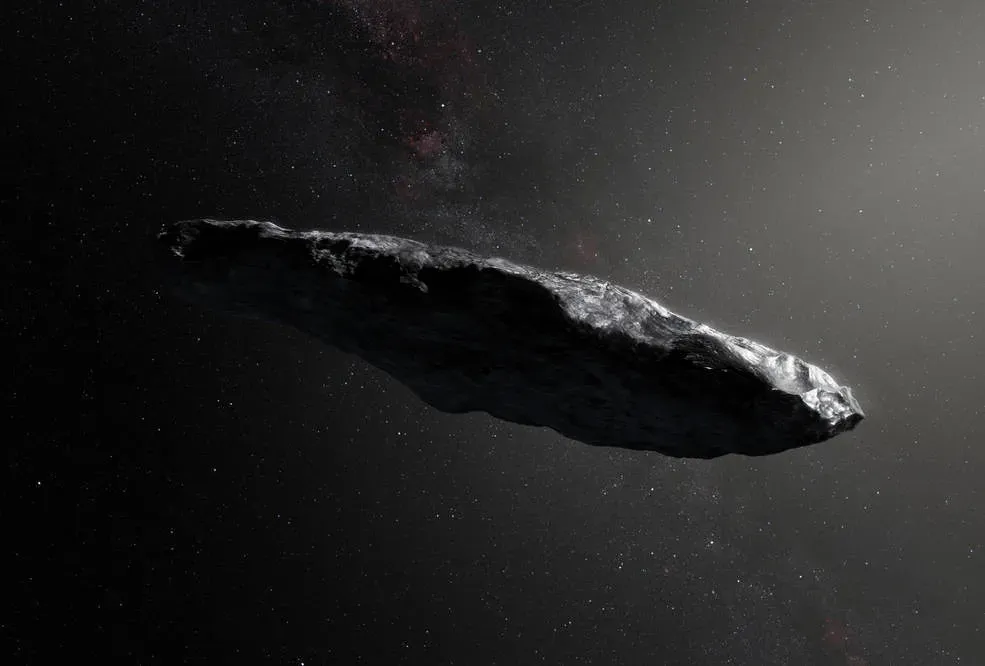
Oumuamua is the first confirmed object from another star to visit our solar system, discovered in October 2017, and it appears to be a rocky, cigar-shaped object with a somewhat reddish hue. No asteroid or comet from our own solar system looks anything like it.
Oumuamua is up to one-quarter mile long and highly elongated, perhaps 10 times as long as it is wide, with an aspect ratio greater than that of any asteroid or comet observed in our solar system to date, and while its elongated shape is quite surprising, it may provide new clues into how other solar systems formed.
Here’s where it gets weird. Astronomers noticed a slight acceleration away from the sun, more characteristic of comets, but when Oumuamua was discovered, it had no tail and was too small and too far from the sun to capture enough energy to eject much water, and the fact that it was accelerating away from the sun in a way that astronomers could not explain perplexed scientists. A new study argues that the comet’s mysterious behavior can be explained by a simple physical mechanism: outgassing of hydrogen as the comet warmed up in the sunlight. Yet controversy persists about this visitor’s true nature.
The Great Attractor: Something Massive Pulling Us
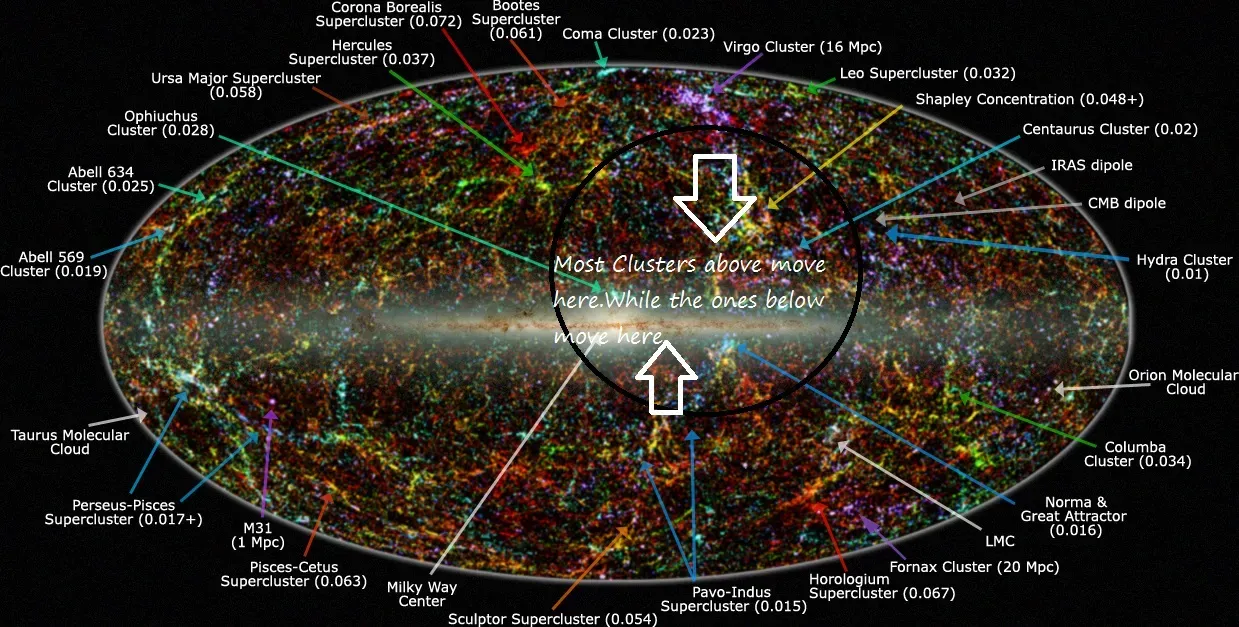
Something massive lurks 150 million light-years away, pulling our galaxy and thousands of others toward a region hidden behind the Milky Way’s dusty disk. We can’t see it directly because our own galaxy blocks the view.
Imagine knowing that you’re being pulled toward something enormous but being unable to see what it is. That’s our current predicament. Whatever this gravitational anomaly is, it’s powerful enough to drag entire galaxy clusters across cosmic distances. The velocity of our local group of galaxies suggests an enormous concentration of mass in that direction.
Honestly, it’s both thrilling and unsettling to know we’re racing toward something we cannot fully observe or understand. The Great Attractor remains one of the most frustrating mysteries because the answer is literally hidden behind our own cosmic neighborhood.
Ultra-High-Energy Cosmic Rays: Impossibly Powerful Particles
Little is known about the ultra-high-energy cosmic rays that regularly penetrate the atmosphere, as the source of cosmic rays has long perplexed astronomers, and cosmic rays are charged subatomic particles that flow into our solar system from deep in outer space, with the strongest cosmic rays being extraordinarily powerful, with energies up to 100 million times greater than particles from manmade colliders.
Let’s be real: nothing we know of should be able to accelerate particles to these speeds. These cosmic bullets carry energies that dwarf anything we can produce in our most powerful particle accelerators. Where do they come from? What natural process could possibly generate such mind-boggling energies?
The mystery deepens because these particles shouldn’t even be able to reach us from distant sources. There’s a theoretical limit called the GZK cutoff that should prevent particles above a certain energy from traveling long distances. Yet we detect them anyway.
The Axis of Evil: The Universe Shouldn’t Know We’re Here
Some large features of the microwave sky at distances of over 13 billion light-years appear to be aligned with both the motion and orientation of the Solar System, and scientists question whether this is due to systematic errors in processing, contamination of results by local effects, or an unexplained violation of the Copernican principle.
This one really challenges our fundamental assumptions. The Copernican principle says that we shouldn’t occupy any special place in the universe. Yet the cosmic microwave background seems to have features aligned with our solar system. That shouldn’t be possible unless something is very wrong with our understanding or our measurements.
Some astronomers have nicknamed this the “axis of evil” because it threatens to overturn one of the most basic principles of cosmology. It’s as if the universe somehow knows we’re here and arranged itself accordingly, which obviously makes no sense. There must be another explanation, but finding it has proven remarkably difficult.
Mysterious Chemical Reactions at the Galactic Center
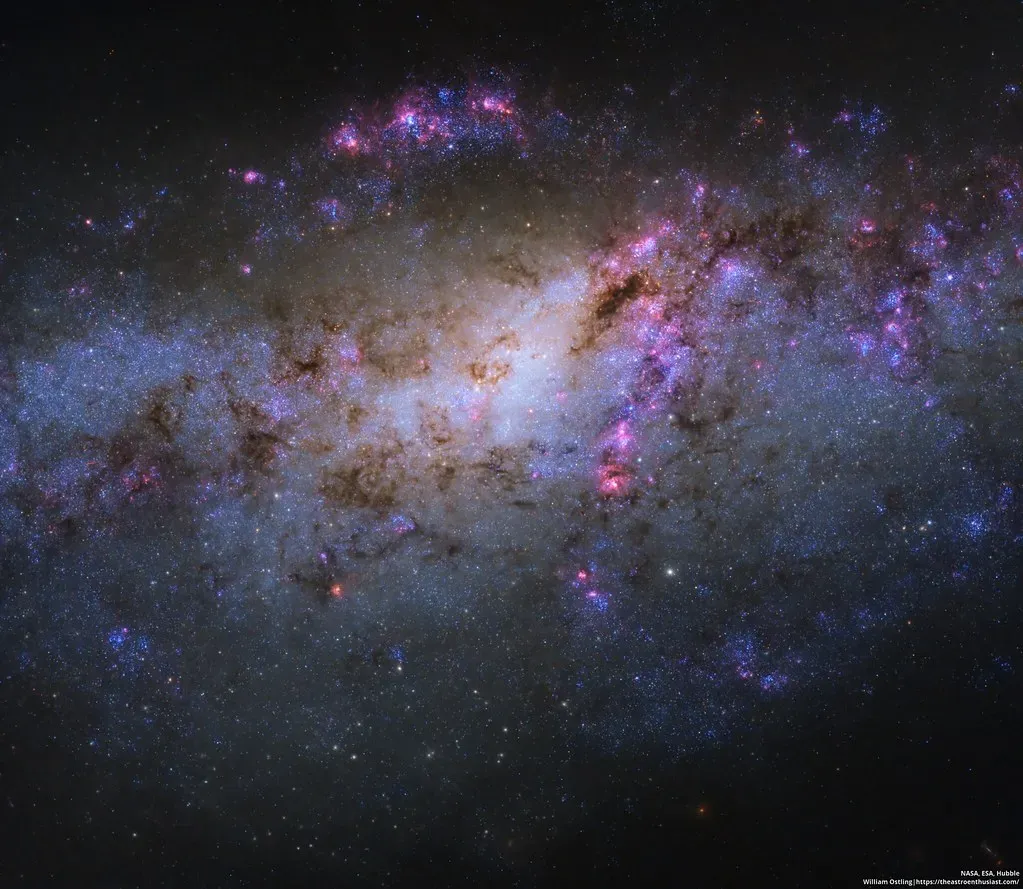
Scientists believe a reimagined candidate for dark matter could be behind unexplained chemical reactions taking place in the Milky Way, as at the center of our galaxy sit huge clouds of positively charged hydrogen, a mystery to scientists for decades because normally the gas is neutral, raising the question of what is supplying enough energy to knock the negatively charged electrons out of them.
Previous attempts to explain this ionization process had relied on cosmic rays, but this explanation has faced difficulties as energy signatures recorded from observations don’t seem to be large enough to be attributed to cosmic rays, and such a process doesn’t seem possible with WIMPs either, leaving researchers with the explanation that the energy source causing the annihilation is slower than a cosmic ray and less massive than a WIMP.
The data is telling us that dark matter could potentially be a lot lighter than we thought. If true, this could revolutionize our understanding of one of the universe’s biggest mysteries. The galactic center might be giving us our first real clues about the true nature of dark matter.
Final Thoughts: Embracing the Unknown
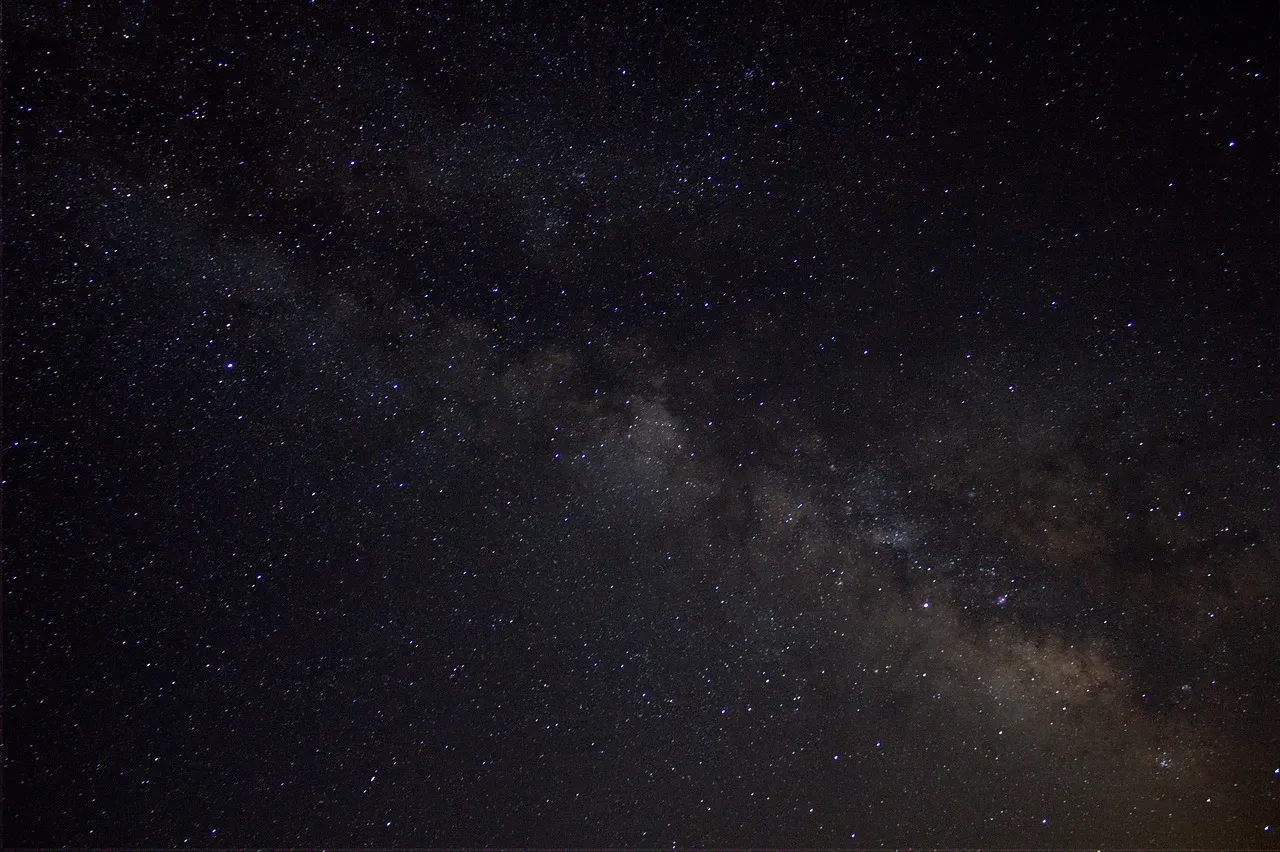
These eleven cosmic mysteries remind us how much we still have to learn. Each phenomenon challenges our understanding in different ways, pushing the boundaries of physics, astronomy, and even philosophy. Dark matter and dark energy dominate the universe yet remain invisible. Fast radio bursts flash across space with inexplicable power. Mysterious objects from other star systems visit our cosmic neighborhood with bizarre properties.
The beauty of these mysteries lies not just in their eventual solutions, but in what they reveal about the scientific process itself. Every answer leads to new questions. Every discovery opens new frontiers. Perhaps in your lifetime, some of these enigmas will be solved, while others might reveal even stranger truths about the cosmos.
What strikes me most is how these mysteries connect to fundamental questions about reality. They force us to reconsider the nature of space, time, matter, and energy. They challenge us to think beyond our everyday experience and imagine possibilities that seem impossible.
What do you think about these cosmic puzzles? Which mystery intrigues you the most? The universe is vast and strange, and honestly, I find it comforting that so much remains to be discovered.